Recent Mad Traveller
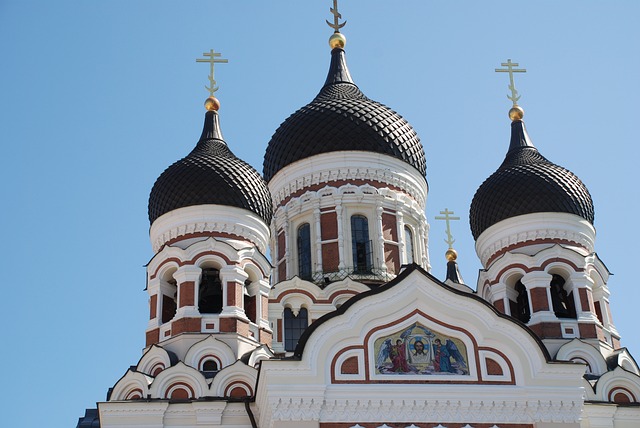
Sightseeing in Tallinn: Old Town to Kadriorg
Sightseeing in Tallinn The flag on Pikk Hermann tower goes up at sunrise to the sound of the national anthem, and that is a fair introduction to a city where the sights are layered on one hill and one square. Walking the UNESCO Old Town is free; towers and museums are ticketed.
Town Hall Square Raekoja plats is the medieval centre. The Town Hall dates from 1404, and its weather vane, Old Thomas,...
read more

Kenya Sightseeing: Mara, Amboseli, Nakuru
Mount Kilimanjaro rises behind grazing elephants at Amboseli, and it is the kind of view Kenya produces almost casually. Four parks make the core of any sightseeing plan, each with its own landscape, season and price, and a handful of coastal sights add culture between the safaris.
Maasai Mara National Reserve Open golden grassland, lion prides, cheetahs hunting gazelle and the chance to see the...
read more
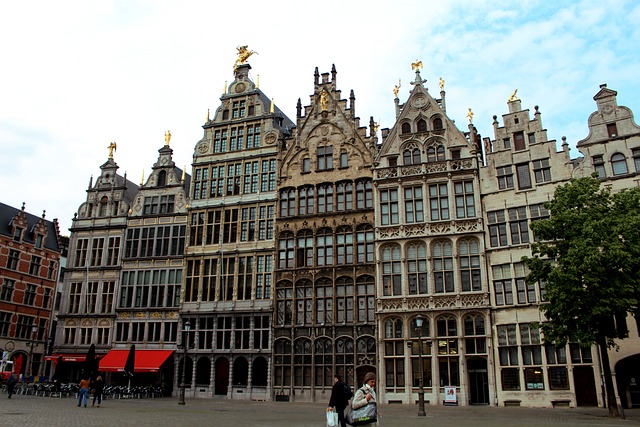
Antwerp Sights: Spires, Squares, Skyline
Antwerp Sights: Spires, Squares, Skyline One tower, 123 metres tall, tells you where you are in Antwerp: the single spire of the Cathedral of Our Lady, the tallest church tower in the Benelux. Most of the sights worth seeing sit within a 20-minute walk of it, and several cost nothing. Prices are in euros.
The cathedral Built between 1352 and 1521, it is the largest Gothic church in the Low...
read more
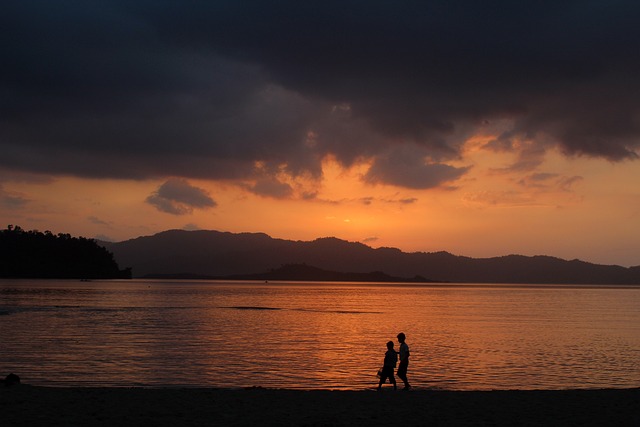
Romantic Philippines: Private Boats, Sails
Romantic getaways in the Philippines The most romantic thing you can do in the Philippines is get on a small boat before everyone else does. The country is short on grand gestures and long on quiet water, so the plan is a handful of private hours.
A private bangka in El Nido Group tours of Bacuit Bay start from about ₱1,200 a head and arrive at the lagoons in flotillas. A private outrigger for two...
read more
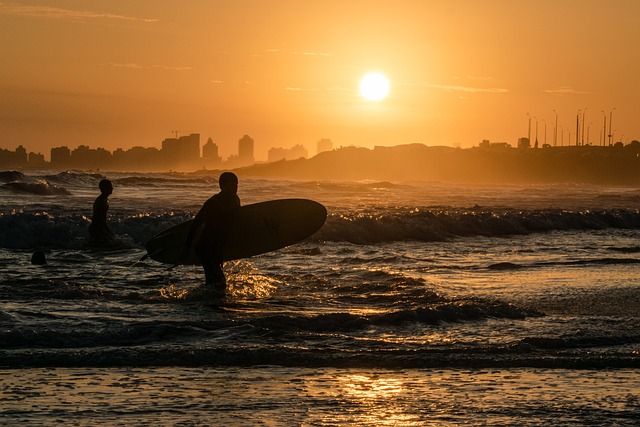
Uruguay Sightseeing: Capital to Coast
Montevideo’s landmarks Plaza Independencia is the centre of the capital’s sightseeing. The bronze statue of José Gervasio Artigas, the national founding hero, stands on a crypt that holds his remains, guarded by ceremonial sentries of the Blandengues regiment. Entry is free, quiet is expected, and photographs without flash are allowed. Facing the plaza is Palacio Salvo, a 1928 tower...
read more

Reykjavik Sightseeing: Towers and Harbour
Climb Hallgrímskirkja’s tower first. From the eighth floor the whole city is a quilt of painted roofs, with the bay on one side and Mount Esja on the other, and you can plan the rest of the day from there.
Hallgrímskirkja The 74.5 m church designed by Guðjón Samúelsson echoes the basalt columns found around Iceland, and it houses a 5,275-pipe organ. The nave is free outside services and...
read more
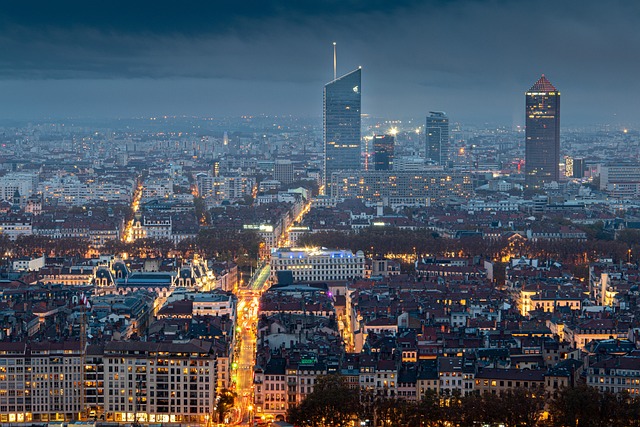
Lyon Walking Tours: Four Routes on Foot
Lyon Walking Tours: Four Routes on Foot Lyon is a walking city, but it does not come with signposted trails. What follows are four routes you can link from the map, with rough timings rather than measured distances.
Vieux Lyon and its traboules Begin at Place Saint-Jean, by the cathedral, and walk north along rue Saint-Jean. Allow about two hours. The Longue Traboule links 54 rue Saint-Jean to rue...
read more

Sightseeing in New Orleans by Neighborhood
The French Quarter’s street grid dates to 1718, and most of what you see on its balconies went up after fires in 1788 and 1794, in Spanish colonial style. That layering shows why New Orleans rewards a neighborhood-by-neighborhood approach.
French Quarter Start at Jackson Square, where St. Louis Cathedral (founded 1789) is the oldest continuously active Catholic cathedral in the United...
read more

Tanzania Sightseeing: Rim Views and Old Town
Travel advisory: The US government currently advises reconsidering travel to Tanzania, and the UK advises against all but essential travel within 20 km of the Mozambique border (Cabo Delgado). The views described here are in the north and on Zanzibar, away from that area. Read the latest on travel.state.gov and gov.uk/foreign-travel-advice/tanzania before you book.
Tanzania’s best views come...
read more
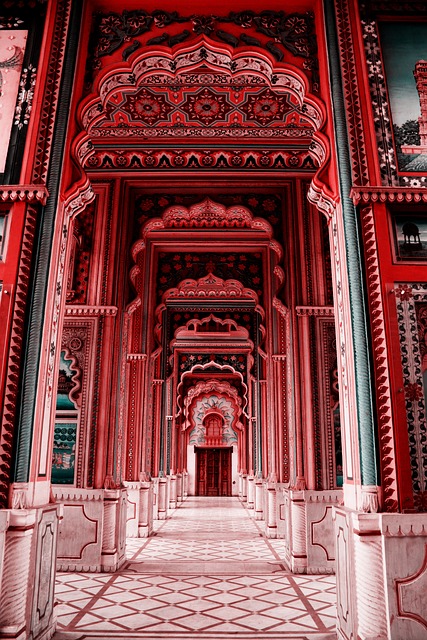
Jaipur Sightseeing Route: Old City to Amber
Jaipur sightseeing works best as three clusters rather than one long list. The old city’s monuments sit within a few hundred metres of each other, Amber and Jaigarh share a ridge to the north, and Nahargarh is a separate climb.
Cluster one: the old city City Palace is a tiered-ticket complex of courtyards and museums, so budget by tier rather than assuming a single price. Jantar Mantar,...
read more
Bulgaria Sightseeing: UNESCO and Fortresses
Five UNESCO-grade stops Bulgaria packs more heritage into a small country than most visitors expect. Rila Monastery, Nessebar and the Kazanlak tomb are on the UNESCO list, and the fortresses of Veliko Tarnovo and Belogradchik add dramatic settings. Here is how to see each one properly.
Rila Monastery Rila is a working Orthodox monastery in a forested gorge at about 1,147 metres. Visitors admire...
read more
Romantic Reykjavik for Couples
Romance in Reykjavik tends to be warm water against cold air: a lagoon at the edge of the sea, a rooftop hot tub at dusk, a dinner you booked weeks ago. Plan the evenings first and fit the days around them.
Sky Lagoon at the water’s edge Sky Lagoon in Kópavogur, a short drive from the centre, has a 70 m infinity pool looking out over the North Atlantic. Two passes exist: Saman (shared...
read more
Romantic Jaipur: Sunsets, Balloons, Palaces
Jaipur does romance at the edges of the day. A balloon basket drifting over the Aravalli ridges at dawn, then a fort wall above the city at dusk, covers most of what couples come for.
Dawn: a balloon over Amber Sunrise balloon flights float over the Amber valley, with fortresses, villages and ridges below. Prices are about INR 7,500-15,000 per person on a shared basket, depending on the operator,...
read more
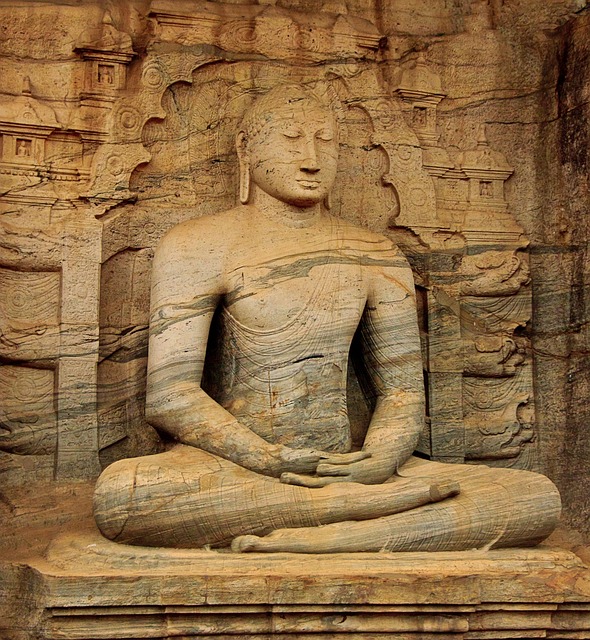
Sri Lanka Romantic Getaways: Tea and Sea
Wake above a tea estate with mist in the valley, then finish the week with your feet in warm sand. That is the Sri Lankan honeymoon in one sentence, and it runs on two stays: the hills and the south coast.
Tea-country bungalows Planter-era bungalows around Nuwara Eliya and Hatton offer log fires, tea on the veranda and views over rolling estates. Rates vary widely, from modest to very high, so...
read more
Tanzania Romantic Getaways: Bush and Beach
Travel advisory: The US currently advises travellers to reconsider travel to Tanzania, and the UK advises against all but essential travel within 20 km of the Mozambique (Cabo Delgado) border. The lodges and beaches covered below are far from that area. Check the US State Department and UK FCDO before booking.
Two days of Tanzania romance sum up the country: a dawn balloon over the Serengeti...
read more
Romantic New Orleans: Jazz, Steam, Cocktails
Romance in New Orleans is mostly a matter of sound and light: a brass band drifting from an open door, river air on a deck, a bar glowing at the end of a long evening. The city has more than enough for a couple, and nearly all of it happens after dark.
A dinner cruise on the Mississippi The Steamboat Natchez runs an evening dinner jazz cruise, with the Dukes of Dixieland on the bandstand, from the...
read more
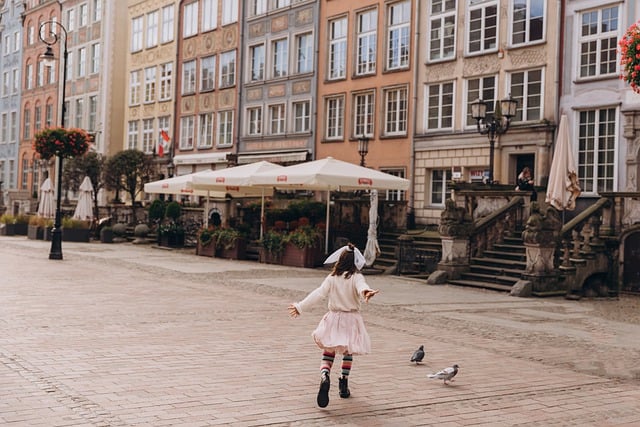
Gdańsk for Couples: Dusk Walks and Concerts
Gdańsk looks best after the day-trippers have left, when the lamps come on along Mariacka and the Crane reflects in the Motława. Couples get the most from the city by planning evenings rather than attractions.
Dusk on Mariacka Ulica Mariacka runs from the east side of St Mary’s Basilica down to the river gate. Raised stone terraces called przedproża front the houses, carved gargoyle rain...
read more
Romantic Tallinn: Viewpoints and Candlelight
Romantic Tallinn Stone lanes, lamplit courtyards and a skyline of spires do most of the work here. A couple needs only a decent pair of shoes, since the best romantic moments in Tallinn are free or cost the price of a meal.
Sunset on Toompea Walk up to the Kohtuotsa platform on Toompea Hill at the end of the day. Red roofs, church spires and the Baltic fill the view, and the wall there is known...
read more
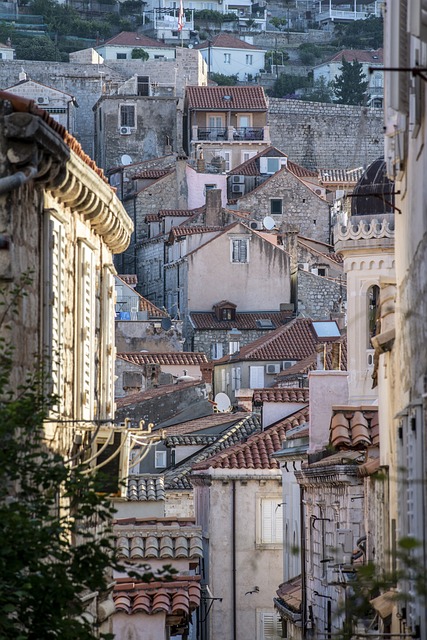
Dubrovnik Walking Routes: Old Town to Lapad
Dubrovnik on Foot: Five Self-Guided Routes The Old Town is car-free and compact, and every route below can be walked without a guide. The five routes range from a free dawn stroll to a coastal promenade with swimming stops.
Route one: Stradun at dawn Between 06:30 and 07:30 the street is nearly empty. Walk from Pile Gate to Luža Square, then loop through the side lanes. Pass Onofrio’s Large...
read more
Lyon Sightseeing: Hills, Romans, Squares
Lyon Sightseeing: Hills, Romans and Great Squares Lyon is built on two hills and two rivers, and its sights sort neatly by where you stand. Start high, work down, and finish on the flat.
Fourvière hill The Basilique Notre-Dame de Fourvière was completed in 1896 and is the city’s pilgrimage church, not its cathedral. Entry is free every day. Hours change with the season and run later in...
read more
Romantic Bulgaria: Wine and Old Towns
What romance looks like here Romance in Bulgaria is modest, local and affordable. It comes down to a handful of dependable experiences: wine in the south, evenings in old towns, a sunset by the Black Sea and a mountain day when the weather is good. Everything is priced in euros.
Melnik wine country Melnik is a small wine town in the southwest, known for the Melnik 55 grape and cellars cut into...
read more
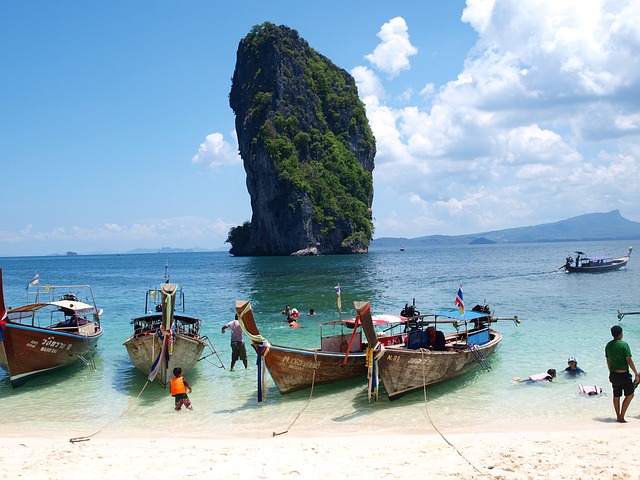
Romantic Krabi: Sunset Beaches and Longtails
Romance in Krabi is about light and water: a limestone headland turning orange at sunset, a longtail boat all to yourselves, a quiet beach with the Hong islands on the horizon. The province is small on genuinely romantic options, so here are the ones that earn the trip.
Phra Nang Beach at sunset Phra Nang is a soft crescent of sand in Railay, walled in by karst cliffs, and it is among the...
read more

Ghana for Couples: Savannah Lodge Stays
Romantic getaways in Ghana Ghana is not a honeymoon-resort country, and the romantic options are few. What it offers instead is a single standout stay in elephant country, a cool hill garden an hour from Accra, and a quiet stretch of western coast. Plan around those three and the trip hangs together. Prices here are in Ghana cedis (GH₵), at about 11.7 to the US dollar in early October 2026, and...
read more
Antwerp for Couples: Dusk, Candles, Skyline
Antwerp for Couples: Dusk, Candles, Skyline The best hour for two in Antwerp is the one just after sunset, when the cathedral spire is lit and the Scheldt turns dark and glassy. Most of what makes it romantic here is free: a ferry ride, a rooftop and a very old alley. They come below in order, with a few paid extras for when you want a table or a ticket.
read more
Romantic Taiwan: Hot Springs and Lake Views
Warm water first Taiwan’s romance is small and sensory: steam rising off a bath, tea on a hillside, a lake at dusk and a lantern drifting up. The best trips are built from a handful of good evenings. They run below in the order of the day they suit.
Morning: a soak for two Beitou and Wulai are the hot spring districts closest to Taipei. Both have private bathhouse rooms with a cedar or stone...
read more
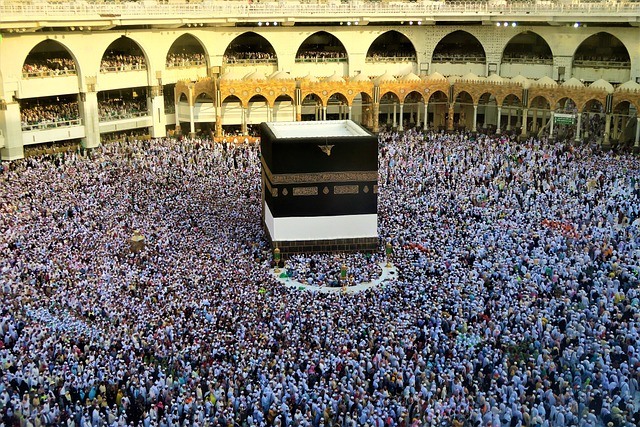
Mecca on Foot: Walking Routes and Timing
Travel advisory: The US State Department advises reconsidering travel to Saudi Arabia because of regional conflict, and Houthi drones and missiles have targeted Saudi cities. UK restrictions cover the Yemen border region and Abha and Khamis Mushait, not Mecca. Check US State Department and UK FCDO guidance before you go.
Mecca has no leisure walking scene, and the routes that exist are short...
read more
Kenya Romantic Getaways: Mara and Coast
Sunrise over the Mara plains, seen from a basket drifting at a few hundred feet, is the one moment Kenya sells to couples again and again. Romance here is built from a small number of real options, each with a clear cost: a balloon flight, a night in a tented camp, and slow days on the Indian Ocean coast.
The Mara at first light A hot-air balloon flight leaves before dawn, floats over the plains...
read more
Philippines Multi-Day Trips by Island Route
Multi-day trips in the Philippines Philippine itineraries are built from transfers, so the useful question is how many islands you can link without losing days to transit. Three loops have a long track record, and each fits a different kind of traveller.
Palawan island-hopper, 10 to 12 days Fly from Manila to Puerto Princesa and spend a day on the Underground River (permits are capped at 900...
read more
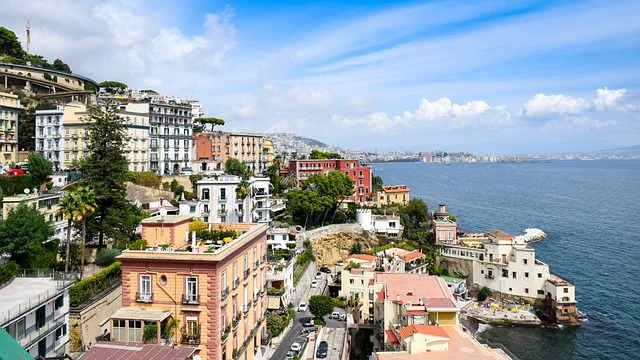
Family Days Out in Naples
A city kids can taste Children tend to win over Naples through food first. A pizza a portafoglio, folded like a wallet and eaten in the street, costs EUR2 to EUR3.50 on Via dei Tribunali, and fried pizza stuffed with ricotta is EUR3.50 to EUR5.50. A sit-down Margherita at Da Michele, Sorbillo or Starita is EUR7 to EUR14. Warm sfogliatella pastries at Pintauro or Attanasio are around EUR2 to EUR3,...
read more
Bulgaria Multi-Day Routes: 4 to 7 Days
The loop that works The most practical multi-day route in Bulgaria is a mountain-and-old-town loop through the southwest. Four or five days covers Sofia, Rila Monastery, the Seven Rila Lakes, Bansko and Plovdiv. Add Veliko Tarnovo for six or seven days, and treat the Black Sea as a separate coastal extension rather than another stop on the loop.
Day by day Day 1, Sofia. Use the capital to land,...
read more
Multi-Day Trips: Antwerp, Ghent and Bruges
Multi-Day Trips: Antwerp, Ghent and Bruges Four days, three cities, and no more than a couple of hours of train between them: Flanders is built for the multi-stop trip. This route follows the story of Flemish painting from Jan van Eyck to Rubens, with Antwerp first so the bigger museums get a full two days. Rail fares are on belgiantrain.be .
The Flemish Art Cities route Spend two nights in...
read more
Kenya Multi-Day Trips: Mara to the Coast
The drive from Nairobi to the Maasai Mara takes 5 to 6 hours each way, with the last stretch beyond Narok on rough unpaved track, so the reserve rewards nights rather than hours. Four multi-day routes cover most of what travellers want from Kenya, each with different costs and a different pace.
Route one: the Mara in 2 to 3 nights Two nights is the minimum, and three gives time for a dawn and dusk...
read more
Dubrovnik Sightseeing: Palaces and Walls
Dubrovnik Sightseeing in Stone and Sea Light Walk down Stradun after the cruise groups leave and the limestone shines like polished glass. Almost every major sight in Dubrovnik sits within a few minutes of that single street.
The Walls and Fort Lovrijenac The 1.94 km circuit takes in Minčeta Tower, the highest defensive point, and Bokar Fort. An adult ticket is about €40 in the main season and...
read more
Multi-Day Tallinn Trips: Helsinki, Lahemaa
Multi-Day Trips From Tallinn A longer trip from Tallinn is built from separate pieces: the capital itself, a night in or near Lahemaa, and a ferry hop to Helsinki. Each piece is simple on its own, and none needs a package.
Stay in Tallinn and branch out For 3 to 5 days, a base in the city works best. A 3-day transit ticket costs €9 and a 5-day ticket €11, which covers trams and buses for every day...
read more
Sri Lanka Multi-Day Trips: 10-Day Loop
Ten days is enough to loop Sri Lanka without rushing: ancient cities, hill country, then the coast. The route below works best with a car and driver, which typically costs LKR 18,000 to 30,000 a day.
The loop Days 1 to 2, Negombo or Colombo. Arrive and rest near the airport. Days 3 to 5, Cultural Triangle. Base near Sigiriya for the rock (US$35), Dambulla’s caves, and Polonnaruwa (US$30)....
read more
Taiwan Multi-Day Trips on West Coast Rail
Follow the rail line The easiest multi-day route in Taiwan runs down the west coast, where Taiwan High Speed Rail (THSR) links Nangang, Taipei, Taichung, Tainan and Zuoying in Kaohsiung. Trains run only along this western corridor. A reserved standard seat from Taipei to Zuoying costs NT$1,490 and takes roughly 90 to 105 minutes. Timetables and booking are on the THSR site .
Before you set out...
read more
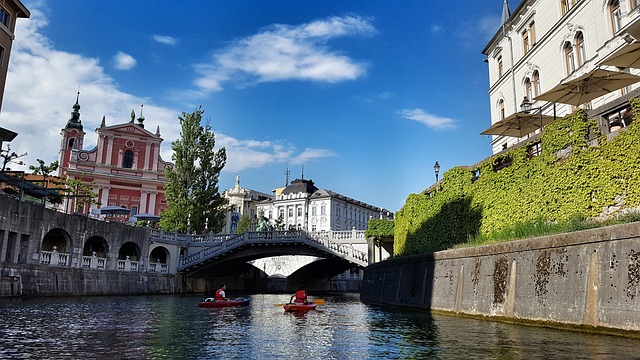
Ljubljana Walks: Old Town, Trnovo, Metelkova
Walking Ljubljana by Neighbourhood Ljubljana barely needs a map, because the car-free centre rewards wandering. Three walks cover the character of the city, and each can be done in a morning or an afternoon at a relaxed pace.
Old Town alleys Begin at Mestni trg, wander into Stari trg and finish on Gornji trg, the upper street under the castle cliff. These are the oldest lanes in the city, with...
read more
Multi-Day Trips From Reykjavik
Three journeys cover most multi-day plans from Reykjavik: a two-day overnight on the South Coast, a Westfjords loop of four to six days, and the full Ring Road in a week or more. Each one starts with a hotel in the capital and a rental car or a guided tour.
Two days on the South Coast Day one runs along Route 1 past Seljalandsfoss and Skógafoss to Reynisfjara and a night in Vík or...
read more
Jaipur Multi-Day Trips: Golden Triangle Legs
Jaipur is the middle corner of the Golden Triangle, and the distances on either side are long enough that every leg deserves its own plan. Here is how the road legs and overnight stops fit together.
Delhi, Jaipur and Agra Delhi to Jaipur is about 280 km and takes 4.5-5 hours by road. From Jaipur, Agra is 240 km and takes 4-5 hours each way, so a round trip in a single day means nine or ten hours...
read more
Krabi Multi-Day Trips: Base and Island Hops
Krabi works best as a base with excursions rather than a one-hotel stay. Three shapes cover most multi-day plans, and each can stretch from three days to a week. Ferry schedules change by season, so confirm departure times with the operator or your hotel before fixing dates.
Shape one: Ao Nang base with day excursions Stay in Ao Nang for three or four nights and treat every other place as a day...
read more
Mecca for Couples: Pilgrim Travel Basics
Travel advisory: The US advises reconsidering travel to Saudi Arabia because of regional conflict, and Houthi missiles and drones have targeted Saudi cities. UK restrictions apply to the Yemen border area and Abha and Khamis Mushait, and Mecca is not included. Check the US State Department and UK FCDO before you choose dates.
Mecca is a city of pilgrimage, and nothing in it is organised as a...
read more
Uruguay Romantic Getaways: Sunset, Colonia
A short list, and a good one Uruguay’s romance is quiet rather than showy, and it comes down to a handful of places: one sunset ritual, one old town, and one low-key beach village. That short list is enough for a long weekend, and each stop is easy to reach by coach from Montevideo.
Sunset at Casapueblo Casapueblo, the whitewashed cliffside house built by Carlos Páez Vilaró at Punta Ballena,...
read more
Multi-Day Trips From New Orleans
New Orleans has no standard packaged multi-day tour. What works is a self-drive loop: New Orleans, the River Road, then west on I-10 to Cajun Country. It suits a long weekend of three to four nights and a rental car.
The shape of the route Spend the first two nights in New Orleans so you can fit in music and a museum or two. On day three, drive the River Road west for a morning at Whitney...
read more
Gdańsk Four-Day Tricity Circuit
Four days is enough to cover Gdańsk, its castle neighbour and the two other Tricity towns without rushing. The plan below uses Gdańsk Main Town or Granary Island as the base and the SKM train as the connector.
Choosing the first day Opening days shape the order. The Museum of Gdańsk branches are free on Monday and closed on Tuesday, the Crane is free on Wednesday afternoon, and Malbork Castle is...
read more
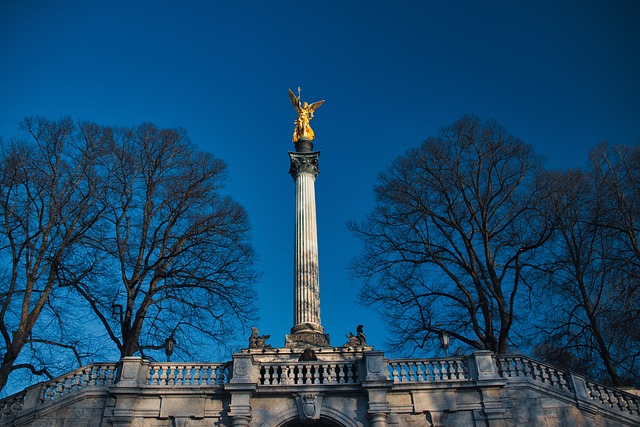
Munich Walking Tours: Self-Guided Routes
Munich’s centre is small enough to cross on foot in half an hour, and the best routes need no guide and no booking. Three self-guided walks cover most of what visitors want to see.
Route one: the Altstadt, Stachus to Viktualienmarkt Start at Karlsplatz (known as Stachus) and pass through the medieval Karlstor gate. Walk along the pedestrian street to St. Michael’s, a Jesuit church that...
read more
Tanzania Multi-Day Trips: Safari to Beach
Travel advisory: At the time you plan, the US advises reconsidering travel to Tanzania, and the UK advises against all but essential travel within 20 km of the Cabo Delgado border with Mozambique. When routing a long trip, keep clear of the southern border belt around Mtwara and Ruvuma. Look up the current US State Department and UK FCDO pages before paying deposits.
The best multi-day trips in...
read more
Naples Day Trips: Pompeii, Vesuvius, Capri
One station, four journeys Almost every classic day trip from Naples leaves from one of two places: Napoli Garibaldi, the lower level of Napoli Centrale, for the Circumvesuviana trains, and Molo Beverello for the island hydrofoils. Know which you need before leaving the hotel.
Herculaneum, the quick one Ercolano Scavi is about 20 minutes from Napoli Garibaldi on the Circumvesuviana, and a one-way...
read more
Ghana Multi-Day Trips: Coast, Ashanti, North
Multi-day trips in Ghana Ghana’s main sights run in a line from the coast up through the forest to Kumasi and then, far away, to the savannah. That geography gives two natural routes: a six-day circuit through the south, and a longer version that adds Mole National Park. Prices here are in Ghana cedis (GH₵), at about 11.7 to the US dollar in early October 2026, and they move.
Six days:...
read more
Lyon Romantic Getaways: Sunset to Beaujolais
Lyon Romantic Getaways: Sunset, Supper and Vineyards The most romantic hour in Lyon is free. It is the one after the funicular lets you out on the Fourvière esplanade and the city starts to light up below. Build the rest of the evening around that.
Afternoon in Vieux Lyon Spend the early afternoon in the old town’s Renaissance streets. The astronomical clock in the Cathédrale Saint-Jean...
read more
Ljubljana Sightseeing: Plečnik's Bridges
Ljubljana Sights by Plečnik One architect shaped most of what visitors photograph in Ljubljana. Jože Plečnik reworked its riverbanks, bridges and squares in the 20th century, and in 2021 UNESCO listed “The works of Jože Plečnik in Ljubljana”. Following his projects gives you a sightseeing route that is almost entirely free.
Triple Bridge Between 1929 and 1932 Plečnik added two...
read more