Recent Mad Trraveller

New Orleans Usa 6 Day Itinerary
6-Day New Orleans Itinerary New Orleans is the only American city with no dominant cultural ancestor. French, Spanish, African, Creole, Haitian, and German streams mixed here under conditions that produced a cuisine, a music, and an architecture that belong to nowhere else. The French Quarter is where most first-time visitors spend most of their time, and it is fine, but the more interesting...
read more
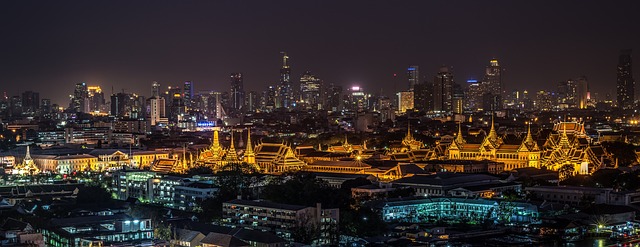
Bangkok Thailand 7 Day Itinerary
Jay Fai does not take reservations, no matter what a booking widget on a third-party site implies. The famous goggle-wearing street food chef behind the wok has run her Michelin-starred stall on a first-come, first-served list for years, and post-star waits of two to four hours during the 5pm to 8pm dinner rush are normal, not an exception. Build that into your week rather than discovering it...
read more
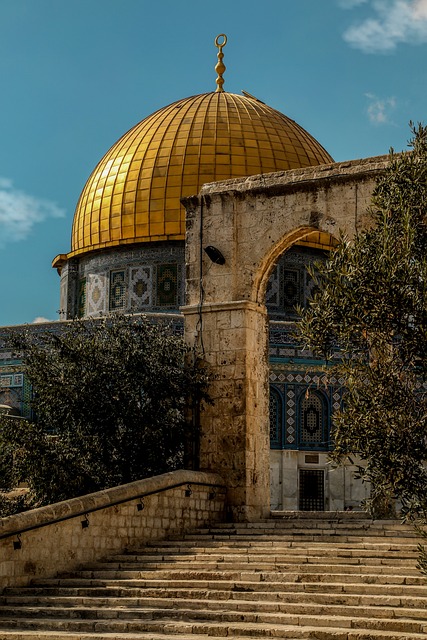
Al Qala Of Beni Hammad
Guide to Al Qal’a of Beni Hammad: A Fascinating Tourist Destination in Algeria A minaret standing alone in a mountain range far from where guidebooks put it The single most visible structure at Al Qal’a of Beni Hammad, a 25-meter stone minaret, is nearly all that remains standing of what was once the largest mosque in Algeria after the Great Mosque of Mansourah. It rises alone on the...
read more

Minaret and Archaeological Remains of Jam
Minaret and Archaeological Remains of Jam: An Honest Guide The tower is tilting, and it has been since long before anyone got around to writing about it as a tourist destination. It sits wedged between the Hari and Jam rivers in a remote valley of Ghor Province, and water infiltration from both rivers has been undermining its foundation for decades, enough that UNESCO put it on the List of World...
read more
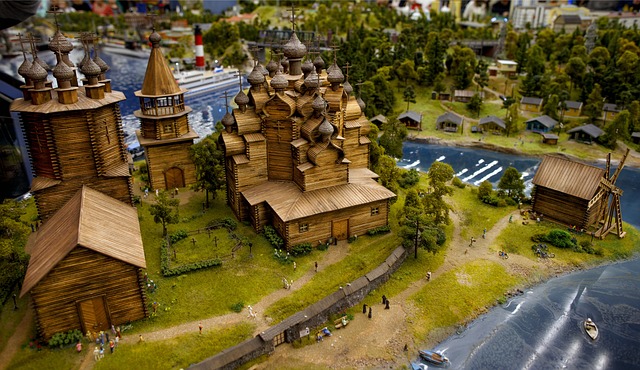
Kizhi Pogost
Kizhi Pogost: Twenty-Two Wooden Domes on a Lake Onega Island The Church of the Transfiguration at Kizhi was built in 1714 without a single metal nail, rises to 37 meters through 22 tiered domes covered in aspen shingles, and has been standing for more than 300 years in a climate that regularly drops to minus 30 degrees Celsius in winter. The story that a carpenter named Nestor threw his axe into...
read more

East Timor 2 Day Itinerary
East Timor (Timor-Leste): 2-Day Itinerary Atauro Island, visible from Dili’s waterfront on most mornings, sits above what marine biologists from Conservation International identified in 2016 as the highest fish biodiversity of any reef system on Earth: 642 species of fish recorded in a single survey. The capital of the world’s youngest nation is also one of the most undervisited...
read more
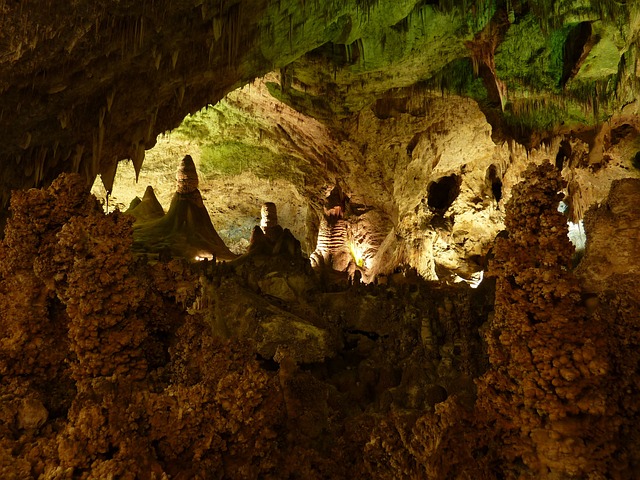
Carlsbad Caverns National Park
Carlsbad Caverns National Park Every summer evening, several hundred thousand Brazilian free-tailed bats pour out of the cave’s natural entrance in a spiraling column that takes twenty to thirty minutes to fully empty, and rangers ban phones and cameras from the viewing amphitheater to keep the bats from being disoriented by light. It’s one of the few wildlife spectacles in the...
read more
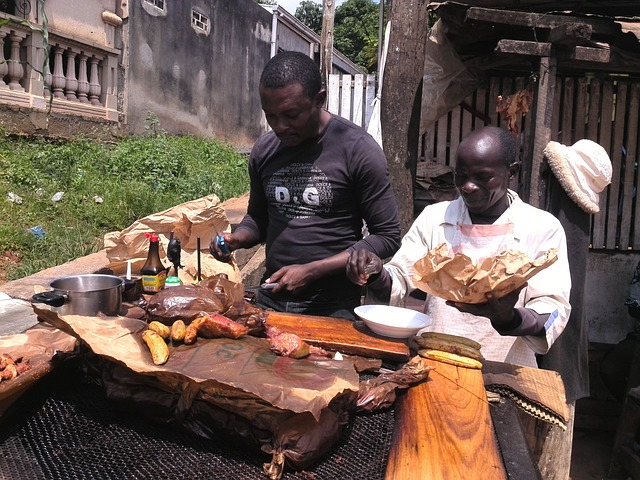
Cameroon 5 Day Itinerary
Limbe and Kumba are not the same place, they sit roughly 70 kilometers apart in Cameroon’s Southwest Region and get confused constantly in older travel write-ups, one is a coastal town at the foot of Mount Cameroon, the other is inland toward the Mbo plain. Getting the geography straight matters here because Cameroon rewards travelers who plan road logistics carefully, distances that look...
read more
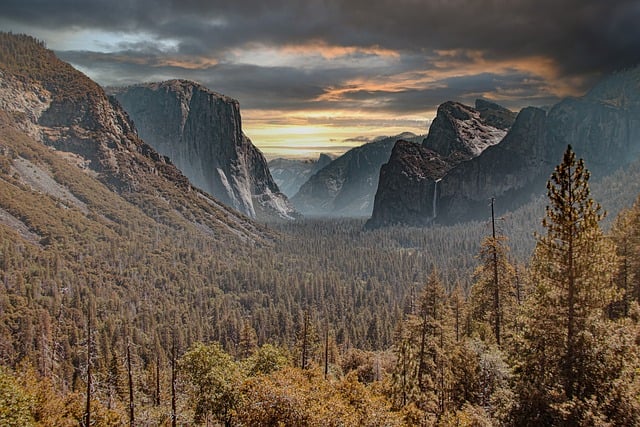
Ivindo National Park
Ivindo National Park: A Comprehensive Guide for Tourists Very few travelers on earth have stood at Kongou Falls, a set of thundering cataracts on the Ivindo River deep in central Gabon that most guidebooks still can’t correctly place on a map. That obscurity is the actual selling point: this is one of the least-visited UNESCO World Heritage Sites anywhere, a genuinely intact swath of Congo...
read more

Puerto Rico 6 Day Itinerary
The Culebra ferry has not departed from Fajardo since 2018. It now leaves from Ceiba, a few miles south, and plenty of trip plans still get this wrong and send people to the wrong terminal. Small detail, but it is the kind of thing that ruins a morning if you find out at 7am with a boat leaving in twenty minutes. This itinerary also fixes the bigger structural problem in older versions: ending the...
read more

Oslo, Norway 3 Day Itinerary
The Flytoget airport express covers Gardermoen to Oslo S in 19 minutes but costs around 243 NOK one way, nearly double the regional Vy L12 train, which takes only six to eleven minutes longer for about 124 NOK. Norway announced in February 2026 that Flytoget itself will be phased out by December 2027 and folded into the regular network, so the price gap may not last much longer either way, but for...
read more
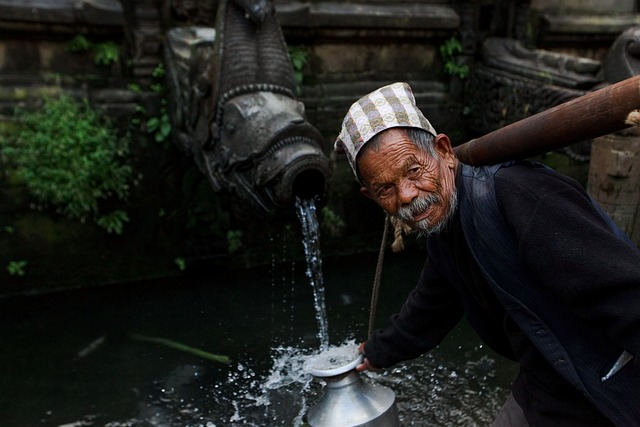
Kathmandu 3 Day Itinerary
Kathmandu has seven UNESCO World Heritage Sites within a 20-kilometre radius of the old city, which is either a remarkable concentration of ancient religious architecture or an overwhelming list depending on how you approach it. Three days is enough to see the most important ones without turning the trip into a checklist. Choose depth over coverage: the Boudhanath stupa and Pashupatinath temple...
read more
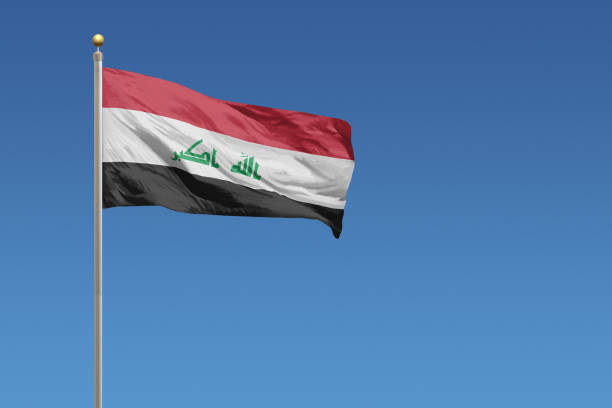
Iraq 2 Day Itinerary
Read this before anything else on this page. As of 2026 the US State Department rates Iraq Level 4, Do Not Travel, its highest advisory tier, citing terrorism, kidnapping, armed conflict and civil unrest, and the department has explicitly told American citizens already in the country to leave. In March 2026 the State Department ordered non-emergency government staff out of Iraq entirely, and...
read more
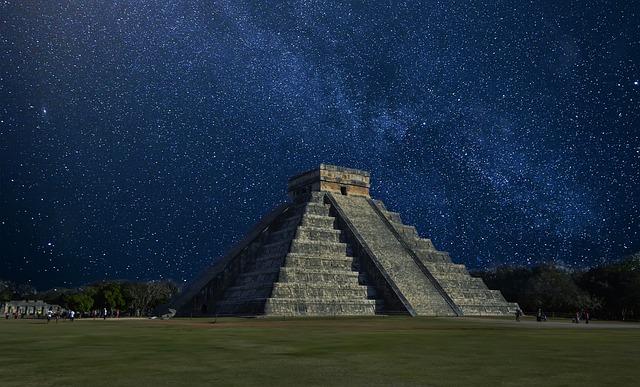
Mayan Pyramids of Chichen Itza
Nobody has been allowed to climb El Castillo since 2006. Twenty years on, this rule still trips up visitors who arrive expecting the postcard shot of tourists sitting on the pyramid’s upper steps, an image that circulated for decades before Mexican authorities closed the stairs permanently following a fatal fall. There are no exceptions, no early-bird workaround, no guide who can get you up...
read more
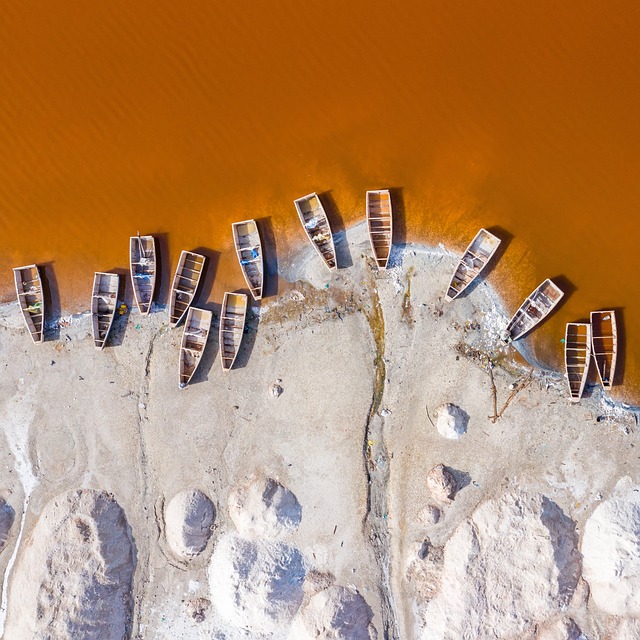
Senegal 3 Day Itinerary
Goree Island’s Maison des Esclaves sits a thirty-minute ferry ride from downtown Dakar, and the door at the back of the house, the so-called Door of No Return facing the Atlantic, has become one of the most photographed and most contested historical sites in West Africa, since historians still argue over exactly how many people passed through this specific building during the slave trade...
read more
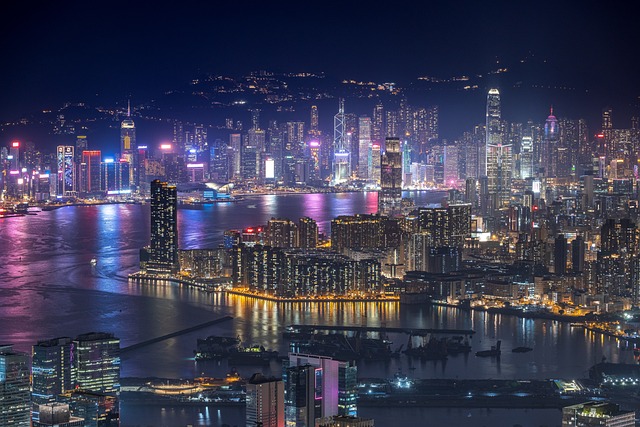
Hong Kong Disneyland
Exploring Hong Kong Disneyland Three of this park’s eight lands, Grizzly Gulch, Mystic Point, and Toy Story Land, open thirty minutes after the rest of the park does, a scheduling quirk almost no first-time visitor knows about and one that quietly determines how you should plan your first hour inside. Show up expecting all eight lands to be live at rope drop and you’ll waste time...
read more

Okapi Wildlife Reserve
An animal that looks like someone bolted zebra legs onto a giraffe’s body was unknown to Western science until 1901, and it still lives only in one stretch of Congolese rainforest on earth. That’s the headline draw of the Okapi Wildlife Reserve, but before anything else, this needs saying plainly: as of 2026 this is not a place to visit casually, and any guide that treats it like a...
read more
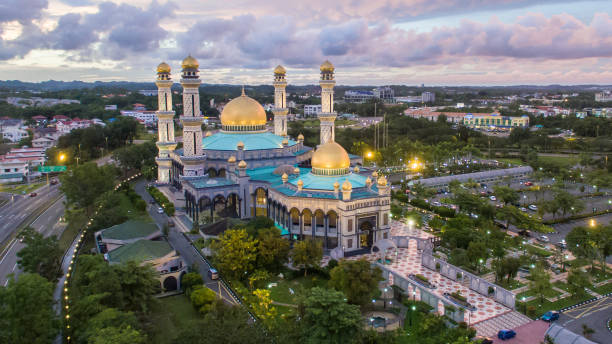
Brunei Darussalam 4 Day Itinerary
A country funded almost entirely by oil money that still bans the sale of alcohol outright makes for a strange four days, and that friction is part of what makes Brunei worth the detour off the usual Southeast Asia route. This plan covers the capital, the rainforest, and the water village without pretending it’s a bigger destination than it is.
Day 1: Arrival and Bandar Seri Begawan...
read more
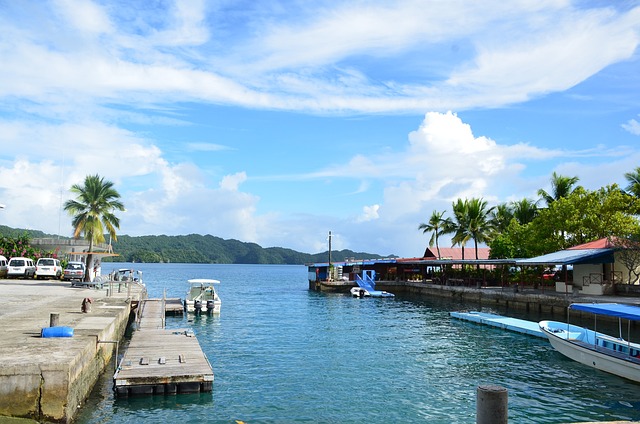
Palau 5 Day Itinerary
Title: 5-Day Travel Itinerary for Palau
Palau’s golden jellyfish population in Jellyfish Lake has dropped sharply in recent warm-water years, down to a few thousand from the millions the lake was famous for, though the more resilient moon jellyfish are still present in healthy numbers. Go in with realistic expectations rather than the postcard image, the swim is still worthwhile, just...
read more
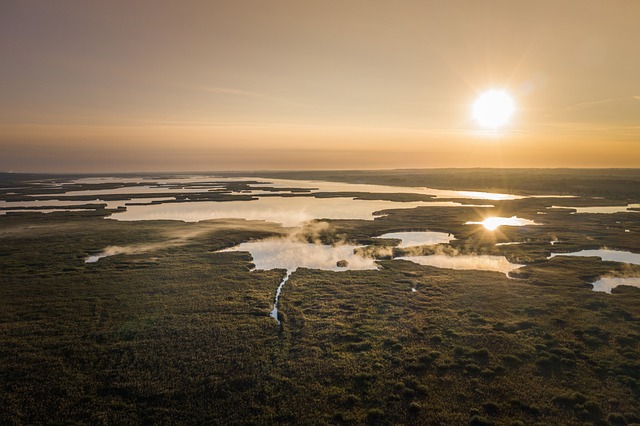
Hungary 3 Day Itinerary
Hungary does not use the Euro, whatever your last guidebook told you. The Forint (HUF) is the currency, roughly 350 to the euro as of mid-2026, and if a menu or a hotel bill quotes a price that looks suspiciously low in euros, check the actual currency symbol before you pay, since some tourist-facing businesses in Budapest do quote in euros informally even though it isn’t official.
Day 1:...
read more
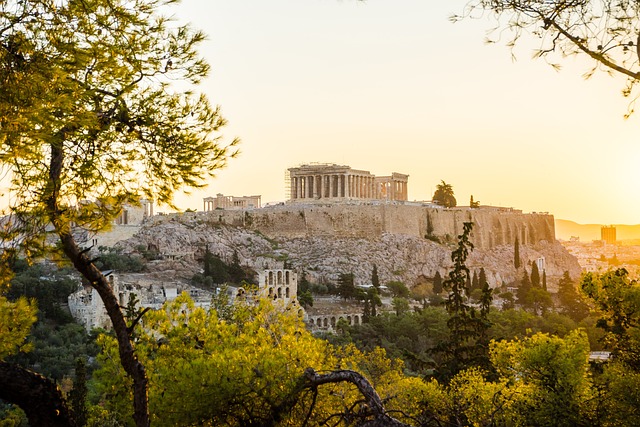
Athens 3 Day Itinerary
Athens 3-Day Itinerary
The Acropolis closed during peak afternoon hours on multiple days in 2024 and 2025 when temperatures exceeded 40 degrees Celsius. The marble reflects heat, there is zero shade at the top, and the site triggers an automatic midday closure from 1pm to 5pm in extreme conditions. This single fact should shape the structure of your three days in Athens: the archaeological sites...
read more

Pisa 6 Day Itinerary
Most people give Pisa an afternoon and move on, which is a mistake if you actually want to see the tower without fighting a wall of tour groups. Book your climb slot online through the official Opera della Primaziale Pisana site months ahead for summer, since June through August windows sell out within hours of release, and go either at opening or in the last slot of the day when the group tours...
read more
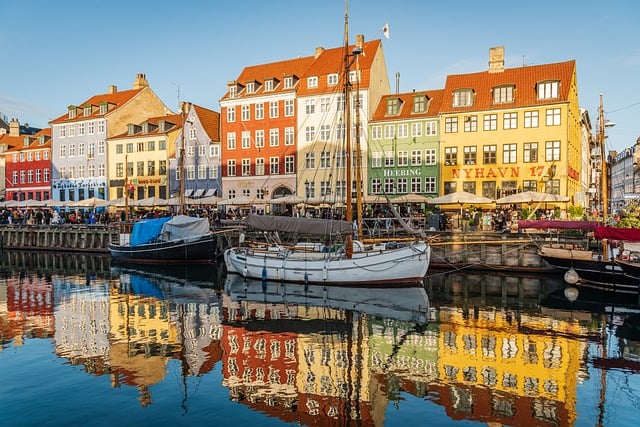
Denmark 3 Day Itinerary
Aarhus sits roughly three hours from Copenhagen by the fastest direct train, each way, which means a same-day round trip from the capital eats six hours of a three-day visit just sitting on rails. Any itinerary that tells you to do Copenhagen, then a day trip to Roskilde and Koge, then Aarhus and back, all inside three days, is asking you to spend a third of your trip in transit. Pick one plan or...
read more

Landscapes of Dauria
Landscapes of Dauria Every 25 to 40 years, the Ulz River floods and fills the Torey Lakes to capacity. When the lakes are full, the surrounding steppe supports breeding colonies of birds so large that individual species counts run into the millions. When the lakes dry, the grasslands expand and the Mongolian gazelle herds grow to match. This climatic cycling between wet and dry phases is the...
read more
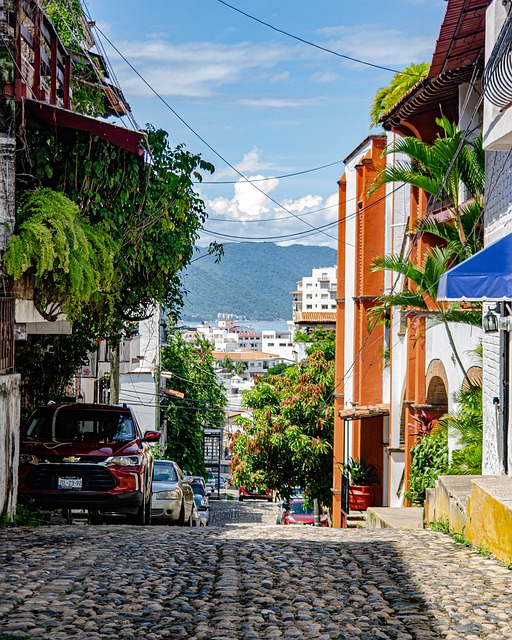
Puerto Vallarta 7 Day Itinerary
Uber can now legally pick you up right at Puerto Vallarta’s airport terminal, a change that only landed after a Supreme Court ruling settled years of fines and driver detentions at the curb. That single detail changes how you should plan ground transport for this whole week, so it’s worth knowing before you land rather than after arguing with a taxi union rep outside baggage claim.
Day...
read more
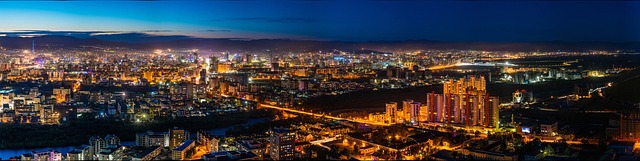
Ulan Bator Mongolia 2 Day Itinerary
The world’s tallest equestrian statue sits not in the capital itself but at Tsonjin Boldog, a hilltop 55 kilometers east of Ulaanbaatar, a fact that gets garbled surprisingly often in itinerary write-ups that place it somewhere vaguely called a river valley. It’s a straightforward hour’s drive, well worth the detour, and it anchors day two of this trip. Red pandas, for the...
read more
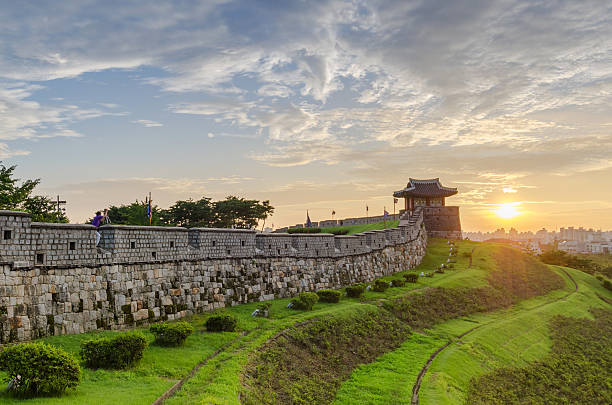
Hwaseong Fortress
Hwaseong Fortress: A Comprehensive Guide for Tourists A crane with 12 pulleys shaved a decade off the build schedule Hwaseong Fortress, in Suwon, went up between 1794 and 1796, a mere two years and nine months, largely because of a single invention: the geojunggi, a pulley-and-lever crane designed by Jeong Yak-yong, a scholar of the Silhak, or practical learning, movement. That machine could...
read more
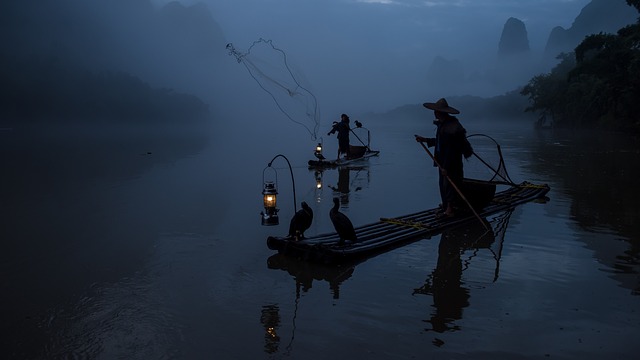
Yangshuo
Exploring the Enchanting Scenery of Yangshuo: A Comprehensive Guide for Tourists Skip the Li River cruise if your only goal is to get to Yangshuo cheaply, because it isn’t the fast option anymore. That boat trip from Guilin now runs four to five hours and costs around 215 RMB before lunch, while Yangshuo has its own high-speed rail station with direct trains from Guilin taking as little as...
read more
Lahaina, Hawaii
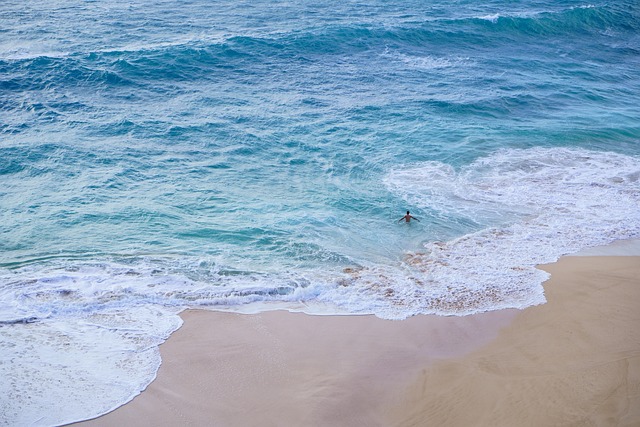
Arborists have already removed 22 trunks from Lahaina’s famous banyan tree, and as of early 2026 they still aren’t certain it will fully survive. The tree, planted in 1873 and grown into a canopy that once shaded nearly two-thirds of an acre in the center of town, was badly burned in the August 2023 wildfire that tore through Lahaina and destroyed roughly 2,200 structures, including...
read more
Kilimanjaro National Park
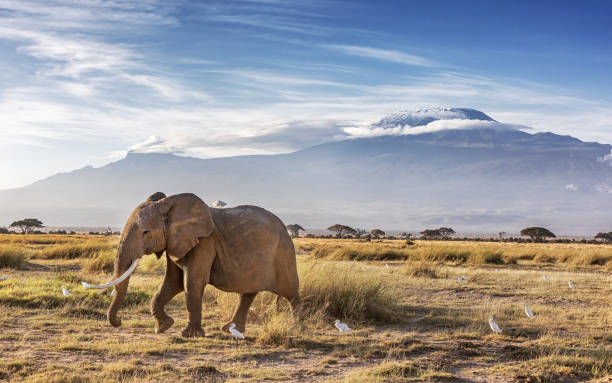
Kilimanjaro National Park The ice fields on Kilimanjaro’s summit covered 11.4 square kilometres in 1912. By 2019, they covered 1.5 square kilometres. The most recent projections put their complete disappearance between 2040 and 2050, depending on conditions. What is counterintuitive about this is that the primary mechanism is not warming air temperatures, summit temperatures remain...
read more
Tipasa
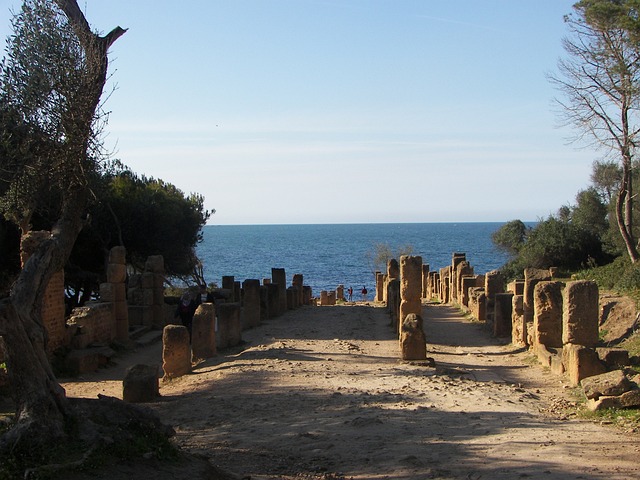
Roman columns stand in wild fennel and thyme with the Mediterranean breaking against the rocks behind them, and there is no ticket queue, no crowd, no fence keeping you a polite distance away. Tipasa is one of the least visited genuinely major Roman sites left standing, and that’s entirely down to geography and politics rather than anything lacking in the ruins themselves.
What’s...
read more

Singapore 3 Day Itinerary
3-Day Itinerary for Exploring Singapore
If your foreign contactless bank card is already in your wallet, you don’t need an EZ-Link card at all, Singapore’s MRT gates accept Visa and Mastercard tap-to-pay directly, admin fee aside, which makes the old ritual of queuing at a machine on day one mostly unnecessary now. Save that logistics win and spend the time instead on the fact that...
read more
Morocco 2 Day Itinerary
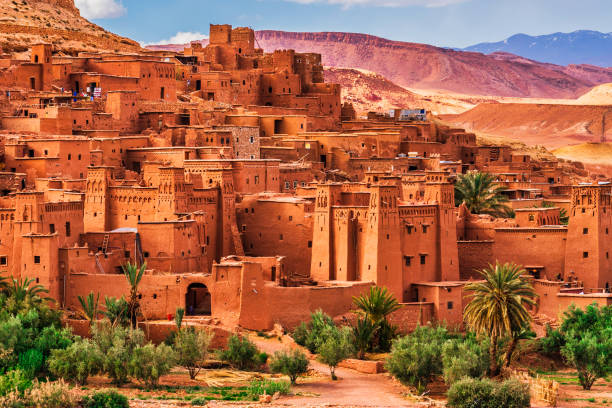
Fly straight into Marrakech Menara Airport rather than routing through Casablanca if your schedule allows it; adding a three-hour train transfer on top of an international arrival eats most of a short trip’s first day for no real benefit unless Casablanca is already part of your route. With only two days, every hour matters, and this version assumes you land in Marrakech itself, the city...
read more

Mongolia 5 Day Itinerary
Mongolia 5-Day Travel Itinerary
One correction to make before the plan: Terelj National Park and the Gobi Desert are not a short drive apart. The distance runs closer to 900 kilometers and there is no direct road connection worth attempting on a five-day trip, tour operators fly visitors from Ulaanbaatar to Dalanzadgad, the Gobi’s gateway airstrip, a flight of about an hour and twenty...
read more

Koutammakou the Land of the Batammariba
A Comprehensive Guide to Koutammakou: The Land of the Batammariba Introduction Fortified mud towers with conical thatched roofs still house families here today, functioning granaries, bedrooms, and livestock shelters stacked into a single defensive structure that looks more like a small castle than a house. Koutammakou straddles the border of northeastern Togo and northwestern Benin and earned...
read more

Mont Saint Michel
Forget what older guides tell you about walking a causeway at low tide. That earthen causeway was demolished over a decade ago and replaced with a raised footbridge that stays passable at ordinary high tides, water simply flows underneath the deck. The tide still matters here, enormously, but the way it matters has changed, and getting this wrong is the single biggest way outdated advice will mess...
read more

Kalahari Desert
Kalahari Desert The Kalahari is not a desert in the conventional sense. It receives enough rainfall (150 to 500mm annually in parts) to support grasses, shrubs, and a density of wildlife that would be impossible in a true hyperarid desert. The name is misleading, which is part of why it surprises visitors: instead of sand dunes and emptiness, they find red-tinged fossil dunes covered in golden...
read more

San Francisco, California 3 Day Itinerary
San Francisco has a population of around 870,000 people in 47 square miles, which makes it one of the densest cities in the United States. It also has 43 hills, a bay that most visitors see only from one angle, and a fog pattern that rolls in most afternoons during summer regardless of how sunny the morning was. Three days is enough to see the landmarks and understand the city’s...
read more
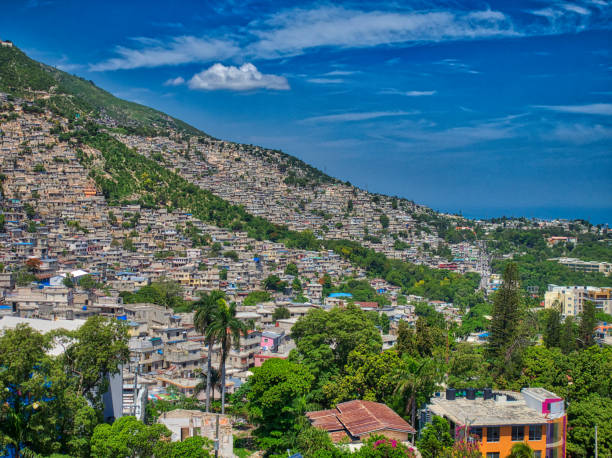
Haiti 7 Day Itinerary
Haiti 7-Day Travel Itinerary
This needs to be said plainly before anything else: the US State Department currently holds Haiti at Level 4, Do Not Travel, its highest advisory tier, citing kidnapping, gang violence, and terrorism. US commercial flights are not currently operating to or from Port-au-Prince at all, kidnapping of foreign nationals is widespread with ransom demands routinely in the...
read more

Spain 6 Day Itinerary
Spain 6 Day Itinerary 2026 is Antoni Gaudi’s centenary year: he was killed by a tram in Barcelona in June 1926. The centenary has pushed demand for Sagrada Familia tickets to a level where booking weeks or even months in advance is necessary in peak season. This itinerary routes you through Madrid first and Barcelona second, which keeps the booking pressure manageable: you confirm your...
read more

Porto, Portugal 4 Day Itinerary
Day 1: Exploring the Historic Center
The Andante travel card, Porto’s main transit pass, will get you through the metro and buses for as little as 7.50 euros a day, but it will not get you onto the historic Tram 1 along the river, which needs a separate ticket bought on board. Knowing that before you tap your card at the tram stop and get waved off saves an awkward minute on your first...
read more
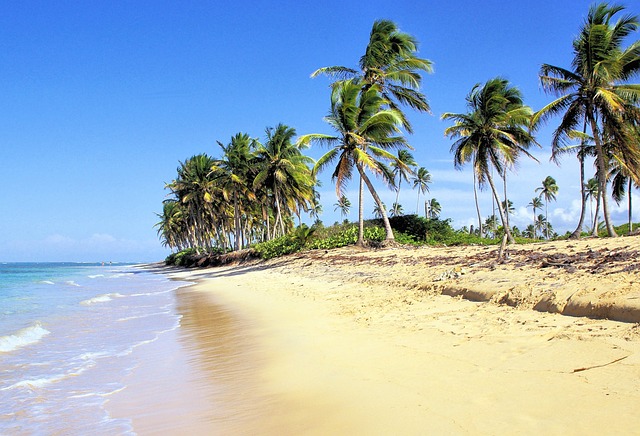
Dominican Republic 7 Day Itinerary
Dominican Republic 7-Day Itinerary Most people arriving in the Dominican Republic land at Punta Cana and spend the week at an all-inclusive resort without leaving the property. That is a legitimate choice, but this itinerary is for the other kind of visitor: the one who wants to understand why the country has been pulling in 10 million tourists a year and still has coastlines, mountains and a...
read more
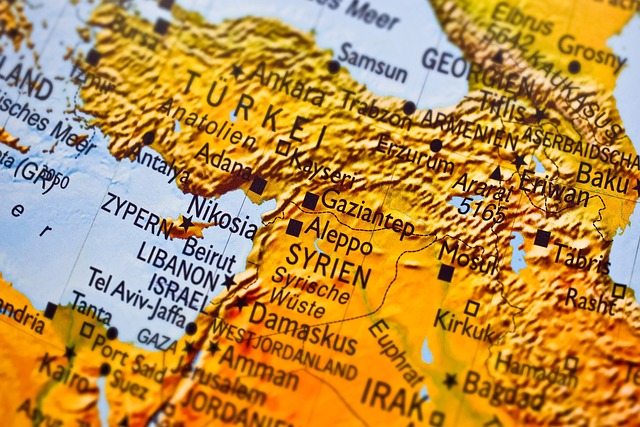
Aleppo, Syria 7 Day Itinerary
Stop before you plan anything further. The United States State Department rates Syria a Level 4, Do Not Travel advisory, its highest risk category, citing terrorism, kidnapping, armed conflict, and unrest, and that rating has held continuously through 2026. Bashar al-Assad’s government fell in December 2025 after more than a decade of civil war, and while a transitional government under...
read more
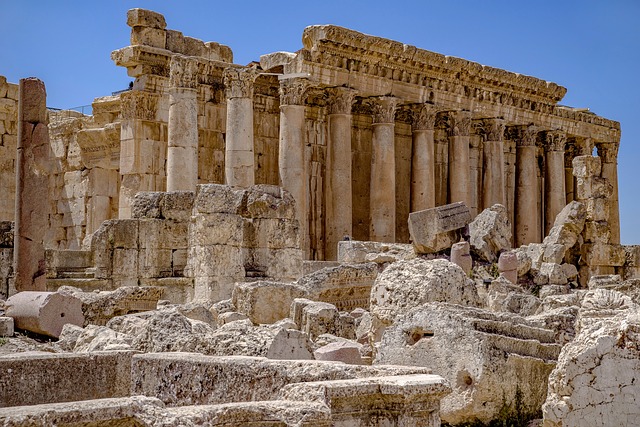
Lebanon 6 Day Itinerary
A responsible itinerary for Lebanon in 2026 has to start with the advisory, not the ruins. The US State Department currently rates Lebanon Level 4, Do Not Travel, and in February 2026 ordered non-emergency embassy staff and their families out of the country over the security situation in Beirut. The UK’s FCDO advises against all travel to South and Nabatiyeh Governorates, the Beqaa...
read more
Te Wahipounamu South West New Zealand
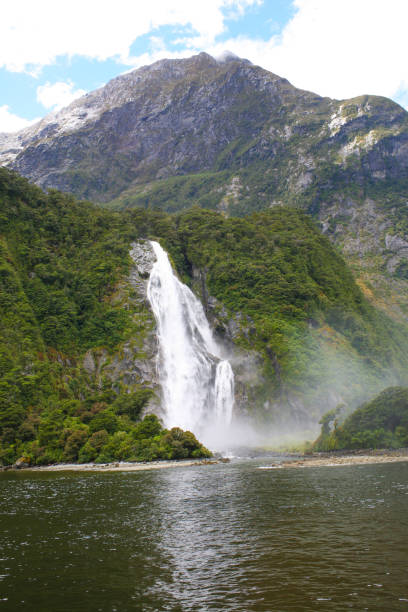
Guide to Te Wahipounamu - South West New Zealand Peak summer days can put more than 4,000 visitors through Milford Sound in a single day, all funneled down one narrow, single-lane road with tour buses queuing at the Homer Tunnel. Winter drops that number to under a thousand. Same fiord, same waterfalls, completely different experience, and almost nobody planning a New Zealand trip factors that...
read more
Kaeng Krachan Forest Complex
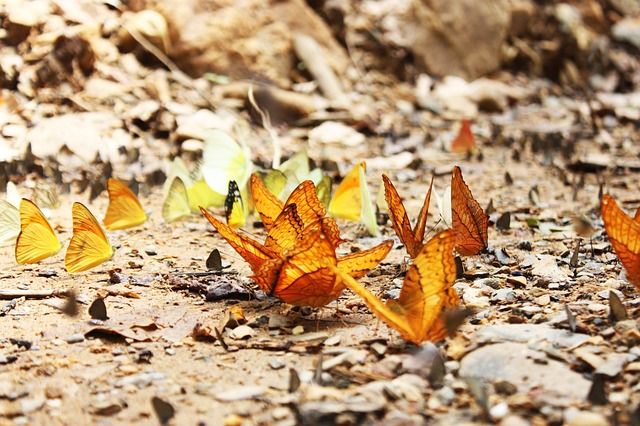
Park rangers close the road to Kaeng Krachan’s most famous viewpoint for three straight months every year, and for a stretch of hours every single day even in the open season, because a single-lane mountain track can only run one direction safely at a time. Anyone showing up without checking that schedule first is going to waste a very long drive.
What this listing actually is Kaeng Krachan...
read more
South China Karst
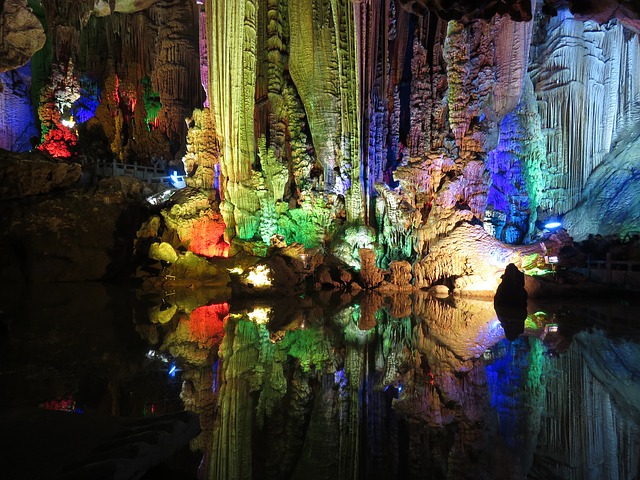
Zhangjiajie and Jiuzhaigou are not part of the South China Karst UNESCO listing, despite what half the travel blogs claim. That confusion is worth clearing up before you plan anything, because it changes where you should actually go. The real inscribed property is a serial site covering seven separate karst clusters across Yunnan, Guizhou, Guangxi, and Chongqing: Shilin, Libo, Wulong, Guilin,...
read more

La Lonja De La Seda De Valencia
La Lonja de la Seda (The Silk Exchange) of Valencia: A Comprehensive Guide for Tourists Overview Eight stone columns twist upward like spun silk thread frozen mid-motion, holding up a vaulted ceiling that medieval merchants once stood beneath to strike deals worth fortunes. La Lonja de la Seda, Valencia’s late-Gothic Silk Exchange, earned UNESCO World Heritage status in 1996 as a textbook...
read more
Phuket, Thailand 5 Day Itinerary
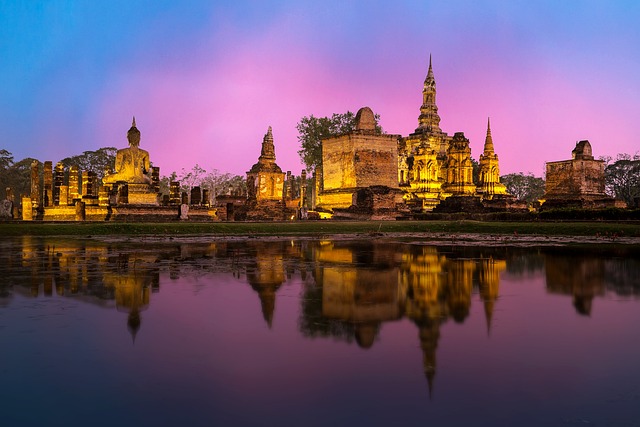
Maya Bay now limits you to exactly one hour on the sand, timed by rangers who blow a whistle when your slot ends, and caps simultaneous visitors at 380 people. That single rule reshapes how you should plan the Phi Phi day trip on this itinerary, arrive as early as physically possible or accept a crowded, rushed version of the beach that made the movie famous. Five days is enough to balance beach...
read more
Caliphate City of Medina Azahara
Guided Tour: The Caliphate City of Medina Azahara A caliph built an entire capital city from nothing, used it for barely eighty years, and then watched it get looted and burned into rubble during a civil war. Medina Azahara is not a slowly decayed ruin like most ancient sites you’ll visit; it’s the archaeological record of a sudden, violent collapse, which is part of why so much of it...
read more