Recent Mad Traveller

Sightseeing Guide to Marrakech
Heads up: some links here are affiliate links. Book or buy through them and we may earn a small commission at no extra cost to you. We only point you to things we would actually use.
A 70 MAD figure for Bahia Palace still circulates online, and it’s simply out of date, which is as good a place as any to start correcting what a landmark day in Marrakech actually costs.
read more

Madrid With Kids: What Actually Works
The best thing to do with children in Madrid costs 6 EUR and lasts 45 minutes: a rowing boat on the Retiro lake, booked through a city app. The second best is free and involves standing behind glass watching Metro trains rush past a station that closed in 1966. The theme parks are good and there are five of them, but their online prices run on a date calendar, so the number you see quoted anywhere...
read more

Beijing Sightseeing: Skip the Walk-Up Myth
“Just show up early to skip the line” is bad advice at the Forbidden City. There is no line to skip, because there’s no ticket booth.
The Forbidden City has no walk-up option, period Tickets release exactly 7 days ahead at 8pm Beijing time, through the WeChat mini-program or intl.dpm.org.cn , CNY 60 peak season, CNY 40 low. Weekend slots go in minutes. Bring the same passport you...
read more
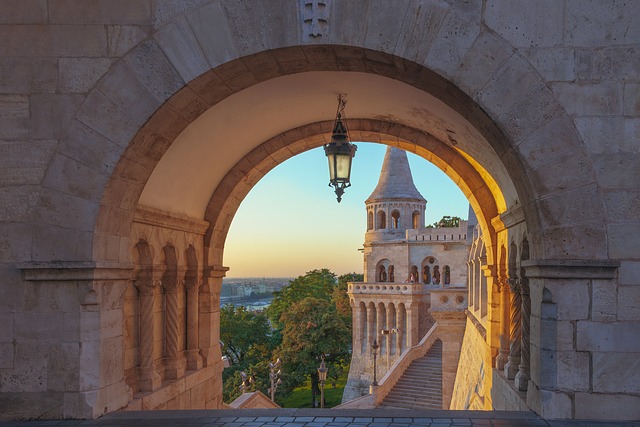
Budapest Evenings for Couples
Budapest Evenings for Couples
The Budapest Eye, the modern Ferris wheel on Erzsébet tér, is real, current, and worth the ride on its own terms.
The Budapest Eye Located on the Pest side, the wheel offers views over the city best timed for sunset, when the light does most of the work for you. Search Budapest Eye tickets on GetYourGuide for current hours.
Fisherman’s Bastion This enchanting...
read more
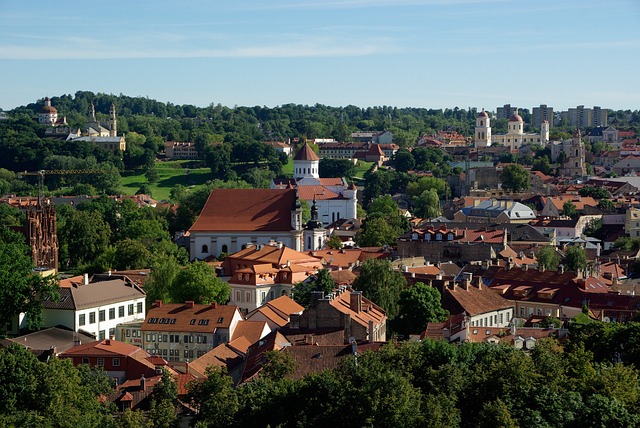
Vilnius Multi-Day Trips: 2 Real Routes
Only two trips out of Vilnius genuinely need you to sleep somewhere else. One goes north through Latvia to Estonia. One goes west across Lithuania to the Baltic coast. Everything else sold as a multi-day trip from here is a day trip with a hotel bolted onto it, and the hotel is the part you do not need.
The two routes at a glance Route Days Transport The case for it Vilnius, Riga, Tallinn 7 to 10...
read more

Cusco Family Days: The Real Options
Cusco, at roughly 3,400m, works well for families who plan the first day or two around that altitude rather than around the sights.
1. Sacsayhuaman Just north of Cusco, Sacsayhuaman’s massive stone walls, some blocks reportedly up to 300 tons, give kids room to run and a genuinely striking sight up close. It sits at the same elevation as the rest of the city, so no extra altitude precaution...
read more
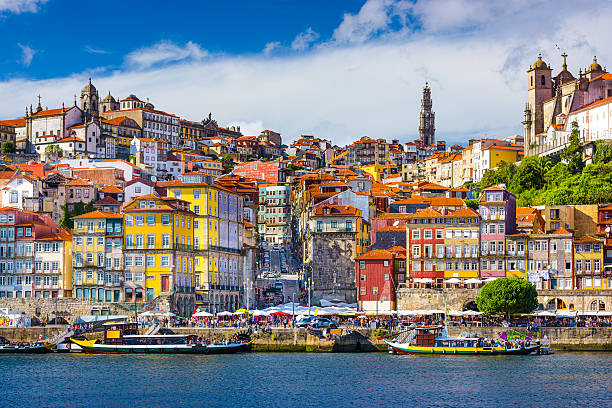
Porto for Families: From Zoo to Museum
Heads up: some links here are affiliate links. Book or buy through them and we may earn a small commission at no extra cost to you. We only point you to things we would actually use.
An indoor boat ride through Portugal’s Age of Discovery is a strange thing to find in a history museum, and it’s exactly the kind of thing that keeps kids from asking to leave early.
read more

Prague for Families: What Kids Actually Like
Heads up: some links here are affiliate links. Book or buy through them and we may earn a small commission at no extra cost to you. We only point you to things we would actually use.
A row of gothic spires does not impress most children. A zoo with elephants, a maze of mirrors, and a room built entirely from Lego bricks does, and Prague has all three within reach of the historic center.
read more
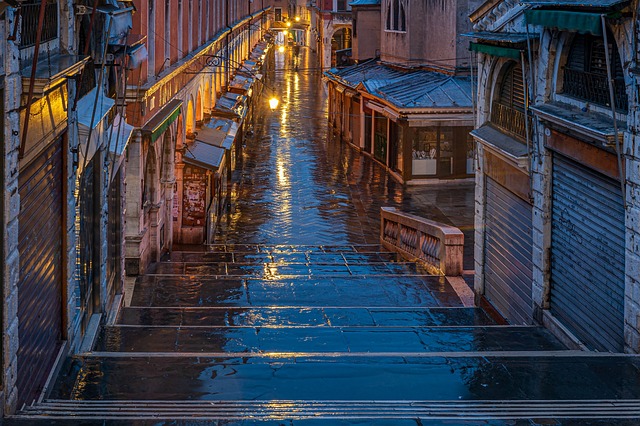
Venice for Couples: Skip the Haggling
Heads up: some links here are affiliate links. Book or buy through them and we may earn a small commission at no extra cost to you. We only point you to things we would actually use.
Older advice says to negotiate a gondola price before boarding. Ignore it. Venice’s gondola tariff is fixed by the city and posted at every station, and a quote below that number is the tell of a shorter ride,...
read more
Marrakech Activities: What to Book
Heads up: some links here are affiliate links. Book or buy through them and we may earn a small commission at no extra cost to you. We only point you to things we would actually use.
Watching a craftsman work through a shop window is one kind of Marrakech morning; sitting down at the wheel or the workbench yourself is a different one, and it’s the one this page covers.
read more
Beijing Activities That Beat Sightseeing
Standing in front of a monument and reading a plaque isn’t the best Beijing has to offer. Doing something is.
Stop walking the wall, ride off it Everyone photographs the Great Wall from the same three spots at Mutianyu. Fewer people take the toboggan run down, 1,580 meters at speeds up to 30km/h, which is more memorable than any photo. Entrance is CNY 45, the toboggan CNY 100 extra, and the...
read more
Madrid Walking Tours: Free vs Paid
The free walking tour in Madrid is better than most of the paid ones, which is not a sentence you can write about every capital. The catch is that “free” means tips, and a 2.5 hour tour with a good guide is worth 10 to 15 EUR a head, so the saving over a paid general tour is smaller than it looks. Where the money genuinely buys something is the themed routes, and where it buys nothing...
read more
A Family Guide to Ho Chi Minh City
Kids who cannot sit through a museum exhibit will happily watch a wooden buffalo spar with a dragon in a pool of water for 50 minutes, which makes Ho Chi Minh City’s water puppet theatre the easiest family booking in the city.
An evening of water puppetry The Golden Dragon Water Puppet Theatre, inside Tao Dan Park at 55B Nguyen Thi Minh Khai, stages 50-minute shows nightly around 17:00 and...
read more

Walking Athens: Old Town to Psirri
Plaka’s narrow streets are the usual starting point for a walk through old Athens, but the more distinctive and quieter stop of the two actually sits just above them.
Plaka and Anafiotika Follow Plaka’s lanes uphill until they narrow further into Anafiotika, fewer than 50 whitewashed houses built in the 1840s by stonemasons from the Cycladic island of Anafi, sitting right beneath the...
read more

Family Days Out in Vienna
Family Days Out in Vienna
Schönbrunn’s zoo has been open on the same grounds since 1752, longer than any other zoo in the world, which means the giant pandas and polar bears living there today share the site with Austria’s actual imperial history rather than sitting next to a modern shopping complex.
Schönbrunn Zoo Pandas, polar bears, and a rainforest house fill the grounds alongside...
read more

Walking Singapore Without Overheating
Walking Singapore Without Overheating There is no shoulder season here to time a walking tour around. Singapore sits on the equator and runs 26 to 32°C every month of the year, so the honest planning question isn’t which season to visit but which hours of the day and which routes actually have shade.
Start Early, or Pick Shade An unbroken three or four hour walk in direct midday sun is a...
read more

Krakow Multi Day Trips: Where to Go Next
Heads up: some links here are affiliate links. Book or buy through them and we may earn a small commission at no extra cost to you. We only point you to things we would actually use.
Kraków runs out before a week does. The city core, meaning Rynek Główny with its ticketed interiors, Wawel, Kazimierz and Podgórze, genuinely fills about two days. Three is the first-timer sweet spot because it adds...
read more
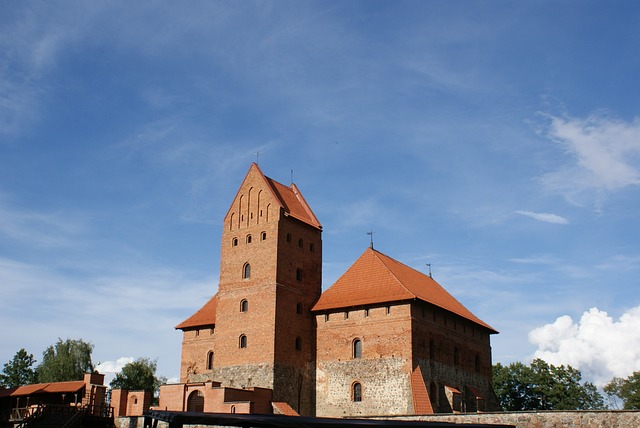
Trakai for Two: The Romantic Version
Romance in Trakai is a scheduling problem, not a budget one. The footbridge at noon in July carries a coach party every few minutes; the same bridge at eight in the morning or nine at night is one of the quietest places in Lithuania, and it costs the same nothing either way.
The two windows that matter Be at the 300 metre wooden footbridge before 11:00 or after 16:00. Tour coaches out of Vilnius...
read more
Extra Days Beyond Budapest
Extra Days Beyond Budapest
Etyek, Hungary’s own “Champagne region,” sits close enough to Budapest for an easy overnight, while Tokaj, further out, genuinely needs one.
An Etyek Wine Overnight A short train ride from Budapest, Etyek’s vineyards suit a slower, sit-down tasting over a night rather than squeezing a rushed visit into a single afternoon. Search Etyek wine tours...
read more
Vilnius for Families: What Holds Up
Vilnius is a good family city with a short list, and pretending the list is longer than it is will cost you a day. Four things genuinely hold up: Trakai, the Bernardine Garden, the Toy Museum and the Museum of Illusions. The zoo is small. There is no theme park. Plan around that and a family trip here works well.
Rated, plainly Place Verdict Trakai Island Castle Do it, best single family day...
read more

Cape Town on Foot: Routes and Risks
Walking is the best way to see Cape Town, and it’s also where the city’s one specific, well-documented safety risk actually shows up, on named trails rather than random streets.
Bo-Kaap and the City Bowl Cobbled streets, coloured facades, Greenmarket Square and Long Street give this route real substance on foot, distinct from a bus that idles for photos and drives on.
District Six...
read more
Multi-Day Trips From Venice by Rail
Heads up: some links here are affiliate links. Book or buy through them and we may earn a small commission at no extra cost to you. We only point you to things we would actually use.
Verona, Padua and the Dolomites are all genuine single-day trips from Venice, and none of them belong on this page. This one covers only the destinations that reward an actual overnight, well outside the Veneto...
read more
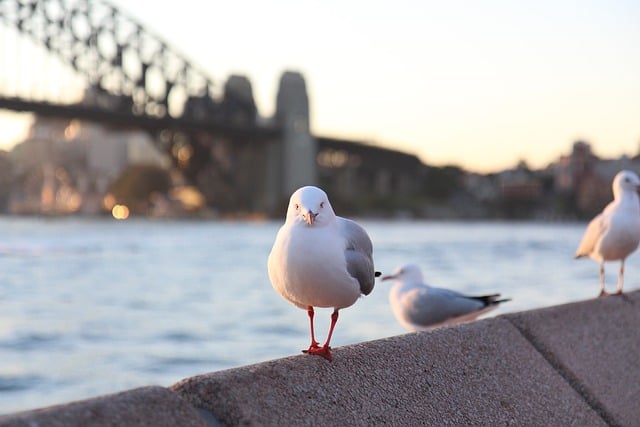
Sydney Walking Tours Worth the Blisters
Three kinds of walk cover most of what’s genuinely worth doing on foot in Sydney: a coastal classic, a national park track, and a pair of guided cultural routes.
Bondi to Coogee Free, around 6km one way, 2 to 3 hours if you stop at Tamarama, Bronte and Clovelly along the way, and a defensible pick for the best free thing to do in the city. The rule that matters everywhere on this walk: swim...
read more

Milan on Foot: Two Routes That Work
Most Milan walking advice tells you to wander the atmospheric streets and names nothing. That is useless here, because Milan’s centre is a grid of banks, offices and flagship stores, and it rewards a route with a target rather than a mood. Two walks in this city have genuine, specific things at the end of them, both free, and neither appears on the standard circuit. Guided versions of both...
read more
Three Days in Trakai: Plan It Yourself
No commercial multi-day tour begins in Trakai. Search for one and every result routes through Vilnius, Kaunas or Riga, because a town of 5,400 people does not support a tour operator that packages nights. The multi-day version of Trakai is one you assemble yourself, and it is better than the packaged alternative anyway.
Why nothing departs from here The multi-day products that cover Lithuania and...
read more
Krakow With Kids: What Actually Works
Heads up: some links here are affiliate links. Book or buy through them and we may earn a small commission at no extra cost to you. We only point you to things we would actually use.
Kraków’s best day out with children costs one train ticket and happens 50 km outside the city, which is worth knowing before you plan around the Old Town. Energylandia in Zator is reachable on the SKA2 from...
read more
Porto on Foot: Ribeira to Cedofeita
Heads up: some links here are affiliate links. Book or buy through them and we may earn a small commission at no extra cost to you. We only point you to things we would actually use.
Porto’s historic center sits on a hill, and the walk down to the river is steep enough on old cobblestone that a funicular exists purely so people don’t have to do it twice in one day.
read more
Prague Walking Tours, Route by Route
Heads up: some links here are affiliate links. Book or buy through them and we may earn a small commission at no extra cost to you. We only point you to things we would actually use.
A hill-and-river historic core built centuries before cars is a genuinely rare thing to find intact, and Prague still has one. Walking is the single strongest way to see it, stronger than any bus, boat, or bike route...
read more
On Foot Through Cusco's Old Center
Location: Cusco, Peru. Starting point: Plaza de Armas. Duration: roughly 2-4 hours on foot, more if the altitude asks for slower pacing than planned.
Altitude first, route second Cusco sits at 3,400m, and a walking tour is the activity where that number matters most, since there’s no vehicle to rest in between stops. Give the body a day or two before a long walking day, drink water rather...
read more

Auckland for Couples, Not Cliches
The Sky Tower’s observation deck is not the romantic move in this city. A Waiheke lunch, a harbour cruise at sunset, or a free walk on a black-sand beach all do more with less effort.
A Waiheke vineyard lunch Mudbrick or Man O’ War both call a restaurant reservation “essential,” so book the sit-down lunch ahead. A walk-in cellar-door tasting beforehand fills the gap while...
read more
Trakai Walking Tours: Guided or Alone?
Pay a guide for the inside of the Island Castle and walk the rest of Trakai yourself. That is the whole answer. The town is one street and two fortresses on a narrow peninsula, legible without help; the eleven exhibition halls in the ducal palace are not.
Where a guide earns the money Inside the castle museum, the objects outnumber the explanation: Grand Duchy weaponry, chainmail, coin hoards dug...
read more

Shanghai Date Night: Rooftops to Canals
Reserve a rooftop table in Shanghai for the wrong hour and you get a hazy daytime view of Pudong; get the timing right and the same table watches the whole skyline switch on.
Rooftop cocktails, done right Sir Elly’s Terrace at The Peninsula and the 58th-floor FLAIR Rooftop Restaurant & Bar at the Ritz-Carlton Pudong both book out on weekends, so reserve a window or terrace table a few...
read more
Day Trips From Athens, Honestly Timed
Distance is what separates a real Athens day trip from one that only works as an overnight, and the two categories get mixed up more often than they should.
Cape Sounion Roughly 70km southeast, about 1 to 1.5 hours by car or KTEL bus , Cape Sounion is the lowest-effort option here. The Temple of Poseidon itself takes 30 to 45 minutes; the rest of the trip is the drive and the sunset wait that...
read more
Krakow Walking Tours: Tips Are Expected
Heads up: some links here are affiliate links. Book or buy through them and we may earn a small commission at no extra cost to you. We only point you to things we would actually use.
Kraków’s free walking tours are good and they are not free. They run on tips, the guides live on those tips, and the honest way to think about a tips-based tour is as a cheap tour with the price left to your...
read more
Walking Routes in Ho Chi Minh City
Motorbikes rule Ho Chi Minh City’s streets, but three neighborhoods reward walking anyway if you pick the right hours and don’t try to connect them on foot.
French-colonial District 1 Begin at the Saigon Central Post Office, its ironwork designed by Alfred Foulhoux, not Gustave Eiffel, then cross to Notre-Dame Cathedral’s exterior; the interior stays closed to visitors through a...
read more

A Romantic Evening in Kyoto, Planned Right
Kyoto’s temples close by late afternoon, and the city’s actual romantic hours start after that, once the tour groups have gone back to their hotels.
Dinner over the water first Kyoto’s version of a romantic evening usually starts by the river. Central restaurants along the Kamo’s Pontocho side run summer platform dining, kawadoko, roughly May through September, and further...
read more
Shanghai's Multi-Day Rail Circuits
Shanghai sits flat on a river delta, so the fastest way to see mountains without leaving the bullet-train network is a multi-day trip out to Huangshan, not anything inside the city itself.
Huangshan and the ancient Anhui villages, 3 to 4 days A direct high-speed train reaches Huangshan North in about 2.5 to 3 hours, then a cable car climbs to the mountain’s granite peaks and pine ridgelines....
read more
Madrid Day Trips That Are Worth It
Most Madrid day-trip lists fail on arithmetic. They put Toledo and Segovia on the same day, treat Ávila as a fast train when it runs on a conventional line, and quietly forget that Segovia’s high-speed station is four kilometres from the aqueduct. Here is what each trip actually costs you in hours, and which ones are worth giving up a Madrid day for.
Half day, full day, or not at all...
read more
Kids and Family Time in Budapest
Kids and Family Time in Budapest
Budapest Zoo publishes one species count, and a widely repeated figure online states another, a genuine disagreement worth checking the zoo’s own current number for rather than repeating either.
Budapest Zoo and Botanical Garden The zoo’s own site puts its most recent census at roughly 658 species and 7,452 animals; a commonly cited figure elsewhere...
read more
Singapore Day Trips Worth the Ferry Ride
Singapore Day Trips Worth the Ferry Ride Chinatown and Orchard Road get called “day trips” in some guides, which is a stretch when they’re a ten-minute MRT ride from wherever you’re already staying. A real day trip out of Singapore involves a ferry, a causeway, or a strait, and there are exactly five of them.
Sentosa Its own monorail, the Sentosa Express, is a flat SGD 4;...
read more
Family Venice: Bridges Before Beaches
Heads up: some links here are affiliate links. Book or buy through them and we may earn a small commission at no extra cost to you. We only point you to things we would actually use.
Before the beach and the glassblowing show, a family planning Venice needs one honest fact first: this city was never built with strollers, railings or childproofing in mind.
Say it plainly: canals and bridges are...
read more
Trakai Sightseeing Beyond the Castle
The Island Castle takes about ninety minutes of looking, and most visitors give Trakai three hours and see nothing else. That is the mistake. The sights that reward a slower day are all on the mainland, and two of the best cost nothing.
Three different places here are called Trakai The name covers three separate sites, and mixing them up wrecks an itinerary.
Senieji Trakai, or Old Trakai, about 4...
read more
Vienna Walking Routes and Coffeehouses
Vienna Walking Routes and Coffeehouses
A walking route that opens at a closed cafe is a bad start to a morning, and Café Central, closed for a full renovation since March 2026, is exactly that closed door right now.
Historic Core: Stephansdom to the Hofburg Begin at St. Stephen’s Cathedral, its south tower 343 steps above the square, then follow Graben and Kohlmarkt toward the...
read more
Walking Shanghai: Lanes and the Bund
A single fragment of Shanghai’s 16th-century defensive wall still stands in the Old Town, and most visitors walk within a block of it without knowing it’s there.
Old Town and the Dajing Ge wall fragment Nanshi, the Old Town, holds that surviving wall fragment plus a wet market at the Penglai Lu and Ninghe Lu intersection, with close to no English signage anywhere nearby. It’s the...
read more
Milan Day Trips: Which Ones Deliver
Lake Como is the day trip every Milan guide leads with, and in high season it is the one most likely to disappoint. The lakes took a 14% visitor increase in 2025, Bellagio absorbed the worst of it, and shoulder-season crowds now match what August looked like a decade ago. Go mid-week or go to Bergamo instead. Here is the honest ranking. If you want the day arranged for you, compare Milan day trips...
read more
Auckland Extensions Worth a Night
Waiheke and Rangitoto are day trips. Great Barrier Island is not, and treating it as one is the fastest way to waste a genuinely remarkable place on a rushed itinerary.
Great Barrier Island, properly SeaLink’s ferry takes roughly 4.5 hours from Auckland, with foot passenger fares ranging from about NZD 118 to 358 depending on date, averaging around NZD 279; a roughly 30-minute flight is the...
read more
Cape Town Day Trips and How to Reach Them
Cape Town’s day trips fall into two honest categories: reachable without a car, and everything else, which needs one.
Cape Point and the Peninsula loop: car or tour required No public transport covers the full loop. Drive the toll Chapman’s Peak Drive yourself, roughly R60 for a standard car, or book a full-day tour that includes it. Entrance tiers at Cape Point run SA adult R110, SADC...
read more
Porto Day Trips: Douro to Aveiro
Heads up: some links here are affiliate links. Book or buy through them and we may earn a small commission at no extra cost to you. We only point you to things we would actually use.
There are two different trains into the Douro, at two very different prices, and only one of them runs every day of the year. Knowing which is which before you book saves both money and a scheduling headache.
read more
Which Sydney Day Trips Need a Car
The honest version of Sydney’s day-trip list splits into who needs a car and who doesn’t, and that split matters more than distance in kilometres.
Blue Mountains, no car required NSW TrainLink runs hourly from Central to Katoomba, about 2 hours, close enough to the roughly 90-minute drive via the M4 that the train stays the sensible choice without a vehicle. Echo Point and the Three...
read more
Shanghai Day Trips: Rail and Canals
Most Shanghai day-trip lists stop at Suzhou and Hangzhou, and skip a third bullet-train city that’s just as reachable and considerably less crowded with other day-trippers.
Nanjing, the day trip most guides skip The fastest trains reach Nanjing in as little as 59 minutes, up to about 1 hour 8 minutes, with second-class fares roughly ¥104 to ¥190, and 256-plus daily departures. The Ming city...
read more