Recent Places
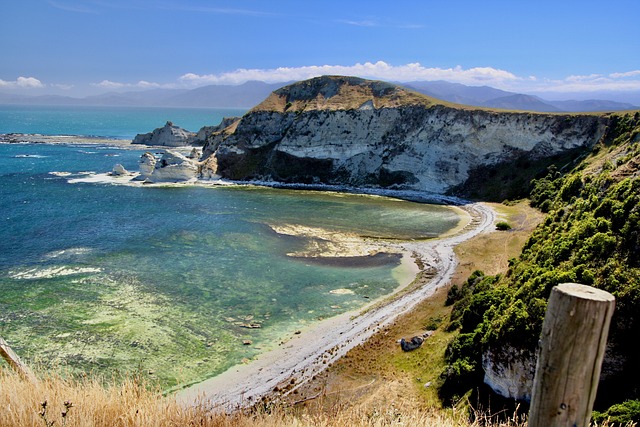
Kaikoura
The Kaikoura Canyon drops to 1,000 metres depth just 2 kilometres offshore. That geography creates upwellings that concentrate marine life in a way that has made this stretch of New Zealand’s northeast coast one of the best places in the world to watch sperm whales from a boat. The November 2016 earthquake (magnitude 7.8) raised the seabed in places by up to 2 metres and dramatically altered...
read more
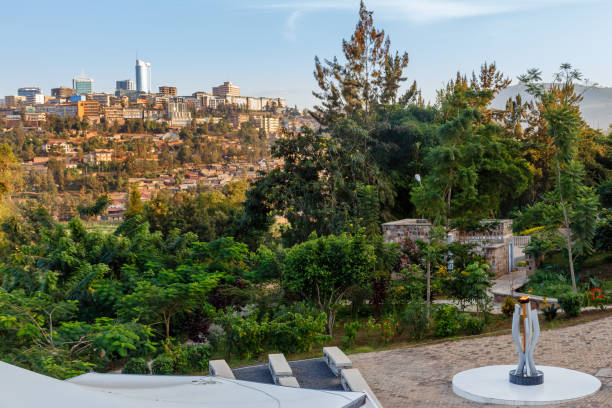
Genocide Memorial, Kigali, Rwanda
Kigali Genocide Memorial: Rwanda Thirty Years After Between April and July 1994, approximately 800,000 to 1,000,000 people were killed in Rwanda in a coordinated genocide targeting the Tutsi minority and moderate Hutu. The killings lasted 100 days, an average of around 8,000 deaths per day. The Kigali Genocide Memorial at Gisozi was established in 2004 on the tenth anniversary and holds the mass...
read more
Registan Square
Registan Square, Samarkand: One of the Few Places That Actually Exceeds Its Reputation There are places described so often that you arrive expecting disappointment. The Registan is not one of them. Three madrasahs arranged around a square courtyard, covered in blue, turquoise, and gold geometric tilework at a scale that makes the concept of Islamic architecture concrete and undeniable. This was...
read more
Len Is Maranhenses
Lençóis Maranhenses, Brazil Lençóis Maranhenses is not technically a desert, though it looks like one. The rolling white sand dunes along Brazil’s northeast coast receive enough rain each year to fill thousands of rainwater lagoons trapped between the dune ridges, turning the landscape into something genuinely strange: dunes full of swimming holes, some warm and shallow, some cold and...
read more
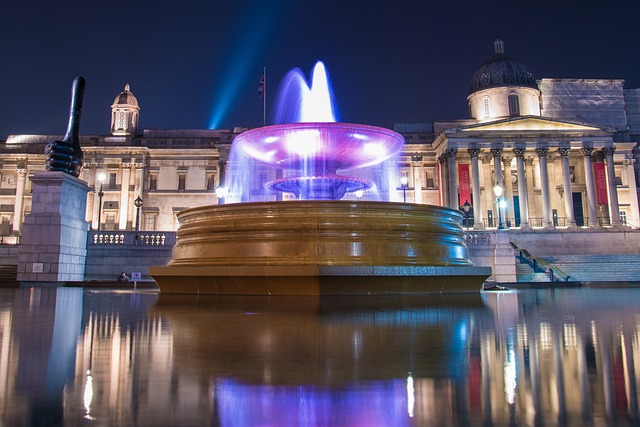
Trafalgar Square
Trafalgar Square: Free Gallery, Interesting Public Art, Usually Crowded Trafalgar Square was laid out between 1829 and 1845 as a memorial to the Battle of Trafalgar, where Admiral Nelson’s fleet destroyed Napoleon’s combined Franco-Spanish navy in 1805 at the cost of Nelson’s own life. The 51-metre column with his figure at the top went up in 1843. The four bronze lions at the...
read more
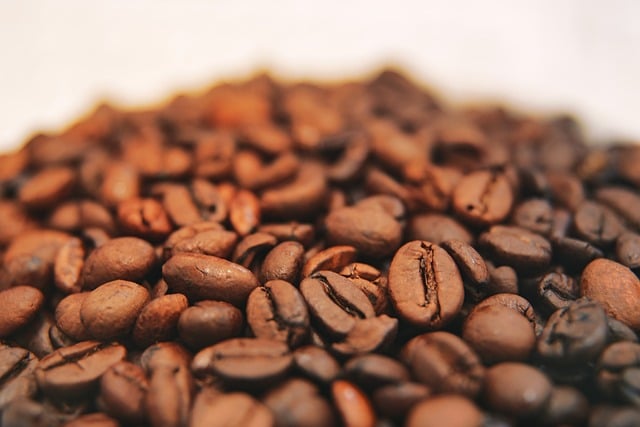
Get a Caffeine Jolt at a Famous Viennese Kaffeehaus
The Viennese Kaffeehaus: How the Coffee House Actually Works The Viennese coffee house is not a coffee shop. The distinction matters. A coffee shop sells coffee efficiently; a Kaffeehaus sells time with coffee as the pretext. You order a single coffee and sit for two hours reading newspapers. The waiter brings a glass of water with every order and refills it without being asked. You pay when you...
read more
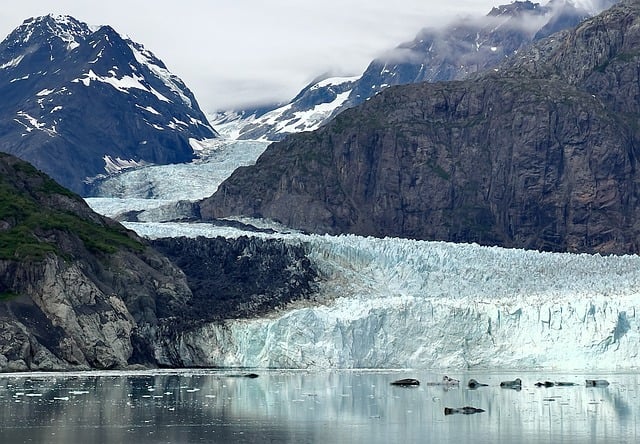
Glacier Bay National Park, Alaska
Glacier Bay: Where the Ice Has Retreated 120 Kilometres in 250 Years In 1750, Glacier Bay was a single massive glacier filling the entire inlet. By 1794 when George Vancouver charted the coastline, the ice had already retreated about 8 kilometres. By 1916, 105 kilometres. Today the main bay is open water reaching 65 kilometres into the mountains, with glacier arms branching off into side inlets....
read more
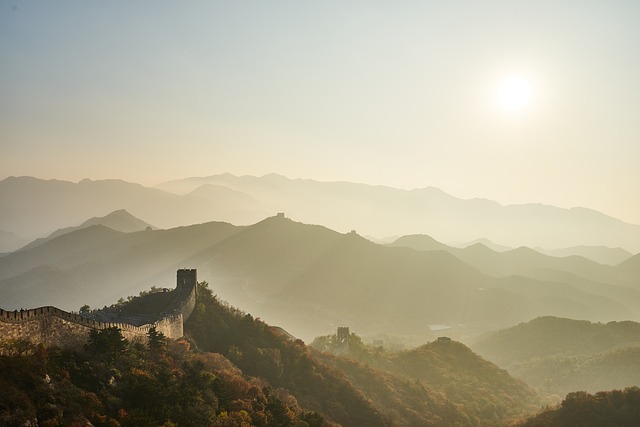
Great Wall China
The Great Wall of China: Which Section to Visit and Why It Matters The Great Wall is not a single wall. It is a series of walls, watchtowers, fortifications, and garrison stations built over approximately 2,000 years by successive Chinese dynasties. The total length of all sections combined is around 21,000 kilometres. The wall you see in the famous photographs runs through mountainous terrain...
read more
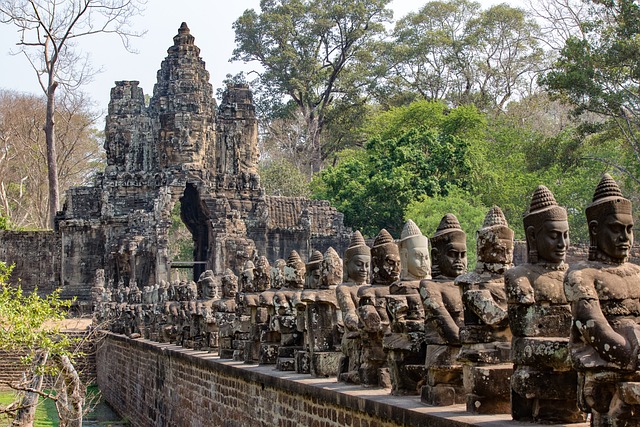
. Angkor Wat, Cambodia
Angkor Wat, Cambodia The temple was never lost. Despite what various travel narratives suggest, Angkor Wat was visited continuously after the Khmer capital moved south in the 15th century and remained an active Buddhist monastery throughout the period when European explorers were “discovering” it. Henri Mouhot’s 1860 description was of an inhabited temple, not a ruin reclaimed by...
read more
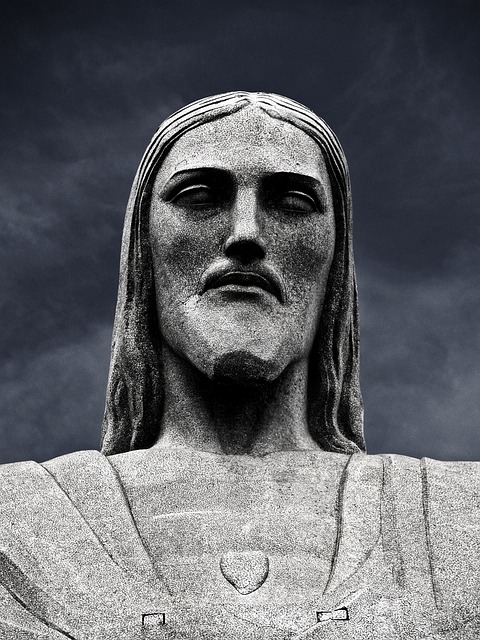
Christ the Redeemer Rio De Janerio Brazil
Lightning strikes Christ the Redeemer approximately four to five times per year. The statue is one of the highest points on the Corcovado massif and lightning rods have been embedded in the outstretched arms since the original construction in 1931. Minor repairs happen fairly regularly; major lightning damage occurred in 2014 and required restoration of the thumbs and head. The Art Deco statue...
read more
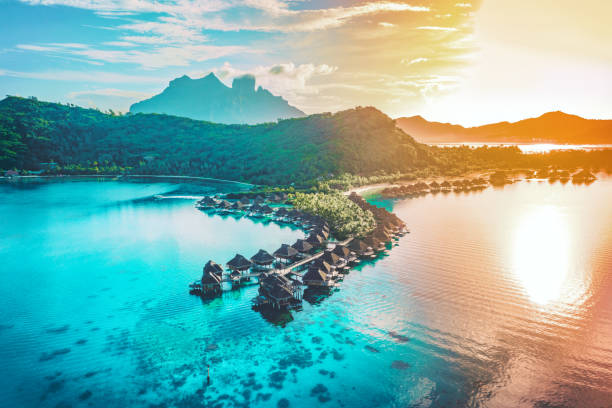
Bora Bora
Bora Bora is one of those destinations that actually looks like the photographs. The turquoise lagoon surrounding a volcanic island with Mount Otemanu rising 727 metres from the centre, viewed from an overwater bungalow at sunrise, is not a disappointment. What it is, however, is one of the most expensive tourist destinations on earth, and arriving unprepared for that reality is the quickest way...
read more
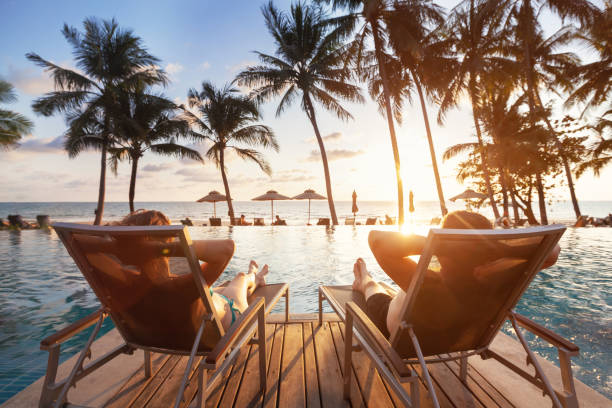
Isle Of Man
Isle of Man The Isle of Man sits in the middle of the Irish Sea, roughly equidistant from Ireland, England, Scotland, and Wales, but politically belonging to none of them. It is a Crown Dependency with its own parliament (the Tynwald, which claims to be the oldest continuous legislature in the world, established 979 CE), its own laws, its own banking secrecy regime, and a strong sense of its own...
read more
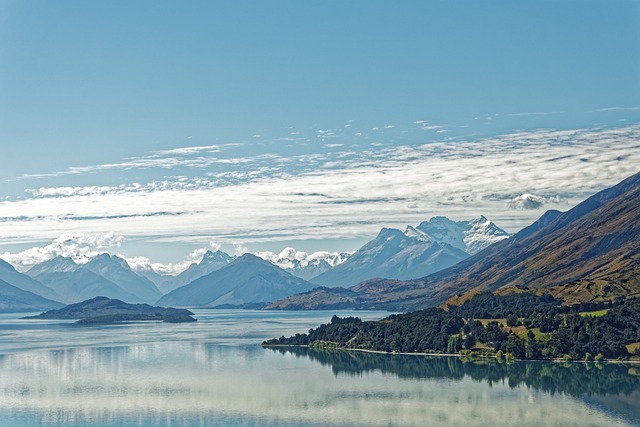
Lake Wakatipu
Lake Wakatipu: The Lake Behind Queenstown’s Reputation Lake Wakatipu is 80 km long, 291 metres deep at its lowest point, and shaped like a lightning bolt carved into the Otago landscape by glaciation. The lake never really warms up – hovering around 10 to 12 degrees Celsius year-round – which discourages casual swimming but keeps that particular blue-green colour that...
read more
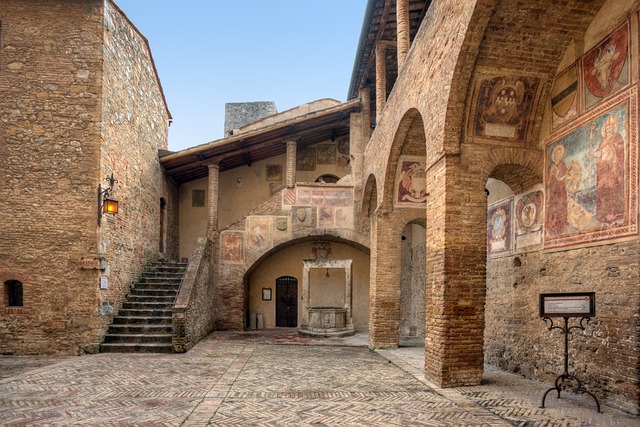
San Gimignano
San Gimignano At its medieval peak, San Gimignano had 72 towers. Fourteen remain. The families that built them were Florentine merchants competing in the only currency that mattered then: visible height. The taller your tower, the more important your family. Standing in the Piazza della Cisterna and looking up at what remains against a blue Tuscan sky still produces the effect they were designed...
read more
Valle De La Luna San Pedro De Atacama Chile
The name is literal. The salt-sculpted ridges, the wind-carved formations, and the white crystalline flats of Valle de la Luna look genuinely like lunar surface photography. At sunset, the rock shifts through terracotta, orange, and deep pink before going dark. The moon rising over the salt formations while the sky turns purple overhead is the kind of image that makes people feel they’ve...
read more
Norfolk Broads National Park England
Norfolk Broads National Park The Norfolk Broads were not created by glaciers or rivers but by medieval peat-digging. Between the 12th and 14th centuries, the region’s population dug out enormous volumes of peat for fuel, and the resulting pits gradually flooded as sea levels rose over the following centuries. Nobody planned this. What started as industrial quarrying became, by accident, a...
read more
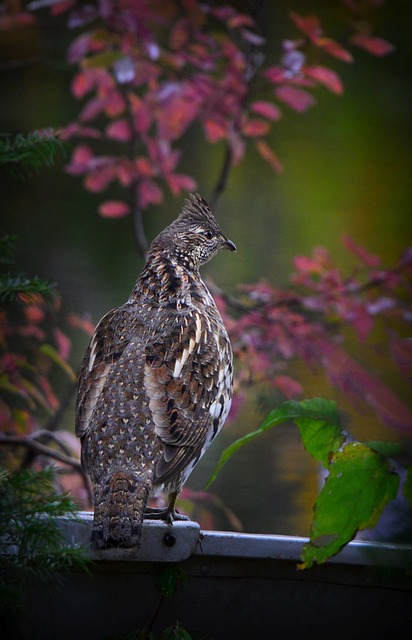
Grouse Mountain
The Grouse Grind trail climbs 290 metres of vertical in 2.9 kilometres, mostly stairs and rocky scramble, with no technical difficulty but a relentless grade that has earned it the local nickname “Mother Nature’s Stairmaster.” Most fit adults finish in 60 to 90 minutes. The trail is free to hike up. The gondola back down is CAD 20. This is the best value-for-effort experience on...
read more
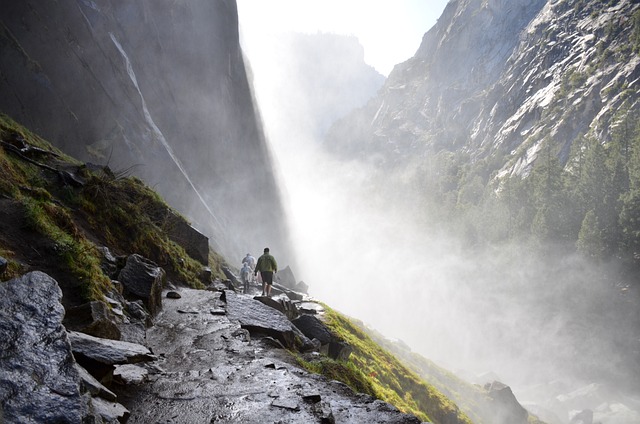
Yosemite
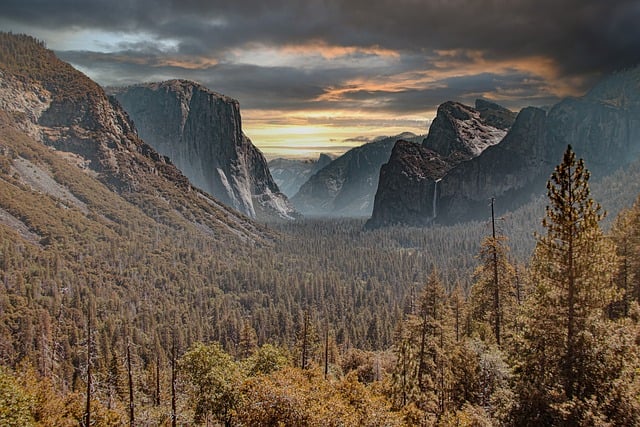
Yosemite National Park The vehicle reservation system that created so much frustration in previous years no longer applies in 2026; Yosemite announced that timed-entry reservations are not required this year. Check the current NPS policy before your visit because these decisions change annually and the specific dates and terms vary. The park entry fee is $35 per vehicle, valid for 7 days.
Yosemite...
read more
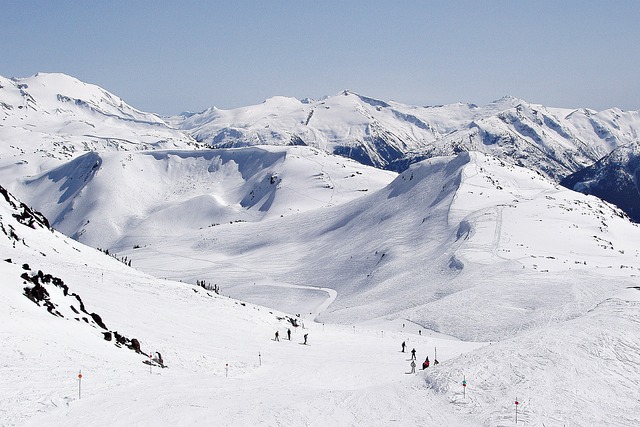
Whistler Blackcomb Ski Resort, BC
Whistler Blackcomb: North America’s Biggest Ski Area Whistler Blackcomb covers 3,307 hectares of skiable terrain across two mountains with a combined vertical drop of 1,609 metres – the largest ski resort in North America by most metrics. The Peak 2 Peak Gondola connects the two summits at 4.4 km length and 436 metres above the valley floor. The numbers are impressive; the skiing backs...
read more
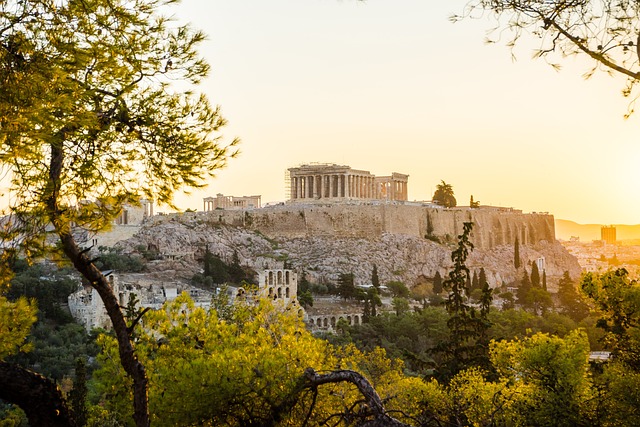
The Acropolis Greece
The Acropolis: Yes It Is Crowded. Go Anyway, But Go Early. Around 10,000 visitors ascend the Acropolis on a typical summer day, all funnelled up a single path through the Propylaea onto a limestone plateau that is fully exposed to the sun. The Parthenon has had scaffolding around it for decades. Two thousand five hundred years of human feet have polished the rock surface to a glassy smoothness....
read more
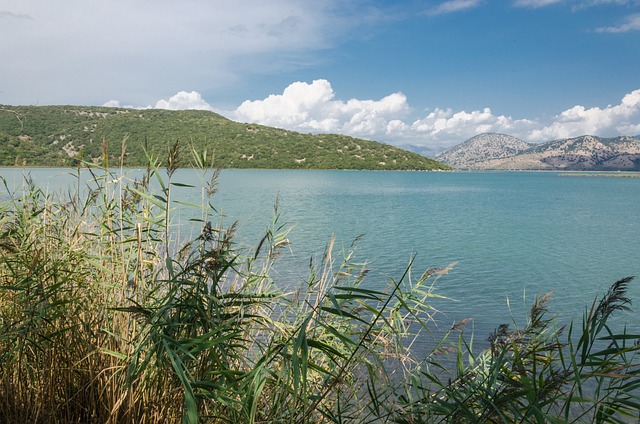
Butrint, Sarande
Butrint, Sarande: 2,400 Years of History in One Peninsula Butrint is the Albanian site that makes the conventional “archaeological highlight” description almost inadequate. The site occupies a peninsula in a tidal lagoon near Sarande on the Ionian coast, and it contains Greek, Roman, Byzantine, and Venetian structures in stratigraphic layers – a Hellenistic theatre from the 4th...
read more
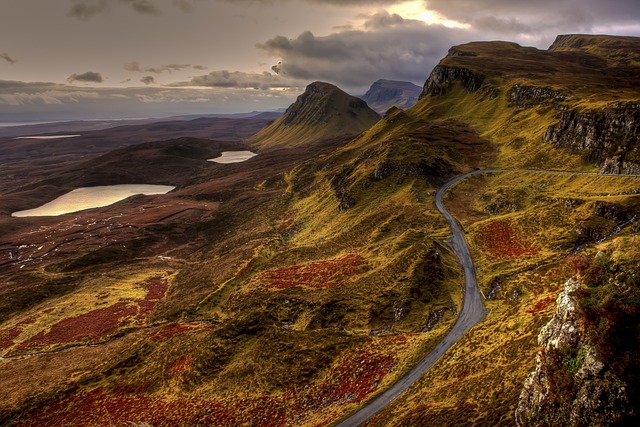
Bath England
Bath, England Bath is the most complete Georgian city in Britain, and the honey-coloured limestone that makes it look that way is not a coating or a resurfacing project. The stone is the same Bath stone quarried from Combe Down since Roman times, which also gives the whole place a geological consistency that cities assembled piecemeal over centuries almost never achieve. It was built fast, mostly...
read more
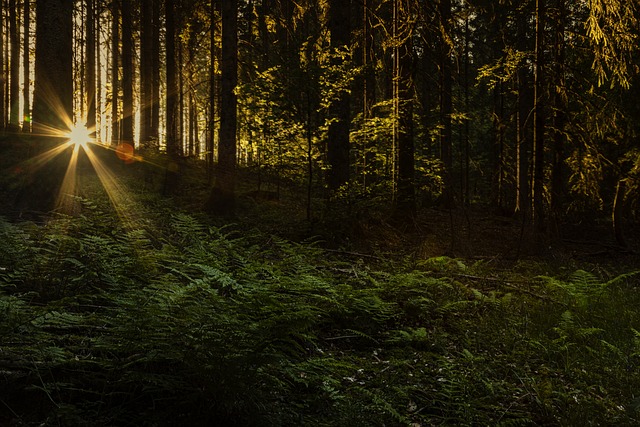
Foteviken Viking
In 1134, one of the largest naval battles in Scandinavian medieval history was fought at this bay on the Falsterbo Peninsula in southern Sweden. King Nils of Denmark defeated the forces of Canute Lavard’s supporters with a fleet of longships, securing the Danish throne. The site was largely forgotten until archaeologist Andreas Olsson established Foteviken Viking Reserve here in 1995,...
read more
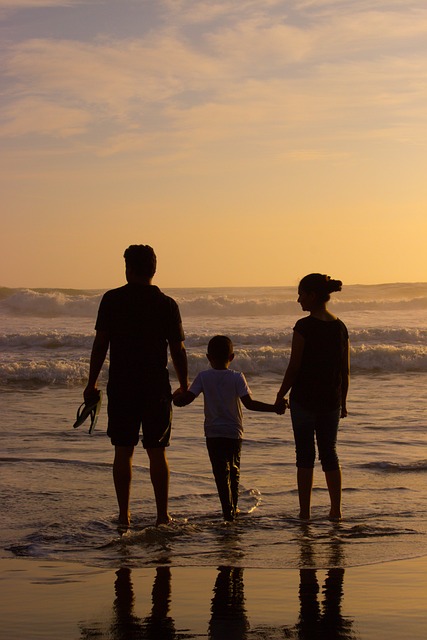
Kerala, India
Kerala Kerala’s monsoon arrives every June with a reliability that the India Meteorological Department uses as a benchmark for the entire subcontinent’s forecast. When it rains here, it commits: the Western Ghats catch the full weight of the Arabian Sea moisture, the tea estates at 1,600 metres drip continuously for three months, and the backwater canals that tourists come for look...
read more
Yosemite National Park
Yosemite National Park Good news for 2026: Yosemite has eliminated its vehicle reservation system, which plagued summer visits in previous years. You no longer need a timed entry pass to drive into the park. You do need a valid park entrance pass, available at the five entrance stations or in advance online through Recreation.gov. Entry is $35 per vehicle, valid for seven days. The reservation...
read more
Hue, Vietnam
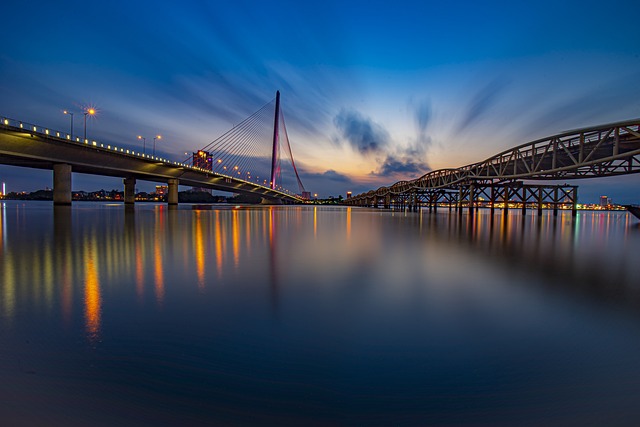
Hue: The Imperial Capital That Was Bombed in 1968, Rebuilt by History Enthusiasts, and Is Still the Best Food City in Vietnam The food argument is genuine and contested. Hanoi partisans will object. But Hue’s claim rests on history: as the Nguyen dynasty’s capital from 1802 to 1945, the imperial court required elaborate multi-dish spreads for every meal, including meals that required...
read more
Little Mermaid
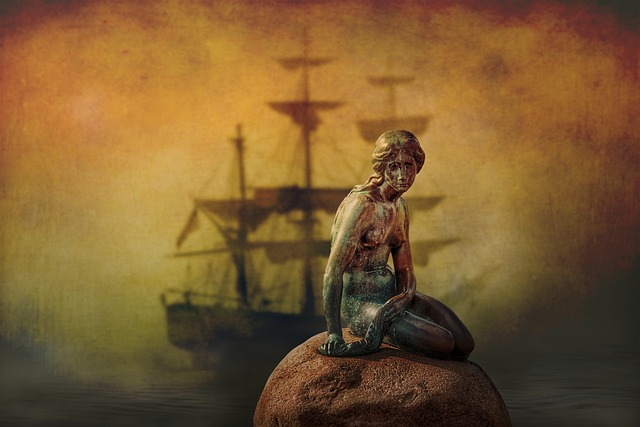
The Little Mermaid, Copenhagen The Little Mermaid is 1.25 metres tall. This is the fact that registers differently from any photograph. The statue sits on a rock at the water’s edge in Langelinie harbour, 1.5 km north of Copenhagen’s centre, and the gap between expectation and reality is immediate. It was commissioned by brewer Carl Jacobsen, sculpted by Edvard Eriksen, and unveiled in...
read more
Split
Split, Croatia Split is a working port city that happens to contain a Roman palace at its centre. Diocletian built his retirement complex here around 305 AD, and the palace walls have been continuously inhabited ever since. Today roughly 3,000 people live inside those walls, in apartments and houses that incorporate the original Roman stonework into their foundations, cellars, and sometimes their...
read more
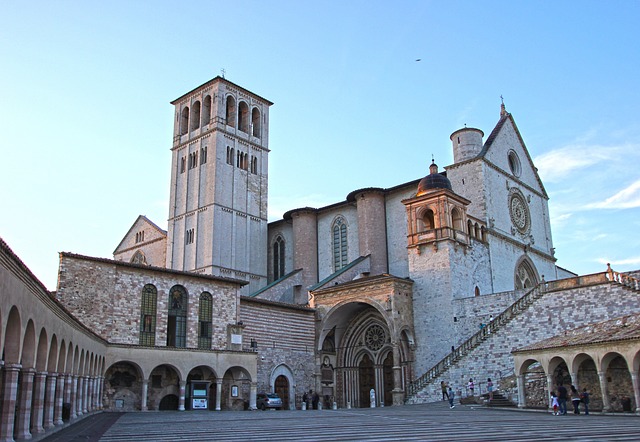
Basilica In Assisi
The Basilica in Assisi: What Giotto Actually Did Here Giotto di Bondone painted the upper basilica in Assisi in the 1290s and the result is one of the decisive moments in Western art: the first time a major painter rendered human figures with psychological weight and spatial depth rather than the flat, formulaic poses of Byzantine convention. Twenty-eight scenes from the life of Francis of Assisi,...
read more
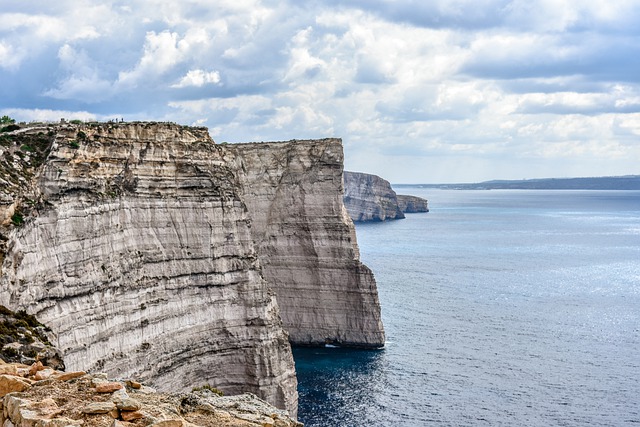
Hagar Qim, Malta
Hagar Qim was built between 3600 and 3200 BCE, which makes it about 1,000 years older than Stonehenge and roughly 500 years older than the Egyptian pyramids. The people who built it left no writing; everything archaeologists know about them comes from the physical evidence of the site and comparisons with Malta’s other prehistoric temple complexes. What we know is that they moved massive...
read more
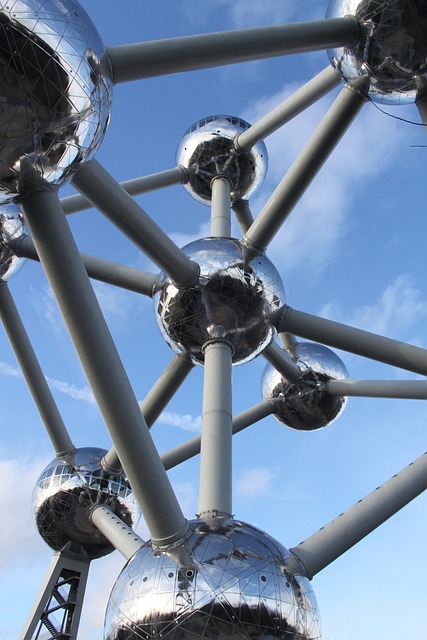
Atomium, Brussels
The Atomium was built for the 1958 Brussels World’s Fair, nine steel spheres arranged to represent an iron crystal unit cell magnified 165 billion times. The engineer André Waterkeyn designed it at a moment when atomic energy was widely understood as the technology that would power a prosperous future; the building was a literal statement of that belief in steel. The original aluminium...
read more
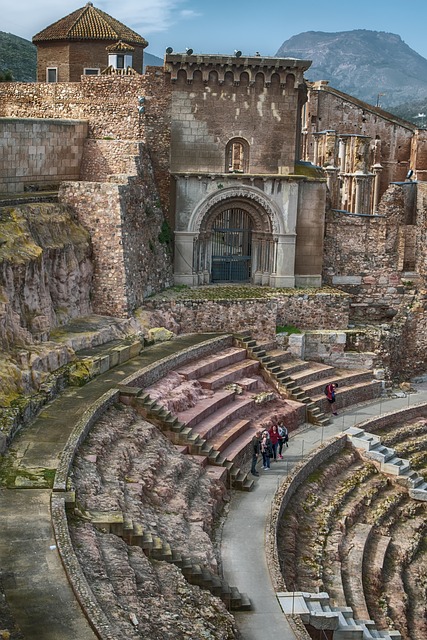
Cartagena
Cartagena Cartagena is Colombia’s most expensive city for tourists and proud of it. Prices in the Walled City run 40-60% higher than Bogota or Medellin for equivalent accommodation and food, and the gap feels wider on the ground when a hotel room in Ciudad Amurallada costs $180 USD a night and a nearly identical room two blocks outside the walls goes for $60. The tourism economy is fully...
read more
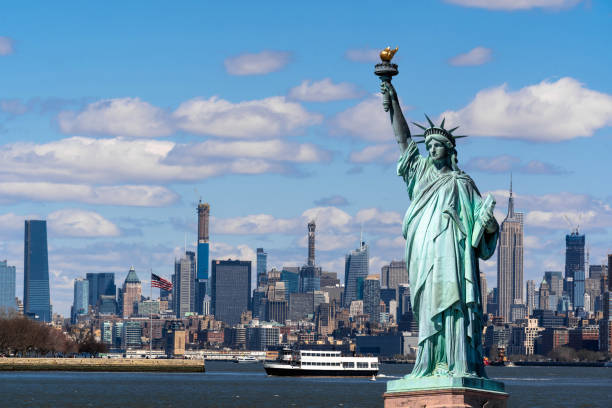
Statue of Liberty
The Statue of Liberty: Three Levels of Access and Why the Difference Matters The Statue of Liberty arrived in New York Harbor in 1886 in 350 individual crates, packed inside the hull of the French frigate Isere. Its copper skin – approximately 90 tonnes – was designed by sculptor Frederic Auguste Bartholdi and its internal structural armature was engineered by Gustave Eiffel, who also...
read more
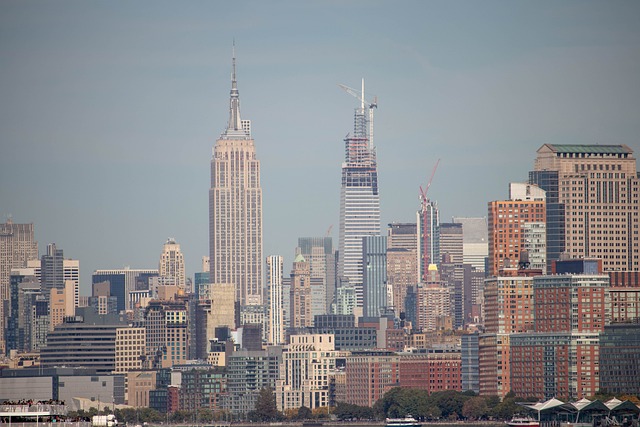
Empire State Building
Empire State Building: Built in 410 Days, Nicknamed “The Empty State Building” for the First Decade The Empire State Building was completed in 1931 and was the world’s tallest building for 41 years. It was also a commercial disaster for most of its early life. Completed during the Depression, it struggled to find tenants. The nickname “Empty State Building” circulated...
read more
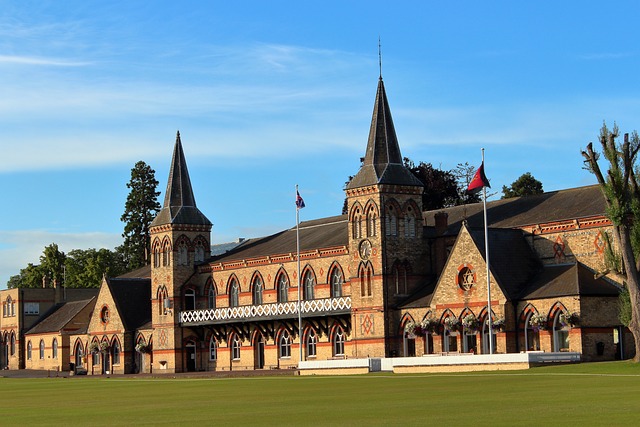
Cheltenham Festival
Gold Cup Day tickets sell out before Champion Hurdle Day tickets in most years, which tells you something about the priorities of the people who come. The Cheltenham Gold Cup on the Friday of the March festival is genuinely the best steeplechase in the world run over the best course, and the crowd of 70,000 people who fill the grandstand for it is an overwhelming proportion Irish. The Guinness...
read more

Pooh Bridge, Ashdown Forest
Pooh Bridge, Ashdown Forest The bridge is a small wooden footbridge over a narrow stream in the East Sussex heathland. A.A. Milne and his son Christopher Robin played Poohsticks here – dropping sticks from one side and racing to the other to see them emerge – and E.H. Shepard drew the illustrations for the Winnie-the-Pooh books with this stretch of woodland as the visual reference for...
read more
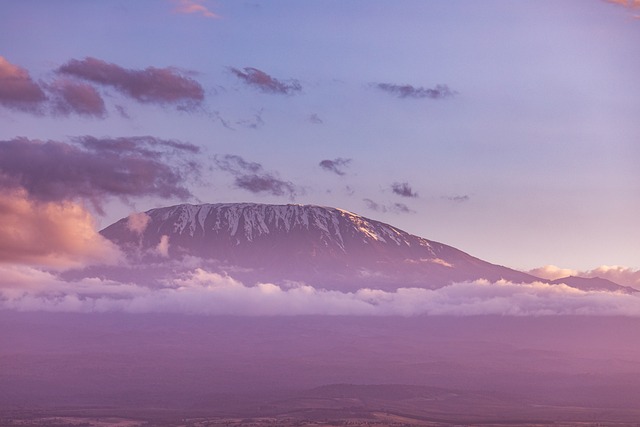
Mount Kilimanjaro
About 35 to 45 percent of climbers who attempt Kilimanjaro do not reach Uhuru Peak. The mountain requires no technical climbing skills; the standard routes are established trails. The failure rate is almost entirely caused by altitude sickness, which presents as severe headache, nausea, and ataxia and forces descents that the climber would rather not make. The risk of altitude sickness drops...
read more
Bay of Islands New Zealand
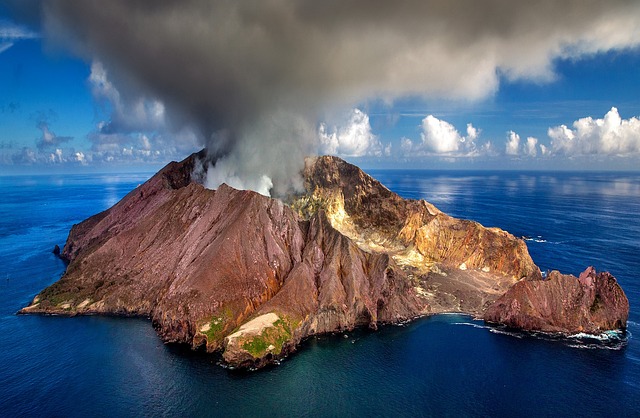
Bay of Islands, New Zealand The Treaty of Waitangi – signed on February 6, 1840, in the Bay of Islands – is New Zealand’s founding constitutional document. Representatives of the British Crown and Maori chiefs signed two versions of the treaty: one in English and one in Maori. The two versions say different things about sovereignty, and that discrepancy has shaped New Zealand...
read more
Rockefeller Center
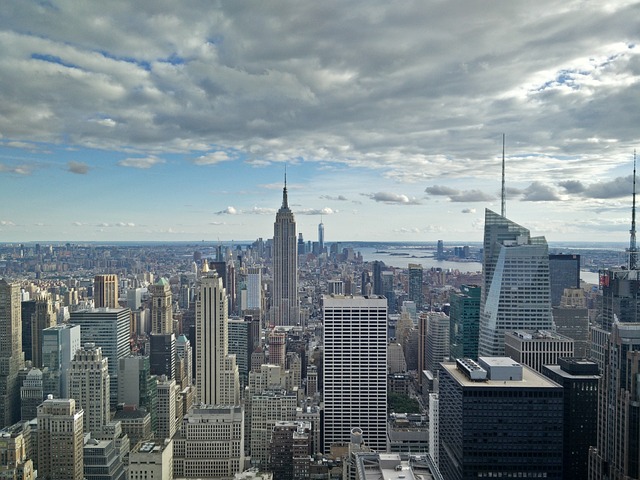
Diego Rivera was originally hired to paint the main lobby mural at 30 Rockefeller Plaza. When the work was nearly complete, Rockefeller’s representatives asked him to remove Lenin’s portrait from the composition. Rivera refused. The mural was chiselled out in 1934 and replaced with a less politically complicated substitute by José Maria Sert. The Rivera mural was later reconstructed...
read more
Pantanal
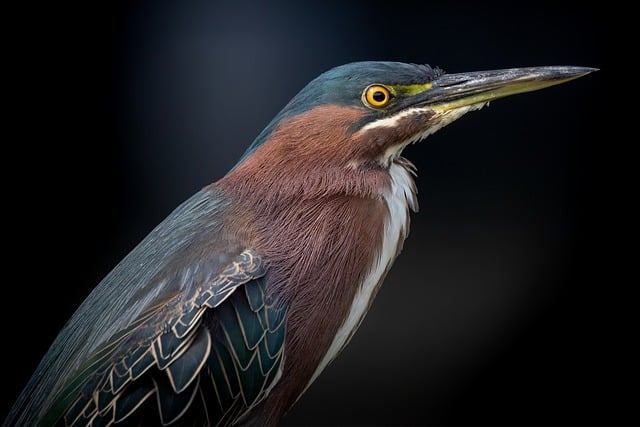
The Pantanal: Where to Find Jaguars, and Why It Works Better Than the Amazon for Wildlife Watching The Amazon gets more attention. The Pantanal gets more jaguars. That asymmetry matters if your primary interest is seeing large mammals rather than standing inside equatorial forest. The Pantanal is the world’s largest tropical wetland at approximately 150,000 square kilometres, spread across...
read more
Saltaire
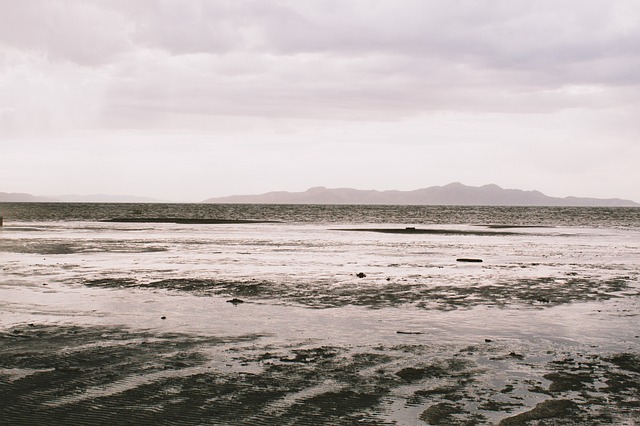
In 2026, Saltaire marks 25 years on the UNESCO World Heritage list. Most people driving through West Yorkshire on the A650 have never heard of it. That gap between the recognition and the reality says something about what makes Saltaire unusual: it looks like a slightly too-neat Victorian village, and you need some context to understand why the whole thing is remarkable.
The History Sir Titus Salt...
read more
Green Park
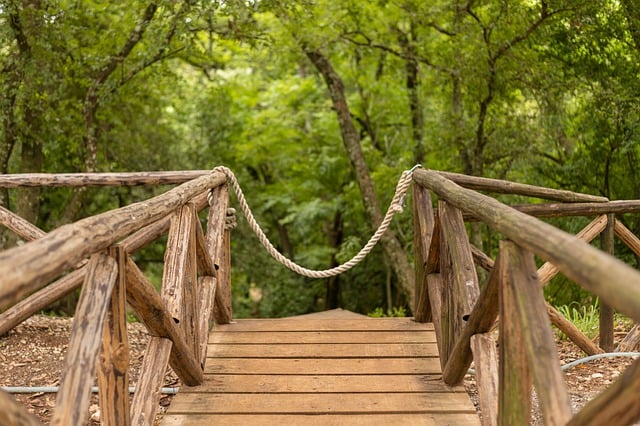
Green Park: London’s Only Royal Park With No Flower Beds, By Design Green Park has 19 hectares of old lime and plane trees and mown grass. No flower beds, no ornamental lake, no bandstand. This is not neglect; it was a deliberate choice when Charles II laid it out in the 1660s, and the park has maintained that character ever since. When St James’s Park is crowded with Buckingham Palace...
read more
Attend a Cherry Blossom Festival in Japan
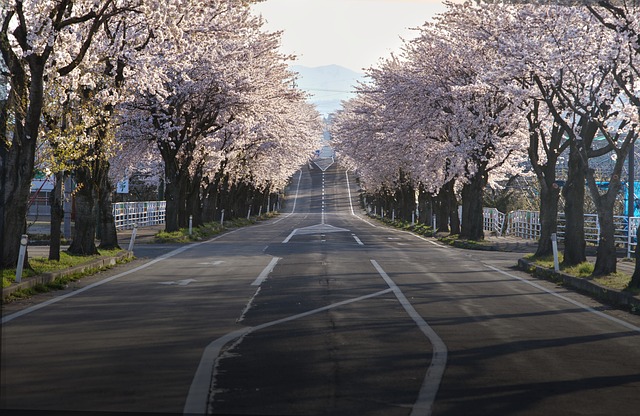
Japan’s Cherry Blossom Season The Japan Meteorological Corporation tracks the sakura front each year and publishes forecasts showing which regions will peak when. Most years, Kyushu and southern Japan bloom in late March; Tokyo and Kyoto follow in late March to early April; northern Tohoku peaks in mid-April; Hokkaido, the last to bloom, peaks in late April to early May. The window at any...
read more
Forth Bridge
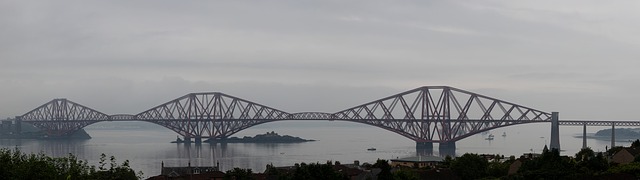
The Forth Bridge, Scotland When Benjamin Baker designed the Forth Bridge in the 1880s, the technology for spanning the Firth of Forth did not yet exist. He and John Fowler had to invent the full-scale application of cantilever engineering in steel while also building it – a 2.5-kilometre crossing that used 55,000 tonnes of steel and required a workforce of around 4,600 men, of whom 73 died...
read more
Red Square Moscow
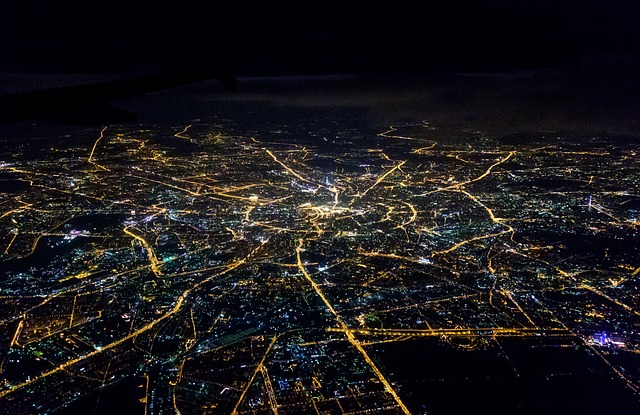
Red Square, Moscow: What It Is and When You Can Go Back Moscow is currently inaccessible to most Western visitors. Since Russia’s full-scale invasion of Ukraine in February 2022, the major Western governments advise against all travel to Russia. Sanctions have disrupted card payments, flight connections have been severed, and the practical infrastructure for foreign tourism has largely...
read more
Auckland
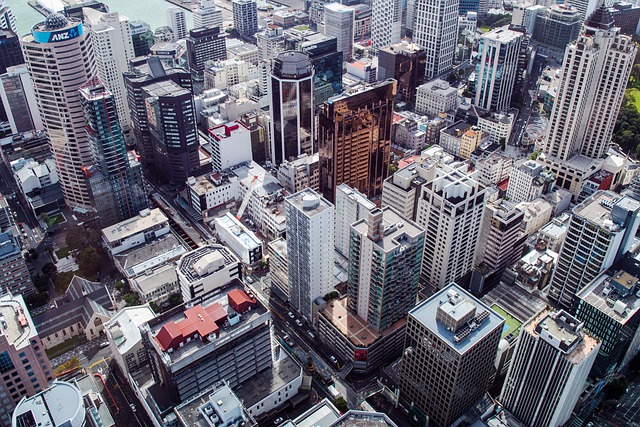
Auckland: Volcanoes Underneath, Harbours on Both Sides Auckland sits on a narrow isthmus between two harbours, built on top of 53 dormant volcanic cones. The last eruption in the Auckland volcanic field was about 600 years ago, at Rangitoto Island, which is still visible from the downtown waterfront and reachable by ferry in 25 minutes. Geologists classify the field as dormant rather than extinct...
read more
DMZ, South Korea
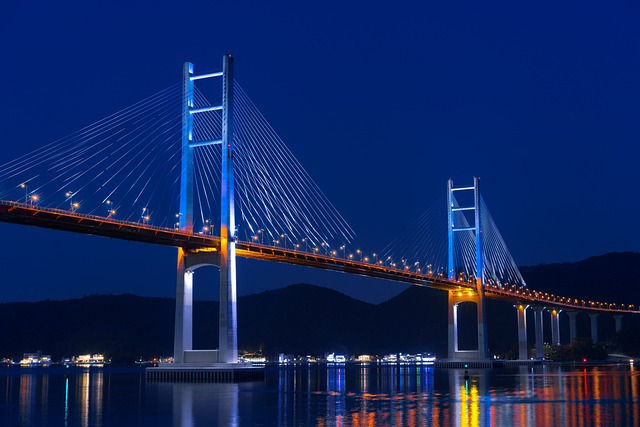
The Korean DMZ has been one of the most heavily fortified borders in the world since the 1953 armistice. It has also, inadvertently, become a significant wildlife refuge. The 250-kilometre-long, 4-kilometre-wide strip of land running across the peninsula has been essentially undisturbed for 70 years; Amur leopard cats, Asiatic black bears, and rare migratory birds use it as sanctuary. The...
read more
Jerusalem
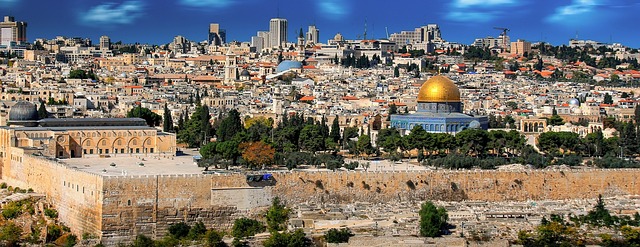
Jerusalem: How to Visit One of the Most Complicated Cities on Earth Abu Shukri on El-Wad Street in the Muslim Quarter has been serving hummus since 1948. The hummus is made fresh each morning, finished before 2pm, and served with olive oil, whole chickpeas, and fresh pita. Simple tables, no menu, 25-40 ILS for a full lunch. If you eat hummus anywhere in Jerusalem first, everything else will be...
read more
Aitutaki, Cook Islands
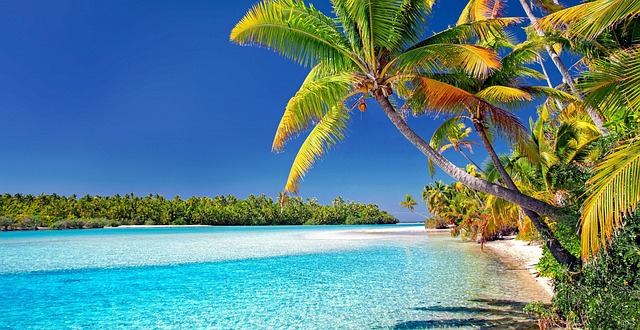
Aitutaki, Cook Islands Aitutaki has a lagoon that regularly appears on lists of the most beautiful in the Pacific, which has a way of raising and then precisely meeting expectations. The water is a specific shade of turquoise that requires sun overhead and white sand below to produce. On an overcast day, it looks like a perfectly ordinary lagoon. On a clear day, it looks like the pictures. Plan...
read more
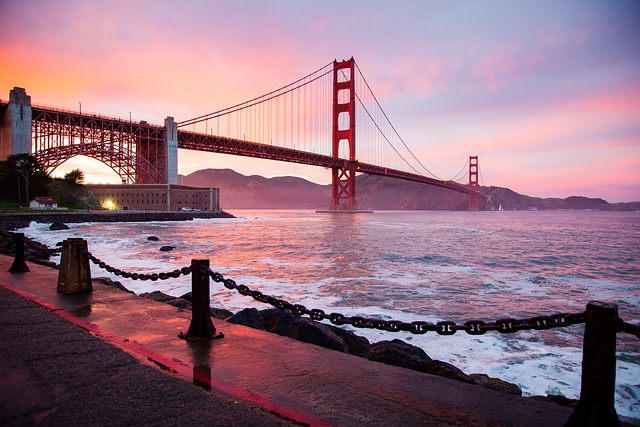
Golden Gate Bridge
Golden Gate Bridge: The Colour Was Nearly Battleship Grey The War Department wanted the bridge painted in black-and-yellow stripes for aviation visibility. The Navy wanted battleship grey. The colour we know – International Orange – was chosen by consulting architect Irving Morrow, who saw the orange primer applied to the steel and insisted on keeping it. The Golden Gate District...
read more