Recent Places
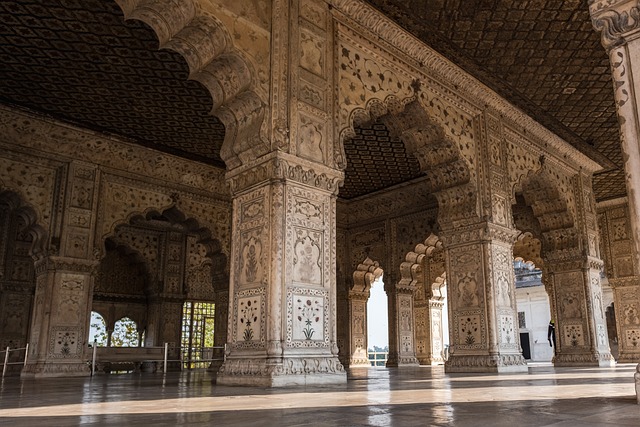
Delhi, India
Delhi Has 32 Million People and Seven UNESCO Sites – Here Is What to Actually Prioritise The guidebooks will tell you Delhi is overwhelming. They are correct. What they rarely say is that most of the chaos is concentrated in a few specific corridors, and if you plan around that reality, the city rewards attention unusually well. Three days spent thoughtfully here beats five days spent...
read more
Stewart Island
Stewart Island: New Zealand’s Third Island and Its Wild South Stewart Island (Rakiura in Maori, meaning “glowing skies”) sits 30 km south of the South Island across Foveaux Strait, and 85 percent of its 1,746 square kilometres is protected as Rakiura National Park. The island has a permanent population of around 400 people concentrated in the settlement of Oban, and the...
read more
Lisse
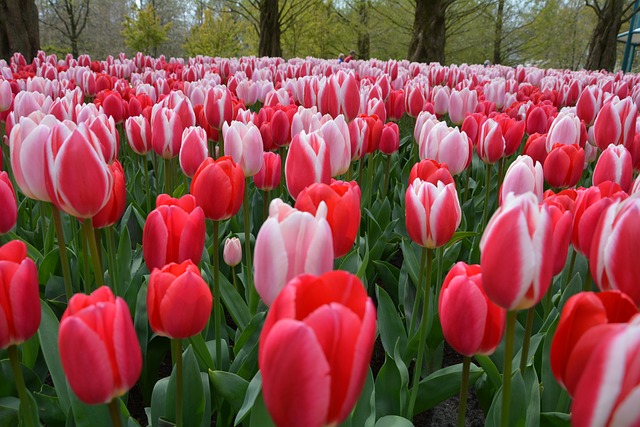
Lisse and the Keukenhof, Netherlands The Dutch flower fields are one of those things that genuinely look like the photographs – stripes of saturated colour across flat land under a wide sky. Lisse is a small town in South Holland, 35 kilometres southwest of Amsterdam, and the broader Bollenstreek (Bulb Region) around it is where roughly 30,000 hectares of tulips, hyacinths, daffodils, and...
read more
Avebury
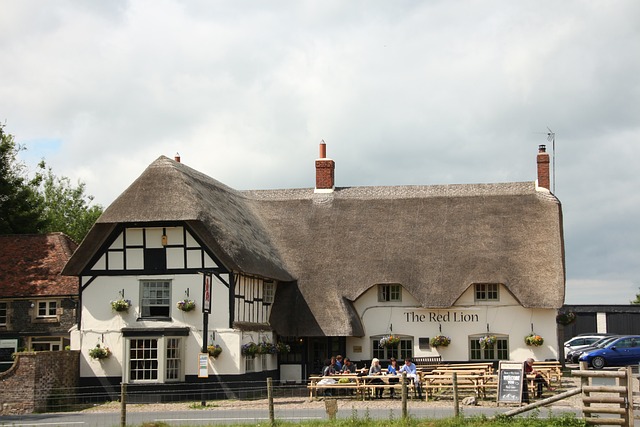
Avebury, Wiltshire Avebury is the prehistoric site in England that most visitors underestimate because it does not charge admission for the stones themselves, has no dramatic audio-visual presentation, and – most disorienting of all – has a working village and a pub inside it. The outer ring of the stone circle encloses 28 acres and a village, meaning residents drive to the shop and...
read more
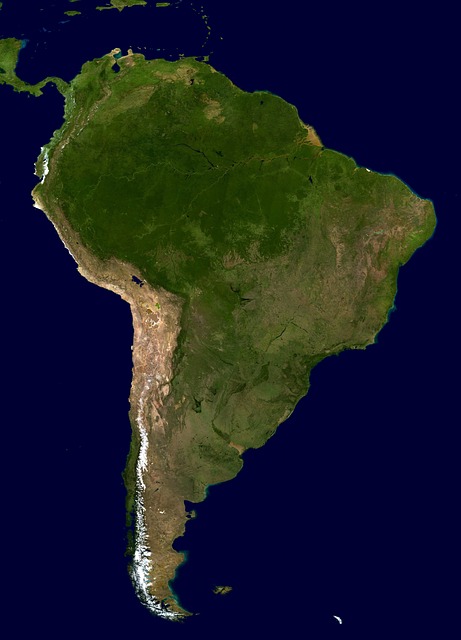
Amazon Rainforest South America
Amazon Rainforest The Amazon receives about 10% of the world’s tourists who visit South America, but the vast majority of them never leave the city. Manaus, the gateway to the Brazilian Amazon, sits inside the river system, and most visitors do a day trip from there, take a few photos at the Meeting of Waters where the black Rio Negro and muddy Solimoes run side by side without mixing, and...
read more
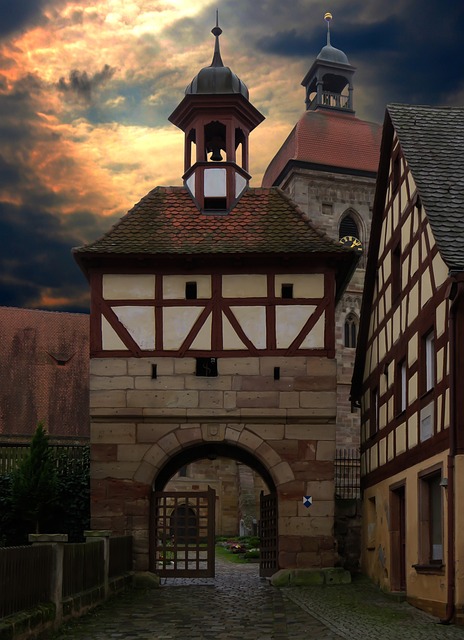
Bel M Tower
Belém Tower: Manueline Stone, Rhino Heads, and the Best Custard Tarts in the World The Torre de Belém stands in the Tagus estuary and has a detail on its northwest bastion that almost nobody expects: stone-carved rhinoceros heads below the turret. They are there because in 1515, King Manuel I sent a live Indian rhinoceros as a diplomatic gift to Pope Leo X. The animal was held briefly at the Belém...
read more
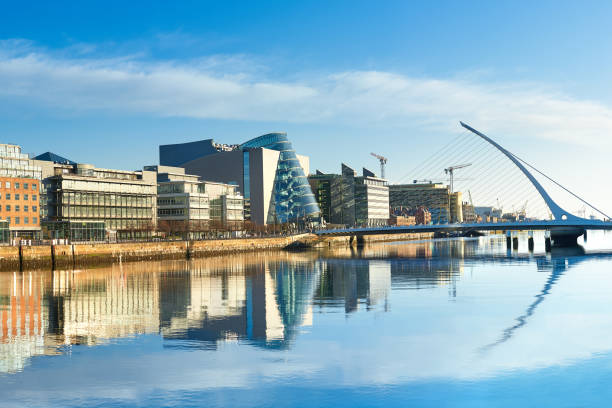
Dublin
Dublin: Four Nobel Literature Laureates From a City of 1.3 Million Dublin has produced Yeats, Shaw, Beckett, and Heaney – a ratio of Nobel literature laureates to population that is implausible by any international comparison. The legacy is structural rather than displayed: the plaques on Georgian townhouses, the pub conversations that run longer than they should, the bookshops that survive...
read more
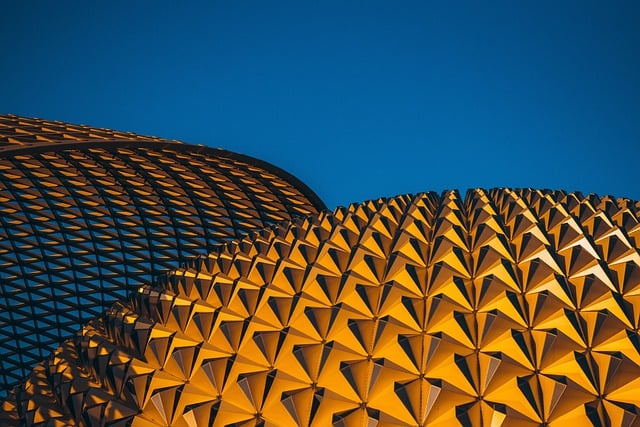
Art Deco Architecture In South Beach, Miami
Art Deco Architecture in South Beach, Miami South Beach’s Art Deco Historic District is the densest concentration of preserved Art Deco architecture in the world, with over 800 structures built between 1923 and 1943 within roughly 2.5 square miles. The district exists largely because of preservation activist Barbara Capitman and the Miami Design Preservation League she co-founded, who began...
read more
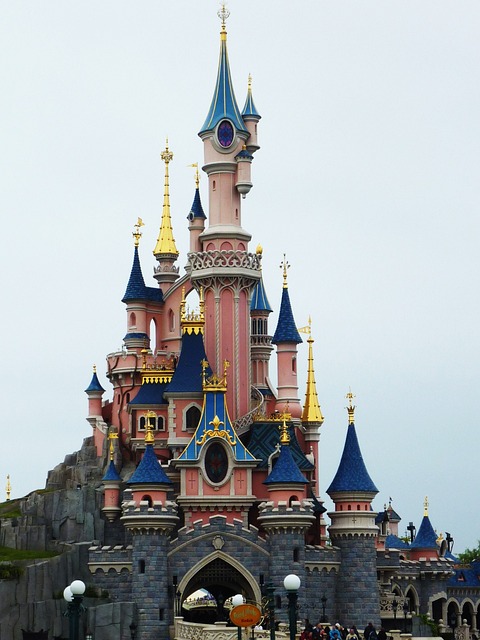
Disneyland, Paris
Disneyland Paris: Practical Advice for a Less Painful Visit Disneyland Paris at Marne-la-Vallée is about 35 minutes from central Paris on the RER A train. The park opened in 1992, had a notoriously troubled early decade, and has invested heavily in refurbishments and new content since 2018. As of March 29, 2026, Walt Disney Studios Park was relaunched as Disney Adventure World, incorporating the...
read more
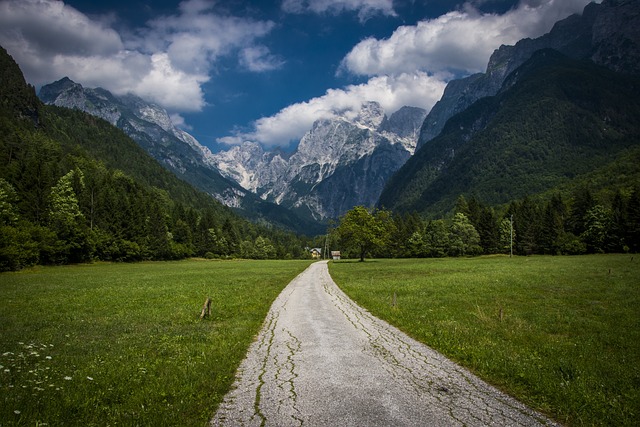
Skocjan Caves Slovenia
The underground canyon at Skocjan reaches 163 metres in height. Gazing up from the suspension footbridge that crosses it, with the Reka River audible below and the walls disappearing into darkness above, you are in a space large enough to contain a 16-storey building. UNESCO gave the Skocjan Caves Regional Park World Heritage status in 1986, three years after the designation was created, which...
read more
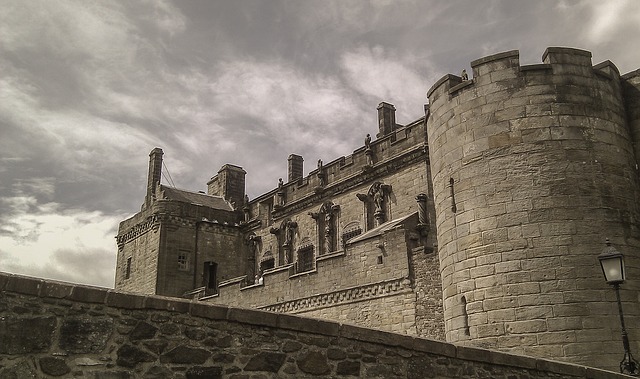
Stirling
Mary Queen of Scots was crowned at Stirling Castle in 1543. She was nine months old. The ceremony happened because the country needed a coronation to establish legitimate succession, and nobody let the age of the monarch interfere with that. The chapel where this occurred is in the castle, still standing.
Stirling Castle The castle sits on a volcanic crag where the River Forth historically forced...
read more
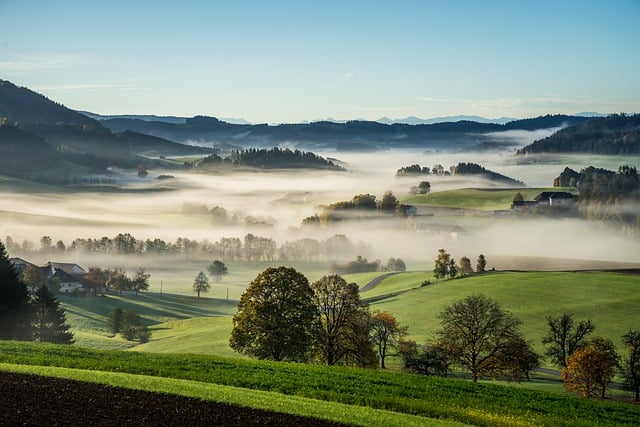
Cultural Landscape Of Honghe Hani Rice Terraces
Honghe Hani Rice Terraces: How to Actually See Them The Hani rice terraces in Yunnan Province have been farmed continuously for over 1,300 years. The UNESCO listing in 2013 formalised what anyone who has stood at the Duoyishu viewpoint at sunrise already knew: this is one of the most extraordinary agricultural landscapes on earth. The terraces cascade down from 2,000 metres elevation to around...
read more
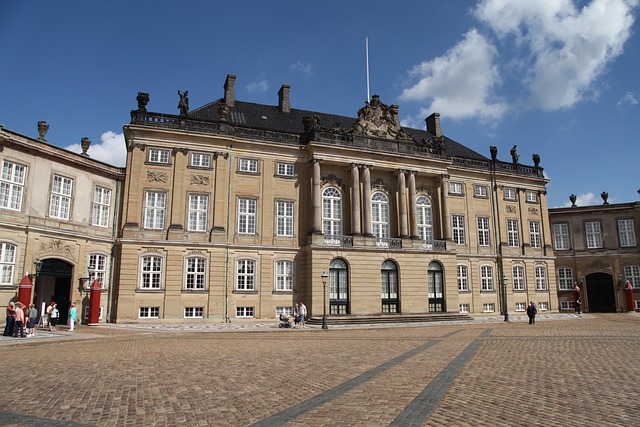
Amalienborg Palace
Amalienborg: Four Palaces, One Courtyard, and the World’s Most Accessible Royal Family Amalienborg is four Rococo palaces arranged around an octagonal cobbled courtyard, and the Danish royal family actually lives in two of them. This is worth stating plainly: when the royal standard flies over one of the palaces, Queen Mary and her family are in residence behind those windows. The complex...
read more
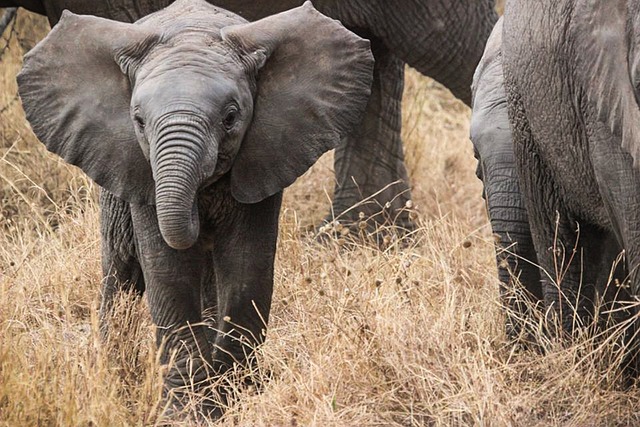
The Serengeti
The Serengeti, Tanzania Around 8,000 wildebeest calves are born every day during calving season in the southern Serengeti. For about six weeks from late January through March, the southern plains around Ndutu become the largest nursery on earth: newborns taking their first steps, predators in continuous action, cheetahs running down prey on open grass. It is noisier, bloodier, and more intense...
read more

Teatre Museu Dal
Teatre-Museu Dali, Figueres Salvador Dali designed this museum himself, inside the shell of a burnt-out municipal theatre in his hometown of Figueres, Catalonia. He called it “the largest surrealist object in the world,” which is either self-promotion or completely accurate depending on how you approach it. The building is topped with a geodesic dome and rimmed with giant eggs along...
read more
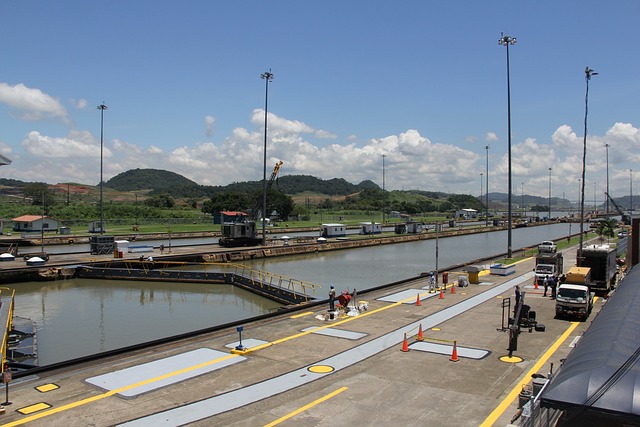
The Panama Canal
The Panama Canal The French got there first. Ferdinand de Lesseps, who had built the Suez Canal in 1869, started the Panama Canal project in 1881. By 1889 his company had spent $287 million, lost approximately 22,000 workers to yellow fever and malaria, and gone bankrupt. The project was declared technically impossible. The Americans bought the rights in 1904, employed the same approach Lesseps...
read more
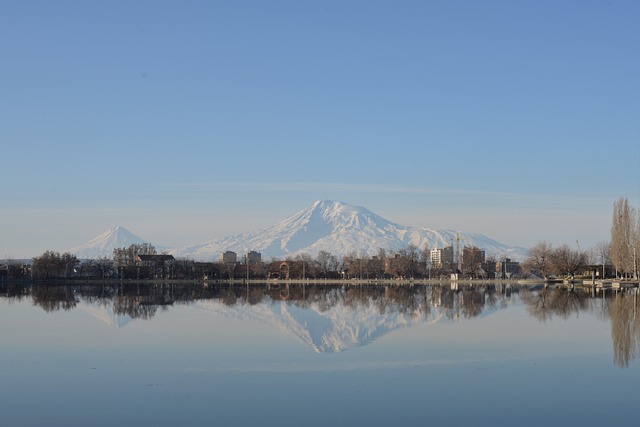
Ararat
Ararat: Two Peaks, Two Countries, One Mountain’s Worth of History Mount Ararat (Agri Dagi in Turkish) stands on the Turkish side of the Turkey-Armenia border as two volcanic peaks: Great Ararat at 5,137 metres and Little Ararat at 3,896 metres. For Armenians, the mountain is the national symbol – visible from Yerevan on clear days, depicted on the coat of arms – yet unreachable...
read more
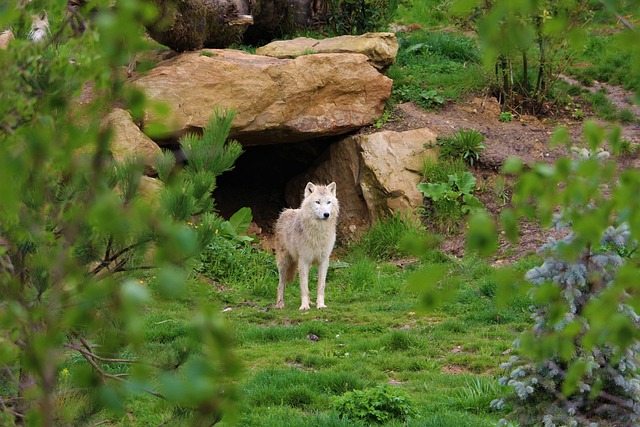
Wolfs Lair Poland
On 20 July 1944, Colonel Claus von Stauffenberg walked into a conference room in this forest compound, left a briefcase with a bomb under the table, and walked out. Hitler survived because someone moved the briefcase behind a heavy table leg before it detonated. The blast killed four people, blew out the roof, and left Hitler with a perforated eardrum and temporary paralysis in his right arm....
read more
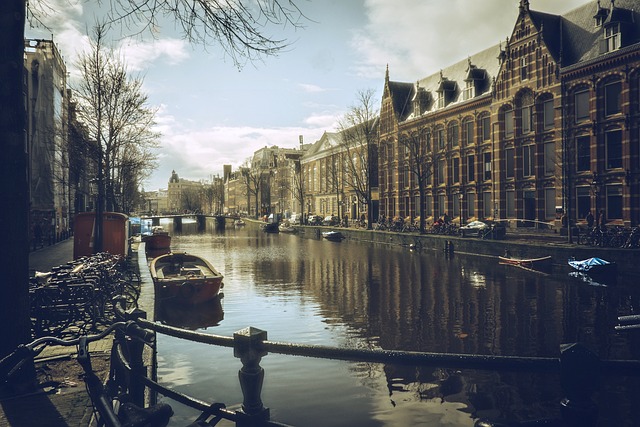
Canals of Amsterdam
The Canals of Amsterdam Amsterdam’s canal ring (Grachtengordel) was built in a single coordinated planning effort between 1612 and 1663, making it one of the few large urban developments in Europe that was conceived and executed as a unified design rather than accumulating piece by piece. The four main concentric canals – Singel, Herengracht, Keizersgracht, and Prinsengracht –...
read more
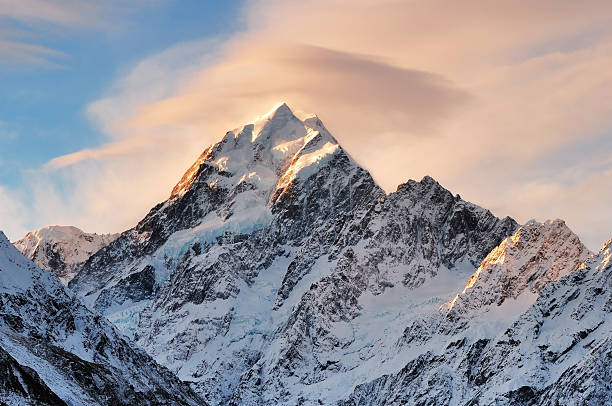
Aoraki / Mount Cook
Aoraki’s summit has dropped three metres in recent decades. The 1991 rockfall that removed the top of the peak reduced it from 3,764 metres to 3,724 metres, and the Tasman Glacier has retreated so significantly that the lake at its terminal face, which barely existed in the 1970s, is now kilometres long. Visiting the Mount Cook area without knowing these things is possible; visiting it with...
read more
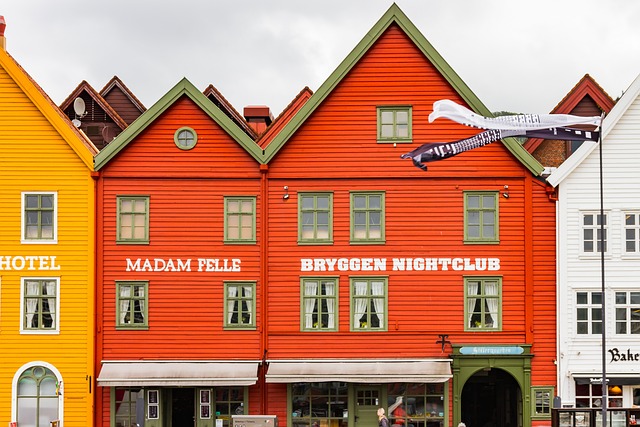
Bryggen
Bergen has burned repeatedly throughout its history. The Bryggen wharf district has been destroyed and rebuilt after fires in 1702, 1855, and 1916. Each time, the merchants rebuilt using similar wooden construction methods and approximately the same layout, which is why the gabled coloured buildings you see today look medieval but are mostly 18th and 19th century. The Hanseatic League’s...
read more
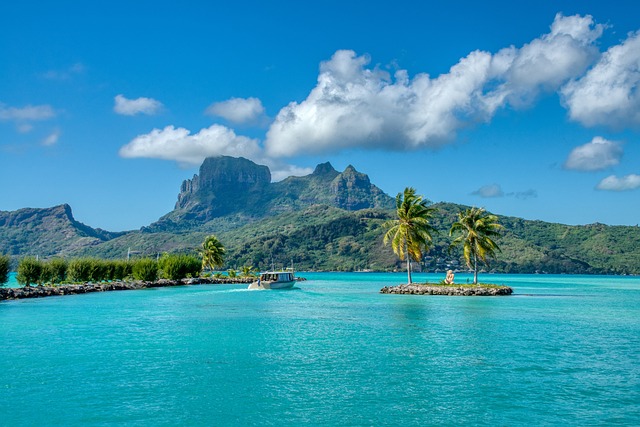
. Bora Bora
Bora Bora, French Polynesia Bora Bora is the island that made the overwater bungalow famous globally. The concept originated here, pioneered by the Bali Hai Hotel in the 1960s, and the format has since been replicated at resorts worldwide. The original justification for it remains intact: the lagoon surrounding the island is a specific shade of turquoise that photographs exactly as advertised, and...
read more
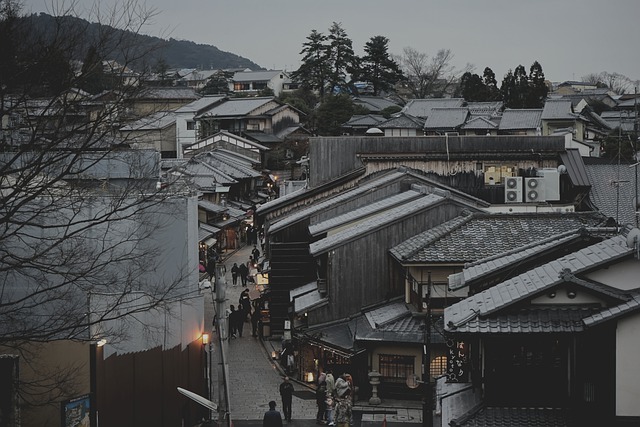
Arashiyama Kyoto, Japan
Arashiyama, Kyoto The bamboo grove at Arashiyama is one of the most replicated photographs in Japan tourism. The reality is a 400-metre path through tall bamboo with extraordinary acoustics. What photographs also can’t convey is that by 10am on any day from March through November, the path is packed with tour groups and the experience of standing inside towering bamboo is shared with several...
read more
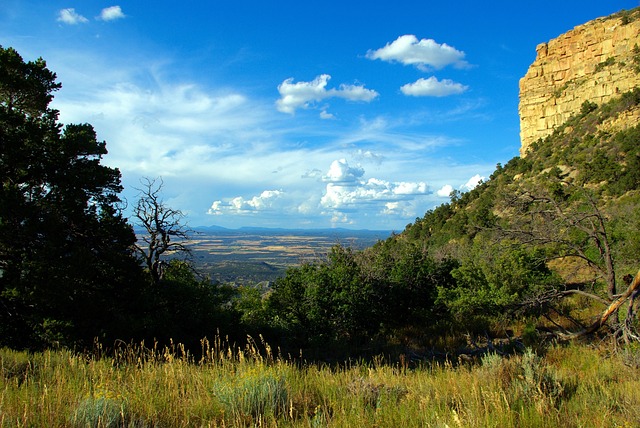
Mesa Verde, Colorado
The people who built Cliff Palace didn’t leave it slowly. The Ancestral Puebloans who had occupied this mesa for 700 years abandoned it within a generation, sometime around 1300 CE, and nobody has lived in the cliff dwellings since. The leading theory involves a prolonged drought combined with deforestation from construction and firewood use; the social structure that had maintained water...
read more
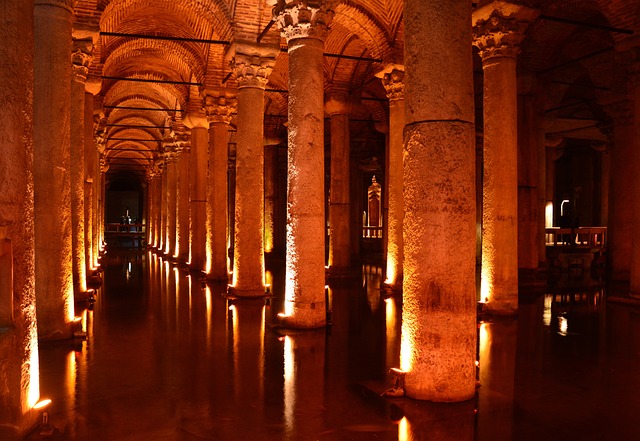
Basilica Cistern, Istanbul
Basilica Cistern: Cool, Dim, and 1,500 Years Old Under the Street At the base of the staircase, the noise and heat of the Sultanahmet surface disappear entirely. The cistern is around 13 degrees Celsius, dim, and largely silent except for dripping water and footsteps. The 336 marble columns rise from shallow water and recede into the darkness in rows that your eye cannot quite follow to the end....
read more
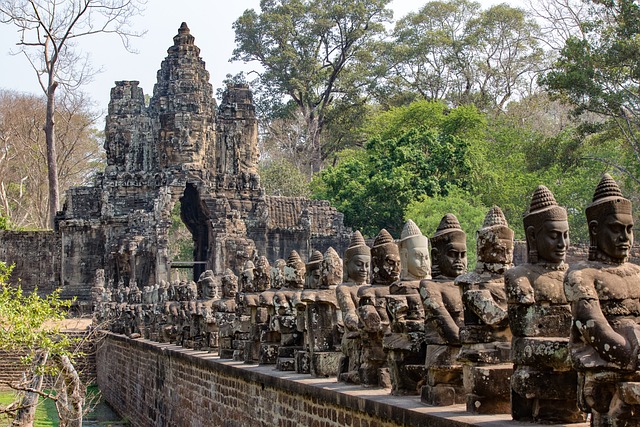
Angkor Cambodia
Angkor, Cambodia Angkor Wat is the largest religious monument ever built, and the photograph you’ve seen from drone footage gives you no real preparation for standing in front of it. The outer wall alone encloses around 200 hectares. The central towers rise above galleries covered in bas-relief carvings – scenes from the Ramayana, the Mahabharata, the churning of the cosmic ocean...
read more
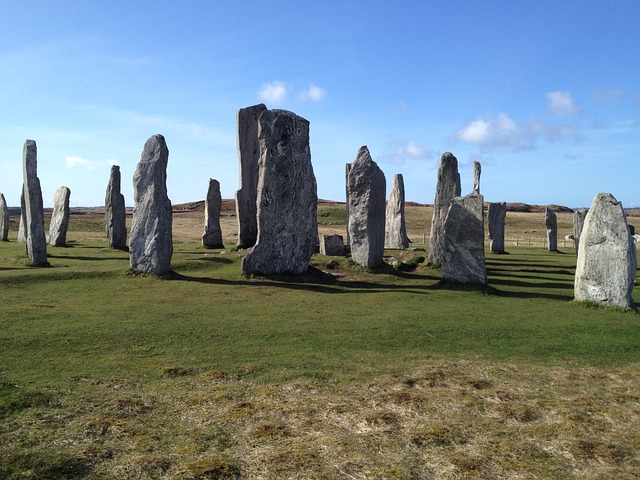
Callanish Standing Stones Lewis Scotland
Callanish Standing Stones, Lewis The Callanish stones (Calanais in Gaelic) are approximately 5,000 years old, making them older than Stonehenge by several centuries. They were erected around 3000 BCE on a moorland peninsula on the Isle of Lewis in the Outer Hebrides. What distinguishes them from other stone circles is the layout: a central circle of 13 stones with a single tall monolith at the...
read more
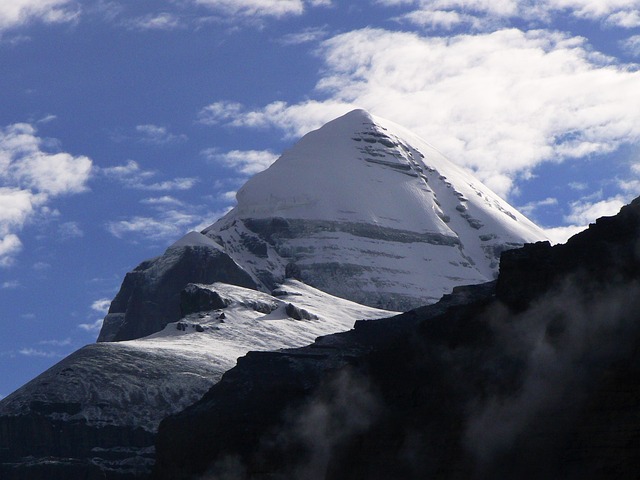
Kailash Kher
Kailash Kher is not a place on the map. He is a Delhi-born singer whose 2006 breakthrough “Allah Ke Bande” wove together Sufi devotional music, Rajasthani folk, and early Bollywood into something that became genuinely popular across South Asia. If you want to understand what his music actually sounds like when it has a physical context, travel to the places that generated it.
Rajasthan...
read more
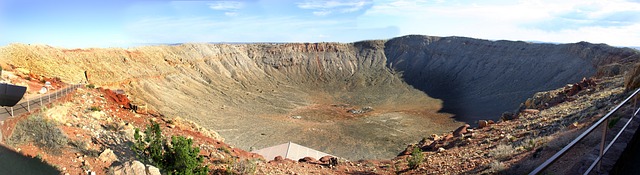
Winslow Az Meteor Barringer Crater
Approximately 50,000 years ago, a nickel-iron meteorite about 50 metres across hit the Colorado Plateau at 12 kilometres per second and excavated a hole 1.2 kilometres wide and 170 metres deep. The crater is privately owned by the Barringer family, who bought it in 1903 on the conviction that a large iron deposit must lie beneath. No significant iron was found; the meteorite vaporised on impact....
read more
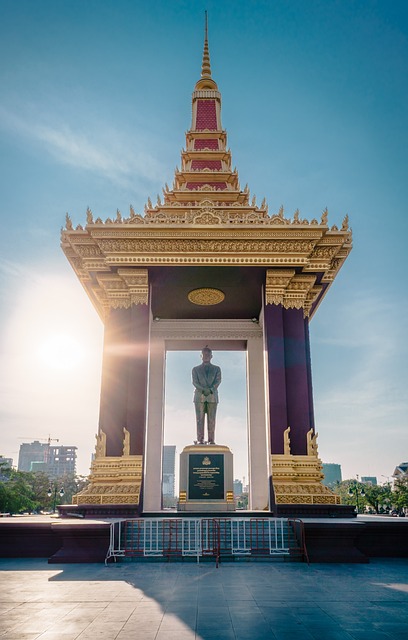
Phnom Penh
Phnom Penh Between 1975 and 1979, the Khmer Rouge evacuated the entire population of Phnom Penh on the first day of their seizure of power. Two million people were forced from the city on foot. What followed was four years of genocide in which approximately 1.7 million Cambodians died, around 25 percent of the country’s population. The city rebuilt over four decades; it now functions as a...
read more
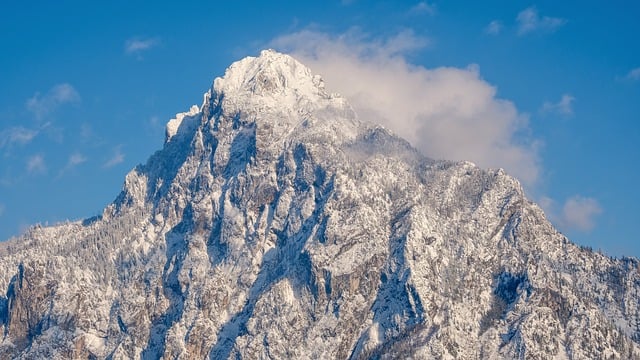
Blue Mountains
Blue Mountains, New South Wales The blue haze that gives the Blue Mountains their name is not a weather effect or atmospheric pollution. It is volatile organic compounds – specifically oil droplets – released by the billions of eucalyptus trees across the escarpment, scattering light toward the blue end of the spectrum. The same chemical process that makes eucalyptus useful as a...
read more
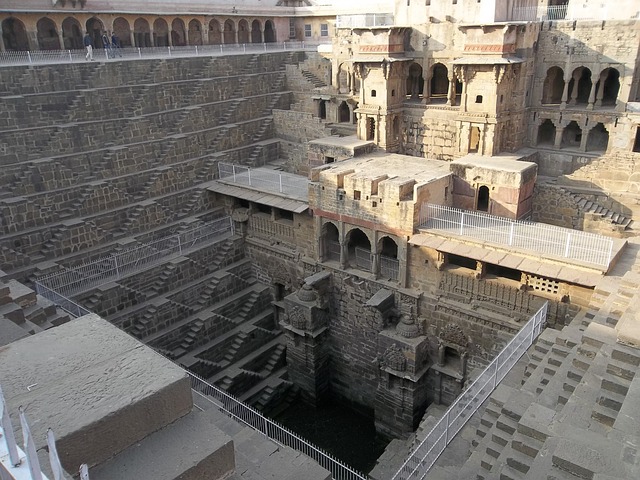
Chand Baori
Chand Baori, Abhaneri: India’s Deepest Stepwell Thirteen storeys. 3,500 steps arranged in a precise geometric pattern that creates a visual effect more like an Escher print than a water cistern. Chand Baori in the village of Abhaneri, Rajasthan, is the deepest stepwell in India and one of the most extraordinary pieces of engineering to survive from the 9th century. Most visitors spend about...
read more
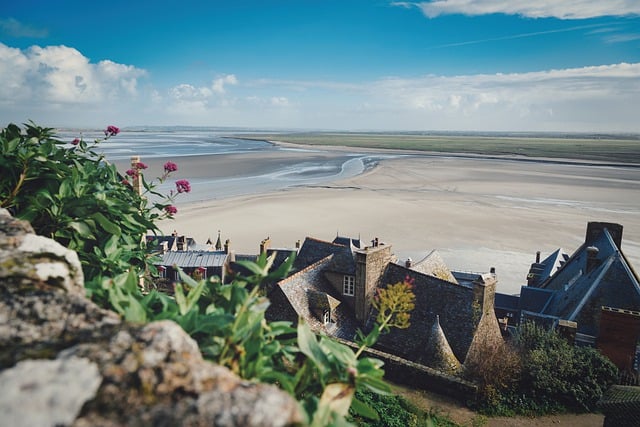
Mont Saint Michel, Normandy
Mont-Saint-Michel: Stay the Night, or You’re Missing the Point Mont-Saint-Michel receives around 3 million visitors a year, almost all of them day-trippers. They arrive in the morning, walk up to the abbey, eat omelettes at La Mere Poulard, and leave before dark. The experience they get is fine but not the one the island offers. The experience the island offers is what happens after 6pm when...
read more
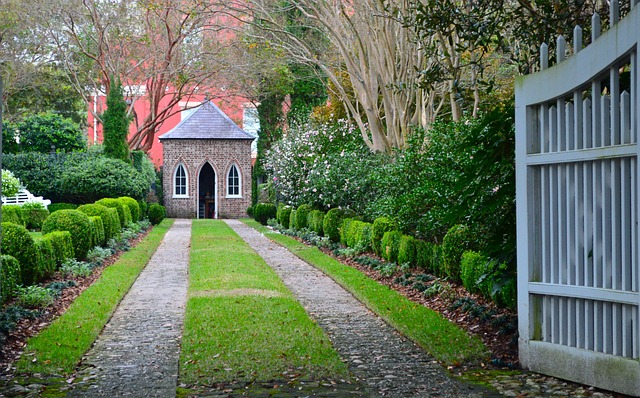
Charleston, South Carolina
Charleston: The City That Started the Civil War, Then Survived It Better Than Any Other The first shots of the American Civil War were fired here in April 1861, at Fort Sumter in Charleston Harbor. Confederate forces bombarded the Federal garrison that refused to surrender, and the war was on. The city that triggered the conflict spent four years under Union naval blockade, and then – unlike...
read more

Churchill
Churchill, Manitoba Churchill sits on the western shore of Hudson Bay, with no road connecting it to the rest of Canada. You arrive by plane from Winnipeg (about 2 hours) or by VIA Rail train, a 40-hour journey through boreal forest and subarctic landscape that is, depending on your tolerance for slow travel, either meditative or interminable. There is no driving. This isolation is the entire...
read more
Mansudae Grand Monument
Mansudae Grand Monument, Pyongyang The Mansudae Grand Monument sits on Mansu Hill in central Pyongyang and consists of two 22-metre bronze statues: Kim Il-sung (founder and “Eternal President”) and Kim Jong-il (his son and successor), both depicted in military overcoats and gazing south across the city. The original statue of Kim Il-sung was erected in 1972; Kim Jong-il’s was...
read more
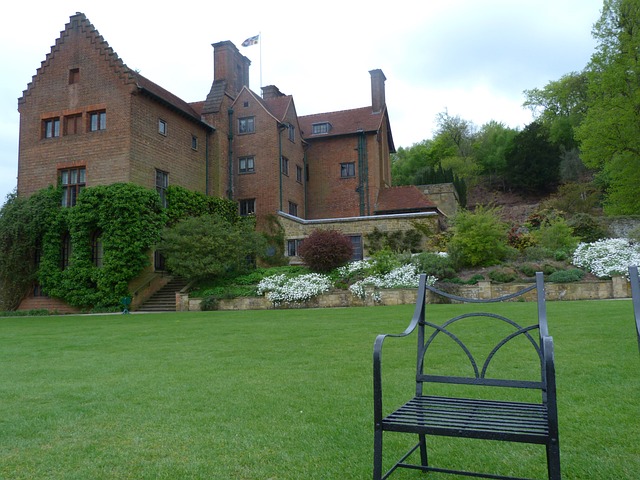
Chartwell House
Chartwell, Kent: Churchill’s House Was His Refuge, Not a Museum Piece Winston Churchill bought Chartwell in 1922 against the advice of nearly everyone around him, including his wife Clementine. He paid about 5,000 pounds for a run-down manor near Westerham in Kent with a view across the Weald of Kent that he described as the most beautiful in England. The subsequent renovation costs nearly...
read more
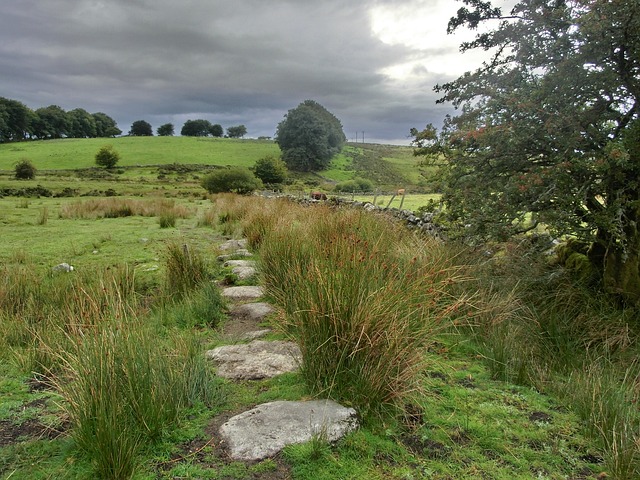
Dartmoor
Dartmoor, Devon Dartmoor is a granite plateau in the middle of Devon, reaching 621 metres at High Willhays, the highest point in southern England. Most of the National Park is open moorland: heather and bilberry, bog cotton, ancient stone crosses marking medieval track routes, and the distinctive rocky outcrops called tors (about 160 of them, each unique) that punctuate the skyline. The weather...
read more
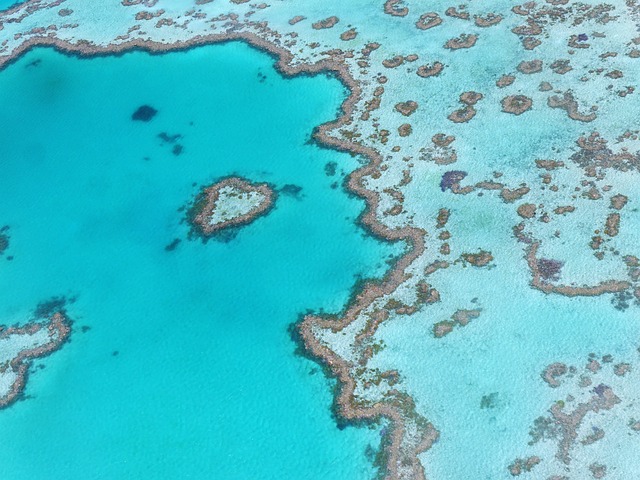
Great Barrier Reef, Australia
The Great Barrier Reef experienced its sixth mass bleaching event in 2024 and 2025, the first consecutive-year bleaching in the reef’s recorded history. By April 2024, 80 percent of coral colonies surveyed showed bleaching, and 44 percent of those were dead by July. In the northern reef, hard coral cover dropped by nearly 25 percent in a single year. This is not the same as saying the reef...
read more
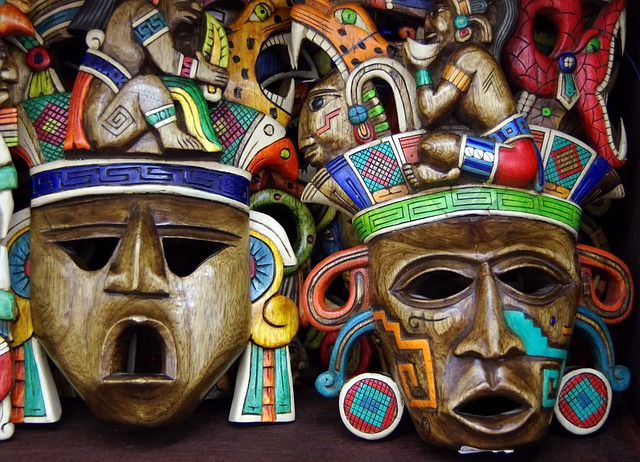
Caracol Maya City
Caracol, Belize: The Maya City That Defeated Tikal In 562 CE, the Maya city of Caracol defeated Tikal – at the time the most powerful city-state in the Maya world – in a military campaign documented in the hieroglyphic inscriptions on Caracol’s own monuments. The victory launched a political ascendancy that lasted until the 9th century. Caracol at its peak had a population...
read more
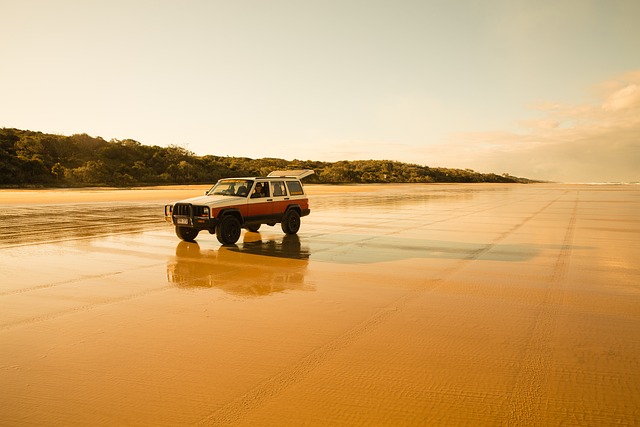
Fraser Island, Queensland
K’gari (Fraser Island): Sand, Dingoes, and Perma-Wet Shoes K’gari – restored in 2023 from Fraser Island to its Butchulla name, meaning “paradise” – is 122 kilometres long, 22 kilometres wide at its broadest, and made entirely of sand. Every road is sand. The beach is the main highway. There are no sealed roads on the island. If you arrive in a regular sedan, you...
read more
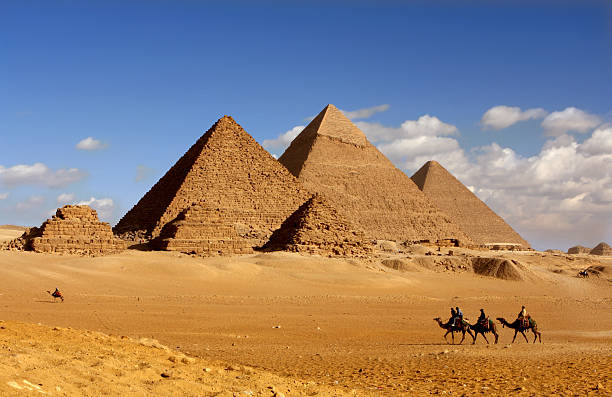
Pyramids of Giza
Pyramids of Giza, Egypt The three pyramids on the Giza plateau were built over a period of about 85 years in the 26th century BCE, during the reigns of Khufu, Khafre, and Menkaure. The Great Pyramid of Khufu, at its original height of 146.5 metres, was the tallest structure built by humans for 3,800 years – a record not broken until medieval European cathedral spires in the 14th century. The...
read more
Asturias, Spain
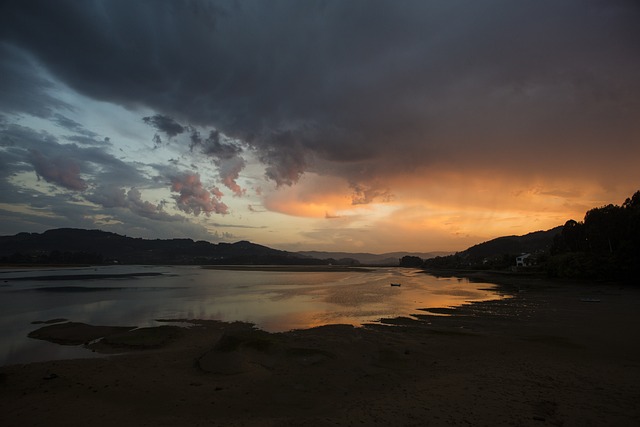
Asturias never became part of the Moorish conquest of Iberia. The Asturian kingdom, founded in the 730s after the Battle of Covadonga, was the starting point of the eight-century Reconquista. That historical isolation helps explain why the region is greener, cooler, and more internally coherent than the Spain most tourists visit. It also has the best cider in Spain, which it pours from a height to...
read more

Bull Running In Spain
The San Fermin Running of the Bulls: Hemingway Made It Famous, Local Ordinance Still Fines You for Carrying a Camera The San Fermin Festival in Pamplona runs July 6 to 14 each year. The encierro – the running of the bulls through the old city streets from the Santo Domingo corrals to the Plaza de Toros – takes place every morning at 8am sharp for all eight days. Six bulls, six steers,...
read more
Edinburgh
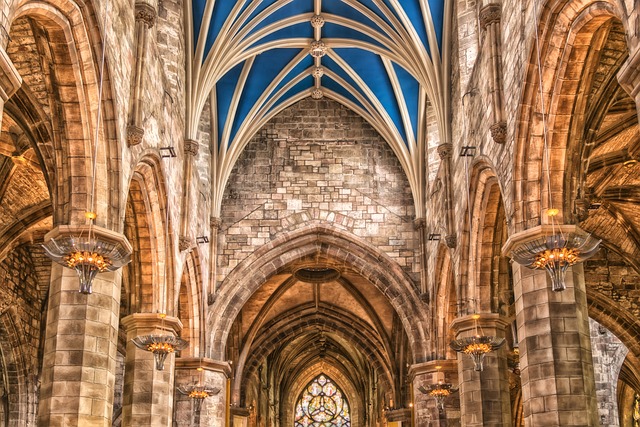
Edinburgh: There Is an Extinct Volcano in a Public Park at the Edge of the City Centre Arthur’s Seat rises 251 metres from Holyrood Park and takes 45 minutes to climb from the park entrance. From the summit you can see the full city, the Firth of Forth, and the Pentland Hills. That combination of immediate wildness in a city centre is unusual anywhere in the world, and it sets...
read more
Lake Malawi National Park
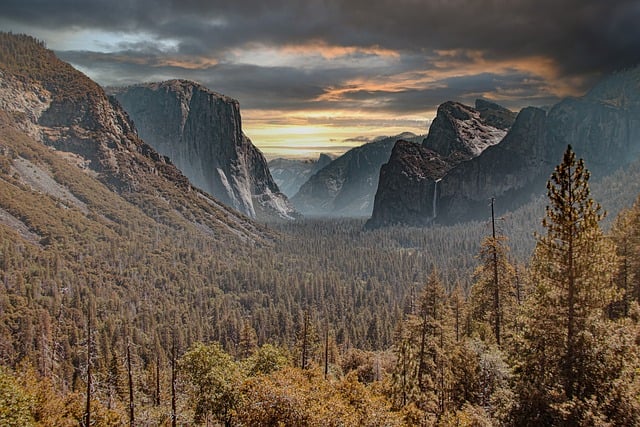
Lake Malawi: Freshwater Snorkelling With More Fish Species Than All of Europe Combined Lake Malawi (Lake Nyasa in Tanzania and Mozambique) is the ninth largest lake in the world by volume, 580 kilometres long and 80 kilometres at its widest. It holds more fish species than any other lake on earth – around 1,000 species, the majority of them cichlids found nowhere else. The mbuna cichlids...
read more
Burgess Shale Bc Canada
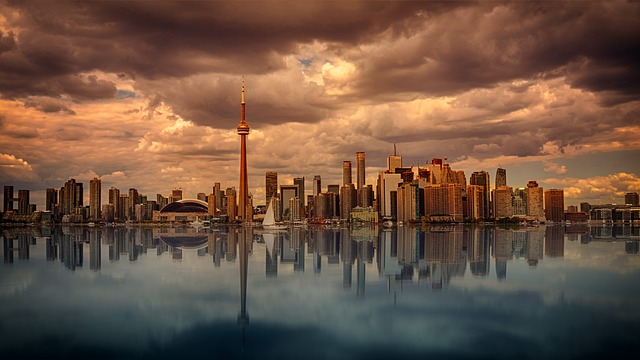
The Burgess Shale, Yoho National Park, British Columbia In 1909, American paleontologist Charles Walcott was riding a horse near the Field area in the Canadian Rockies when his horse slipped on a section of exposed shale. The rock split, revealing fossils of extraordinary detail: soft-bodied marine animals from 508 million years ago, preserved in a completeness that should have been impossible....
read more
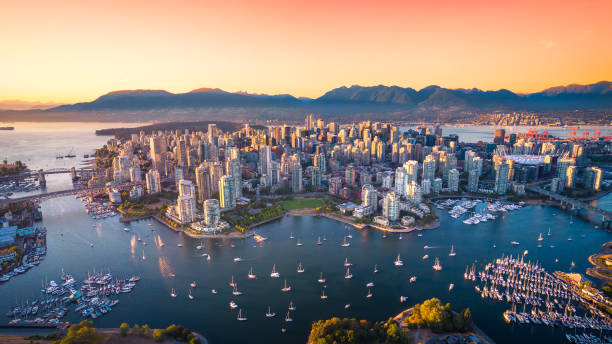
Vancouver
Vancouver appears on quality-of-life rankings partly because of what it doesn’t have: no brutal winter, proximity to ski mountains, public waterfront, and food culture built on genuine immigration rather than a polished version of it. It also has among the world’s highest property prices and a visible homelessness problem centred on the Downtown Eastside that any honest account of the...
read more
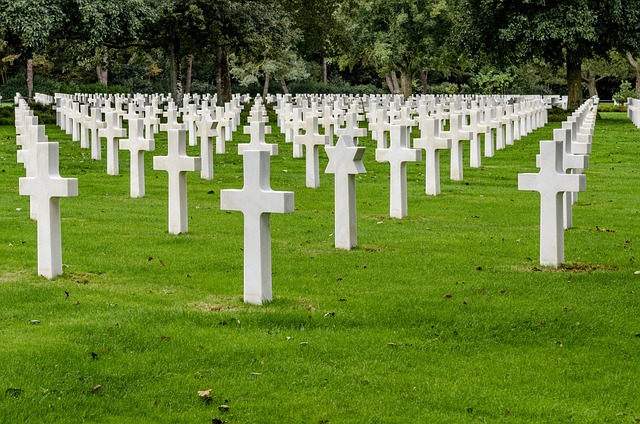
American Cemetery, Omaha Beach, France
The Normandy American Cemetery at Omaha Beach, France 9,388 white marble crosses and Stars of David face the sea at Colleville-sur-Mer in Normandy, each marking one American service member who died in the Normandy campaign. The cemetery occupies 172 acres of bluff directly above Omaha Beach, where on June 6, 1944, the US First and Twenty-Ninth Infantry Divisions came ashore in the face of prepared...
read more
Minaret and Archaeological Remains of Jam
The Minaret of Jam was entirely unknown to the international academic world until 1957, when an Afghan government survey team working in the Ghor province of central Afghanistan reported a 65-metre fired-brick tower standing at the confluence of two rivers in a remote highland valley. The tower had been there since the late 12th century. The Aimaq nomadic people who lived around it had simply not...
read more