Recent Places
Buenos Aires
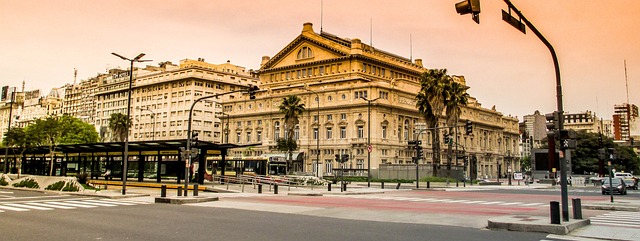
Buenos Aires The peso situation changes faster than any travel guide can track, and the exchange rate determines the entire financial experience of visiting Buenos Aires. As of mid-2026, the Argentine government has maintained a managed peso policy, but the gap between official and informal rates has fluctuated significantly. Research the current blue dollar rate before you arrive, understand that...
read more
Chateau De Chambord
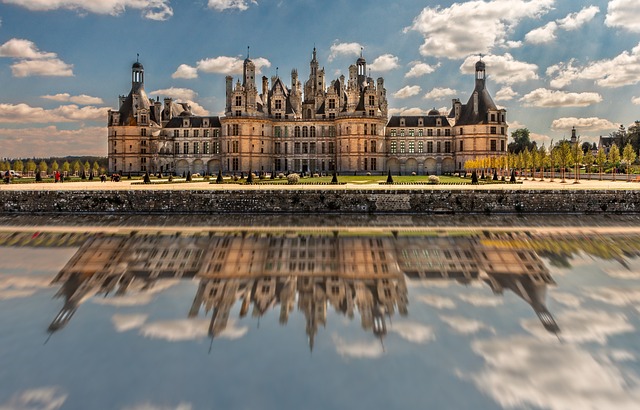
King Francis I spent only around 40 days total inside Chambord during his reign, despite ordering the château’s construction in 1519 and spending the equivalent of several years’ worth of the French royal budget on it. The result, 440 rooms and one of the most ambitious architectural projects of the French Renaissance, sat mostly empty for long stretches of its early history. That...
read more
Bourbon Street New Orleans
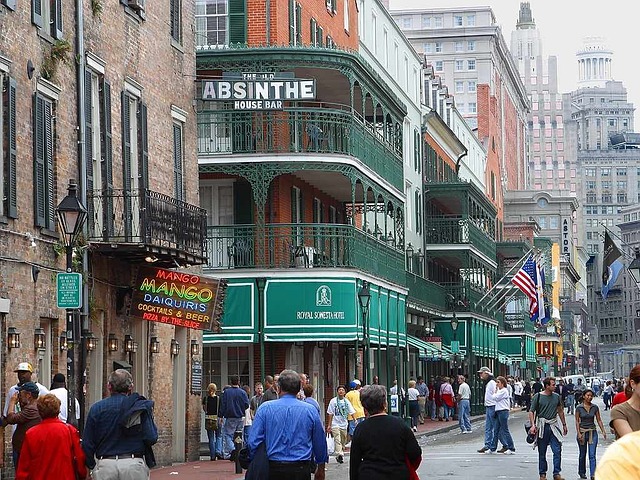
New Orleans: Bourbon Street Is the Worst Place to Experience It Bourbon Street in the French Quarter is the most marketed version of New Orleans and the least representative. The street itself is a block-long sequence of daiquiri bars, strip clubs, and tourist shops primarily aimed at groups celebrating bachelor parties and conventions. It smells of stale alcohol before noon. The jazz you hear...
read more
Great Smoky Mountains National Park Tennessee
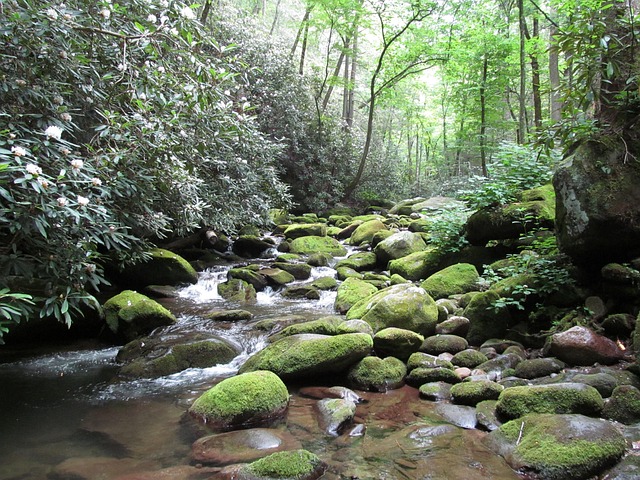
Great Smoky Mountains: The Most Visited National Park in the US and How to Actually Enjoy It The park charges no entrance fee, requires no reservation for day visits, and draws 13 million visitors per year – more than Yellowstone and Yosemite combined. That single economic fact explains both its popularity and its primary problem. The main roads and popular trails are genuinely overcrowded...
read more
Mosteiro Dos Jerónimos
Mosteiro dos Jerónimos: Lisbon’s Manueline Masterpiece The monastery took a century to build and was paid for almost entirely with the proceeds of the spice trade. That context matters when you stand in front of it: Vasco da Gama sailed around Africa to India in 1498, and within a few years the Portuguese crown was rich enough to commission one of the most elaborate stone buildings in...
read more
Choquequirao, Peru
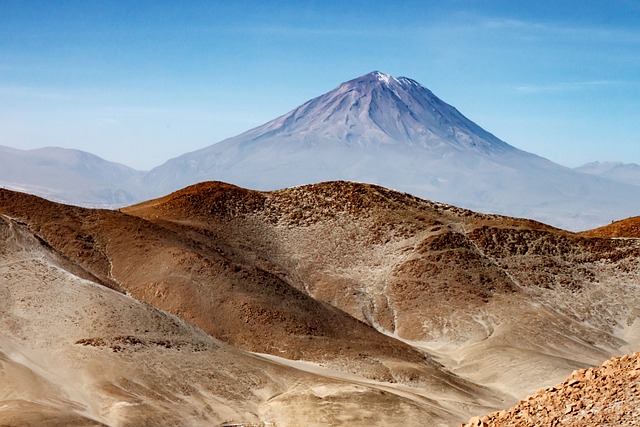
Only 30 percent of Choquequirao has been excavated. The site is larger than what’s been uncovered, and what’s visible is more intact than Machu Picchu because almost no one goes there. The four-to-five-day round-trip trek from Cachora that is the only access route is specifically designed to be difficult by the absence of any road or cable car, which means the people who arrive are the...
read more
Prague
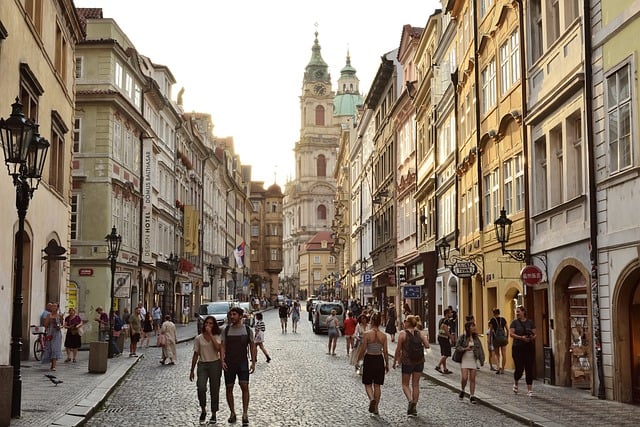
Prague: One of the Few European Capitals That Survived Both World Wars Intact Prague was bombed accidentally by the Americans in February 1945, targeting Pilsen but hitting Prague instead. That error killed several hundred people and destroyed some buildings near the river. It barely registers against the context: the city emerged from the 20th century’s two most destructive conflicts with...
read more
Athens
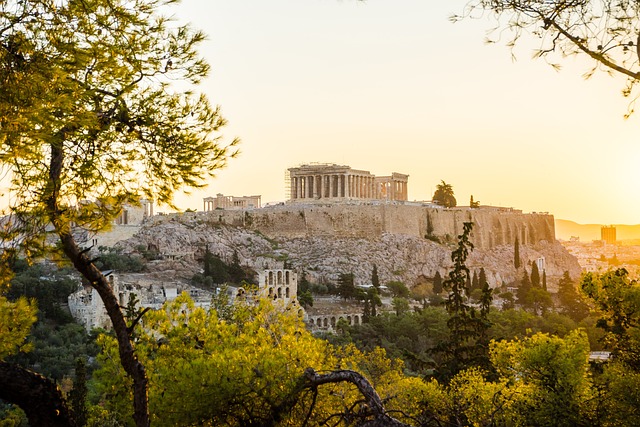
The first stone of the Parthenon was laid in 447 BCE. You can stand next to it. That fact, available in many forms in many cities, hits differently in Athens because the Acropolis hill is right there in the middle of the city and the building on top of it was standing when Socrates was walking the streets below. Athens earns its historical weight in a way that most cities that claim ancient...
read more
Petronas Twin Towers
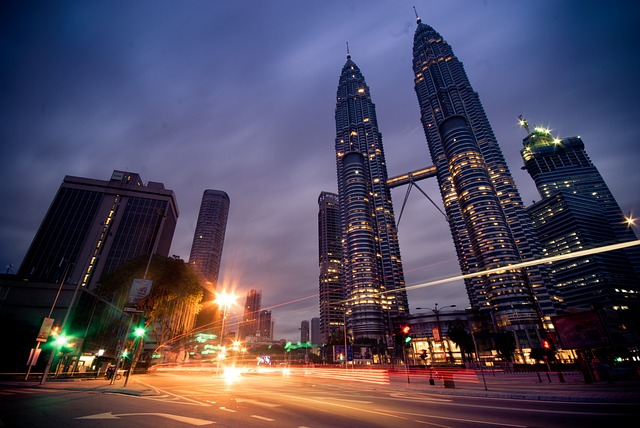
Petronas Twin Towers, Kuala Lumpur For six years starting in 1998, the Petronas Twin Towers were the tallest buildings on earth, a fact that matters less now than the quality of the architecture. Argentine-born Cesar Pelli designed each tower on a floor plan of two overlapping squares forming an eight-pointed star, with semi-circular infill panels between the points – a geometric pattern...
read more
Bay Of Fundy
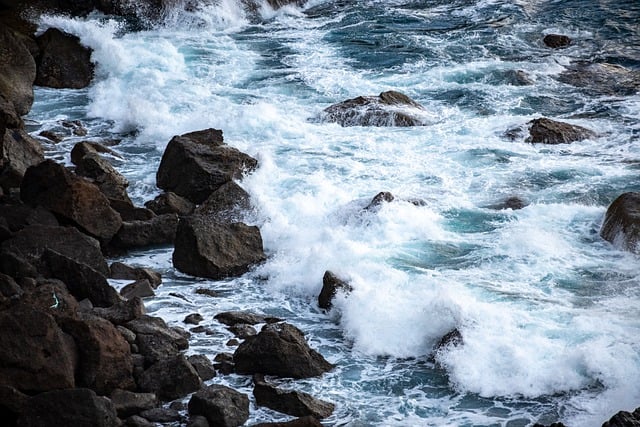
Bay of Fundy At Hopewell Rocks in New Brunswick, you can walk on the ocean floor at low tide and, six hours later, the same ground will be under 12 metres of water. The Bay of Fundy has the highest tides in the world – around 16 metres at the upper reaches – because of a resonance effect: the bay’s natural oscillation period (approximately 13 hours) nearly matches the tidal...
read more
Notre Dame Cathedral Paris
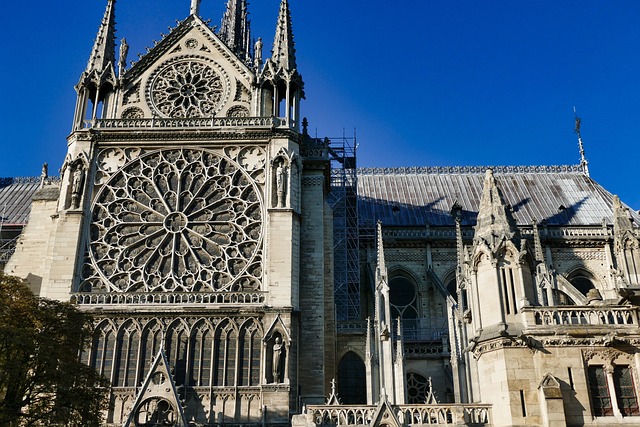
Notre-Dame de Paris The Cathedral of Notre-Dame de Paris reopened in December 2024 after five years of post-fire restoration, and the interior is in some respects cleaner and lighter than it had been in decades. The April 2019 fire destroyed the 19th-century spire and most of the roof; the subsequent restoration rebuilt the spire to Viollet-le-Duc’s 1859 design and restored the nave ceiling...
read more
Andros Island
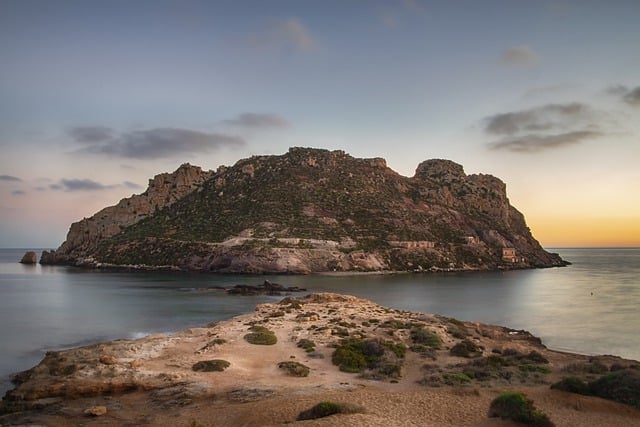
Andros Island, The Bahamas Andros is the largest island in the Bahamas by land area yet remains one of the least visited. That contrast is precisely what draws travellers seeking something genuine. The island stretches across roughly 2,300 square miles of pine forests, mangrove creeks, tidal flats, and ocean-blue inland lakes, 30 miles west of Nassau, with large stretches that remain roadless and...
read more
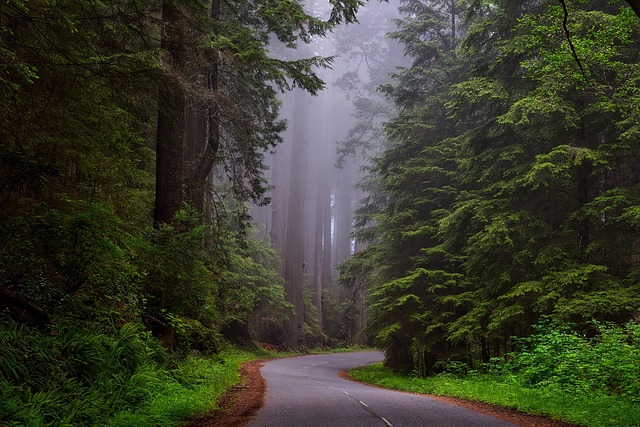
Redwoods Whakarewarewa Forest
Whakarewarewa Forest: Giant Californian Redwoods in the Middle of New Zealand The redwoods at Whakarewarewa were planted in 1901 as a forestry trial by the New Zealand government. The experiment was to find which imported species grew fastest for timber use. The Californian coast redwoods (Sequoia sempervirens) that won the informal competition are now over 70 metres tall, the timber angle was...
read more
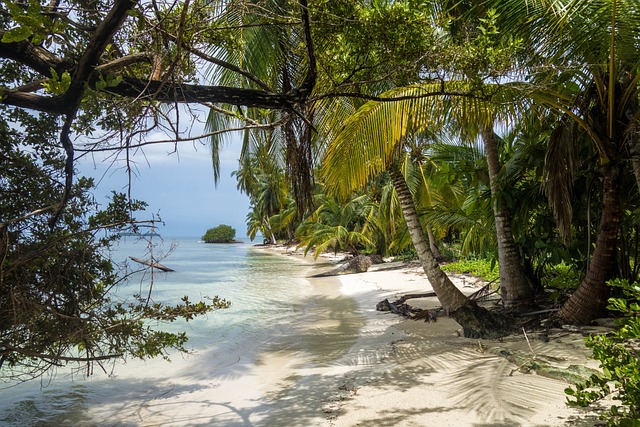
San Blas Islands, Panama
The San Blas Islands (Guna Yala): Who Runs This Archipelago and Why It Matters The San Blas Islands are formally the Comarca Guna Yala, an autonomous territory on the Caribbean coast of Panama governed by the Guna (also written Kuna) indigenous people. The Guna exercise genuine political control over their 365-island archipelago; the Panamanian government has jurisdiction over the territory in...
read more
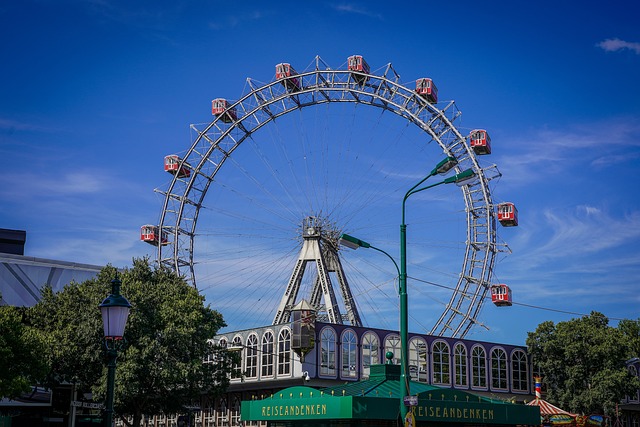
Wiener Riesenrad
Wiener Riesenrad: Vienna’s Most Honest Tourist Attraction The Riesenrad was built in 1897 to celebrate the 50th jubilee of Emperor Franz Joseph I, which already tells you something about the kind of monarch Franz Joseph was: he commissioned a giant Ferris wheel rather than a triumphal arch. The wheel originally had 30 cabins; after it was destroyed in 1945 and rebuilt, only 15 remained,...
read more
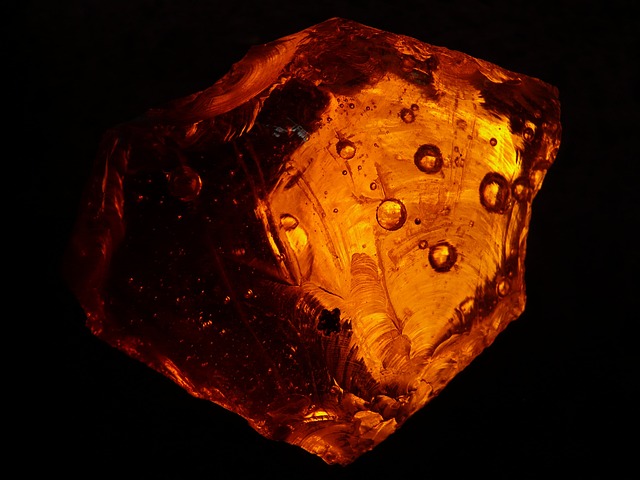
Amber Fort
Amber Fort, Jaipur Amber Fort (Amer Fort) rises on a rocky hill 11 kilometres north of Jaipur, visible from the road long before you arrive. The drive along the lake at its base, with the fort reflected in the water and the Aravalli hills rising behind, produces one of the more photogenic approaches to any building in Rajasthan. Construction began in 1592 under Raja Man Singh, a prominent Rajput...
read more
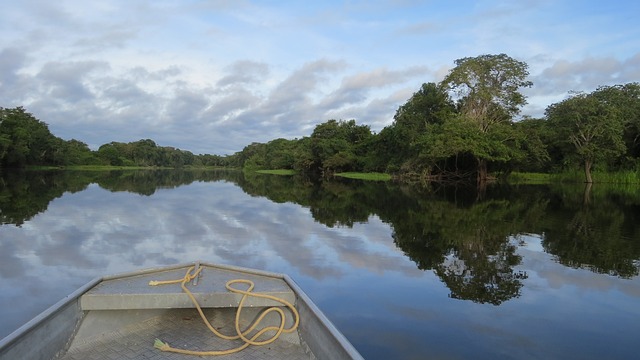
Amazon Forest and Amazon River
The Amazon: Two Million Square Miles of Forest, and One Critical Logistics Decision You need to decide which gateway city to use. Manaus (Brazil) is the most developed hub, with the most tour operators and the best-connected airport. Iquitos (Peru) is accessible only by air or river – no road connects it to the outside world – which gives visits there a frontier quality that Manaus,...
read more
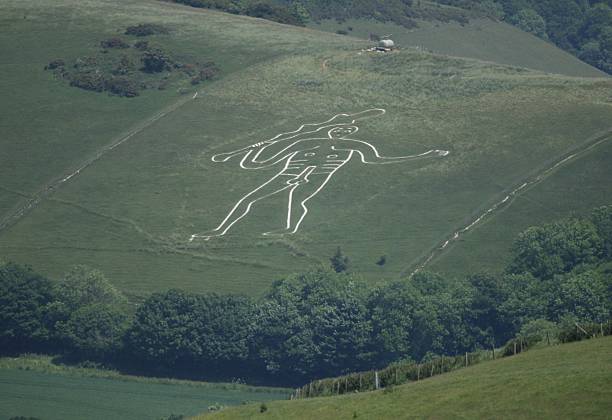
Cerne Abbas Giant & Other Chalk Figures, UK
Chalk Hill Figures of Southern England: Cerne Abbas Giant and Beyond The Cerne Abbas Giant is 55 metres tall, carved into a Dorset hillside above the village of Cerne Abbas, and is anatomically explicit in a way that prevents the National Trust from using a full photograph of it in most promotional materials. The 26-foot phallus has attracted academic papers, fertility legends, and a good deal of...
read more
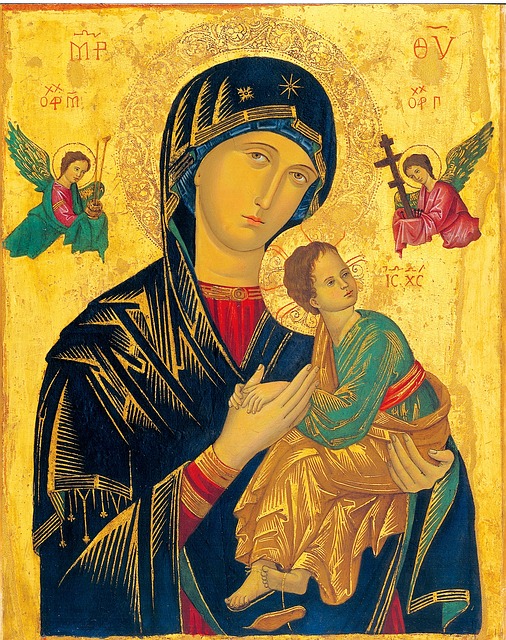
Assumption Of Mary Pilgrimage Church, Lake Bled
The Church on the Island at Lake Bled Lake Bled’s island church is one of those places that has been photographed so many times the image has gone slightly abstract in the mind before you arrive. Then you see it from the shore – a small Baroque bell tower rising from a wooded island in an impossibly green alpine lake, mountains behind – and the cliché reasserts itself as plain...
read more
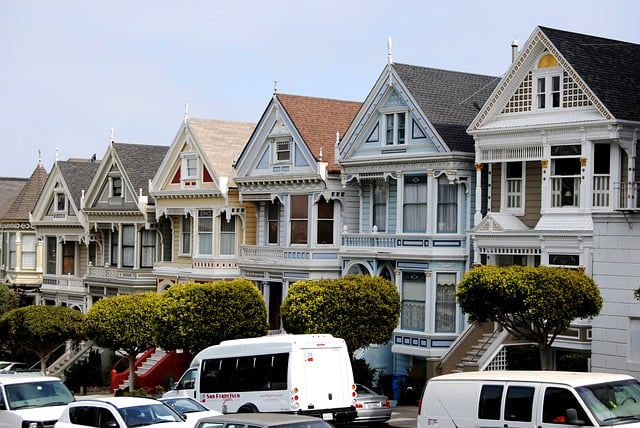
San Francisco California
San Francisco, California San Francisco does not get warm in the way California implies. July and August frequently run below 16 degrees Celsius with persistent afternoon fog rolling in from the Pacific through the Golden Gate. The summer cold is locally famous. Pack a jacket regardless of the date on your ticket. This has been ignored by millions of tourists who believed the California mythology...
read more
Windermere
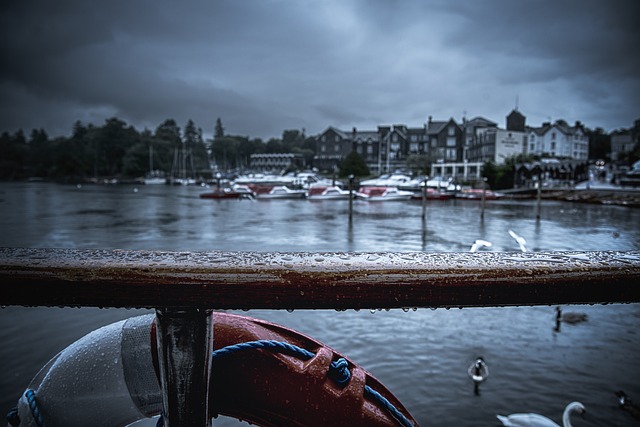
On a July bank holiday weekend, the road into Bowness-on-Windermere can be backed up for 45 minutes. The car parks fill by 11am. The lake itself is ringed with people. Wordsworth would have been appalled. The Lake District earned UNESCO World Heritage status in 2017, partly in recognition of the pastoral landscape that shaped his poetry, and the resulting visitor numbers are working hard to...
read more
Darwin
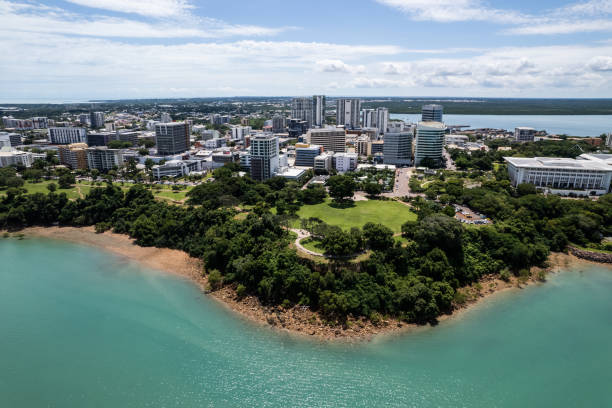
Darwin: Bombed in 1942, Flattened by Cyclone Tracy in 1974, Still Going On 19 February 1942, Japanese aircraft carried out the largest foreign attack on Australian soil, killing over 230 people in Darwin in the first of 64 raids. On Christmas Eve 1974, Cyclone Tracy destroyed roughly 70 percent of the city’s buildings in a single night. Darwin has been rebuilt twice in living memory, which...
read more
Petra, Jordan
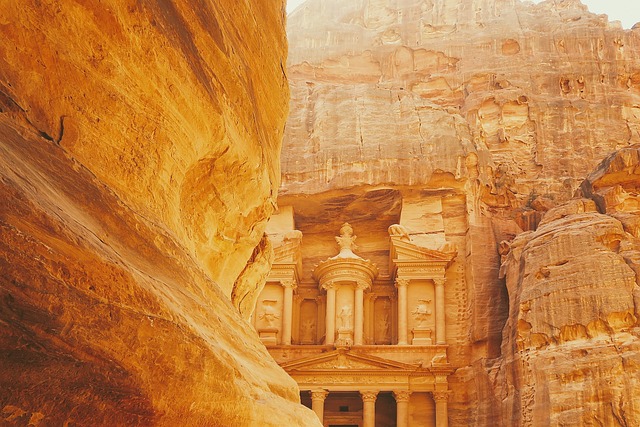
Petra, Jordan: How to Go Beyond the Iconic First Photograph The Treasury (Al-Khazneh) is the reason most people come to Petra: a 40-metre-high carved facade visible at the end of the Siq gorge, the shot that has appeared on more travel magazine covers than any other site in the Middle East. It is spectacular. The light is best on it in the morning. You should absolutely see it. The more useful...
read more
Bridge Of Sighs
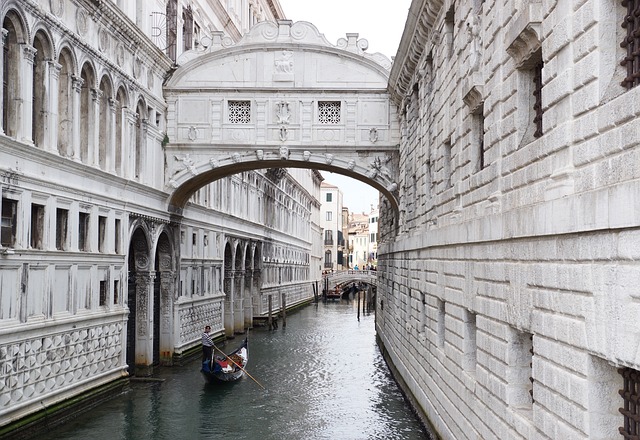
The name “Bridge of Sighs” was not what Antonio Contino called the bridge when he built it in 1600. That name came from Lord Byron in the 19th century, who imagined prisoners crossing it for the last time and sighing at their final view of Venice through the small windows. In reality, the bridge connected the interrogation rooms in the Doge’s Palace to the New Prison next door,...
read more
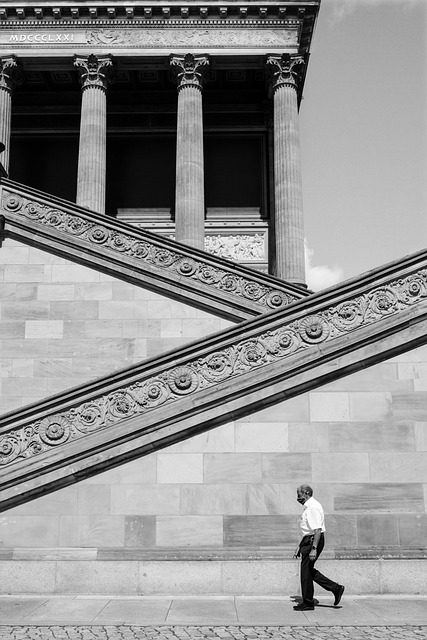
Berlin Museum Island
Berlin Museum Island Museum Island is five museums on a Spree river island in central Berlin, and the first thing you need to know is that the Pergamon Museum, which held the reconstructed Pergamon Altar, the Ishtar Gate of Babylon, and the Market Gate of Miletus, is closed for comprehensive renovation until approximately 2037. If you came to Berlin specifically for the Pergamon Altar, you have...
read more
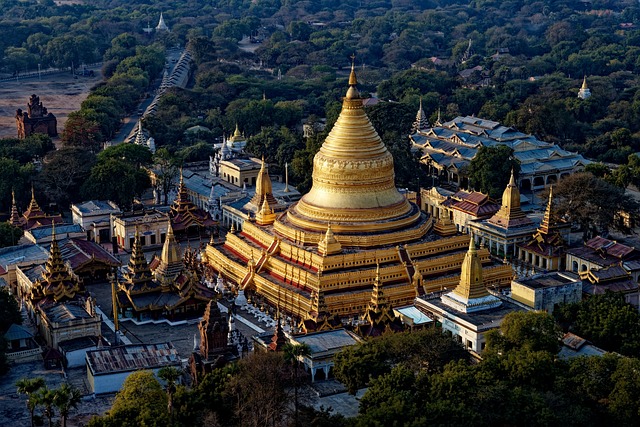
Bagan Temples Pagodas
Bagan, Myanmar: 3,500 Temples and the Problem of Too Many Choices At sunrise on the Bagan plain, you might be watching from the top of an 11th-century pagoda as hot air balloons drift above a landscape of several thousand temples in every direction – and there will be thirty other people next to you on the same pagoda doing the same thing. Bagan receives enough visitors now that the...
read more
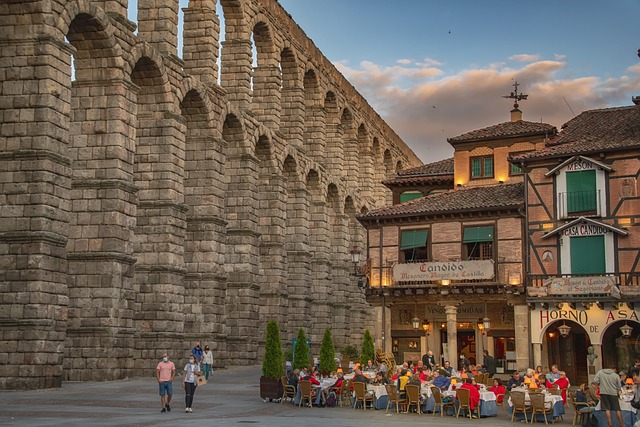
Segovia
Segovia is the correct Madrid day trip. Not Toledo, which is overcrowded and overpriced; Segovia, which is 28 minutes by Avant high-speed train from Chamartín, costs around EUR 15 to 20 return, and has a Roman aqueduct, a Disney castle, and the best roasted suckling pig in Castile all within a 30-minute walk of each other.
The Aqueduct The Roman Aqueduct runs through the city for approximately 900...
read more
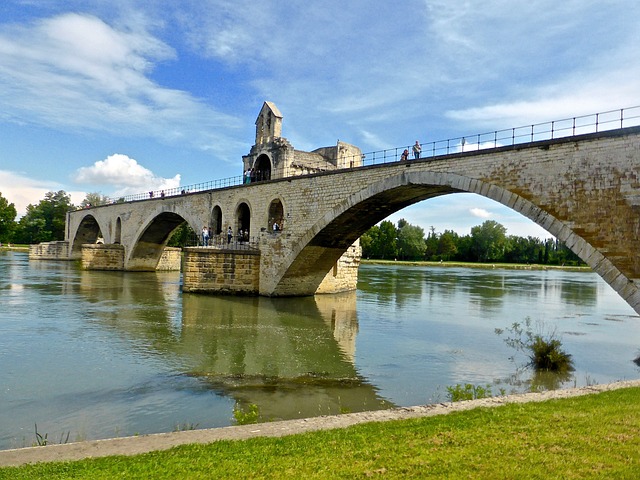
Papel Palace, Avignon
Palais des Papes: For 68 Years, This Was the Centre of Western Christianity Between 1309 and 1377, the papacy relocated from Rome to Avignon. Seven consecutive popes lived here, moved by a combination of Italian political instability and French royal pressure. The palace built for them is consequently enormous: the largest Gothic building in Europe at 15,000 square metres across two main...
read more
Amsterdam
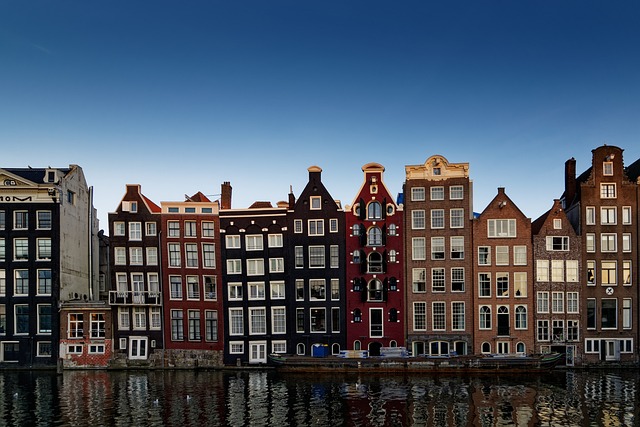
Amsterdam: The World’s Wealthiest City in the 17th Century, Still Living Off That Legacy Amsterdam has more bicycles than residents and more canals than Venice. The canal ring (Grachtengordel) was laid out in the 1600s by a city that was the wealthiest trading port in the world, and the merchant houses along the Herengracht and Keizersgracht were built by people who needed to demonstrate...
read more
Chernobyl Exclusion Zone
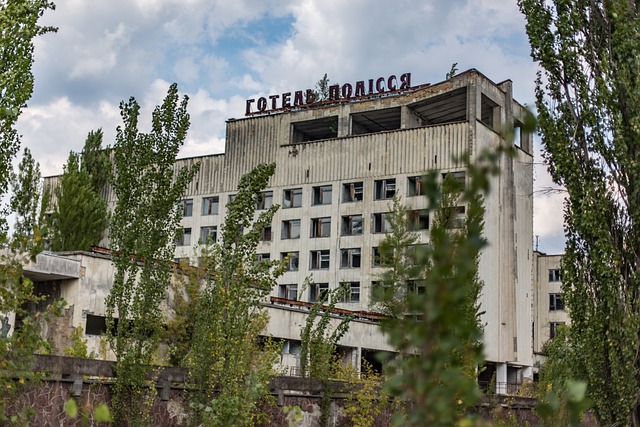
Chernobyl Exclusion Zone: The Current Situation and What the Site Holds Tours to the Chernobyl Exclusion Zone are suspended as of mid-2026. The zone, about 100 km north of Kyiv in northern Ukraine, has been inaccessible to civilians since Russia’s full-scale invasion in February 2022. Russian forces occupied the site in the war’s early days before withdrawing, and the damage to...
read more
Florence, Italy
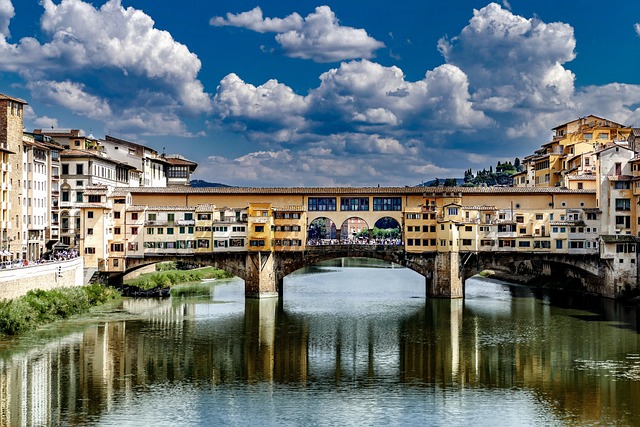
Florence gets around 10 million visitors a year in a historic centre roughly three kilometres across. April through September, the main sites are genuinely difficult to enjoy. The Uffizi, the Accademia, and the Duomo complex are the obvious anchors; around them, most of those visitors cluster in the same six blocks. The rest of Florence is much quieter. Understanding this geography is the most...
read more
Las Vegas Strip Las Vegas Nv
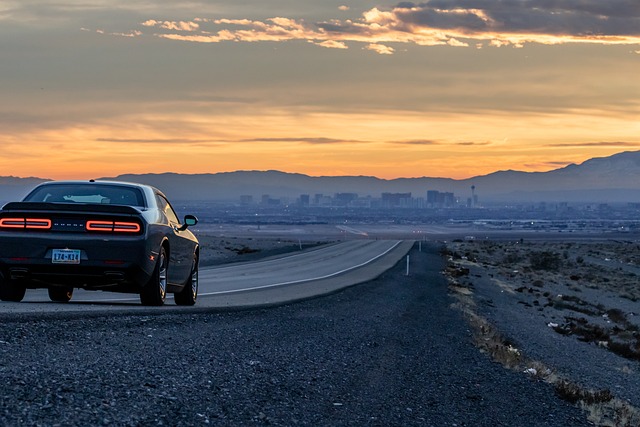
The Las Vegas Strip The Strip is a 4.2-mile stretch of Las Vegas Boulevard South running from Mandalay Bay at the south end to the Stratosphere at the north. Everything of consequence in tourist Las Vegas sits on or within a short walk of this corridor. The casinos are the architecture; most of the major ones are large enough to require 15-20 minutes to cross on foot from one end to another.
read more
Smithsonian Institution
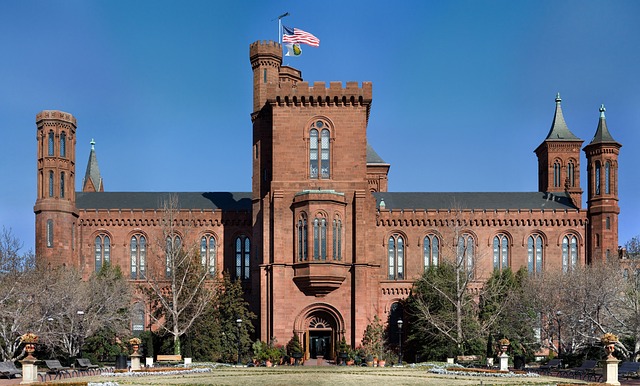
The Smithsonian: 19 Museums, All Free The Smithsonian Institution is the world’s largest museum complex: 19 museums, 21 libraries, 9 research centres, the National Zoo, and approximately 155 million total objects in the collections. Annual visitors number around 28 million. Everything on the National Mall is free. The question is not whether to go but which museums to prioritise, given that...
read more
Charles Bridge
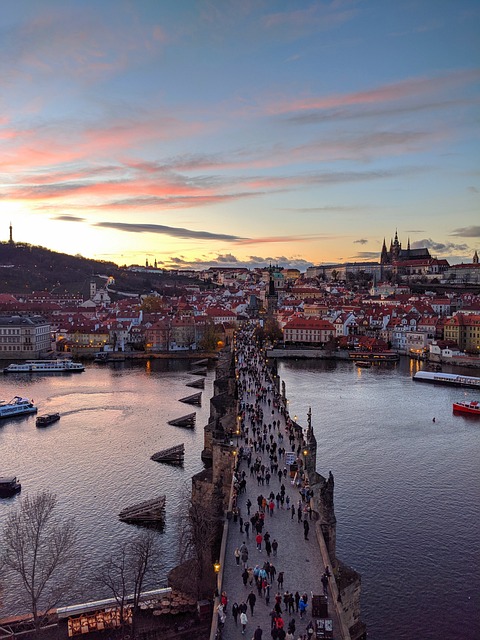
Charles Bridge (Karlův most) was begun under Emperor Charles IV in 1357. The date of the first stone was apparently chosen by Charles himself with astrological precision: 9 July 1357 at 5:31am, which reads as a numerical palindrome 1-3-5-7-9-7-5-3-1 and was believed to give the bridge magical protection. Whether or not this worked depends on your view of numerological protection, but the bridge...
read more
Boundary Waters Canoe Area Wilderness
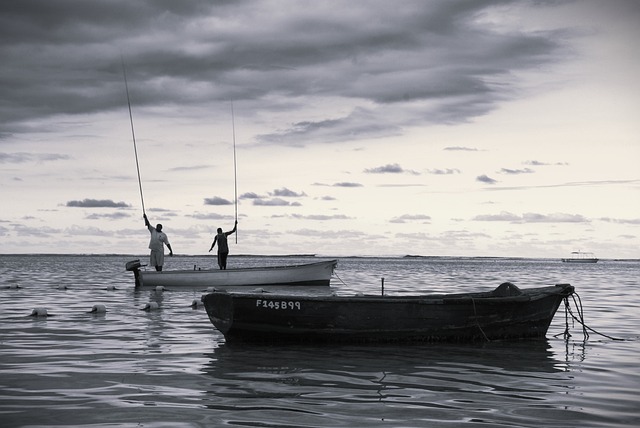
Boundary Waters Canoe Area Wilderness, Minnesota The BWCAW covers over 1 million acres of lake and forest along the Minnesota-Canada border, with more than 1,200 lakes connected by a maze of canoe routes and portage trails. No motorboats are permitted in most of the area. No roads lead to the interior. Entry requires a permit. That’s the appeal: genuine wilderness that takes actual effort to...
read more
Torres Del Paine National Park
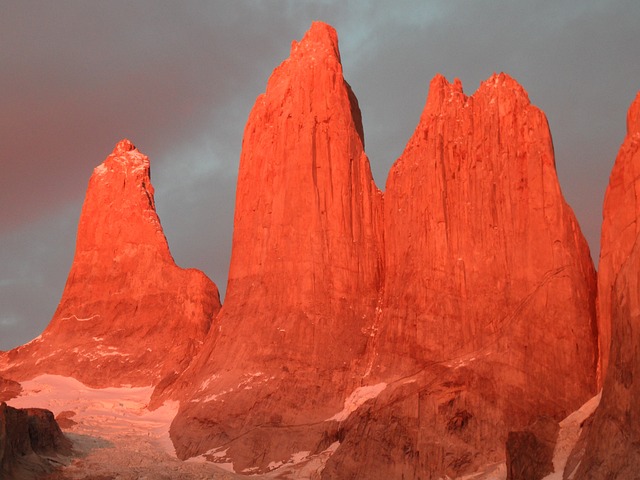
Torres del Paine: Planning the Trip That Actually Works The 2025-2026 season at Torres del Paine introduced stricter daily capacity limits, tighter regulations on unguided hikers, and booking systems that punish planning gaps. Popular January dates sold out within days of reservation windows opening in April 2025. If you want to hike the W Trek in December or January, booking 9-12 months ahead is...
read more
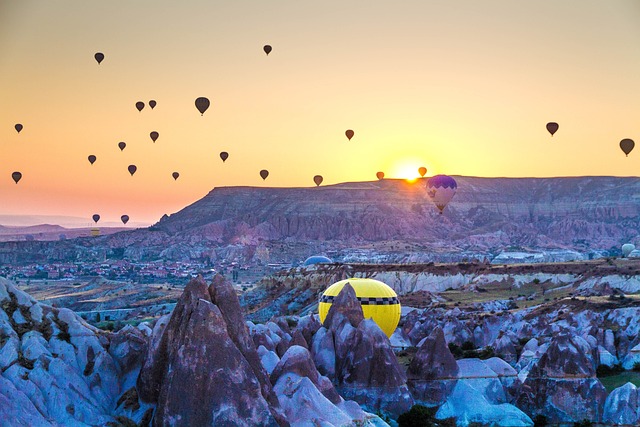
Cappadocia, Turkey
Cappadocia: The Volcanic Landscape That Early Christians Carved Their Churches Into About 30 million years ago, three volcanoes erupted repeatedly over what is now central Anatolia, depositing thick layers of ash that compressed into soft tuff rock. Wind and water erosion over millennia shaped it into the landscape of fairy chimneys, cones, and pillars that defines Cappadocia today. Early...
read more
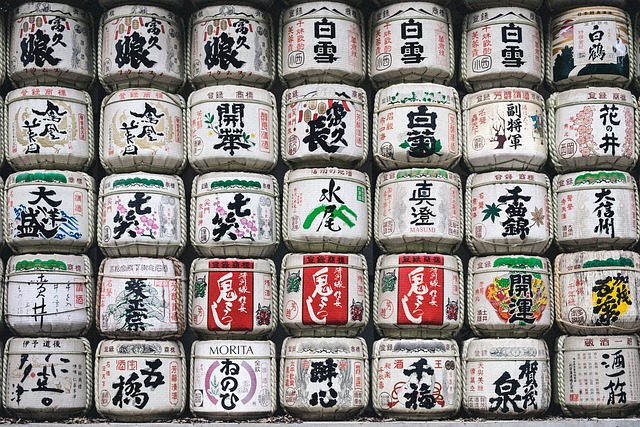
Meiji Jingu Shrine, Tokyo
Meiji Jingu: 70 Hectares of Forest in the Middle of Tokyo Meiji Jingu receives three million visitors on the first three days of January, making it the most-attended Hatsumode (first shrine visit of the New Year) in Japan. The queue on January 1 can mean a three-hour wait to approach the prayer hall. This fact is worth knowing not as a deterrent but as a context: Meiji Jingu on an ordinary weekday...
read more
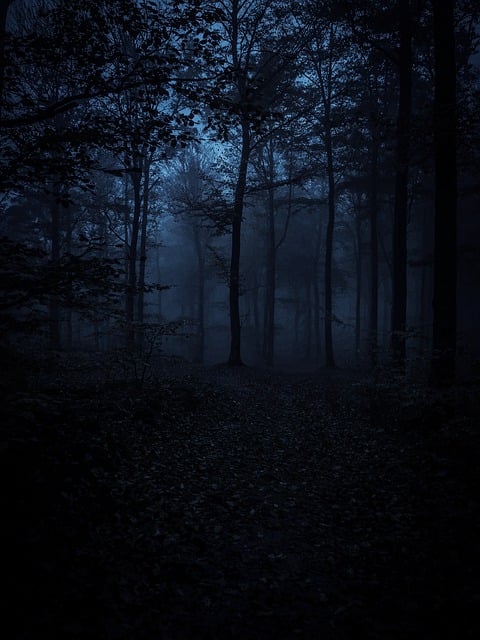
Black Forest
The Black Forest cake (Schwarzwälder Kirschtorte) you can buy at a bakery in Triberg is a genuinely different thing from what is sold under the same name most of the world. The original is made with specific local Schwarzwald cherries, Kirschwasser (cherry schnapps) from the region, and a whipped cream proportion that looks architecturally improbable. The commercial versions exported everywhere...
read more
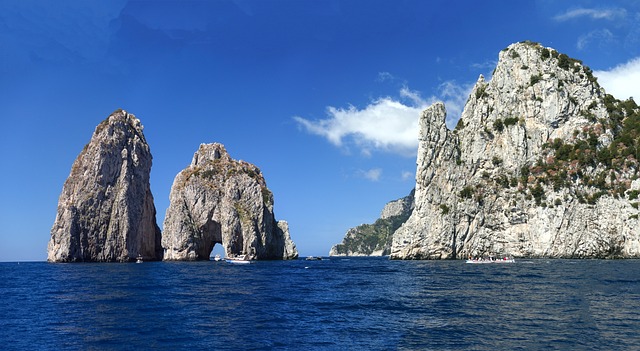
Capri
Capri The honest version of Capri is two islands in one. The one that exists during daytime in July – crowded, expensive, full of daytrippers who’ve paid 25 euros each way from Naples just to stand in line for limoncello – is real but not the whole story. The one that exists after the last ferry leaves in the evening, when the Piazzetta clears and the light goes gold over the...
read more
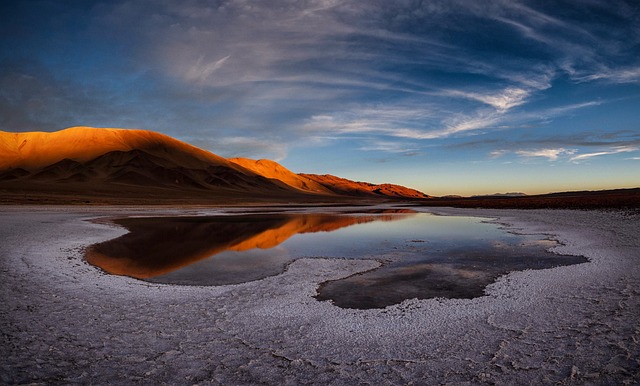
Atacama Desert
The Atacama Desert has weather stations at certain interior plateaus that have never recorded rain. Not less than average rain; literally zero. It is the driest non-polar desert on earth, spanning over 1,000 kilometres of northern Chile between the Andes and the Pacific. The aridity that makes it hostile is the same quality that makes it one of the best places on earth to look at the sky, which is...
read more
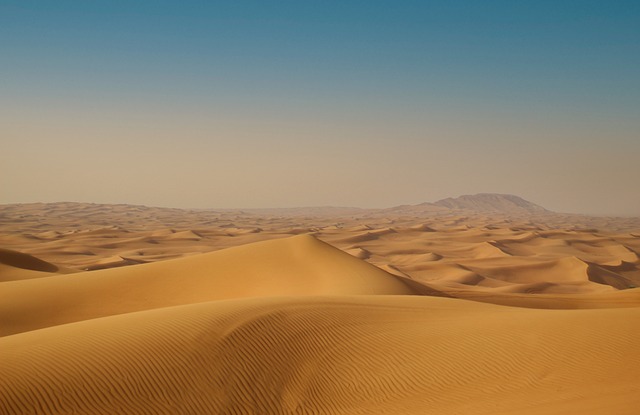
Dubai
Dubai: The City Where a 1970s Pearl-Diving Port Became the World’s Third-Most-Visited Destination The transformation is not subtle and it is not modest. What was largely desert and a small trading town in 1970 is now a city of 3.5 million people with the world’s tallest building, an indoor ski slope inside a shopping mall, man-made islands shaped like palm trees visible from space, and...
read more
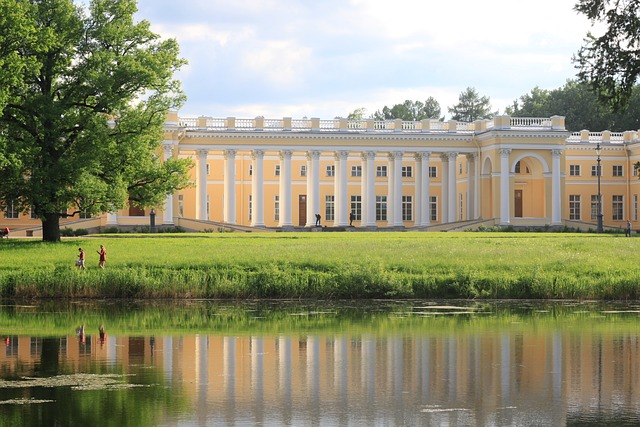
St. Alexander Newski Cathedral, Sofia
Bulgaria gained independence from the Ottoman Empire in 1878, after a war in which Russia provided the decisive military support. The Alexander Nevsky Cathedral was built between 1882 and 1912 as a memorial to the 200,000 Russian soldiers who died in that war. The dedication to a Russian saint reflected genuine gratitude; Bulgaria and Russia had religious and cultural ties through Orthodox...
read more
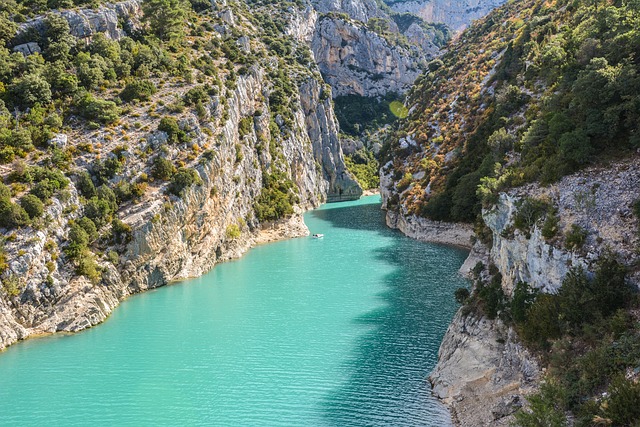
Gorges Du Verdon
Gorges du Verdon, Provence The Verdon Gorge is the largest canyon in Europe – carved by the Verdon River through the limestone plateau of Haute-Provence over several million years. At its deepest point the gorge drops about 700 metres. The water at the bottom is a startling turquoise, produced by dissolved minerals and the clarity of a river fed by snowmelt. From the rim road, looking down,...
read more
St. Marks Square Venice
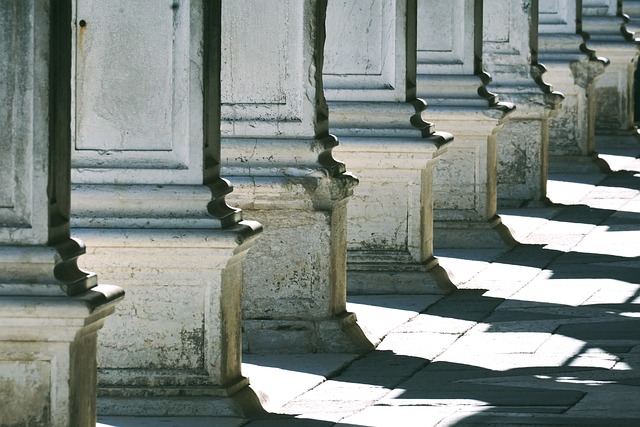
Piazza San Marco: The Drawing Room of Europe Venice introduced a day visitor fee in 2024 and expanded it for 2026: the city charges EUR 5 for day-trippers (those not staying overnight) on select busy Fridays, Saturdays, and Sundays from April through late July, plus certain holiday weeks. You still have to preregister at cda.veneziaunica.it even if you are staying overnight and exempt from the...
read more
Atlantic City Boardwalk
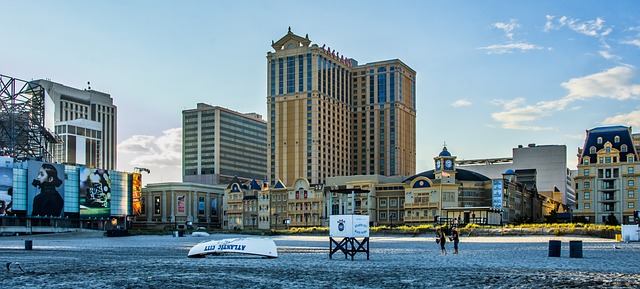
Atlantic City Boardwalk: America’s Oldest, Survived Prohibition, the Depression, and the Atlantic Ocean The boardwalk was built in 1870 to solve a specific problem: hotel guests were tracking sand from the beach into the lobby of the United States Hotel, and the management was tired of it. The solution was a temporary wooden walkway connecting the hotels to the shore. The...
read more
Anne Frank Huis
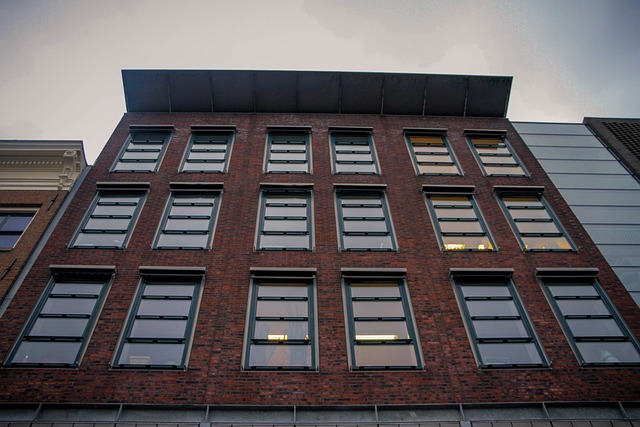
Anne Frank House, Amsterdam: Get the Tickets Before You Get on the Plane New tickets for the Anne Frank House are released every Tuesday at 10am Amsterdam time for entry six weeks later. During peak season, from March through October, they sell out within hours of release. This is the most important practical fact about visiting the museum: you cannot decide to go on a Thursday and show up on...
read more
Athens Greece
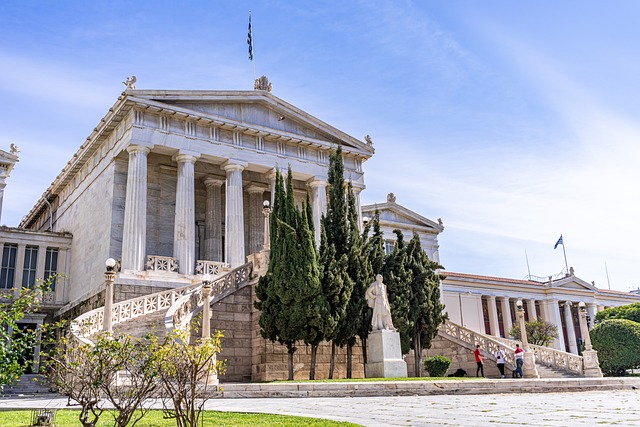
Athens The Acropolis is the defining landmark and the building you came for, but Athens at street level – Monastiraki at 8am with souvlaki and coffee, the Varvakios Agora fish market on Athinas Street, the evening light on the Plaka – is the part that keeps people coming back. Give the city at least three days. Two days to see everything will leave you feeling you rushed through one of...
read more
Tallinn
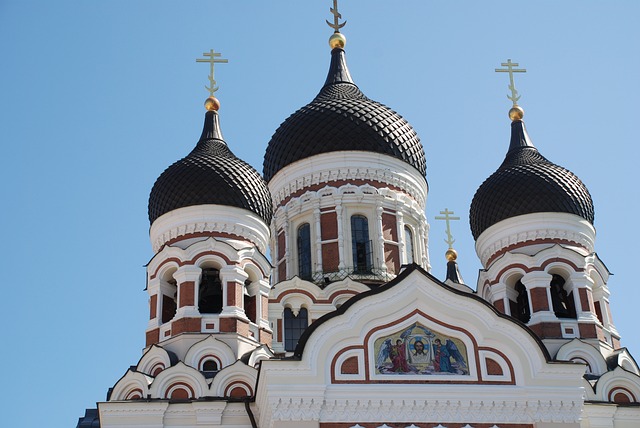
The Alexander Nevsky Cathedral on Toompea Hill was built by the Tsarist Russian government in 1900, positioned on the hilltop to assert Russian imperial authority over the city below. Many Estonians have been trying to demolish or relocate it since independence was restored in 1991, and it remains precisely where it was built, which is why the views from the viewing platforms around it feel...
read more
Pulpit Rock
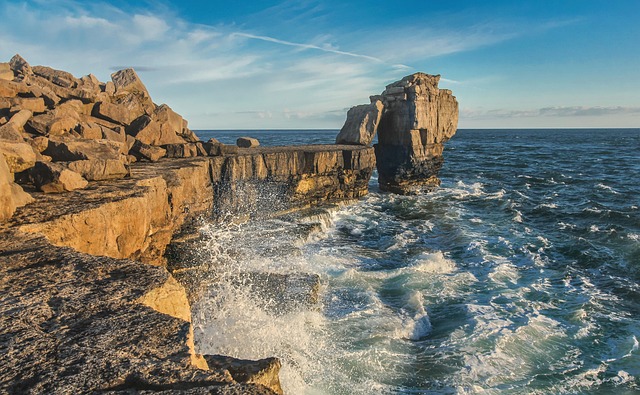
Pulpit Rock (Preikestolen): The Reality Behind the Photograph The photograph of Preikestolen shows a flat rock jutting over Lysefjord 604 metres below, with one or two people standing at the edge looking impossibly calm. In peak summer, reality is closer to sixty people standing there simultaneously. That is not a reason to skip it; the view is still extraordinary. It is a reason to think...
read more