Recent Mad Traveller
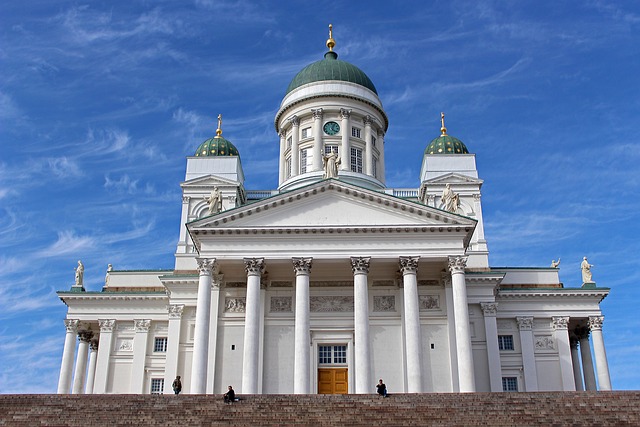
Helsinki Attractions: Ateneum, Kiasma, Aalto
Helsinki Attractions: Ateneum, Kiasma, Aalto The painting voted Finland’s national favourite, The Wounded Angel, hangs in the middle of the city, and a ticket costs about the same as a lunch. Three stops tell most of the story of Finnish art and design: Ateneum for the Golden Age, Kiasma for today, and the Aalto buildings in Munkkiniemi for the modernist home. Prices are in euros.
Ateneum,...
read more
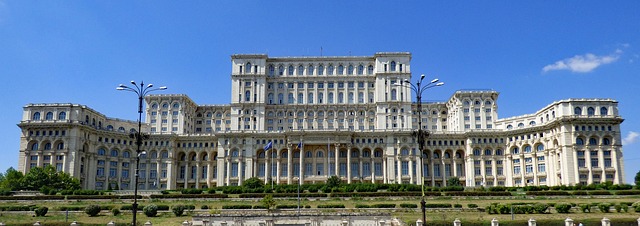
Bucharest Attraction Tours by Opening Day
Bucharest Attraction Tours, Matched to the Calendar Bucharest’s headline attractions keep very different hours, and one wrong weekday can cost you the ticket you planned around. The sensible approach is to work backwards from opening days. Three of the capital’s best guided visits (the Palace of the Parliament, Casa Ceaușescu and the Antipa museum) each have their own booking habit,...
read more
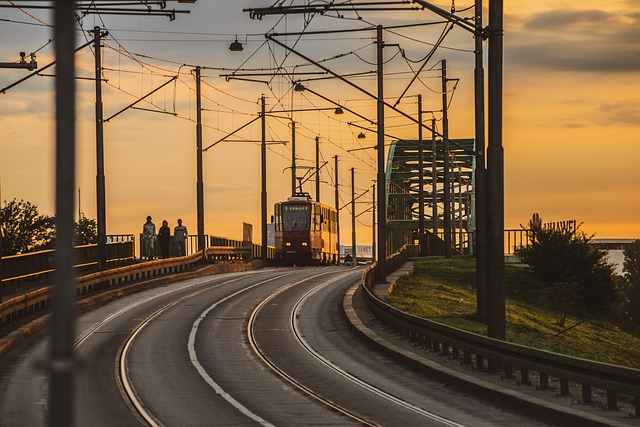
Belgrade Activities: Markets, Kafanas, Beer
Belgrade Activities: Markets, Kafanas and Beer Belgrade’s best mornings start at a cheese stall, where a spoonful of kajmak is pressed into your hand before you have asked the price. The city runs on appetite, and most of what is worth doing here involves a table, a market counter or a glass.
Start at a green market Kalenić, in Vračar, is the market locals use. Head for the cheese pavilion...
read more
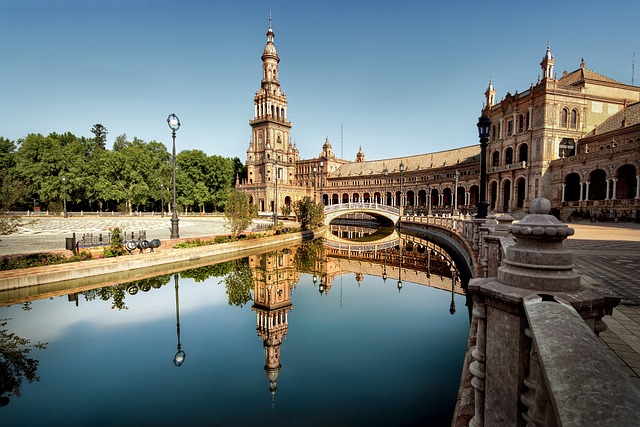
Seville Activities: Prices and Best Times
The Alcázar sets the rhythm of a Seville trip, because its timed tickets are the first to sell out. Reserve it on alcazarsevilla.org as soon as your dates are fixed, then fit everything else around that slot.
The three big tickets Alcázar: about €15.50 for adults and €8 reduced. The reduced rate covers over-65s, students and European Youth Card holders of every nationality. Under-13s with an adult...
read more
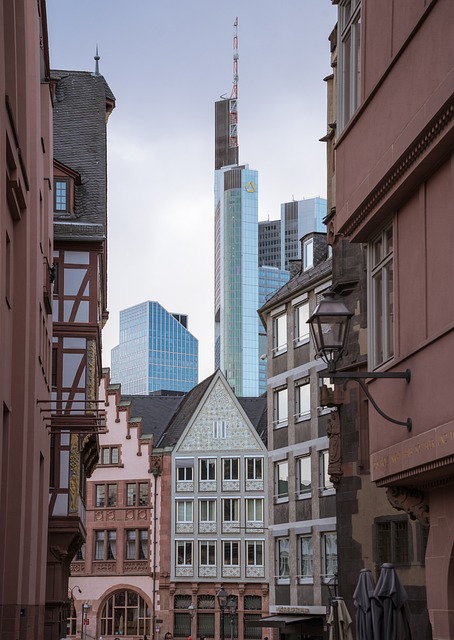
Frankfurt Activities: Cider, Art, Skyline
Frankfurt Activities: Cider, Art, Skyline A good Frankfurt day follows the order in which the city rewards you: a market breakfast, a world-class painting by lunchtime, a skyscraper at dusk and a jug of cider after dark. Everything below is priced in euros and sits within a short tram ride of the next stop.
Morning: Kleinmarkthalle The Kleinmarkthalle at Hasengasse 5 to 7, between Zeil and the...
read more
Helsinki Activities: Ferry, Saunas, Oodi
Helsinki Activities: Ferry, Sauna, Rock Church For €3.30 you can sail out of Helsinki harbour and walk the bastions of a sea fortress, and that short crossing remains the best-value outing in the city. The rest of the list climbs in price from there. Everything is in euros, and cards or phone payments are accepted almost everywhere, so there is little need for cash.
Under €5: the ferry and the...
read more
Bucharest Activities: Palace, Spa, Village
Bucharest Activities, From Colossal Palace to Garden Spa Give each Bucharest day one fixed appointment and let the rest drift. The biggest draw, the Palace of the Parliament, needs a phone call days ahead, while the best loose afternoons (an open-air village, a thermal spa, a century-old beer hall) cost less than a city-break dinner in most of Western Europe. Prices here are in lei (RON), roughly...
read more
Romantic Seville: Gardens, Baths, Flamenco
Orange trees, tiled fountains and a rooftop pool facing the Giralda: Seville is built for slow mornings and late nights for two.
Morning in the gardens The Alcázar opens at 09:30, and the gardens are at their coolest and quietest then. General entry is about €15.50 and you reserve on alcazarsevilla.org . Afterwards walk to the Parque de María Luisa for shaded paths, rose beds and tiled fountains....
read more
Seville Day Trips by Train and Bus
The AVE high-speed train covers the 140 km from Seville to Córdoba in about 40 to 45 minutes, which makes it easier than many cross-city commutes. Six other destinations work as well, each with its own transport quirks.
Córdoba, the easy one Trains leave Santa Justa station dozens of times a day. Fares start around €10 and often reach €20 to €26 on the day, so reserve ahead on renfe.com .
read more
Seville Multi-Day Plans: 3 to 5 Days
Seville repays three to five days, but no organised multi-day tour packages are worth quoting here. The reliable approach is to plan the sequence yourself from real sights and a handful of train rides.
Day one: the imperial core Reserve the Alcázar for 09:30 on alcazarsevilla.org at about €15.50, then visit the Cathedral and Giralda (€13 online) via catedraldesevilla.es . Add the free Archivo...
read more
Seville on Foot: Four Neighbourhood Walks
Seville’s old town is built for walking, and four neighbourhoods give you a full day on foot without an operator or a ticket.
Santa Cruz and the Judería Begin at Plaza del Triunfo and take Callejón del Agua to Plaza de Santa Cruz, then Plaza de Doña Elvira and the Jardines de Murillo. The alleys are narrow and shady, which helps in the heat, and patios appear behind iron gates. This area is...
read more
Seville Sightseeing Beyond the Big Three
The Archivo General de Indias is free every day of the year, and it holds original documents of the Spanish Empire, including Columbus’s journals and maps of the Americas. Most visitors walk past it on the way to bigger queues.
The World Heritage trio The Alcázar (about €15.50, reduced €8), the Cathedral and Giralda (€13 online) and the Archivo form Seville’s UNESCO group....
read more
Seville with Kids: Boats, Fish and Rides
Rowing boats on the Plaza de España canal are the moment most children remember from Seville. They set the tone for a city that works well with kids if you plan around the heat.
On the water at Plaza de España The semicircular canal is 515 m long and rowboats rent for about €6 for 35 minutes with up to four people. Motor boats cost about €12 for 15 minutes. Prices are reported by visitors, so...
read more
Helsinki Family Activities: Zoo, Ferry, Oodi
Helsinki Family Activities: Zoo, Ferry, Oodi A zoo on its own island, a fortress you reach by ferry and a library with a cloud-shaped ceiling make a strong family trio, and none of them needs a car. Helsinki is also a place where the season changes what is on offer, so the notes below say which options run all year and which are summer treats. Prices are in euros.
Korkeasaari Zoo Korkeasaari...
read more
Helsinki Multi-Day Trips: Tallinn and Beyond
Helsinki Multi-Day Trips: Tallinn and Beyond Helsinki makes a good base for a long weekend that crosses a sea, a lake district or even the Arctic Circle. Three routes work from the capital without a car: a sea hop to Tallinn, a rail run into the lakes at Tampere, and a night train to Lapland. Each is described below in rough days, with the logistics that matter.
Twin capitals: Helsinki and Tallinn...
read more
Helsinki Romantic Getaways: Sauna and Sunset
Helsinki Romantic Getaways: Sauna and Sunset Helsinki romance is warm wood, cold sea and a long table at dusk. This plan follows one evening from the first steam to the last glass, with options for a second night. In summer the light lingers late into the evening. Prices are in euros.
Late afternoon: sauna at Löyly Löyly on the Hernesaari waterfront is a sculpted thermo-wood building with a smoke...
read more
Helsinki Sightseeing: Squares and Domes
Helsinki Sightseeing: Squares, Domes, Granite Climb the 47 steps up to the white cathedral on Senate Square, and the whole neoclassical city is spread out in front of you. Helsinki’s main sights are close together, and most are free to look at, so the list runs from the no-cost stops to the ones with a ticket. Prices are in euros.
Free to see Senate Square was laid out by Carl Ludvig Engel...
read more
Helsinki Walking Tours: Three Routes on Foot
Helsinki Walking Tours: Three Routes on Foot Helsinki is flat, compact and easy to cover without a guide, and three self-guided loops take in most of what visitors come for. Distances and times below are approximate. All three are free to walk, so the only costs are the museums and a coffee along the way.
Route one: empire and harbour (about 2.5 km, 2 hours) Start on Senate Square and take in Carl...
read more
Frankfurt Day Trips: Heidelberg to Rüdesheim
Frankfurt Day Trips: Heidelberg to Rüdesheim Frankfurt Hauptbahnhof is a launch pad: within 70 minutes you can be in a Roman and printing city, a spa capital, a castle town or a wine village on the Rhine. These four trips are ordered by travel time, from the shortest ride to the longest.
Mainz, 30 to 40 minutes The S8 and regional trains reach Mainz every 15 to 20 minutes, and an RMV day ticket or...
read more
Frankfurt Multi-Day Trips: The Rhine Circuit
Frankfurt Multi-Day Trips: The Rhine Circuit Three nights is enough to turn Frankfurt into the first stop on a Rhine and Moselle circuit: a city night, a wine-village night and a castle-and-confluence night. The plan below is built on trains and viewpoints, because Rhine boats depend on the water level.
Day one: Frankfurt Spend the first day in town. Visit the Städel Museum at Schaumainkai 63,...
read more
Frankfurt Sightseeing: Römerberg to Domturm
Frankfurt Sightseeing: Römerberg to Domturm Frankfurt’s sightseeing core is small enough to cover in a day, and it runs in a line from the old town square to the cathedral tower, over an iron bridge and up a skyscraper. Several of these sights are rebuilds, which is part of the story.
Römerberg and the Römer The Römerberg is the square in front of the Römer, Frankfurt’s city hall since...
read more
Frankfurt Walking Tours: Three Routes
Frankfurt Walking Tours: Three Routes Frankfurt’s centre is compact and mostly flat, so three self-guided walks cover most of what a visitor wants: the old town, the bank towers and the river with its museums. Each route is a half-day, and you can chain two in a day if you start early.
Route one: the Altstadt trail (2 km, about 2 hours) Start on the Römerberg in front of the Fountain of...
read more
Frankfurt With Kids: Zoo, Dinosaurs, Palms
Frankfurt With Kids: Zoo, Dinosaurs, Palms Children in Frankfurt can walk through a darkened house of nocturnal animals, stand under a Diplodocus and row a boat among palm trees, all in the same city. The sections below run from the best all-day option to the quick stops, with ages and prices in euros.
Zoo Frankfurt, a full day The zoo at Bernhard-Grzimek-Allee 1 in the Ostend has its own U-Bahn...
read more
Romantic Frankfurt: Skyline, Cider, Palms
Romantic Frankfurt: Skyline, Cider, Palms Frankfurt does romance with glass, not cobbles: a skyline that glows at dusk, a river you can walk beside, and a cider tavern with beams older than the bank towers. This plan strings together one evening and one slow morning, with prices in euros.
Evening: Main Tower at dusk Time your arrival at Main Tower (Neue Mainzer Straße 52) for sunset. Tickets cost...
read more
Belgrade Day Trips: Novi Sad and Fortresses
Belgrade Day Trips: Novi Sad, Smederevo and Golubac A fast train, a medieval fortress on the Danube and a royal church covered in mosaic: Belgrade sits close enough to all of them that none needs an overnight bag. The easiest is Novi Sad, and the others are best done by car.
Novi Sad and Sremski Karlovci by Soko train The Soko high-speed train links Belgrade’s Prokop and New Belgrade...
read more
Belgrade Multi-Day Trips: Drina and Danube
Belgrade Multi-Day Trips: Drina and Danube A cabin on a rock in the middle of a river, a railway that loops in a figure of eight and a Roman legion’s camp: Serbia packs these into two trips that start from Belgrade and need a car, two or three nights and no hurry.
Circuit one: Western Serbia, two to three days Day one, Bajina Bašta and Tara. Drive through the Drina valley to Bajina Bašta and...
read more
Belgrade Sightseeing: Fortress, Saint Sava
Belgrade Sightseeing: Fortress, Temple and Tesla Belgrade has been conquered and rebuilt dozens of times, and its sights show it: a Roman camp turned Ottoman fortress, a Habsburg border town, a socialist capital and a glass tower on the riverbank. Five stops give you the shape of it.
Belgrade Fortress and Kalemegdan Park The fortress sits on a limestone cliff about 125 metres above the meeting of...
read more
Belgrade Walks: Knez Mihailova to Kalemegdan
Belgrade Walks: Knez Mihailova to Kalemegdan Belgrade’s best walking route is a straight line of about 2 km that begins in a city square and ends under pine trees on a fortress wall. It takes two hours at a stroll and shows you most of what the old centre is about.
Route one: Republic Square to the Pobednik Start at Republic Square (Trg Republike), where the equestrian statue of Prince...
read more
Belgrade With Kids: Lake, Zoo, Science
Belgrade With Kids: Lake, Zoo and Science Children in Belgrade tend to remember two things: the alligator that has lived at the zoo since 1937, and a lake with its own pedal boats. Add a science playroom for wet days and you have a family trip that works without a long list of tickets.
A day at Ada Ciganlija Ada Ciganlija is a former river island on the Sava, now a peninsula that holds an...
read more
Romantic Belgrade: Sunset, Fish, River Views
Romantic Belgrade: Sunset, Fish and River Views The best couples’ hour in Belgrade comes just before dark, on the ramparts where the Sava slides into the Danube and the sky turns pink over a flat horizon. Everything else here, from dinner to a drink with a view, is easiest to plan around that moment.
Sunset at the Pobednik Climb the fortress to the Pobednik, Ivan Meštrović’s bronze...
read more
Bucharest Sightseeing, Vlad to Ceaușescu
Bucharest Sightseeing, in Order of Age The capital’s landmarks line up almost chronologically if you start in the Old Town and walk north and west. In about 500 years you pass a medieval prince’s court, a baroque chapel, a French-style concert hall and a dictator’s palace. Most of it is free to look at, and the few paid stops are cheap, quoted below in lei.
The medieval court...
read more
Bucharest Walks: Three Self-Guided Routes
Bucharest Walks: Three Self-Guided Routes Bucharest is a city for walkers with a good pair of shoes, because its pavements run past 17th-century inns, Art Nouveau mansions and a boulevard wider than the Champs-Élysées. These three routes need no guide and no ticket, and each fits into a morning or an afternoon. Distances and times below are estimates for an unhurried pace.
Route one: Calea...
read more
Bucharest With Kids: Slides, Fossils, Birds
Bucharest With Kids: Slides, Fossils and Wetland Birds A wet-weather plan and a dry-weather plan, that is all a family needs for Bucharest. The slides at Therme and the fossils at the Antipa museum cover the rain. A village museum, a wetland park and a small zoo cover the sunshine. Everything below is priced in lei (RON), roughly 5.3 to the euro.
Therme București: the Galaxy zone Galaxy is the...
read more
Multi-Day Trips From Bucharest by Rail
Multi-Day Trips From Bucharest by Rail Four days is enough to cross the Carpathians, see two castles, sleep in a medieval citadel and still be back for a flight. The route runs north from the capital by train and finishes by bus and rail, and it works without a car. A second option, the Danube Delta, is slower to reach and needs more care.
The Carpathian loop Day 1, Sinaia and Peleș.
read more
Romantic Bucharest: Spa, Concert, Courtyard
Romantic Bucharest: Spa, Concert and Courtyard Bucharest flirts with its visitors in the evening. The grand Belle Époque avenues light up, the old inns fill their courtyards and an orchestra tunes under a gilded dome. A couple needs four things here: a long soak, a concert, a candlelit dinner and one slow walk. Everything is priced in lei (RON), roughly 5.3 to the euro.
A thermal afternoon At...
read more
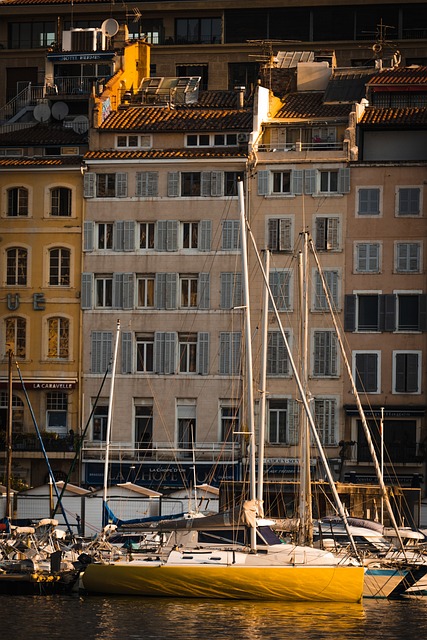
Marseille Day Trips by Train and Boat
Marseille Day Trips by Train and Boat The fastest escape from Marseille is a 25-minute train ride to a harbour with a limestone cliff behind it. Most of the good day trips run from Saint-Charles station and need no car.
Cassis and the Calanques by boat Direct TER trains run from Saint-Charles to Cassis about every 30 minutes, taking 25 minutes, with fares from about €8. A local shuttle bus links...
read more
Marseille Multi-Day Trips and Provence Loops
Marseille Multi-Day Trips and Provence Loops Marseille works as a base for three or four days, and the regional rail network lets you stretch that into a week across Provence without renting a car. Here are three shapes a longer stay can take.
Three to four days from one base Day 1 is the old core: the fish market at the Vieux-Port in the morning, Le Panier on foot, then the MuCEM footbridge and...
read more
Marseille Sightseeing: Hilltop to Harbour
Marseille Sightseeing: Hilltop to Harbour Start at the top. A gilded Virgin stands on a 154-metre hill above Marseille, and the best way to understand the city is to look down on it before walking through it.
Notre-Dame de la Garde The basilica, called La Bonne Mère by locals, was built between 1853 and 1864 in Romano-Byzantine style. Inside, striped red and white arches, mosaics and rows of...
read more
Marseille Walking Routes: Panier to Corniche
Marseille Walking Routes: Panier to Corniche Marseille is a hilly city, and the best walks follow its stairs and seafront. Three self-guided routes cover the old quarter, the coast and the arty neighbourhoods, and all of them are free.
Le Panier and the street art (2.5 km, about 2 hours) Start at the Hôtel de Ville on the Vieux-Port and climb the Montée des Accoules. The streets of the Panier...
read more
Marseille With Kids: Pods, Trains, Beaches
Marseille With Kids: Pods, Trains, Beaches Children in Marseille tend to remember three things: a silent pod ride through a flooded cave, a three-minute boat across the harbour, and a long afternoon on the sand at Prado. All three are easy to combine.
Cosquer Méditerranée The replica of the Cosquer cave sits in the Villa Méditerranée beside the MuCEM. Visitors ride in small automated pods past...
read more
Romantic Marseille: Sunsets and Quiet Coves
Romantic Marseille: Sunsets and Quiet Coves The most romantic spot in Marseille is free: a marble terrace on a 154-metre limestone hill, with the whole bay below and the sun going down behind the Frioul islands.
Sunset at Notre-Dame de la Garde The basilica, built between 1853 and 1864, is crowned by a gilded statue of the Virgin and Child that sailors have watched for over a century. Entry is...
read more
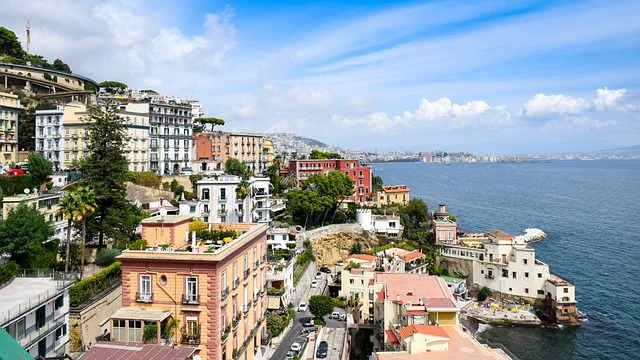
Romantic Naples: Sunsets and Slow Nights
Let the evening do the work Naples is at its most romantic when the light goes low over the bay. Vesuvius turns pink, the seafront fills with strolling couples and the old centre lights up. The plan below follows that rhythm: a quiet morning, a slow lunch and an evening that earns the rest of the trip.
Golden hour on the water Two free viewpoints do most of the work. Parco Virgiliano, on the hill...
read more
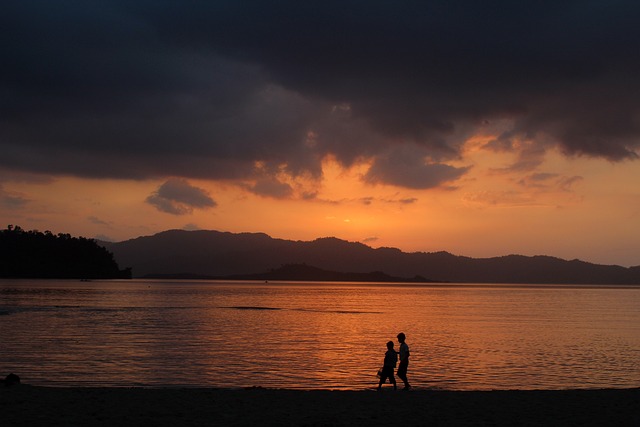
Philippines Walking Tours: Terraces, Towns
Walking tours in the Philippines Walking here means heat, steps and a lot of water. The reward is on foot only: terrace walls too narrow for anything else, and old streets where traffic has been kept out.
Batad terrace trek, Ifugao This is the country’s best walk. Allow 4 to 5 hours on narrow stone terrace walls with drops of 3 to 5 m on one side, passing thatched Ifugao houses and finishing...
read more
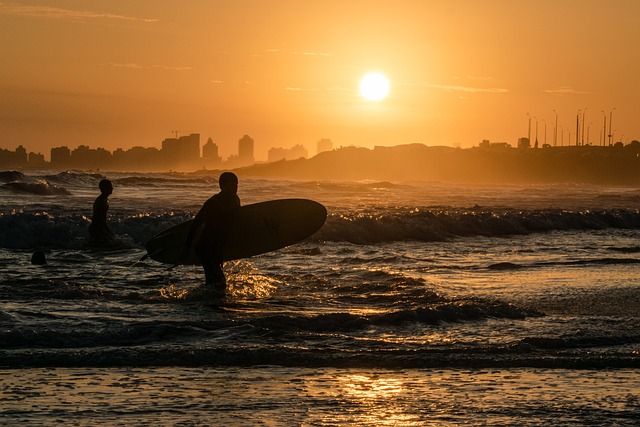
Uruguay Walking Tours: Old Towns and Ramblas
Ciudad Vieja and Peatonal Sarandí Walking is the best way to read Montevideo. Begin at Plaza Independencia, where the Artigas statue stands above the crypt that holds his remains; the mausoleum is free to enter and guarded by ceremonial sentries, so keep your voice low. Pass through the Puerta de la Ciudadela into the old town and follow Peatonal Sarandí, a pedestrian street of galleries and...
read more
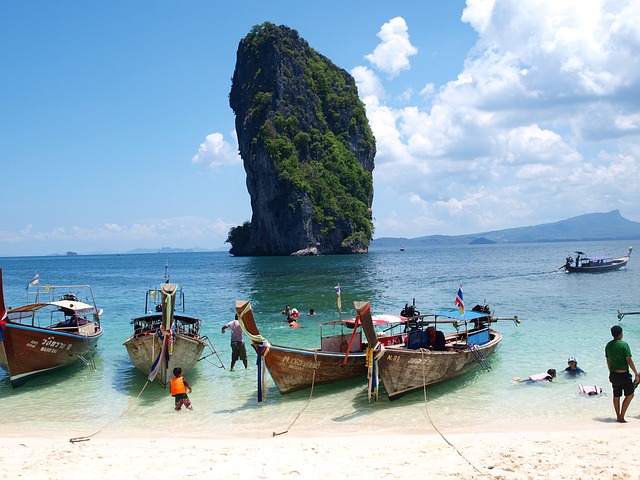
Krabi Walks: Town Streets and Jungle Trails
Krabi is not a walking province in the way a European city is, but it has four good on-foot routes: one through a river town, one across a peninsula with no roads, and two into the jungle. Each needs different shoes and a different hour of the day.
Krabi Town: riverside to market Krabi Town sits 17 km inland from Ao Nang on the Krabi River. Start at Chao Fah Park on the waterfront, where a bronze...
read more
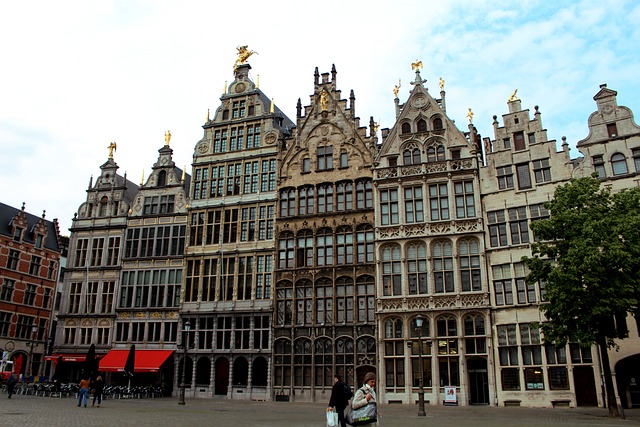
Antwerp Walking Routes: Alleys to Docklands
Antwerp Walking Routes: Alleys to Docklands Four walks, each between 1.5 and 3.5 kilometres, cover most of what makes Antwerp different from every other Belgian city: a secret alley, an Art Nouveau street, a working diamond district and a harbour with serious architecture. All four are free to do on your own. Pick the one that matches the day of the week.
Walk 1: the old centre and Vlaeykensgang...
read more

Walking Routes in Reykjavik
Reykjavik is small enough that three walks of two to three hours cover nearly all of it. Each route below ends somewhere warm, which matters when the wind comes off the bay.
Route one: the Old Town loop (3.5 km, about 2.5 hours) Start at Austurvöllur square, with the Parliament building on one side and the cathedral on the other. Walk past Tjörnin pond and City Hall, then climb Skólavörðustígur,...
read more
Philippines Sightseeing: Terraces, Volcanoes
Sightseeing in the Philippines The country’s best views are geological, and most of them are free or cheap once you are there. Getting there is the cost, so group sights by region and fly or ferry once.
Banaue and Batad rice terraces The Ifugao terraces in Northern Luzon are a UNESCO World Heritage site, carved over some 2,000 years by hand and fed by a mountain irrigation system. Banaue is...
read more
Bulgaria Walking Tours: Old Towns on Foot
Cobblestones first Bulgaria’s best walking is urban and hilly. The old towns were built on slopes and promontories, so shoes with grip matter more than a map. Most routes below cost nothing, and a tour is optional. Prices are in euros throughout.
Plovdiv Old Town and Kapana Plovdiv’s old town climbs over Nebet Tepe hill past National Revival timber mansions. Kuyumdzhiev House and...
read more

Walking Tours in New Orleans: Three Routes
A New Orleans walk rewards slow feet and a good pair of shoes, because the best details sit above eye level and between buildings. Three routes cover the main character of the city: the French Quarter, the Garden District and Treme.
Route one: the French Quarter Walk Royal and Chartres Streets, where the Spanish colonial brick arches and cast-iron balconies date from the rebuilding after the fires...
read more