Recent Mad Traveller
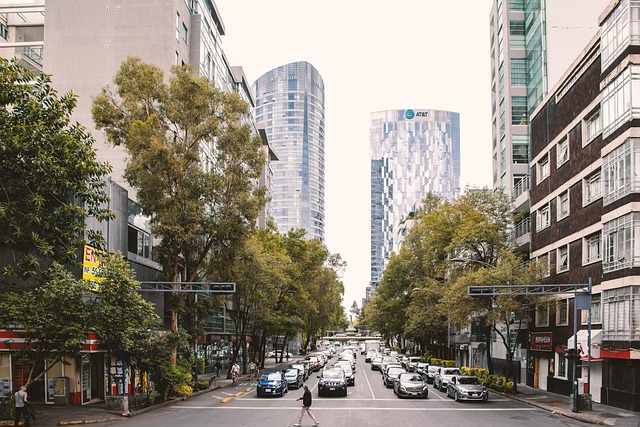
The Zócalo, Mexico City
The Zócalo, Mexico City The Plaza de la Constitución – universally called the Zócalo – is one of the largest city squares in the world, roughly 240 metres on each side. It has been the central gathering place of successive civilisations for 700 years: first as the ceremonial centre of Tenochtitlan, the Aztec capital founded in 1325, then as the colonial Spanish city built directly on...
read more
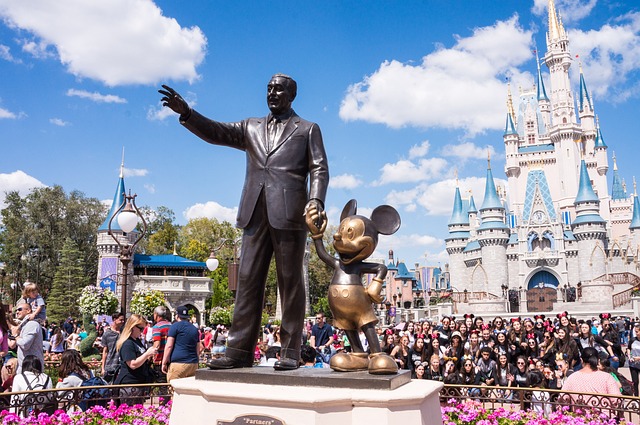
Animal Kingdom Disney World Orlando
Disney’s Animal Kingdom Animal Kingdom changed significantly in early 2026 when DinoLand U.S.A. permanently closed in February to make way for Tropical Americas, a new land featuring an Encanto-themed ride, an Indiana Jones adventure, and a Disney animal carousel. As of mid-2026, Tropical Americas is under construction and DinoLand is gone. If you visit before the new land opens, that corner...
read more
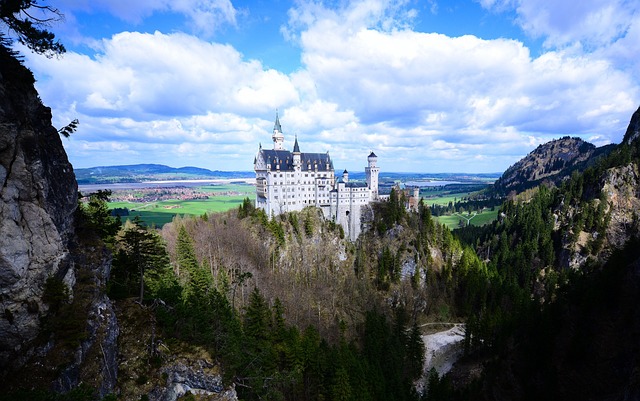
Schloss Neuschwanstein
Neuschwanstein Castle, Bavaria The most photographed building in Germany was opened to tourists three weeks after its commissioner died in 1886, partly to pay off the debts it had accumulated. King Ludwig II of Bavaria spent most of the royal treasury on Neuschwanstein over 17 years of construction, left it unfinished, and never had the satisfaction of seeing it complete. The Bavarian government...
read more
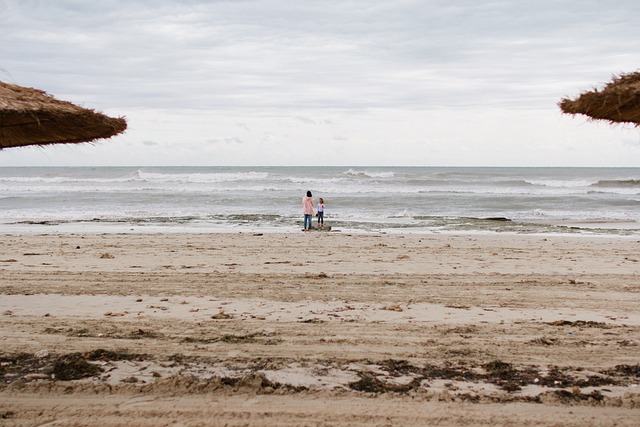
Carthage, Tunisia
Carthage, Tunisia Rome destroyed Carthage so thoroughly in 146 BCE that historians spent centuries arguing about where exactly it had stood. The Third Punic War ended with three days of systematic demolition, the surviving population enslaved, and – according to some later accounts – the ground salted to prevent cultivation. Rome then rebuilt a new city on the same site, which is why...
read more
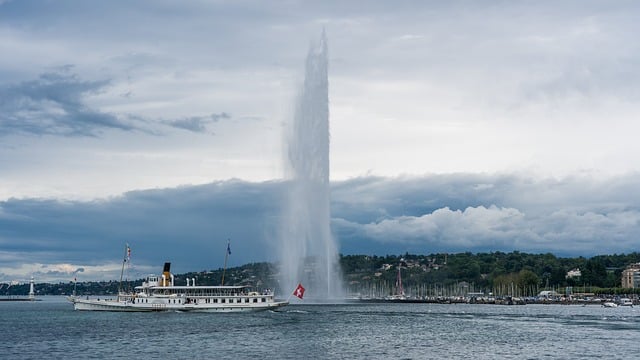
Lake Geneva
Lake Geneva: The Largest Lake in Western Europe, With Five Different Towns Worth Your Time Lac Léman (the lake’s French name, more accurate than “Lake Geneva” given that it extends 73 kilometres between Switzerland and France) sits at the foot of the Alps, its northern shore hosting three Swiss cities and a remarkable stretch of UNESCO-listed terraced vineyards. The lake is 582...
read more
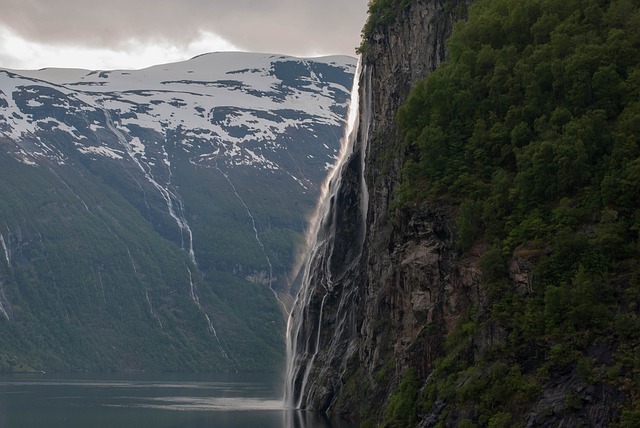
West Norwegian Fjords Geirangerfjord and N R Yfjord
Geirangerfjord and Naeroyfjord: Two Fjords, Two Experiences, One UNESCO Listing Norway has 1,190 fjords. Two of them are UNESCO World Heritage Sites: Geirangerfjord in More og Romsdal county and Naeroyfjord in Vestland, listed jointly in 2005. They are geologically similar – both glacially carved inlets with walls rising over a thousand metres from water level – but they differ...
read more
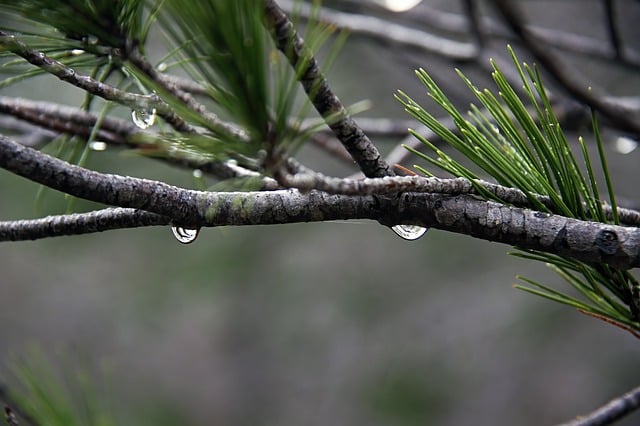
Amazon Rain Forest
The Amazon Rainforest The Amazon River does not have a single source. The scientific designation of the “official” source has been disputed for decades, with various Andean expeditions advancing different candidates depending on how you measure length versus volume. What is undisputed is that the river discharges roughly 20% of all freshwater that flows into the world’s oceans,...
read more
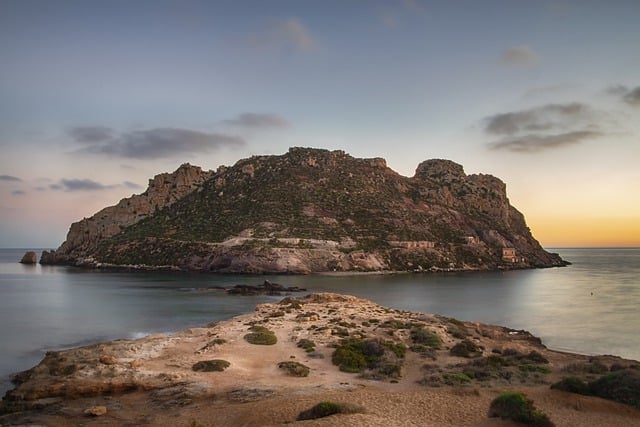
British Virgin Islands Other Islands
Beyond Tortola: The British Virgin Islands Most Visitors Never Reach Tortola gets all the press and most of the charter boats, but the BVI’s real character lives on the quieter islands scattered across the Sir Francis Drake Channel. Each rewards a bit of effort to reach, and none of them requires sharing the beach with a flotilla of day-trippers.
Anegada Anegada is genuinely different from...
read more
Brecon Beacons
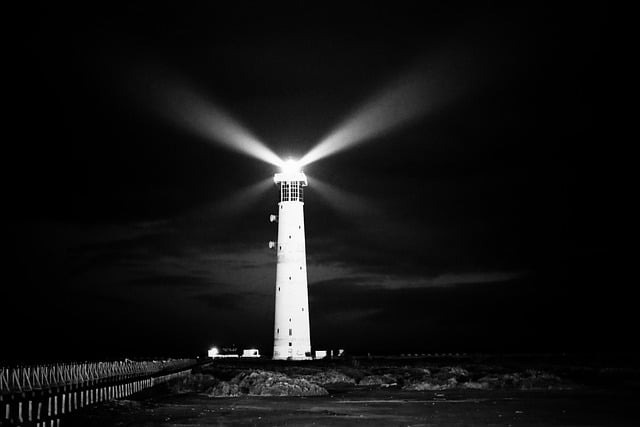
On a clear Tuesday in October, you can stand on the flat summit of Pen y Fan and see the Bristol Channel, the Black Mountains, and the hills of mid-Wales all at once. On a bad day, you’ll see nothing beyond your own soaked jacket. The Brecon Beacons, or Bannau Brycheiniog as the park was renamed in 2023, is one of those places where weather makes or breaks the whole trip, and packing for...
read more

Share A Beer At The Lazy Lizard At The Split, A Laid Back Beach Bar In Caye Caulker, Belize
The sign on the Lazy Lizard bar at the Split reads “No shirt, No shoes, No problem.” This is not ironic; it is the operating manual. The bar sits at the southern edge of the channel that cuts Caye Caulker in two, with a dock extending into the Caribbean. The specific activity on offer is floating in warm, clear water with a beer, and the bar has been doing this better than almost...
read more
Masai Mara, Kenya
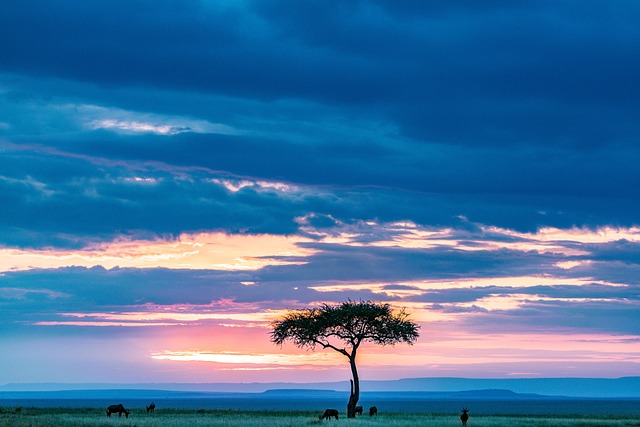
Masai Mara, Kenya Book your best Mara camp nine to twelve months ahead of a July or August visit. Not six months, not three; the camps closest to the Mara River crossing points sell out at that lead time. This is the single most frustrating thing about the Great Migration as a travel experience, and knowing it prevents the disappointment of arriving to find that the camps people actually want are...
read more
Heroes Square Budapest
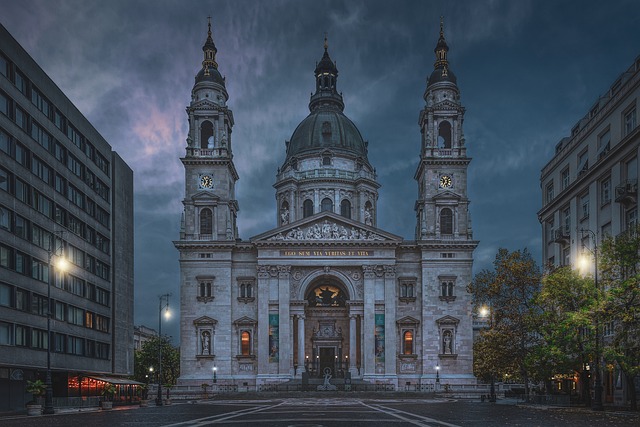
Heroes’ Square Budapest: Built to Celebrate 1,000 Years of Hungary, Still Doing That Job In 1896, Hungary threw the most ambitious party in the country’s history: the Millennium Exhibition celebrating a thousand years since the Magyar tribes entered the Carpathian Basin in 896 CE. Heroes’ Square was the centrepiece, anchoring Andrássy Avenue at the entrance to City Park, and the...
read more
Bairro Alfama Lisbon
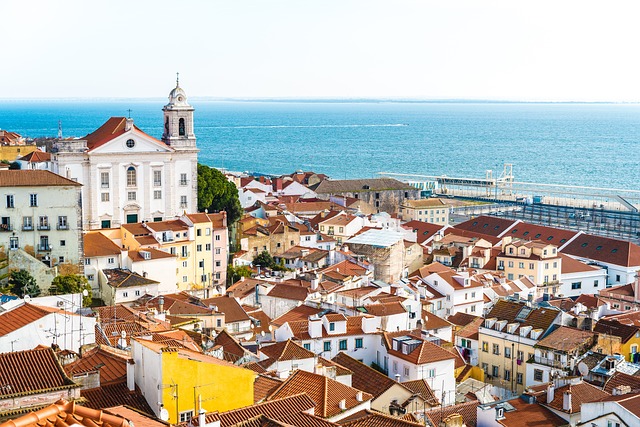
Alfama survived the 1755 earthquake that destroyed most of Lisbon because the Moorish-era street plan, with its irregular organic layout on the steep hillside, absorbed ground movement better than the Pombaline grid that replaced the destroyed lower city. The name comes from the Arabic al-hamma (public bath), and while the baths are gone, the lanes winding down toward the Tagus still follow a...
read more
Zocalo, Mexico City
Zócalo, Mexico City: The Square That Has Been the Centre of Everything for 700 Years The Plaza de la Constitución, universally called the Zócalo, is one of the largest city squares in the world at 57,600 square metres. Its name comes from a pedestal (zócalo in Spanish) built in the 1840s for a monument to independence that was never completed; the pedestal stood alone for years until people...
read more
South Luangwa National Park, Zambia
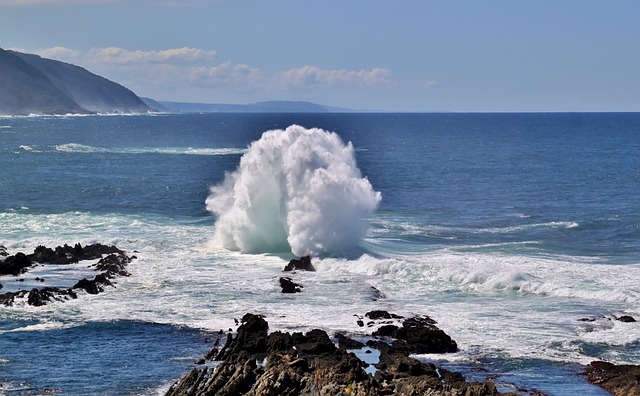
South Luangwa: Where the Walking Safari Was Invented South Luangwa National Park covers 9,050 square kilometres of the Luangwa Valley in eastern Zambia, bounded on the east by the river that gives the valley its name. The park has one of the highest concentrations of wildlife in Africa and is widely regarded as one of the best safari destinations on the continent. It also invented the walking...
read more
The White House
The White House, Washington D.C. The White House has been the home and primary office of every US President since John Adams moved in during 1800, when the paint was still damp and the building was not yet complete. At 1600 Pennsylvania Avenue, it is simultaneously one of the most recognisable addresses in the world and a surprisingly difficult place to visit. The building is also meaningfully...
read more
Alcazar Seville Spain
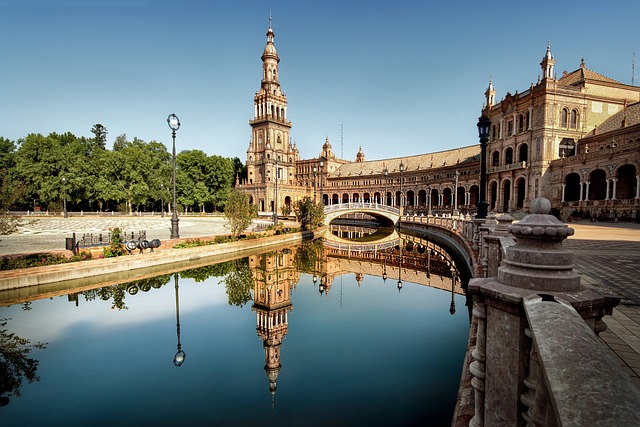
The Alcazar of Seville is the oldest royal palace in Europe still in active use. The Spanish royal family stays here when visiting Seville, which means some sections of the palace are periodically closed for state purposes with no advance warning. If you arrive and the upper royal apartments are cordoned off, this is why.
The Palace King Pedro I commissioned the main palace in the 1360s, though...
read more
Carnac
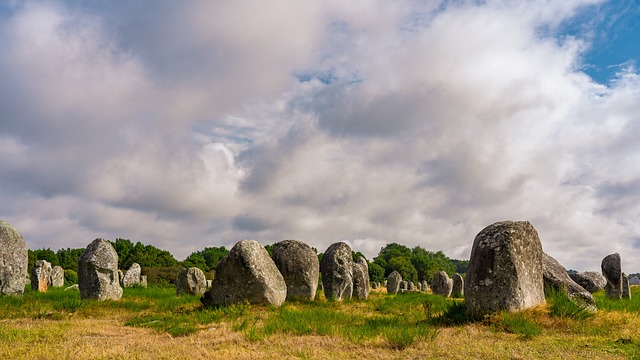
Nobody knows why the standing stones at Carnac were arranged the way they were. Over 3,000 stones, some weighing several tonnes, placed in parallel rows stretching for kilometres across the landscape of southern Brittany by Neolithic communities around 3300 BCE. Theories range from astronomical alignment to ceremonial processional routes to territorial markers. The honest position is that the...
read more
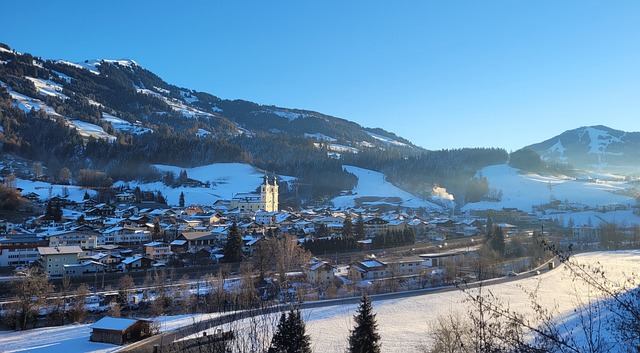
Kitzbuhel
Kitzbuhel: Ski Town, Summer Town, and the Race That Has Defined Alpine Competition for Nearly a Century The Streif starts at 85 degrees of incline. That is not a metaphor – it is the gradient at the Mausefalle section, where racers momentarily become projectiles before landing at 130 km/h and continuing down a course built for controlled danger. The Hahnenkamm Downhill, run on this mountain...
read more
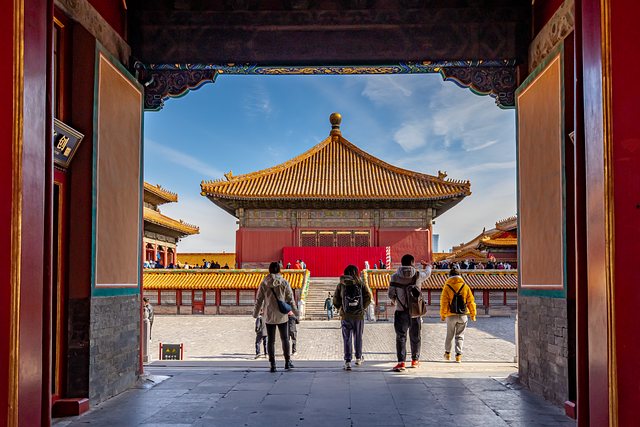
Ancient Maya City and Protected Tropical Forests of Calakmul Campeche
Calakmul: The Maya Superpower That Rivals Tikal, With Far Fewer Tourists At the height of its power, the city of Calakmul controlled a territory that rivalled ancient Rome in ambition. Its rulers waged proxy wars, forged alliances across the Yucatan Peninsula, and built a pyramid – Structure II – that rises 45 metres from the jungle floor and is still one of the largest Maya structures...
read more
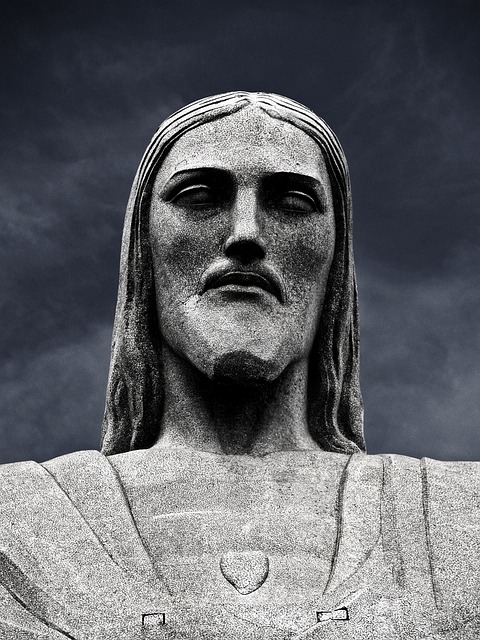
Christ the Redeemer
Christ the Redeemer On a clear Saturday morning in August, the queue at Cosme Velho station for the Corcovado cog train starts forming before 7am. By 9am, the wait is two hours. That’s the single most useful fact about visiting Christ the Redeemer: the logistics matter more than people expect, and pre-booking online is not optional, it’s the difference between a memorable morning and a...
read more
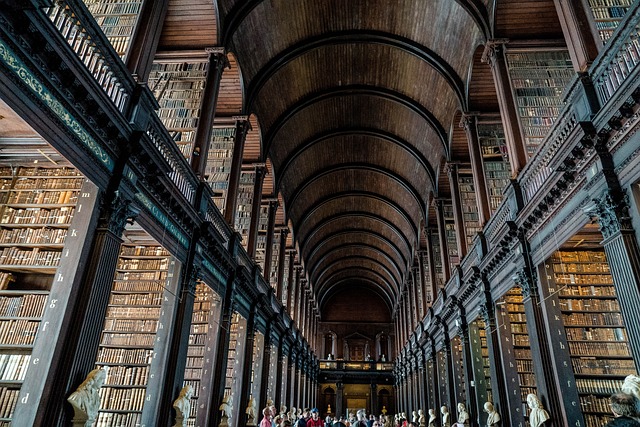
Trinity College
Trinity College Dublin Trinity College Dublin occupies 47 acres in the centre of the city, founded by Elizabeth I in 1592, and the contrast between crossing through the Front Gate on College Green and being inside the campus is immediate – cobbled squares, Georgian buildings, the Campanile at the centre of Parliament Square – while the commercial noise of Dame Street continues thirty...
read more
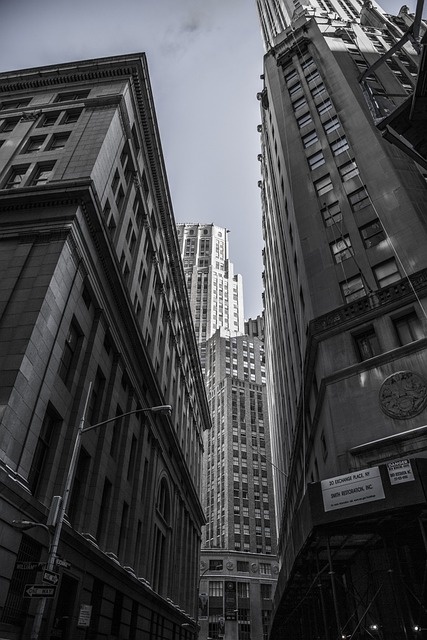
South Street Seaport, New York City
South Street Seaport: What Remains After the Redevelopment South Street Seaport is at the southeastern tip of Manhattan, on the East River waterfront between Fulton Street and the Brooklyn Bridge. It has been a working port, a failed mall, a hurricane-damaged ruin, and is now a hybrid of history, glass-box retail, and a genuinely interesting maritime museum. The honest observation is that the...
read more
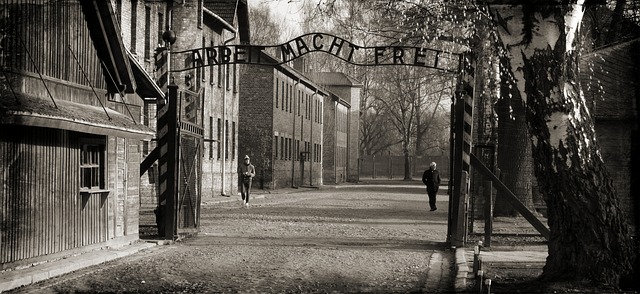
Auschwitz
Auschwitz-Birkenau, Poland: How to Visit With Intention Over 2.3 million people visited Auschwitz-Birkenau in 2025. That number should not make you think the visit is routine.
The Auschwitz-Birkenau Memorial and Museum in Oswiecim, southern Poland, is the preserved site of the largest Nazi concentration and extermination camp complex, where more than 1.1 million people – predominantly Jews...
read more
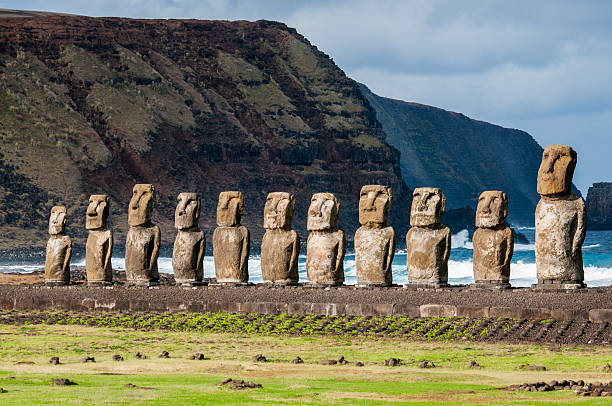
Easter Island
Easter Island (Rapa Nui) The nearest populated island to Easter Island is Pitcairn, 2,075 kilometres to the west, where 50 people live. The nearest continent is South America, 3,700 kilometres east. Easter Island covers 163 square kilometres and has about 8,000 residents, mostly in the single town of Hanga Roa. You fly five hours from Santiago to get here. The question of why anyone carved roughly...
read more
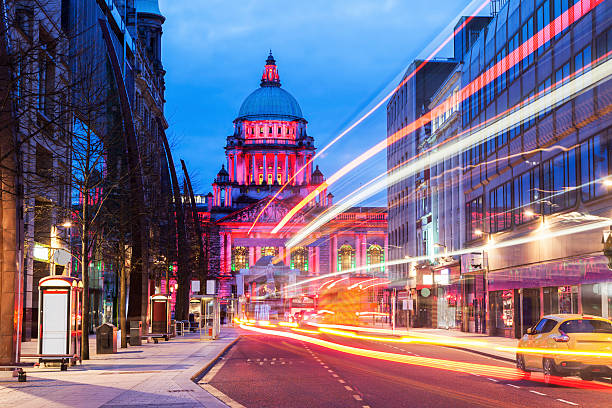
Belfast
The Titanic was designed, built, and launched in Belfast. The Harland & Wolff shipyard where this happened closed in 2019; the two yellow cranes that built the ship, Samson and Goliath, are still standing at the edge of the harbour and visible from most of east Belfast. The Titanic Belfast museum, which opened in 2012 on the centenary of the sinking, is the most visited tourist attraction in...
read more
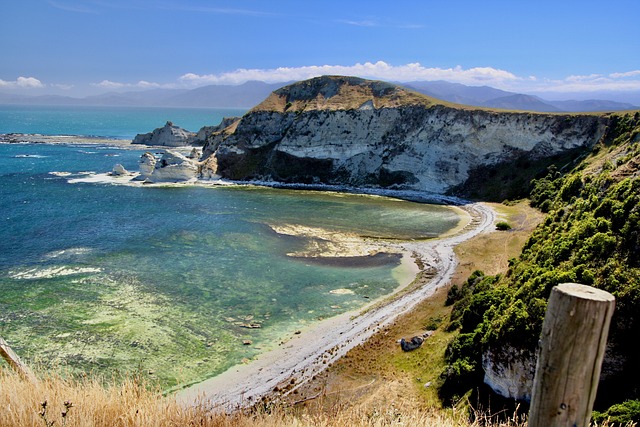
Kaikoura
The Kaikoura Canyon drops to 1,000 metres depth just 2 kilometres offshore. That geography creates upwellings that concentrate marine life in a way that has made this stretch of New Zealand’s northeast coast one of the best places in the world to watch sperm whales from a boat. The November 2016 earthquake (magnitude 7.8) raised the seabed in places by up to 2 metres and dramatically altered...
read more
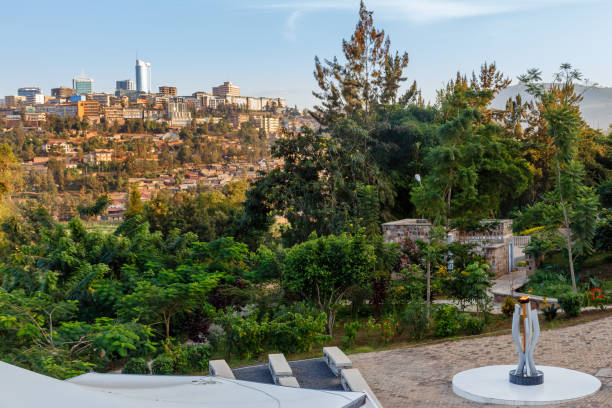
Genocide Memorial, Kigali, Rwanda
Kigali Genocide Memorial: Rwanda Thirty Years After Between April and July 1994, approximately 800,000 to 1,000,000 people were killed in Rwanda in a coordinated genocide targeting the Tutsi minority and moderate Hutu. The killings lasted 100 days, an average of around 8,000 deaths per day. The Kigali Genocide Memorial at Gisozi was established in 2004 on the tenth anniversary and holds the mass...
read more
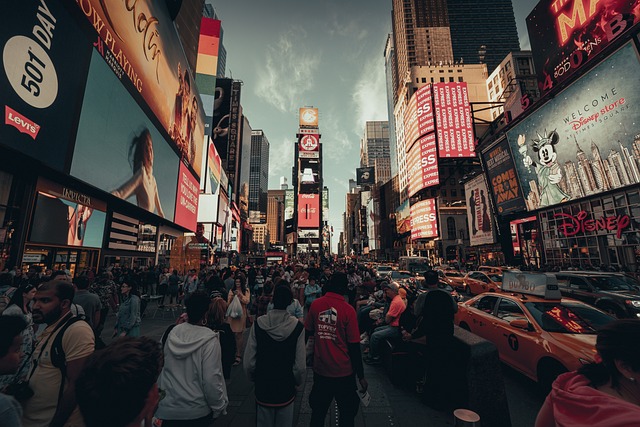
Registan Square
Registan Square, Samarkand: One of the Few Places That Actually Exceeds Its Reputation There are places described so often that you arrive expecting disappointment. The Registan is not one of them. Three madrasahs arranged around a square courtyard, covered in blue, turquoise, and gold geometric tilework at a scale that makes the concept of Islamic architecture concrete and undeniable. This was...
read more
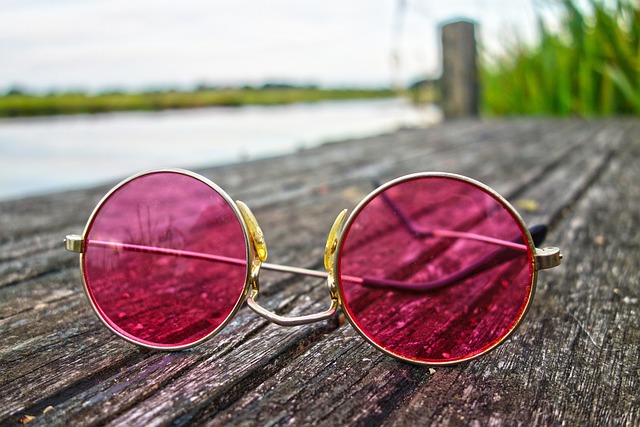
Len Is Maranhenses
Lençóis Maranhenses, Brazil Lençóis Maranhenses is not technically a desert, though it looks like one. The rolling white sand dunes along Brazil’s northeast coast receive enough rain each year to fill thousands of rainwater lagoons trapped between the dune ridges, turning the landscape into something genuinely strange: dunes full of swimming holes, some warm and shallow, some cold and...
read more
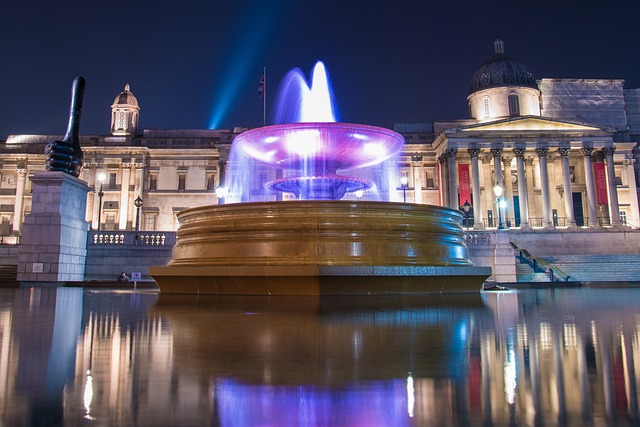
Trafalgar Square
Trafalgar Square: Free Gallery, Interesting Public Art, Usually Crowded Trafalgar Square was laid out between 1829 and 1845 as a memorial to the Battle of Trafalgar, where Admiral Nelson’s fleet destroyed Napoleon’s combined Franco-Spanish navy in 1805 at the cost of Nelson’s own life. The 51-metre column with his figure at the top went up in 1843. The four bronze lions at the...
read more
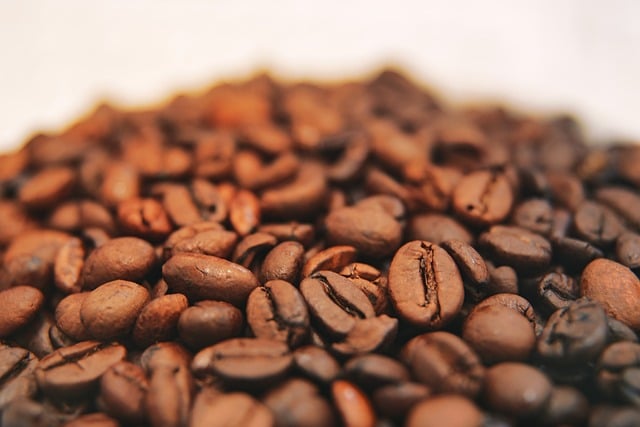
Get a Caffeine Jolt at a Famous Viennese Kaffeehaus
The Viennese Kaffeehaus: How the Coffee House Actually Works The Viennese coffee house is not a coffee shop. The distinction matters. A coffee shop sells coffee efficiently; a Kaffeehaus sells time with coffee as the pretext. You order a single coffee and sit for two hours reading newspapers. The waiter brings a glass of water with every order and refills it without being asked. You pay when you...
read more
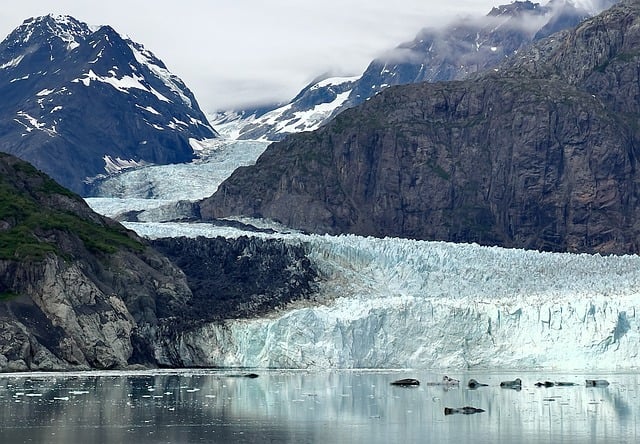
Glacier Bay National Park, Alaska
Glacier Bay: Where the Ice Has Retreated 120 Kilometres in 250 Years In 1750, Glacier Bay was a single massive glacier filling the entire inlet. By 1794 when George Vancouver charted the coastline, the ice had already retreated about 8 kilometres. By 1916, 105 kilometres. Today the main bay is open water reaching 65 kilometres into the mountains, with glacier arms branching off into side inlets....
read more
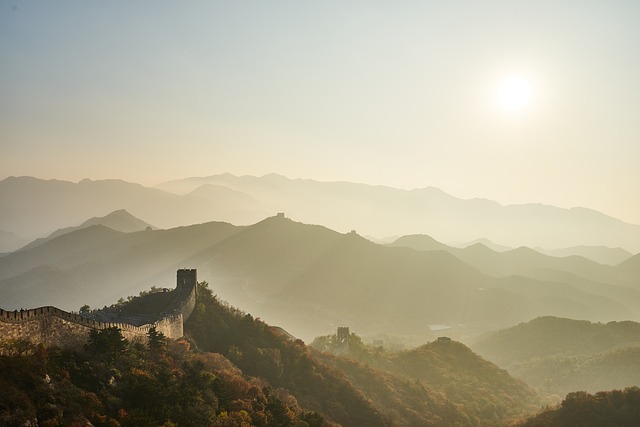
Great Wall China
The Great Wall of China: Which Section to Visit and Why It Matters The Great Wall is not a single wall. It is a series of walls, watchtowers, fortifications, and garrison stations built over approximately 2,000 years by successive Chinese dynasties. The total length of all sections combined is around 21,000 kilometres. The wall you see in the famous photographs runs through mountainous terrain...
read more
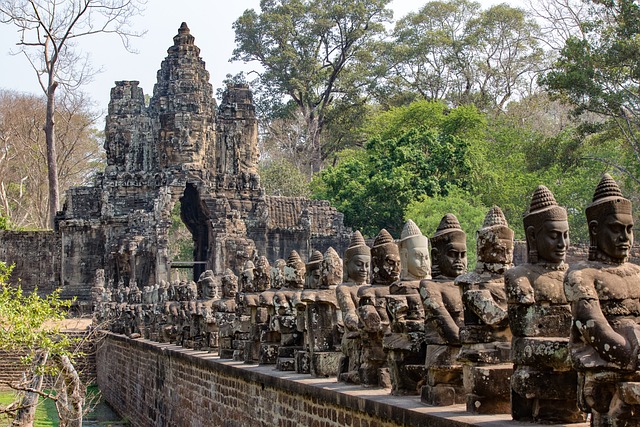
. Angkor Wat, Cambodia
Angkor Wat, Cambodia The temple was never lost. Despite what various travel narratives suggest, Angkor Wat was visited continuously after the Khmer capital moved south in the 15th century and remained an active Buddhist monastery throughout the period when European explorers were “discovering” it. Henri Mouhot’s 1860 description was of an inhabited temple, not a ruin reclaimed by...
read more
Christ the Redeemer Rio De Janerio Brazil
Lightning strikes Christ the Redeemer approximately four to five times per year. The statue is one of the highest points on the Corcovado massif and lightning rods have been embedded in the outstretched arms since the original construction in 1931. Minor repairs happen fairly regularly; major lightning damage occurred in 2014 and required restoration of the thumbs and head. The Art Deco statue...
read more
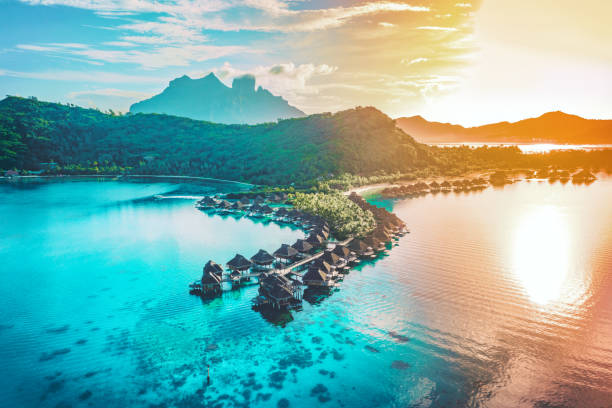
Bora Bora
Bora Bora is one of those destinations that actually looks like the photographs. The turquoise lagoon surrounding a volcanic island with Mount Otemanu rising 727 metres from the centre, viewed from an overwater bungalow at sunrise, is not a disappointment. What it is, however, is one of the most expensive tourist destinations on earth, and arriving unprepared for that reality is the quickest way...
read more
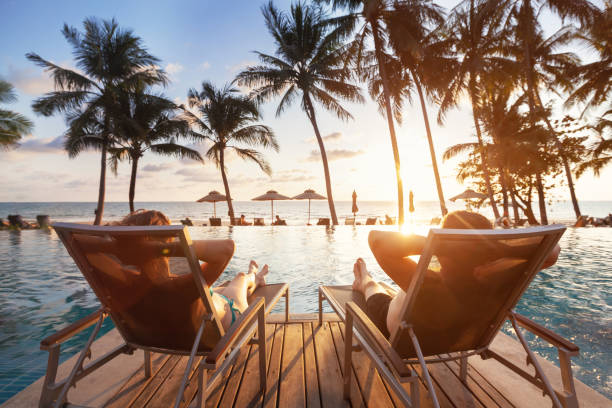
Isle Of Man
Isle of Man The Isle of Man sits in the middle of the Irish Sea, roughly equidistant from Ireland, England, Scotland, and Wales, but politically belonging to none of them. It is a Crown Dependency with its own parliament (the Tynwald, which claims to be the oldest continuous legislature in the world, established 979 CE), its own laws, its own banking secrecy regime, and a strong sense of its own...
read more
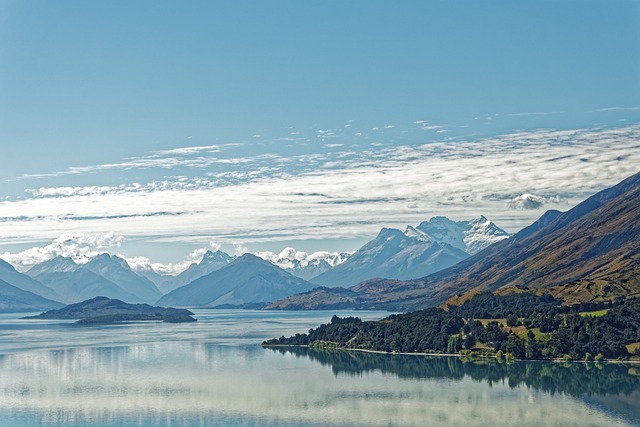
Lake Wakatipu
Lake Wakatipu: The Lake Behind Queenstown’s Reputation Lake Wakatipu is 80 km long, 291 metres deep at its lowest point, and shaped like a lightning bolt carved into the Otago landscape by glaciation. The lake never really warms up – hovering around 10 to 12 degrees Celsius year-round – which discourages casual swimming but keeps that particular blue-green colour that...
read more
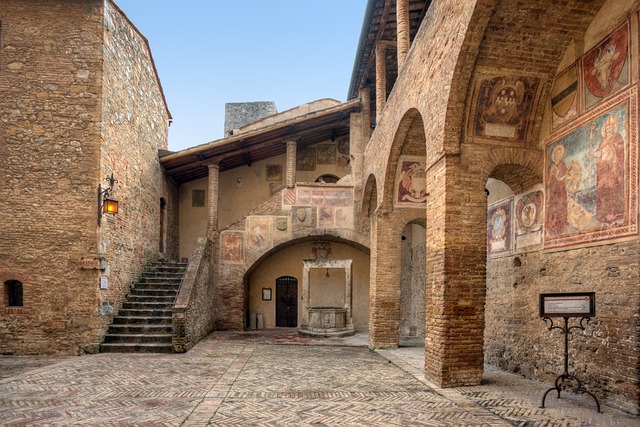
San Gimignano
San Gimignano At its medieval peak, San Gimignano had 72 towers. Fourteen remain. The families that built them were Florentine merchants competing in the only currency that mattered then: visible height. The taller your tower, the more important your family. Standing in the Piazza della Cisterna and looking up at what remains against a blue Tuscan sky still produces the effect they were designed...
read more
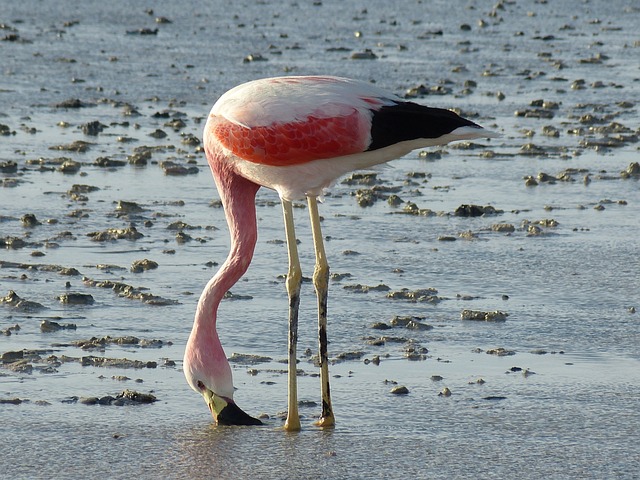
Valle De La Luna San Pedro De Atacama Chile
The name is literal. The salt-sculpted ridges, the wind-carved formations, and the white crystalline flats of Valle de la Luna look genuinely like lunar surface photography. At sunset, the rock shifts through terracotta, orange, and deep pink before going dark. The moon rising over the salt formations while the sky turns purple overhead is the kind of image that makes people feel they’ve...
read more
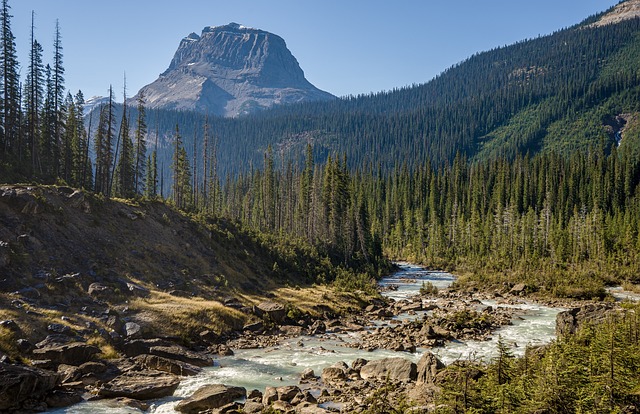
Norfolk Broads National Park England
Norfolk Broads National Park The Norfolk Broads were not created by glaciers or rivers but by medieval peat-digging. Between the 12th and 14th centuries, the region’s population dug out enormous volumes of peat for fuel, and the resulting pits gradually flooded as sea levels rose over the following centuries. Nobody planned this. What started as industrial quarrying became, by accident, a...
read more
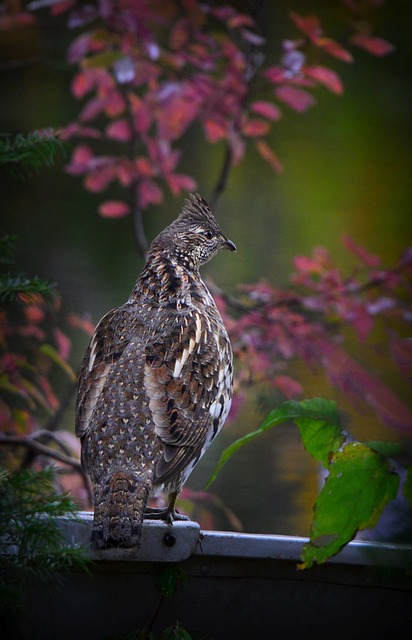
Grouse Mountain
The Grouse Grind trail climbs 290 metres of vertical in 2.9 kilometres, mostly stairs and rocky scramble, with no technical difficulty but a relentless grade that has earned it the local nickname “Mother Nature’s Stairmaster.” Most fit adults finish in 60 to 90 minutes. The trail is free to hike up. The gondola back down is CAD 20. This is the best value-for-effort experience on...
read more
Yosemite
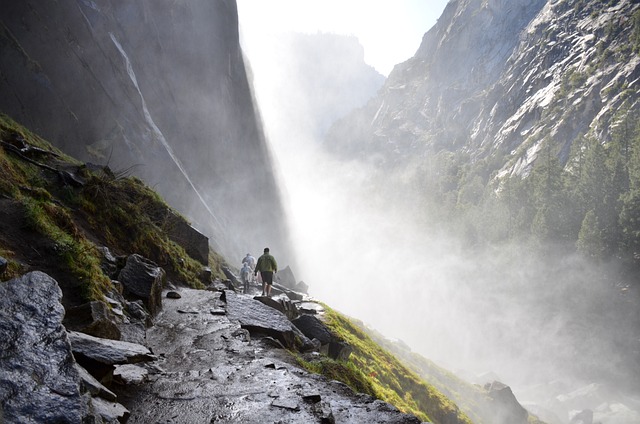
Yosemite National Park The vehicle reservation system that created so much frustration in previous years no longer applies in 2026; Yosemite announced that timed-entry reservations are not required this year. Check the current NPS policy before your visit because these decisions change annually and the specific dates and terms vary. The park entry fee is $35 per vehicle, valid for 7 days.
Yosemite...
read more
Whistler Blackcomb Ski Resort, BC
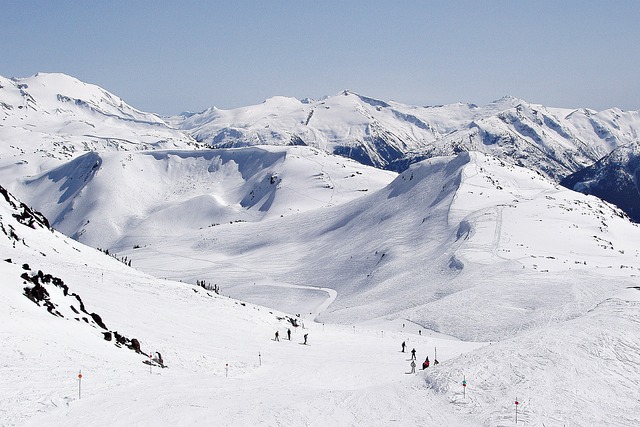
Whistler Blackcomb: North America’s Biggest Ski Area Whistler Blackcomb covers 3,307 hectares of skiable terrain across two mountains with a combined vertical drop of 1,609 metres – the largest ski resort in North America by most metrics. The Peak 2 Peak Gondola connects the two summits at 4.4 km length and 436 metres above the valley floor. The numbers are impressive; the skiing backs...
read more
The Acropolis Greece
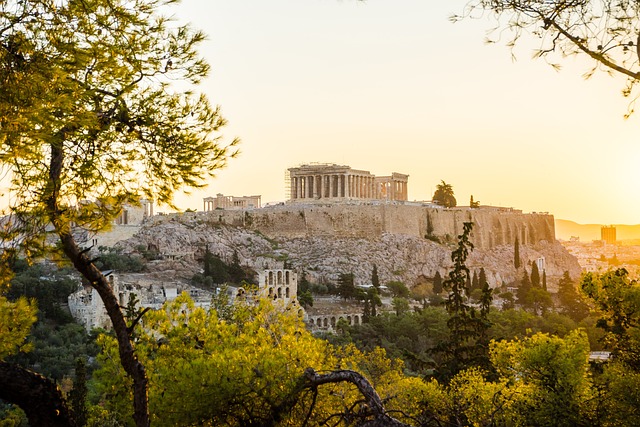
The Acropolis: Yes It Is Crowded. Go Anyway, But Go Early. Around 10,000 visitors ascend the Acropolis on a typical summer day, all funnelled up a single path through the Propylaea onto a limestone plateau that is fully exposed to the sun. The Parthenon has had scaffolding around it for decades. Two thousand five hundred years of human feet have polished the rock surface to a glassy smoothness....
read more
Butrint, Sarande
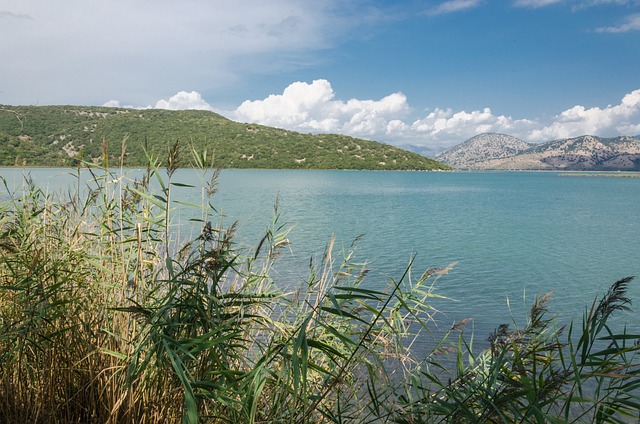
Butrint, Sarande: 2,400 Years of History in One Peninsula Butrint is the Albanian site that makes the conventional “archaeological highlight” description almost inadequate. The site occupies a peninsula in a tidal lagoon near Sarande on the Ionian coast, and it contains Greek, Roman, Byzantine, and Venetian structures in stratigraphic layers – a Hellenistic theatre from the 4th...
read more
Bath England
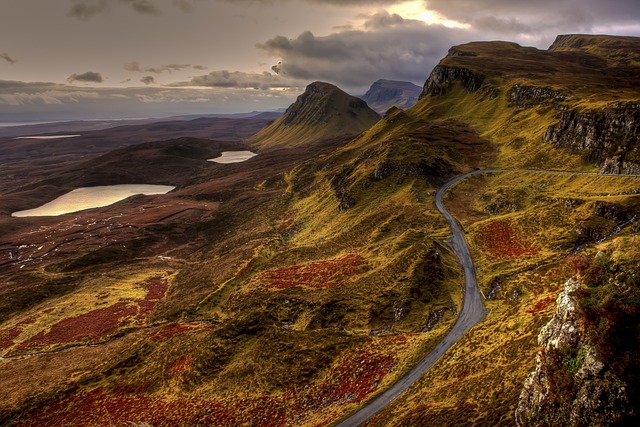
Bath, England Bath is the most complete Georgian city in Britain, and the honey-coloured limestone that makes it look that way is not a coating or a resurfacing project. The stone is the same Bath stone quarried from Combe Down since Roman times, which also gives the whole place a geological consistency that cities assembled piecemeal over centuries almost never achieve. It was built fast, mostly...
read more
Foteviken Viking
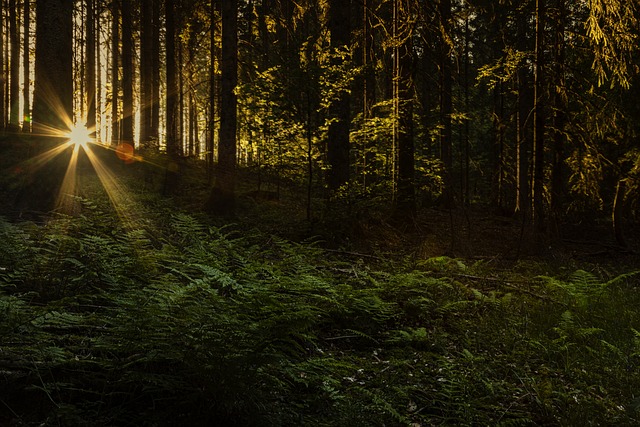
In 1134, one of the largest naval battles in Scandinavian medieval history was fought at this bay on the Falsterbo Peninsula in southern Sweden. King Nils of Denmark defeated the forces of Canute Lavard’s supporters with a fleet of longships, securing the Danish throne. The site was largely forgotten until archaeologist Andreas Olsson established Foteviken Viking Reserve here in 1995,...
read more
Kerala, India
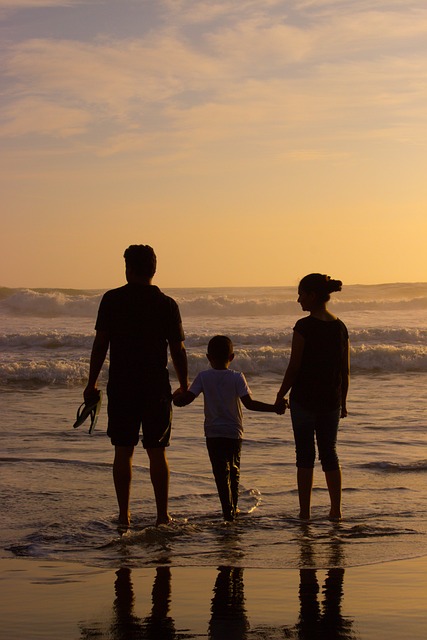
Kerala Kerala’s monsoon arrives every June with a reliability that the India Meteorological Department uses as a benchmark for the entire subcontinent’s forecast. When it rains here, it commits: the Western Ghats catch the full weight of the Arabian Sea moisture, the tea estates at 1,600 metres drip continuously for three months, and the backwater canals that tourists come for look...
read more