Recent Mad Traveller
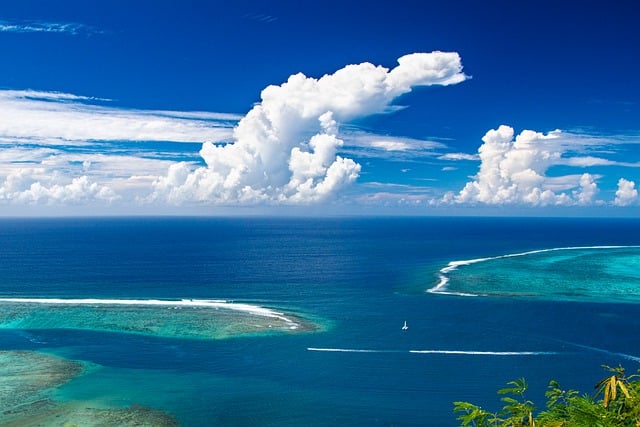
Pacific Islands
Pacific Islands The Pacific covers about a third of the Earth’s surface and contains roughly 25,000 islands grouped into three cultural regions: Melanesia (Papua New Guinea, Vanuatu, Solomon Islands, Fiji, New Caledonia), Polynesia (Tonga, Samoa, French Polynesia, Cook Islands, Hawaii), and Micronesia (Palau, Federated States of Micronesia, Marshall Islands, Guam). The groupings are broad;...
read more
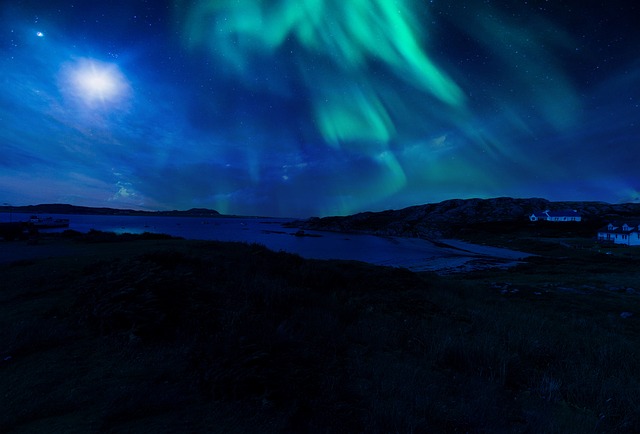
Iona
Columba arrived on Iona from Ireland in 563 CE. He had been expelled from his homeland over a dispute about a manuscript: he secretly copied a psalter belonging to Abbot Finnian of Movilla without permission, was caught, and the resulting legal case produced the first copyright ruling in Irish history (“To every cow her calf, and to every book its copy”). The dispute escalated into a...
read more
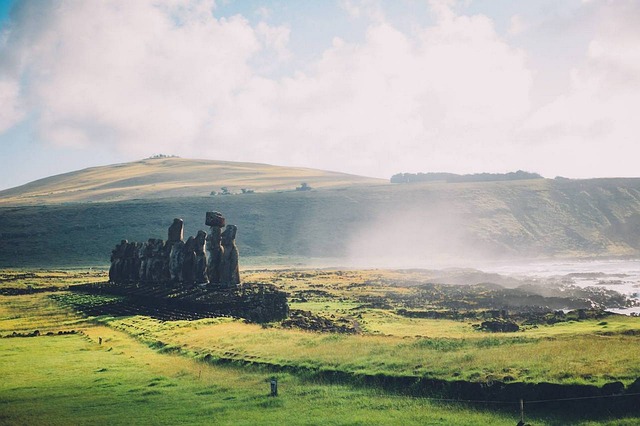
Anakena Beach Easter Island
Anakena Beach is the only sandy beach on Easter Island and also, according to Rapa Nui oral tradition, the landing site of the first Polynesian settlers who arrived roughly 1,200 years ago. Whether or not the specific location is accurate, the beach is unambiguously real: a crescent of white coral sand on the north coast, backed by coconut palms and fronted by clear blue-green water. Behind the...
read more
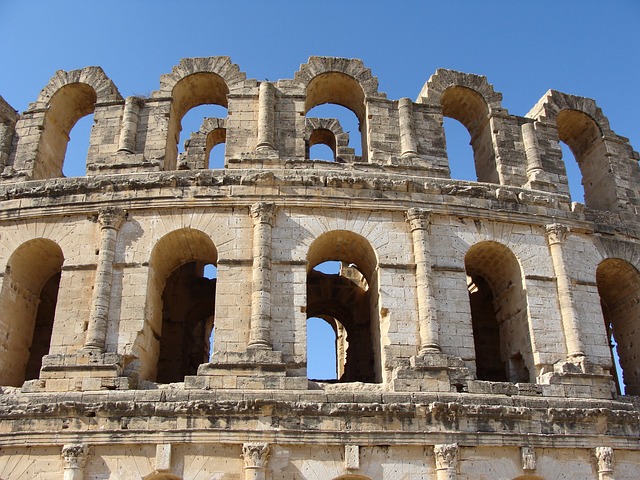
Amphitheatre of El Jem
The amphitheatre at El Jem, Tunisia, is the third-largest Roman amphitheatre in the world and possibly the best-preserved. The Colosseum in Rome and the Capua amphitheatre are larger; El Jem is better intact. Three of its four storeys still stand, the underground passages where gladiators and animals were held are accessible, and the whole thing rises unexpectedly from the flat agricultural plain...
read more
Hoover Dam
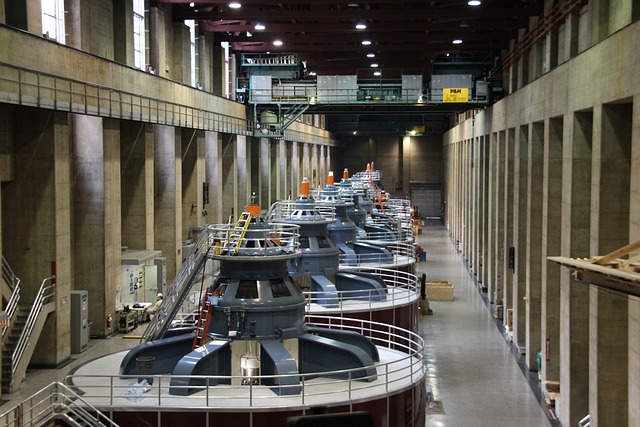
Hoover Dam Completed in 1936 at the height of the Great Depression, Hoover Dam took five years to build, employed over 21,000 workers, and required pouring enough concrete to pave a two-lane road from San Francisco to New York. Those numbers are impressive on paper but miss the crucial thing: this dam was built during a period when the largest concrete pour ever attempted was roughly 1% of its...
read more
Angel Of The North
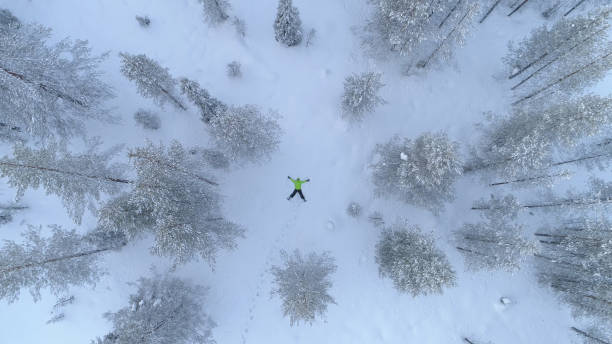
Angel of the North, Gateshead An estimated 33 million people see the Angel of the North every year without intending to. The sculpture stands 20 metres tall beside the A1 motorway near Gateshead, directly in the sightline of anyone driving or taking the East Coast Main Line between London and Edinburgh, and most of them probably file it as “that thing by the road.” Coming off the...
read more
Albert Docks
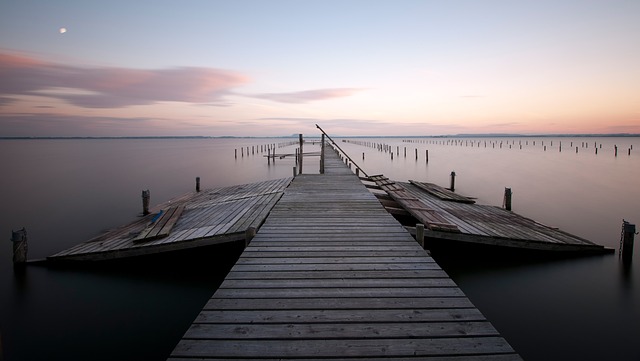
The Royal Albert Dock opened in 1846 as the first dock in the world to be constructed entirely from cast iron, brick, and stone, with no timber in the structure. This was deliberate: the dock handled cotton, tobacco, and tea, all of which were insured against fire at punishing rates. The fireproofing was an economic decision as much as an engineering one. At its peak, the dock warehouses held a...
read more
Louisiana Museum of Modern Art
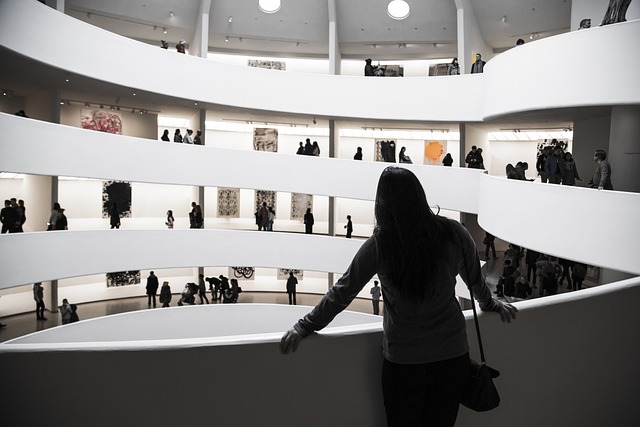
Louisiana Museum of Modern Art, Denmark Louisiana is 40 minutes north of Copenhagen by train, in the small town of Humlebaek, and it has nothing to do with the American state. The name comes from the 19th-century villa that originally stood on the site, named by its owner after his three successive wives, all called Louise. This kind of incidental detail is characteristic of the place: specific,...
read more
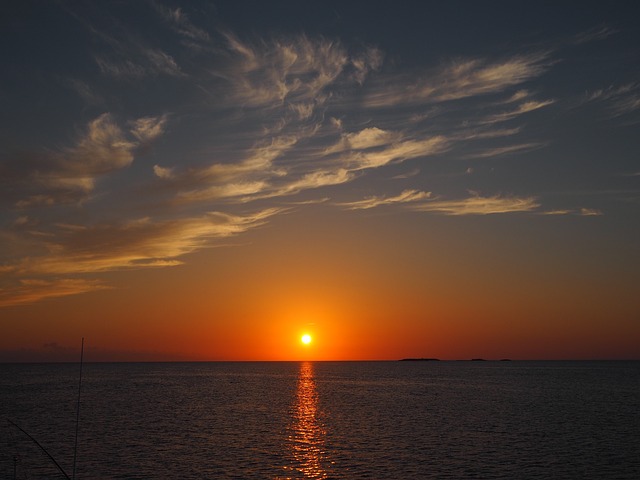
Bermuda
Bermuda Bermuda is a British Overseas Territory in the North Atlantic, about 1,050 kilometres east of Cape Hatteras, North Carolina. It is not part of the Caribbean geographically, though it often gets lumped there commercially. The island is 34 kilometres long and rarely more than 3 kilometres wide, with a total land area of about 54 square kilometres. The pink sand beaches on the south shore are...
read more
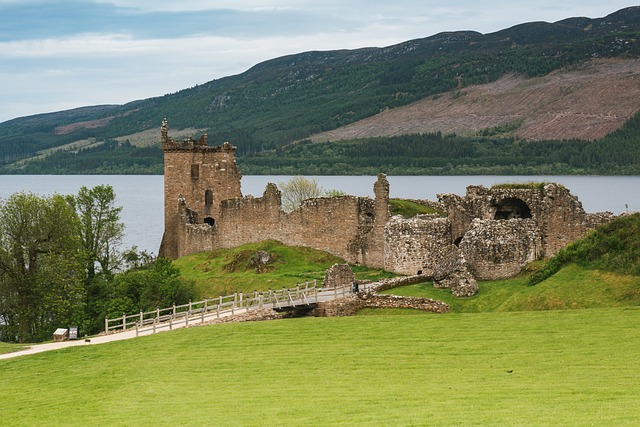
Castle Urquhart, Loch Ness
Castle Urquhart, Loch Ness The loch is 37 kilometres long, 2.4 kilometres at its widest, and 230 metres deep at its deepest, which makes it the largest lake in Scotland by volume, containing more fresh water than all the lakes in England and Wales combined. It is dark, peaty, and cold, and the monster sightings have been running since a newspaper reported one in 1933. There have been no confirmed...
read more
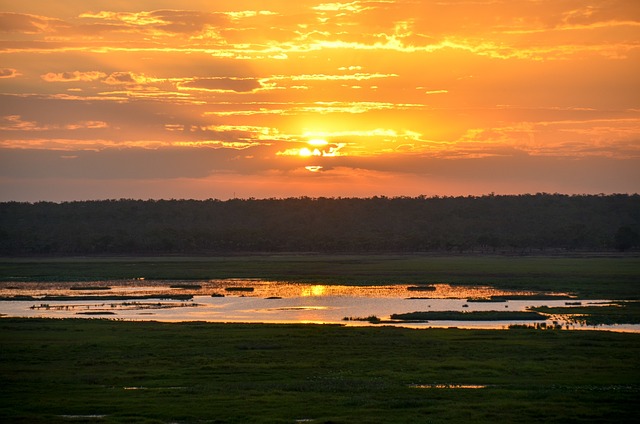
Arnhem Land Australia
Arnhem Land is Aboriginal land held under the Aboriginal Land Rights (Northern Territory) Act 1976. Covering over 97,000 square kilometres in the Northern Territory, it is continuously inhabited by Aboriginal peoples who have maintained relationship with this country for at least 50,000 years. All visitors, including Australians, must hold a valid permit before entering; this is not a bureaucratic...
read more
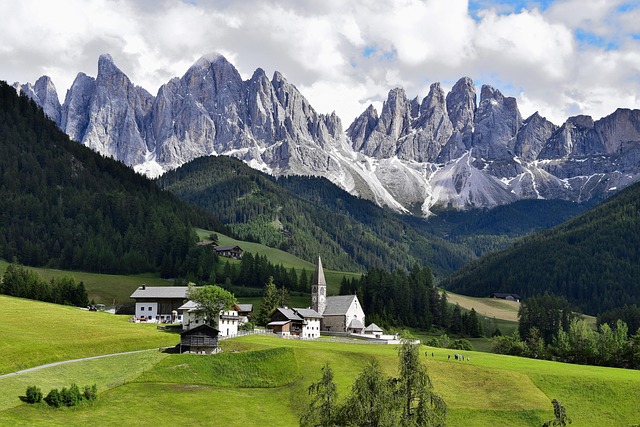
Alps, Europe
The Alps The first-time visitor to the Alps usually arrives with one image in mind: the Matterhorn or Mont Blanc or the Jungfrau, depending on which postcard they have seen. What most don’t anticipate is the scale of the choices. The Alps run through eight countries and roughly 1,200 kilometres from end to end; the ski resort in Chamonix and the hiking village in Slovenia are technically...
read more
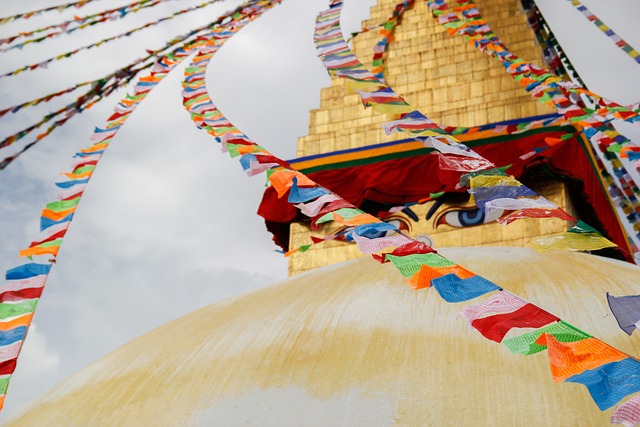
Boudhanath Stupa, Kathmandu, Nepal
Boudhanath Stupa, Kathmandu Boudhanath is one of the largest stupas in the world – 36 metres high, on a mandala-shaped base that forms the main circumambulation platform. It sits in its own square about 11 km east of central Kathmandu, surrounded by more than 50 Tibetan Buddhist monasteries built since Tibetan refugees settled here after 1959. The population around the stupa remains...
read more
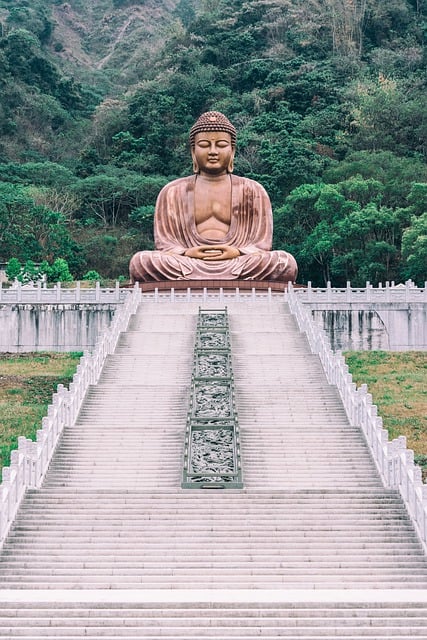
Great Buddha
The Great Buddha at Kamakura The wooden hall that once enclosed the Kotoku-in Buddha was destroyed by a tsunami in the 14th century, and nobody ever bothered to rebuild it. The result is that the 13.35-metre bronze seated figure of Amida Buddha, completed around 1252, now sits under open sky with forested hills behind it. That accident of history produced a better setting than the enclosed...
read more
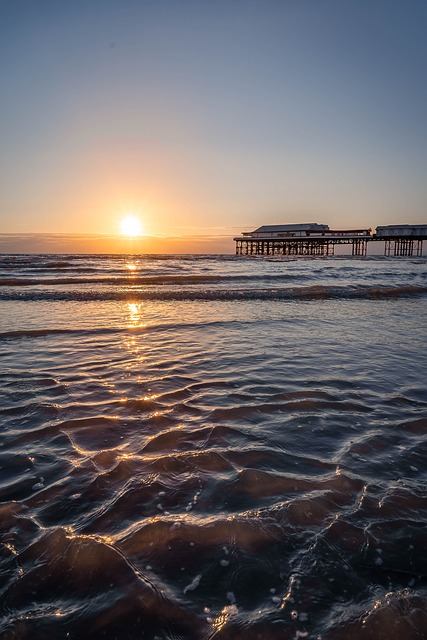
Blackpool Tower
Blackpool Tower: The Eiffel Tower Inspired It, But the Victorian Ballroom Below Is the Real Attraction Blackpool Tower opened in 1894 at 158 metres, five years after the Eiffel Tower provided the architectural ambition and the proof of concept. It is significantly shorter than the Parisian original, but the Eiffel Tower does not have a Victorian circus that has run every year since 1894, or a...
read more
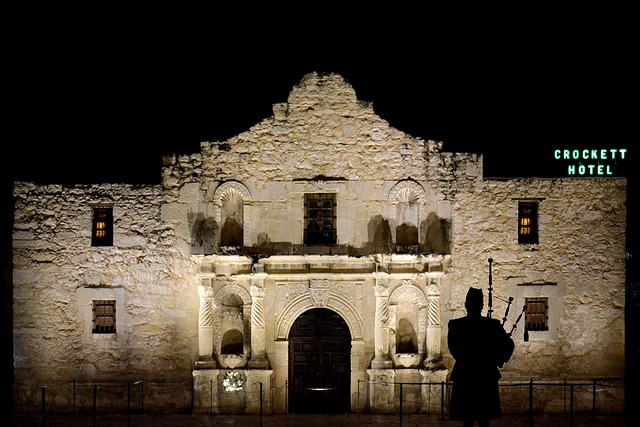
Alamo
The Alamo, San Antonio The Alamo is smaller than you expect it to be. The famous chapel facade with its distinctive baroque parapet occupies a modest footprint in the middle of downtown San Antonio, surrounded on three sides by a modern city that grew up around it. The rest of the original mission compound, which in 1836 stretched across several acres, is largely gone. What the Texian defenders...
read more
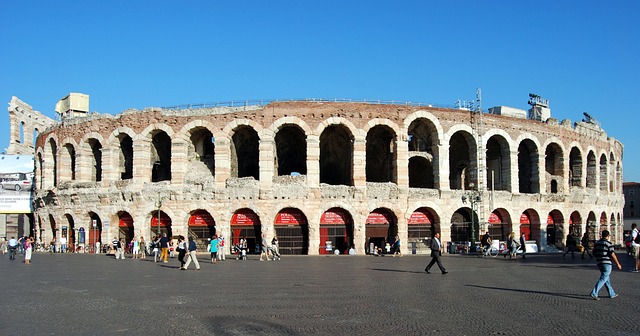
Arena Di Verona
The Roman amphitheatre in Piazza Bra was built around 30 CE and seats 14,000 people. Every June through August, a professional opera company stages Verdi, Puccini, and Bellini in it under the stars to audiences of that size, most of them sitting on the original stone bleachers for two-and-a-half hours. The sight of 14,000 candles lit at the start of an evening performance is one of the more...
read more
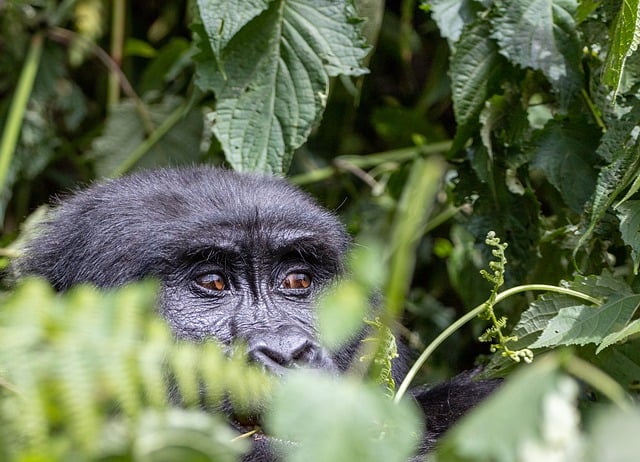
Bwindi Impenetrable Forest, Uganda
Bwindi Impenetrable Forest, Uganda You will spend most of the morning climbing through dense montane forest in mud and humidity, following trackers who communicate by radio with the advance team somewhere above you. Then you will hear something. Then you will stop. And then you will be standing ten metres from a silverback mountain gorilla and the hour you are permitted with the family will feel...
read more
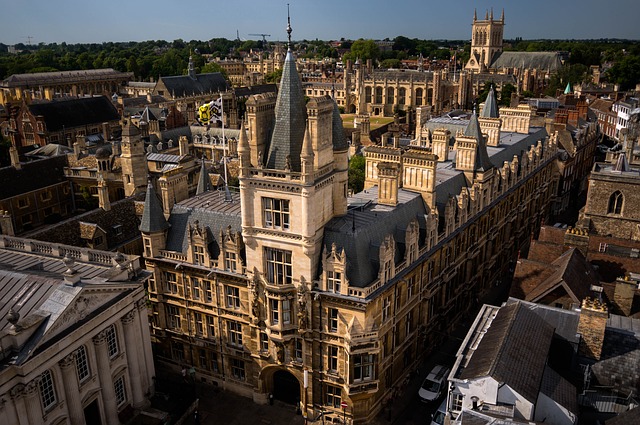
Cambridge University
Cambridge: A University Town That Expects You to Figure It Out Yourself Cambridge is not set up for tourism in the way that other major English historic cities are. The university colleges – 31 of them, some dating back to the 13th century – are working academic institutions, and most keep their gates open to visitors for specific hours only. There is no single entrance, no central...
read more
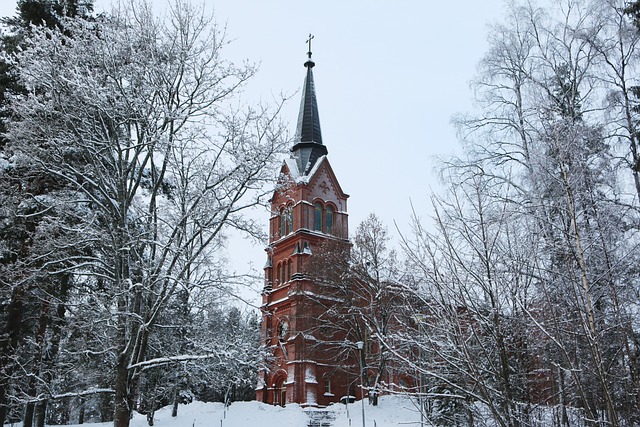
Temppeliaukion Kirkko
Temppeliaukio Kirkko: Helsinki’s Church Carved Into Rock The exterior gives almost no indication of what is inside. From the street in Helsinki’s Toolo residential neighbourhood, Temppeliaukio Kirkko (the Rock Church) is essentially invisible: a low copper dome barely projecting above the surrounding granite outcrop, entrance cut into the rock face, descending slightly before opening...
read more

Auschwitz Memorial / Muzeum Auschwitz
Over 1.1 million people were murdered at the Auschwitz complex between 1940 and 1945: predominantly Jews, but also Poles, Roma, Soviet prisoners of war, and political prisoners from across occupied Europe. The Memorial and Museum at the site of the former concentration and extermination camps is not a tourist attraction in the conventional sense. It is a place of testimony, preservation, and...
read more
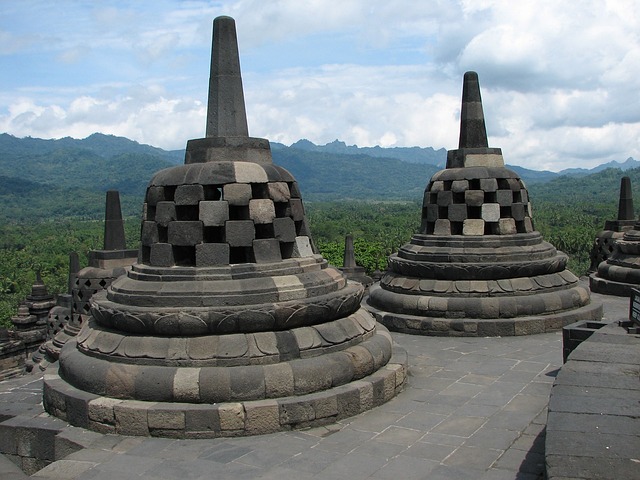
Borobudur Temple Java
Borobudur: The World’s Largest Buddhist Monument, Built Without Any Interior Rooms Borobudur has no inside. This surprises most visitors who arrive expecting the experience of entering a great temple – corridors, chambers, altars. Instead, the structure is a three-dimensional mandala: a series of graduated platforms and circular terraces representing the Buddhist cosmological structure...
read more
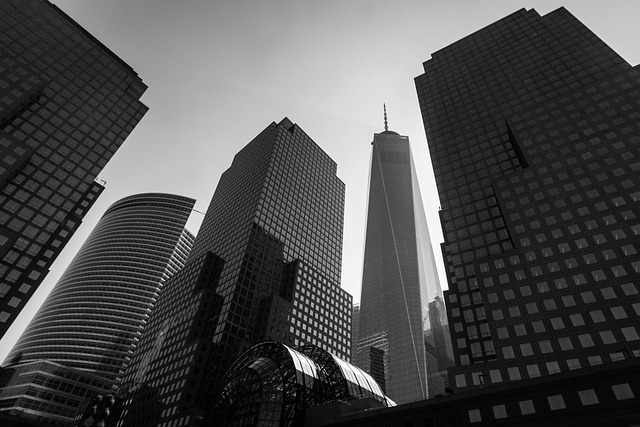
New York, New York
New York City: How to Navigate It Without Losing a Week New York is five boroughs spread across an area larger than many countries, a public transit system used by 3.5 million people a day, and an accommodation market that charges London prices for half the floor space. The city rewards preparation but does not require it; the chaos is part of it. Give yourself at least five days on a first visit...
read more
Borgarfjörður Eystri
Borgarfjörður Eystri, East Iceland An estimated 10,000 pairs of Atlantic puffins nest at Hafnarhólmi, the rock outcrop at the harbour of Borgarfjörður Eystri, from around mid-April through mid-August. A boardwalk and observation platform has been built directly among the nesting burrows, which means you can watch puffins returning with beaks full of sand eels from two metres away. No entry fee. No...
read more
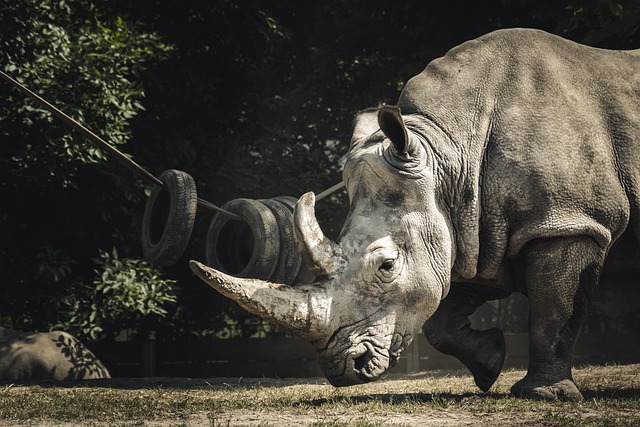
Dalí´S Rhinoceros, Marbella
Dali’s Rhinoceros, Marbella: Nine Bronze Sculptures in the Middle of a Promenade, Free at Any Hour Salvador Dali’s bronze Rhinoceros Dressed in Lace stands in Marbella’s Avenida del Mar, the palm-lined promenade connecting the old town to the beachfront. The piece is part of a permanent outdoor collection of nine Dali sculptures installed in 1994, gifted to the town by German art...
read more
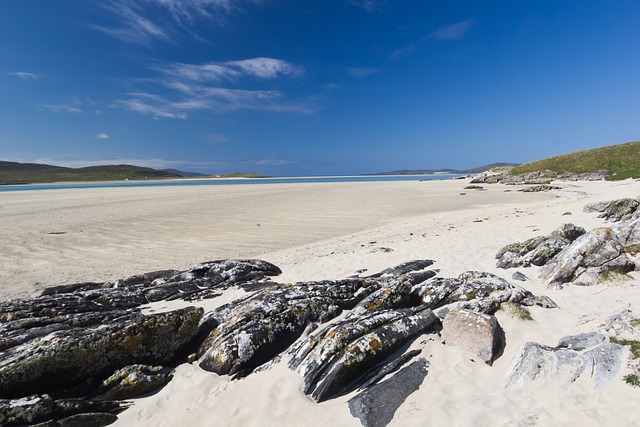
Luskentyre Beach
Luskentyre Beach, Isle of Harris Luskentyre is on the southwest coast of Harris in the Outer Hebrides, about 15 kilometres south of Tarbert by the single-track road that runs down the west coast of the island. It is a tidal estuary beach: at low tide the sand extends for several kilometres across flat, white shell-sand, and the water in the shallows turns a luminous turquoise that looks tropical...
read more
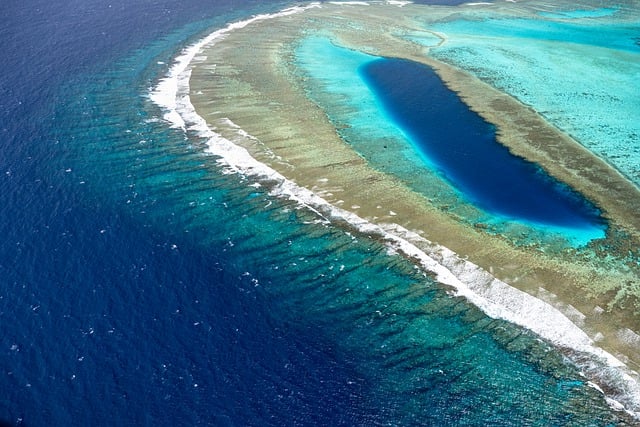
Blue Hole
The Great Blue Hole, Belize The Great Blue Hole became famous in 1971 when Jacques Cousteau brought the Calypso here and declared it one of the top dive sites in the world. What he filmed was primarily the interior stalactites at depth: limestone formations that grew in air 15,000 years ago when sea levels were lower, then were submerged as the ocean rose. The hole is a flooded cave system, not a...
read more
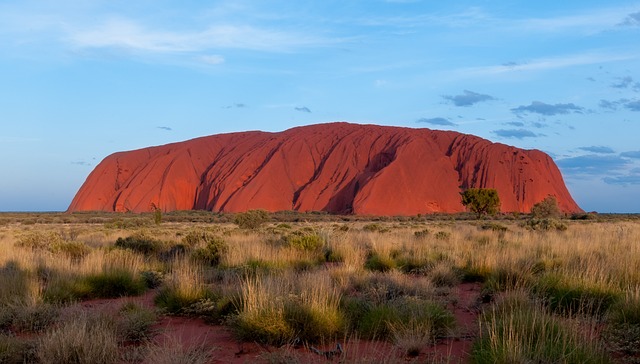
Ayers Rock
Climbing Uluru has been closed since October 2019. The Anangu, the Aboriginal traditional owners of the land, had been requesting this since the 1980s; the climb crossed a sacred path associated with Dreamtime stories of the Mala (rufous hare-wallaby) and was considered deeply offensive by people for whom the rock is not a geological curiosity but a living landscape full of meaning. The closure...
read more
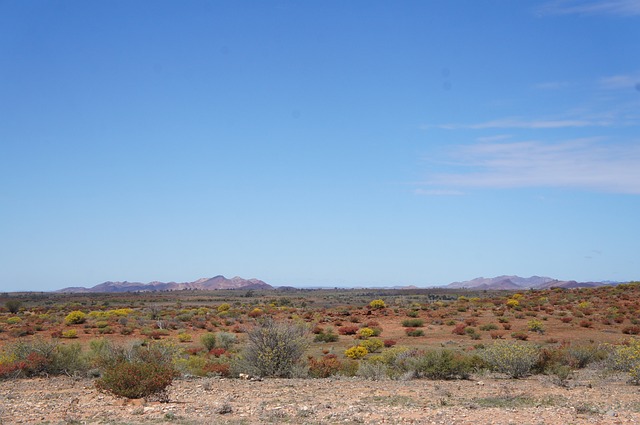
Australian Outback
Climbing Uluru has been closed since October 2019. The Anangu, the traditional owners of the land, had been requesting this for decades; their request is that the rock is not climbed because it holds deep spiritual significance. The climb closure is the change most relevant to planning a current visit. What remains, and what most visitors find more rewarding anyway, is the base walk: a...
read more
Ellis Island
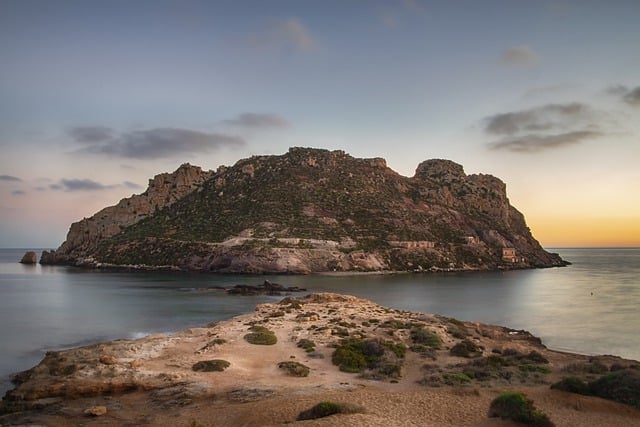
Ellis Island: The Gateway That Processed 12 Million People in 62 Years Between 1892 and 1954, roughly 40 percent of Americans alive today have an ancestor who passed through the main hall at Ellis Island. On the single busiest day in 1907, 11,747 people were processed through the building. The registry room on the second floor – where inspectors assessed whether immigrants could be admitted...
read more
Napa Valley
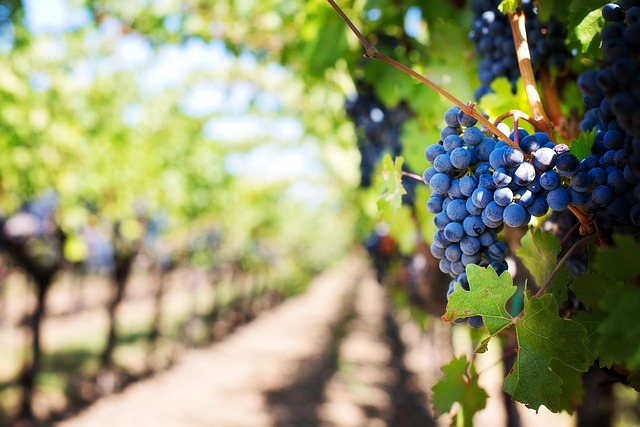
Napa Valley: How to Get Past the Tourist Infrastructure and Drink Better Wine Napa Valley is 48 kilometres long and at most 8 kilometres wide. In that space are approximately 400 wineries, more Michelin stars per square mile than almost anywhere in the United States, and a tourism infrastructure that processes millions of visitors a year at premium prices. Getting past that infrastructure and...
read more
Acropolis, Greece
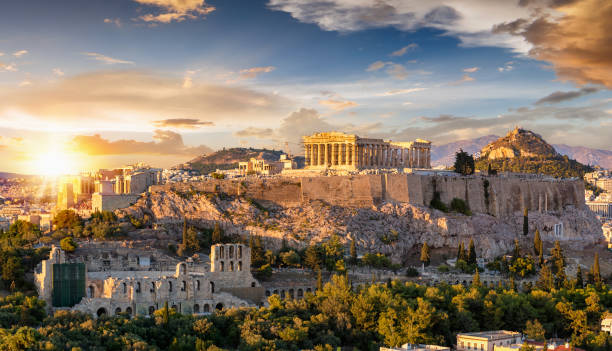
The construction of the Parthenon began in 447 BCE, one year after the Peace of Callias ended hostilities with Persia. Pericles used tribute money from Athens’ allies across the Aegean to fund it, which the allies had contributed for collective defence. Several allies objected to the repurposing. The result was the most sophisticated piece of architecture produced in the ancient world: a...
read more
Clifton Suspension Bridge
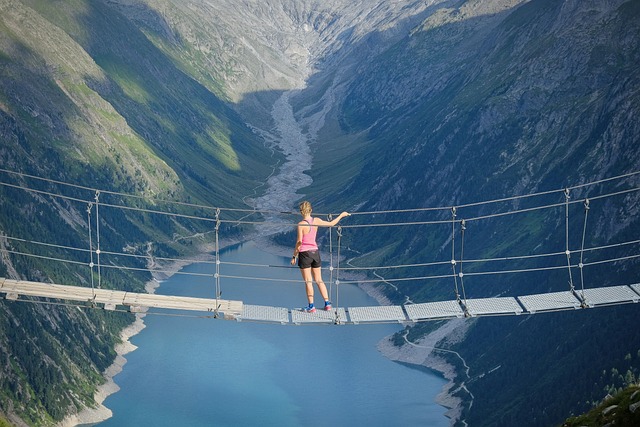
Isambard Kingdom Brunel submitted his first design for the Clifton Suspension Bridge in 1831, when he was 24. It was not built from that design; the project ran into financial difficulties, political complications, and eventually Brunel’s death in 1859. The bridge was completed in 1864 by engineers who used chains from a demolished London bridge and departed significantly from Brunel’s...
read more
Cairngorms National Park
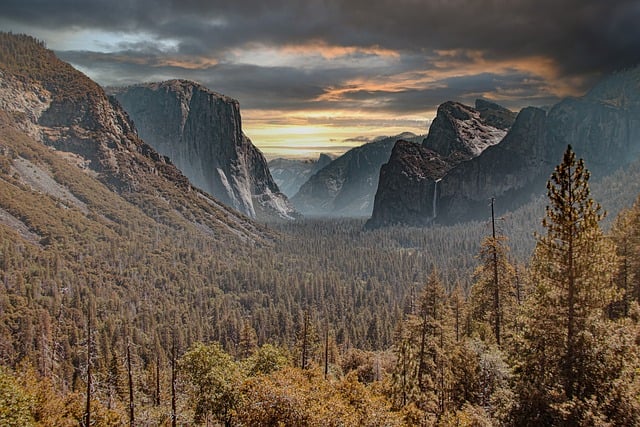
Cairngorms: The Only Place in Britain With a Sub-Arctic Plateau The Cairngorm plateau at 1,200 metres is arctic tundra. The ptarmigan that live on it moult to white in winter and brown in summer, the same camouflage adaptation used by animals in the High Arctic. The Cairngorms are not picturesque highland Scotland in the usual tourism sense; they are a genuine sub-arctic environment within 200...
read more
Arles, Roman And Romanesque Monuments
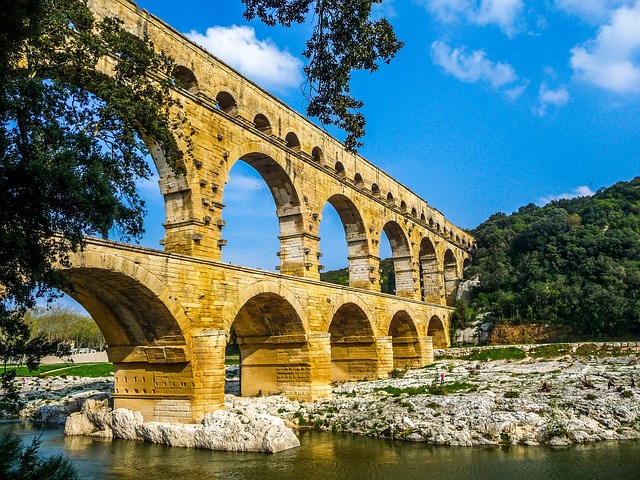
Vincent van Gogh arrived in Arles in February 1888 and spent fifteen months producing some of the most recognisable paintings in Western art. He painted the yellow house he rented, the café terrace he sat at, the hospital where he was treated after cutting off part of his ear, the Roman arena, the Rhone at night. Most of those specific places still exist and are marked on a Van Gogh walking trail.
read more
Independence National Historical Park
Visiting Independence National Historical Park in Philadelphia Independence Hall spent four months shuttered behind scaffolding last winter, and the building that reopened on January 29, 2026 is genuinely sharper than the one most visitors remember. Preservation crews repaired interior plaster, stripped and repainted walls to historically accurate colours, and rebuilt the accessibility ramps...
read more
Boston, Massachusetts
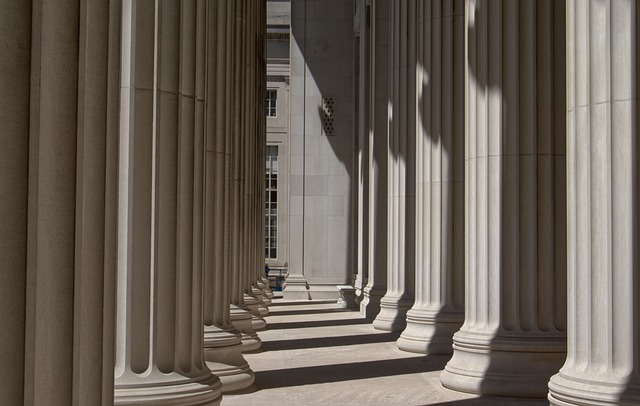
Boston, Massachusetts Boston is a compact city of about 685,000 people on the Massachusetts coast, with a walkable downtown that manages to contain an unusual density of American history, university infrastructure, and very good seafood. It is also stubborn about certain things: the streets do not follow a grid, parking is genuinely terrible, and Bostonians walk across intersections when they...
read more
Etosha National Park Namibia
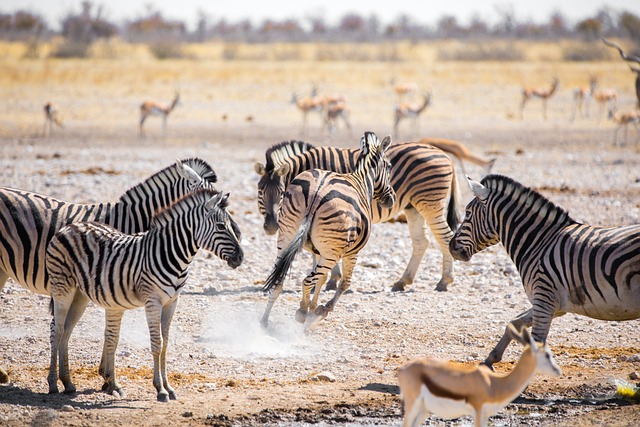
Etosha National Park, Namibia Etosha is structured differently to most African safari parks. Instead of following guides through bush hoping to stumble across wildlife, you drive a network of well-maintained gravel roads between waterholes and sit. The animals come to you. In the dry season (May through October), when the only water for hundreds of kilometres is at these artificial points, the...
read more
Majorelle Gardens
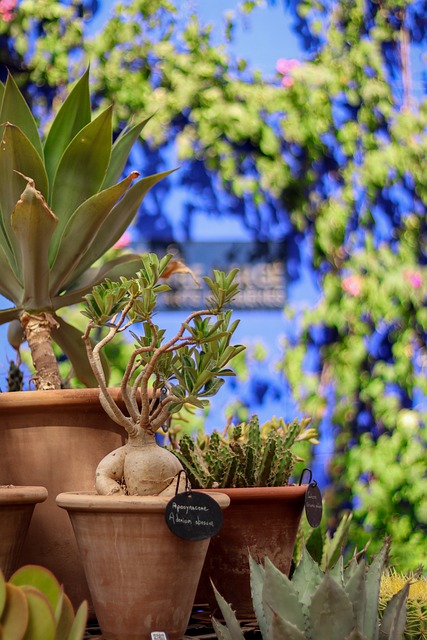
Majorelle Gardens: The Colour That Saved a Garden and Influenced 20th-Century Fashion Yves Saint Laurent described Jardin Majorelle as the place that most directly influenced his use of colour. The cobalt blue that French painter Jacques Majorelle mixed, patented as “Bleu Majorelle,” and applied across his Marrakech garden – a specific, vivid shade between ultramarine and...
read more
Freedom Tower Ground Zero
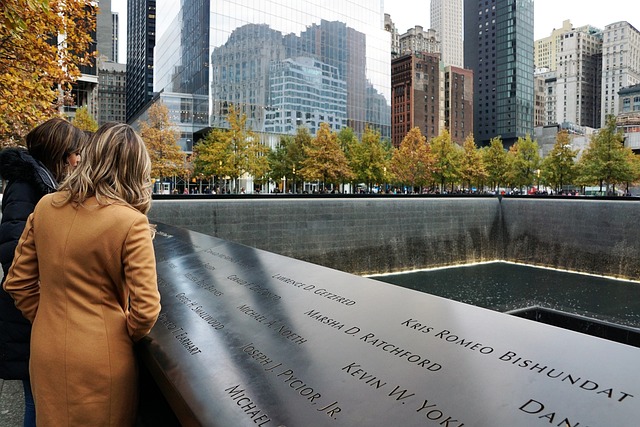
One World Trade Center and the 9/11 Memorial The two reflecting pools in the footprints of the Twin Towers are the quiet centre of the most visited site in Lower Manhattan. Nearly 3,000 names are cut into the bronze parapets. The memorial plaza is free, open from 8am to 8pm daily, and manages to feel serious rather than like a tourist attraction despite the volume of visitors who pass through. The...
read more

See Lemurs In Madagascar
Seeing Lemurs in Madagascar Madagascar split from the African and Indian landmasses roughly 88 million years ago, and its wildlife evolved in isolation long enough to become genuinely unlike anything on either continent. Lemurs fill ecological niches across the island that primates occupy elsewhere – and they exist nowhere else on earth. Around 100 species have been described. The golden...
read more
Sardinia
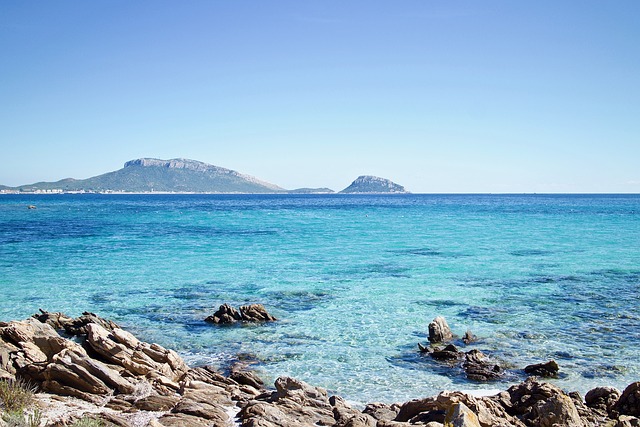
Sardinia Most visitors come to Sardinia for the beaches, which is understandable and also something of a waste. The water along the Costa Smeralda in the northeast is legitimately among the clearest in the Mediterranean, but treating it as a beach holiday destination misses the thing that makes the island genuinely distinctive: it has its own language, its own food culture, and the most...
read more
Blue Grotto Sea Cave Capri
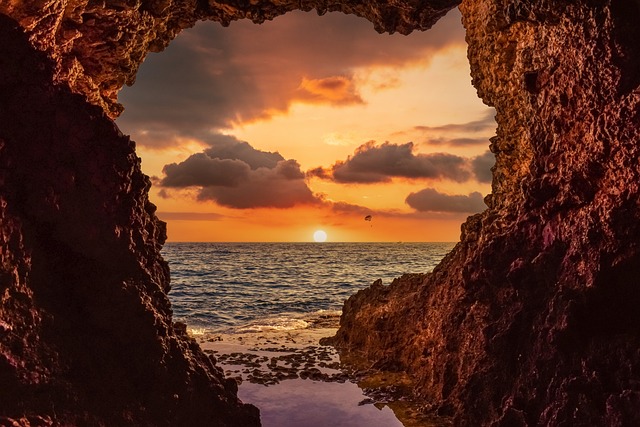
The entrance to the Blue Grotto is 1.3 metres high. You lie flat in the rowboat, the boatman pulls a chain on the cave wall, and then you are inside. The light is coming from an underwater opening in the rock: the sun hits the white sand floor below and the reflected light fills the cave with an electric blue that photographs cannot fully represent. The boatman sings while you’re inside,...
read more
Arenal Volcano
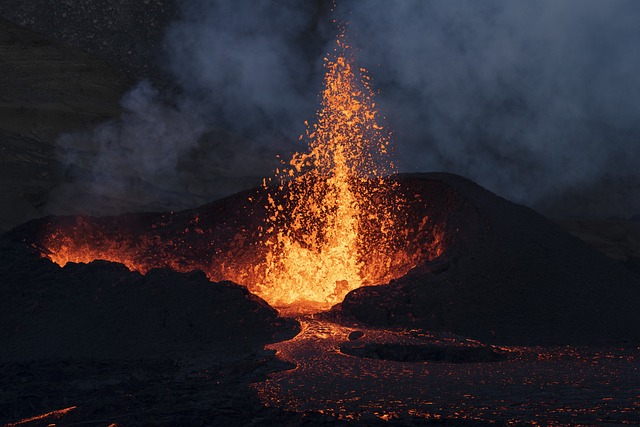
Arenal was one of the most active volcanoes in the world from 1968 to 2010. In 1968 it erupted without warning and destroyed three villages, killing 87 people. The eruption opened three new craters and sent pyroclastic flows across the western flank. For the next 42 years it maintained a state of near-continuous activity. In 2010, eruptive activity essentially stopped and scientists began...
read more
Tokyo DisneySea
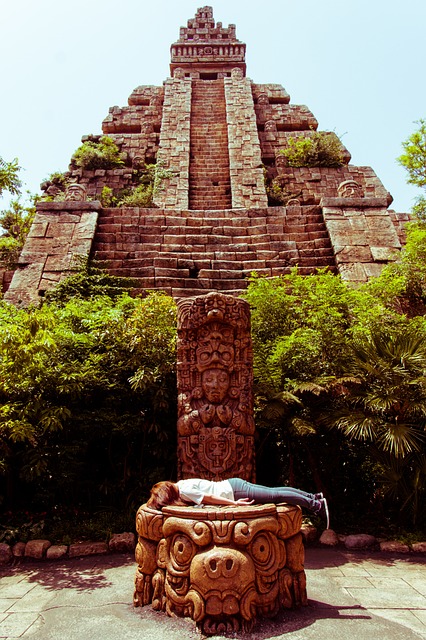
Tokyo DisneySea: The Best Disney Park in the World (Yes, Really) Tokyo DisneySea is not a copy of any other Disney park. Oriental Land Company designed it from scratch for the Japanese market, and the result is an original park that most theme park professionals consider the best-designed Disney property on earth. The theming is denser, the food is significantly better, and the atmosphere is more...
read more
Atlanta, Georgia
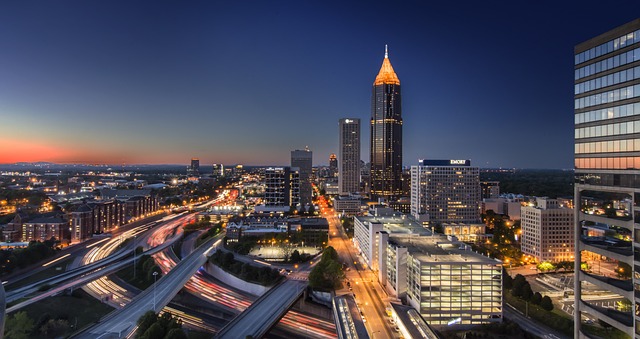
Atlanta, Georgia Atlanta is the capital of Georgia and one of the most significant cities in American history, though many visitors only connect it to the 1996 Olympics and Coca-Cola. The Martin Luther King Jr. National Historical Park in the Sweet Auburn neighbourhood is the site that justifies the trip. Dr. King’s birth home, Ebenezer Baptist Church where he and his father both served as...
read more
. Grand Bazaar, Istanbul
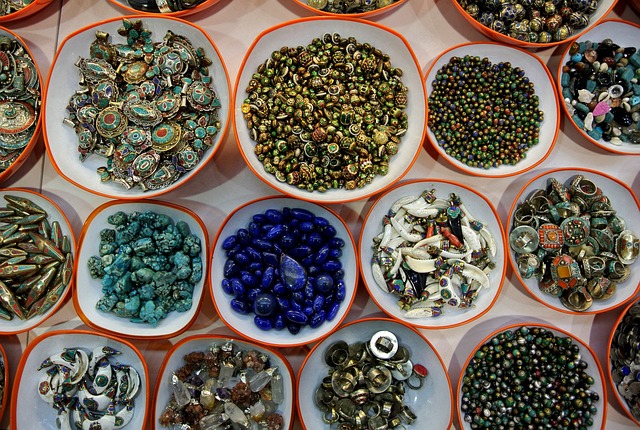
Grand Bazaar, Istanbul The Grand Bazaar (Kapalicarsi) has been in continuous operation since 1455, when Mehmed II ordered a covered market built to revive trade after the Ottoman conquest of Constantinople. It survived fires in 1515, 1548, 1588, 1618, 1645, 1652, 1658, 1660, and several more over subsequent centuries, rebuilt each time. Over 60 covered streets and 4,000 shops draw around 250,000...
read more
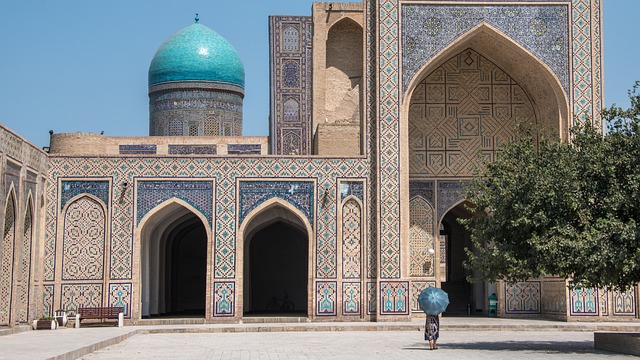
Samarkand and Bukhara Uzbekistan
Samarkand and Bukhara, Uzbekistan Central Asia still doesn’t get the visitors it deserves, and Uzbekistan’s two great Silk Road cities are significantly quieter than equivalent monuments in Europe or the Middle East. That is changing quickly as Uzbekistan opens up and international routes improve. Go while you can still walk around Registan Square without fighting through organised...
read more

Museo Del Prado
The Prado does not loan out Las Meninas or Goya’s Black Paintings. Unlike the Louvre or the National Gallery, which rotate works through loans and temporary exhibitions, the Prado’s core works stay in the building. This means that on any given weekday morning in Madrid, you can stand in front of Las Meninas for as long as you want without any uncertainty about whether it will be there....
read more
Ancient City Walls Dubrovnik
Dubrovnik is one of the most visited cities in the Adriatic and the congestion in summer is genuinely severe. The city walls, which run 1,940 metres around the entire Old Town and are the reason most people come, are packed shoulder-to-shoulder by 10am from May through September. The walk that takes 90 minutes at a reasonable pace in April takes two and a half hours in August and involves queuing...
read more