Recent Mad Traveller
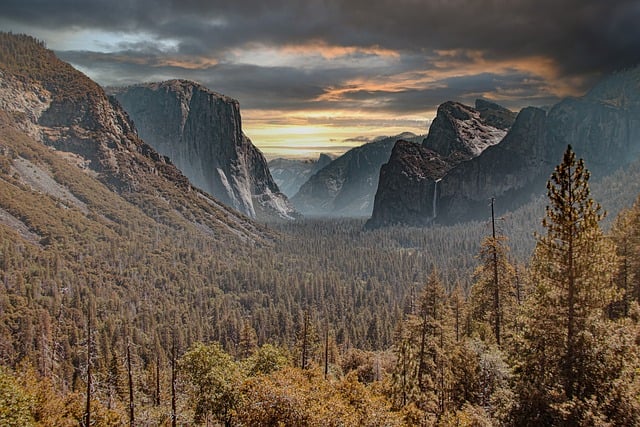
Yosemite National Park
Yosemite National Park Good news for 2026: Yosemite has eliminated its vehicle reservation system, which plagued summer visits in previous years. You no longer need a timed entry pass to drive into the park. You do need a valid park entrance pass, available at the five entrance stations or in advance online through Recreation.gov. Entry is $35 per vehicle, valid for seven days. The reservation...
read more
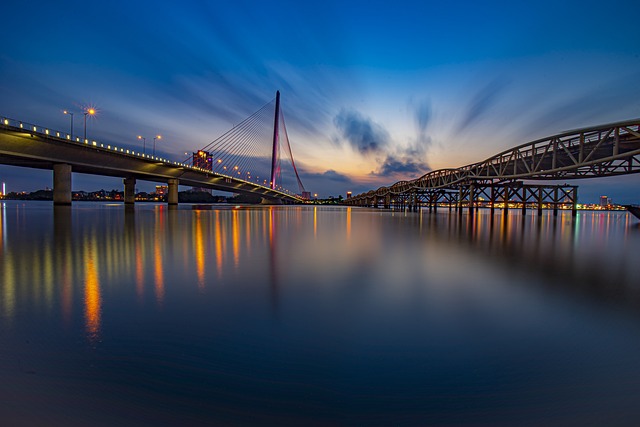
Hue, Vietnam
Hue: The Imperial Capital That Was Bombed in 1968, Rebuilt by History Enthusiasts, and Is Still the Best Food City in Vietnam The food argument is genuine and contested. Hanoi partisans will object. But Hue’s claim rests on history: as the Nguyen dynasty’s capital from 1802 to 1945, the imperial court required elaborate multi-dish spreads for every meal, including meals that required...
read more

Little Mermaid
The Little Mermaid, Copenhagen The Little Mermaid is 1.25 metres tall. This is the fact that registers differently from any photograph. The statue sits on a rock at the water’s edge in Langelinie harbour, 1.5 km north of Copenhagen’s centre, and the gap between expectation and reality is immediate. It was commissioned by brewer Carl Jacobsen, sculpted by Edvard Eriksen, and unveiled in...
read more
Split
Split, Croatia Split is a working port city that happens to contain a Roman palace at its centre. Diocletian built his retirement complex here around 305 AD, and the palace walls have been continuously inhabited ever since. Today roughly 3,000 people live inside those walls, in apartments and houses that incorporate the original Roman stonework into their foundations, cellars, and sometimes their...
read more
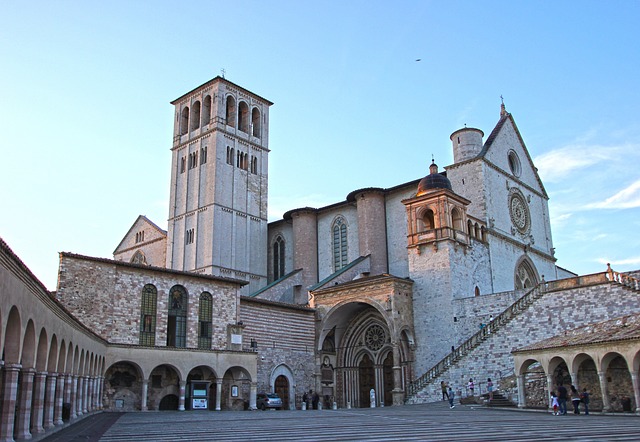
Basilica In Assisi
The Basilica in Assisi: What Giotto Actually Did Here Giotto di Bondone painted the upper basilica in Assisi in the 1290s and the result is one of the decisive moments in Western art: the first time a major painter rendered human figures with psychological weight and spatial depth rather than the flat, formulaic poses of Byzantine convention. Twenty-eight scenes from the life of Francis of Assisi,...
read more
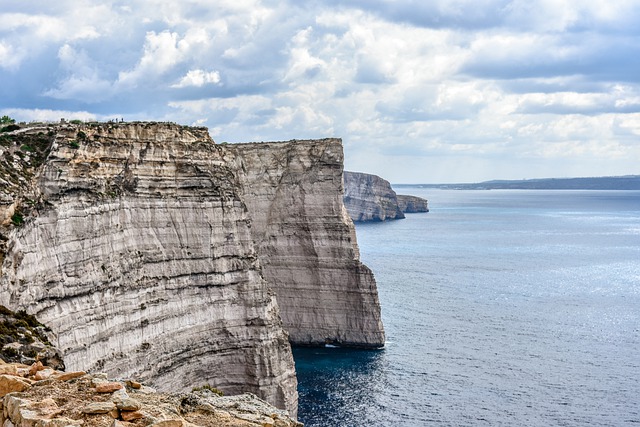
Hagar Qim, Malta
Hagar Qim was built between 3600 and 3200 BCE, which makes it about 1,000 years older than Stonehenge and roughly 500 years older than the Egyptian pyramids. The people who built it left no writing; everything archaeologists know about them comes from the physical evidence of the site and comparisons with Malta’s other prehistoric temple complexes. What we know is that they moved massive...
read more
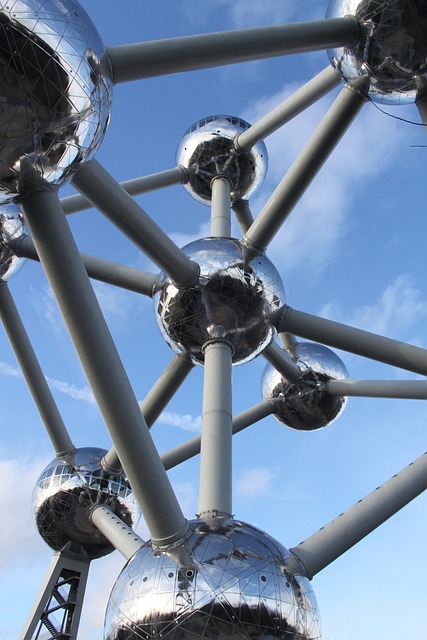
Atomium, Brussels
The Atomium was built for the 1958 Brussels World’s Fair, nine steel spheres arranged to represent an iron crystal unit cell magnified 165 billion times. The engineer André Waterkeyn designed it at a moment when atomic energy was widely understood as the technology that would power a prosperous future; the building was a literal statement of that belief in steel. The original aluminium...
read more
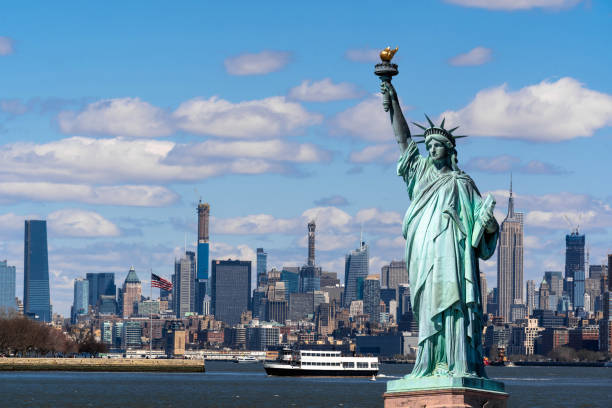
Statue of Liberty
The Statue of Liberty: Three Levels of Access and Why the Difference Matters The Statue of Liberty arrived in New York Harbor in 1886 in 350 individual crates, packed inside the hull of the French frigate Isere. Its copper skin – approximately 90 tonnes – was designed by sculptor Frederic Auguste Bartholdi and its internal structural armature was engineered by Gustave Eiffel, who also...
read more
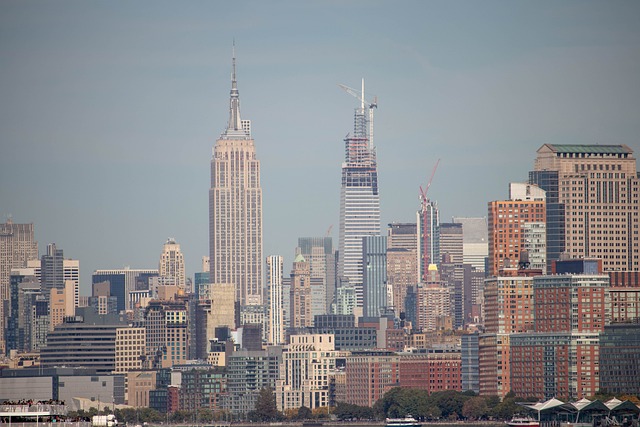
Empire State Building
Empire State Building: Built in 410 Days, Nicknamed “The Empty State Building” for the First Decade The Empire State Building was completed in 1931 and was the world’s tallest building for 41 years. It was also a commercial disaster for most of its early life. Completed during the Depression, it struggled to find tenants. The nickname “Empty State Building” circulated...
read more
Cheltenham Festival
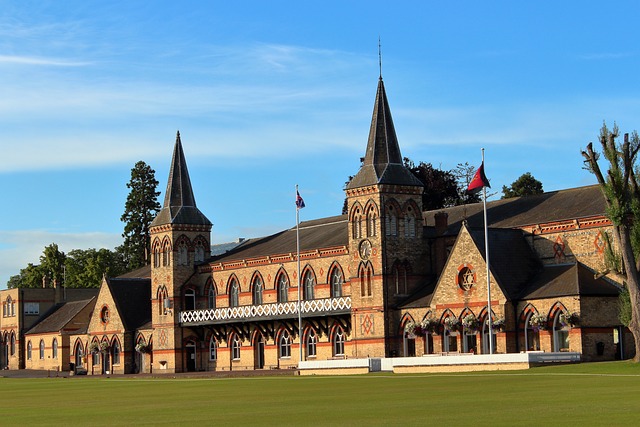
Gold Cup Day tickets sell out before Champion Hurdle Day tickets in most years, which tells you something about the priorities of the people who come. The Cheltenham Gold Cup on the Friday of the March festival is genuinely the best steeplechase in the world run over the best course, and the crowd of 70,000 people who fill the grandstand for it is an overwhelming proportion Irish. The Guinness...
read more

Pooh Bridge, Ashdown Forest
Pooh Bridge, Ashdown Forest The bridge is a small wooden footbridge over a narrow stream in the East Sussex heathland. A.A. Milne and his son Christopher Robin played Poohsticks here – dropping sticks from one side and racing to the other to see them emerge – and E.H. Shepard drew the illustrations for the Winnie-the-Pooh books with this stretch of woodland as the visual reference for...
read more
Mount Kilimanjaro
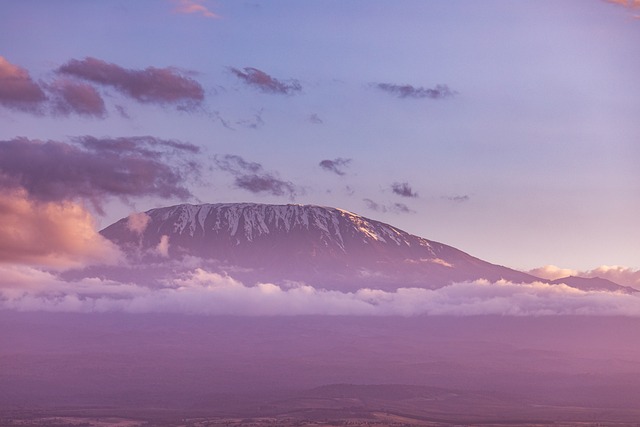
About 35 to 45 percent of climbers who attempt Kilimanjaro do not reach Uhuru Peak. The mountain requires no technical climbing skills; the standard routes are established trails. The failure rate is almost entirely caused by altitude sickness, which presents as severe headache, nausea, and ataxia and forces descents that the climber would rather not make. The risk of altitude sickness drops...
read more
Bay of Islands New Zealand
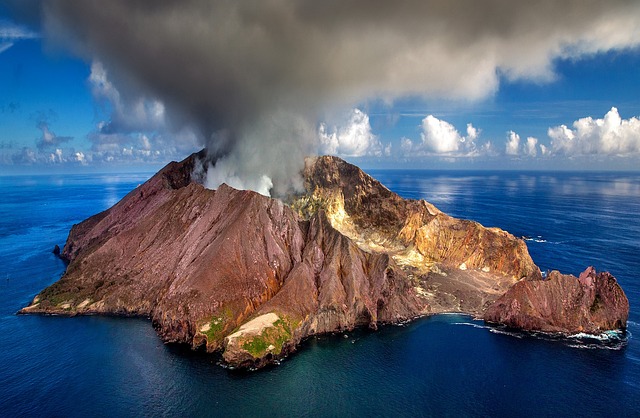
Bay of Islands, New Zealand The Treaty of Waitangi – signed on February 6, 1840, in the Bay of Islands – is New Zealand’s founding constitutional document. Representatives of the British Crown and Maori chiefs signed two versions of the treaty: one in English and one in Maori. The two versions say different things about sovereignty, and that discrepancy has shaped New Zealand...
read more
Rockefeller Center
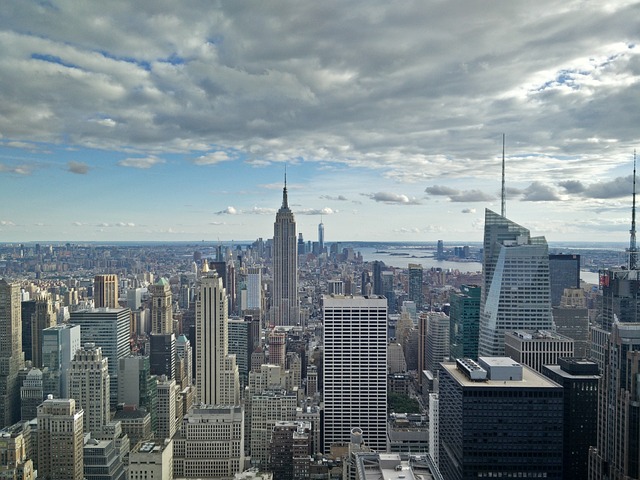
Diego Rivera was originally hired to paint the main lobby mural at 30 Rockefeller Plaza. When the work was nearly complete, Rockefeller’s representatives asked him to remove Lenin’s portrait from the composition. Rivera refused. The mural was chiselled out in 1934 and replaced with a less politically complicated substitute by José Maria Sert. The Rivera mural was later reconstructed...
read more
Pantanal
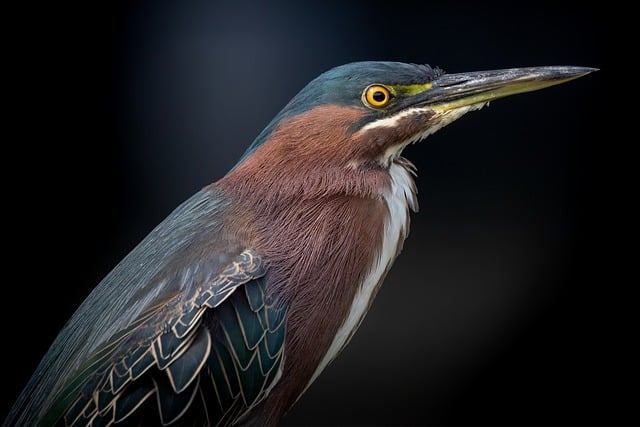
The Pantanal: Where to Find Jaguars, and Why It Works Better Than the Amazon for Wildlife Watching The Amazon gets more attention. The Pantanal gets more jaguars. That asymmetry matters if your primary interest is seeing large mammals rather than standing inside equatorial forest. The Pantanal is the world’s largest tropical wetland at approximately 150,000 square kilometres, spread across...
read more
Saltaire
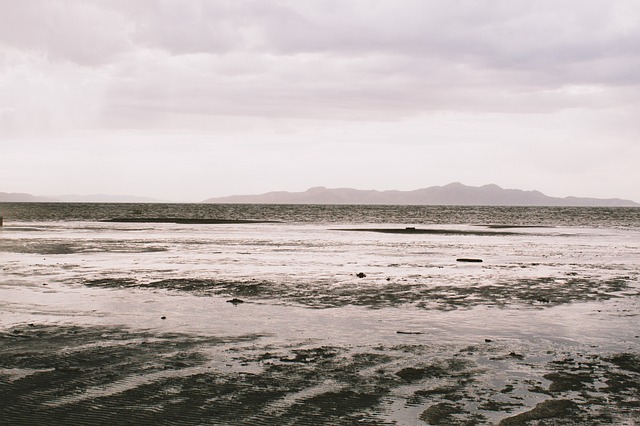
In 2026, Saltaire marks 25 years on the UNESCO World Heritage list. Most people driving through West Yorkshire on the A650 have never heard of it. That gap between the recognition and the reality says something about what makes Saltaire unusual: it looks like a slightly too-neat Victorian village, and you need some context to understand why the whole thing is remarkable.
The History Sir Titus Salt...
read more
Green Park
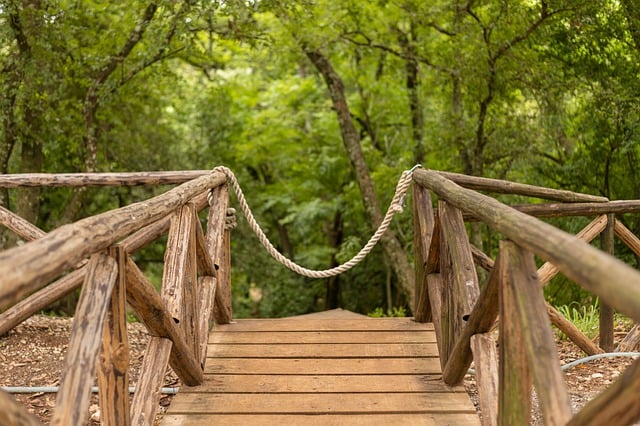
Green Park: London’s Only Royal Park With No Flower Beds, By Design Green Park has 19 hectares of old lime and plane trees and mown grass. No flower beds, no ornamental lake, no bandstand. This is not neglect; it was a deliberate choice when Charles II laid it out in the 1660s, and the park has maintained that character ever since. When St James’s Park is crowded with Buckingham Palace...
read more
Attend a Cherry Blossom Festival in Japan
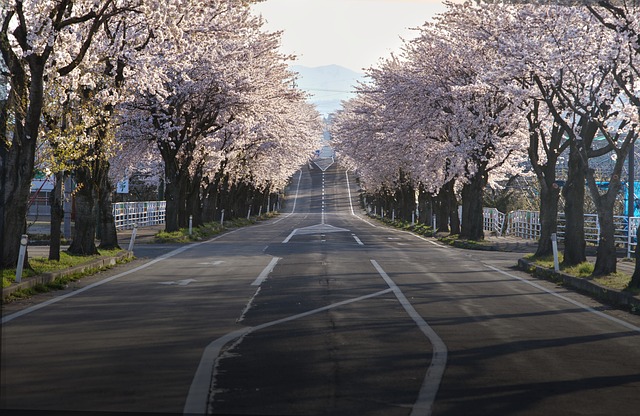
Japan’s Cherry Blossom Season The Japan Meteorological Corporation tracks the sakura front each year and publishes forecasts showing which regions will peak when. Most years, Kyushu and southern Japan bloom in late March; Tokyo and Kyoto follow in late March to early April; northern Tohoku peaks in mid-April; Hokkaido, the last to bloom, peaks in late April to early May. The window at any...
read more
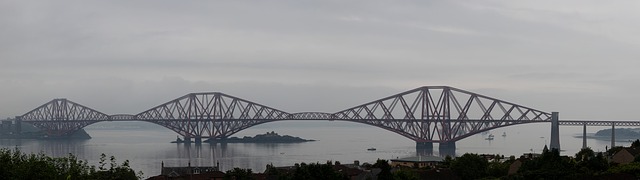
Forth Bridge
The Forth Bridge, Scotland When Benjamin Baker designed the Forth Bridge in the 1880s, the technology for spanning the Firth of Forth did not yet exist. He and John Fowler had to invent the full-scale application of cantilever engineering in steel while also building it – a 2.5-kilometre crossing that used 55,000 tonnes of steel and required a workforce of around 4,600 men, of whom 73 died...
read more
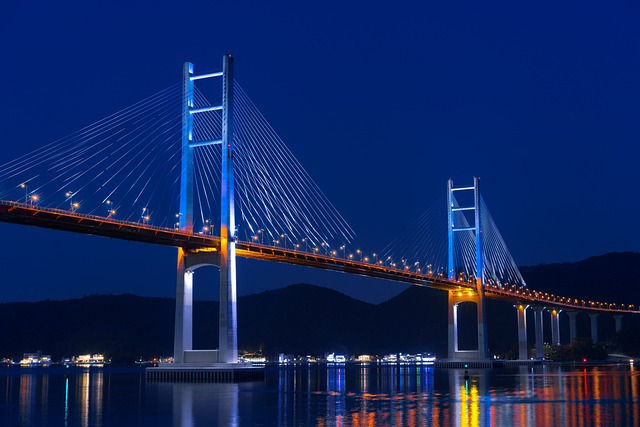
DMZ, South Korea
The Korean DMZ has been one of the most heavily fortified borders in the world since the 1953 armistice. It has also, inadvertently, become a significant wildlife refuge. The 250-kilometre-long, 4-kilometre-wide strip of land running across the peninsula has been essentially undisturbed for 70 years; Amur leopard cats, Asiatic black bears, and rare migratory birds use it as sanctuary. The...
read more
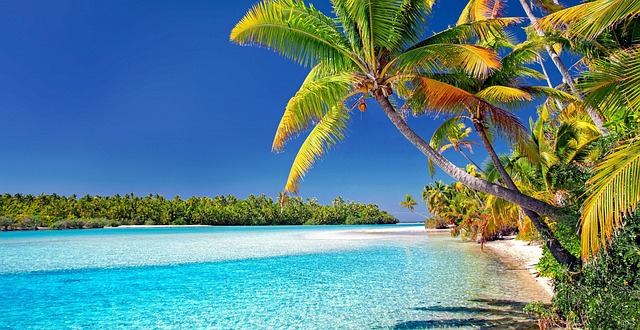
Aitutaki, Cook Islands
Aitutaki, Cook Islands Aitutaki has a lagoon that regularly appears on lists of the most beautiful in the Pacific, which has a way of raising and then precisely meeting expectations. The water is a specific shade of turquoise that requires sun overhead and white sand below to produce. On an overcast day, it looks like a perfectly ordinary lagoon. On a clear day, it looks like the pictures. Plan...
read more
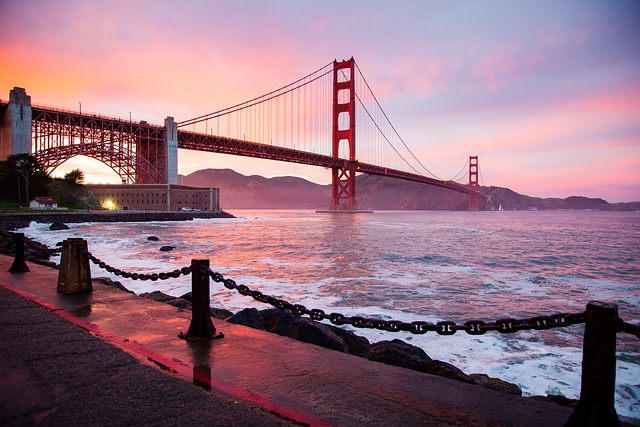
Golden Gate Bridge
Golden Gate Bridge: The Colour Was Nearly Battleship Grey The War Department wanted the bridge painted in black-and-yellow stripes for aviation visibility. The Navy wanted battleship grey. The colour we know – International Orange – was chosen by consulting architect Irving Morrow, who saw the orange primer applied to the steel and insisted on keeping it. The Golden Gate District...
read more
Stewart Island
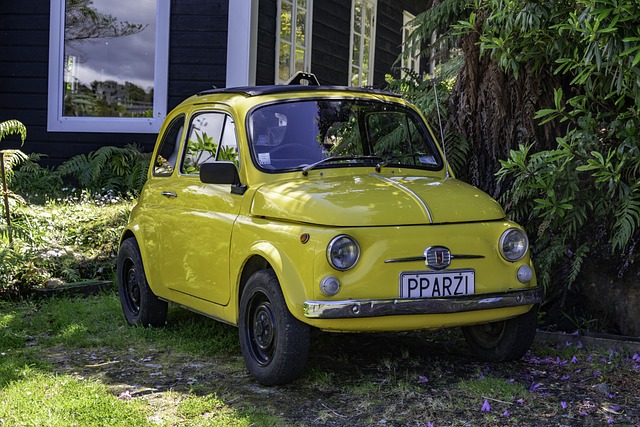
Stewart Island: New Zealand’s Third Island and Its Wild South Stewart Island (Rakiura in Maori, meaning “glowing skies”) sits 30 km south of the South Island across Foveaux Strait, and 85 percent of its 1,746 square kilometres is protected as Rakiura National Park. The island has a permanent population of around 400 people concentrated in the settlement of Oban, and the...
read more
Lisse
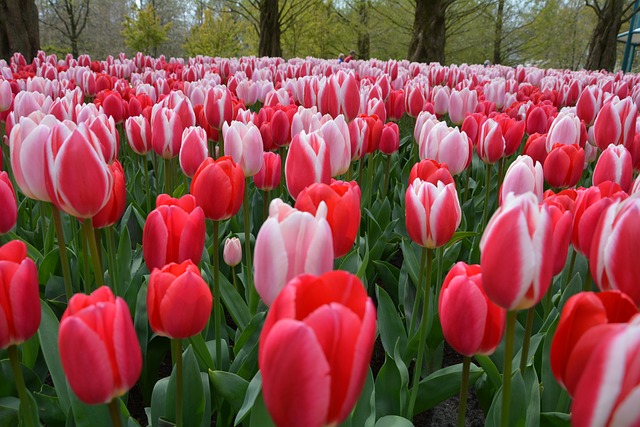
Lisse and the Keukenhof, Netherlands The Dutch flower fields are one of those things that genuinely look like the photographs – stripes of saturated colour across flat land under a wide sky. Lisse is a small town in South Holland, 35 kilometres southwest of Amsterdam, and the broader Bollenstreek (Bulb Region) around it is where roughly 30,000 hectares of tulips, hyacinths, daffodils, and...
read more
Avebury
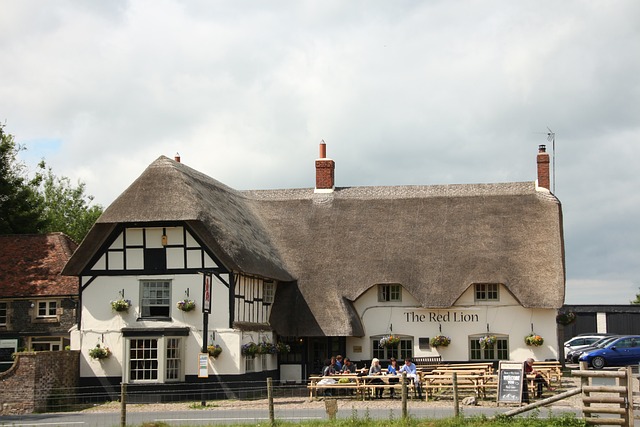
Avebury, Wiltshire Avebury is the prehistoric site in England that most visitors underestimate because it does not charge admission for the stones themselves, has no dramatic audio-visual presentation, and – most disorienting of all – has a working village and a pub inside it. The outer ring of the stone circle encloses 28 acres and a village, meaning residents drive to the shop and...
read more
Amazon Rainforest South America
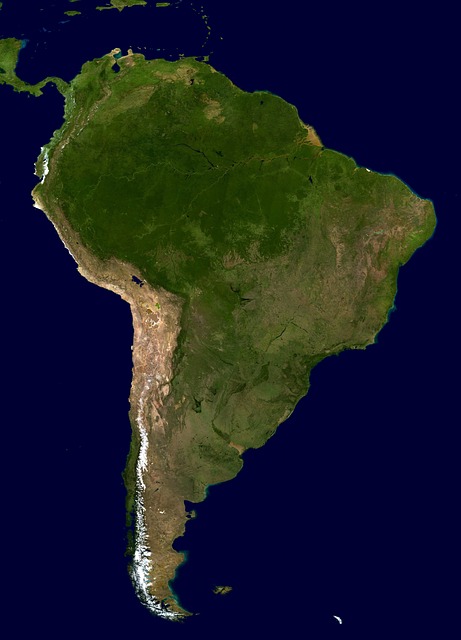
Amazon Rainforest The Amazon receives about 10% of the world’s tourists who visit South America, but the vast majority of them never leave the city. Manaus, the gateway to the Brazilian Amazon, sits inside the river system, and most visitors do a day trip from there, take a few photos at the Meeting of Waters where the black Rio Negro and muddy Solimoes run side by side without mixing, and...
read more
Bel M Tower
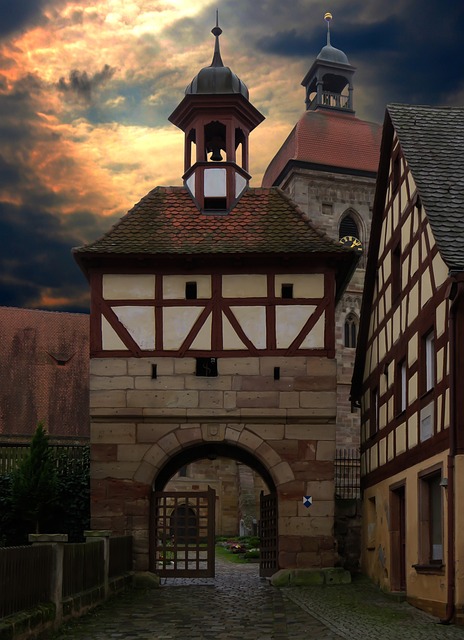
Belém Tower: Manueline Stone, Rhino Heads, and the Best Custard Tarts in the World The Torre de Belém stands in the Tagus estuary and has a detail on its northwest bastion that almost nobody expects: stone-carved rhinoceros heads below the turret. They are there because in 1515, King Manuel I sent a live Indian rhinoceros as a diplomatic gift to Pope Leo X. The animal was held briefly at the Belém...
read more
Art Deco Architecture In South Beach, Miami
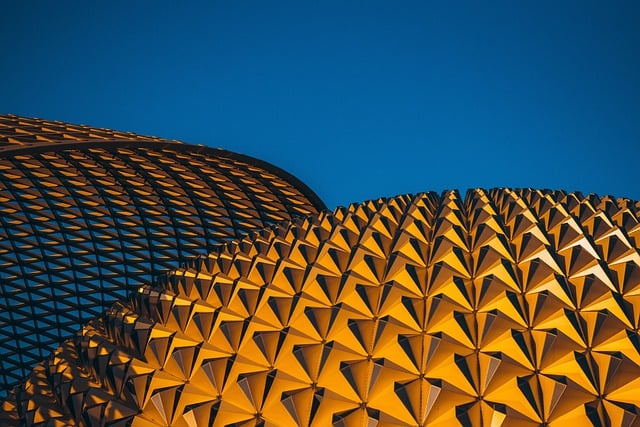
Art Deco Architecture in South Beach, Miami South Beach’s Art Deco Historic District is the densest concentration of preserved Art Deco architecture in the world, with over 800 structures built between 1923 and 1943 within roughly 2.5 square miles. The district exists largely because of preservation activist Barbara Capitman and the Miami Design Preservation League she co-founded, who began...
read more
Skocjan Caves Slovenia
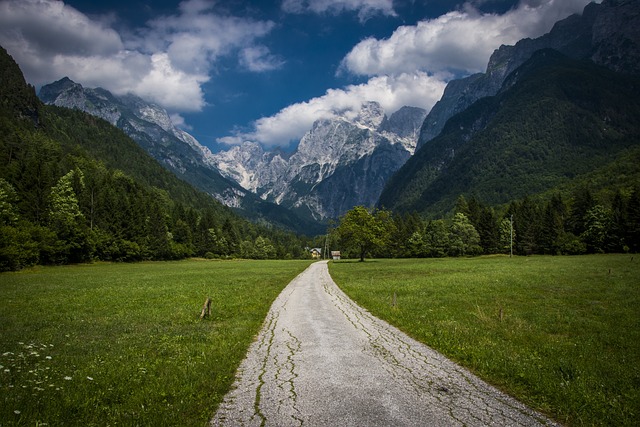
The underground canyon at Skocjan reaches 163 metres in height. Gazing up from the suspension footbridge that crosses it, with the Reka River audible below and the walls disappearing into darkness above, you are in a space large enough to contain a 16-storey building. UNESCO gave the Skocjan Caves Regional Park World Heritage status in 1986, three years after the designation was created, which...
read more
Stirling
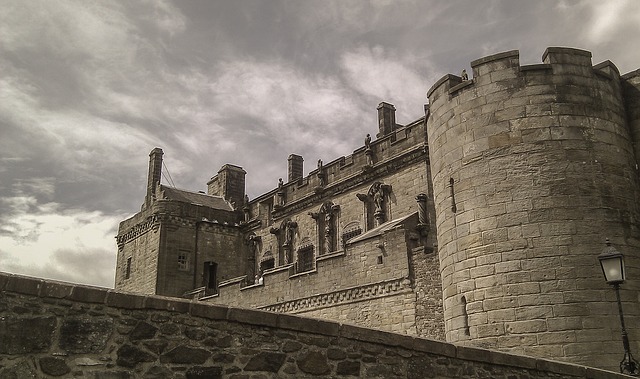
Mary Queen of Scots was crowned at Stirling Castle in 1543. She was nine months old. The ceremony happened because the country needed a coronation to establish legitimate succession, and nobody let the age of the monarch interfere with that. The chapel where this occurred is in the castle, still standing.
Stirling Castle The castle sits on a volcanic crag where the River Forth historically forced...
read more
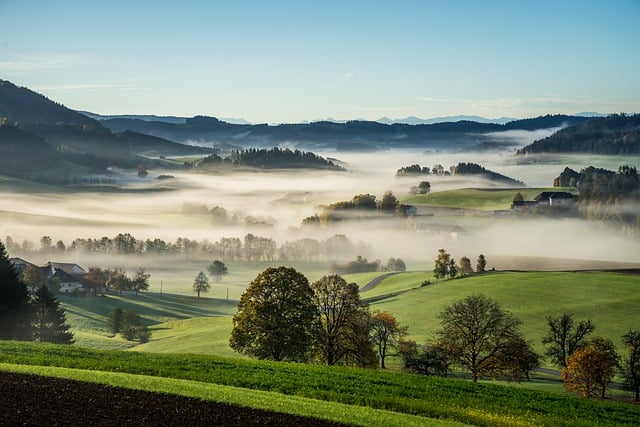
Cultural Landscape Of Honghe Hani Rice Terraces
Honghe Hani Rice Terraces: How to Actually See Them The Hani rice terraces in Yunnan Province have been farmed continuously for over 1,300 years. The UNESCO listing in 2013 formalised what anyone who has stood at the Duoyishu viewpoint at sunrise already knew: this is one of the most extraordinary agricultural landscapes on earth. The terraces cascade down from 2,000 metres elevation to around...
read more
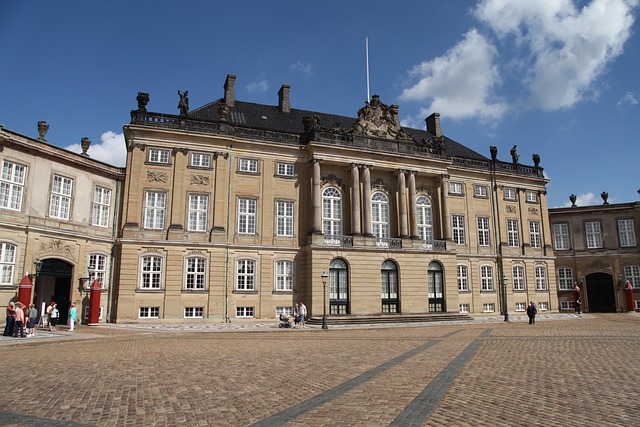
Amalienborg Palace
Amalienborg: Four Palaces, One Courtyard, and the World’s Most Accessible Royal Family Amalienborg is four Rococo palaces arranged around an octagonal cobbled courtyard, and the Danish royal family actually lives in two of them. This is worth stating plainly: when the royal standard flies over one of the palaces, Queen Mary and her family are in residence behind those windows. The complex...
read more
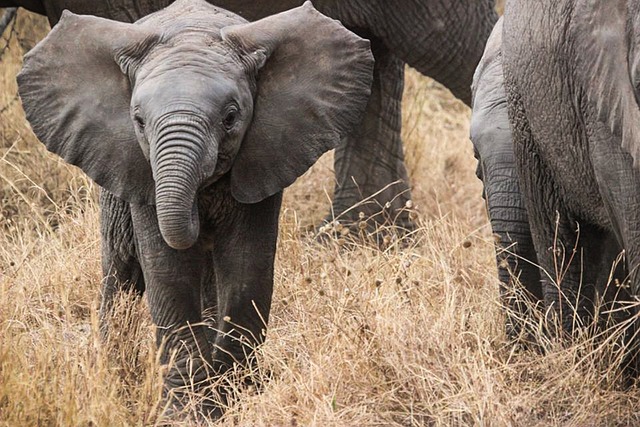
The Serengeti
The Serengeti, Tanzania Around 8,000 wildebeest calves are born every day during calving season in the southern Serengeti. For about six weeks from late January through March, the southern plains around Ndutu become the largest nursery on earth: newborns taking their first steps, predators in continuous action, cheetahs running down prey on open grass. It is noisier, bloodier, and more intense...
read more

Teatre Museu Dal
Teatre-Museu Dali, Figueres Salvador Dali designed this museum himself, inside the shell of a burnt-out municipal theatre in his hometown of Figueres, Catalonia. He called it “the largest surrealist object in the world,” which is either self-promotion or completely accurate depending on how you approach it. The building is topped with a geodesic dome and rimmed with giant eggs along...
read more
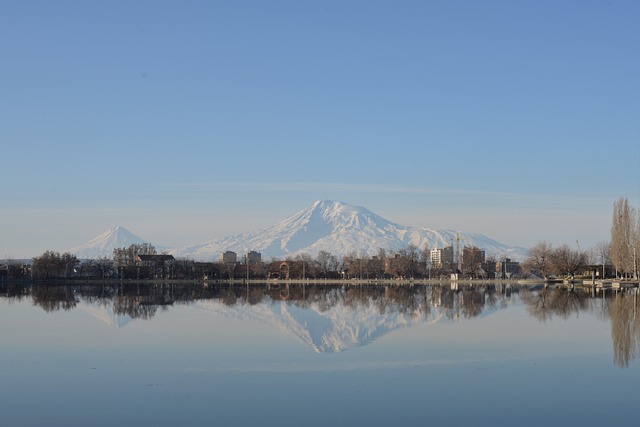
Ararat
Ararat: Two Peaks, Two Countries, One Mountain’s Worth of History Mount Ararat (Agri Dagi in Turkish) stands on the Turkish side of the Turkey-Armenia border as two volcanic peaks: Great Ararat at 5,137 metres and Little Ararat at 3,896 metres. For Armenians, the mountain is the national symbol – visible from Yerevan on clear days, depicted on the coat of arms – yet unreachable...
read more
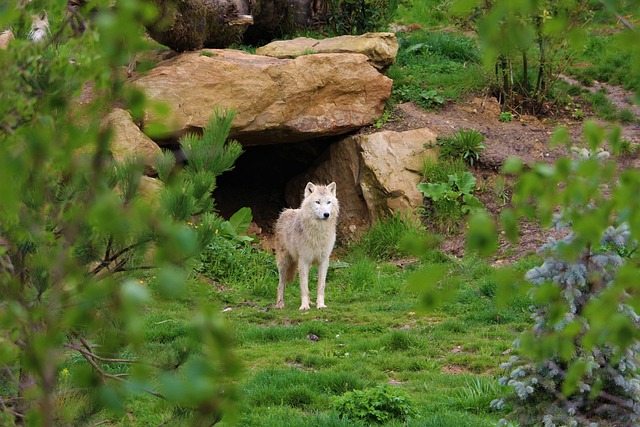
Wolfs Lair Poland
On 20 July 1944, Colonel Claus von Stauffenberg walked into a conference room in this forest compound, left a briefcase with a bomb under the table, and walked out. Hitler survived because someone moved the briefcase behind a heavy table leg before it detonated. The blast killed four people, blew out the roof, and left Hitler with a perforated eardrum and temporary paralysis in his right arm....
read more
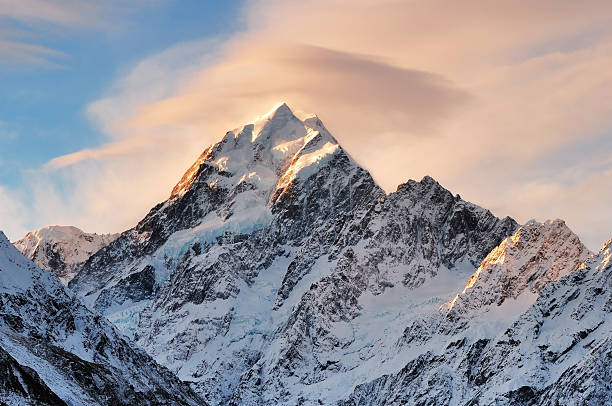
Aoraki / Mount Cook
Aoraki’s summit has dropped three metres in recent decades. The 1991 rockfall that removed the top of the peak reduced it from 3,764 metres to 3,724 metres, and the Tasman Glacier has retreated so significantly that the lake at its terminal face, which barely existed in the 1970s, is now kilometres long. Visiting the Mount Cook area without knowing these things is possible; visiting it with...
read more
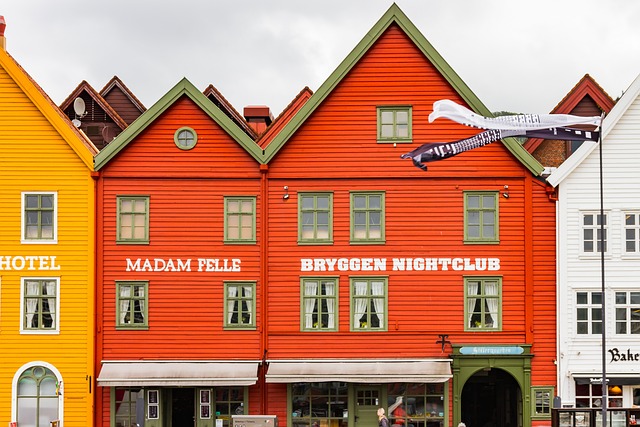
Bryggen
Bergen has burned repeatedly throughout its history. The Bryggen wharf district has been destroyed and rebuilt after fires in 1702, 1855, and 1916. Each time, the merchants rebuilt using similar wooden construction methods and approximately the same layout, which is why the gabled coloured buildings you see today look medieval but are mostly 18th and 19th century. The Hanseatic League’s...
read more
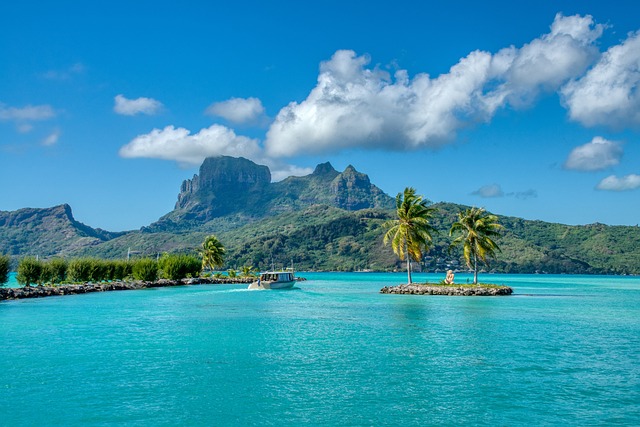
. Bora Bora
Bora Bora, French Polynesia Bora Bora is the island that made the overwater bungalow famous globally. The concept originated here, pioneered by the Bali Hai Hotel in the 1960s, and the format has since been replicated at resorts worldwide. The original justification for it remains intact: the lagoon surrounding the island is a specific shade of turquoise that photographs exactly as advertised, and...
read more
Arashiyama Kyoto, Japan
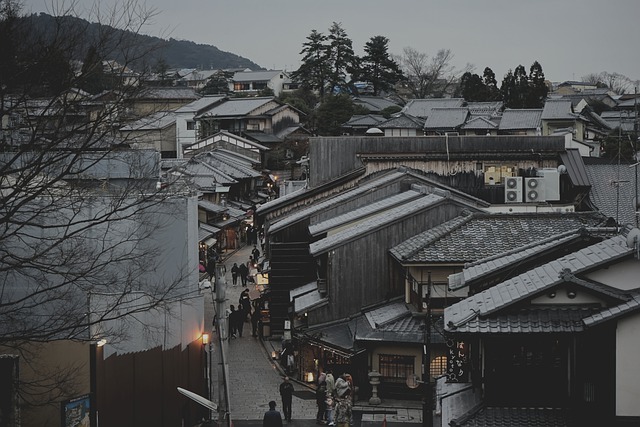
Arashiyama, Kyoto The bamboo grove at Arashiyama is one of the most replicated photographs in Japan tourism. The reality is a 400-metre path through tall bamboo with extraordinary acoustics. What photographs also can’t convey is that by 10am on any day from March through November, the path is packed with tour groups and the experience of standing inside towering bamboo is shared with several...
read more
Mesa Verde, Colorado
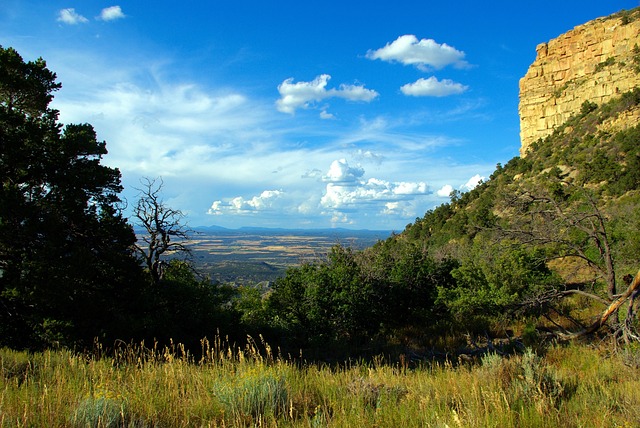
The people who built Cliff Palace didn’t leave it slowly. The Ancestral Puebloans who had occupied this mesa for 700 years abandoned it within a generation, sometime around 1300 CE, and nobody has lived in the cliff dwellings since. The leading theory involves a prolonged drought combined with deforestation from construction and firewood use; the social structure that had maintained water...
read more
Basilica Cistern, Istanbul
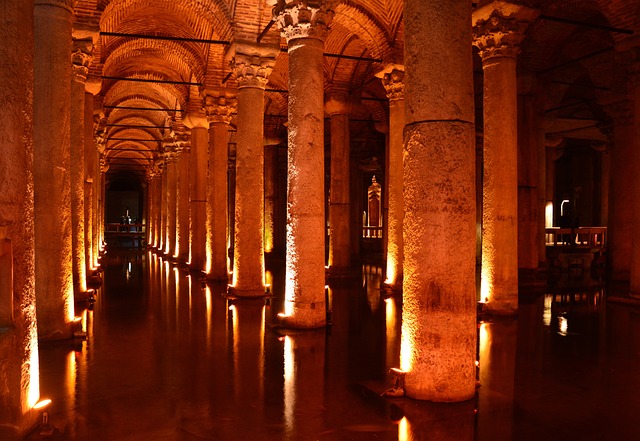
Basilica Cistern: Cool, Dim, and 1,500 Years Old Under the Street At the base of the staircase, the noise and heat of the Sultanahmet surface disappear entirely. The cistern is around 13 degrees Celsius, dim, and largely silent except for dripping water and footsteps. The 336 marble columns rise from shallow water and recede into the darkness in rows that your eye cannot quite follow to the end....
read more
Angkor Cambodia
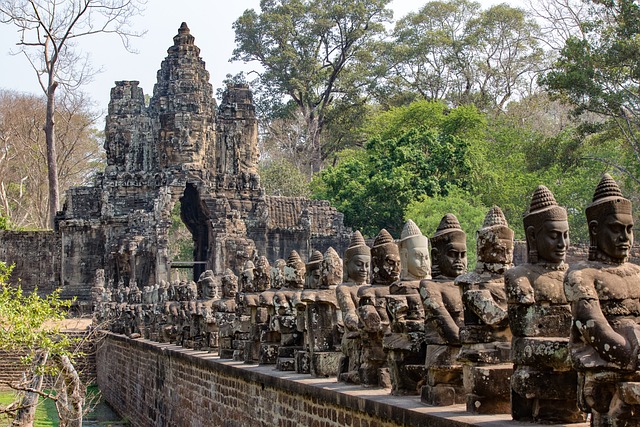
Angkor, Cambodia Angkor Wat is the largest religious monument ever built, and the photograph you’ve seen from drone footage gives you no real preparation for standing in front of it. The outer wall alone encloses around 200 hectares. The central towers rise above galleries covered in bas-relief carvings – scenes from the Ramayana, the Mahabharata, the churning of the cosmic ocean...
read more
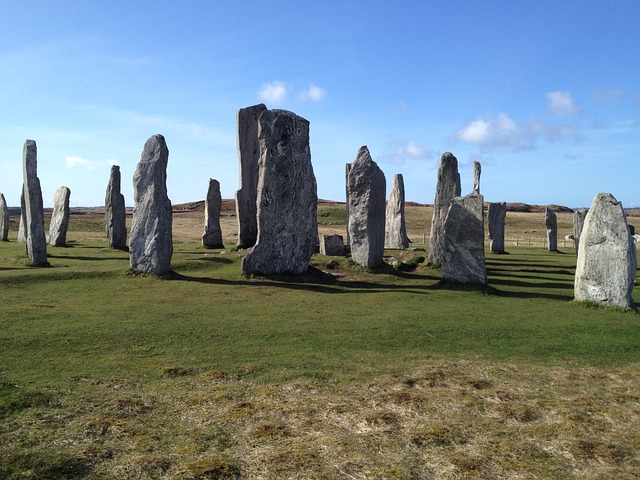
Callanish Standing Stones Lewis Scotland
Callanish Standing Stones, Lewis The Callanish stones (Calanais in Gaelic) are approximately 5,000 years old, making them older than Stonehenge by several centuries. They were erected around 3000 BCE on a moorland peninsula on the Isle of Lewis in the Outer Hebrides. What distinguishes them from other stone circles is the layout: a central circle of 13 stones with a single tall monolith at the...
read more
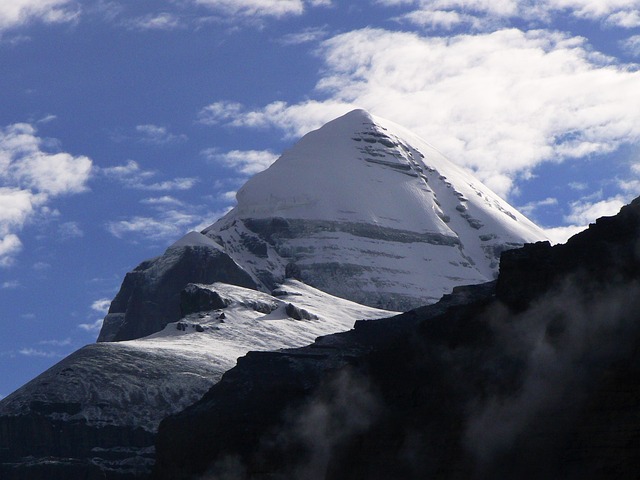
Kailash Kher
Kailash Kher is not a place on the map. He is a Delhi-born singer whose 2006 breakthrough “Allah Ke Bande” wove together Sufi devotional music, Rajasthani folk, and early Bollywood into something that became genuinely popular across South Asia. If you want to understand what his music actually sounds like when it has a physical context, travel to the places that generated it.
Rajasthan...
read more
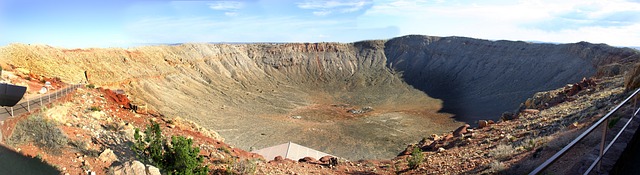
Winslow Az Meteor Barringer Crater
Approximately 50,000 years ago, a nickel-iron meteorite about 50 metres across hit the Colorado Plateau at 12 kilometres per second and excavated a hole 1.2 kilometres wide and 170 metres deep. The crater is privately owned by the Barringer family, who bought it in 1903 on the conviction that a large iron deposit must lie beneath. No significant iron was found; the meteorite vaporised on impact....
read more
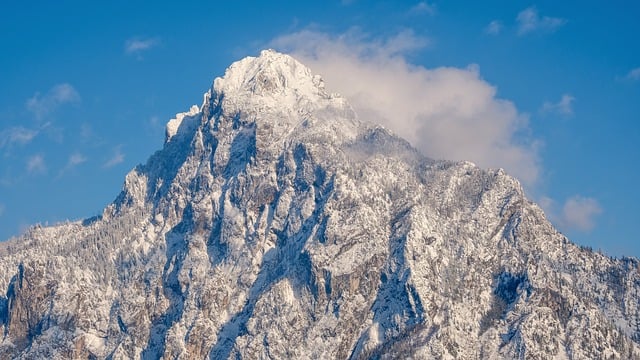
Blue Mountains
Blue Mountains, New South Wales The blue haze that gives the Blue Mountains their name is not a weather effect or atmospheric pollution. It is volatile organic compounds – specifically oil droplets – released by the billions of eucalyptus trees across the escarpment, scattering light toward the blue end of the spectrum. The same chemical process that makes eucalyptus useful as a...
read more
Chand Baori
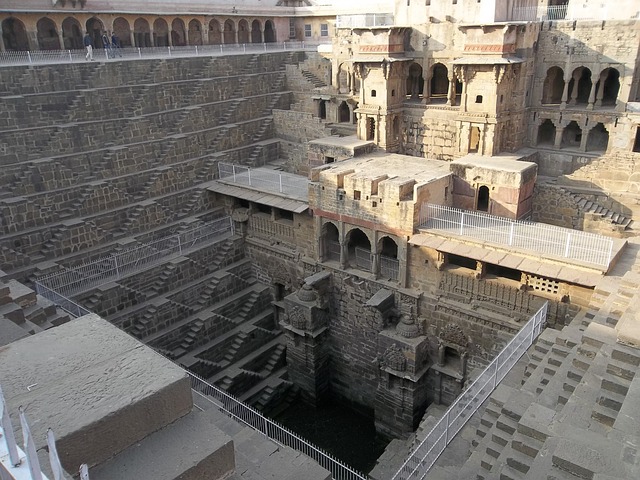
Chand Baori, Abhaneri: India’s Deepest Stepwell Thirteen storeys. 3,500 steps arranged in a precise geometric pattern that creates a visual effect more like an Escher print than a water cistern. Chand Baori in the village of Abhaneri, Rajasthan, is the deepest stepwell in India and one of the most extraordinary pieces of engineering to survive from the 9th century. Most visitors spend about...
read more
Mont Saint Michel, Normandy
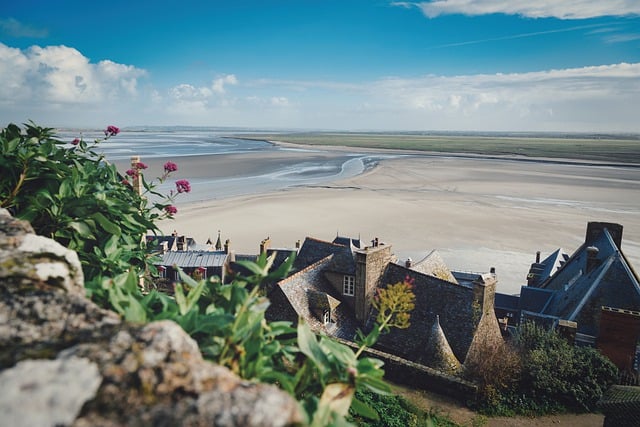
Mont-Saint-Michel: Stay the Night, or You’re Missing the Point Mont-Saint-Michel receives around 3 million visitors a year, almost all of them day-trippers. They arrive in the morning, walk up to the abbey, eat omelettes at La Mere Poulard, and leave before dark. The experience they get is fine but not the one the island offers. The experience the island offers is what happens after 6pm when...
read more
Charleston, South Carolina
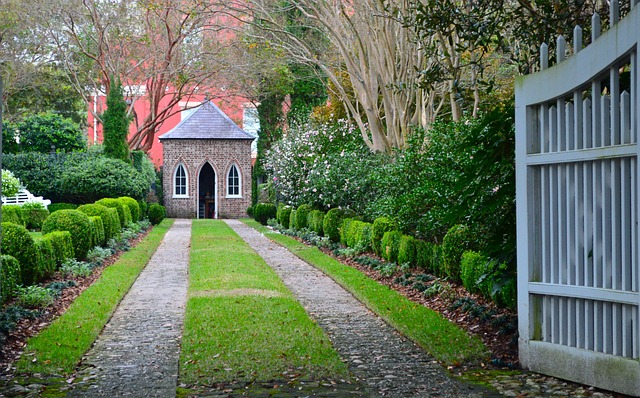
Charleston: The City That Started the Civil War, Then Survived It Better Than Any Other The first shots of the American Civil War were fired here in April 1861, at Fort Sumter in Charleston Harbor. Confederate forces bombarded the Federal garrison that refused to surrender, and the war was on. The city that triggered the conflict spent four years under Union naval blockade, and then – unlike...
read more