Recent Places
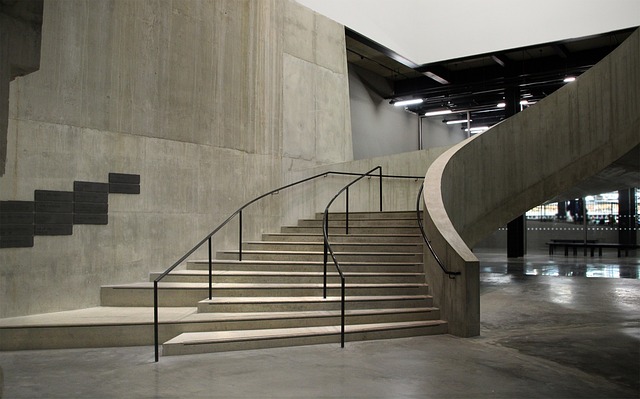
Tate Modern
The UK Supreme Court ruled in 2023 that Tate Modern’s own viewing platform was a legal nuisance to its neighbors, and the gallery had to permanently restrict access to protect the privacy of residents living in the glass-walled flats next door. That is not a footnote, it is one of the odder outcomes of contemporary architecture colliding with contemporary art, and it changed what you can...
read more
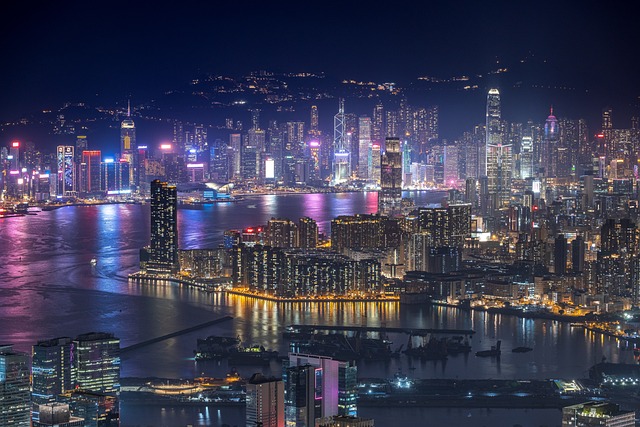
The Peak Hong Kong
Until 1926, the tram that hauls you up to Victoria Peak ran a segregated class system: First Class was reserved for British colonial officials and residents of the Peak itself, and until 1904 no Chinese resident could live at the summit at all unless employed there as a servant. The mountain that today gets photographed by everyone with a phone was, for decades, a hill that most of Hong...
read more
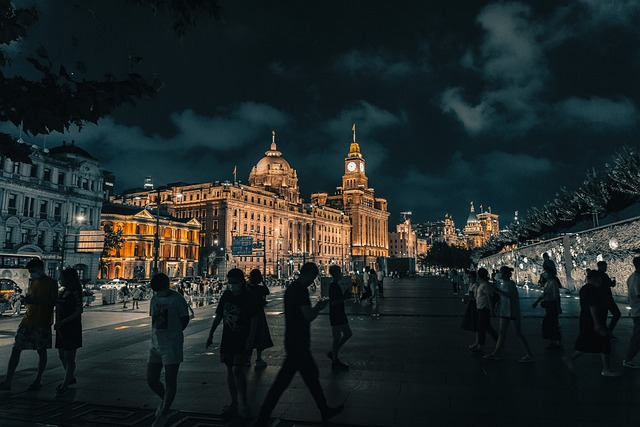
The Bund, Shanghai, China
The word “bund” isn’t Chinese at all. It came into English from Hindustani, where it meant an embankment or dyke, and British traders brought the term with them from India when they set up shop on this stretch of the Huangpu River after the 1842 Opium War. The Chinese name, Waitan, translates as “outer bank,” a name that only makes sense once you know the old walled...
read more
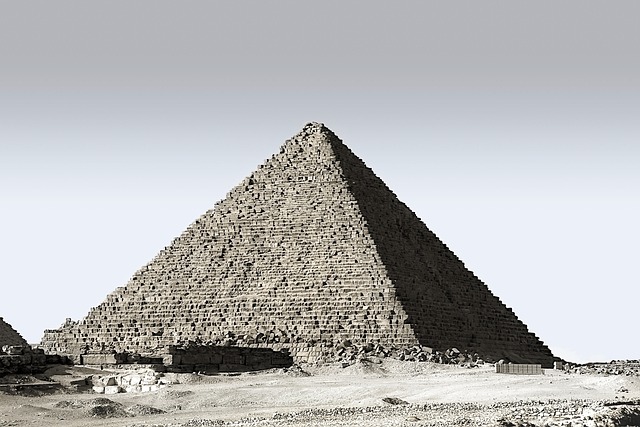
The Pyramids of Giza
The Great Pyramid was built by a paid, organized workforce that ate more meat and protein than average Egyptians of the era, not by chained slaves, a myth that traces back to Herodotus writing two thousand years after the fact and somehow still shows up in half the tour scripts on the plateau. Excavations at the nearby workers’ village, known as Heit al-Ghurab, have turned up bakeries,...
read more
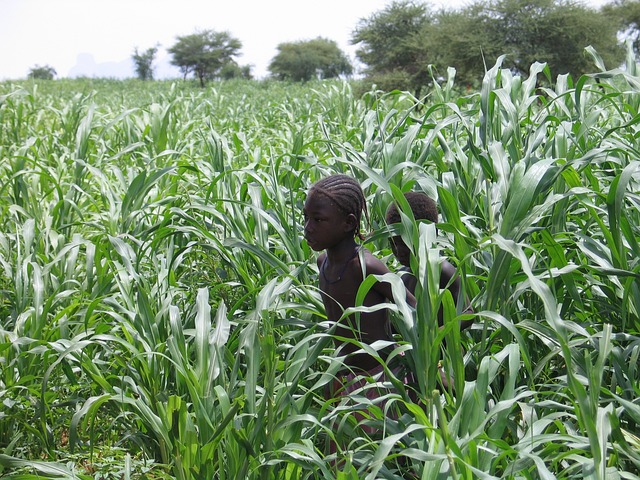
Timbuktu Mali
There was never any gold in Timbuktu. That is the first thing worth clearing up, because the nickname “City of Gold” has outlived the truth by about seven centuries. When Mansa Musa passed through Cairo in 1324 on his way to Mecca, he gave away so much gold that he reportedly depressed the metal’s value in Egyptian markets for years afterward. Arab travelers who heard the stories...
read more

Everland, Gyeonggi Do, South Korea
Everland is owned by Samsung. That one fact explains a lot: the level of operational precision, the meticulous maintenance of a park that opened in 1976, the app infrastructure that determines whether you get onto the best rides or spend your afternoon in a 90-minute queue. Samsung C&T Corporation runs South Korea’s largest theme park, and it shows in almost every detail of the...
read more
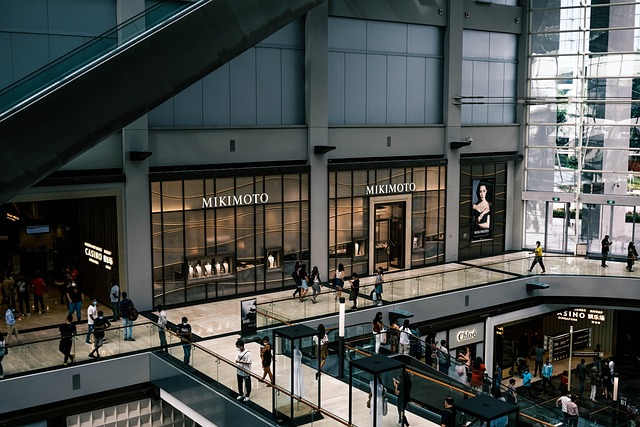
National Mall
The National Mall opened a brand-new underground museum beneath the Lincoln Memorial in June 2026, just in time for America’s 250th anniversary. If you thought you had seen everything on this stretch of lawn between the Capitol and the Potomac, think again.
The two-mile corridor running from the Capitol steps to the Lincoln Memorial is, in raw numbers, the most visited piece of parkland in...
read more
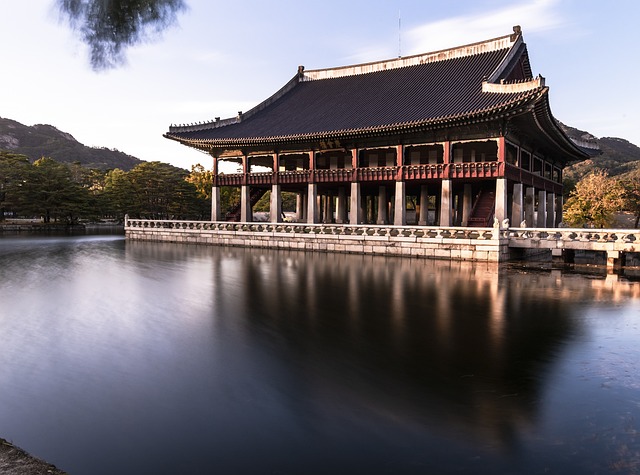
Changdeokgung Palace Complex, South Korea
Changdeokgung Palace Complex, Seoul King Taejong built Changdeokgung in 1405 not out of architectural ambition but out of superstition. He was convinced that Gyeongbokgung, the official main palace, carried bad fortune after family deaths occurred there, so he commissioned a secondary palace on the eastern slopes of Bugaksan to give the dynasty a fresh start. When Japanese-backed forces burned...
read more
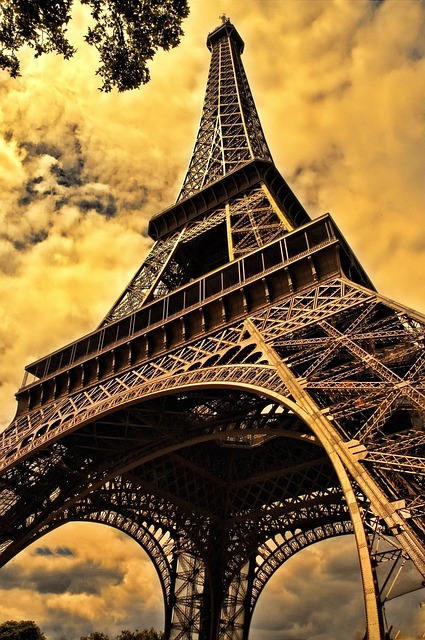
Eiffel Tower
Eiffel Tower When Gustave Eiffel’s company finished assembling the tower in March 1889, the man whose name it bears had essentially nothing to do with its original conception. Two of his engineers, Maurice Koechlin and Emile Nouguier, sketched the idea on June 6, 1884, a 300-meter metal pylon that Eiffel initially dismissed outright. He only came around after architect Stephen Sauvestre...
read more
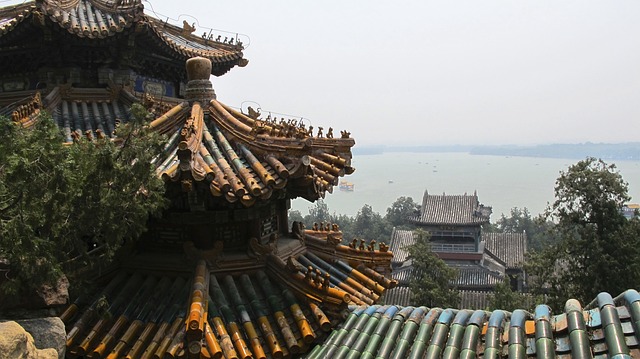
The Summer Palace, China
The Summer Palace, Beijing Built on a Missing Navy In 1888, Empress Dowager Cixi diverted approximately 5 to 6 million taels of silver earmarked for modernising the Chinese imperial navy and used it to rebuild a royal garden in Beijing’s northwestern suburbs. She renamed the result Yiheyuan - the Garden of Nurtured Harmony - which the rest of the world now calls the Summer Palace. Six years...
read more
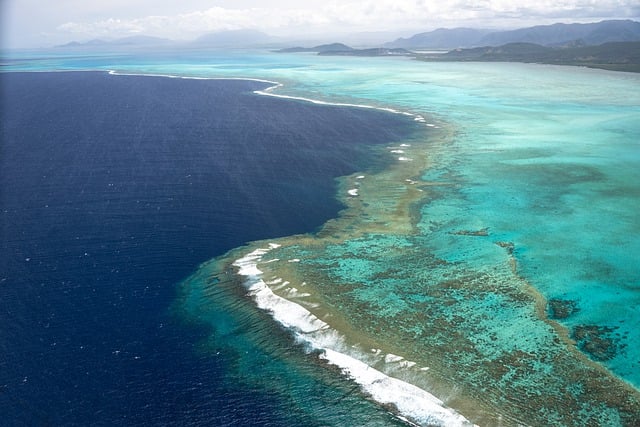
New Caledonia
New Caledonia’s lagoon is the second largest in the world, covering more than 24,000 square kilometres and designated a UNESCO World Heritage Site in 2008. A coral reef survey of the lagoon found 320 species of hard coral in 1,000 samples. The Great Barrier Reef, with 40,000 samples, had yielded no more than 400 species. The lagoon isn’t just large; it is, by some measures of coral...
read more
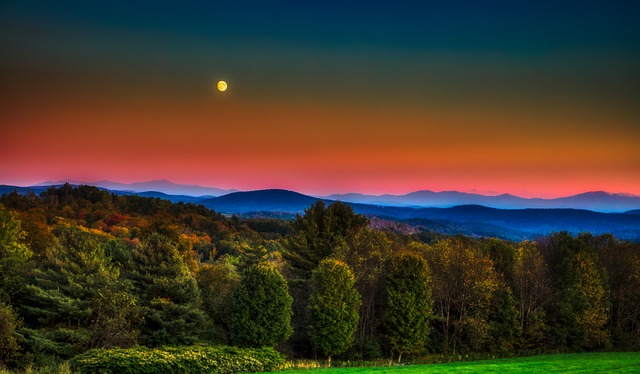
Vermont, USA
Vermont is the only New England state without a McDonald’s on its interstate highway system. That fact tells you something: this is a place that decided, a long time ago, what it wanted to be and stuck with it. No billboards either, by law. Drive north from Massachusetts and the landscape shifts and the signage disappears and you get a version of rural America that most of the country has...
read more
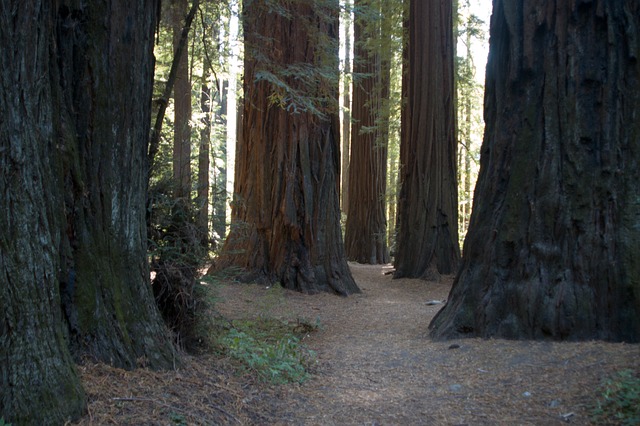
Drive Through a Giant Redwood in Northern California
The Drive-Through Redwoods of Northern California: A Roadside Stunt Worth Taking Seriously In 1937, with commercial logging declining and automobile tourism rising along the Redwood Highway, woodsmen carved a tunnel through the base of a living coast redwood in Leggett, California. The opening was 6 feet wide, 6 feet 9 inches tall, and 11.5 feet deep, cutting through the heartwood of a tree that...
read more
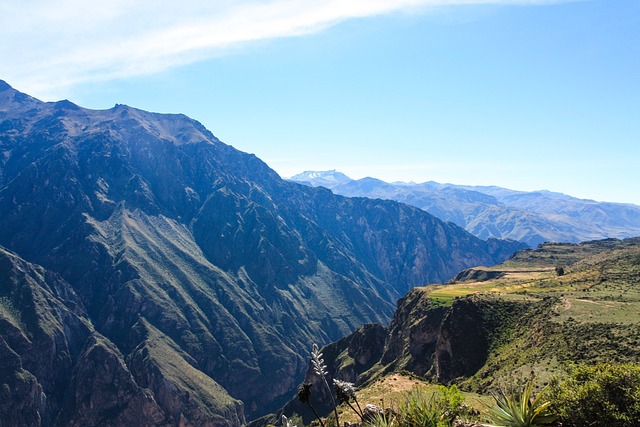
Canon Del Colca
Colca Canyon: Peru’s Deep South and What the Tour Groups Miss The brochures love calling Colca Canyon the deepest canyon in the world. It is not quite: that title goes to Cotahuasi, about 200 kilometres to the northwest, also in Peru. Colca reaches 3,270 metres at its deepest point, which still puts it at roughly twice the depth of the Grand Canyon. But the depth statistic misses what makes...
read more
Ishak Pasa Sarayi
Ishak Pasa Sarayi, Dogubayazit The palace took 99 years to build. Construction began in 1685 under Colak Abdi Pasha of the Cildirogullari, a dynasty of hereditary Kurdish pashas who controlled this corner of eastern Anatolia, and was finished in 1784 under his descendant Ishak Pasha. The building sits on a bluff at around 1,900 metres above sea level, about five kilometres east of Dogubayazit in...
read more
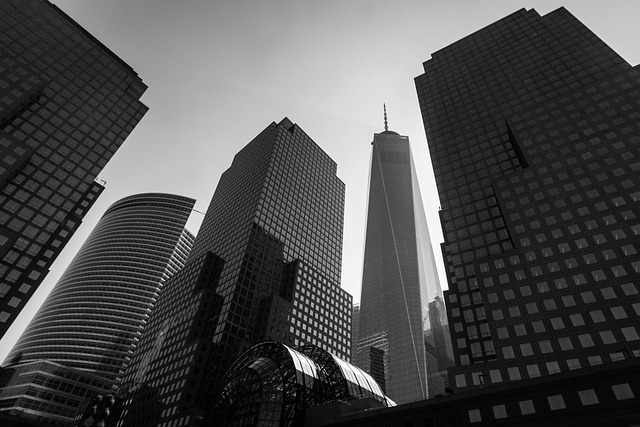
New York
New York has 472 miles of waterfront, more than any other American city, yet most visitors spend their entire trip on a ten-block radius in Midtown. That single statistic says a lot about what the city offers once you step sideways from the standard script.
The Subway Is Still the Best Decision You Will Make Since January 2026, the old MetroCard is gone. The entire system now runs on OMNY, the...
read more
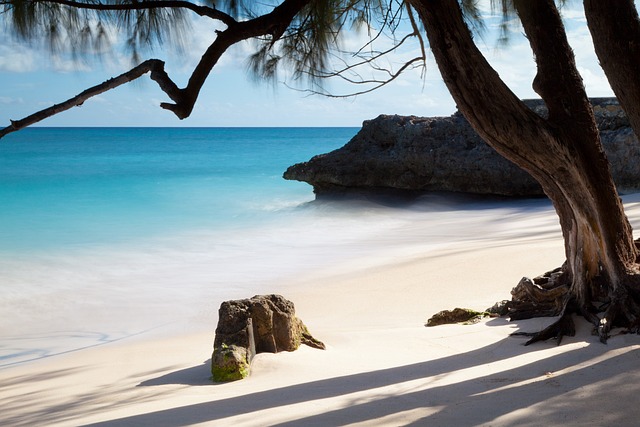
Barbados
Barbados: The Island That Invented Rum and Still Does It Best The earliest written use of the word “rum” appears in a lease agreement dated March 30, 1650, drawn up at Three Houses plantation in St. Philip parish, Barbados. That single document places the island at the origin point of one of the world’s most traded spirits, and the distilleries here have been refining the craft...
read more
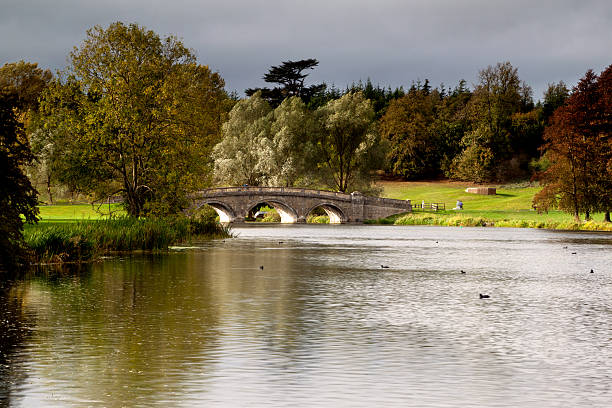
Blenheim Palace
The rent owed to the British Crown for Blenheim Palace is one copy of a French royal flag, delivered to the monarch every year on the anniversary of the Battle of Blenheim. That annual ceremony, still observed today, encapsulates what makes this place so singular: it is a working monument to a single military victory, built on gratitude and funded by Parliament, and it has never pretended to be...
read more
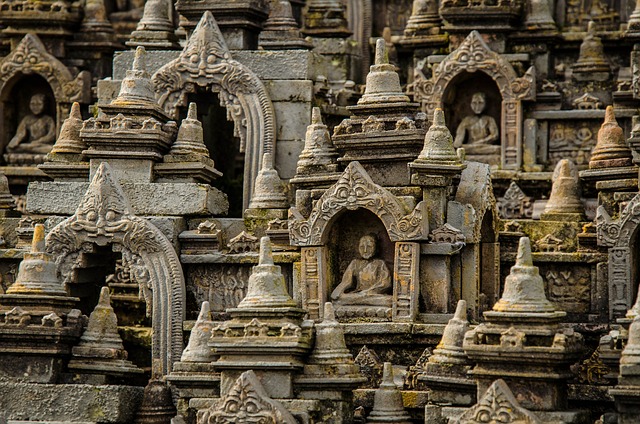
Borobodur
Borobudur: Two Million Stones, No Building Manual Nobody wrote down who built Borobudur. Not a single inscription names the architect, the patron king, or even the intended purpose of the largest Buddhist monument on earth. Archaeologists infer that construction began around 780 AD under the Sailendra dynasty and took roughly 75 to 80 years to complete, using around two million blocks of volcanic...
read more
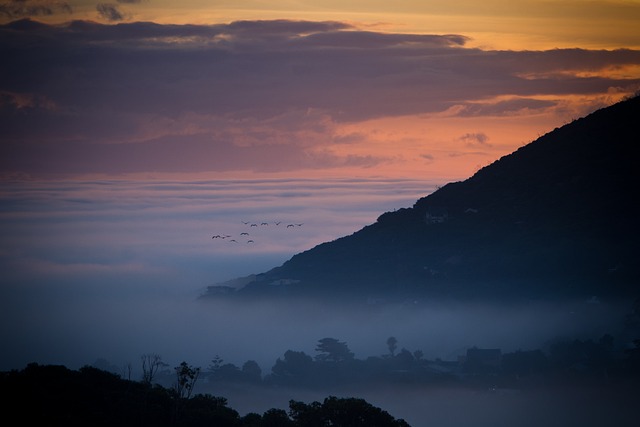
Cape Tribulation
Exploring Cape Tribulation: A Tropical Paradise in the Heart of Australia’s Rainforest The rainforest at Cape Tribulation is older than the Amazon by roughly 10 million years. That single fact reframes everything: the trees pressing right to the edge of Myall Beach are not scenic backdrop but a 180-million-year-old organism, one of the last intact fragments of the forest that once blanketed...
read more
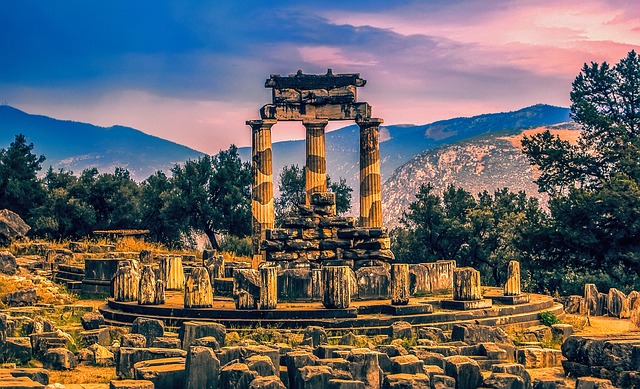
Delphi
For two centuries, the ancient town of Kastri sat unknowingly on top of one of the classical world’s most important sites. It was not until 1893 that French archaeologists, after relocating the village’s 600 residents to a new settlement nearby, began excavating what lay beneath and confirmed that Delphi’s sanctuary of Apollo had been buried under a living community for over a...
read more
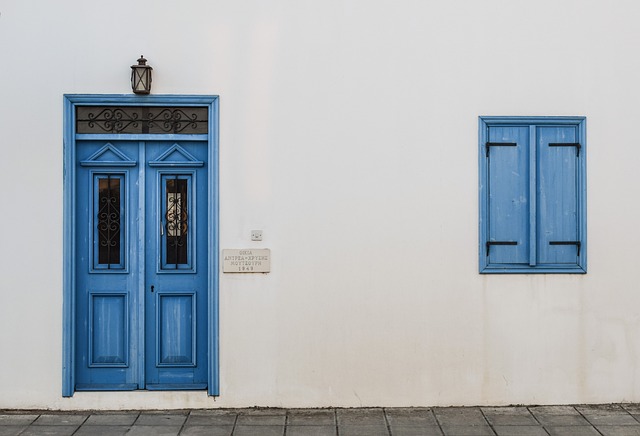
Door To Hell, Turkmenistan
The flames are going out. That is the single most important thing to understand about the Darvaza gas crater in Turkmenistan right now. Infrared surveys conducted in 2025 and 2026 show the fire intensity has dropped by more than 75 percent over three years. Turkmengaz, the state gas company, has drilled diversion wells around the site and announced a formal plan to extinguish the blaze...
read more
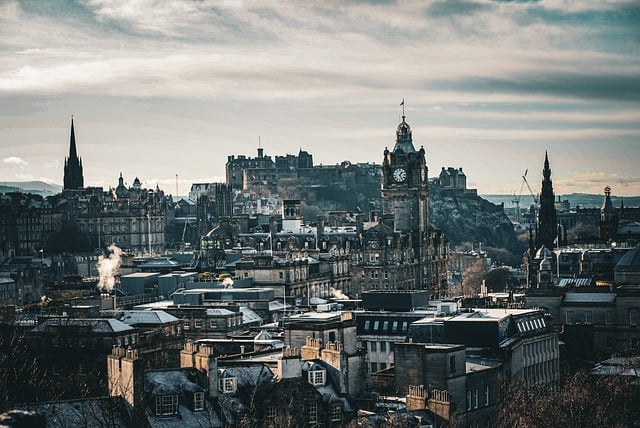
Edinburgh Festival
Eight uninvited theatre companies showed up to Edinburgh in August 1947 and accidentally invented the largest arts festival on earth. The Edinburgh International Festival had been carefully curated by impresario Rudolf Bing as a post-war cultural revival, using the city’s grand venues. These eight groups had no such invitation, so they booked church halls, back rooms and converted spaces,...
read more
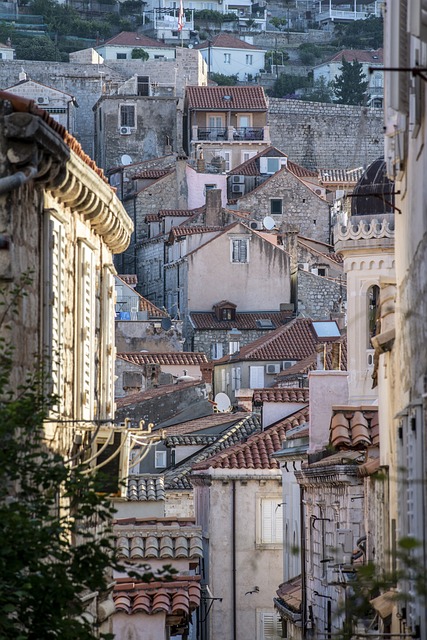
Dubrovnik
The city of Dubrovnik now counts roughly 27 tourists for every resident at peak times, a ratio that prompted city hall to cap cruise ship arrivals at two vessels per day and to introduce an advance booking system for the famous city walls starting in 2026. If you are planning a visit, understanding those numbers changes how you plan, and probably for the better.
Why the walls matter
The...
read more
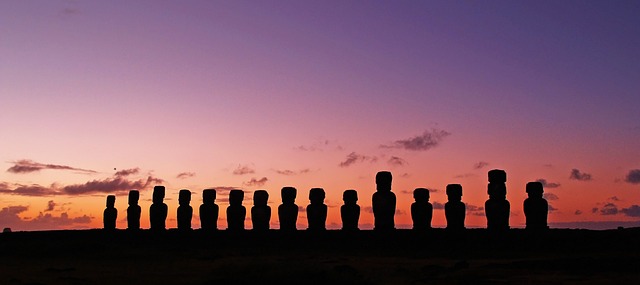
Easter Island Chile
Easter Island: The 15 Moai That a Tsunami Knocked Down, Then Were Stood Back Up In 1960 a tsunami originating off the coast of Chile crossed the Pacific and struck Ahu Tongariki, toppling all fifteen moai from their platform. For three decades they lay where they had fallen, face down in the earth. In the 1990s a Japanese crane company funded and assisted in their re-erection, and they now stand...
read more
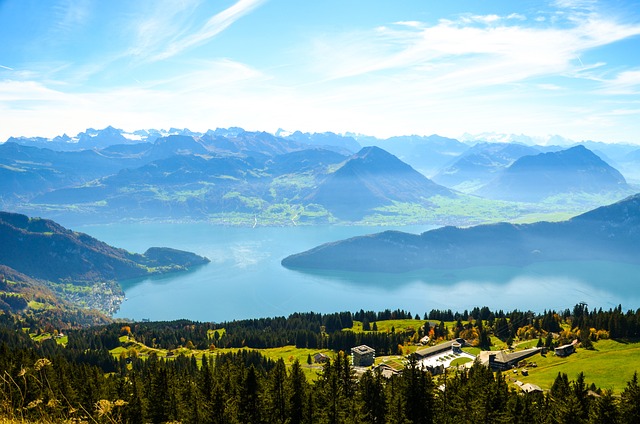
Mount Rigi, Switzerland
In 1868, three years before the railway existed, Queen Victoria had herself carried in a sedan chair to the summit of the Rigi by two local porters. She paid them six gold coins. The hotel records the payment in its annals. Three years later, engineer Niklaus Riggenbach opened Europe’s first mountain railway from Vitznau to the Rigi, and the sedan chair business ended. What...
read more
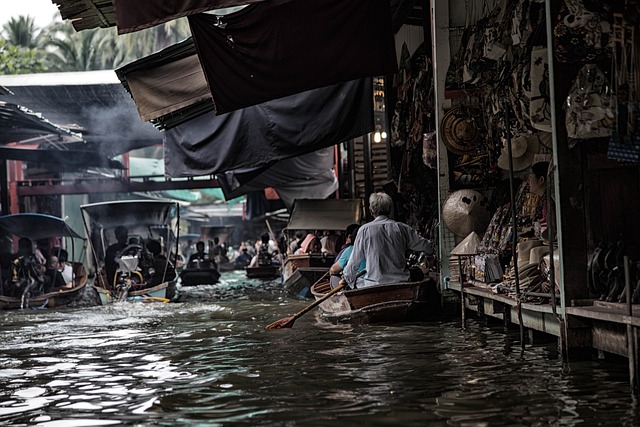
Floating Market, Bangkok
None of Bangkok’s famous floating markets are actually in Bangkok. Damnoen Saduak sits about 100 kilometers southwest of the city in Ratchaburi province, roughly a 1.5 to 2 hour drive, and the nearby railway market and Amphawa canal scene both sit further out still in Samut Songkhram. Every one of these day trips is a genuine excursion out of the capital, not a quick hop across town, which...
read more
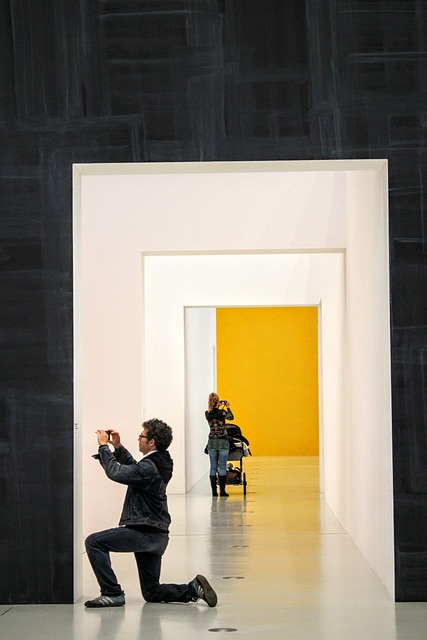
Kelvingrove Art Gallery & Museum
Kelvingrove: Scotland’s Best Museum, and Nobody Argues About That The building faces the wrong way. When Kelvingrove Art Gallery and Museum opened in 1901 it was placed with its ornate entrance facing Argyle Street to the south, but when people arrived from the city, they came from the north, from Kelvingrove Park, and saw what is technically the back. Glasgow, in true form, decided the...
read more
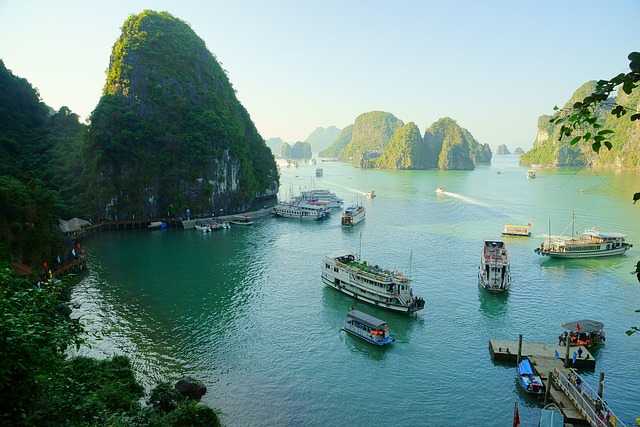
Halong Bay
Two serious incidents in the last year forced Vietnam to rewrite the rules for every boat operating in this bay. In July 2025 the Vinh Xanh 58 capsized with roughly 35 deaths, and in February 2026 the Signature QN-7269 caught fire from an electrical fault. Both pushed the government to issue new national safety regulations covering every vessel, not just the larger ones: mandatory AIS tracking,...
read more
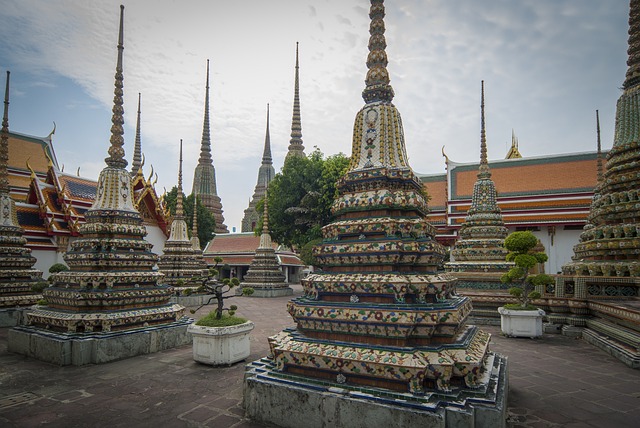
Wat Pho, Bangkok
Exploring the Magnificent Wat Pho in Bangkok: A Comprehensive Guide for Tourists The soles of the reclining Buddha’s feet at Wat Pho are split into 108 individual panels, each inlaid with mother-of-pearl depicting a different auspicious symbol, flowers, dancers, white elephants, tigers, ritual objects, and the number itself isn’t decorative flourish. In Buddhist cosmology 108...
read more
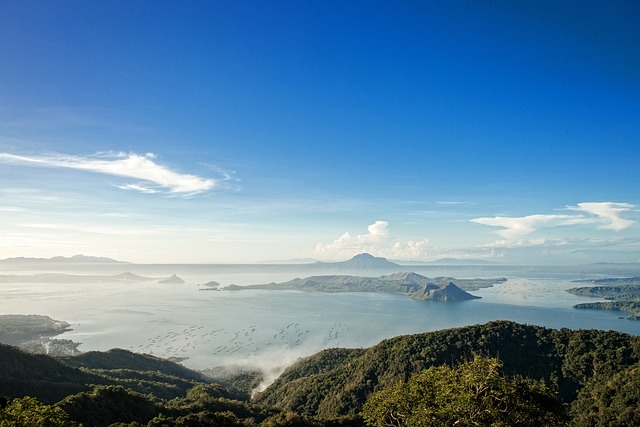
Crater Lake
If you were planning to swim in Crater Lake or take the boat tour to Wizard Island, you need new plans. Starting in 2026, the Park Service is closing Cleetwood Cove Trail, the only permitted route down to the water, for a full three-year rehabilitation project running through the 2028 summer season, with reopening targeted for 2029. A geotechnical survey found the trail’s retaining walls...
read more
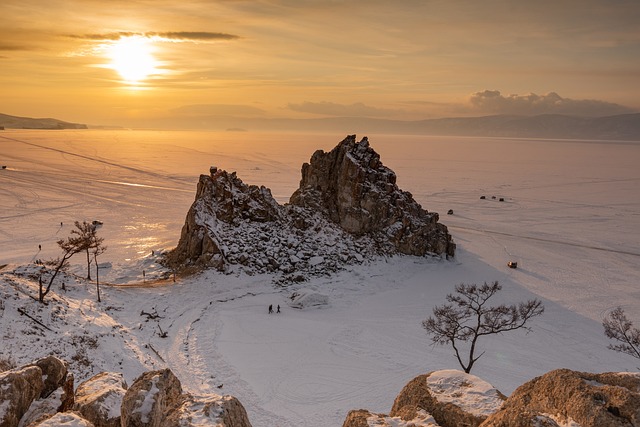
Lake Baikal Russia
Before anything about seals or ice or omul, the honest thing to say first is this: as of 2026 the US State Department maintains its highest possible advisory level for Russia, Level 4, Do Not Travel, citing the ongoing war, arbitrary enforcement of local law, terrorism risk, and a real, documented pattern of wrongful detention of foreign nationals, including Americans, with no carve-out for any...
read more
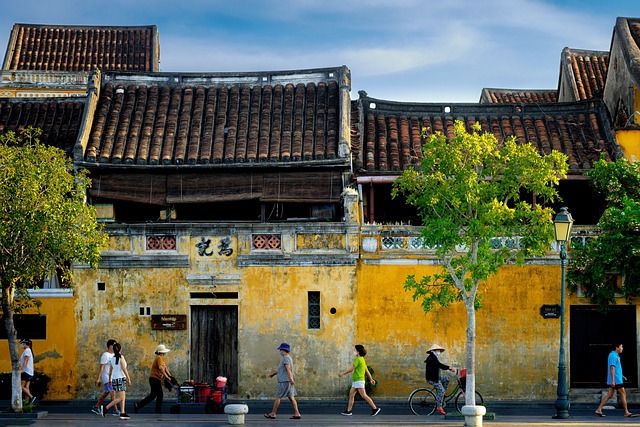
Hoi an Ancient Town Vietnam
Walking through Hoi An’s Old Town costs nothing. That surprises a lot of first-time visitors who assume the whole UNESCO-listed core requires a paid ticket, but the streets, the riverfront, and the general atmosphere are free to wander. The ticket system only kicks in once you want to step inside specific heritage buildings, historic merchant houses, or assembly halls, and understanding how...
read more
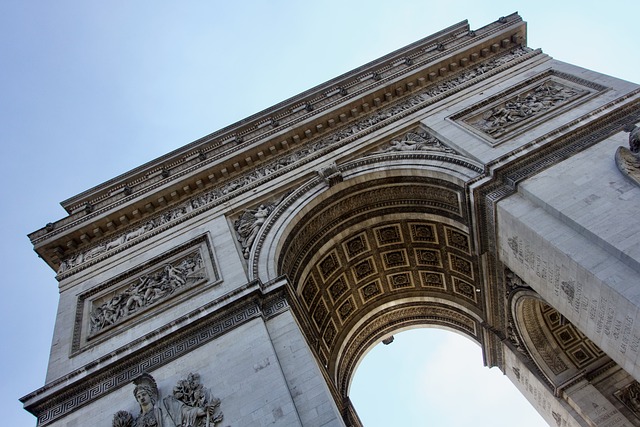
Arc De Triomphe
Arc de Triomphe, Paris Napoleon never walked through it. He commissioned it in 1806, the morning after gloating about Austerlitz, and told his soldiers they would return home only under arches of triumph. But by the time the arch was finished in 1836, he had been dead for fifteen years and France had cycled through three monarchs and two revolutions. The man who ordered it built never saw it...
read more
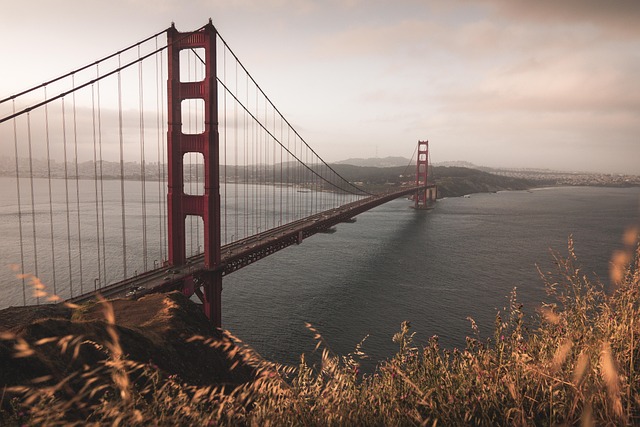
Golden Gate Park, San Francisco
Golden Gate Park was built almost entirely on sand dunes. When the city commissioned it in 1870, the western half of the site was considered so unstable that engineers doubted it could support trees. The park’s first superintendent, William Hammond Hall, and later John McLaren, who tended the park for 53 years, spent decades stabilising the dunes with deep-rooted grasses before planting...
read more
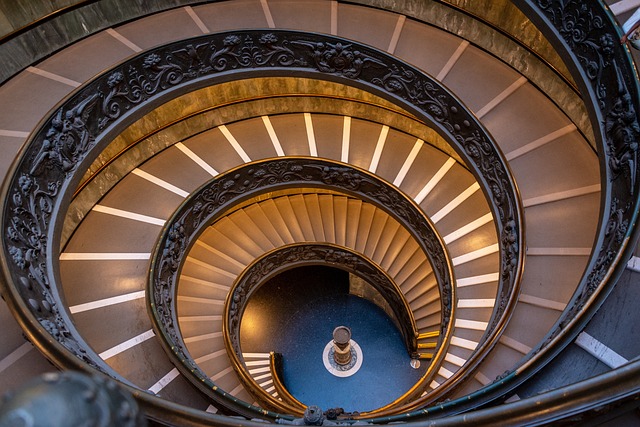
Vatican City, Europe
In May 2025, 133 cardinals entered conclave to elect a new Pope following the death of Francis. On 8 May they elected Cardinal Robert Francis Prevost, a Chicago-born Augustinian friar, who took the name Leo XIV, becoming the first American to lead the Catholic Church. His election drew global attention, and the subsequent Jubilee Year 2025 saw over 33 million pilgrims visit Rome, roughly double...
read more
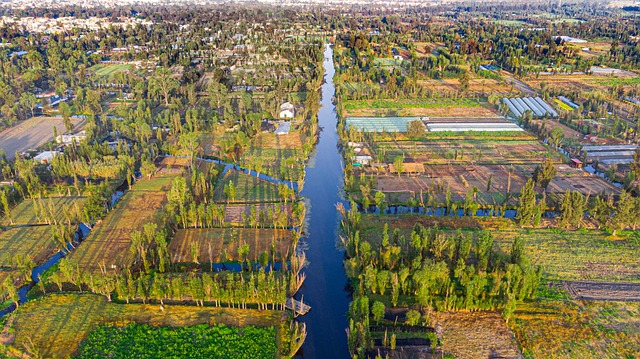
Ride The Canals Of Xochimilco, Outside Of Mexico City In A Trajinera
On a weekday morning in Xochimilco, the canals are quiet enough that you can hear the pole hitting the muddy bottom as your boatman pushes you along. Marigolds trail over the water from the chinampa edges. Someone on a passing trajinera is eating quesadillas for breakfast. Mexico City, 28 kilometres to the north, feels like a different century.
Xochimilco is one of the most unusual places you can...
read more
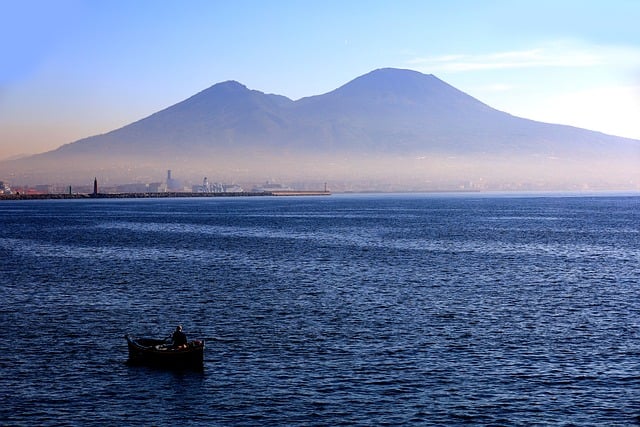
Vesuvio
Exploring Vesuvio: A Guide for Tourists You cannot walk up to Mount Vesuvius and buy a ticket at the gate anymore. Access to the crater rim, the Gran Cono trail, now runs entirely on pre-booked, timed online slots, released roughly 30 days ahead, with around 50 visitors allowed onto the trail every ten minutes. Show up without a ticket booked at least a few days in advance during high season and...
read more
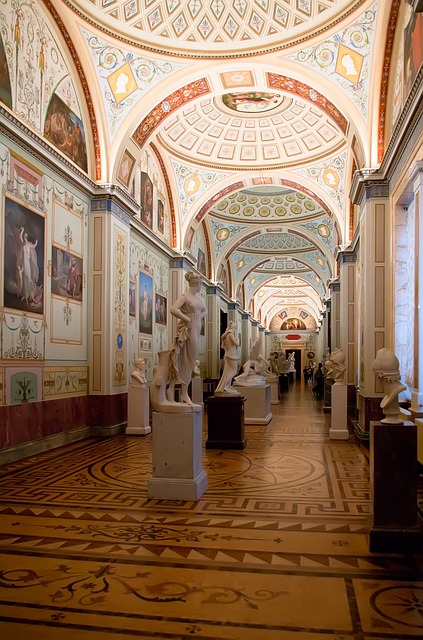
Hermitage Museum
The State Hermitage Museum, St Petersburg The Hermitage holds approximately 3 million works of art and cultural objects. Even moving briskly through every gallery would take several weeks. Most visitors have a few hours. The honest approach is to accept the incompleteness upfront, choose two or three collections that genuinely matter to you, and see those well rather than see everything badly. The...
read more
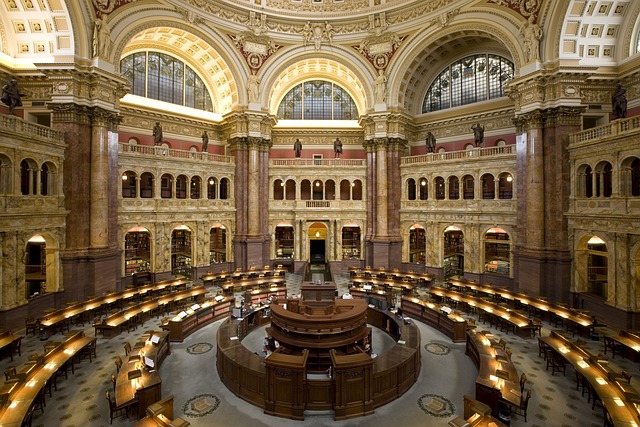
Library Of Congress, Washington, D.C.
Most people walk past the Neptune Fountain without stopping. That’s a mistake. Roland Hinton Perry’s bronze composition in front of the Thomas Jefferson Building is one of the most ambitious pieces of public sculpture in Washington, with Neptune flanked by tritons blowing conches, sea nymphs riding horses through the spray, and water-spouting turtles at his feet. It invites comparison...
read more
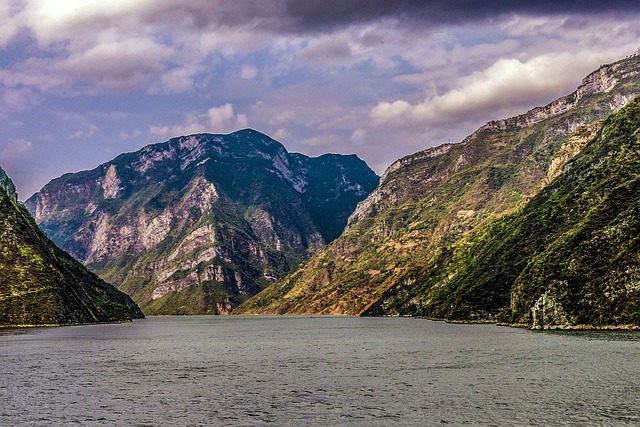
Yangtze River
No one has reliably spotted a baiji, the Yangtze River dolphin, since 2002. Scientists declared it functionally extinct in 2007, the first time a dolphin species had been wiped out entirely by human activity, so if a guide tells you to keep an eye out for one, that’s outdated advice at best. What you can realistically hope to see is the Yangtze finless porpoise, the river’s only...
read more
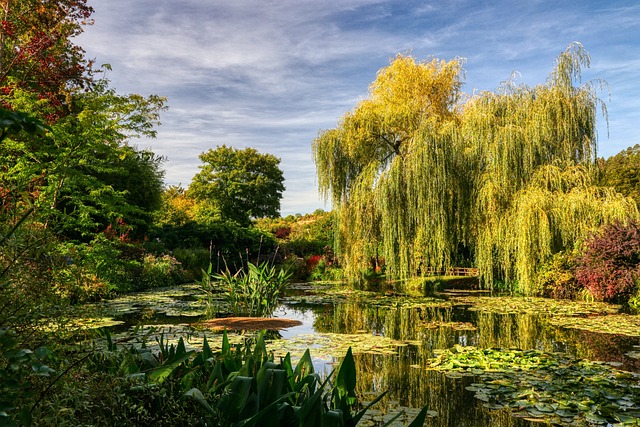
Giverny
Monet’s neighbors thought he was going to poison the village water supply. When he petitioned to divert a branch of the River Epte to feed the pond that would become the subject of some 250 paintings, local farmers pushed back hard, worried his imported exotic plants would contaminate water used for crops and livestock downstream. He got his permit anyway, and the pond that nearly caused a...
read more
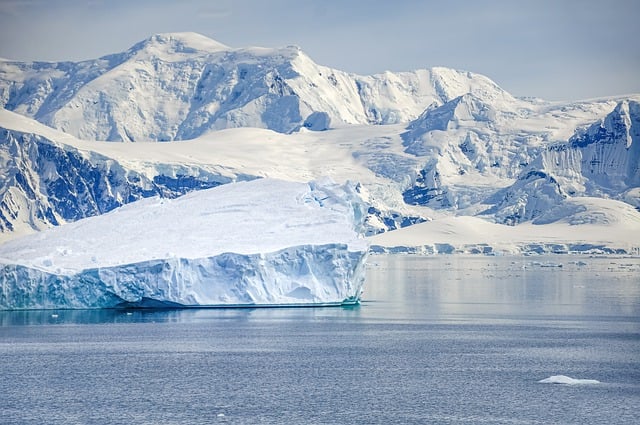
Ross Ice Shelf, Antarctica
The Ross Ice Shelf is bigger than France. That sentence is easy to type but almost impossible to absorb until you are standing at its edge and looking at a wall of ice that extends to both horizons and rises 50 metres above the waterline. Below the water, another 250 metres of ice descend to the seafloor. The shelf is roughly twice the volume of the North Sea. It has been there, grinding slowly...
read more
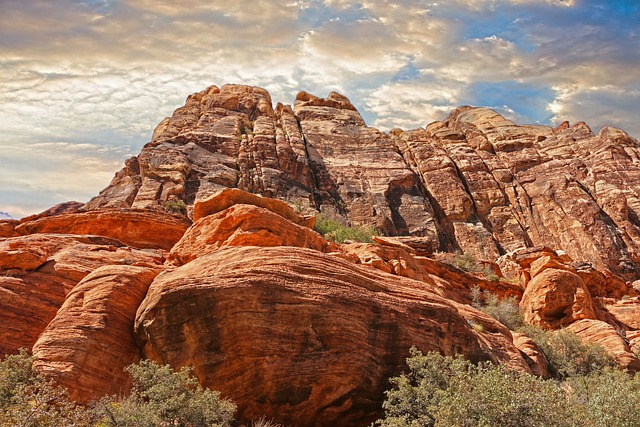
Las Vegas, Nevada
Las Vegas: The Price You See Is Not the Price You Pay Before booking a hotel room on the Las Vegas Strip, add USD 35 to USD 55 per night to whatever rate you see. That is the mandatory resort fee charged by virtually every major casino hotel, and as of 2026 it applies at the Bellagio, ARIA, Caesars Palace, Wynn, Encore, Venetian, Palazzo, Fontainebleau, and the Waldorf Astoria, among others.
read more
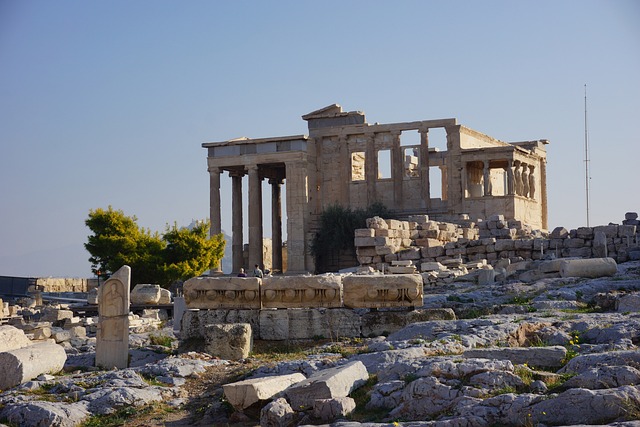
Acropolis
Acropolis On the morning of 26 September 1687, a Venetian artillery officer aimed a mortar at what was then a functioning Ottoman mosque. The building he hit happened to be the Parthenon. The Ottomans had been storing gunpowder inside because they considered it safe; no one, surely, would shell a temple that every European power considered sacred. They were wrong. The explosion killed around 300...
read more
Osaka Castle
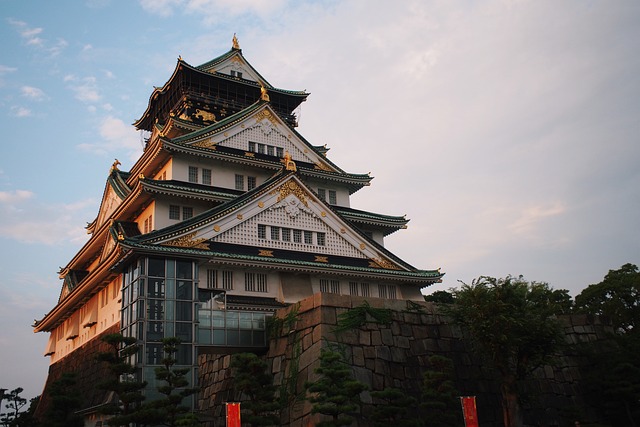
The tower rising above the moat today has an elevator inside it, and that single detail tells you almost everything about what you’re actually looking at. This is not Toyotomi Hideyoshi’s 16th-century fortress. It is a 1931 ferro-concrete reconstruction, built using modern engineering techniques on the same site, after the original was destroyed not once but twice, first by Tokugawa...
read more
New Zealand
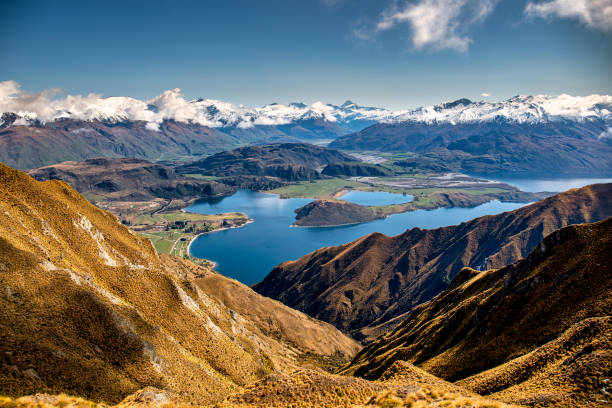
New Zealand introduced an International Visitor Levy in 2019 and tripled it in October 2024 to NZD $100 per person. Every visitor who needs an NZeTA (Electronic Travel Authorisation) pays it on top of visa costs before departure. This is worth knowing upfront because it catches travellers off-guard at the application stage, and it changes the rough budget arithmetic for a trip. Australians and...
read more
Mozarts Birthplace Salzburg
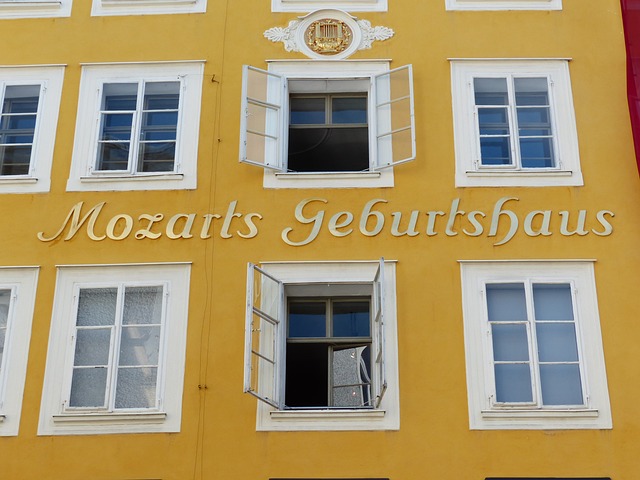
Mozart left Salzburg and never came back. He spent the last decade of his life in Vienna, died there at 35, and described Salzburg in his letters as a provincial backwater where he could never get the commissions his talent deserved. The city’s current relationship with him, as brand, pilgrimage destination, and baroque marketing exercise, is something he would have found deeply ironic. None...
read more
Madagascar
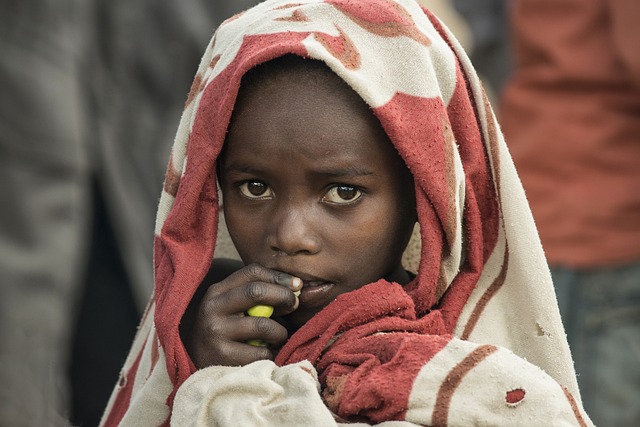
Madagascar separated from the Indian subcontinent around 88 million years ago and has been effectively isolated ever since. That isolation produced something extraordinary: an island where roughly 90 percent of wildlife species are found nowhere else on earth, including all 110-plus species of lemur, six of the world’s eight baobab species, and more than half of the world’s chameleon...
read more
Blue Lagoon
Blue Lagoon The moment you step outside at Keflavik Airport after a transatlantic red-eye, Iceland punches you with cold salt air. Your bag is heavy. Your eyes are gritty. And somewhere twenty minutes down the road, roughly 10,000 litres of silica-rich, 38-degree water is waiting to unknot everything. That is why so many people go to the Blue Lagoon at the start of their trip rather than the end....
read more