Recent Places
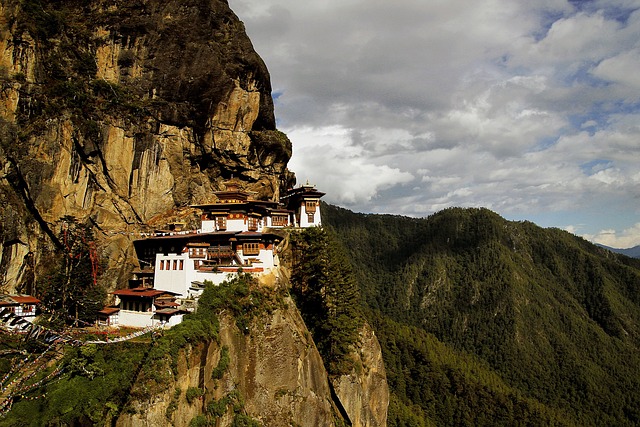
Tigers Nest Monastery Bhutan
You will hand over your phone before you ever see the inside of Tiger’s Nest. Security sentries at the final gate collect cameras, phones, and backpacks into lockers and give you a token in return, no recording devices are allowed anywhere in the sacred halls, and the rule is enforced without exception. That single detail tells you more about this place than most guidebook descriptions...
read more
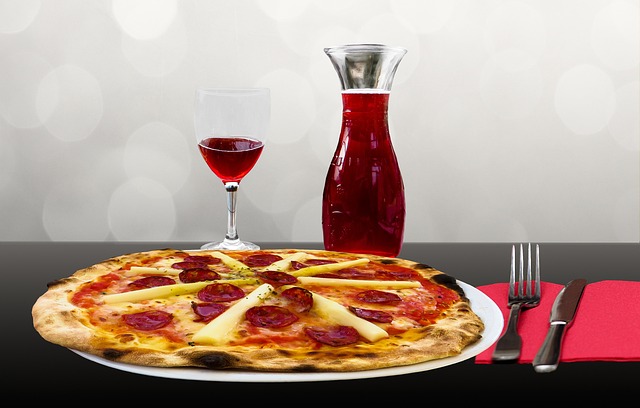
Pizza in Naples Italy
The Neapolitan pizza is a protected legal designation. The Associazione Verace Pizza Napoletana has been certifying pizzerias since 1984, and the EU granted the dough its own Traditional Speciality Guaranteed status in 2009. This tells you something about how seriously Naples takes this. The city that invented pizza has opinions about what pizza is, and most of those opinions are correct.
A proper...
read more
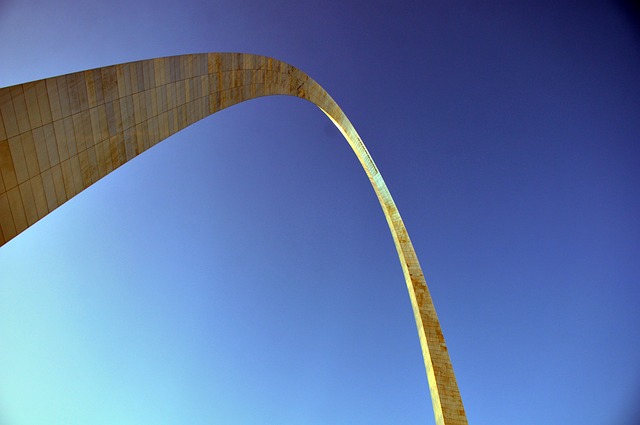
Gateway Arch
Exploring the Iconic Gateway Arch: A Comprehensive Guide for Tourists When the two legs of the Gateway Arch finally met at the keystone on October 28, 1965, construction crews had to force the steel legs 8.5 feet apart using hydraulic jacks; the sun had expanded one leg just enough that the pieces would not otherwise align. The final gap had a margin of error of less than half a millimetre. No one...
read more
Lumorismo Di Piton
From the sea, the Pitons look like something a child would draw if you asked them to draw a dramatic island: two perfectly conical peaks rising directly from the water, jungle green from base to summit, implausibly steep. The local Piton beer is named after them. The island’s flag incorporates their silhouette. When Saint Lucia got UNESCO World Heritage status in 2004, it was the Pitons that...
read more
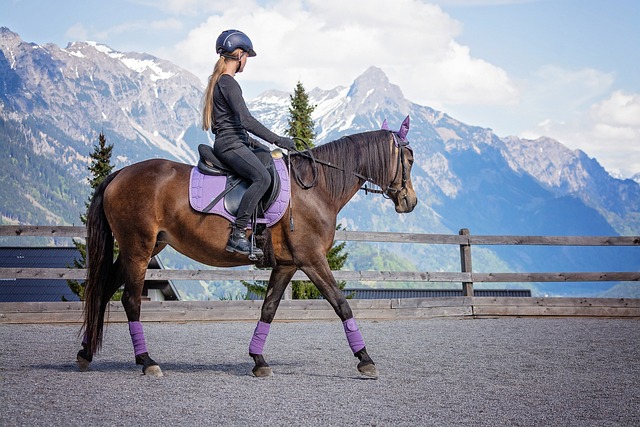
Spanish Riding School
The Lipizzaner foals are born dark brown or black. Their famous white coat appears gradually between the ages of six and ten, a transformation so slow and individual that trainers track it horse by horse. The breed traces its lineage to Moorish Barb and Arab horses crossed with Iberian stock in medieval Spain, which is precisely where Emperor Ferdinand I sourced his first animals when he...
read more
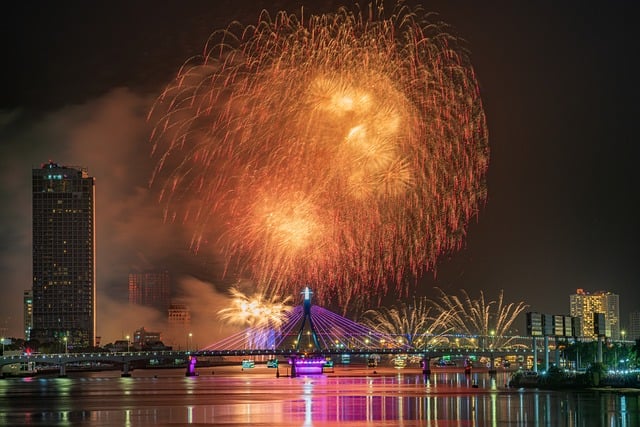
Danang To Hue, Vietnam
Da Nang to Hue: The 100 Kilometres That Change Everything The road between Da Nang and Hue covers roughly 100 kilometres and can be driven in under two hours. That is the version you get on an express bus. The version worth taking adds the Hai Van Pass, Lang Co Bay, and as many stops as you can fit, and turns the transit into the best coastal drive in mainland Southeast Asia.
read more
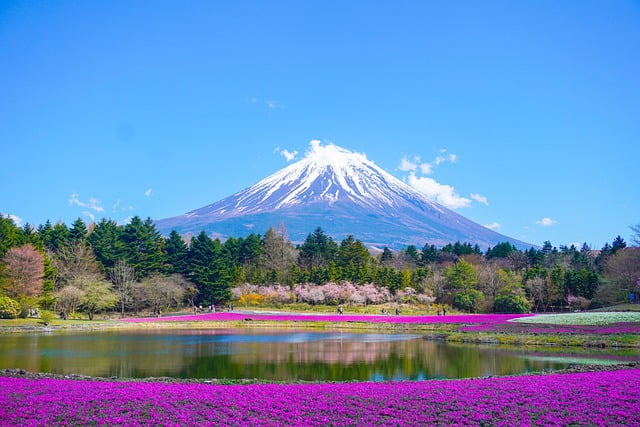
Mount Fuji
Mount Fuji in 2026: New Rules, Higher Fees, and Why the Old Way of Climbing Is Gone Women were banned from climbing Mount Fuji for most of its recorded history. The doctrine of nyonin kinsei, or “no women rule,” held during the Edo period that women were ritually impure due to menstruation and childbirth, and their presence would defile the mountain’s sanctity. The first recorded...
read more
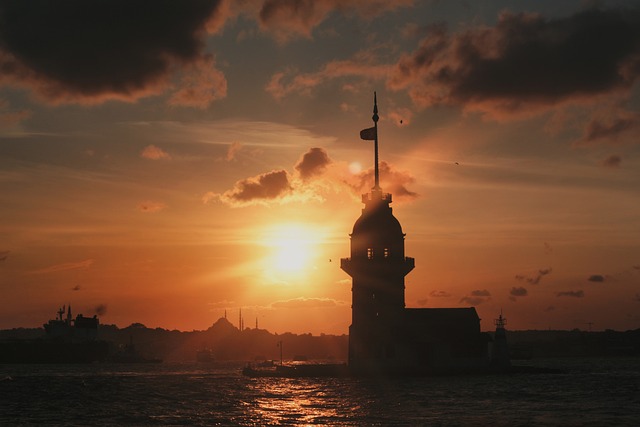
Azure Coast, Turkey
Turkey’s Azure Coast: Ancient Lycia, Clear Water, and Practical Realities The village of Ucagiz, a fishing settlement on a lagoon near Kekova, was named a UNWTO Best Tourism Village in 2025. That recognition is telling. While Antalya pulls millions of package tourists and Bodrum fills with superyachts, the quieter corners of Turkey’s southwest coast still reward visitors who look past...
read more
Island Of Mozambique
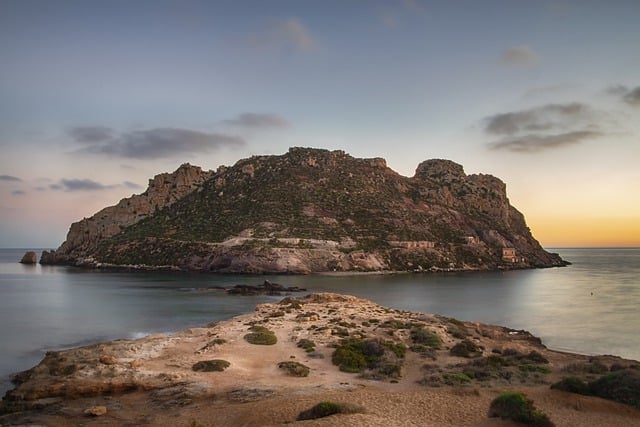
The Chapel of Nossa Senhora de Baluarte, tucked against the northeastern corner of Fort Sao Sebastiao on the Island of Mozambique, was completed in 1522. Most architectural historians consider it the oldest European building still standing in the southern hemisphere. You can walk up to it, push open the door, and step inside. The scale of that fact does not fully register until you are actually...
read more
Tower Bridge
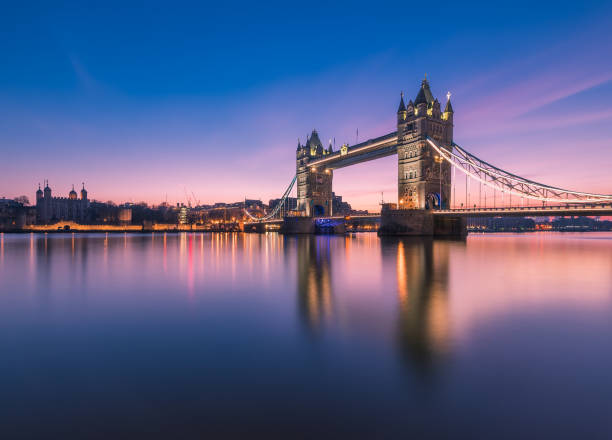
When it opened in June 1894, Tower Bridge was painted chocolate brown, a colour Queen Victoria reportedly liked, not the blue and white livery repainted for the Queen’s Silver Jubilee in 1977 that everyone photographs today. That single fact tells you something useful: most of what people assume about this bridge is a snapshot of one era mistaken for the whole story.
The bridge is a bascule...
read more
Terracotta Warriors
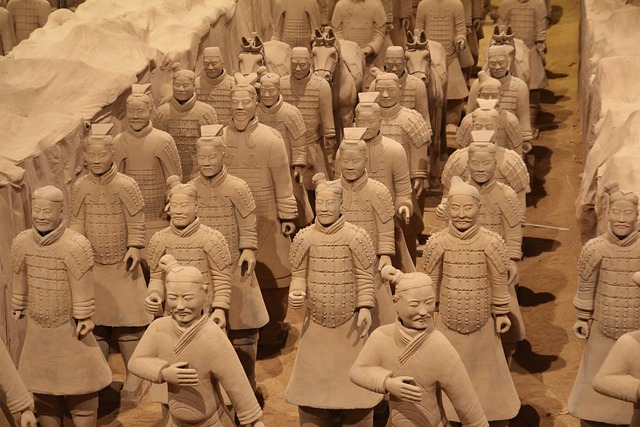
For four minutes after they come out of the ground, the terracotta warriors still have their original color. Farmers digging a well near Xi’an in 1974 didn’t just uncover an army; conservators later realized that the lacquer undercoat beneath the paint starts curling and flaking away within fifteen seconds of exposure to air, and the paint is largely gone within four minutes unless a...
read more
Da Nang
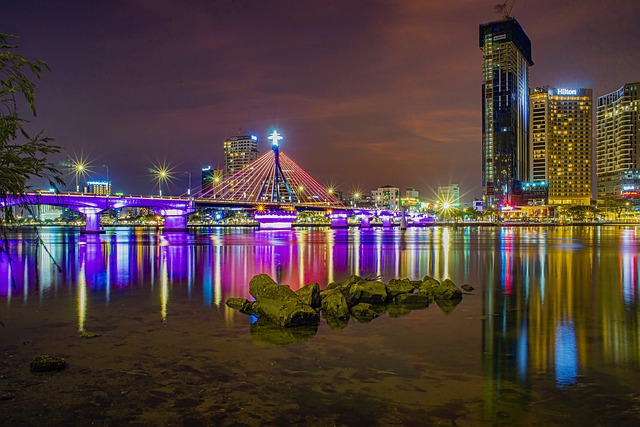
Da Nang’s airport sits just three kilometres west of the city centre, which makes it one of the most accessible coastal destinations in Southeast Asia. A Grab car to My Khe Beach costs around 80,000 VND and takes fifteen minutes. That unusual proximity to an international airport, more than any beach ranking or Instagram bridge, explains why this city has grown faster than almost anywhere...
read more
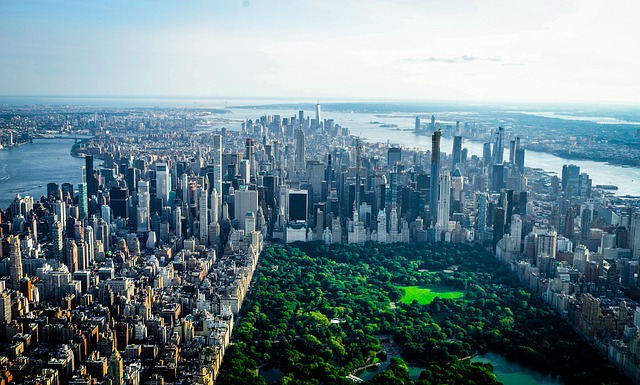
Central Park, New York City
More gunpowder was detonated during Central Park’s construction than in the entire Battle of Gettysburg. That figure sits oddly alongside the image of Sunday joggers and pretzel carts, but it points to something the park’s manicured lawns tend to obscure: this place was wrenched from the earth at enormous cost, displacing roughly 1,600 people (including the residents of Seneca Village,...
read more
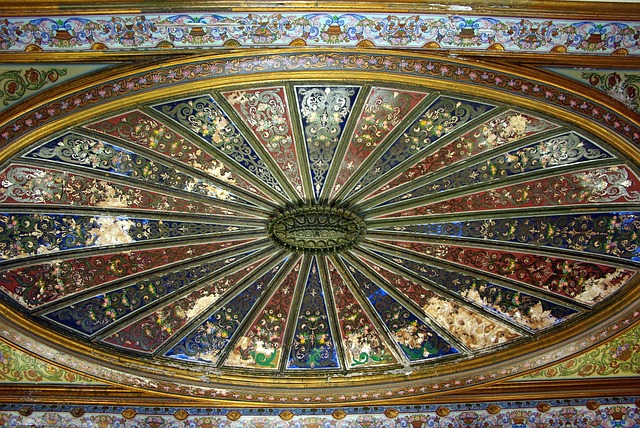
Bardo Museum Tunis
The Bardo Museum, Tunis Roman mosaics are usually encountered in fragments: a section of floor under a sheet of protective glass, a border salvaged from a collapsed villa. The Bardo National Museum in Tunis exists to correct that impression entirely. Here, rooms that once served as audience halls and royal chambers are given over to mosaics that fill every square metre of the floor, mosaics so...
read more
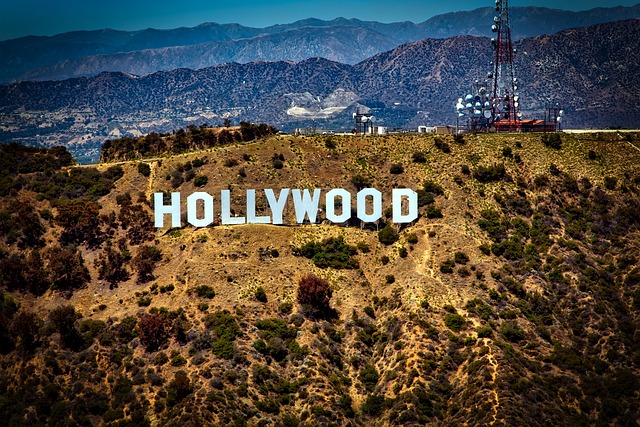
Hollywood Sign
The Hollywood Sign was not built for the movies. It was built in 1923 to sell houses. Real estate developers, including Los Angeles Times publisher Harry Chandler, spent $21,000 erecting the 13-letter “HOLLYWOODLAND” sign on Mount Lee to advertise a new hillside residential subdivision. Each letter stood about 13 metres tall, was built from sheet metal rigged to telephone poles, and...
read more
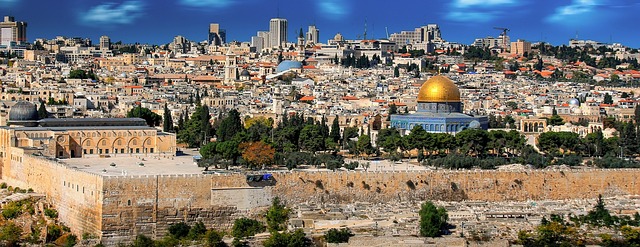
Jerusalem Old City
Jerusalem Old City: The Keys Are Held by a Muslim Family and Have Been Since 1187 The keys to the Church of the Holy Sepulchre, the most sacred site in Christianity, are held by the Joudeh family, Muslims who have been custodians since Saladin assigned the role in 1187. A second Muslim family, the Nusaybah, holds the doorkeeping responsibility, established in 1192. This arrangement exists because...
read more
Camber Sands Beach
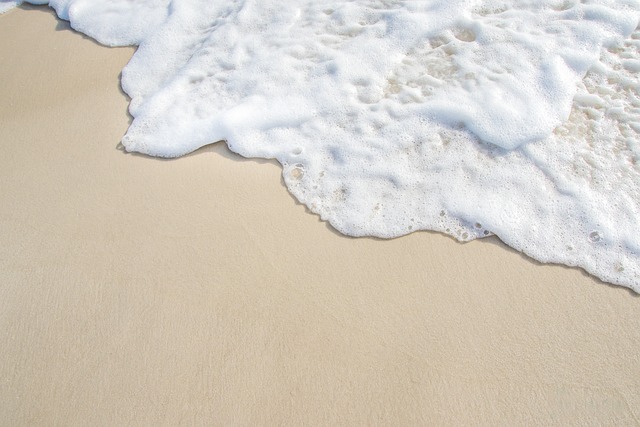
Camber Sands: The Best Beach on the South Coast That Most People Drive Past Most visitors to the English coast head for Brighton, Bournemouth, or Whitstable. Camber Sands, tucked into a corner of East Sussex just west of the Kent border, is a different proposition entirely: three miles of south-facing sand backed by the highest dunes on the southeast coast, with no pier, no amusement arcades, and...
read more
Sensoji Temple Tokyo
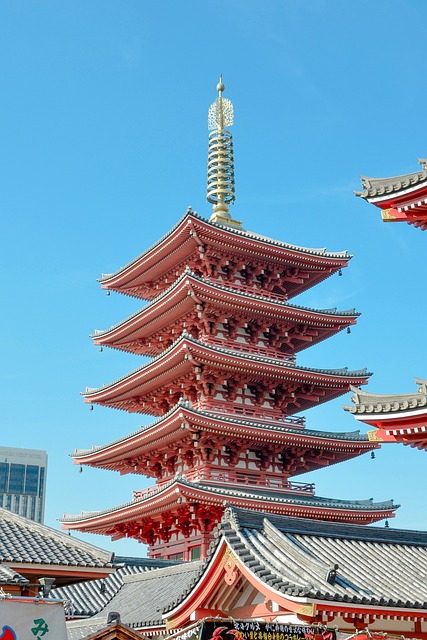
Discovering the Enchanting Sensoji Temple in Tokyo Two fishermen brothers pulled a tiny golden statue out of the Sumida River in 628 AD, threw it back twice, and it kept turning up in their nets, which is the entire, slightly absurd origin story behind the most visited religious site on earth. Sensoji now pulls in over 30 million visitors a year, more foot traffic than any single temple, shrine,...
read more
Hoi An
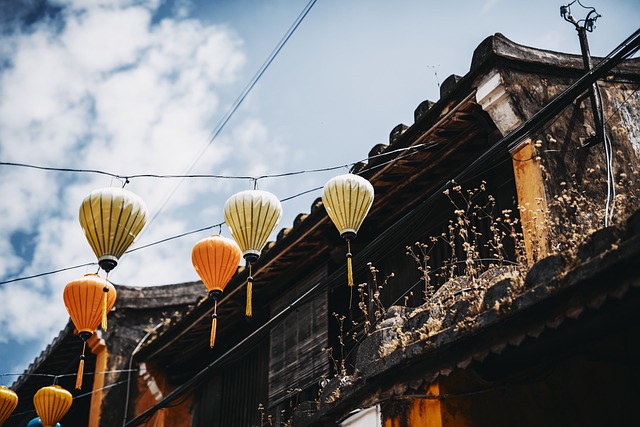
For about three centuries, Hoi An was one of the most commercially significant ports in Southeast Asia. Chinese, Japanese, Dutch, Portuguese, and Indian merchants maintained permanent warehouses and residences here; the Thu Bon River gave access to the interior highlands where silk, cinnamon, and precious woods were produced. Then the river silted up in the late 18th century, trade shifted north...
read more
South American Tepuis
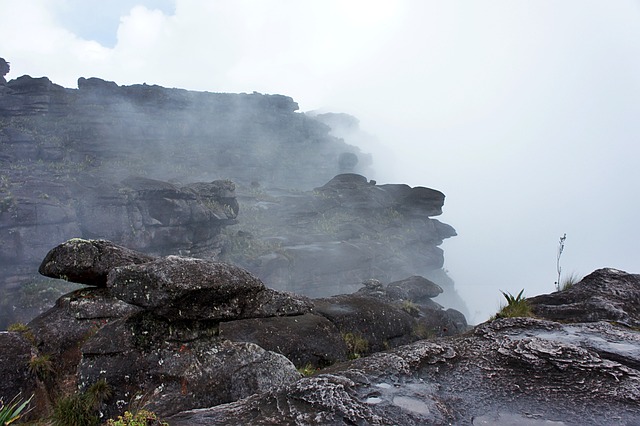
The sandstone that forms the tepuis of the Guiana Highlands is between 1.7 and 2 billion years old. For context, the first complex multicellular life on Earth appeared around 600 million years ago. The rock beneath your feet on the summit of Mount Roraima predates it by more than a billion years. These flat-topped mountains (the word tepui means “house of the gods” in the Pemon...
read more

Celebrate St. Patricks Day In Ireland
Celebrating St. Patrick’s Day in Ireland: What Nobody Tells You Before You Go Let’s start with something worth knowing: corned beef and cabbage is an American invention. The Irish dish associated with the day is actually bacon and cabbage, and the American version emerged from Irish immigrants substituting Jewish-neighbourhood corned beef in New York tenements when they couldn’t...
read more
Vat Phou and Associated Ancient Settlements Within the Champasak Cultu
Vat Phou and the Ancient Settlements of Champasak A straight road once ran from Vat Phou all the way to Angkor Wat, roughly 100 kilometers south, and traces of it are still visible in the landscape today. That single fact reframes what most visitors think they’re looking at. Vat Phou isn’t a smaller, forgotten cousin of Angkor. It’s the older idea Angkor was built on top of, the...
read more
Visiting Tigers Nest, Bhutan
Every tourist standing on the Tiger’s Nest viewpoint today is looking at a building that mostly dates from 2005, not 1692, because a devastating fire tore through the complex on April 19, 1998, killing a monk and destroying centuries-old murals, gilded statues, and manuscripts inside the main temple and meditation chapel. The Fourth King personally oversaw a seven year reconstruction,...
read more
Alhambra
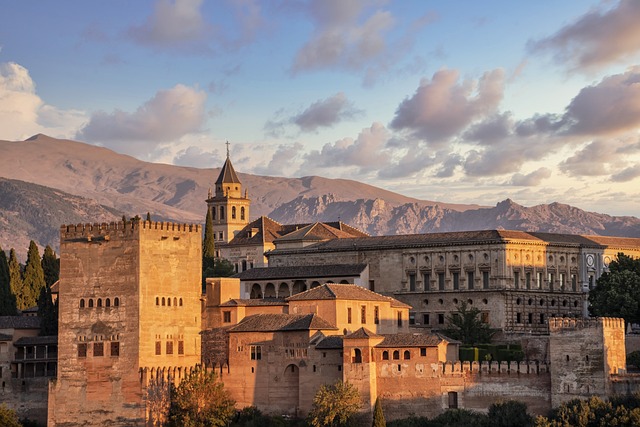
The Alhambra, Granada, Spain Before you book your flights to Granada, open a browser tab and go to tickets.alhambra-patronato.es. Do it now, before you read another word. The Alhambra’s Nasrid Palaces are capped at 6,600 visitors a day, and those slots disappear weeks ahead of high season. July and August weekend mornings can sell out within hours of the booking window opening, which happens...
read more
Rio De Janeiro Brazil
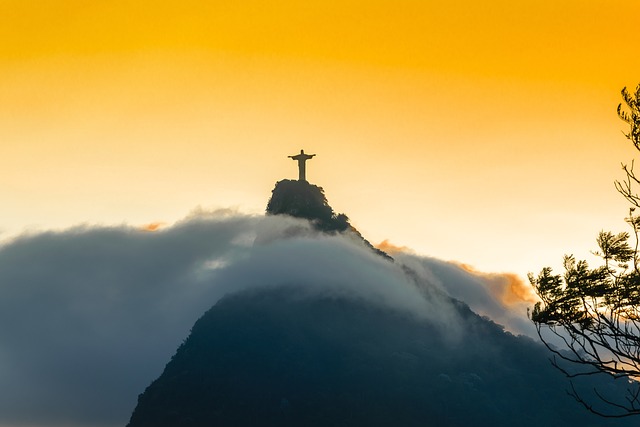
Tijuca Forest, which covers the steep hills surrounding central Rio de Janeiro, was almost entirely deforested by the early 19th century to make room for coffee plantations. The Brazilian imperial government ordered it replanted in the 1860s, making it one of the world’s earliest large-scale reforestation projects. The result is that Rio’s most famous visual backdrop, the green...
read more
Sacre Coeur Basilica
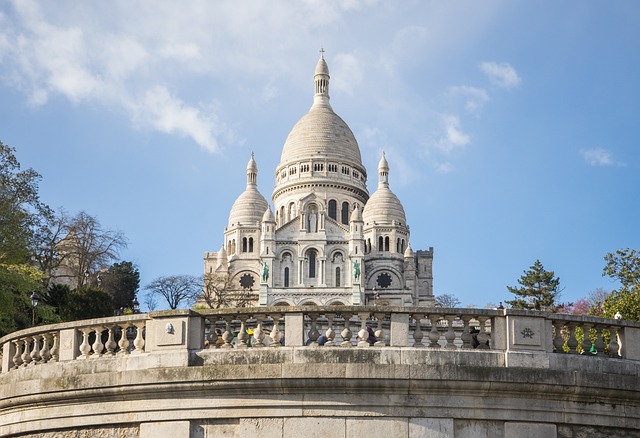
The Sacre-Coeur was built as an act of political atonement. When the French parliament voted in 1873 to fund a new basilica on the hill of Montmartre, the stated purpose was to “expiate the crimes of the Commune” (the 1871 radical government that had briefly controlled Paris before being violently suppressed) and to do penance for France’s defeat by Prussia. The hilltop site was...
read more
Ground Zero
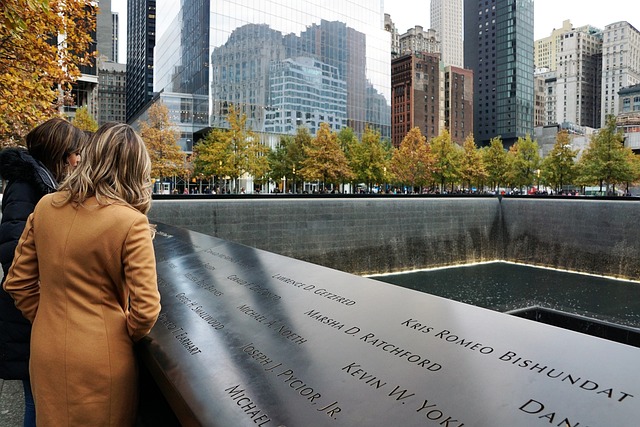
Ground Zero and the 9/11 Memorial, New York City The two memorial pools occupy the exact footprints of the North and South Towers. Each is nearly an acre in size, and the water falls 30 feet into a square basin before disappearing into a second, smaller void at the centre. The architect Michael Arad described the concept as “absence made visible.” He won the design competition in 2004...
read more
Kuelap Peru
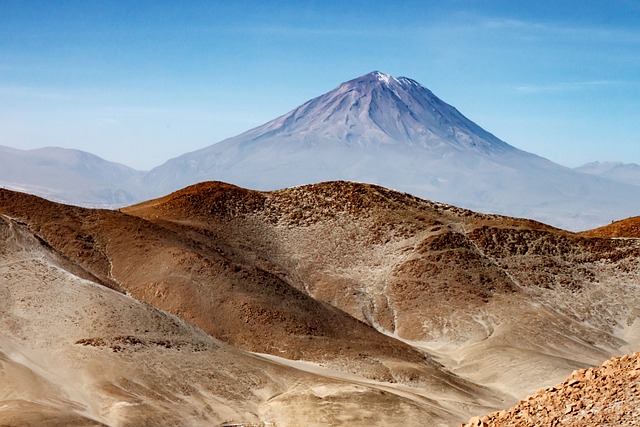
In April 2022, a section of Kuelap’s ancient south wall collapsed. Not a crack, not a trickle of loose stones. A wall that had stood for over a thousand years gave way overnight. The fortress closed entirely to visitors. Peruvian archaeologists, a team from the World Monuments Fund, and geotechnical engineers spent years piecing it back together, and by early 2026 the south wall restoration...
read more
Matmata And Tataouine, Tunisia
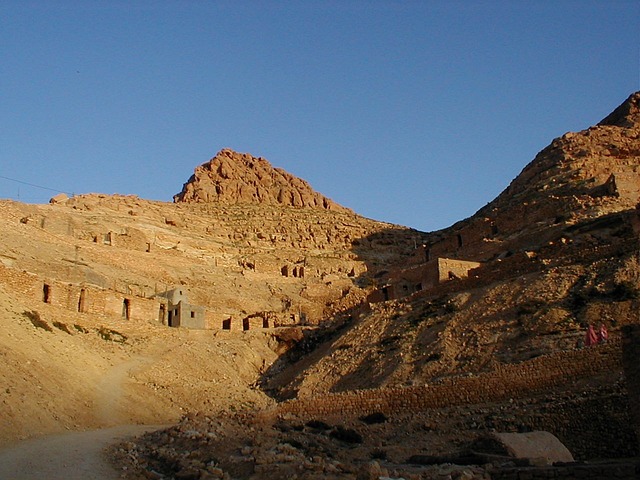
Matmata and Tataouine: The Underground Villages That Predate Star Wars by Two Millennia George Lucas filmed parts of the original Star Wars in southern Tunisia in 1976, using the underground pit houses of Matmata and the granary fortresses of the Tataouine region as stand-ins for the desert planet Tatooine. The name itself is borrowed from Tataouine. This is well-known. What is less often...
read more
Central Park
Central Park The first thing you learn about Central Park, when you actually stop to think about it, is that none of it is natural. Not one inch. The 843 acres of rolling meadow, ancient-looking forest, and scenic lakeside that Manhattan commuters walk through every morning without a second glance was constructed from scratch: 10 million cartloads of soil and rock moved, 270,000 trees and shrubs...
read more
Group Of Monuments At Hampi
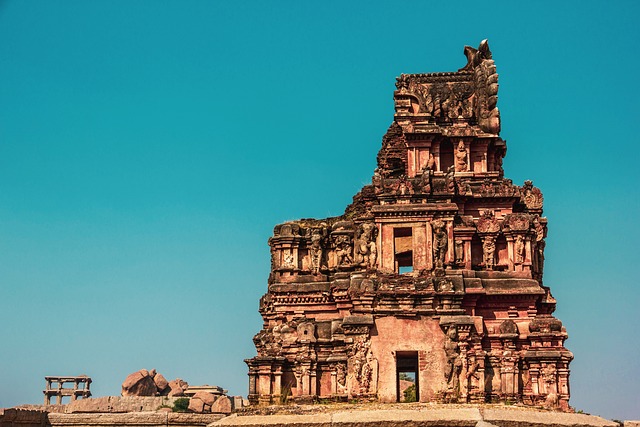
Hampi: A Capital City Sacked in 1565, Still Readable in the Rubble By the mid-16th century, Hampi was the capital of the Vijayanagara Empire and almost certainly the second-largest city in the world after Beijing. The population estimates vary, but figures between 500,000 and 1 million are not considered implausible for the city at its peak. It had markets where merchants from Portugal and Persia...
read more
Rif Mountains Morocco
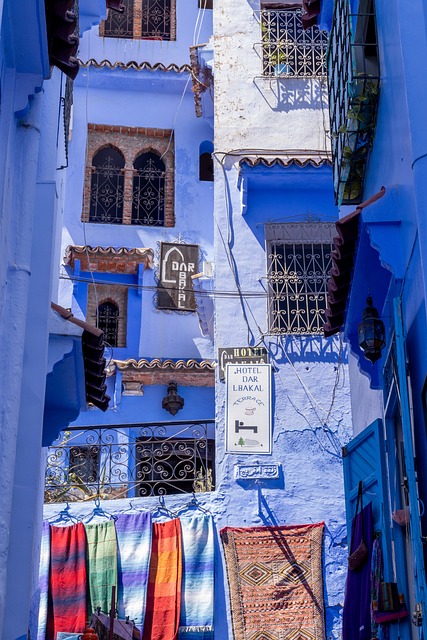
Older residents of Chefchaouen remember when most of the medina was white. The blue that now covers every surface, from doorframes to flower pots to the curved cobbles of back alleys, spread gradually across the twentieth century. One theory credits the Jewish community that settled here in the 1930s, fleeing persecution in Europe and bringing with them the tradition of painting buildings blue in...
read more
Helsinki Cathedral
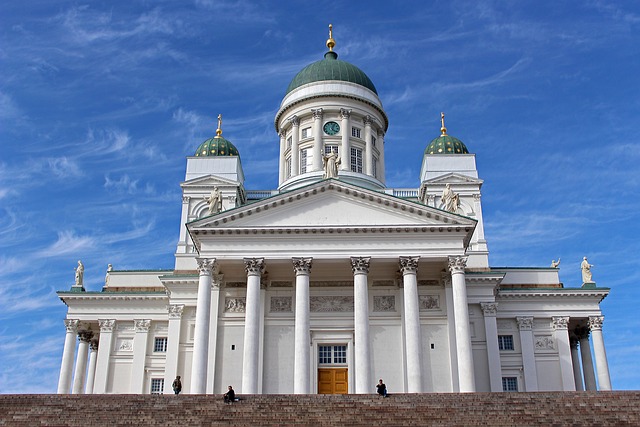
Helsinki Cathedral was not originally built for Finns. Construction began in 1830 as a tribute to Tsar Nicholas I of Russia, who at the time held the title of Grand Duke of Finland. The building was called St. Nicholas’s Church for its first 87 years, only becoming Helsinki Cathedral after Finland declared independence in 1917. That rebranding from symbol of imperial rule to national...
read more
Socotra Island
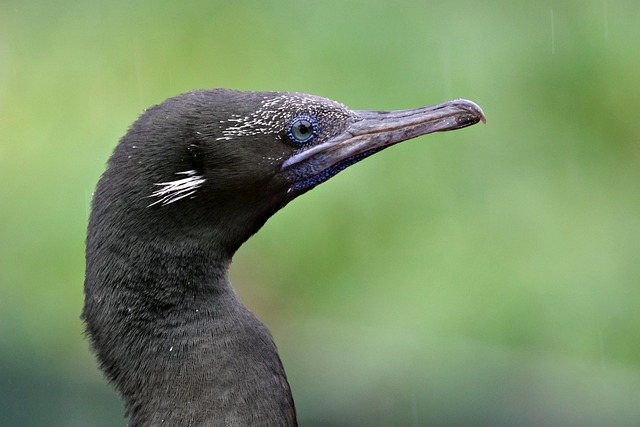
Thirty-seven percent of the plant species on Socotra exist nowhere else on Earth. The figure alone does not prepare you for what that looks like on the ground: dragon blood trees with their wide, flat umbrella canopies growing from rocky outcrops on limestone plateaus; cucumber trees that look more like inflated grey slugs than anything botanical; frankincense trees rooting directly into bare...
read more
Universals Islands Of Adventure, Orlando
There is a specific moment on Hagrid’s Magical Creatures Motorbike Adventure when you realize the wait was entirely justified. You are outdoors, threading through a recreation of the Forbidden Forest at speed, and the engineering involved in making that environment feel real is genuinely impressive. The ride launched in 2019 and still has some of the longest queues in any Orlando theme park....
read more
Isle of Wight
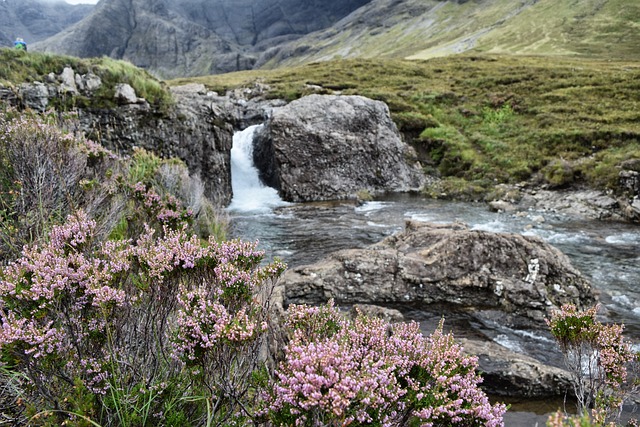
The Isle of Wight has a stronger claim to the title of dinosaur capital of Europe than almost anywhere else on the continent. The cliffs at Compton Bay and Yaverland expose Early Cretaceous rock formations from between 125 and 110 million years ago, and the island has been producing significant fossil finds since 1829, when the first Iguanodon material was described from Yaverland Point. Storms...
read more
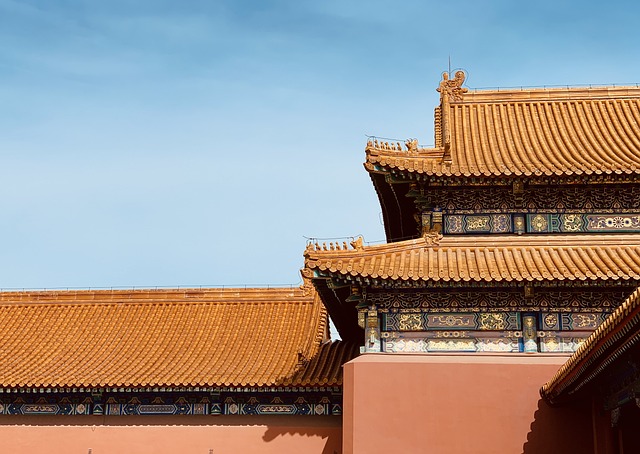
Forbidden City, Beijing
The Outer Court of the Forbidden City has no trees. This was deliberate: trees would have given assassins somewhere to hide, and the absence of shade also forced officials to stand for hours in scorching summer heat, reinforcing the emperor’s power through discomfort. That detail tells you more about how the palace actually functioned than any description of its golden rooftiles.
The...
read more
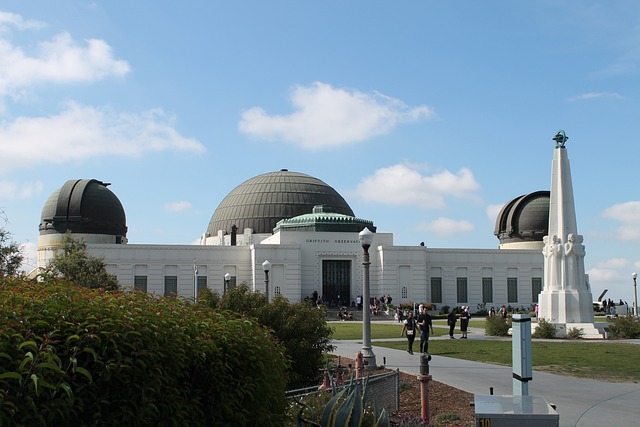
Griffith Observatory
More people have looked through Griffith Observatory’s 12-inch Zeiss refracting telescope than any other telescope on Earth. The count sits above 9 million since the building opened in May 1935, which is a remarkable fact for a piece of optical equipment that professional astronomers essentially never use. The observatory was designed from the start for the public, a democratic impulse...
read more
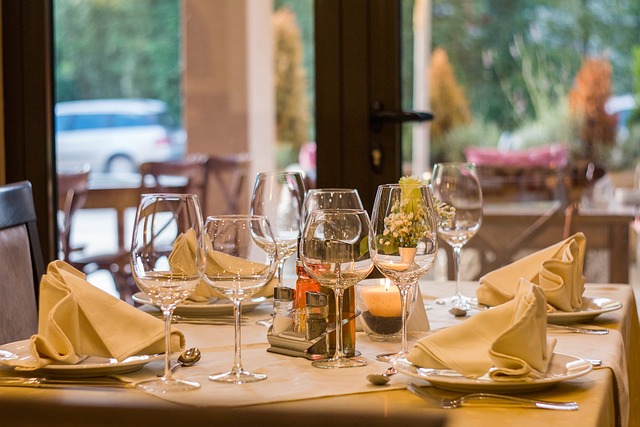
Copan
Copan Ruins, Honduras The longest Maya inscription ever found is not on a temple wall or a monument in a glass case. It runs up a staircase at Copan: roughly 2,000 glyphs carved into 63 steps, recording the dynastic history of a city that ruled this corner of western Honduras for four centuries. The stairway was already in partial collapse when Carnegie Institution archaeologists arrived in the...
read more
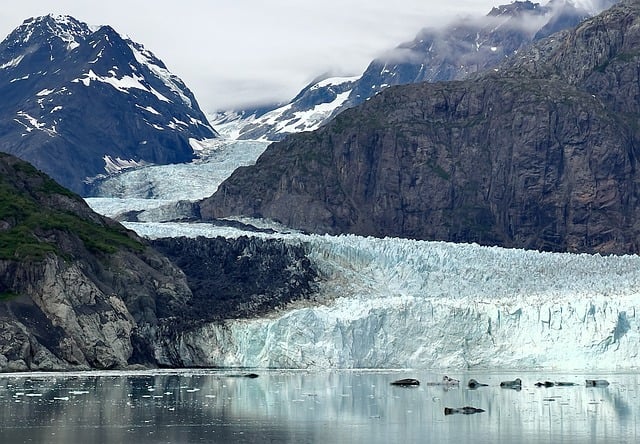
Glacier Bay Basin
Around 1750, when the Little Ice Age reached its peak in southeast Alaska, what is now Glacier Bay did not exist. The entire inlet was buried under a single massive glacier stretching more than 100 kilometres. By 1879, when John Muir arrived by canoe, that glacier had retreated 75 kilometres, and the bay it left behind was already filling with marine life. Today the retreat has extended to roughly...
read more
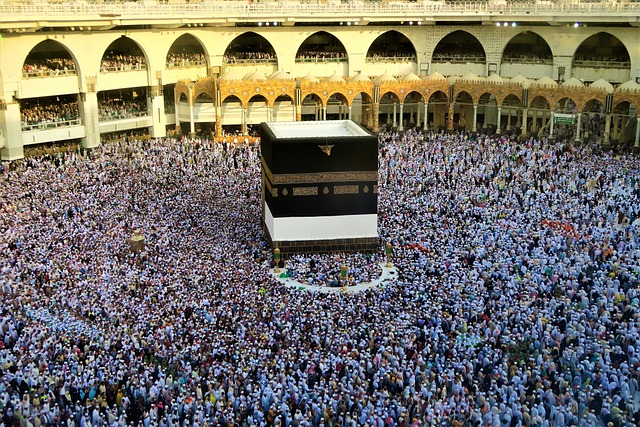
Kaaba
For 23 years, the Black Stone was gone. In 930 CE, Qarmatian raiders sacked Mecca, killed pilgrims in the sacred mosque, and carried the Hajar al-Aswad back to their stronghold in what is now eastern Saudi Arabia. They demanded ransom, mocked the stone’s inability to defend itself, and only returned it in 952 CE after the Abbasid caliph paid a substantial sum. The fragments came back...
read more
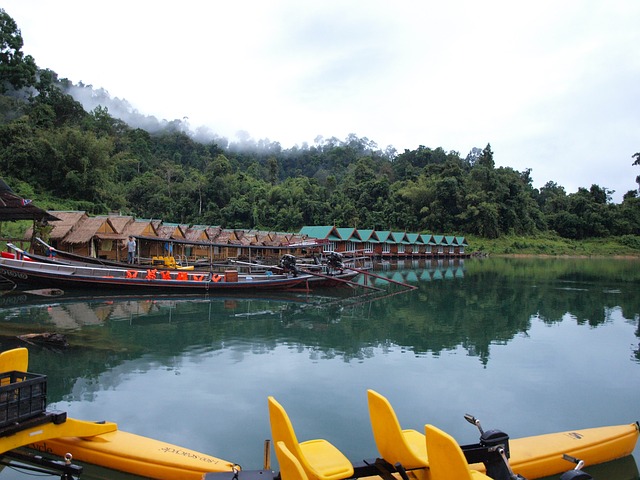
Khao Sok National Park
The rainforest covering Khao Sok National Park is roughly 160 million years old (older than the Amazon) and it survived the last ice ages intact because the Thai peninsula stayed close enough to the equator to keep rainfall going when other tropical regions dried out and died. That fact alone should recalibrate your expectations: this is not a patch of pretty jungle with some photo opportunities....
read more
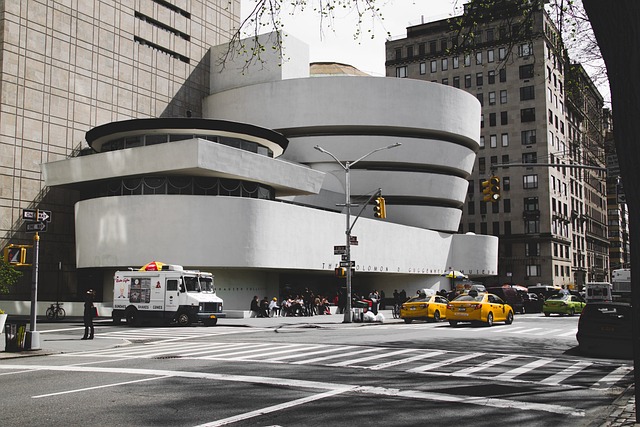
Museum of Old and New Art
Exploring the Museum of Old and New Art (MONA) in Hobart, Tasmania David Walsh built his museum underground. Not metaphorically: the galleries at MONA are literally carved three storeys into a sandstone peninsula jutting into the Derwent River, and at the deepest level you stand beside a 240-million-year-old cliff face that forms one raw, unplastered wall. Walsh, a Hobart-born professional gambler...
read more
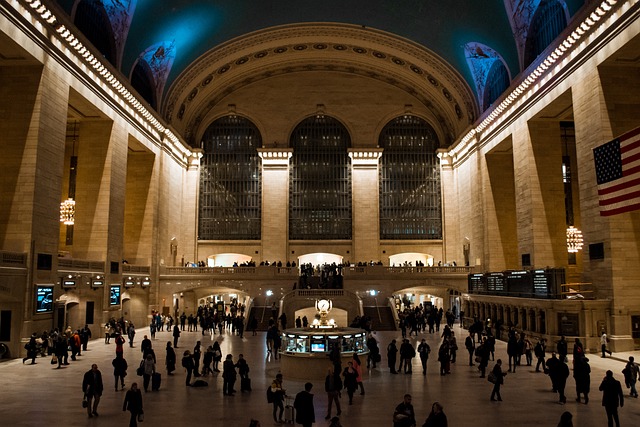
Grand Central Terminal New York City
The turquoise ceiling of Grand Central’s Main Concourse is backwards. The zodiac constellation mural, painted when the terminal opened in 1913, shows the night sky in mirror image, with east and west reversed. An alert commuter spotted the error within two months of opening. The official explanation at the time was that the ceiling shows the sky “from God’s perspective,”...
read more
Cradle Mountain
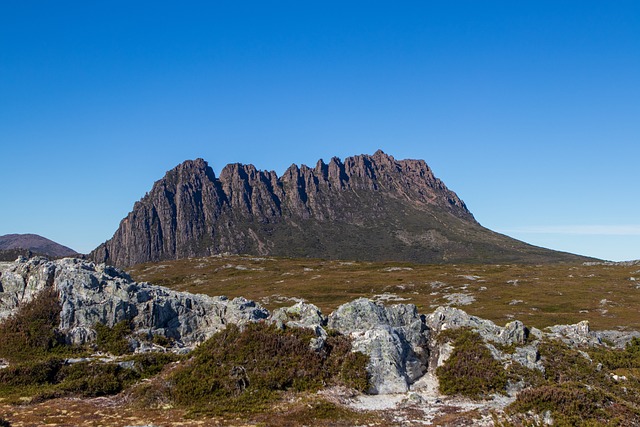
Cradle Mountain: What to Know Before You Drive Into the Cloud The summit of Cradle Mountain (1,545 metres) is in cloud for roughly 60% of the year. That figure, which Parks Tasmania publishes as a visitor expectation-setter, is one worth sitting with before you plan your trip. This is not a mountain that performs on demand. Its jagged dolerite peaks, shaped by Pleistocene glaciation and softened...
read more
Mount Everest
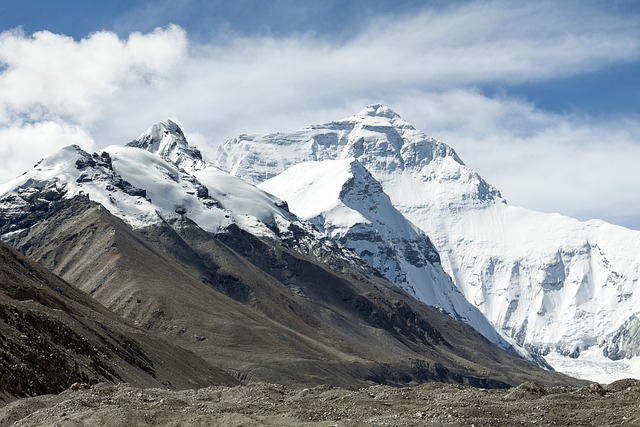
The Roof of the World: What Nobody Tells You About Mount Everest Most people who visit the Everest region never see the summit. They do not need to. The mountain earns its reputation at 5,364 metres, at Base Camp, where you stand on the Khumbu Glacier watching ice seracs the size of apartment blocks crack and groan in the thin morning air: and realise that every superlative you brought with you...
read more
Bet Shean
Bet Shean: The Roman City That an Earthquake Preserved In 749 CE, a catastrophic earthquake collapsed Roman Scythopolis in a matter of minutes. The columns fell in the same direction, the market stalls were buried with their goods, and the streets were sealed under rubble for over a thousand years. That disaster is the main reason Bet Shean National Park is arguably the best-preserved Roman city...
read more
Lincoln Memorial
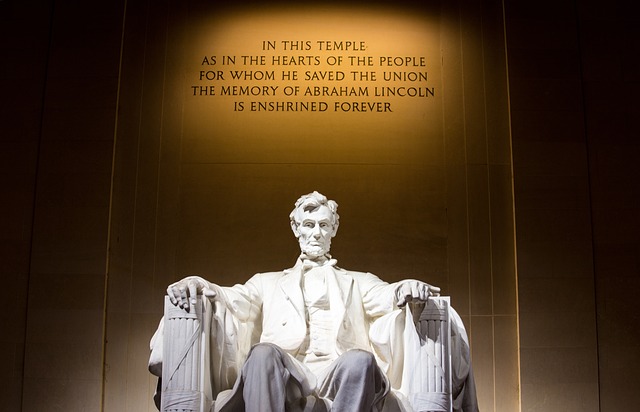
The Lincoln Memorial: The Statue’s Hands and What They May Be Saying Daniel Chester French had a deaf son. He also designed the Gallaudet Memorial, depicting Thomas Hopkins Gallaudet teaching a student to sign. When French created the Lincoln statue for the Lincoln Memorial in 1922, he positioned Lincoln’s left hand in a configuration resembling the letter “A” in American...
read more
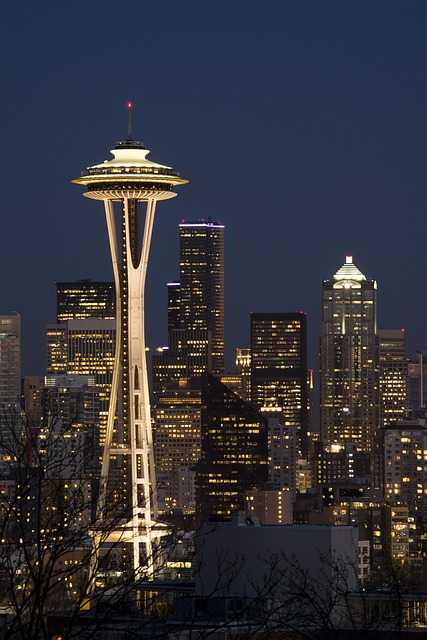
Space Needle
Exploring Seattle’s Iconic Landmark: The Space Needle Underneath the Space Needle sits a concrete foundation that weighs as much as the tower itself, poured in a single day in 1961 by 467 cement trucks working nonstop, and it’s the reason the whole structure sways only about an inch for every 10 mph of wind. That single fact tells you more about why this thing has survived 60-plus...
read more
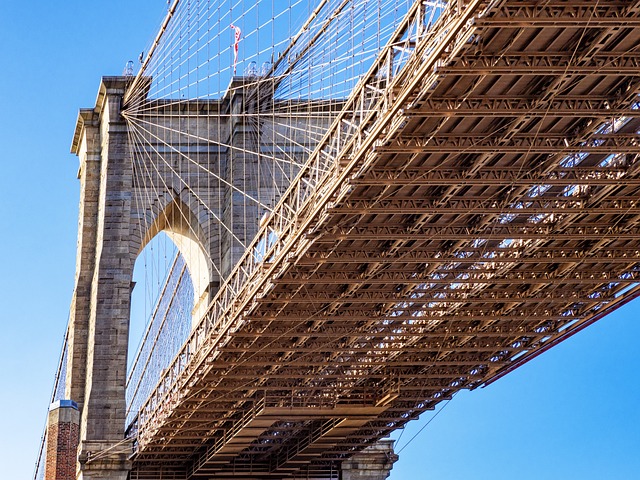
Brooklyn Bridge
Brooklyn Bridge Six days after the Brooklyn Bridge opened to the public in May 1883, twelve people were crushed to death on it. Not from a structural failure. From a rumour. A woman slipped on the Manhattan-side stairs, someone screamed that the bridge was falling, and fifteen thousand people on the span at once became a single panicked animal. People were packed so tightly that blood poured from...
read more