Recent Places
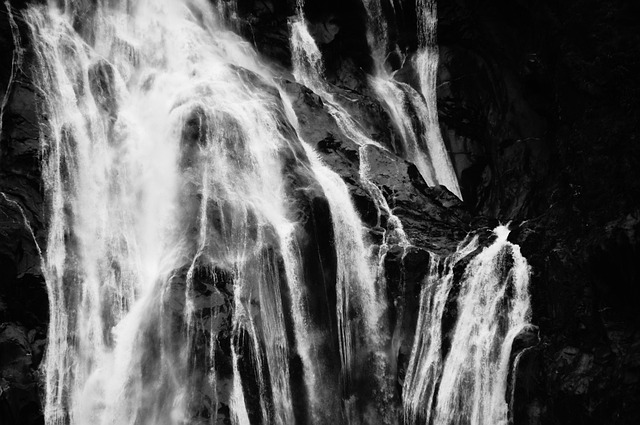
Milford Sound
Milford Sound is not a sound. It is a fiord, carved by glaciers rather than drowned by a rising river valley, and the misnaming has stuck for two centuries because the Welsh sealer John Grono who charted it in 1823 used the word casually. Its Maori name, Piopiotahi, is more precise and more meaningful: it refers to the piopio, a thrush-like bird now extinct, and translates roughly as “a...
read more
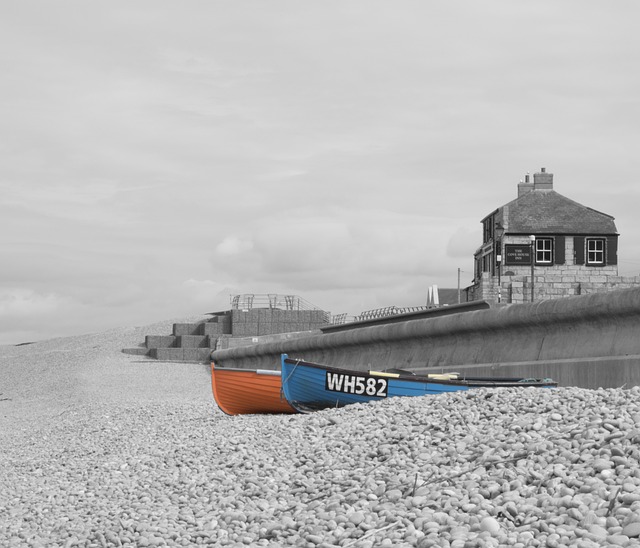
Chesil Beach
Chesil Beach: Eighteen Miles of Shingle That Will Not Let You Swim Chesil Beach is one of the most remarkable landforms in Britain, and one of the most deceptive. It looks like a beach. It is 18 miles of shingle barrier running along the Dorset coast from West Bay to the Isle of Portland, backed by the Fleet, a long tidal lagoon that is one of the UK’s most significant marine protected...
read more
La Citadelle La Ferri Re
The mortar that holds the Citadelle Laferrière together was mixed with quicklime, molasses, cow hooves boiled into glue, and the blood of local cattle and goats. This is not folklore. It is documented in the construction records of Henri Christophe’s northern kingdom and reflects how seriously he took the project: he was building a fortress that he expected to hold against an eventual French...
read more
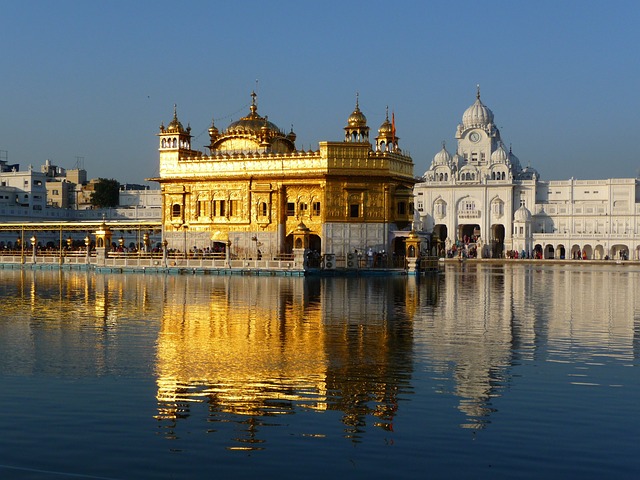
Golden Temple
The Golden Temple, Amritsar The Harmandir Sahib, known in English as the Golden Temple, has no entry fee, no timed booking, and no queue for a particular ticket tier. It is open 24 hours a day, every day of the year. The only requirement is that you cover your head, remove your shoes, and wash your feet in the water channel at the entrance. Then you join the parikrama, the marble walkway that...
read more
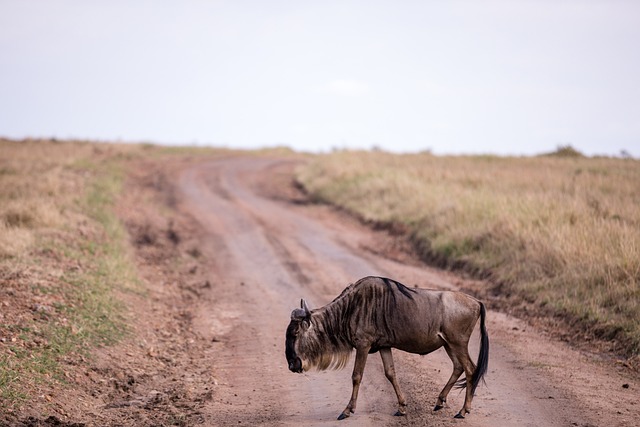
Wildebeest Migration
Wildebeest Migration Crocodiles get all the credit and almost none of the blood. Researchers tracking the Mara River crossings found that for every wildebeest a crocodile actually kills, roughly fifty more drown, trampled under their own herd or pulled down by currents while thousands of animals panic across the same narrow stretch of water at once. Mass drowning events happened in at least...
read more
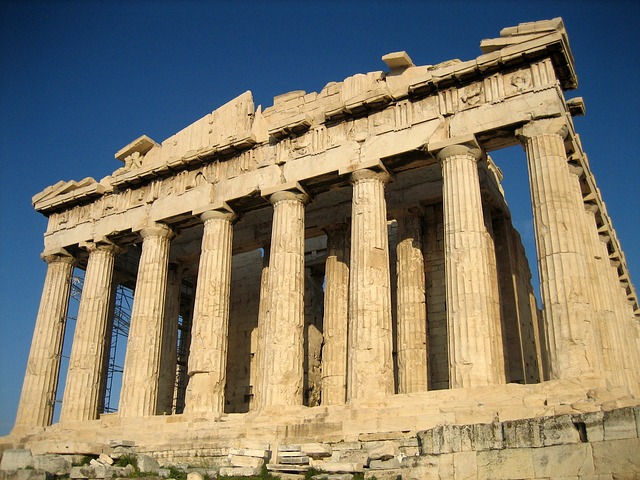
Parthenon
Most of the Parthenon’s ruined state has nothing to do with ancient warfare. It comes from a single Venetian mortar shell fired on September 26, 1687. The Ottomans, who had converted the building into a mosque after taking Athens in 1458, were using it as a gunpowder store during a siege led by Venetian commander Francesco Morosini. His forces, shelling from the nearby hill of Philopappos,...
read more
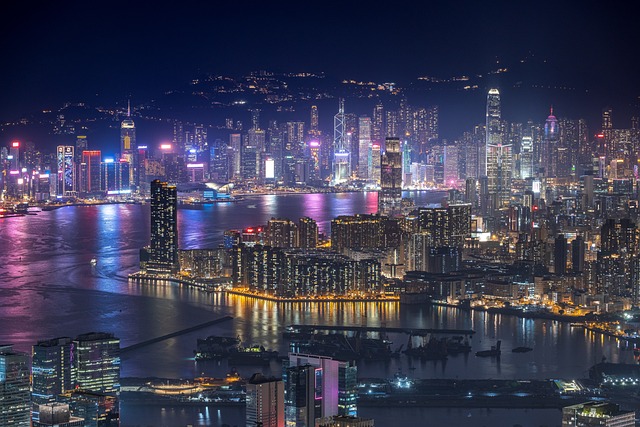
Hong Kong, China
Hong Kong: What 50,000 People in 0.026 Square Kilometres Tells You About the Place Until 1994, Kowloon Walled City was the most densely populated place on Earth. At its peak, roughly 50,000 people lived in an area smaller than a city block, in a structure that had grown organically to 14 stories without planning permission, building codes, or municipal services. The electricity was tapped...
read more
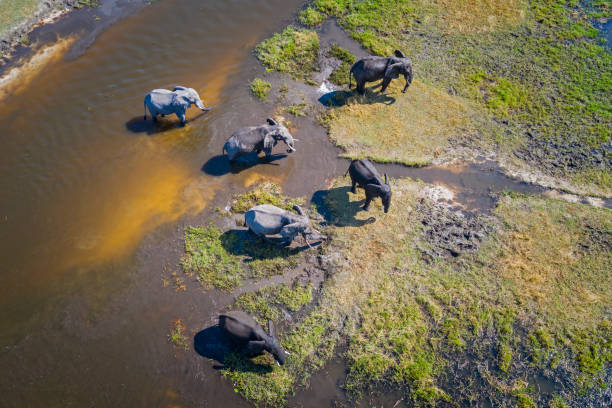
Okavango Delta
The Okavango Delta floods backward compared to almost every other river system on earth. Instead of rising during the local rainy season, its waters peak in the middle of Botswana’s dry winter, between June and August, when the surrounding Kalahari has gone weeks without rain and everything looks parched. The water driving that flood fell as summer rain over the Angolan highlands hundreds of...
read more
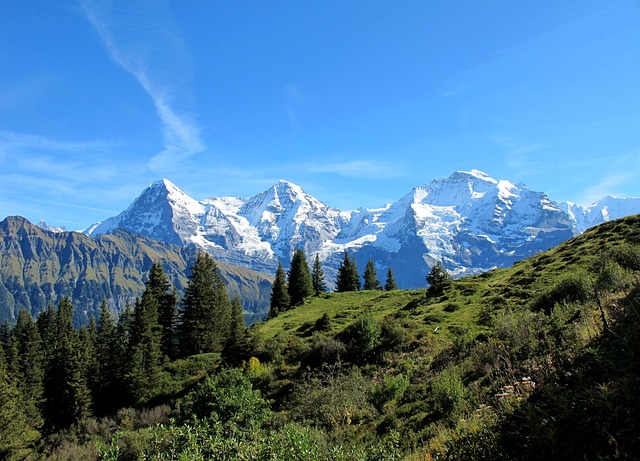
Eiger
The Eiger: One of the Most Watched Walls in the World The north face of the Eiger is 1,800 metres of limestone and ice, and for most of the twentieth century it was as famous for killing climbers as for inspiring them. The German nickname Mordwand, a deliberate pun on Nordwand (North Wall), meaning “murder wall”, stuck because the face was first seriously attempted in 1935 and was not...
read more
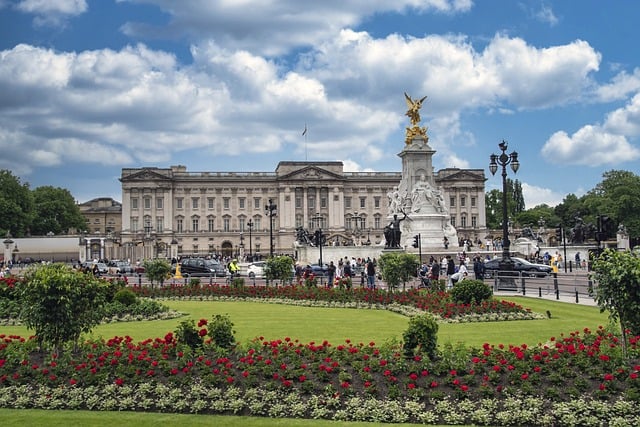
Buckingham Palace
Buckingham Palace: What You Actually Get For the Ticket Price There is a mulberry tree in the garden of Buckingham Palace that was planted by James I. It has been there since roughly 1609, when the king bought a four-acre plot and stocked it with around 10,000 trees in the hope of founding a British silk industry to rival the French. The scheme failed catastrophically because his gardeners planted...
read more
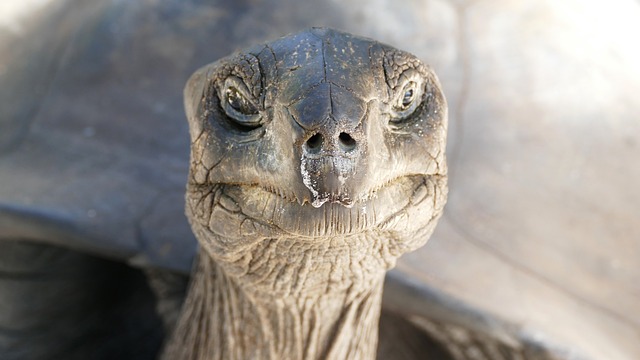
The Seychelles
Discovering The Seychelles A coco de mer seed can weigh 20 kilograms and takes six years just to mature on the tree, and the palms that produce them may live past 200 years, which is one reason the Seychelles government fences off the last wild grove on the planet and charges you to walk through it. That grove, Vallée de Mai on Praslin, is one of the smallest UNESCO World Heritage Sites on earth...
read more
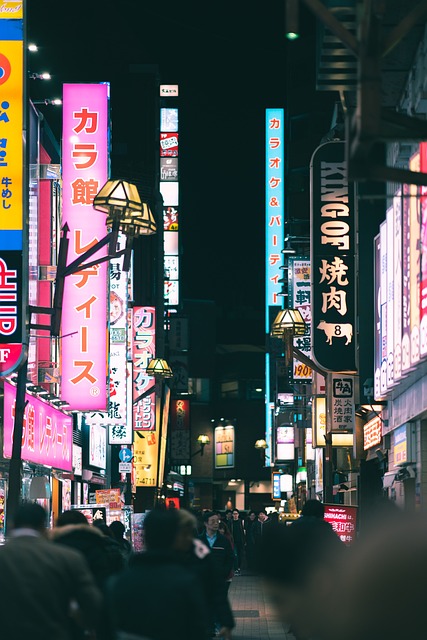
Tokyo Tower
A third of the steel bolted into Tokyo Tower’s orange-and-white lattice came from ninety American tanks damaged in the Korean War, melted down and reforged into what was, for a few weeks in October 1958, the tallest freestanding structure on earth. That’s the detail most brochures skip, and it’s worth knowing before you ride the elevator up, because the tower itself is really a...
read more
Valley of the Kings
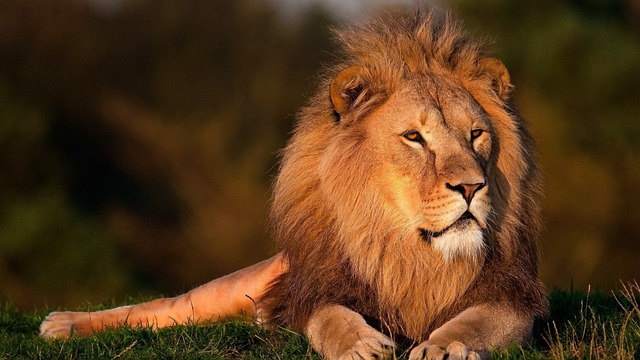
KV62 does not mean Tutankhamun was the sixty-second pharaoh buried here. It means his tomb was simply the sixty-second one catalogued, a numbering scheme drawn up by John Gardner Wilkinson in the 1820s that has nothing to do with age or importance. Ramses VII, who ruled centuries after several higher-numbered kings, got KV1 purely because his tomb sat open and visible for millennia while others...
read more
Vatican City
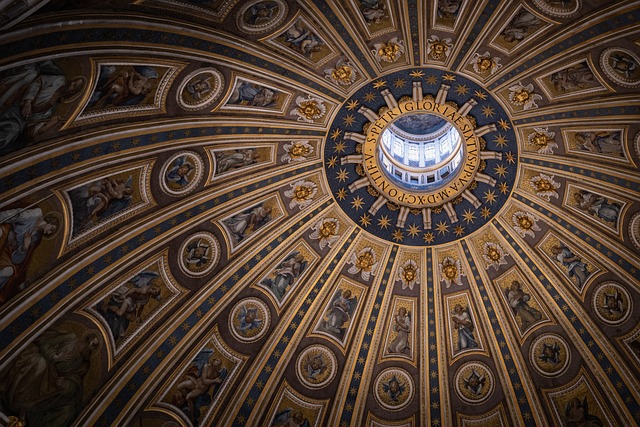
At 44 hectares, Vatican City is smaller than most large city parks, yet in a single afternoon you can walk past more Renaissance masterpieces per square meter than anywhere else on earth. It is also, technically, a separate country with its own postal service, and the Swiss Guard checking your dress code at the door still wears a uniform pattern attributed to Michelangelo’s era.
The Jubilee...
read more
Baarle Nassau, Netherlands
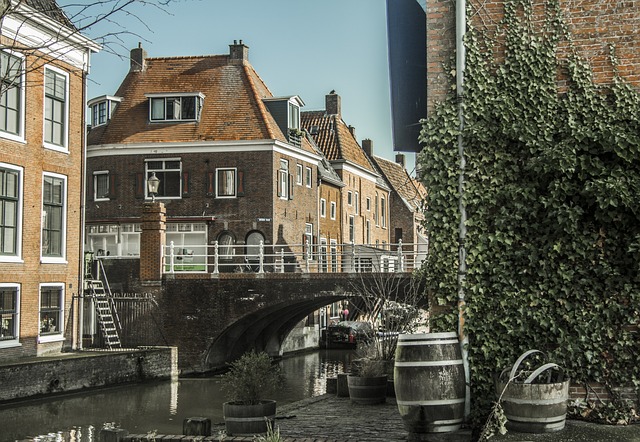
Exploring the Unique World of Baarle-Nassau, Netherlands: A Tourist’s Guide On Loveren street there is a single house with two separate addresses in two separate countries, because the front door sits exactly on the international border: Loveren 2, Baarle-Hertog, Belgium, and Loveren 19, Baarle-Nassau, the Netherlands. Nobody planned it that way. It is simply what happens when a medieval...
read more
Tian Tan Buddha
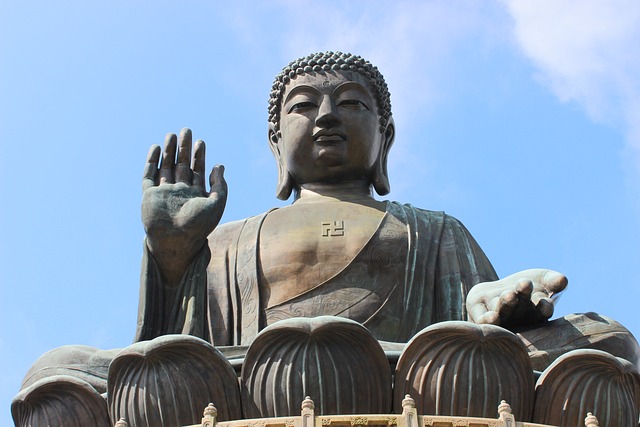
Climb the 268 steps to the base of the Tian Tan Buddha and you will notice something almost every other giant Buddha statue in Asia gets wrong by comparison: this one faces north, toward mainland China, rather than south. That orientation was a deliberate choice by the monks of Po Lin Monastery, and it is the kind of detail most guidebooks skip entirely while they rattle off the height and weight...
read more
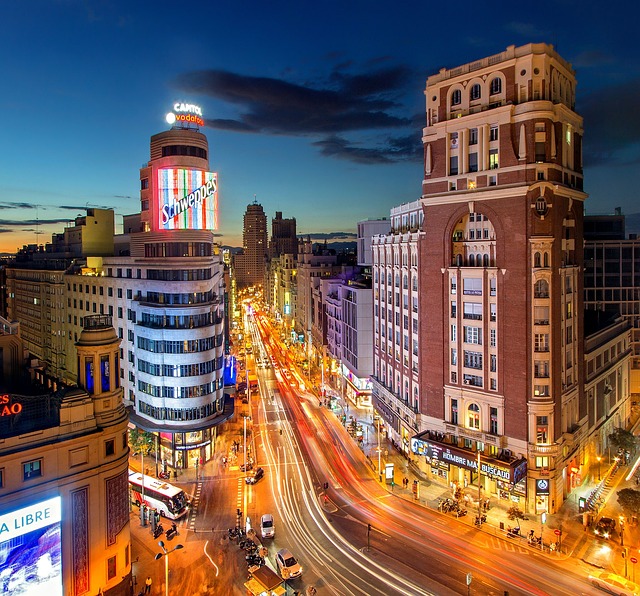
Puerta Del Sol Madrid
Every street number in Madrid counts from here. The Kilometro Cero plaque set into the pavement in front of the Real Casa de Correos is the numerical origin of the entire Spanish road network, established in 1857, and the reference point from which six major radial roads fan out across the country. It is a small bronze disc, often invisible beneath shuffling feet, but standing on it puts you at...
read more
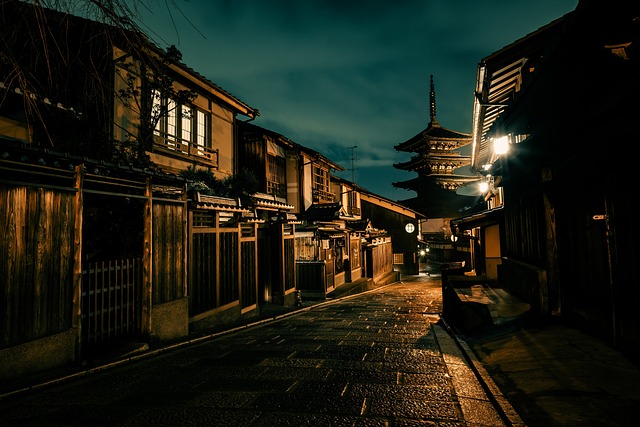
Gion District Japan
Gion, Kyoto: A Neighbourhood That Now Has Rules About Visiting In 2024, Kyoto’s Gion district introduced a formal ban on tourists entering the private alleys off Hanamikoji Street, with a fine of 10,000 yen (approximately USD 65) for violations. The ban followed years of complaints from residents, geiko, and maiko about being harassed, photographed without consent, and chased through the...
read more
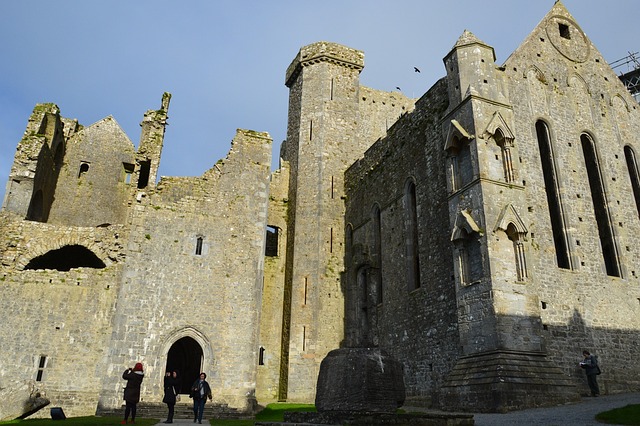
Rock Of Cashel
When St. Patrick baptised King Aengus of Munster at Cashel in the fifth century, he accidentally drove his crozier through the king’s foot. Aengus said nothing, apparently assuming the piercing was part of the ceremony. The story might be apocryphal but it has been told here for over 1,500 years, and it captures something about the Rock of Cashel: a place where the dramatic and the slightly...
read more
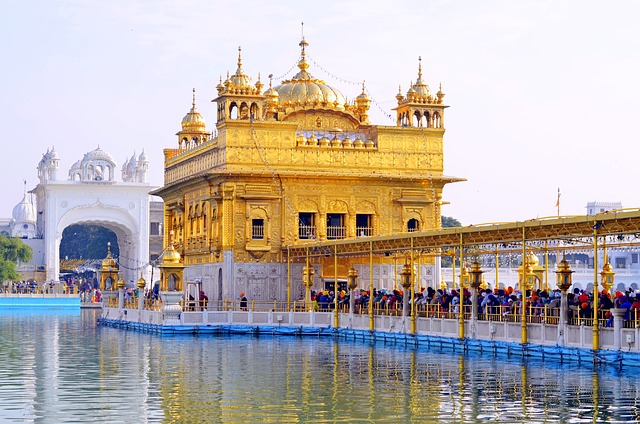
Golden Temple Darbar Sahib Harmandir Sahib
Harmandir Sahib: 100,000 Free Meals a Day, 400 Kilograms of Gold, and Always Open The Harmandir Sahib (officially translated as “abode of God”), also known as the Golden Temple or Darbar Sahib, is the holiest site in Sikhism. It sits in the centre of the Amrit Sarovar, a large rectangular pool in the old city of Amritsar, Punjab, connected to the surrounding marble complex by a single...
read more
Jerusalem, Israel
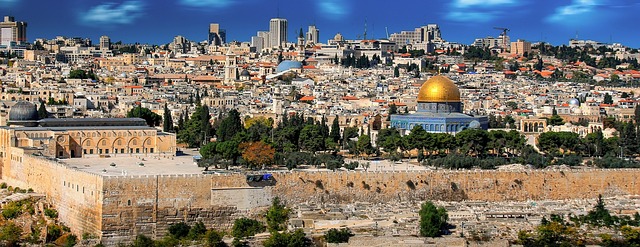
Jerusalem: A City Where Every Stone Is Contested Three of the world’s major religions claim this city as sacred ground. They are not, in most cases, politely coexisting. That tension (sometimes visible as argument, sometimes as heavily armed soldiers at checkpoints, sometimes as two groups of pilgrims brushing past each other in a narrow lane each convinced the site belongs to them) is the...
read more
Port Arthur
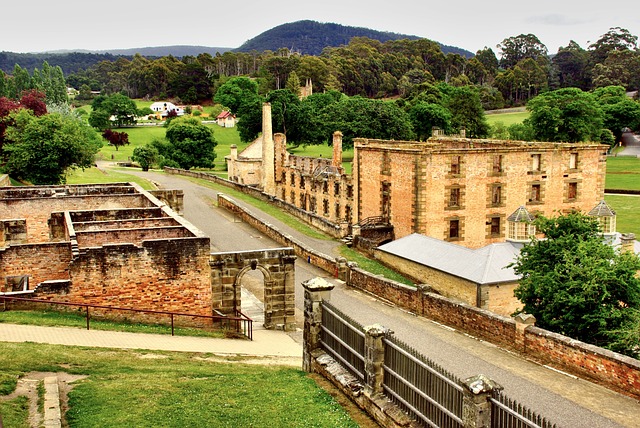
The Port Arthur penal colony was deliberately designed to break people without touching them. Rather than relying solely on flogging, the authorities developed the Separate Prison, where inmates were hooded when moved between cells, kept in individual silence, and denied all sensory contact with other prisoners for weeks or months at a time. Many went insane. The Victorians called it the...
read more
Gobi Desert
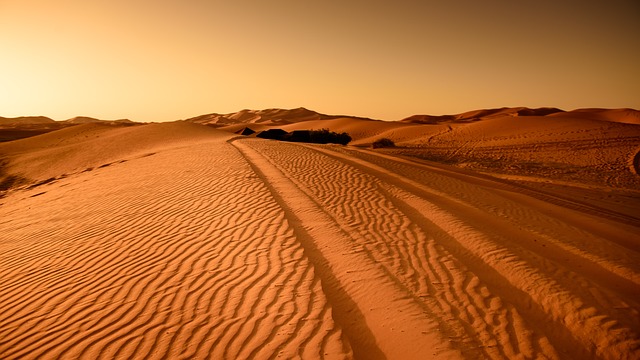
The Gobi Desert: Where the Dunes Hum and the Cliffs Glow Red Roy Chapman Andrews arrived in southern Mongolia in 1922 with a fleet of Dodge cars and a theory that Central Asia was the cradle of early mammal life. He was wrong about the mammals, but right that the Gobi was extraordinary. His team at Bayanzag pulled the world’s first confirmed dinosaur eggs from the red sandstone, a discovery...
read more
Egyptian Museum
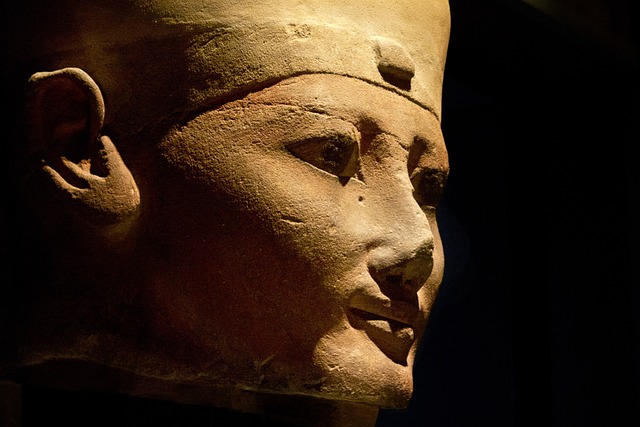
The Grand Egyptian Museum: The Collection the World Finally Gets to See For a century after Howard Carter discovered the tomb of Tutankhamun in 1922, the contents were split between storage rooms and a relatively modest display at the old Egyptian Museum in Tahrir Square. Visitors who made the trip saw at most 1,800 of the 5,398 objects recovered from the tomb. The rest, including artifacts that...
read more
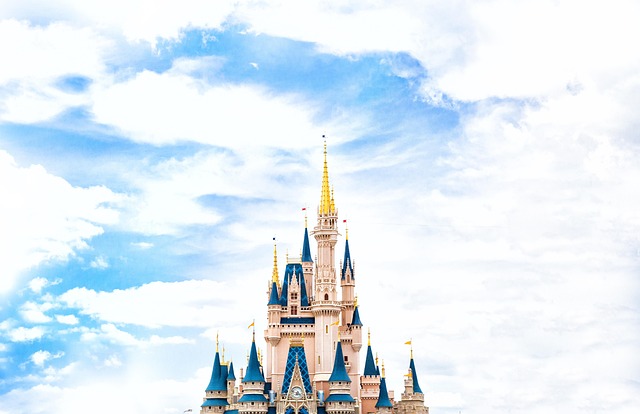
Walt Disney World
Walt Disney World covers 25,000 acres, which makes it roughly twice the size of Manhattan. Walt Disney bought that land in secret because he had seen what happened when Disneyland opened in Anaheim: the surrounding area filled with hotels and businesses that captured the value he created. In Florida, he intended to capture all of it himself. That decision, more than any single attraction, explains...
read more
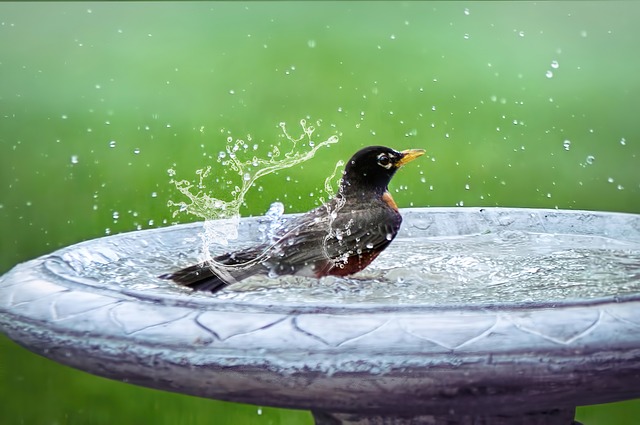
Sanduny Baths
There is a building on Neglinnaya Street in Moscow, a ten-minute walk from the Bolshoi Theatre, where you can stand in a steam room and understand that Pushkin, Tolstoy, and Chekhov all sweated in this same institution. The Sanduny Baths have operated without interruption since 1808. The current building dates from 1896 and was designed by a Viennese architect in a style somewhere between...
read more
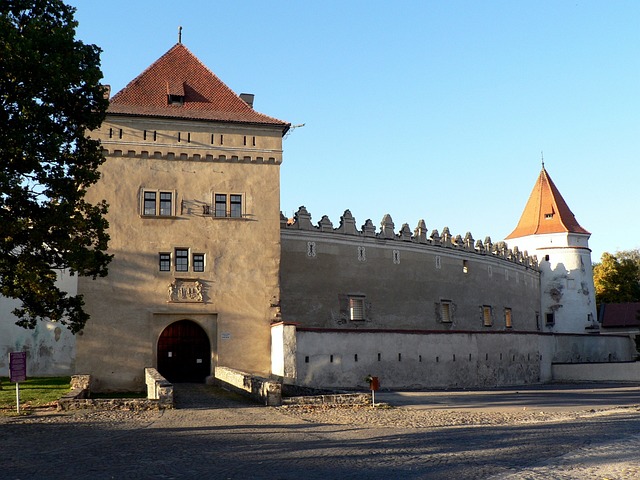
Spis Castle, Slovakia
Spis Castle, Slovakia: One of Europe’s Largest Ruins Worth the Climb The first written record of Spis Castle dates to 1120, but most visitors don’t know it was once the administrative capital of an entire Hungarian kingdom county, not just a fortress for repelling invaders. At its peak under the Thurzo family in the early 1600s, the Thurzos also ran what historians consider one of the...
read more
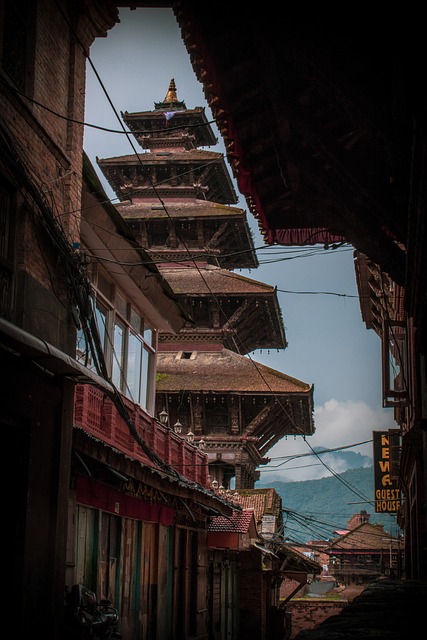
Bhaktapur Durbar Square, Nepal
Bhaktapur Durbar Square: The Kathmandu Valley City That Actually Stayed Itself The 2015 earthquake destroyed roughly 80 percent of Bhaktapur Durbar Square in a matter of minutes. That detail tends to get lost in guidebook coverage, which prefers to describe the city as it was rather than what it has become. What it has become is genuinely worth knowing: by 2025, around 90 percent of the damaged...
read more
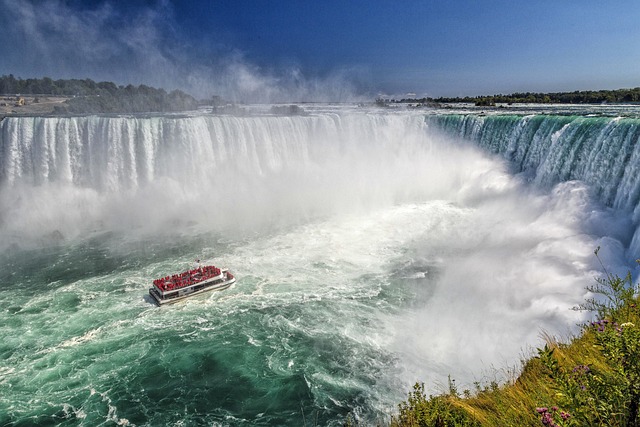
Niagara Falls
Six million cubic feet of water per minute. That number does not mean anything until you are standing on the Canadian walkway and the mist is soaking your shoes from thirty metres away and you can feel the roar in your chest. Niagara Falls is one of those places that photographs badly compared to being there, which is unusual for something so universally photographed.
Most visitors make two...
read more
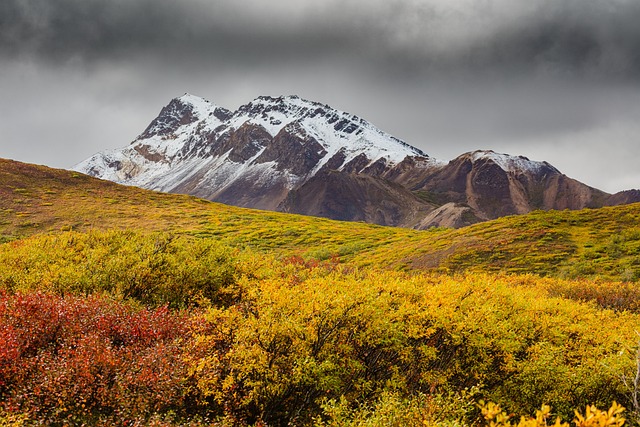
Mt. McKinley, Alaska
In 2025, the mountain was officially renamed Mount McKinley by executive order, reversing the 2015 federal restoration of the Athabascan name Denali. The name dispute has oscillated between Alaska and Washington for decades. Whatever you call it, the mountain is 6,190 metres tall, the highest point in North America, and has a summit-to-base vertical relief greater than Everest. Most years between...
read more
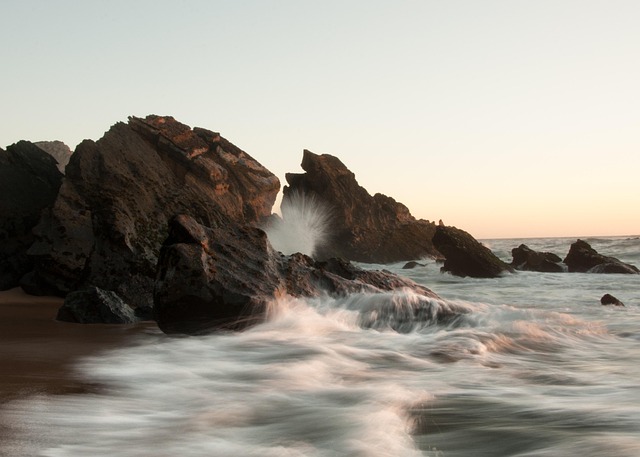
Sintra
Lord Byron came here in 1809 and called the area “glorious Eden” in Childe Harold’s Pilgrimage. He was seventeen, famously difficult, and prone to exaggeration. He was also, in this case, not wrong. Sintra sits in the Serra de Sintra hills above Lisbon, perpetually cooler and foggier than the coast, and has the particular quality of a place where several architectural eras...
read more
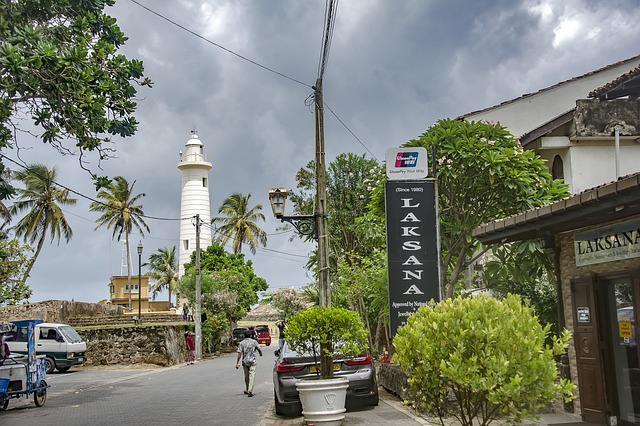
Galle Fort
Galle Fort: A Dutch Colony You Can Still Sleep Inside The Portuguese built the first small fort here in 1588, a rough stockade of mud and palm they called Santa Cruz. It was the Dutch who turned Galle into something lasting: after capturing it in 1640 with a force of 2,500 men supporting the Kandyan king, they demolished the Portuguese structure entirely and rebuilt from scratch. Over the...
read more
Greek Islands
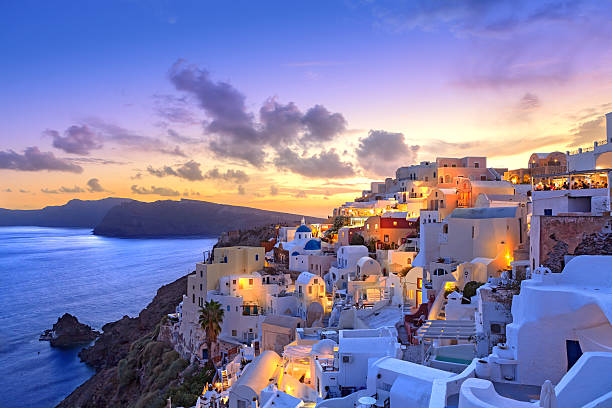
The Greek Islands: Skip the Obvious, Find Something Better Here is a fact that most Santorini brochures leave out: a pair of front-row sunbeds at a popular Mykonos beach now costs up to €200. That is before you have eaten anything. The Greek islands are genuinely, undeniably spectacular, but the two or three famous ones have priced themselves into a different market from the rest. The good news is...
read more
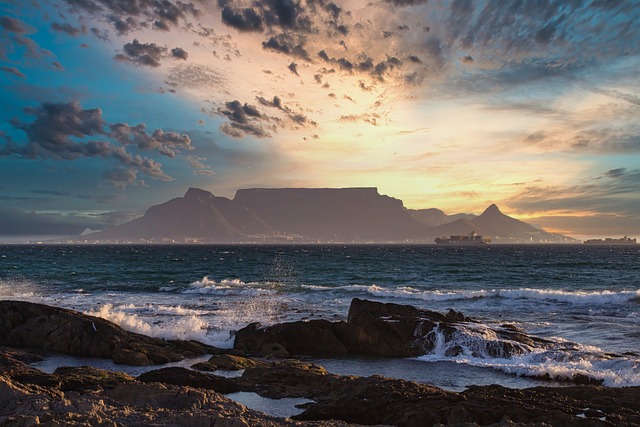
Table Mountain, Cape Town
Table Mountain, Cape Town: The Flat Top That Has 2,285 Plant Species and Still Gets Underestimated Here’s the thing about Table Mountain that most people don’t process until they’re standing on it: it is older than the Himalayas by about 200 million years. The sandstone you walk on formed during the Ordovician period, around 500 million years ago, when most complex life on Earth...
read more
Wimbledon
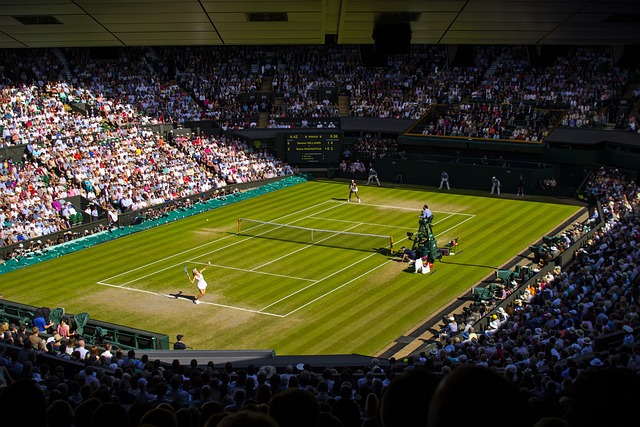
The All England Club started as a croquet club. Tennis was added in 1877 as a secondary activity to generate income. The original tournament happened on Worple Road, about a mile from where the current courts stand; the club moved to its present Church Road site in 1922. During World War II, the Centre Court roof was hit by five bombs and livestock grazed on the grounds where players now chase...
read more
The Three Gorges
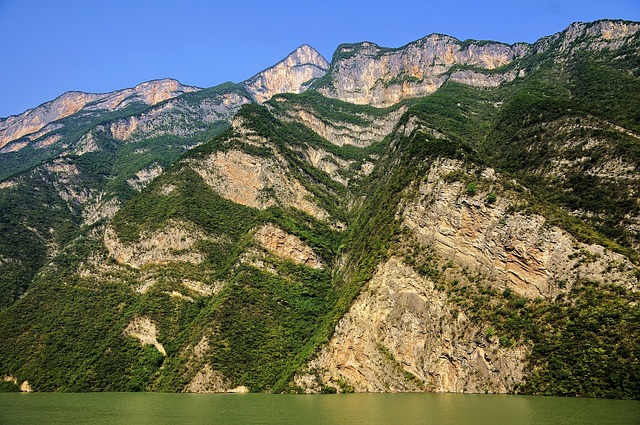
The Three Gorges: What the Dam Changed and What It Didn’t The Three Gorges Dam flooded 13 cities, 140 towns, and 1,352 villages. Between 1994 and 2009, as the reservoir filled, somewhere between 1.1 and 1.4 million people were relocated. Over 1,300 archaeological sites disappeared underwater. The gorges that Li Bai and Du Fu wrote poems about in the Tang dynasty, the limestone cliffs and...
read more
Pantheon
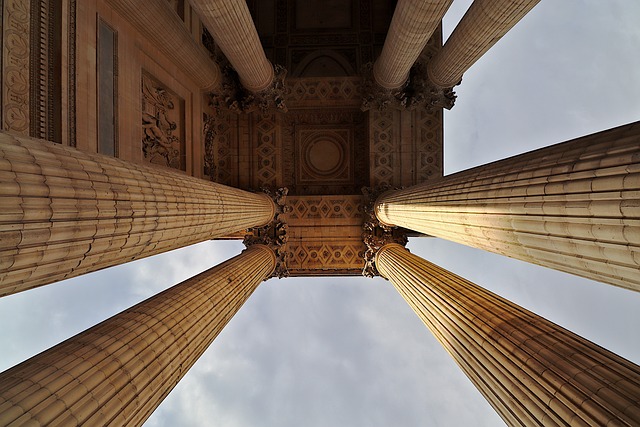
When it rains in Rome, the rain falls through the Pantheon’s oculus and lands on the floor below. This is not a design flaw. The Romans built 22 drainage holes and a subtly curved floor with an underground channel system to handle it. The dome above you, 43 metres in diameter and made entirely of unreinforced concrete poured in 126 AD, is still the largest such structure ever built. Every...
read more
Trakai Castle
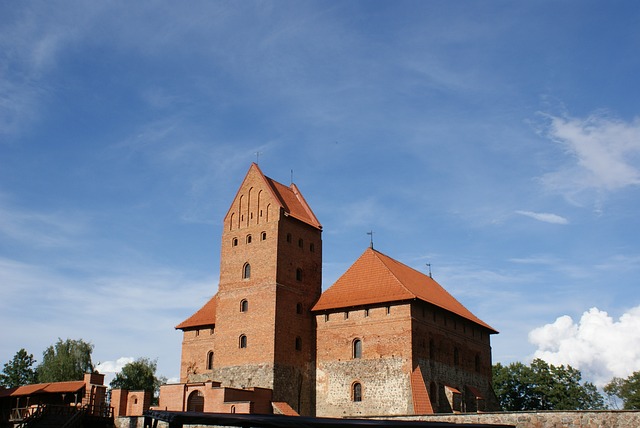
Grand Duke Vytautas brought 500 Karaim warriors from Crimea to Trakai in the 14th century as his personal guard. Their descendants still live in the same wooden houses, with the characteristic three windows facing the street, that their ancestors built 600 years ago. Most visitors walk right past those houses on their way to the castle and never register what they are looking at.
Trakai Island...
read more
Lake Manasarovar
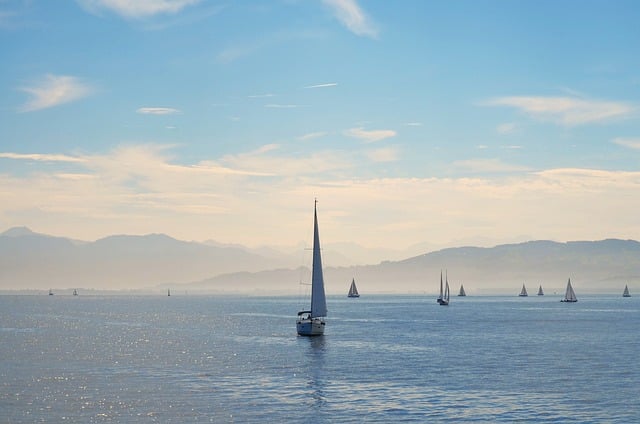
The Ramayana offers a specific origin story for Lake Manasarovar: the sage Vishvamitra tells Rama that Brahma created it out of his own consciousness. Manas means consciousness in Sanskrit; sarovar means lake. You are, if the text is to be believed, swimming in the mind of God. Even for secular travellers, standing at 4,600 metres on the Tibetan Plateau watching the turquoise water hold the...
read more
Cristo Redentor
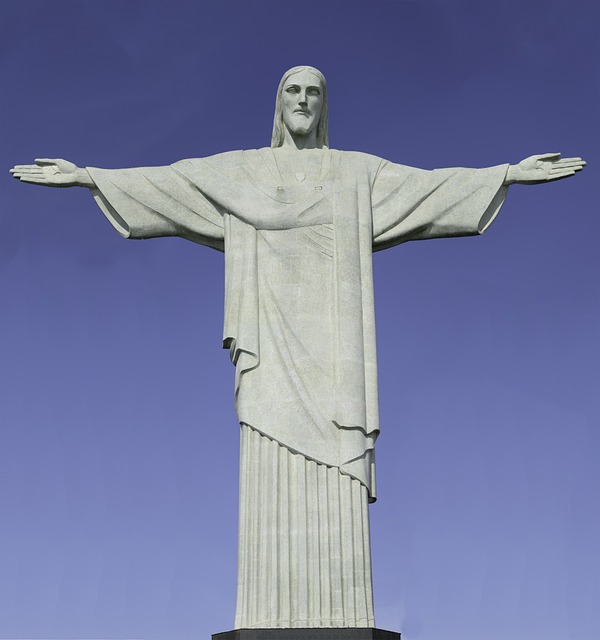
Cristo Redentor: The Statue Built in France, Assembled in Brazil The hands and head of Cristo Redentor were not made in Brazil. They were sculpted in Paris by French artist Paul Landowski and shipped to Rio, where Brazilian engineer Heitor da Silva Costa spent five years assembling a 38-metre reinforced concrete structure on top of Corcovado Mountain. The body was built in soapstone, chosen...
read more
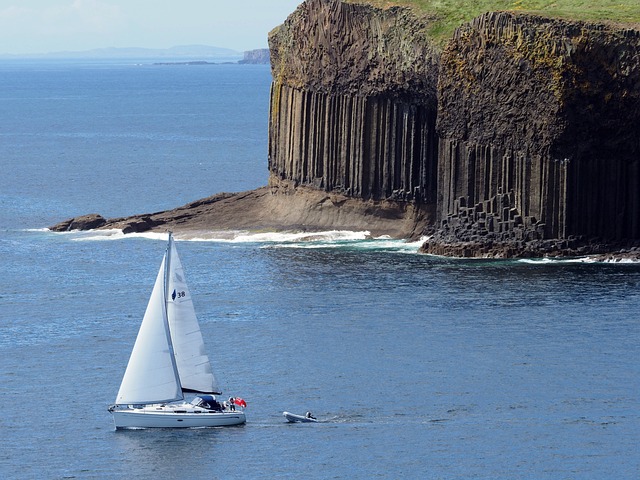
Fingals Cave, Scotland
Fingal’s Cave: The Sea Cave That Composed a Symphony In August 1829, Felix Mendelssohn visited Staffa by boat during a tour of the Scottish Highlands. He was 20 years old, seasick, and overwhelmed. Before he had even returned to land, he wrote to his sister Fanny with a short musical phrase: 21 bars of melody that would become the opening of the Hebrides Overture, one of the most recognised...
read more
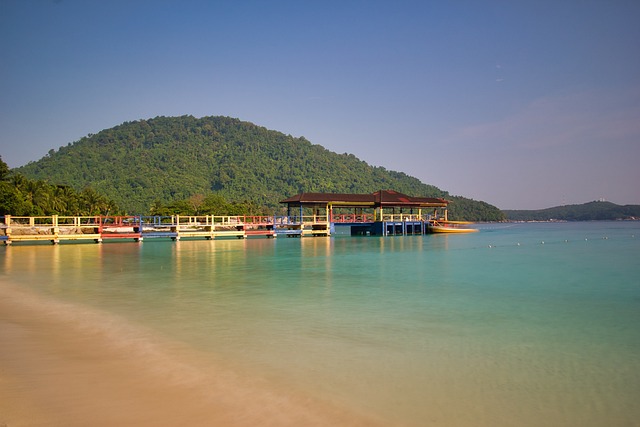
Perhentian Island
The Perhentian Islands exist off Malaysia’s northeast coast in the South China Sea, and they are closed for roughly five months every year. The monsoon season from November through February makes the crossing from Kuala Besut too rough to be practical; boat services suspend, the resorts shut, and the islands sit empty. This enforced closure is part of what makes them so good when they...
read more
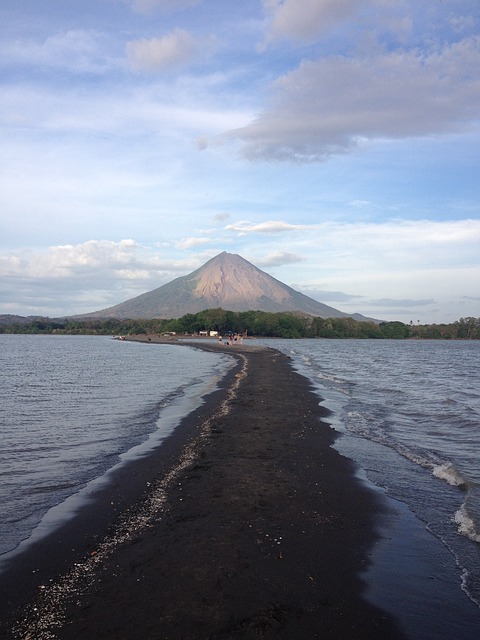
Ometepe Island, Nicaragua
There is a moment on the Ometepe ferry, about halfway across Lake Nicaragua, when both volcanoes are visible at the same time: Concepción on the left, a symmetrical cone still technically active at 1,600 metres, and Maderas on the right, dormant and more forested, slightly shorter. The island they form together is the largest volcanic island in a freshwater lake anywhere on earth. The word Ometepe...
read more
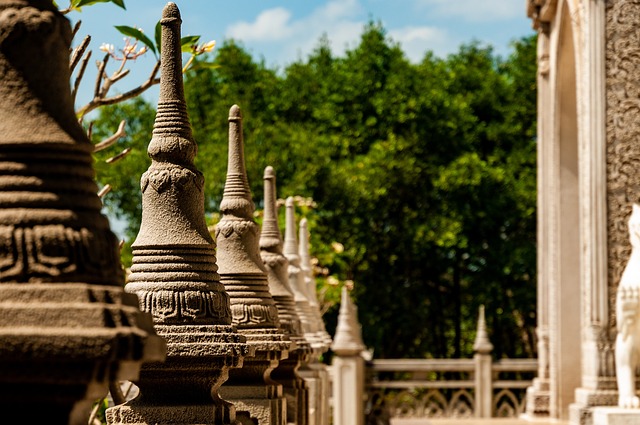
Temple of the Emerald Buddha
Temple of the Emerald Buddha: What the Name Gets Wrong (and Why That Makes It More Interesting) The statue at the centre of Wat Phra Kaew is not made of emerald. It never was. The material is most likely jasper, possibly a form of nephrite jade, and the “emerald” in its name simply refers to the deep green colour. This matters less for accuracy than for atmosphere: the Emerald Buddha...
read more
Tikal National Park
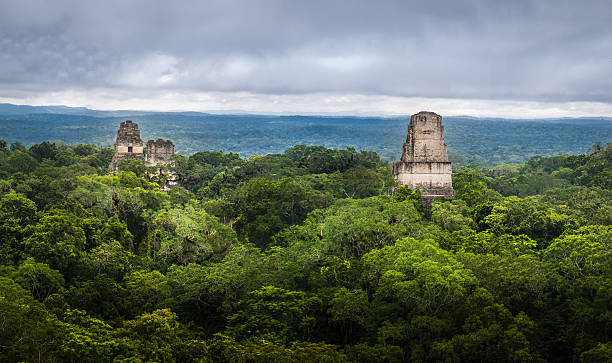
At 4 AM, a sound like a diesel engine starting up rolls through the jungle around you. It is not a machine. It is a troop of howler monkeys announcing the day from the ceiba canopy above Temple IV, and if you are already at Tikal for the sunrise tour, it is the best alarm clock you will ever have.
Tikal is one of those places that photographs cannot prepare you for.
read more
Heydar Aliyev Cultural Centre
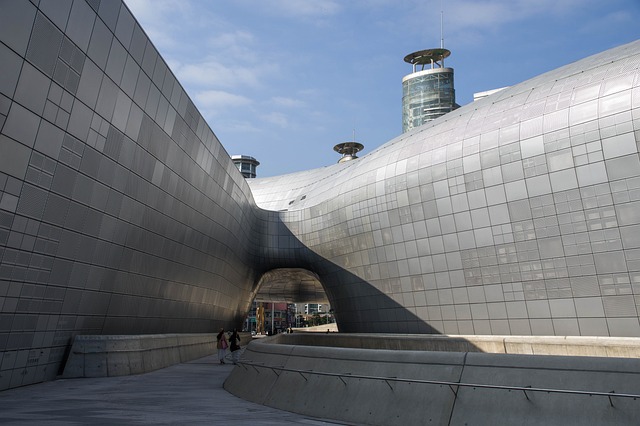
Zaha Hadid in Baku: The Building That Makes No Straight Lines There is no right angle in the Heydar Aliyev Cultural Centre. Not one. The building flows in continuous curves from ground level to roof, all white panels and sweeping ramps, as though someone paused a wave mid-break and let it cool. Zaha Hadid designed it, and it opened in 2012, three years before she won the Pritzker Prize, four years...
read more
Miami Beach, Florida
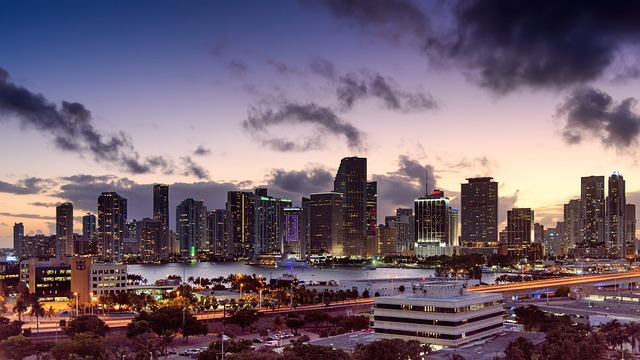
Joe’s Stone Crab opened in 1913, which was three years before Miami Beach was even incorporated as a city. Joe Weiss started it as a lunch counter on a stretch of what was essentially a sand bar, before the hotels, before the Art Deco architecture, before any of it. The stone crabs that made the place famous are only available from October to May, when the Florida harvest season runs. If you...
read more
Aurora Borealis
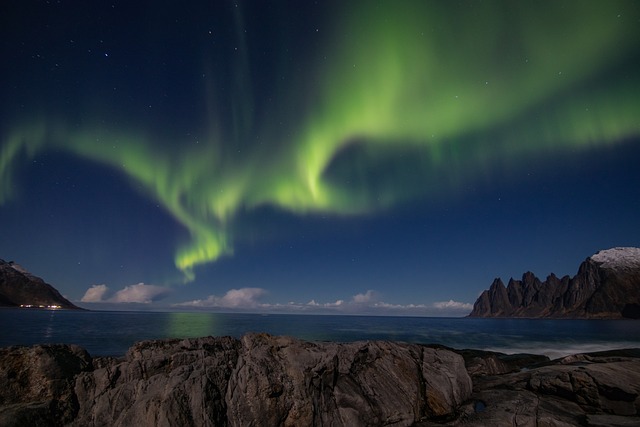
Chasing the Northern Lights: A Real Guide to the Aurora Borealis Here is the thing most aurora travel guides don’t tell you: the years just after solar maximum are frequently the best for aurora watching, not the peak year itself. Solar Cycle 25 hit its maximum in late 2024, and the decline phase we are now in tends to produce unpredictable, intense geomagnetic storms. Scientists tracking...
read more
Hong Kong
Hong Kong: A City That Refuses to Exist at One Speed Seven million people on 1,100 square kilometres, a skyline that makes Manhattan look modest, and a hiking trail that puts you in genuine wilderness forty minutes from Central by MTR. Hong Kong is many things simultaneously, and the interesting challenge as a visitor is deciding which of them you actually want.
The city runs on density and...
read more
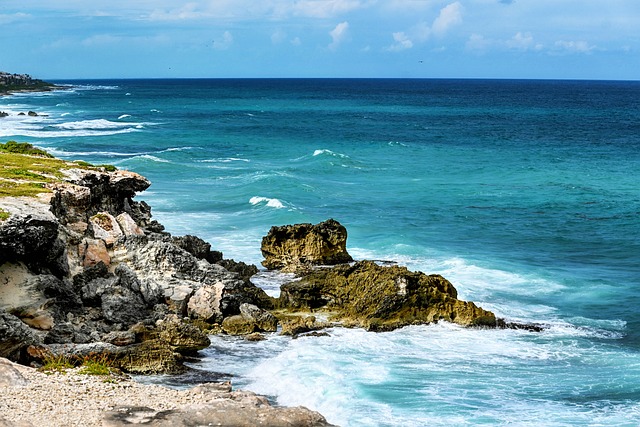
Isla Mujeres
Isla Mujeres: Eight Kilometres of Caribbean That Cancun Hasn’t Caught Up To Yet The ferry ride takes twenty minutes from Puerto Juarez and costs around 90 to 200 MXN depending on the operator and time of day. By the time you step off the dock onto the main street of the island’s single town, you are already in a different register from Cancun. No hotel zone. No strip of identical...
read more