Recent Places
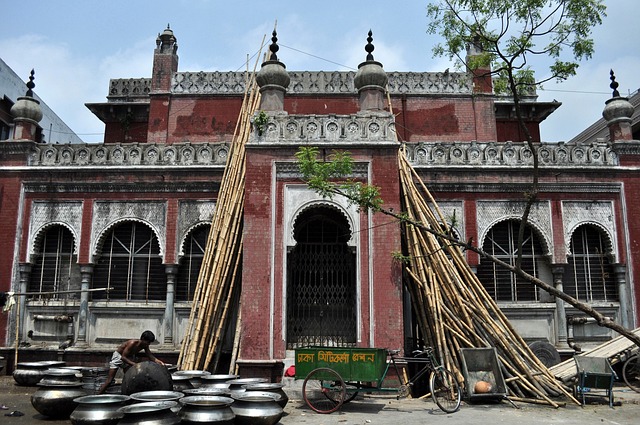
Old Dhaka
Every star on the facade of Tara Masjid is made from shattered china, literally. The mosque’s blue star motifs come from a decorative technique called chinitikri, where craftsmen embedded broken porcelain shards imported from Japan and England into the walls, a renovation financed in the early twentieth century by a local businessman named Ali Jan Bepari long after the original structure...
read more
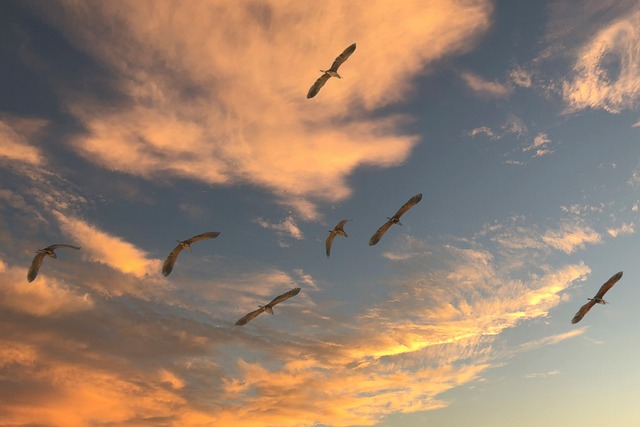
See the Great Migration
Experience the Great Migration: A Safari Guide for East Africa The Largest Animal Movement on Earth Every year, approximately 1.5 million wildebeest, 400,000 zebra, and 200,000 Thomson’s gazelle complete a roughly circular route through the Serengeti-Mara ecosystem spanning northern Tanzania and southern Kenya. They follow rainfall and the grass growth that results from it, moving in an...
read more
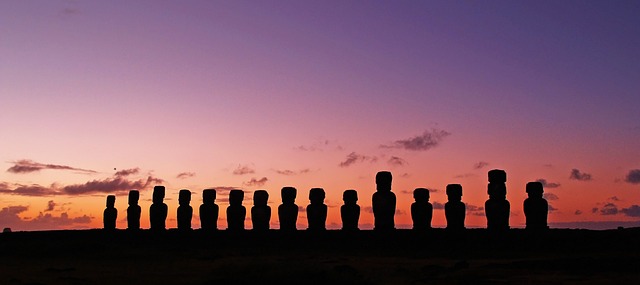
Easter Island, Chile
Easter Island: What the Statues Are Not Telling You The most misunderstood thing about Easter Island is that the moai represent a people at the height of their power. They do not. The statues were carved and erected primarily between 1100 and 1680 CE, and their production accelerated alongside a social crisis that was slowly consuming the island. The deforestation, the ecological collapse, the...
read more
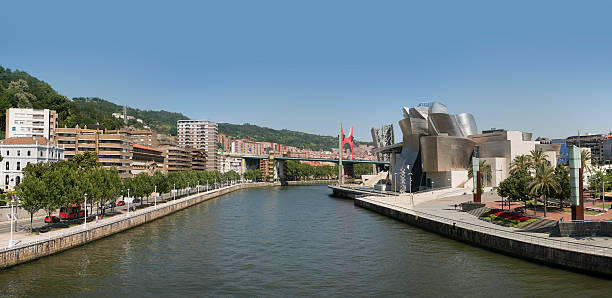
Guggenheim Museum (Bilbao)
Guggenheim Bilbao: The Building That Saved a City, and What Surrounds It When the Guggenheim Museum Bilbao opened in 1997, Bilbao was still recovering from the collapse of its steel and shipbuilding industries. The Nervion River, which runs through the city, had been used for industrial discharge for decades. Frank Gehry’s titanium-clad building was not just an art museum. It was a...
read more
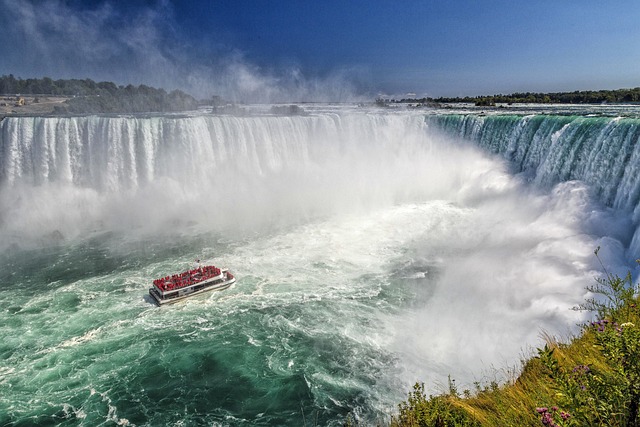
Niagara Falls Ontario, Canada
Most of the water goes to the American side on paper, but most of the view goes to Canada. The Horseshoe Falls, which straddles the international border and carries roughly 90 percent of the combined flow, curves toward the Ontario bank, meaning visitors standing at Table Rock Centre on the Canadian side look directly into the torrent while visitors on the New York side look across at an angle....
read more
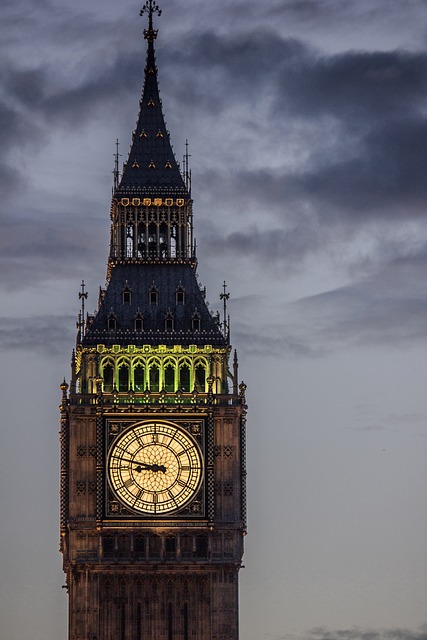
Big Ben
Big Ben At six in the morning on a cold Tuesday in January, Westminster Bridge is almost empty. A street sweeper pushes a cart along the pavement. A cyclist clips through the roundabout. Then, from somewhere above and behind you, the note comes: a low, resonant E natural, deep enough that you feel it in your chest before you properly hear it in your ears. It hits once, then again, and five more...
read more
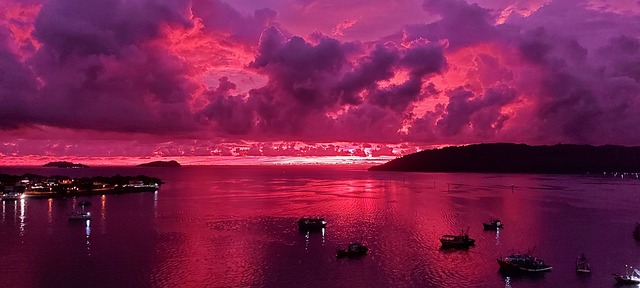
Kota Kinabalu
At the end of World War II, Allied bombing had reduced the city then called Jesselton to three standing buildings. The British North Borneo Company, effectively bankrupt from the war, handed the wreckage to the British Crown in 1946, which declared it capital of North Borneo and rebuilt it from near zero. In 1967 it was renamed Kota Kinabalu. That history of erasure and rebuilding explains quite a...
read more
Fox Glacier
Fox Glacier, New Zealand You cannot walk to Fox Glacier anymore. A landslide in 2019 destroyed the only road to the terminal face, and the slide remains active enough that reconstruction is not feasible. The glacier itself has retreated more than three kilometres since the 1880s, and between 2017 and 2022 it pulled back a further 374 metres, reaching its shortest recorded length. What this means...
read more
Disneys California Adventure
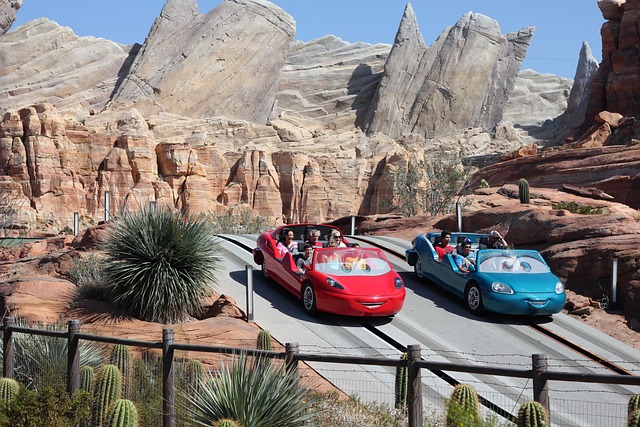
Disney’s California Adventure in 2026: What’s Changed and What Still Matters Disney California Adventure sits directly across the esplanade from Disneyland proper, but it operates like a completely different park in terms of how to plan a day there. It is generally less crowded than its neighbour, it has arguably better food, and right now it is mid-construction on an Avengers Campus...
read more
Ice Hotel
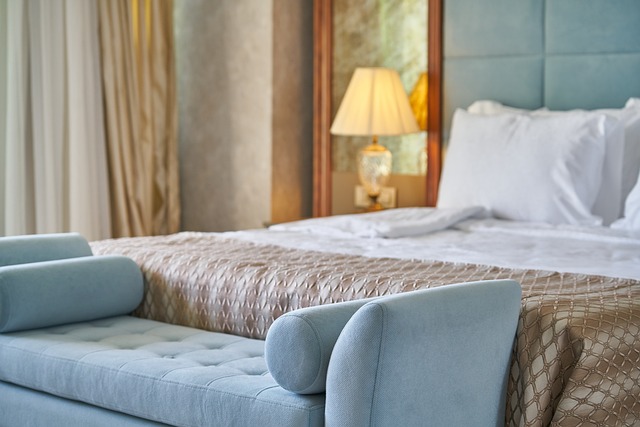
Every spring, ICEHOTEL in Jukkasjarvi, Sweden melts back into the Torne River it was built from. The ice is harvested from the same river the previous winter, carved by artists into rooms and corridors and bars, inhabited by guests from December to April, and then returned to the water. The cycle has repeated since 1989, making this the 36th iteration of the winter hotel in 2025 to 2026. That...
read more
Seychelles East Africa
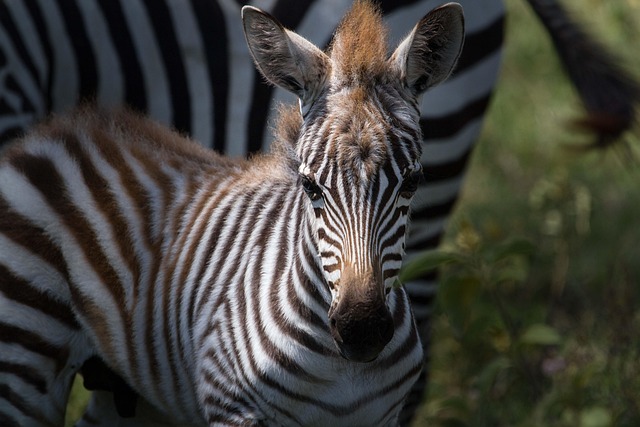
The Seychelles has no indigenous human population. When French settlers arrived in the mid-18th century, they found 115 islands in the Indian Ocean that had never been inhabited. They brought enslaved workers from East Africa, Indian and Chinese traders followed, and the result is a Creole culture and cuisine that belong to all of those traditions and to none of them specifically. That origin...
read more
Porto
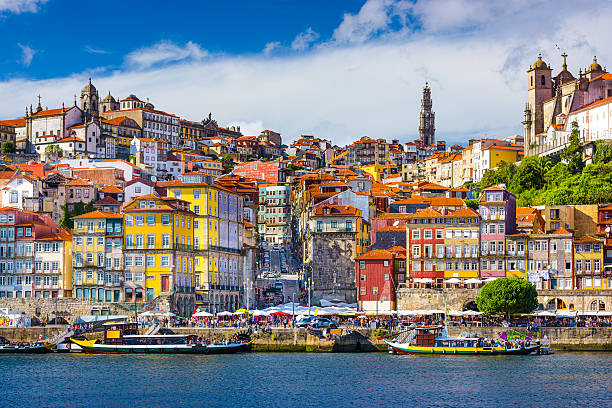
Porto gets sold as Lisbon’s smaller, cheaper cousin, and that framing does it a disservice. It’s a working river city with steep cobbled hills, a genuine industry built on port wine, and a habit of quietly correcting every guidebook that gets its geography wrong. Let’s start by fixing the geography.
What’s actually in Porto, and what isn’t
Every port lodge...
read more
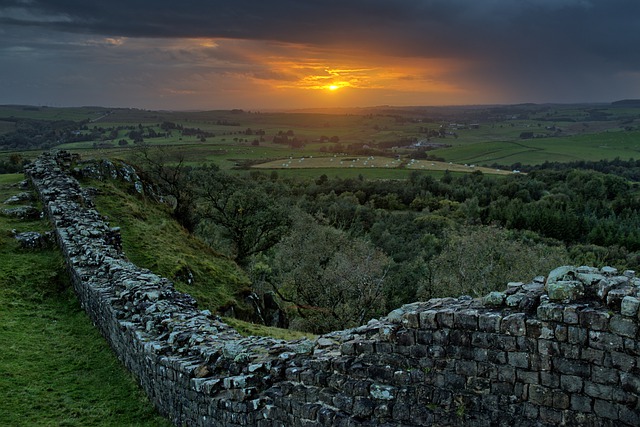
Hadrian's Wall
Hadrian’s Wall: 73 Miles of Roman Engineering That Actually Works on You In May 2025, archaeologists at Vindolanda pulled a stone relief of Victoria (the Roman goddess of victory) out of the ground. She had been lying there, undisturbed, for approximately 1,800 years. That same site has yielded wooden writing tablets recording complaints about cold weather, requests for more beer, and a...
read more
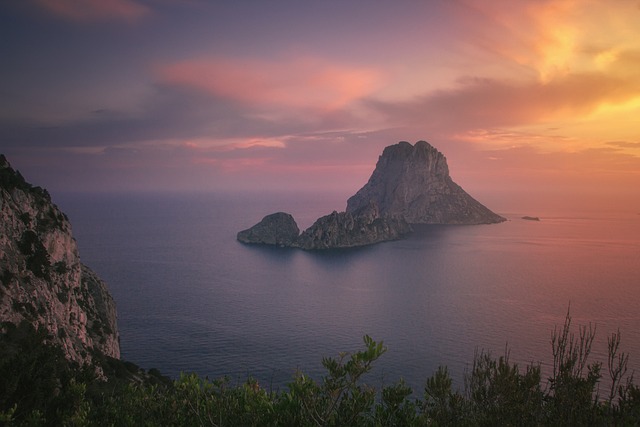
Ibiza
Ibiza in 2026: What the Regulations Changed and What Stayed the Same Ibiza has been a trading hub for 2,680 years. The Phoenicians founded a settlement called Ibossim on the hill above the current harbour in 654 BC, trading salt, silver, and dried fish across the western Mediterranean. The Romans followed, then the Moors, then the Aragonese Crown, and each left a layer in the walled town of Dalt...
read more
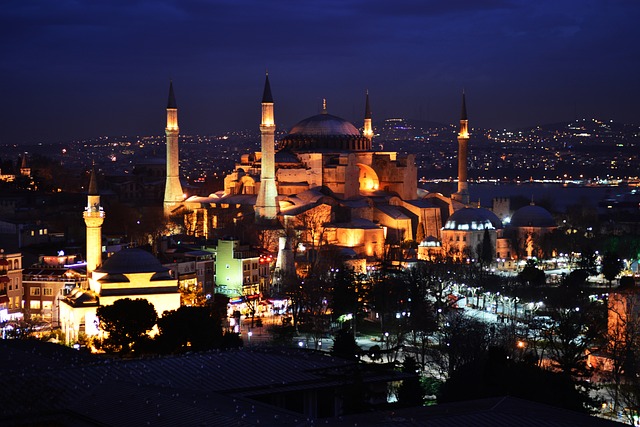
Hagia Sophia
The dome of Hagia Sophia was completed in 537 AD, roughly a thousand years before Brunelleschi worked out how to dome Florence Cathedral. That engineering gap matters when you’re standing underneath it: the 31-metre span appears to float because the architects ran closely-spaced windows around its base and lined the window jambs with gold mosaic, so light dissolves the structure and the dome...
read more
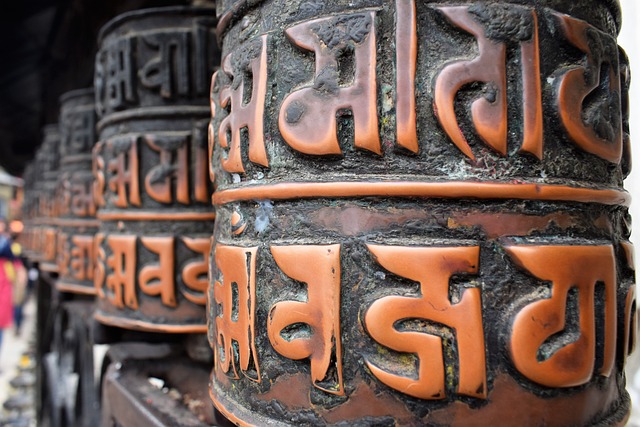
Swayambhunath Stupa, Kathmandu, Nepal
The name Swayambhunath translates roughly to “self-arisen,” and the legend behind it is stranger than most stupa origin stories: according to the Swayambhu Purana, the entire Kathmandu Valley was once a vast lake, and a self-illuminating lotus sat glowing at its center. The bodhisattva Manjushree came to worship it and, to make the site accessible, cut a gorge at Chovar to drain the...
read more
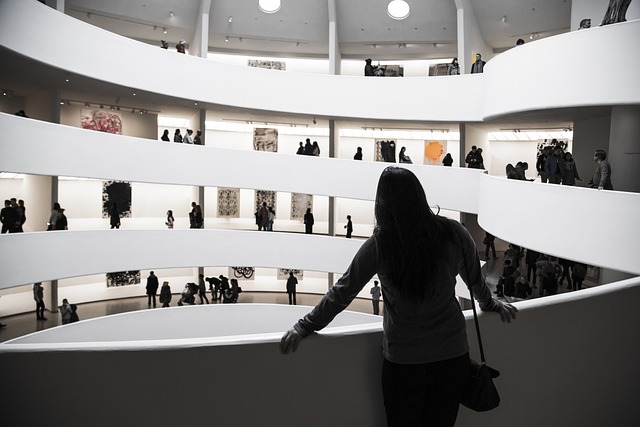
Metropolitan Museum of Art
Exploring the Metropolitan Museum of Art An Egyptian temple that traveled across the Atlantic packed in a ship’s hold beneath crates of Italian cheese, canned tomatoes, and jars of maraschino cherries now sits under a glass wall on Fifth Avenue, and somewhere on its sandstone you can still find “Leonardo 1820” carved by a 19th-century tourist who couldn’t resist leaving his...
read more
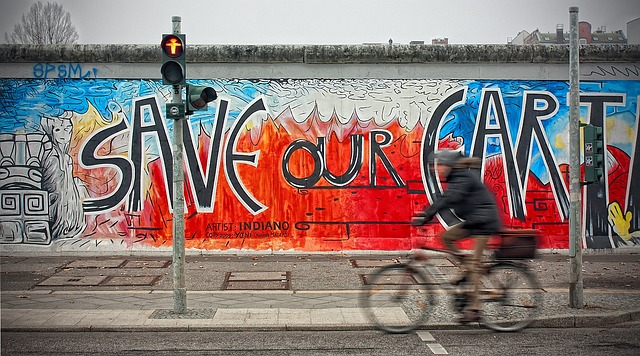
Berlin Wall
The Berlin Wall At 11:17 pm on November 9, 1989, a 57-year-old East German party spokesman named Gunter Schabowski sat under television lights in East Berlin and, reading from a note that had been handed to him an hour earlier (a note he had not had time to read properly) accidentally told the world that the Berlin Wall was open. When a Reuters journalist asked when the new crossing rules would...
read more
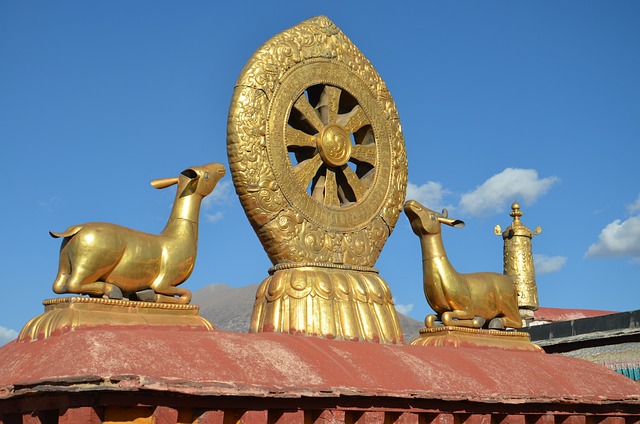
Jokhang Temple Lhasa
The gold-roofed Jokhang Temple at the centre of Lhasa was named after the wrong statue. The building was constructed around 640 CE to house the Jowo Mikyo Dorje, a statue of Akshobhya Buddha brought by King Songtsen Gampo’s Nepalese queen. The statue that now defines the temple, the Jowo Rinpoche, arrived later as the dowry of his Chinese wife, Princess Wencheng. Over time, historical...
read more
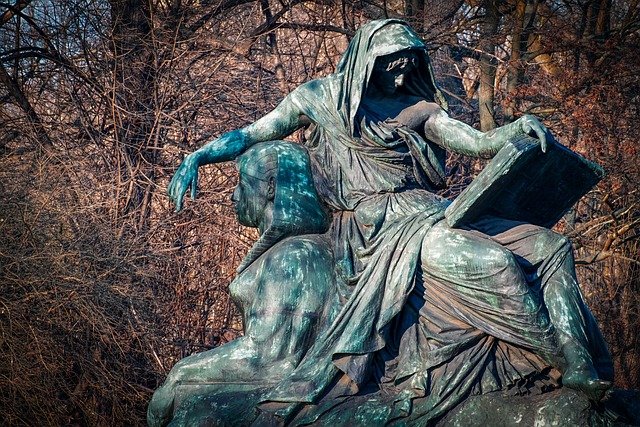
The Great Sphinx
The Great Sphinx of Giza: What’s Wrong With the Napoleon Story (and What’s Actually True) Every guide book repeats it. Napoleon’s cannons shot off the Sphinx’s nose during the French expedition to Egypt in 1798. It makes a satisfying story. It is also false.
Drawings of the Sphinx made by Frederick Lewis Norden in 1737, more than 60 years before Napoleon arrived, already...
read more
Prague Castle
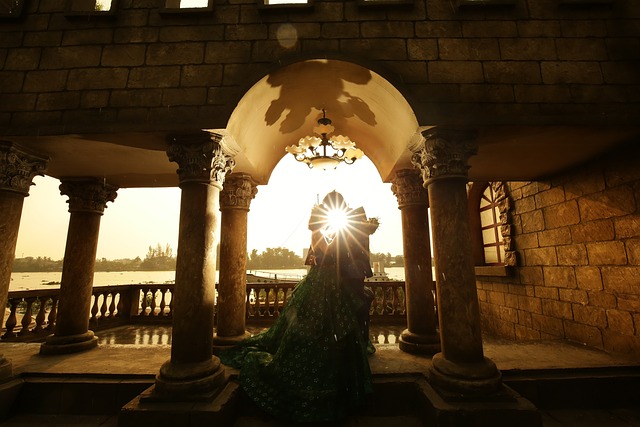
Bohemians have literally thrown officials out of windows to start political crises three separate times in their history, and the practice has its own name, defenestration, because it happened often enough to need one. The 1618 incident, when Protestant nobles hurled two Catholic regents and a secretary out an upper window of the castle’s Bohemian Chancellery, kicked off the Thirty...
read more
Summer Palace, An Imperial Garden In Beijing
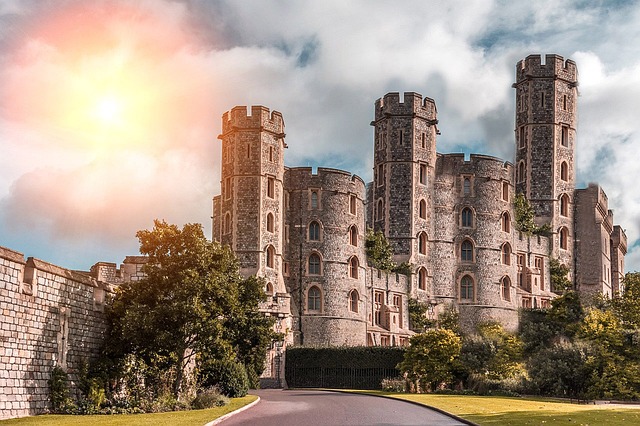
The Marble Boat sitting on Kunming Lake is a monument to imperial fraud, not imperial elegance. Empress Dowager Cixi rebuilt its two-story superstructure in 1893 using funds that had officially been earmarked for China’s new imperial navy, and she did it while the country was actively falling behind foreign powers in naval capacity, a decision historians still cite as one of the more direct...
read more
Fuji
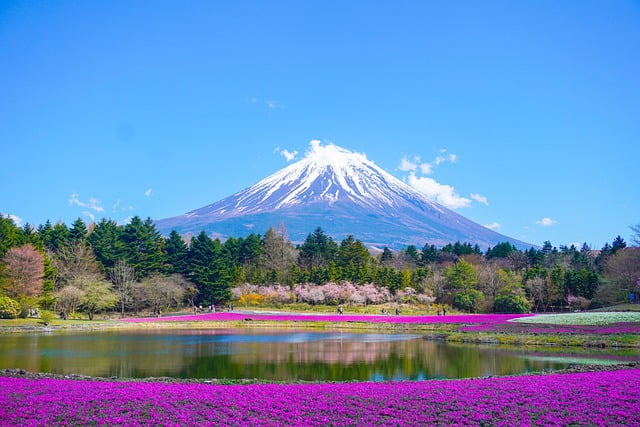
Mount Fuji is only clearly visible from the surrounding lakes and towns about 80 days per year. On the remaining 285 days it is hidden entirely behind cloud. This is the first thing worth knowing before you plan a trip around seeing it: clear views depend almost entirely on weather, and weather is not negotiable. Autumn and winter give you the best odds. Summer, which is also the only time you can...
read more
Cotopaxi Ecuador
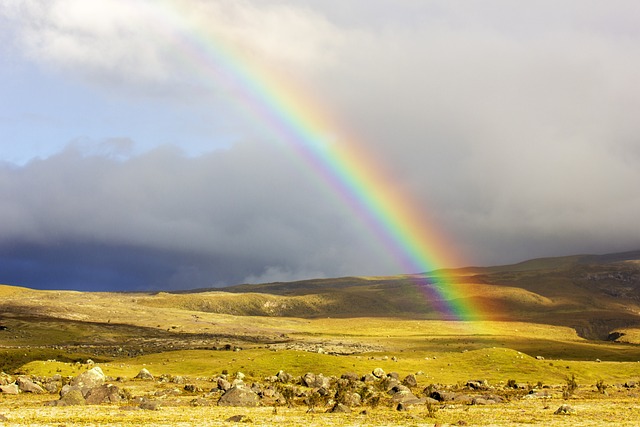
Cotopaxi: Climbing an Active Volcano, and What to Know Before You Try Cotopaxi reaches 5,897 metres, making it one of the highest active volcanoes on earth and one of the most accessible serious mountaineering objectives in South America. It shut down to climbers between October 2022 and early 2024 due to an eruptive period, and reopened in February 2024. As of mid-2026 the park is open, but...
read more
Glowworm Cave
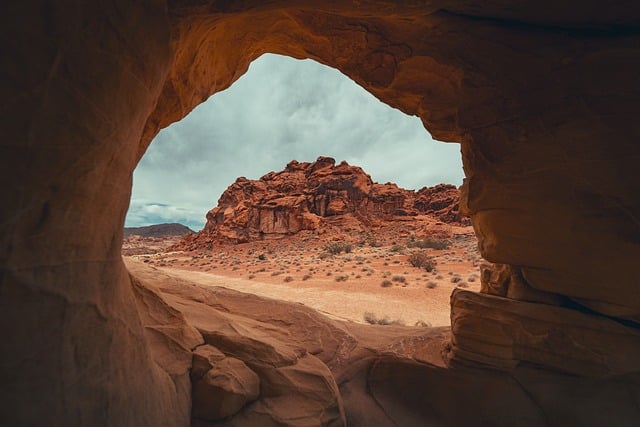
Waitomo Glowworm Caves, New Zealand The creatures lighting up the ceiling of the Waitomo cave are not worms. They are the larvae of a fungus gnat, Arachnocampa luminosa, found nowhere on earth outside New Zealand. Each larva anchors itself to the cave roof and suspends up to 70 silk threads below its body, each thread coated in sticky mucus droplets. It glows blue-green to attract flying insects,...
read more
Alcatraz
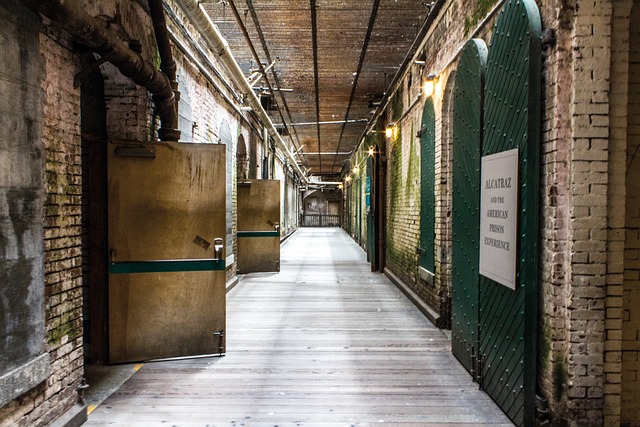
Alcatraz Island, San Francisco The thing nobody warns you about is the smell. You expect the cold, the wind, the chipping pastel paint, the sense of a place that history walked away from and never came back to clean up. What you do not expect, stepping off the ferry onto the dock, is the wild perfume of the gardens, sweet alyssum and roses going slightly feral on a rock that once held the worst...
read more
The White Horse Sutton Bank
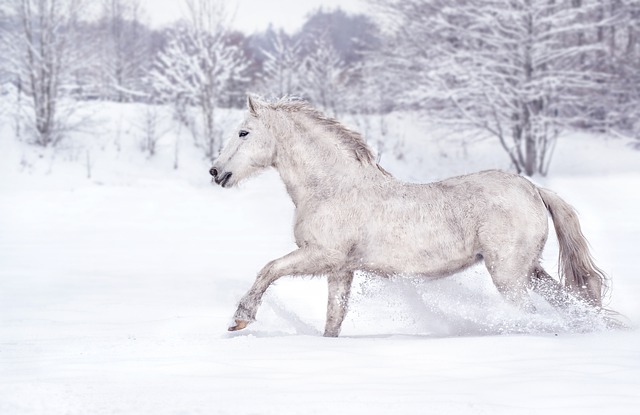
The Kilburn White Horse is the most northerly hill figure in England and, unusually for a chalk horse, contains no chalk. When Thomas Taylor, a Kilburn-born buyer for a London provision merchant, commissioned it in 1857 after visiting the Uffington White Horse, the local geology offered no chalk. Instead, schoolmaster John Hodgson and 31 volunteers removed the topsoil from Roulston Scar to expose...
read more
The Alps
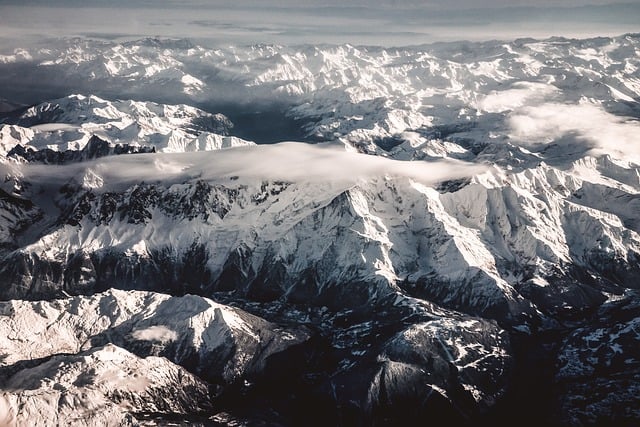
Switzerland has closed 167 ski resorts since 1980. Austria’s Alps are warming at nearly twice the global average. The Presena Glacier in Italy has been partially wrapped in white geotextile sheets every summer since 2008 to slow melting, and the coverage reduces ice loss by roughly 50 percent during the warmer months. These are not far-future projections; they describe where the Alps already...
read more
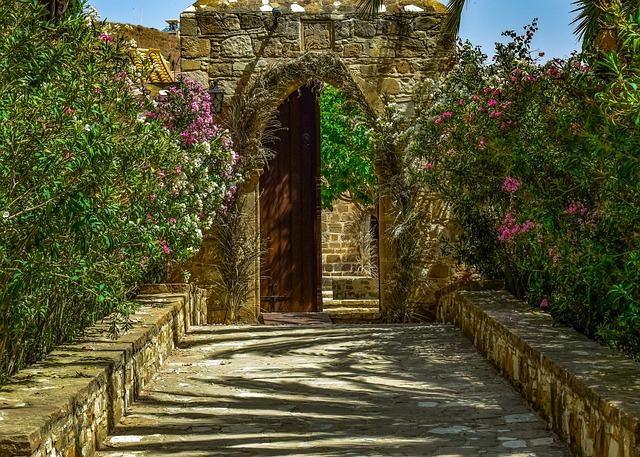
Kykkos Monastery, Cyprus
Kykkos Monastery: The First President of Cyprus Was a Monk Here at 13 In 1926, a 13-year-old boy from the village of Pano Panayia became a novice monk at Kykkos Monastery. He was ordained a deacon at 18, eventually became Archbishop of Cyprus, and in 1960 became the first president of the independent republic. Archbishop Makarios III ran the country from 1960 until his death in 1977, and is buried...
read more
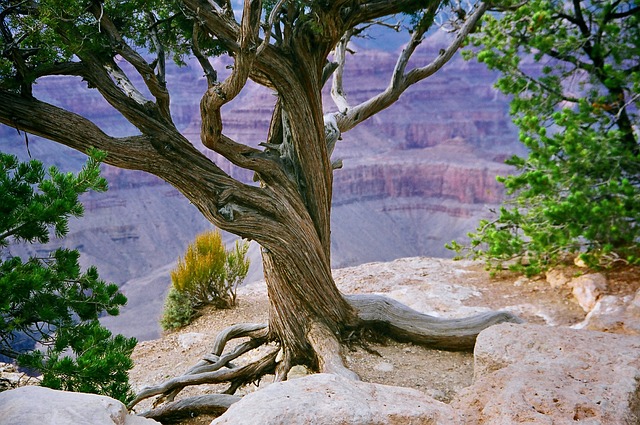
Grand Canyon
Grand Canyon: The Part Most Visitors Miss Is Visible From the Rim Somewhere in the middle of the Bright Angel Trail, roughly a third of the way down to the Colorado River, is a thin horizontal line in the rock where 1.2 billion years of Earth’s geological history simply disappears. Geologists call it the Great Unconformity: a boundary between ancient basement rocks and the layers above them,...
read more
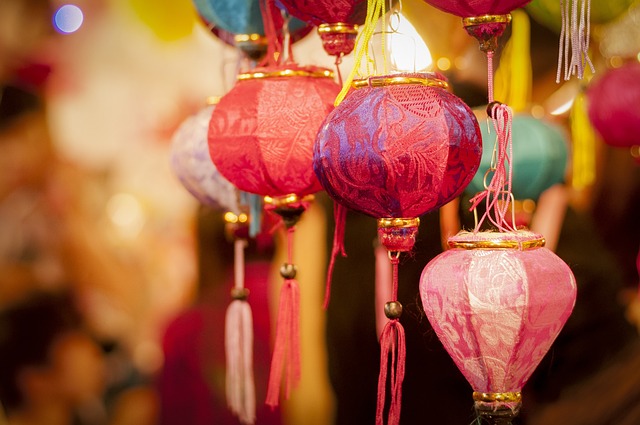
Ho Chi Minh City
Ho Chi Minh City In December 2024, Ho Chi Minh City opened its first metro line, twenty years after construction began. Line 1 runs 19.7 kilometres from Ben Thanh Market in the city centre to the New Eastern Bus Terminal in Thu Duc, with three underground stations and eleven elevated ones. Time magazine put it on their list of the world’s greatest places for 2025. For a city that had been...
read more
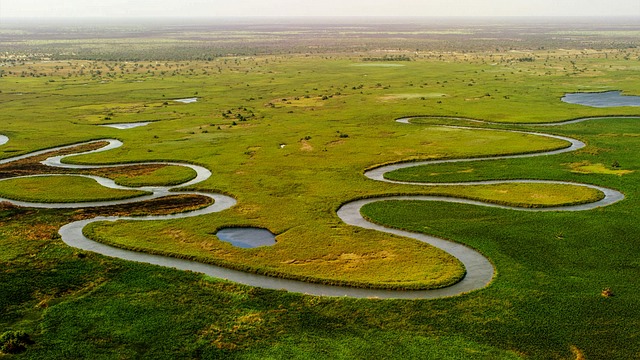
Okavango Delta, Botswana
The Okavango River rises in the highlands of Angola, collects water from October to April, and then spends five months travelling 1,200 kilometres southeast at a gradient so gentle that the floodwater moves on average at walking pace. It arrives in Botswana in the middle of the dry season, not during the local rains, and there it spreads out across the Kalahari into a wetland roughly the size of...
read more
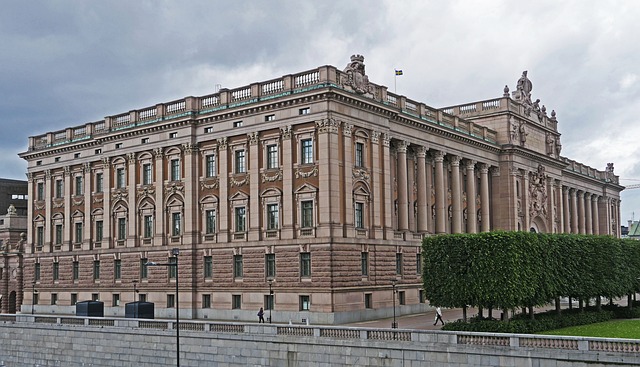
Gamla Stan, Stockholm
Gamla Stan: A Square Where 82 People Were Executed, Now Selling Cinnamon Buns Stortorget, the main square at the centre of Gamla Stan, is lined with photogenic ochre and terracotta townhouses and usually crowded with visitors taking photographs of the colourful facades. There is no plaque or marker explaining what happened there in November 1520, when Christian II of Denmark invited...
read more
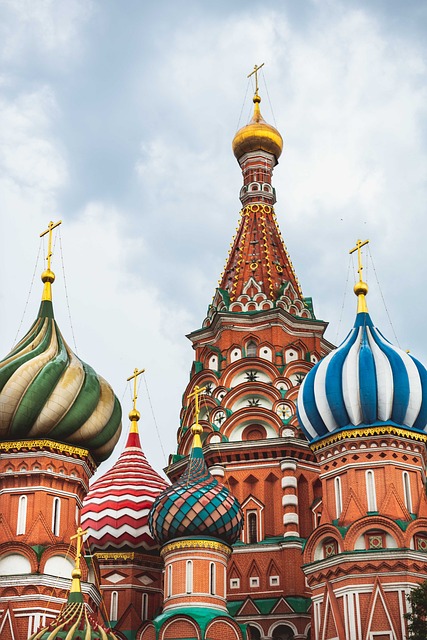
Saint Basils Cathedral
The story that Ivan the Terrible blinded the architect of Saint Basil’s Cathedral so he could never build anything as beautiful again is almost certainly false, and the way it unravels is more interesting than the myth itself. The man usually credited, Postnik Yakovlev, went on to work on the Cathedral of the Annunciation in Moscow and helped build the walls and towers of the Kazan Kremlin,...
read more
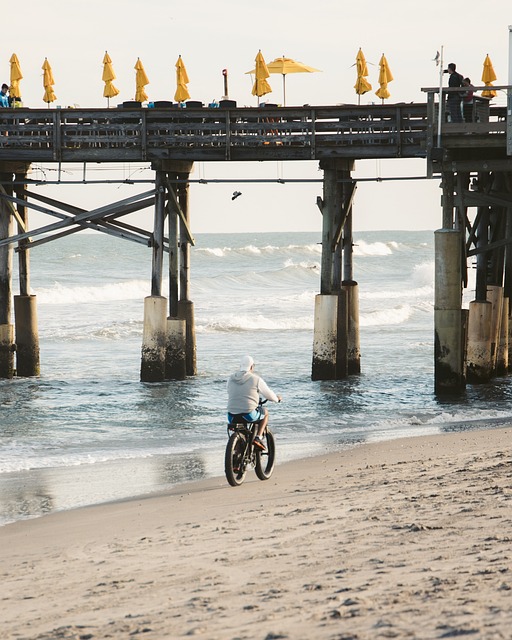
Orlando, Florida
Discovering the Magic of Orlando, Florida A single-day ticket to Disney’s Magic Kingdom can now cost anywhere from $139 to $209 depending on the date you pick, priced like an airline seat rather than a flat admission fee. That single detail should reshape how you plan an Orlando trip more than any packing list: the calendar you choose matters as much as the parks you choose.
The Parks,...
read more
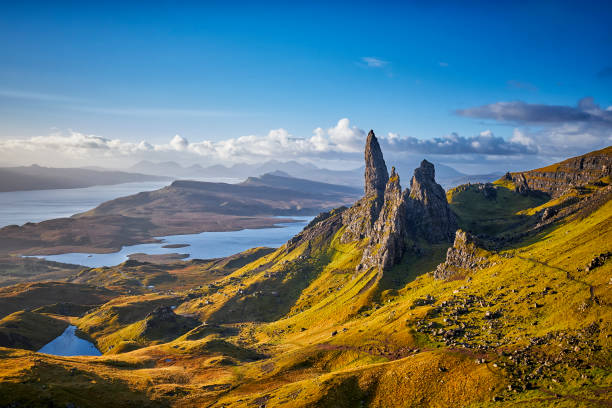
Isle of Skye
The Black Cuillin is made of gabbro, a volcanic rock so rough and grippy that mountaineers describe it as the best rock to climb on in Britain. The Black Cuillin is also the only mountain range in Scotland where a compass is unreliable: the gabbro contains enough iron to deflect the needle. This makes the ridge, at 12 kilometres long with 11 Munros, one of the most technically demanding in the...
read more
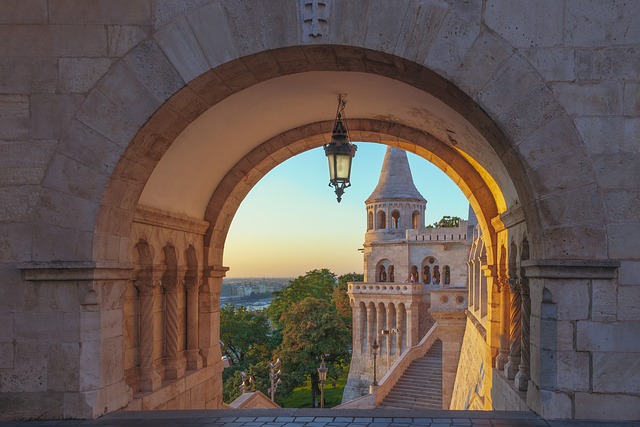
Budapest
Budapest: What the Guidebooks Get Right, and What They Miss Budapest is one of the more photogenic capitals in Europe, and it knows it. The Parliament building lit up at night, the Chain Bridge, the thermal bath steam rising over Neo-Baroque tile work: these images have been circulating for decades and they are accurate. What the standard guides underplay is how much the city rewards slowing down,...
read more
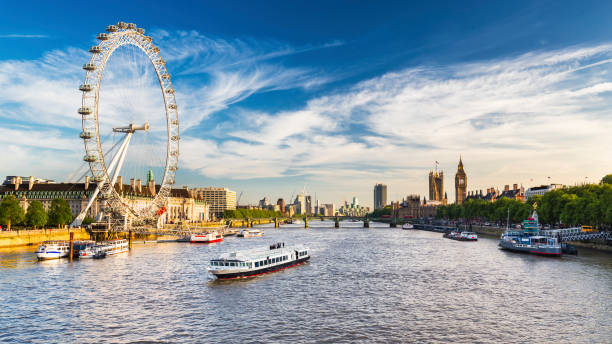
London Eye
The London Eye was assembled lying flat in the River Thames, floated into position on barges, then tilted upright over several weeks using strand jacks at a rate of two degrees per hour. Engineers paused the lift at 65 degrees for a full week to check the structure before completing the raise. When it finally stood vertical in 1999, it was the largest observation wheel in the world and an...
read more
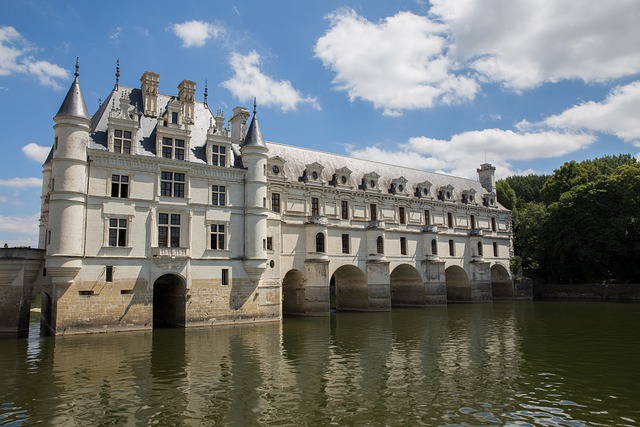
The Loire Valley
Leonardo da Vinci didn’t die inside the Château d’Amboise. He died three years into retirement at Clos Lucé, a manor house a short walk from the château, where King Francis I had installed him with a pension and, apparently, enough freedom to spend his last years sketching flying machines rather than painting commissions. His remains only ended up in the château grounds decades later,...
read more
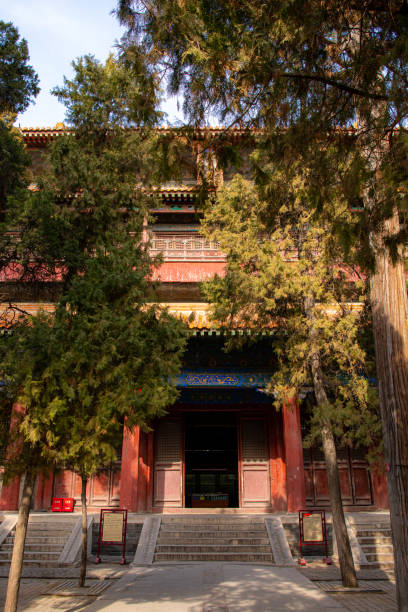
Temple And Cemetery Of Confucius And The Kong Family Mansion In Qufu
Confucius’s descendants are still being buried in the same cemetery his family started using more than two thousand years ago. The Kong Forest north of Qufu is the largest and longest continuously used family cemetery on earth, over 200 hectares of ancient cypress and pine shading tens of thousands of graves spanning roughly 76 generations of one bloodline, and it is still an active burial...
read more
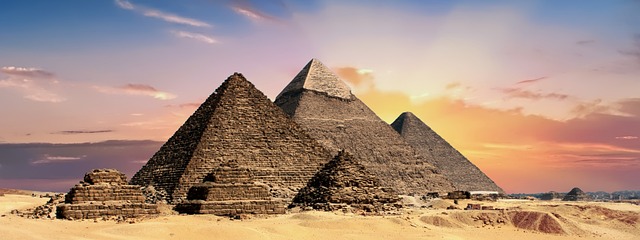
Pyramids, Egypt
They have been staring at the desert horizon for 4,500 years, and still, when you round the last bend of the Giza plateau and get your first unobstructed view, you stop walking. The Pyramids of Giza are not a disappointment. That in itself is remarkable.
What most travel writing skips: the plateau looks utterly different from how photographs suggest. The three main pyramids are enormous in a way...
read more
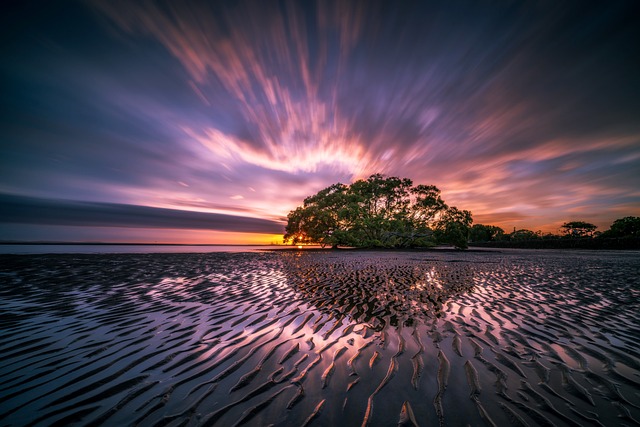
Ayers Rock Australia
Visiting Uluru: What You Actually Need to Know Before You Go What you see at Uluru is only a fraction of what is there. The sandstone monolith rising 348 metres above the Northern Territory desert floor extends up to six kilometres underground, making it more akin to an iceberg than a rock. Most visitors grasp this fact intellectually and then forget it as soon as they are standing at the base,...
read more
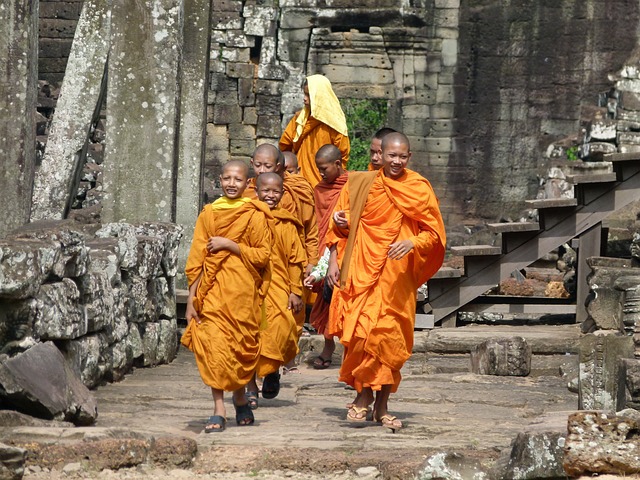
Siem Reap Angkor Wat
The moat around Angkor Wat is over 200 meters wide, and most people who photograph it assume it exists purely for scenery. It doesn’t. Khmer engineers built it to stabilize the sandy soil under the temple’s enormous stone weight and regulate the groundwater level so the whole structure didn’t slowly sink into the earth, alongside its role representing the cosmic ocean around...
read more
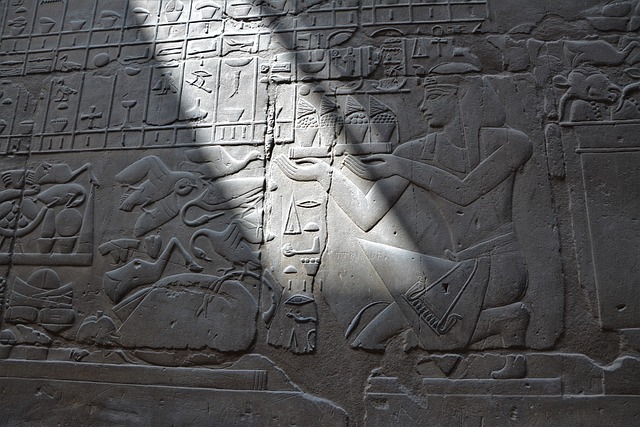
Karnak Egypt
Karnak Temple Complex covers roughly 100 hectares on the east bank of the Nile at Luxor. Construction began under Senusret I around 1971 BC and continued, with additions and modifications by successive pharaohs, until the Ptolemaic period ending around 30 BC. That is approximately 2,000 years of continuous building by rulers who each wanted to outdo or obliterate their predecessors. The result is...
read more
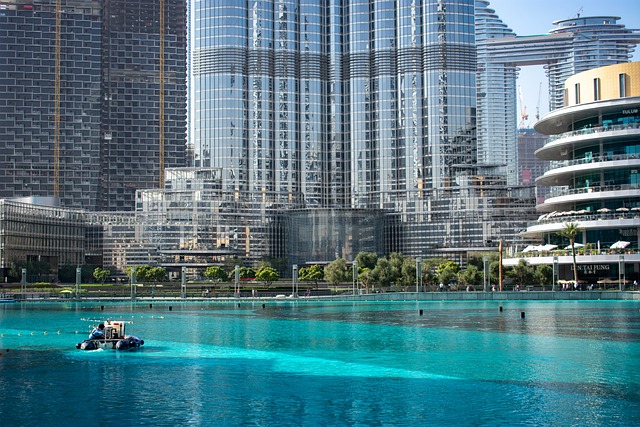
Burj Khalifa
Burj Khalifa On the morning of January 4, 2010, a building named Burj Dubai was officially renamed Burj Khalifa, after Sheikh Khalifa bin Zayed Al Nahyan, the ruler of Abu Dhabi. The timing was not coincidental. Abu Dhabi had just delivered roughly twenty-five billion dollars in emergency funding to keep Dubai solvent after the 2008 financial crisis nearly brought the emirate to its knees. The...
read more
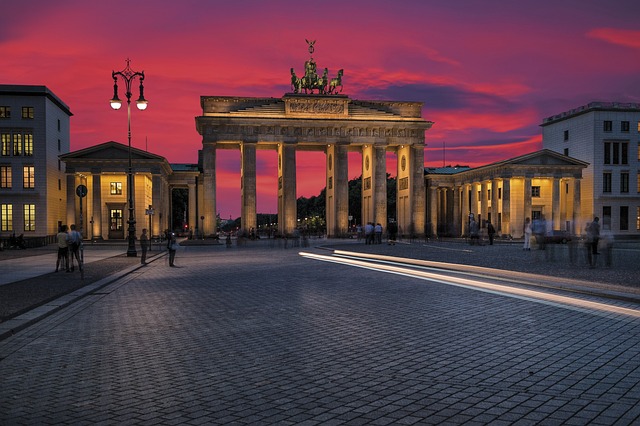
Brandenburg Gate
Six horses, twelve crates, six huge wagons each pulled by thirty-two horses: that is what it took to move the Brandenburg Gate’s Quadriga from Paris back to Berlin in 1814. Do the arithmetic and you get 192 horses hauling a looted bronze chariot across Europe because a Prussian general had outwitted Napoleon. The gate itself was already twenty-three years old by then. It had been built as a...
read more
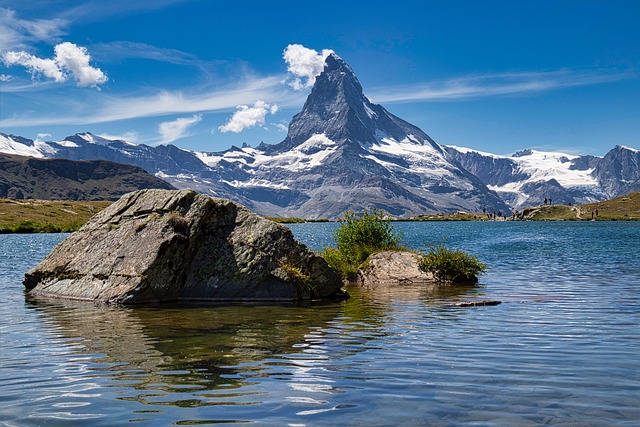
Matterhorn
On July 14, 1865, Edward Whymper and six companions reached the Matterhorn’s summit for the first time. It was the last of the great Alpine peaks to be climbed, the holdout, the one that had defeated Whymper seven times in four years. On the descent, Douglas Hadow slipped, pulling guide Michel Croz, Charles Hudson, and Lord Francis Douglas off the ridge. The rope connecting them to Whymper...
read more
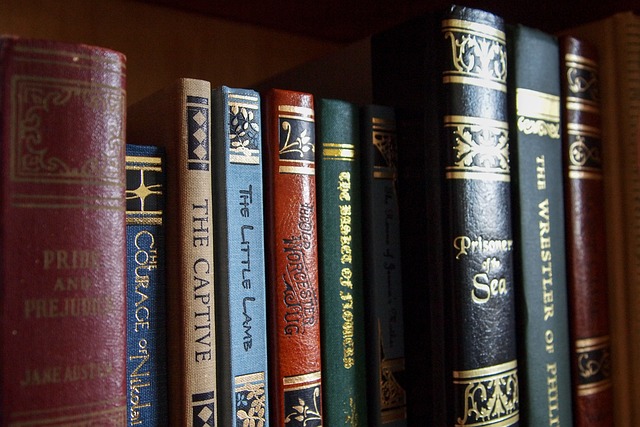
Jane Austens House Museum
Jane Austen’s House Museum, Chawton Jane Austen wrote in secret. She worked at a small twelve-sided walnut table by the dining room window, on small pieces of paper that could be slipped under a blotter whenever visitors arrived. The door to the room had a notoriously audible squeak, which her nephew later recorded she deliberately left unrepaired, because its noise gave her warning enough...
read more
Bagan
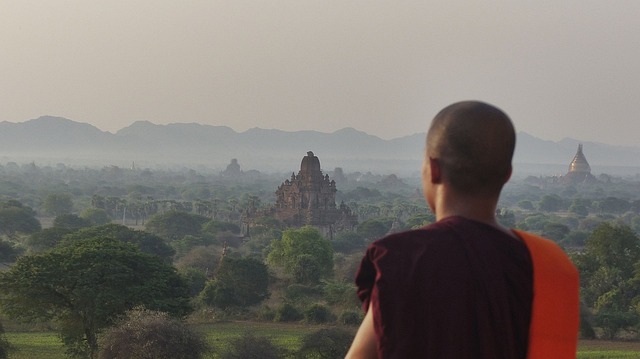
Exploring the Ancient Wonders of Bagan Twelve centuries ago, a Burmese king began building on a dusty meander of the Ayeyarwady River and set in motion one of the most peculiar acts of collective devotion in human history. By the time the Pagan Empire fell in the late 13th century, more than 10,000 religious monuments had risen from the red-earth plain. Today, somewhere around 3,500 survive:...
read more
Eden Project
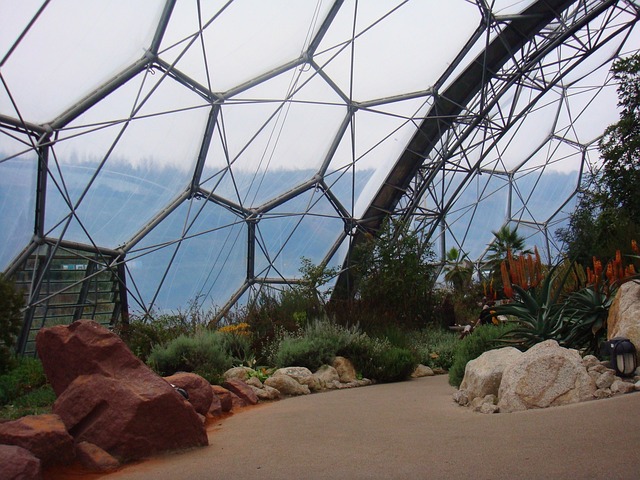
The Eden Project, Cornwall The whole thing started with a sketch on a napkin in a pub in 1996. Tim Smit, who had already rescued and restored the Lost Gardens of Heligan nearby, was talking through an idea for a botanic garden inside a derelict china clay pit. The pit was 60 metres deep, its sides were unstable, and it sat 15 metres below the local water table. The design went through several...
read more