Recent Places
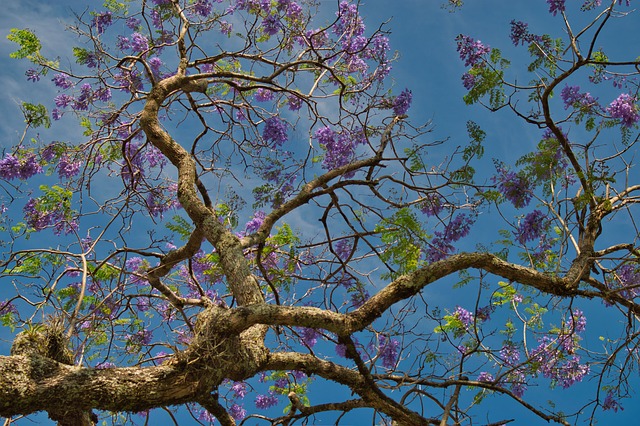
Osa Peninsula, Costa Rica
National Geographic described Corcovado National Park as the most biologically intense place on Earth. That assessment is based on numbers: roughly 400 bird species, 140 mammal species, 6,000 insect species, and all four species of Costa Rican primates in an area of 424 square kilometres. All three cat species (jaguar, puma, ocelot) are present. Four species of sea turtle nest on its beaches....
read more
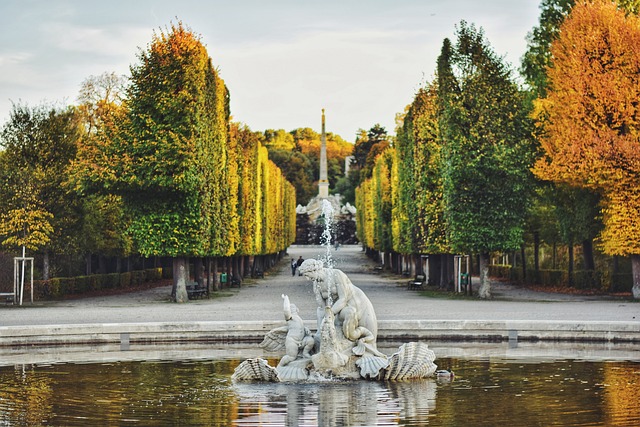
MQ – Museumsquartier Wien
MuseumsQuartier Wien: A Baroque Imperial Stable Converted Into One of the World’s Largest Museum Districts The MuseumsQuartier occupies the former imperial stables of Emperor Charles VI, a Baroque complex commissioned in the early 18th century to house 600 horses and their associated equipment. The horses are gone; the stables now contain contemporary art museums, a children’s museum,...
read more
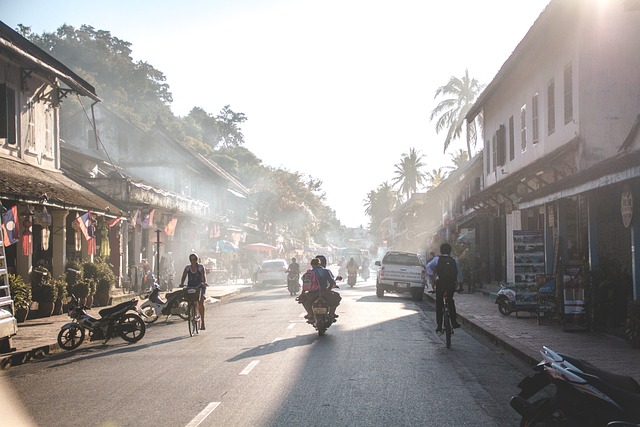
Plain of Jars Xieng Khouang Laos
Plain of Jars: The Most Bombed Province in the World Still Has a 2,500-Year-Old Mystery On Its Plateau Xieng Khouang province in north-central Laos holds both of these facts at the same time. The archaeological mystery: thousands of large stone vessels, the largest reaching three metres tall and weighing several tonnes, scattered in clusters across a plateau at 1,000 metres elevation. Who made...
read more
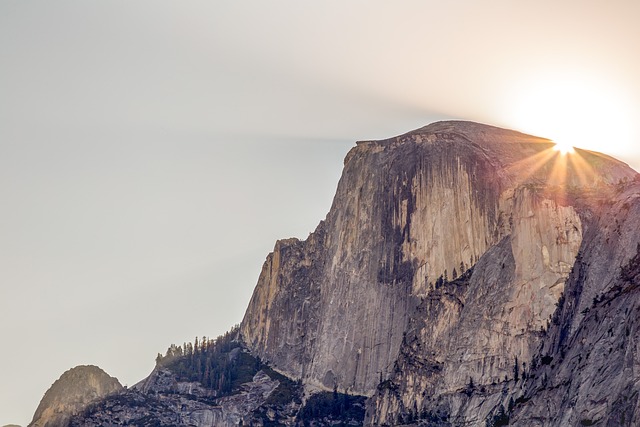
Dome Of The Rock
Dome of the Rock, Jerusalem The Dome of the Rock was completed in 691 CE, making it the oldest surviving Islamic monument in the world – older than any building in the Western Hemisphere by several centuries, and older than most of the surviving architecture of medieval Europe. It was built by Umayyad Caliph Abd al-Malik over the Foundation Stone, a natural bedrock outcrop sacred in three...
read more
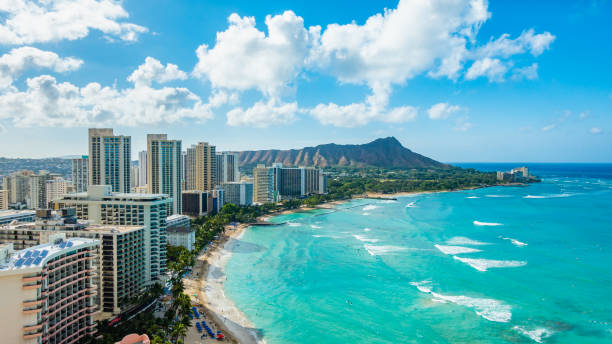
Honolulu Hawaii
Honolulu: More Than a Beach Holiday Honolulu is genuinely one of the most complex American cities: a Pacific capital with a majority non-white population, a strong Japanese-American cultural presence, a living indigenous Hawaiian culture that pre-dates US annexation by centuries, and a tourism industry that can obscure all of this if you stay entirely within the Waikiki corridor. The Iolani Palace...
read more
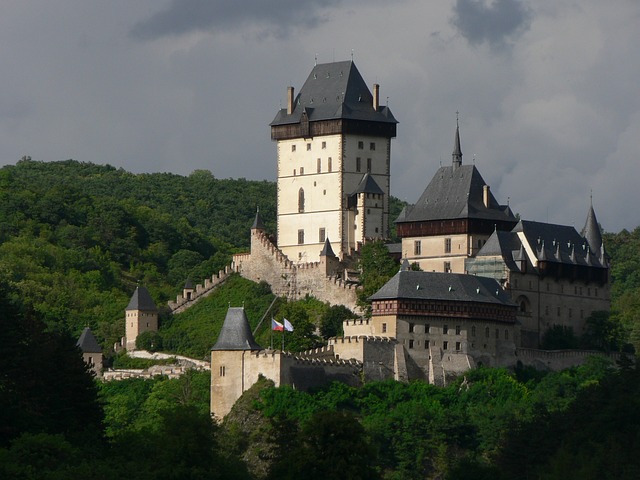
Karlstejn Castle
The Holy Roman Empire crown jewels and the imperial relics that Karlštejn was built specifically to house are no longer there. They were moved to Vienna in 1420 after Hungary seized Bohemia, and they are now displayed in Vienna’s Kunsthistorisches Museum. This fact is not prominently mentioned in Karlštejn’s tourism materials, which focus heavily on the “imperial treasures”...
read more
Pompidue Center
The Pompidou Centre: Why the Building IS the Point (And the Building Is Closed) The Centre Georges Pompidou opened in Paris in 1977, designed by Renzo Piano and Richard Rogers, and immediately provoked the most divided architectural response in post-war Paris. The design turned the building inside-out: structural elements (colour-coded in blue for air, yellow for electrical, red for circulation,...
read more
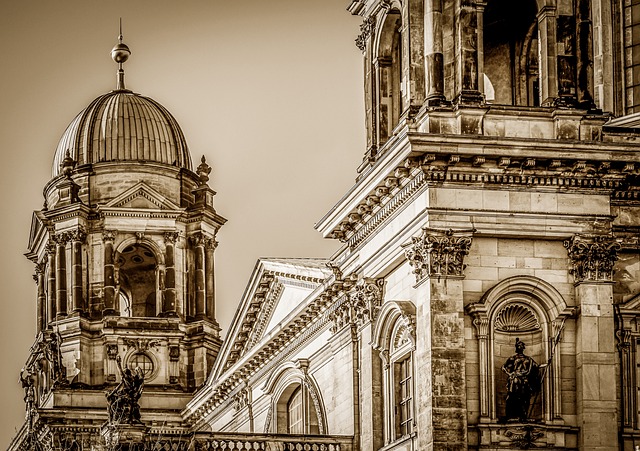
Berlin, Germany
Berlin: A City That Has Been Rebuilt From Almost Nothing Three Times in 80 Years Berlin was bombed to rubble in World War Two, rebuilt as two separate cities divided by a wall from 1961 to 1989, then merged and rebuilt again after reunification. The consequence of this layered destruction and reconstruction is a city with almost no intact pre-war streetscape but an extraordinary density of...
read more
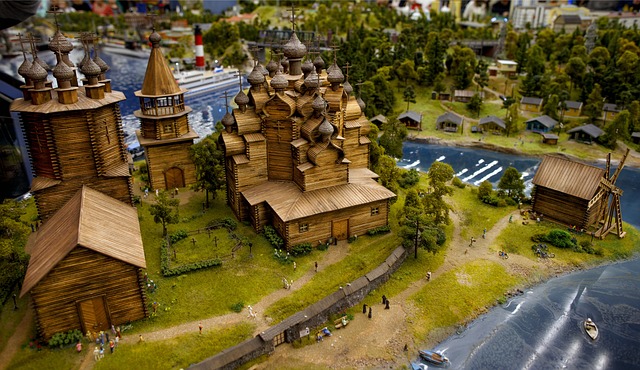
Kizhi Pogost
Kizhi Pogost: Wooden Architecture on a Lake Island Kizhi is a small island on Lake Onega in the Republic of Karelia, about 360 km northeast of St. Petersburg. The Church of the Transfiguration (1714), a 22-domed structure built from pine logs on a traditional mortise-and-log joinery technique, is the centrepiece: one of the most structurally extraordinary wooden buildings in the world. The...
read more
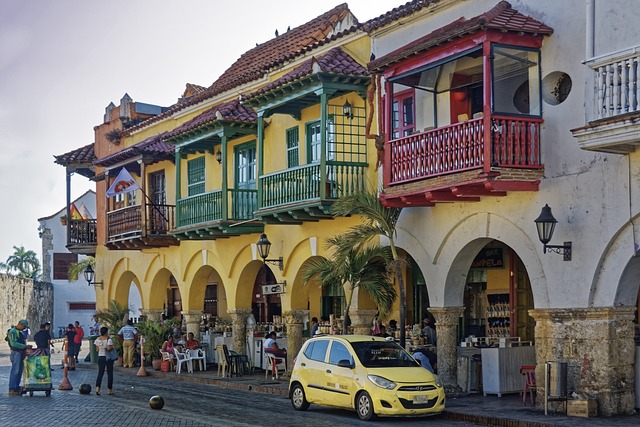
Old Cartagena, Colombia
Old Cartagena, Colombia The Spanish colonial fortifications that surround Cartagena’s old city took nearly two centuries to complete, the construction repeatedly interrupted by pirate attacks from English, French, and Dutch forces that targeted the port’s silver trade. Francis Drake sacked the city in 1586. The walls that eventually stopped future raids – some sections 17 metres...
read more
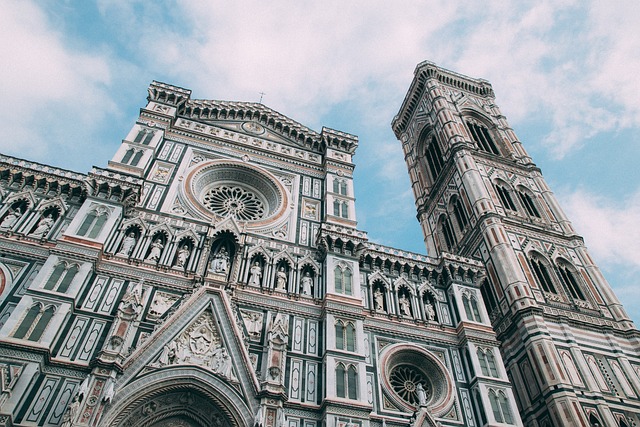
Florence Cathedral
Florence Cathedral (Santa Maria del Fiore) Brunelleschi built the largest masonry dome ever constructed without using formwork – the wooden supporting structure that every other dome builder in history had relied on. The key was a double-shell herringbone brick technique he developed over years and largely refused to document or explain to competitors, making him arguably the most...
read more
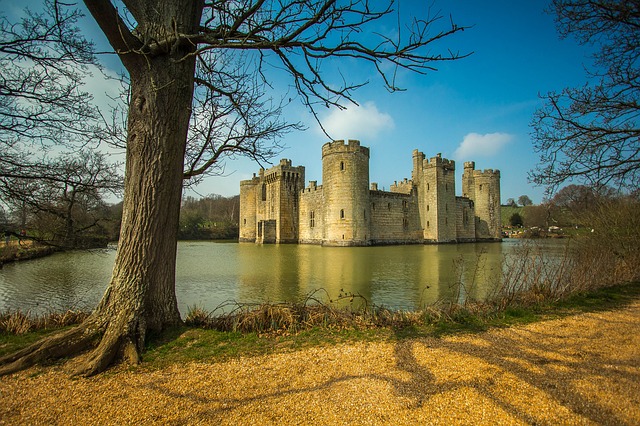
Bodiam Castle East Sussex Uk
Bodiam Castle: The Most Photogenic Ruin in England, With a Complicated History Bodiam looks perfect because it is not quite what it appears to be. The wide moat, the rounded corner towers, the portcullis still hanging in the gatehouse – from the right angle, this is the medieval castle of popular imagination. The reality is more interesting: Bodiam was built in 1385 by Sir Edward...
read more
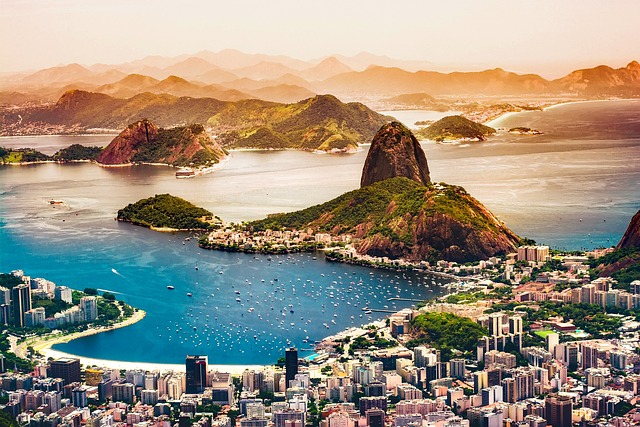
Rio De Janeiro
Rio sits between mountains and sea in a way that few cities can match. The Tijuca massif rises above the city in one direction; the Atlantic opens in the other; between them, 6 million people occupy valleys, hillsides, and a narrow coastal strip. The postcard view from Corcovado looking down over Christ the Redeemer toward the bay, the Pao de Acucar, and Niteroi beyond is real. The city lives up...
read more
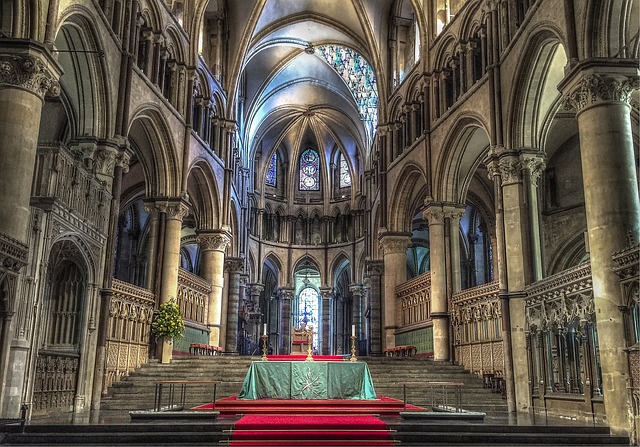
Canterbury Cathedral
Canterbury Cathedral Thomas Becket was murdered here on December 29, 1170 – killed by four knights who took Henry II’s frustrated outburst (“will no one rid me of this turbulent priest?”) more literally than the king intended, or later claimed to intend. Within three years the Pope had canonised Becket, Henry had done public penance at the tomb, and Canterbury had become...
read more
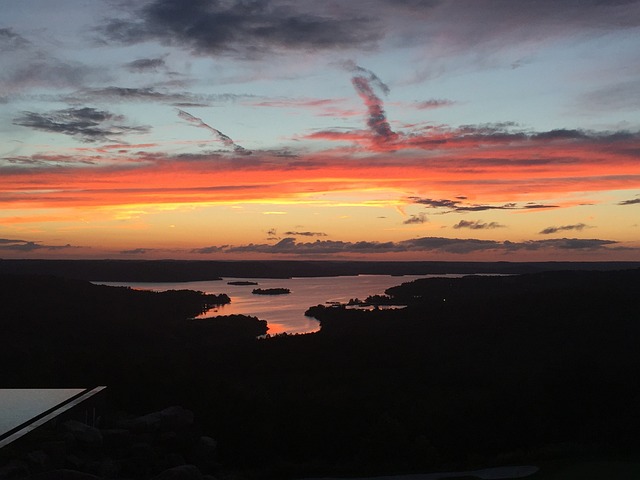
Branson, Missouri
Branson, Missouri Branson draws roughly 9 million visitors a year to a town of 12,000 people in the Missouri Ozarks, and it does so without being on the way to anything else. You go to Branson specifically, which means the people who go there have made a deliberate choice, and most of them leave satisfied. The city has built a parallel entertainment economy to Nashville without the music industry...
read more
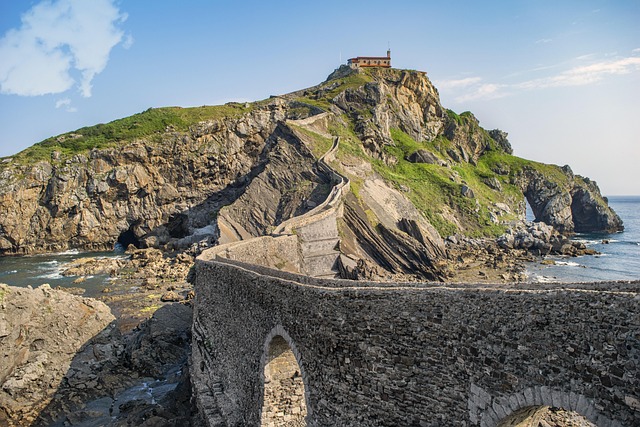
Hermitage
The Hermitage Museum: 3 Million Objects, Six Buildings, One Strategy for Not Being Overwhelmed The State Hermitage in St Petersburg is the second-largest art museum in the world by collection size, housed across six buildings of which the Winter Palace is the most famous. The building was designed as an imperial residence and the decorative programme of the staterooms competes actively with the...
read more
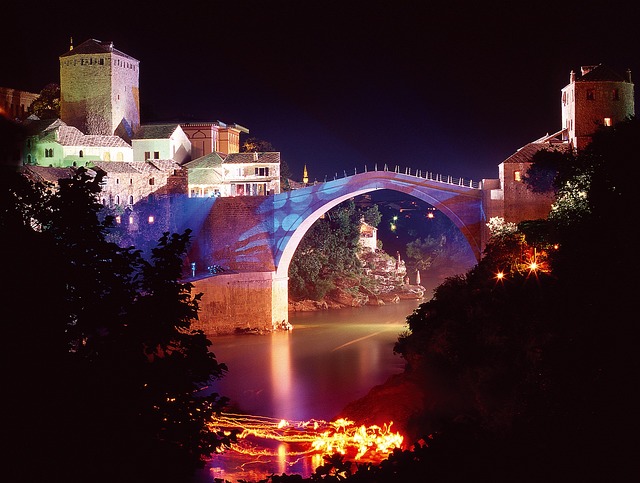
The Old Bridge Mostar
Stari Most crossed the Neretva River for 427 years before Croatian Defence Council artillery deliberately targeted and destroyed it on 9 November 1993. The reconstruction, completed in July 2004 using the original Ottoman technique and limestone from the same Tenelija quarry, was declared a UNESCO World Heritage Site. Knowing the history before you walk across it changes the experience...
read more
Zimbabwe
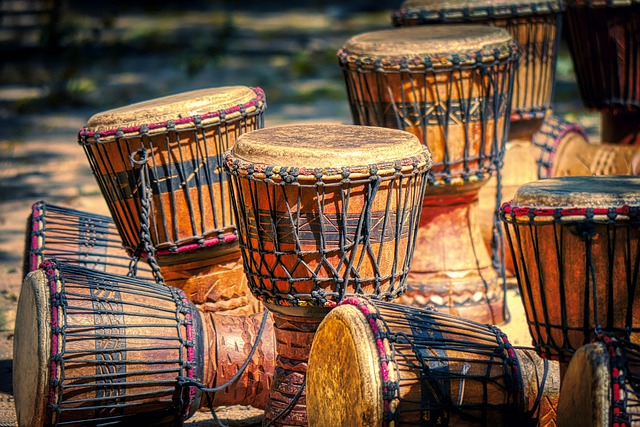
Zimbabwe Most people who visit Zimbabwe do so as an add-on to a Zambia trip, with Victoria Falls as the pivot. That is a limiting but understandable approach: the Falls, Mana Pools, and the Great Zimbabwe ruins are three genuinely exceptional destinations that could justify a stand-alone itinerary. Zimbabwe is worth organising around rather than treating as an afterthought.
Victoria Falls The...
read more
Balboa Park, San Diego
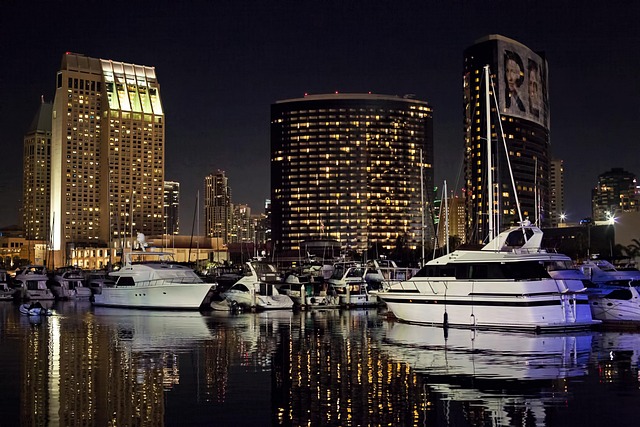
The first Sunday of each month at Balboa Park, more than a dozen of its fifteen museums offer free admission on a rotating schedule. Most tourists don’t know this and pay full price. It’s worth checking the schedule at balboapark.org before you book any tickets, as the free days vary by institution and some rotate more regularly than others.
The Park Balboa Park is a 1,200-acre urban...
read more
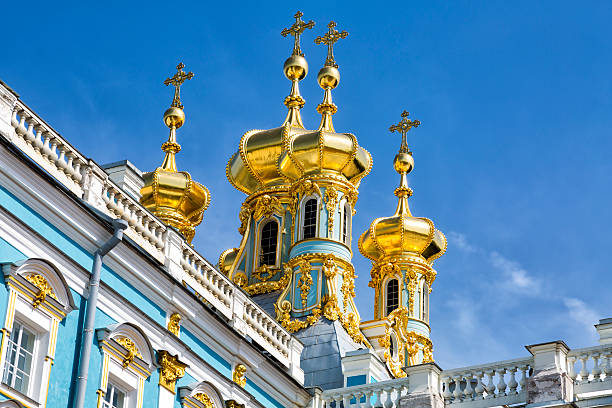
Tsarskoye Selo \(Catherine Palace\), St Petersburg, Russia
A necessary note before anything else: since Russia’s invasion of Ukraine in February 2022, St Petersburg and its surrounding attractions have been effectively closed to Western visitors. International flights are severely limited, Western credit cards no longer work, and most Western governments advise against travel to Russia. This post documents Tsarskoye Selo and the Catherine Palace as...
read more
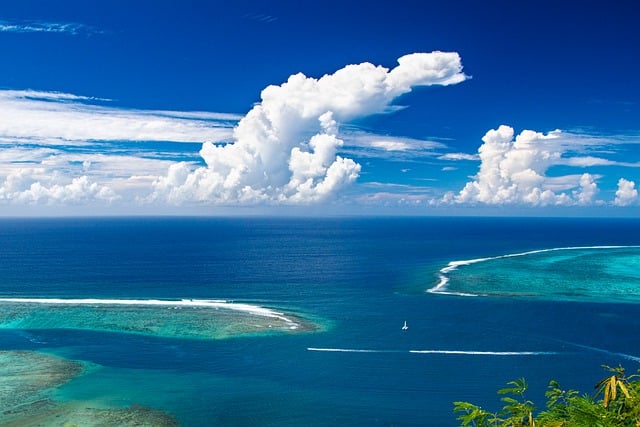
Pacific Islands
Pacific Islands The Pacific covers about a third of the Earth’s surface and contains roughly 25,000 islands grouped into three cultural regions: Melanesia (Papua New Guinea, Vanuatu, Solomon Islands, Fiji, New Caledonia), Polynesia (Tonga, Samoa, French Polynesia, Cook Islands, Hawaii), and Micronesia (Palau, Federated States of Micronesia, Marshall Islands, Guam). The groupings are broad;...
read more
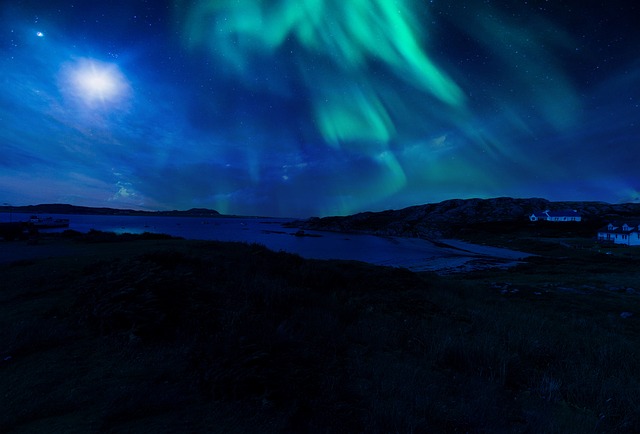
Iona
Columba arrived on Iona from Ireland in 563 CE. He had been expelled from his homeland over a dispute about a manuscript: he secretly copied a psalter belonging to Abbot Finnian of Movilla without permission, was caught, and the resulting legal case produced the first copyright ruling in Irish history (“To every cow her calf, and to every book its copy”). The dispute escalated into a...
read more
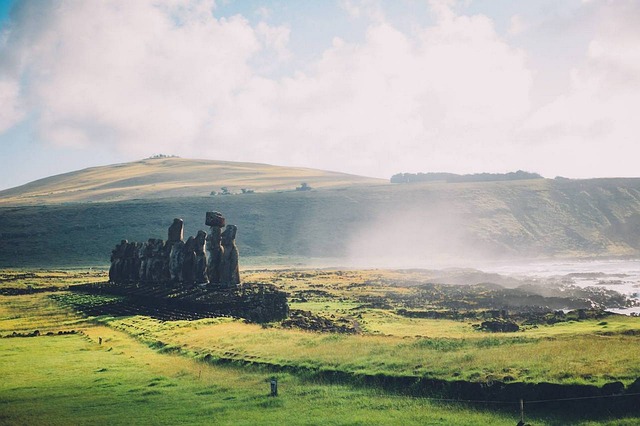
Anakena Beach Easter Island
Anakena Beach is the only sandy beach on Easter Island and also, according to Rapa Nui oral tradition, the landing site of the first Polynesian settlers who arrived roughly 1,200 years ago. Whether or not the specific location is accurate, the beach is unambiguously real: a crescent of white coral sand on the north coast, backed by coconut palms and fronted by clear blue-green water. Behind the...
read more
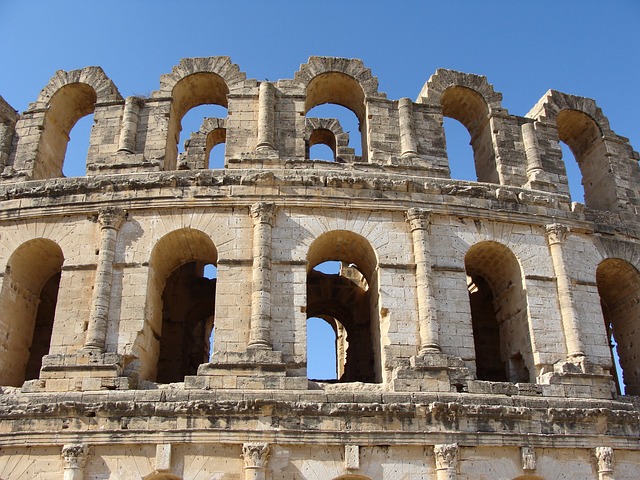
Amphitheatre of El Jem
The amphitheatre at El Jem, Tunisia, is the third-largest Roman amphitheatre in the world and possibly the best-preserved. The Colosseum in Rome and the Capua amphitheatre are larger; El Jem is better intact. Three of its four storeys still stand, the underground passages where gladiators and animals were held are accessible, and the whole thing rises unexpectedly from the flat agricultural plain...
read more
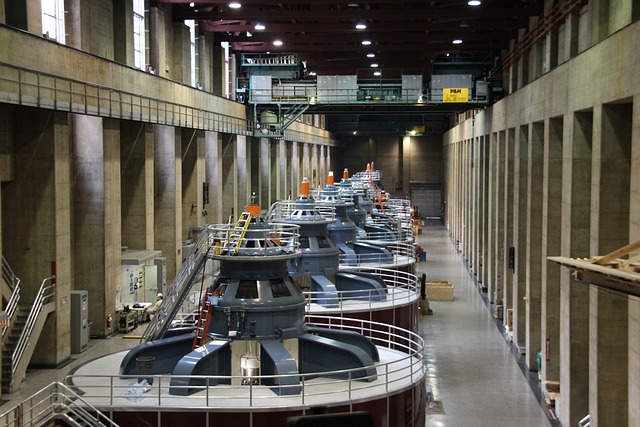
Hoover Dam
Hoover Dam Completed in 1936 at the height of the Great Depression, Hoover Dam took five years to build, employed over 21,000 workers, and required pouring enough concrete to pave a two-lane road from San Francisco to New York. Those numbers are impressive on paper but miss the crucial thing: this dam was built during a period when the largest concrete pour ever attempted was roughly 1% of its...
read more
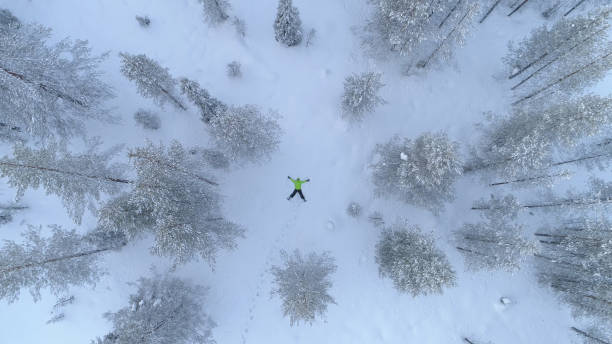
Angel Of The North
Angel of the North, Gateshead An estimated 33 million people see the Angel of the North every year without intending to. The sculpture stands 20 metres tall beside the A1 motorway near Gateshead, directly in the sightline of anyone driving or taking the East Coast Main Line between London and Edinburgh, and most of them probably file it as “that thing by the road.” Coming off the...
read more
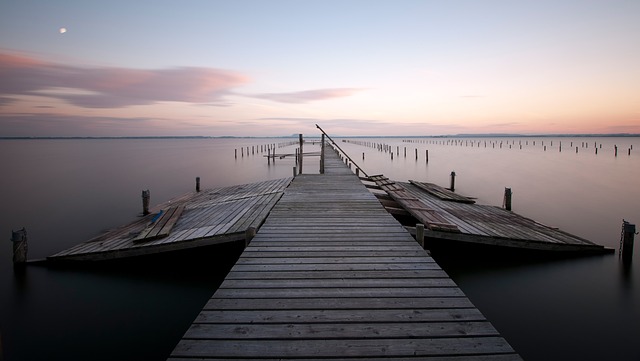
Albert Docks
The Royal Albert Dock opened in 1846 as the first dock in the world to be constructed entirely from cast iron, brick, and stone, with no timber in the structure. This was deliberate: the dock handled cotton, tobacco, and tea, all of which were insured against fire at punishing rates. The fireproofing was an economic decision as much as an engineering one. At its peak, the dock warehouses held a...
read more
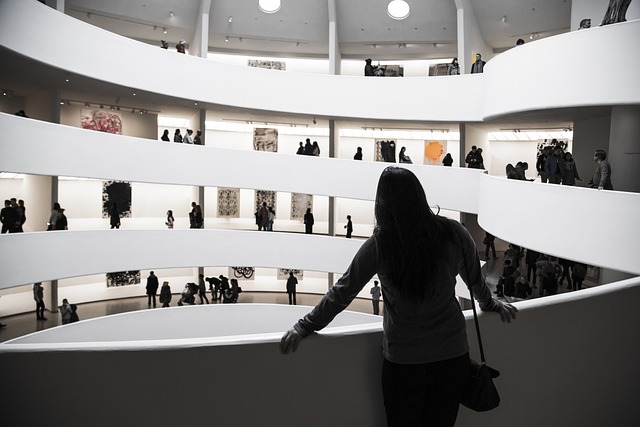
Louisiana Museum of Modern Art
Louisiana Museum of Modern Art, Denmark Louisiana is 40 minutes north of Copenhagen by train, in the small town of Humlebaek, and it has nothing to do with the American state. The name comes from the 19th-century villa that originally stood on the site, named by its owner after his three successive wives, all called Louise. This kind of incidental detail is characteristic of the place: specific,...
read more
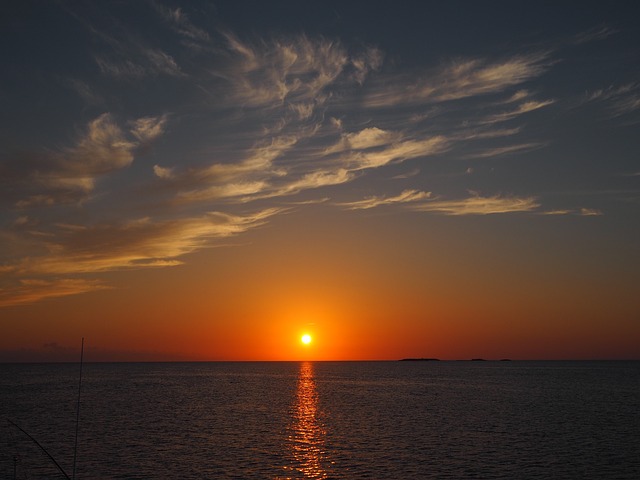
Bermuda
Bermuda Bermuda is a British Overseas Territory in the North Atlantic, about 1,050 kilometres east of Cape Hatteras, North Carolina. It is not part of the Caribbean geographically, though it often gets lumped there commercially. The island is 34 kilometres long and rarely more than 3 kilometres wide, with a total land area of about 54 square kilometres. The pink sand beaches on the south shore are...
read more
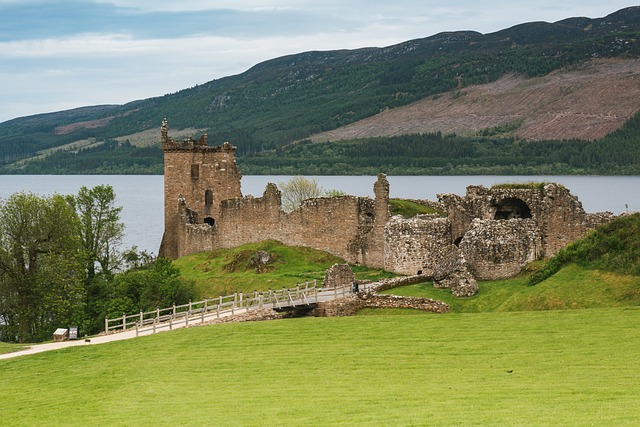
Castle Urquhart, Loch Ness
Castle Urquhart, Loch Ness The loch is 37 kilometres long, 2.4 kilometres at its widest, and 230 metres deep at its deepest, which makes it the largest lake in Scotland by volume, containing more fresh water than all the lakes in England and Wales combined. It is dark, peaty, and cold, and the monster sightings have been running since a newspaper reported one in 1933. There have been no confirmed...
read more
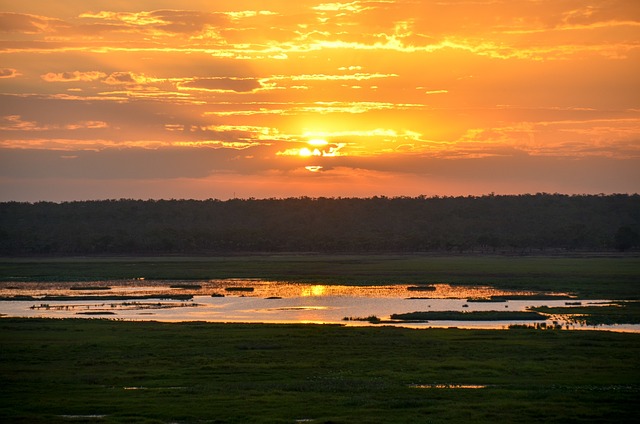
Arnhem Land Australia
Arnhem Land is Aboriginal land held under the Aboriginal Land Rights (Northern Territory) Act 1976. Covering over 97,000 square kilometres in the Northern Territory, it is continuously inhabited by Aboriginal peoples who have maintained relationship with this country for at least 50,000 years. All visitors, including Australians, must hold a valid permit before entering; this is not a bureaucratic...
read more
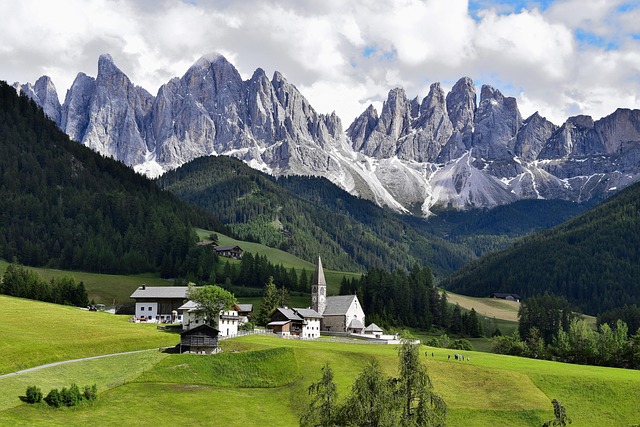
Alps, Europe
The Alps The first-time visitor to the Alps usually arrives with one image in mind: the Matterhorn or Mont Blanc or the Jungfrau, depending on which postcard they have seen. What most don’t anticipate is the scale of the choices. The Alps run through eight countries and roughly 1,200 kilometres from end to end; the ski resort in Chamonix and the hiking village in Slovenia are technically...
read more
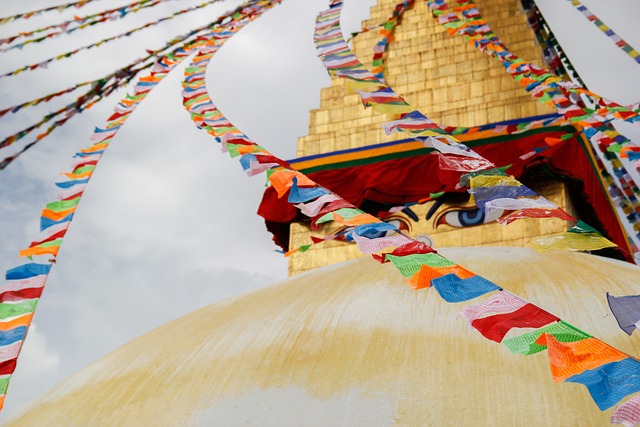
Boudhanath Stupa, Kathmandu, Nepal
Boudhanath Stupa, Kathmandu Boudhanath is one of the largest stupas in the world – 36 metres high, on a mandala-shaped base that forms the main circumambulation platform. It sits in its own square about 11 km east of central Kathmandu, surrounded by more than 50 Tibetan Buddhist monasteries built since Tibetan refugees settled here after 1959. The population around the stupa remains...
read more
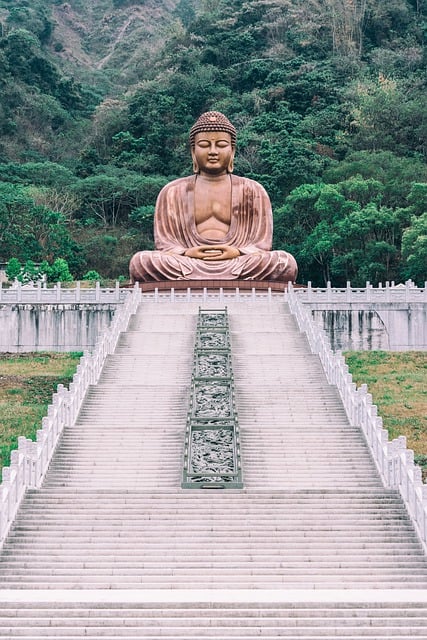
Great Buddha
The Great Buddha at Kamakura The wooden hall that once enclosed the Kotoku-in Buddha was destroyed by a tsunami in the 14th century, and nobody ever bothered to rebuild it. The result is that the 13.35-metre bronze seated figure of Amida Buddha, completed around 1252, now sits under open sky with forested hills behind it. That accident of history produced a better setting than the enclosed...
read more
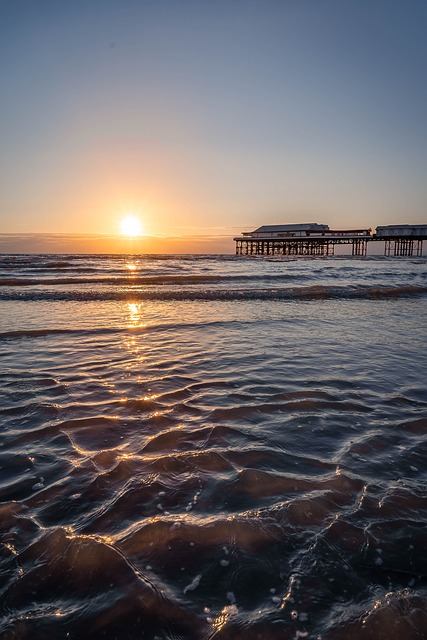
Blackpool Tower
Blackpool Tower: The Eiffel Tower Inspired It, But the Victorian Ballroom Below Is the Real Attraction Blackpool Tower opened in 1894 at 158 metres, five years after the Eiffel Tower provided the architectural ambition and the proof of concept. It is significantly shorter than the Parisian original, but the Eiffel Tower does not have a Victorian circus that has run every year since 1894, or a...
read more
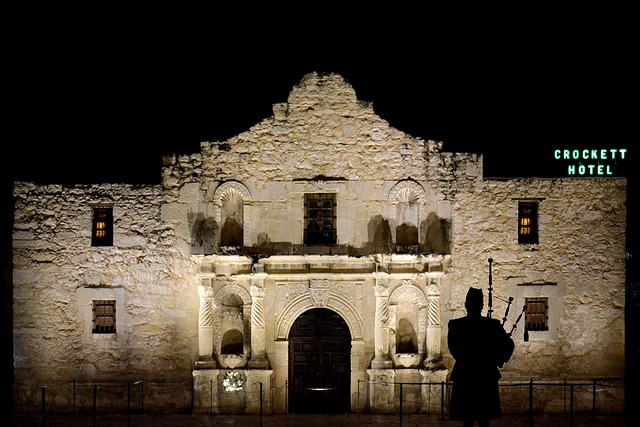
Alamo
The Alamo, San Antonio The Alamo is smaller than you expect it to be. The famous chapel facade with its distinctive baroque parapet occupies a modest footprint in the middle of downtown San Antonio, surrounded on three sides by a modern city that grew up around it. The rest of the original mission compound, which in 1836 stretched across several acres, is largely gone. What the Texian defenders...
read more
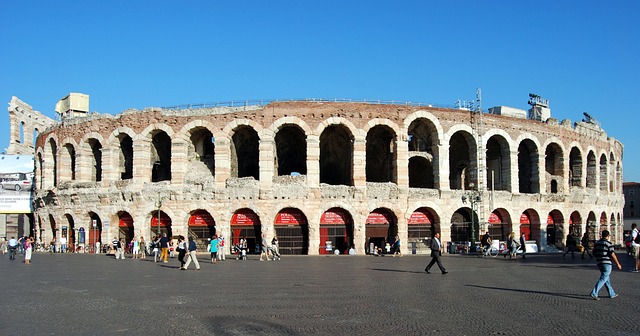
Arena Di Verona
The Roman amphitheatre in Piazza Bra was built around 30 CE and seats 14,000 people. Every June through August, a professional opera company stages Verdi, Puccini, and Bellini in it under the stars to audiences of that size, most of them sitting on the original stone bleachers for two-and-a-half hours. The sight of 14,000 candles lit at the start of an evening performance is one of the more...
read more
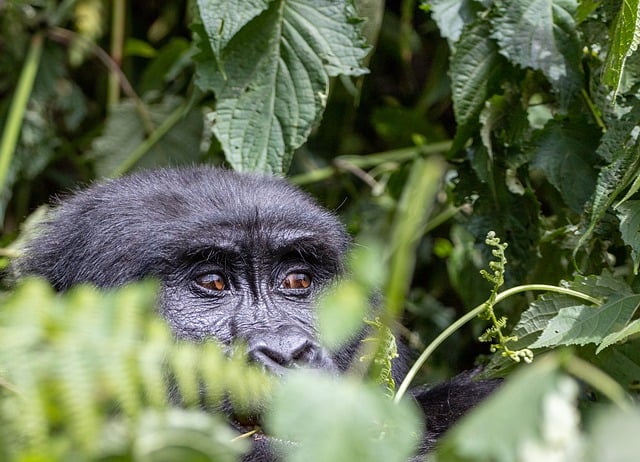
Bwindi Impenetrable Forest, Uganda
Bwindi Impenetrable Forest, Uganda You will spend most of the morning climbing through dense montane forest in mud and humidity, following trackers who communicate by radio with the advance team somewhere above you. Then you will hear something. Then you will stop. And then you will be standing ten metres from a silverback mountain gorilla and the hour you are permitted with the family will feel...
read more
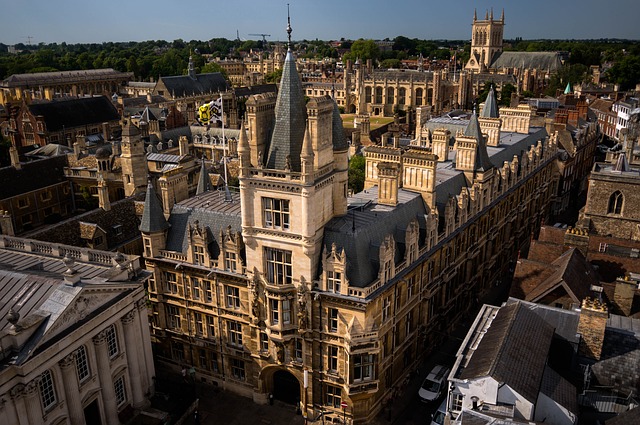
Cambridge University
Cambridge: A University Town That Expects You to Figure It Out Yourself Cambridge is not set up for tourism in the way that other major English historic cities are. The university colleges – 31 of them, some dating back to the 13th century – are working academic institutions, and most keep their gates open to visitors for specific hours only. There is no single entrance, no central...
read more
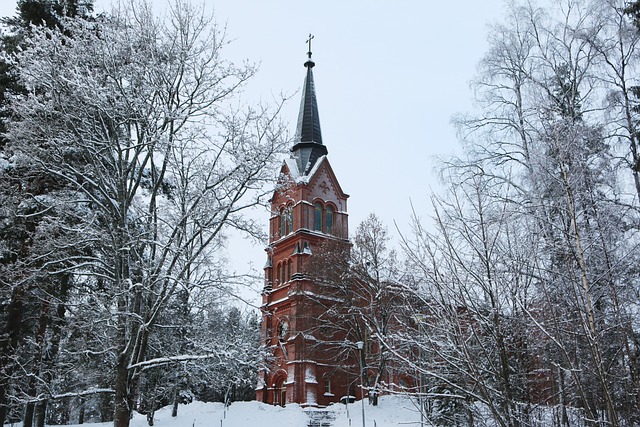
Temppeliaukion Kirkko
Temppeliaukio Kirkko: Helsinki’s Church Carved Into Rock The exterior gives almost no indication of what is inside. From the street in Helsinki’s Toolo residential neighbourhood, Temppeliaukio Kirkko (the Rock Church) is essentially invisible: a low copper dome barely projecting above the surrounding granite outcrop, entrance cut into the rock face, descending slightly before opening...
read more
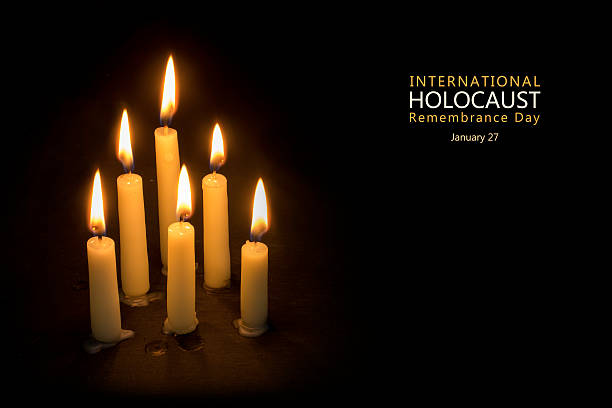
Auschwitz Memorial / Muzeum Auschwitz
Over 1.1 million people were murdered at the Auschwitz complex between 1940 and 1945: predominantly Jews, but also Poles, Roma, Soviet prisoners of war, and political prisoners from across occupied Europe. The Memorial and Museum at the site of the former concentration and extermination camps is not a tourist attraction in the conventional sense. It is a place of testimony, preservation, and...
read more
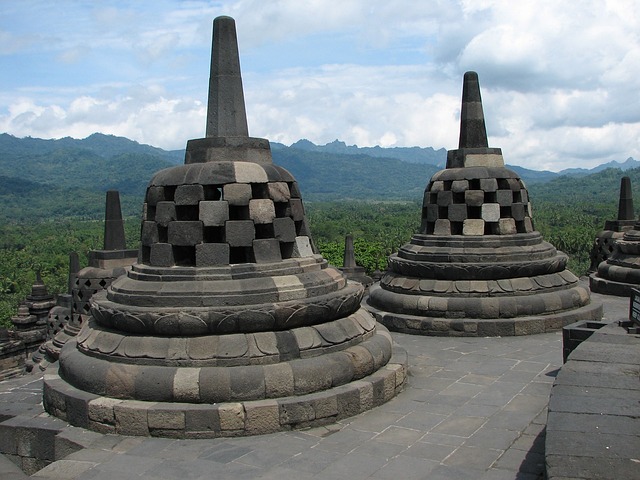
Borobudur Temple Java
Borobudur: The World’s Largest Buddhist Monument, Built Without Any Interior Rooms Borobudur has no inside. This surprises most visitors who arrive expecting the experience of entering a great temple – corridors, chambers, altars. Instead, the structure is a three-dimensional mandala: a series of graduated platforms and circular terraces representing the Buddhist cosmological structure...
read more
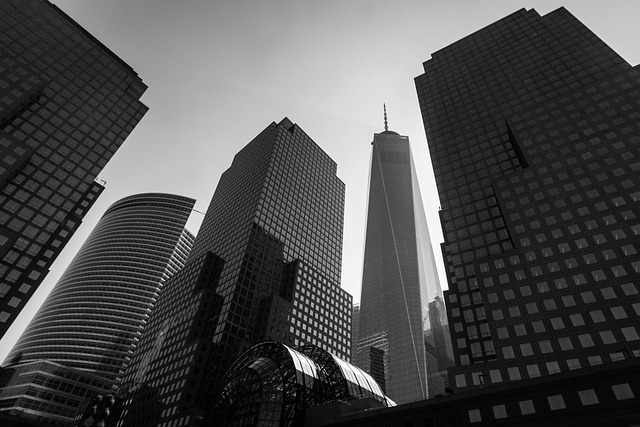
New York, New York
New York City: How to Navigate It Without Losing a Week New York is five boroughs spread across an area larger than many countries, a public transit system used by 3.5 million people a day, and an accommodation market that charges London prices for half the floor space. The city rewards preparation but does not require it; the chaos is part of it. Give yourself at least five days on a first visit...
read more
Borgarfjörður Eystri
Borgarfjörður Eystri, East Iceland An estimated 10,000 pairs of Atlantic puffins nest at Hafnarhólmi, the rock outcrop at the harbour of Borgarfjörður Eystri, from around mid-April through mid-August. A boardwalk and observation platform has been built directly among the nesting burrows, which means you can watch puffins returning with beaks full of sand eels from two metres away. No entry fee. No...
read more
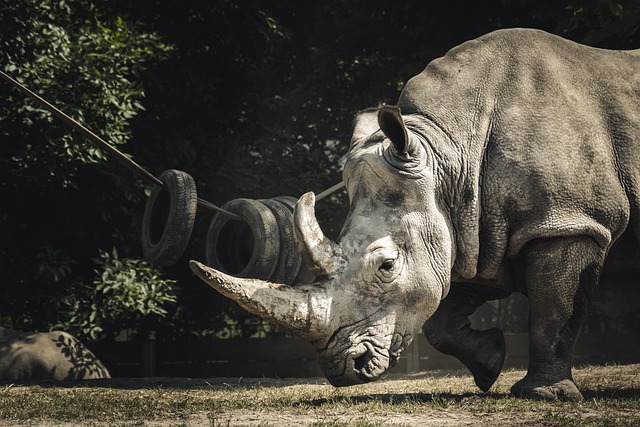
Dalí´S Rhinoceros, Marbella
Dali’s Rhinoceros, Marbella: Nine Bronze Sculptures in the Middle of a Promenade, Free at Any Hour Salvador Dali’s bronze Rhinoceros Dressed in Lace stands in Marbella’s Avenida del Mar, the palm-lined promenade connecting the old town to the beachfront. The piece is part of a permanent outdoor collection of nine Dali sculptures installed in 1994, gifted to the town by German art...
read more
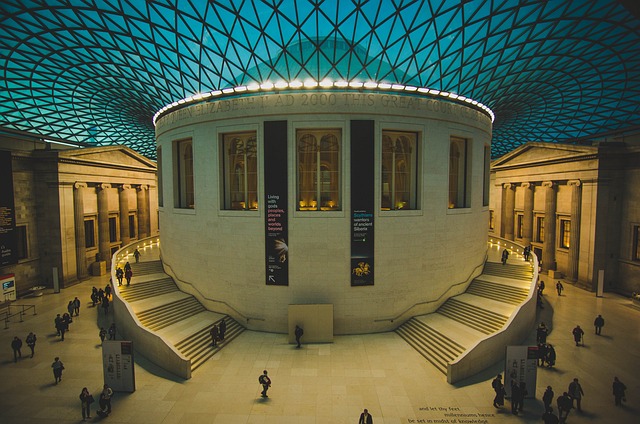
British Museum
The British Museum has over 8 million objects in its collection and displays roughly 80,000 of them at any given time. The permanent collection is free. That gap between what they have and what you can see is the first thing to accept; arriving with a plan of what to actually look at is more useful than trying to cover everything.
The Rosetta Stone and Room 4 The Rosetta Stone is the object most...
read more
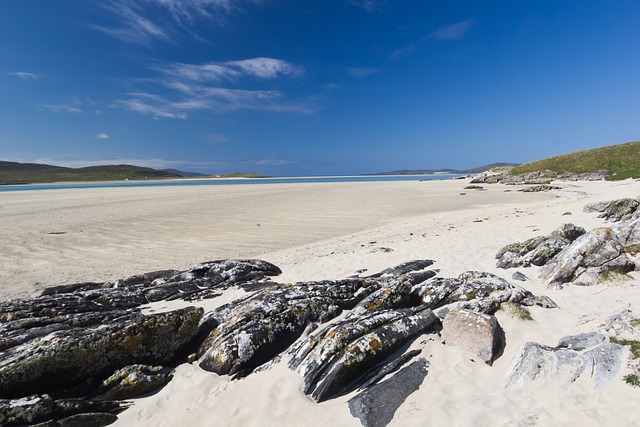
Luskentyre Beach
Luskentyre Beach, Isle of Harris Luskentyre is on the southwest coast of Harris in the Outer Hebrides, about 15 kilometres south of Tarbert by the single-track road that runs down the west coast of the island. It is a tidal estuary beach: at low tide the sand extends for several kilometres across flat, white shell-sand, and the water in the shallows turns a luminous turquoise that looks tropical...
read more
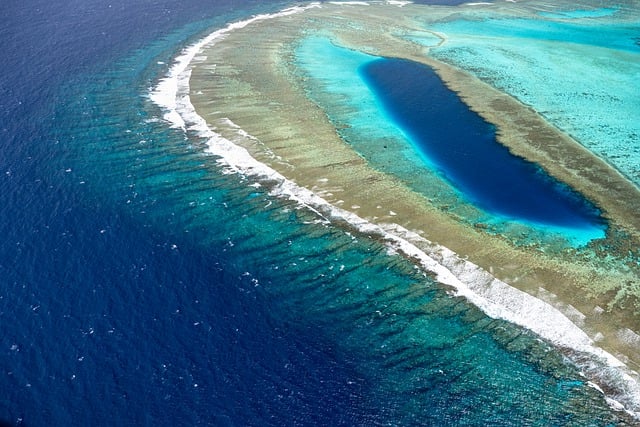
Blue Hole
The Great Blue Hole, Belize The Great Blue Hole became famous in 1971 when Jacques Cousteau brought the Calypso here and declared it one of the top dive sites in the world. What he filmed was primarily the interior stalactites at depth: limestone formations that grew in air 15,000 years ago when sea levels were lower, then were submerged as the ocean rose. The hole is a flooded cave system, not a...
read more
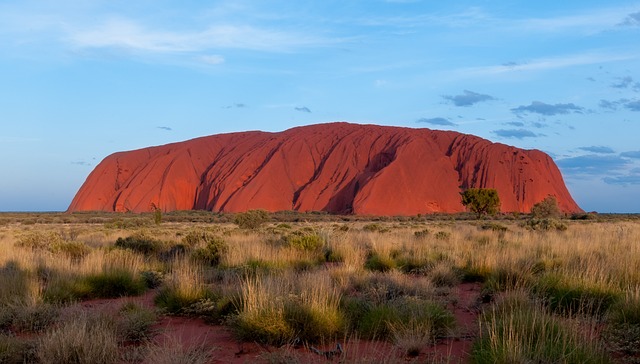
Ayers Rock
Climbing Uluru has been closed since October 2019. The Anangu, the Aboriginal traditional owners of the land, had been requesting this since the 1980s; the climb crossed a sacred path associated with Dreamtime stories of the Mala (rufous hare-wallaby) and was considered deeply offensive by people for whom the rock is not a geological curiosity but a living landscape full of meaning. The closure...
read more
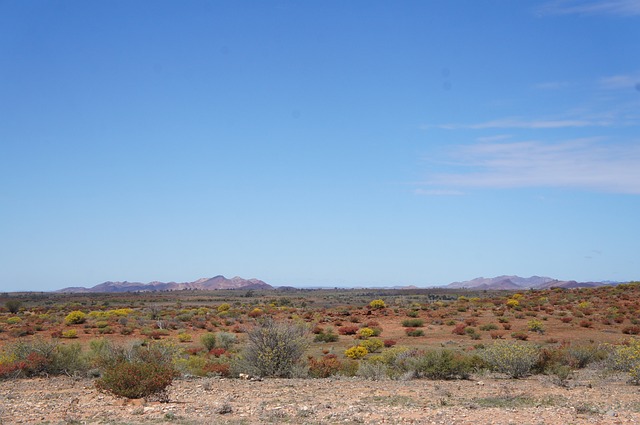
Australian Outback
Climbing Uluru has been closed since October 2019. The Anangu, the traditional owners of the land, had been requesting this for decades; their request is that the rock is not climbed because it holds deep spiritual significance. The climb closure is the change most relevant to planning a current visit. What remains, and what most visitors find more rewarding anyway, is the base walk: a...
read more