Recent Unescoes
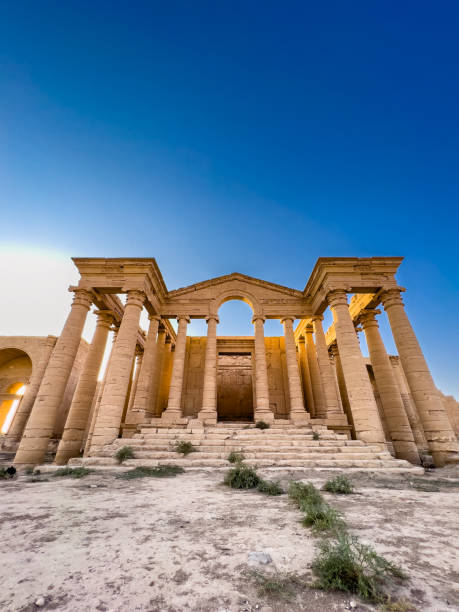
Hatra
Any honest guide to Hatra has to start with what ISIS did here, because it shapes everything about visiting today. In March 2015, fighters filmed themselves smashing statues and defacing temple facades across the site, footage UNESCO’s director-general and the head of ISESCO jointly called a turning point in the deliberate cultural cleansing then underway across Iraq. Interior carvings,...
read more
Sundarbans National Park
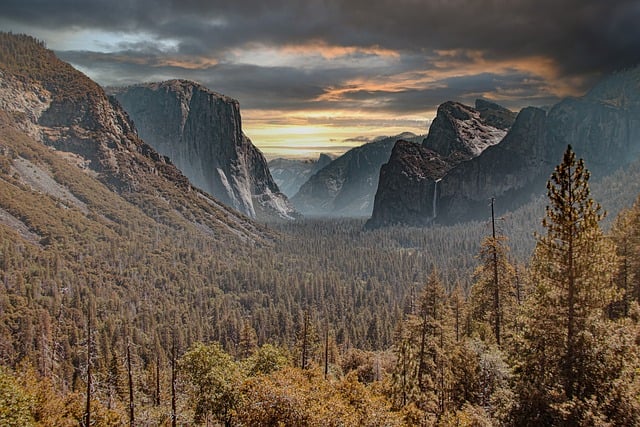
Sundarbans National Park: A Comprehensive Guide for Tourists You are extremely unlikely to see a Bengal tiger in the Sundarbans, and most guides won’t tell you that upfront. This is dense tidal mangrove forest, not open savanna, and the tigers here are famously elusive, adapted to swimming between islands and hunting in cover so thick that camera traps, not sightings, are how...
read more
Abbey and Altenm Nster of Lorsch
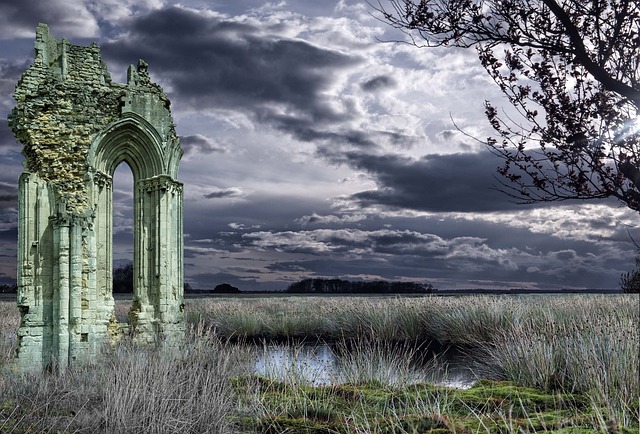
A single gatehouse in a small Hessian town is one of the only buildings on earth where you can look at intact Carolingian architecture and know, with real confidence, that you’re seeing something close to its original ninth century form. That building is the Torhalle, also called the Königshalle or King’s Hall, and it is the actual reason Lorsch made UNESCO’s list, not the abbey...
read more
Sanctuary of Bom Jesus Do Congonhas
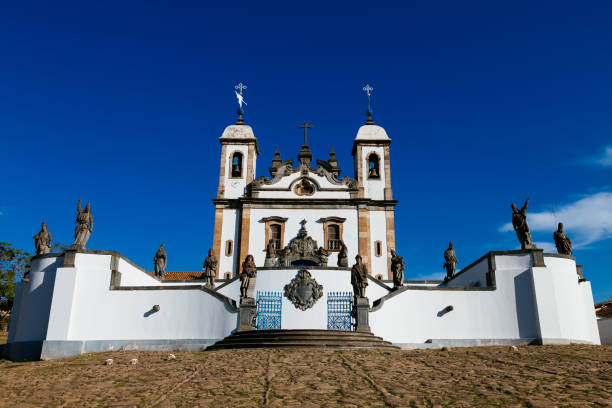
The sculptor who carved the twelve soapstone prophets guarding this church’s staircase had no fingers left by the time he finished them. Antônio Francisco Lisboa, universally known by his nickname Aleijadinho, “little cripple,” worked through the final stage of a degenerative illness that had already taken the use of his hands, reportedly having assistants strap hammer and chisel...
read more

Residence of Bukovinian and Dalmatian Metropolitans
This is not in Lviv. It is in Chernivtsi, a different Ukrainian city roughly 270 kilometers to the southeast, and it was not built in 1619. The Residence of Bukovinian and Dalmatian Metropolitans went up between 1864 and 1882, designed by the Czech architect Josef Hlavka for the Eastern Orthodox metropolitan bishopric that then administered both Bukovina and, at the time, the distant Dalmatian...
read more
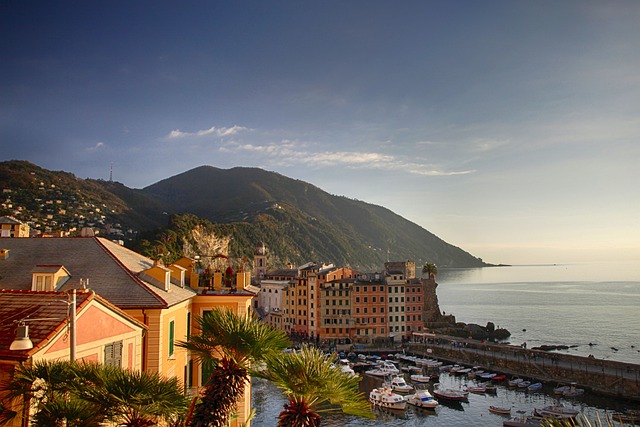
Genoa Le Strade Nuove and the System of the Palazzi Dei Rolli
Genoa: Le Strade Nuove and the System of the Palazzi dei Rolli Twice a year, dozens of private palaces along Via Garibaldi that are normally locked to the public throw their doors open for free, because the entire point of this UNESCO site was never a museum, it was a housing system. In the 16th century the Genoese Republic kept an official roll, or rollo, of noble families whose palaces were...
read more
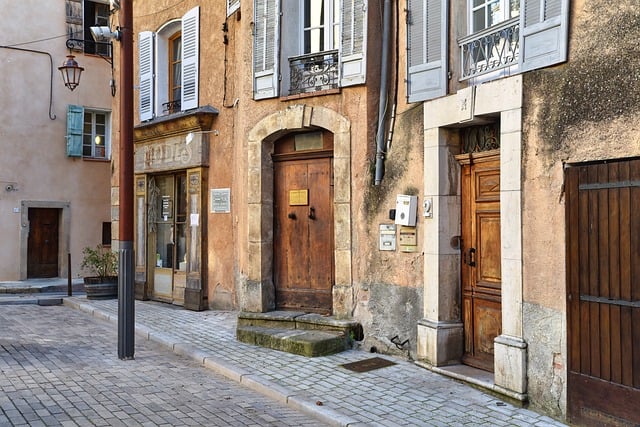
Old Town Lunenburg
Roughly 400 major buildings make up Lunenburg’s old town, and about 70 percent of them date from the 18th and 19th centuries, nearly all wood, nearly all still standing on the original 1753 grid plan drawn up before a single settler arrived. That last detail is the actual reason UNESCO listed the town in 1995: Lunenburg is considered the best-surviving example of a planned British colonial...
read more
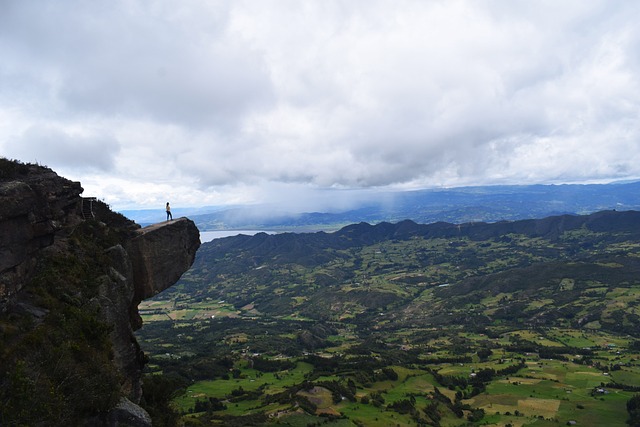
Susa
What’s left of Darius the Great’s winter palace at Susa is mostly column bases. The Apadana, once a hypostyle audience hall spanning 109 meters on each side with 36 towering columns topped by paired bull capitals, has been reduced by millennia of mudbrick decay and looting to foundations and a scatter of reassembled fragments. That absence is oddly the whole experience. You’re...
read more
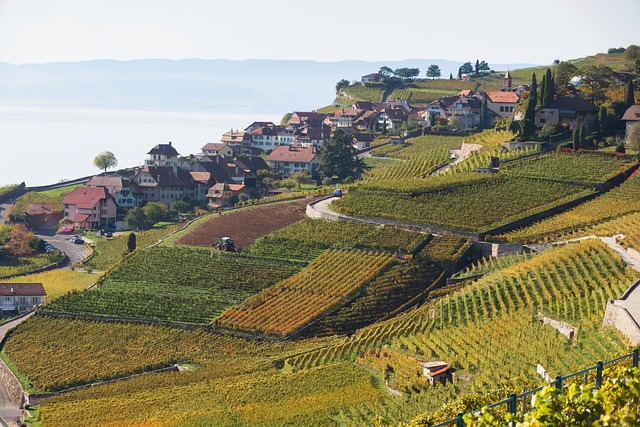
Lavaux Vineyard Terraces
Lavaux Vineyard Terraces: Fourteen Villages Make the UNESCO List, and Château-d’Oex Isn’t One of Them Château-d’Oex, with its hot air balloon festival and Alpine chalets, sits nowhere near Lavaux and has nothing to do with this UNESCO site; it belongs to the Pays-d’Enhaut region up near Gruyère, and any guide that lists it as a Lavaux village is confusing two entirely...
read more

Masjed E J M of Isfahan
Masjed-e Jāmé of Isfahan: A Comprehensive Guide for Tourists An Honest Note Before Anything Else As of 2026, the US State Department maintains a Level 4 Do Not Travel advisory for Iran, and the situation has worsened rather than improved following the June 2025 hostilities between Iran and Israel. Consular services for US citizens have been unavailable since October 2025, road closures and...
read more
Tongariro National Park
The Peak Everyone Photographs as Mount Doom Is One Locals Would Rather You Didn’t Climb Most guides to Tongariro still describe Mount Ngauruhoe as a bucket-list summit with “guided tours available.” That advice is out of date and worth ignoring. The Department of Conservation and local iwi now actively ask visitors not to climb Ngauruhoe or Tongariro at all, out of respect for...
read more

Budj Bim Cultural Landscape
Budj Bim Cultural Landscape Six thousand six hundred years before anyone in Europe built a stone aqueduct, the Gunditjmara people of southwestern Victoria were engineering a landscape-scale eel farming system out of volcanic rock, and it is still visible on the ground today. That is the reason Budj Bim became, in July 2019, the first place in Australia to earn UNESCO World Heritage status purely...
read more
Gros Morne National Park
Gros Morne National Park The rusty, barren plateau known as the Tablelands looks like Mars because it essentially is a piece of the planet’s interior sitting exposed on the surface. In the 1960s, geologist Robert Stevens found chromite-bearing rock here dating back roughly 485 million years, evidence that this ground was once part of the earth’s mantle, thrust upward when two ancient...
read more
Group of Monuments at Mahabalipuram
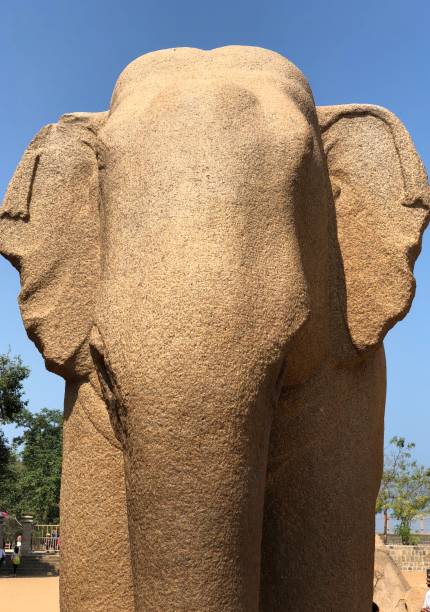
On the morning of December 26, 2004, the sea in front of the Shore Temple pulled back roughly 500 meters before the tsunami hit, and for a few minutes fishermen and early visitors watched the exposed seabed reveal stone walls and carved sculptures that had been underwater for centuries. Local legend had always claimed that six of seven ancient pagodas here sank beneath the waves out of divine...
read more
Old Town of Ghadam S
Nobody Lives in Ghadames Anymore, and That’s Exactly the Problem UNESCO Just Solved In July 2025, the World Heritage Committee removed the Old Town of Ghadames from its List of World Heritage in Danger, a genuinely significant milestone for a site that had spent years flagged for decay. The core issue was never conflict damage in the way people assume. Libyan authorities relocated the...
read more
Lushan National Park
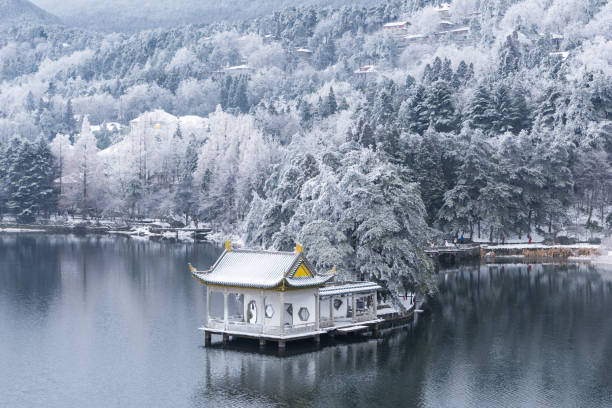
Lushan National Park The Mountain That Changed Chinese History Twice In the summer of 1959, the senior leadership of the Chinese Communist Party gathered on the slopes of Mount Lu at the resort town of Guling for what became one of the most consequential political meetings in modern Chinese history. The Lushan Conference, held in the mountain villas that nationalist and colonial-era elites had...
read more
Old Havana And Its Fortification System
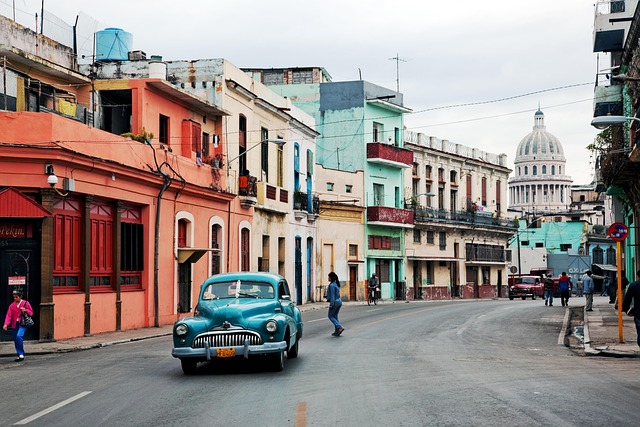
Guide to Old Havana (Habana Vieja) and its Fortification System Havana’s streetlights have been going out for up to 20 hours a day in parts of the country since 2024, and the grid collapsed entirely on more than one occasion in 2025 and 2026. That’s not a footnote for a modern travel guide to this city, it’s essential context: Old Havana today is a UNESCO World Heritage Site...
read more
The 20th Century Architecture of Frank Lloyd Wright
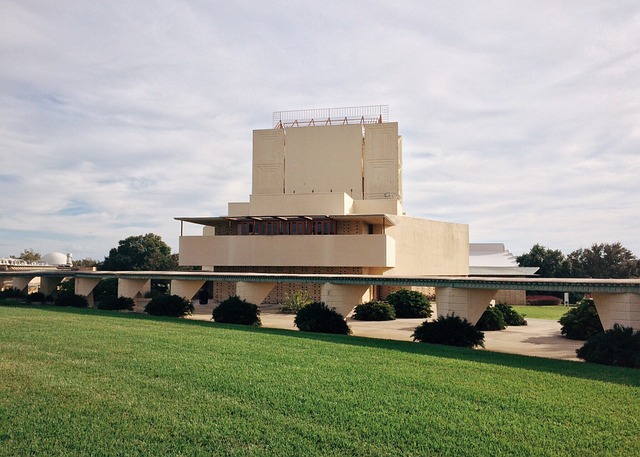
One of the eight buildings on this UNESCO listing isn’t open to the public at all, and knowing that before you plan a trip will save you a wasted stop. The Herbert and Katherine Jacobs First House in Madison, Wisconsin, the building widely credited as Wright’s first true Usonian design and the template for the affordable-home movement he spent his later career pursuing, is a private...
read more
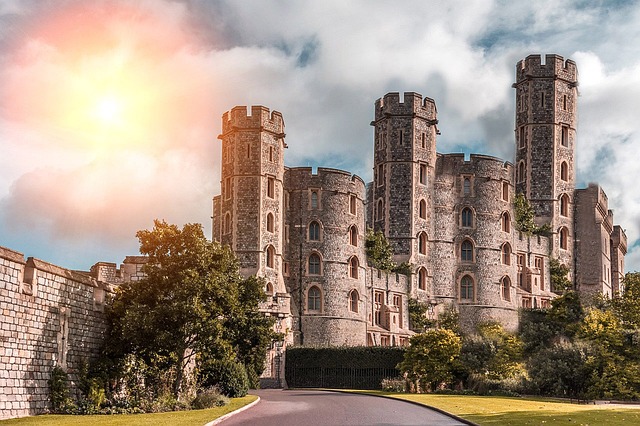
Imperial Palaces Of The Ming And Qing Dynasties In Beijing And Shenyang
Imperial Palaces of the Ming and Qing Dynasties in Beijing and Shenyang The 9,999 rooms are a fairy tale, and the real number is still impressive Every Forbidden City tour guide repeats the line that the palace has 9,999 and a half rooms, one short of the mythical 10,000 rooms said to belong to the Jade Emperor’s palace in heaven, since no mortal ruler was permitted to match heaven exactly....
read more
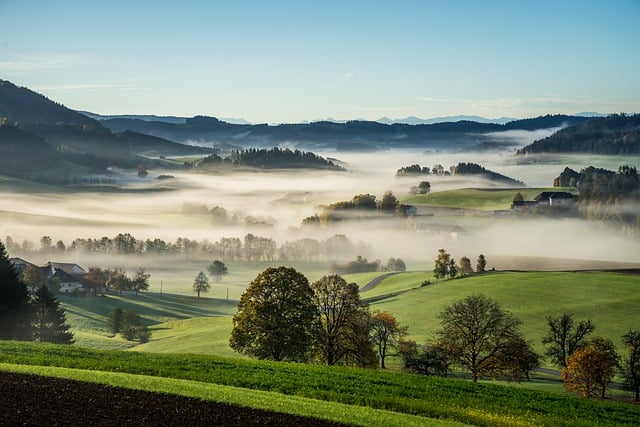
Cultural Landscape of Maymand
Cultural Landscape of Maymand People still live in these hand-carved rooms Around 400 rock-cut dwellings called kicheh, chiseled entirely by hand out of volcanic rock, honeycomb the hillsides of this village, and unlike many rock-cut settlements preserved as museum pieces elsewhere in the world, these are not abandoned. Families still occupy them for part of the year, which is exactly why UNESCO...
read more
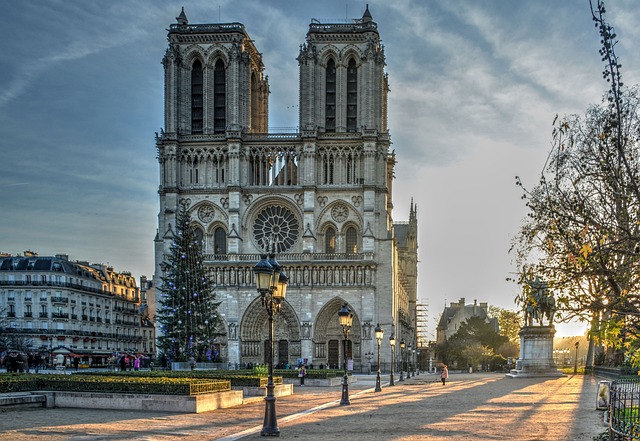
Cathedral of Notre Dame Former Abbey of Saint R Mi and Palace of Tau Reims
Guide to the Cathedral of Notre-Dame, Former Abbey of Saint-Rémi, and Palace of Tau in Reims, France
If you’re planning to visit the Palace of Tau specifically to see the coronation relics, stop and check first: it has been closed for renovation and is not scheduled to reopen until 2027. Plenty of older guides to Reims still list it as an open attraction with entry fees and hours. It is not...
read more
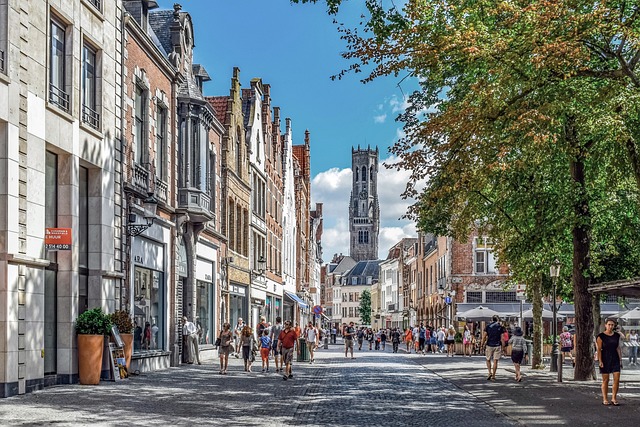
Belfries of Belgium and France
Belfries of Belgium and France A belfry was never a church tower or a lord’s keep, and that distinction is the entire point of this UNESCO listing. Medieval towns built these third towers specifically to house their own bells, symbols of civic self-government won away from feudal lords and bishops, which is why they cluster in the old cloth-trading cities of Flanders and northern France...
read more
Curonian Spit
Between 1706 and 1846, drifting sand on the Curonian Spit buried fourteen entire fishing settlements, including villages called Agila, Naujieji Nagliai, and Karvaičiai, which simply vanished under moving dunes and were never rebuilt. The cause wasn’t some freak natural disaster but straightforward deforestation: centuries of overgrazing, timber harvesting, and a burst of tree-felling to...
read more
S Tio Roberto Burle Marx
The Garden a Landscape Architect Built for Himself, Now the Only Modern Tropical Garden on the UNESCO List Roberto Burle Marx spent decades planting a private research collection at the edge of Rio’s western sprawl, not for tourists, not for a client, just to satisfy his own obsession with cataloguing and arranging tropical plants most botanists had never bothered to display ornamentally....
read more
Hattusha: The Hittite Capital
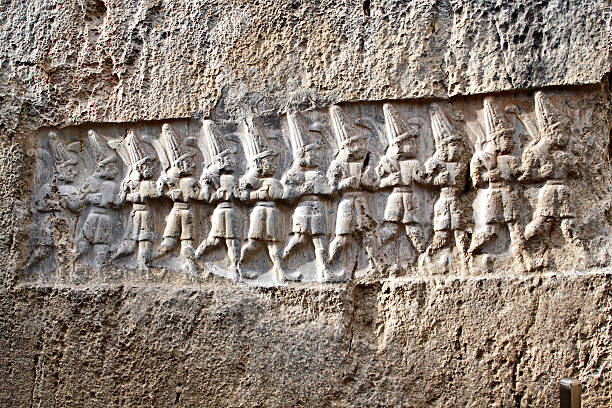
Hattusha: The Hittite Capital The oldest known peace treaty in human history was written on a clay tablet found in this dusty stretch of central Anatolia, and it predates the modern concept of a diplomatic accord by roughly 3,200 years. The Treaty of Kadesh, signed between the Hittite king Hattusili III and Egypt’s Ramesses II around 1259 BCE, survives here in cuneiform, and a copy of it...
read more
Al Qala Of Beni Hammad
Guide to Al Qal’a of Beni Hammad: A Fascinating Tourist Destination in Algeria A minaret standing alone in a mountain range far from where guidebooks put it The single most visible structure at Al Qal’a of Beni Hammad, a 25-meter stone minaret, is nearly all that remains standing of what was once the largest mosque in Algeria after the Great Mosque of Mansourah. It rises alone on the...
read more
Minaret and Archaeological Remains of Jam
Minaret and Archaeological Remains of Jam: An Honest Guide The tower is tilting, and it has been since long before anyone got around to writing about it as a tourist destination. It sits wedged between the Hari and Jam rivers in a remote valley of Ghor Province, and water infiltration from both rivers has been undermining its foundation for decades, enough that UNESCO put it on the List of World...
read more
Kizhi Pogost
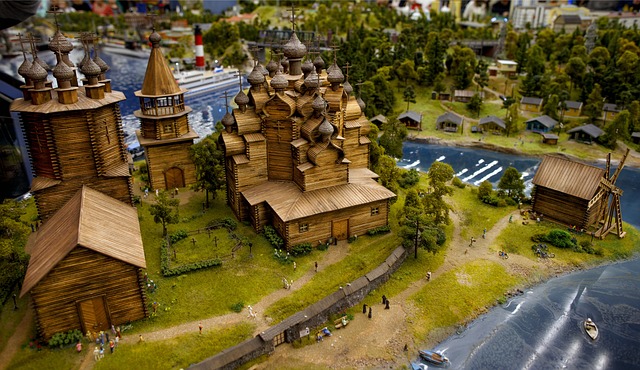
Kizhi Pogost: Twenty-Two Wooden Domes on a Lake Onega Island The Church of the Transfiguration at Kizhi was built in 1714 without a single metal nail, rises to 37 meters through 22 tiered domes covered in aspen shingles, and has been standing for more than 300 years in a climate that regularly drops to minus 30 degrees Celsius in winter. The story that a carpenter named Nestor threw his axe into...
read more
Carlsbad Caverns National Park
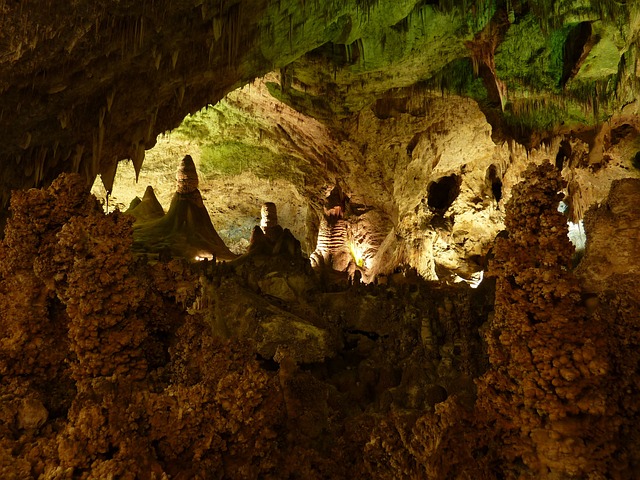
Carlsbad Caverns National Park Every summer evening, several hundred thousand Brazilian free-tailed bats pour out of the cave’s natural entrance in a spiraling column that takes twenty to thirty minutes to fully empty, and rangers ban phones and cameras from the viewing amphitheater to keep the bats from being disoriented by light. It’s one of the few wildlife spectacles in the...
read more
Ivindo National Park
Ivindo National Park: A Comprehensive Guide for Tourists Very few travelers on earth have stood at Kongou Falls, a set of thundering cataracts on the Ivindo River deep in central Gabon that most guidebooks still can’t correctly place on a map. That obscurity is the actual selling point: this is one of the least-visited UNESCO World Heritage Sites anywhere, a genuinely intact swath of Congo...
read more
Okapi Wildlife Reserve
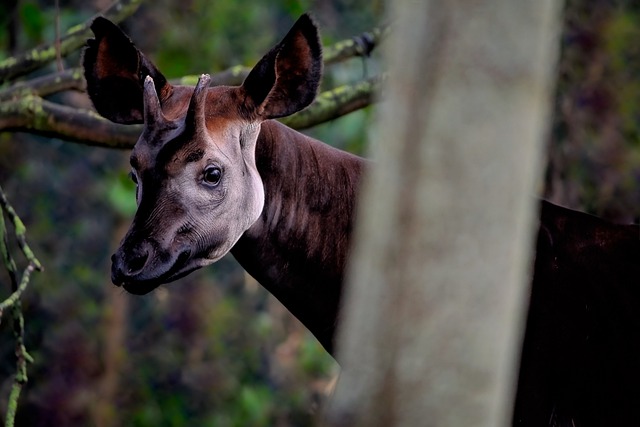
An animal that looks like someone bolted zebra legs onto a giraffe’s body was unknown to Western science until 1901, and it still lives only in one stretch of Congolese rainforest on earth. That’s the headline draw of the Okapi Wildlife Reserve, but before anything else, this needs saying plainly: as of 2026 this is not a place to visit casually, and any guide that treats it like a...
read more

Landscapes of Dauria
Landscapes of Dauria Every 25 to 40 years, the Ulz River floods and fills the Torey Lakes to capacity. When the lakes are full, the surrounding steppe supports breeding colonies of birds so large that individual species counts run into the millions. When the lakes dry, the grasslands expand and the Mongolian gazelle herds grow to match. This climatic cycling between wet and dry phases is the...
read more
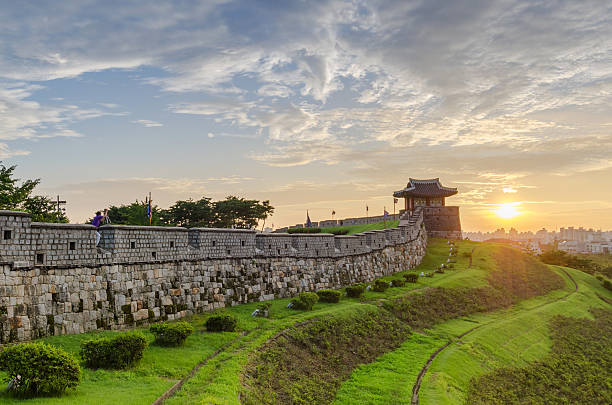
Hwaseong Fortress
Hwaseong Fortress: A Comprehensive Guide for Tourists A crane with 12 pulleys shaved a decade off the build schedule Hwaseong Fortress, in Suwon, went up between 1794 and 1796, a mere two years and nine months, largely because of a single invention: the geojunggi, a pulley-and-lever crane designed by Jeong Yak-yong, a scholar of the Silhak, or practical learning, movement. That machine could...
read more
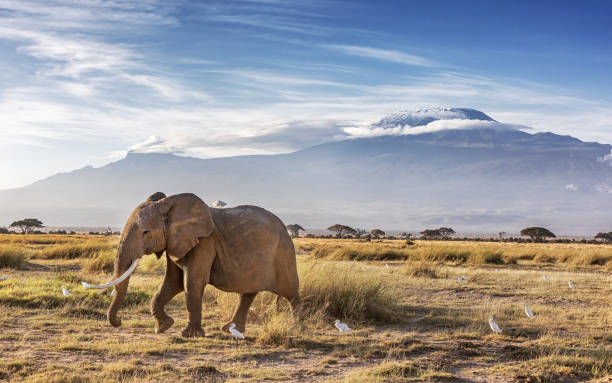
Kilimanjaro National Park
Kilimanjaro National Park The ice fields on Kilimanjaro’s summit covered 11.4 square kilometres in 1912. By 2019, they covered 1.5 square kilometres. The most recent projections put their complete disappearance between 2040 and 2050, depending on conditions. What is counterintuitive about this is that the primary mechanism is not warming air temperatures, summit temperatures remain...
read more
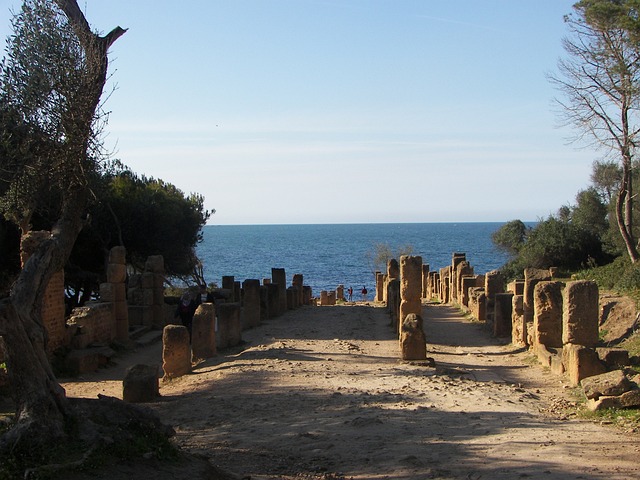
Tipasa
Roman columns stand in wild fennel and thyme with the Mediterranean breaking against the rocks behind them, and there is no ticket queue, no crowd, no fence keeping you a polite distance away. Tipasa is one of the least visited genuinely major Roman sites left standing, and that’s entirely down to geography and politics rather than anything lacking in the ruins themselves.
What’s...
read more
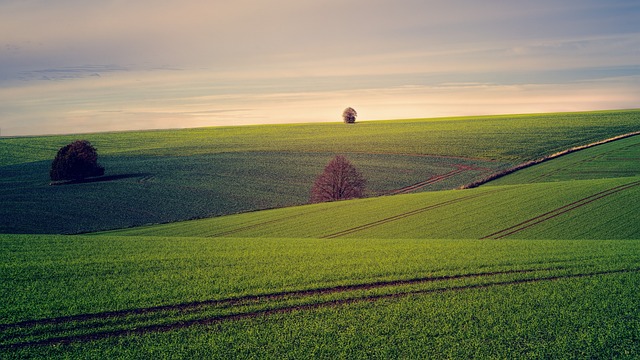
Koutammakou the Land of the Batammariba
A Comprehensive Guide to Koutammakou: The Land of the Batammariba Introduction Fortified mud towers with conical thatched roofs still house families here today, functioning granaries, bedrooms, and livestock shelters stacked into a single defensive structure that looks more like a small castle than a house. Koutammakou straddles the border of northeastern Togo and northwestern Benin and earned...
read more
Te Wahipounamu South West New Zealand
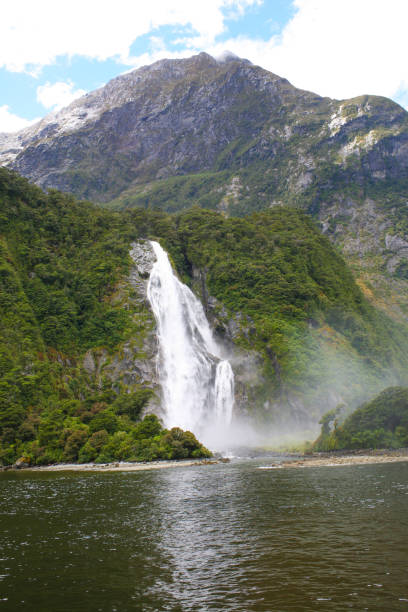
Guide to Te Wahipounamu - South West New Zealand Peak summer days can put more than 4,000 visitors through Milford Sound in a single day, all funneled down one narrow, single-lane road with tour buses queuing at the Homer Tunnel. Winter drops that number to under a thousand. Same fiord, same waterfalls, completely different experience, and almost nobody planning a New Zealand trip factors that...
read more
Kaeng Krachan Forest Complex
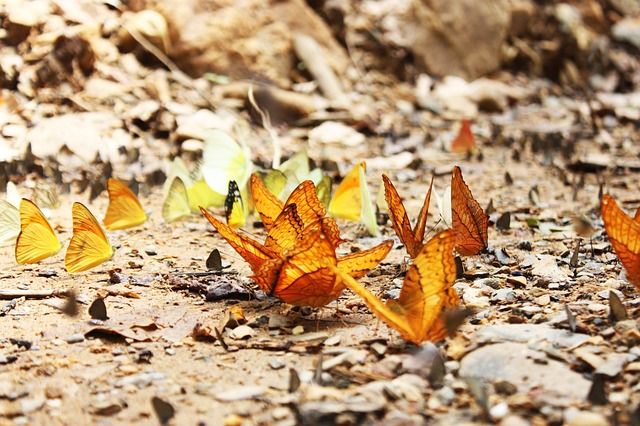
Park rangers close the road to Kaeng Krachan’s most famous viewpoint for three straight months every year, and for a stretch of hours every single day even in the open season, because a single-lane mountain track can only run one direction safely at a time. Anyone showing up without checking that schedule first is going to waste a very long drive.
What this listing actually is Kaeng Krachan...
read more
South China Karst
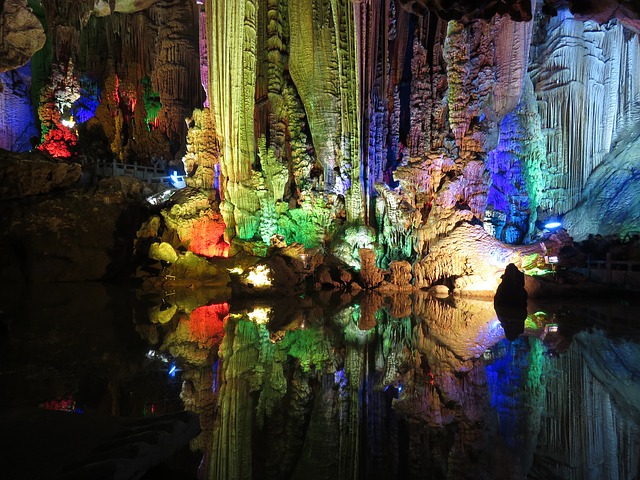
Zhangjiajie and Jiuzhaigou are not part of the South China Karst UNESCO listing, despite what half the travel blogs claim. That confusion is worth clearing up before you plan anything, because it changes where you should actually go. The real inscribed property is a serial site covering seven separate karst clusters across Yunnan, Guizhou, Guangxi, and Chongqing: Shilin, Libo, Wulong, Guilin,...
read more
La Lonja De La Seda De Valencia
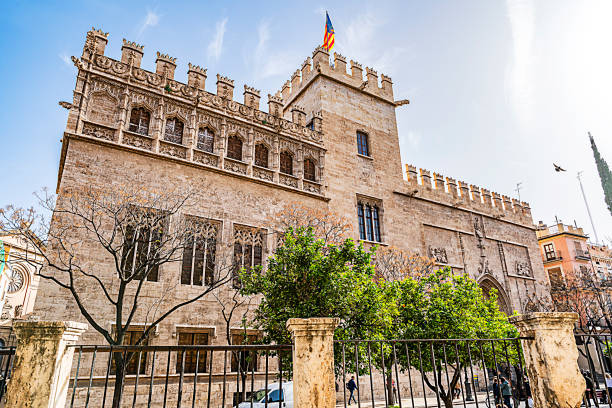
La Lonja de la Seda (The Silk Exchange) of Valencia: A Comprehensive Guide for Tourists Overview Eight stone columns twist upward like spun silk thread frozen mid-motion, holding up a vaulted ceiling that medieval merchants once stood beneath to strike deals worth fortunes. La Lonja de la Seda, Valencia’s late-Gothic Silk Exchange, earned UNESCO World Heritage status in 1996 as a textbook...
read more
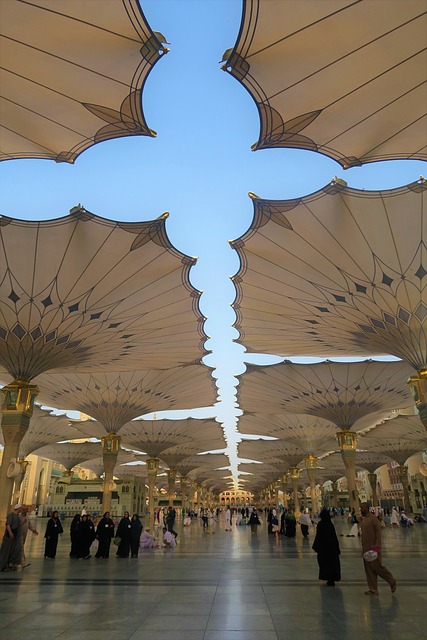
Caliphate City of Medina Azahara
Guided Tour: The Caliphate City of Medina Azahara A caliph built an entire capital city from nothing, used it for barely eighty years, and then watched it get looted and burned into rubble during a civil war. Medina Azahara is not a slowly decayed ruin like most ancient sites you’ll visit; it’s the archaeological record of a sudden, violent collapse, which is part of why so much of it...
read more
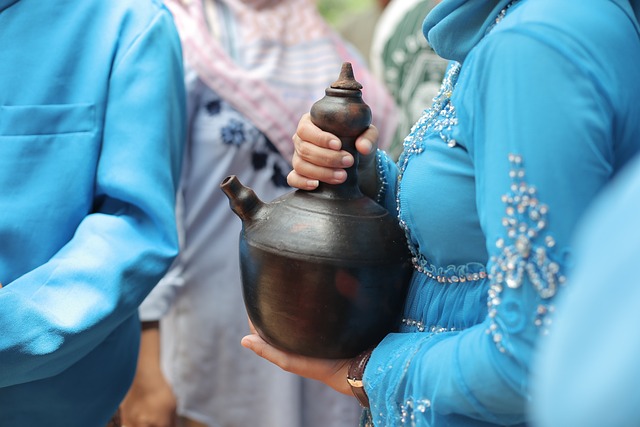
Megalithic Jar Sites in Xiengkhuang Plain of Jars
Megalithic Jar Sites in Xiengkhuang: Plain of Jars The Markers Across the cleared sections of the Plain of Jars, the Mines Advisory Group has installed two colors of concrete marker: white and red. White means the ground has been cleared and you can walk freely. Red means stop. Between those two colors lies one of the most important visitor-safety protocols at any UNESCO World Heritage Site in the...
read more

Laponian Area
Laponian Area The Last Landscape of Its Kind Sarek National Park receives around 2,000 visitors per year. For comparison, Yellowstone receives around 4 million. Sarek is larger than Luxembourg, has no roads, no marked trails, no staffed cabins, and no emergency infrastructure beyond what a helicopter can reach. The surrounding Laponian Area, a UNESCO World Heritage Site of 9,400 square kilometres...
read more
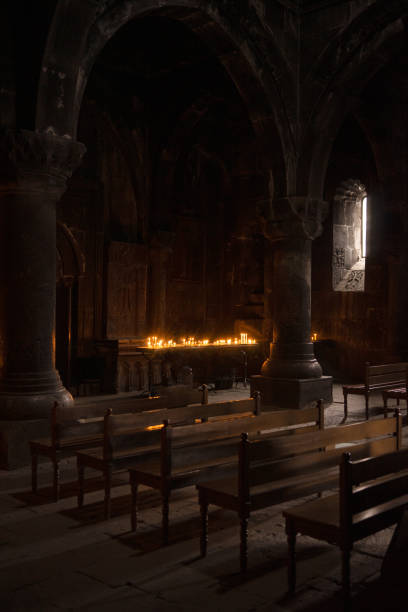
Monastery Of Geghard And The Upper Azat Valley
Monastery of Geghard: The Church Carved Into a Cliff in the Azat Gorge The first impression is geological before it is architectural. The Azat River gorge arrives as a wall of dark basalt rising sheer from the road, and then, set into the cliff face at the gorge’s upper end, is Geghard Monastery. The buildings are not built against the rock; several of them are carved directly into it. The...
read more
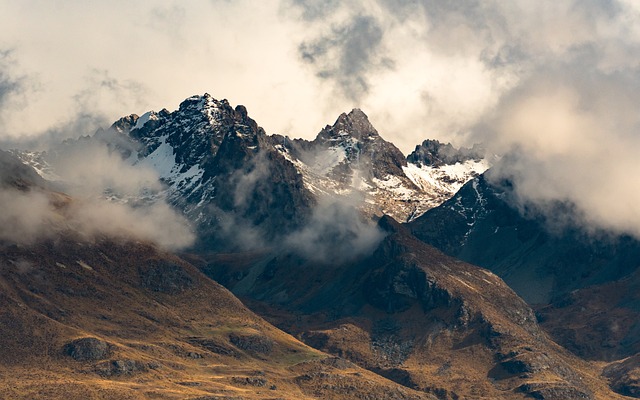
New Zealand Sub Antarctic Islands
New Zealand Sub-Antarctic Islands: Five Groups, No Chatham Islands, and No Way In Without a Permit You will not find the Chatham Islands on this UNESCO listing, no matter what an older guide told you. That’s a common mix-up worth clearing up first, since the Chathams have their own distinct Moriori history and sit far closer to mainland New Zealand than the genuinely sub-Antarctic groups do....
read more
Dougga Thugga
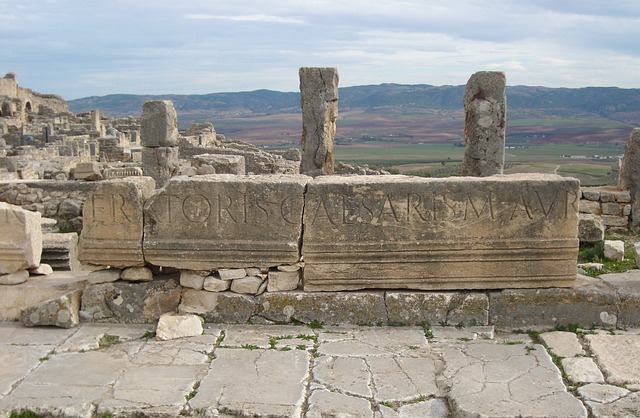
Stand in front of the Libyco-Punic Mausoleum at Dougga and you’re looking at the monument that cracked open an entire lost alphabet, except the actual inscription that did the cracking isn’t there anymore. In 1842 a British consular official had the bilingual inscription, Punic on one side, ancient Numidian script on the other, physically hacked off the podium and shipped to London,...
read more
Natural and Cultural Heritage of the Ohrid Region
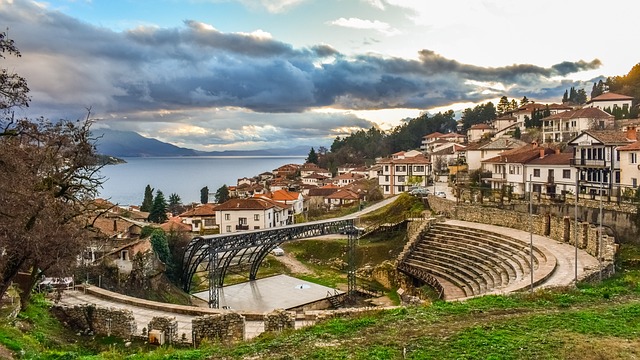
There is no such thing as an Ohrid Lynx, and if you read that phrase in an older guide you should treat everything else in it with the same suspicion. The actual animal prowling the ridgelines above the lake is the Balkan lynx, a subspecies with perhaps fewer than a hundred individuals left across North Macedonia and Albania combined, which makes it one of the rarest cats on the planet rather than...
read more
Mana Pools National Park Sapi and Chewore Safari Areas
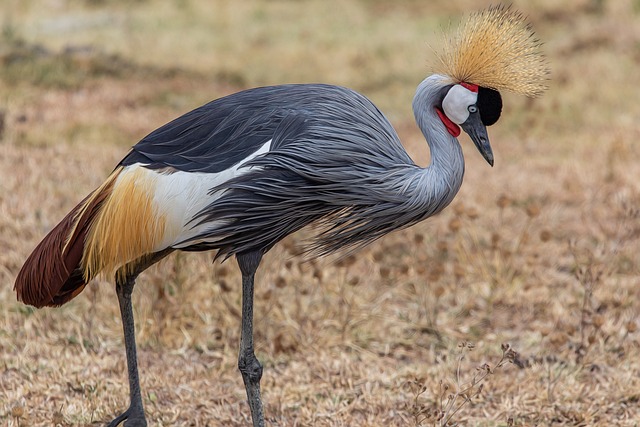
Mana Pools National Park, Sapi and Chewore Safari Areas At Mana Pools, the elephants stand on their hind legs. This is not a trained behaviour; it is a learned technique passed between generations. The albida trees lining the Zambezi floodplains drop protein-rich seed pods, and the largest bulls have figured out that standing upright and bracing against the trunk brings more pods within reach. You...
read more
Abbey of St Gall
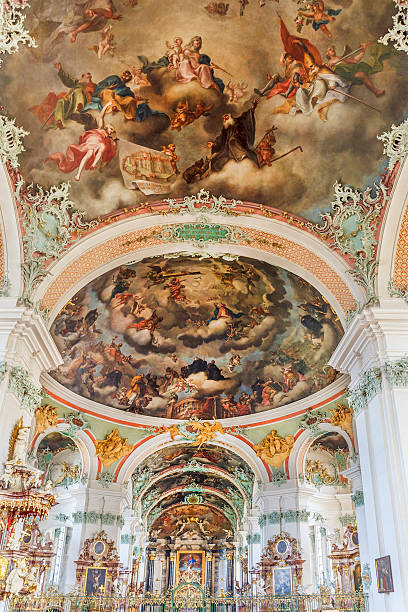
Abbey of St. Gall: A Comprehensive Guide for Tourists Before you’re allowed near the ancient books, staff will hand you a pair of oversized felt slippers to slide on over your shoes. It looks slightly absurd and it protects nine centuries of parquet flooring from grit and heel marks, and honestly, shuffling across the Baroque library floor in soft felt is half the fun of the visit, not an...
read more
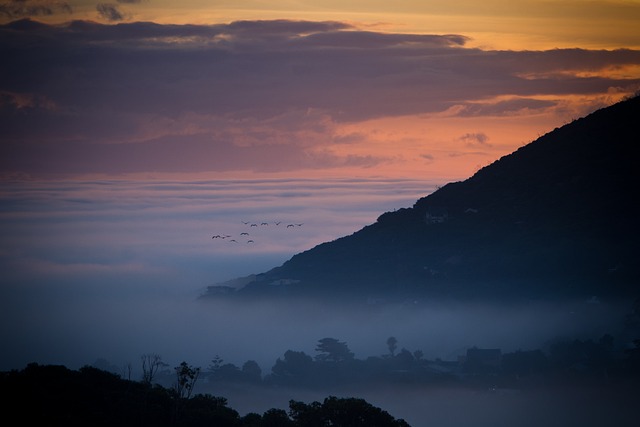
Cape Floral Region Protected Areas
Cape Floral Region Protected Areas: A Guide for Visitors The Strangest Botanical Kingdom on Earth The Cape Floristic Region packs more plant species into less space than anywhere else on the planet. Roughly 9,600 species grow in an area of about 90,000 square kilometres at the southwestern tip of Africa - more than the entire Amazon basin contains per unit of comparable area, and with an endemism...
read more