Recent Unescoes
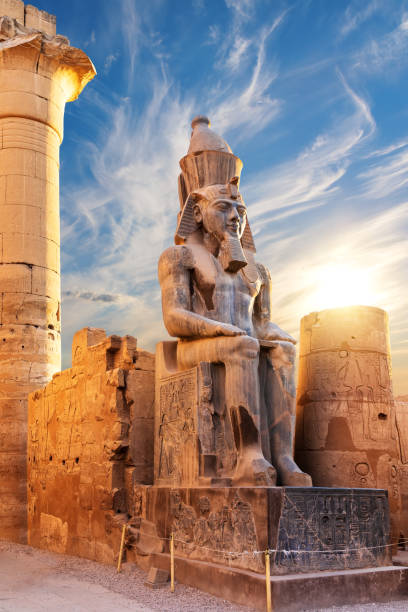
Ancient Thebes With Its Necropolis
Ancient Thebes With Its Necropolis A City That Is Still There Ancient Thebes is not a ruin surrounded by emptiness. It is the modern city of Luxor. The temples of Karnak and Luxor stand in the middle of a functioning Egyptian city of around half a million people. The Avenue of Sphinxes, a 2.7-kilometre processional road that once connected the two temples and was buried under residential streets...
read more
Capital Cities and Tombs of the Ancient Koguryo Kingdom
Capital Cities and Tombs of the Ancient Koguryo Kingdom Inside a sealed stone chamber beneath a grassy mound in northeastern China, a painted warrior stares from a wall that has been dark for 1,400 years. The brushwork is fluid, the colours still vivid: red, black and ochre on plaster. Tigers, dragons, mythological birds and scenes of feasting and hunting cover the walls and ceilings. These are...
read more
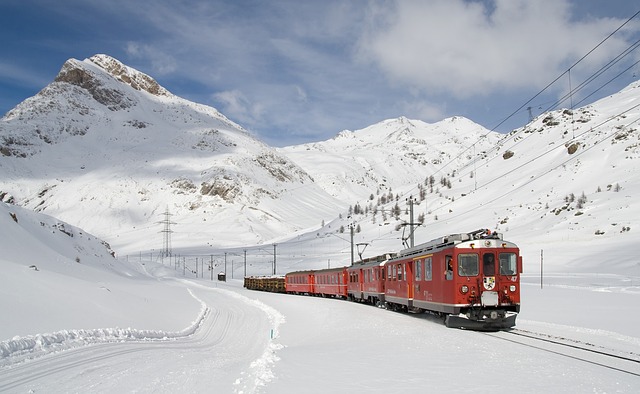
Rhaetian Railway in the Albula Bernina Landscapes
Title: Exploring the Rhaetian Railway in the Albula and Bernina Landscapes: A Comprehensive Guide for Tourists
A regular commuter train, not a special charter, will carry you over a 65-meter viaduct and through three spiral tunnels blasted into a mountainside, and you can ride the whole thing for the price of a normal rail ticket. That is the part most guides bury: while the famous panoramic...
read more
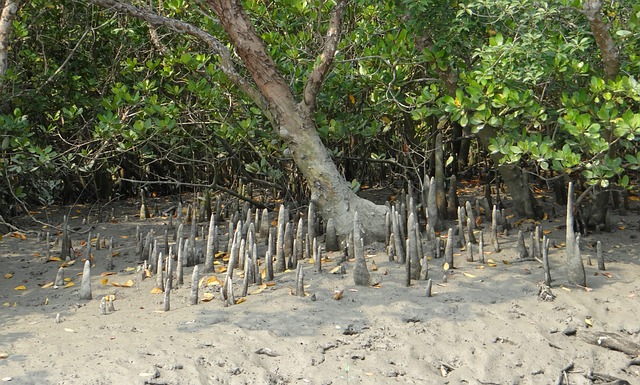
The Sundarbans
In 1986, honey collectors in the Sundarbans started wearing human-face masks on the backs of their heads, because Bengal tigers here almost always attack from behind, and the theory was a tiger wouldn’t strike prey that appeared to be watching it. It worked for a while. Then, according to local accounts, the tigers figured it out, and the practice faded. That story tells you more about this...
read more
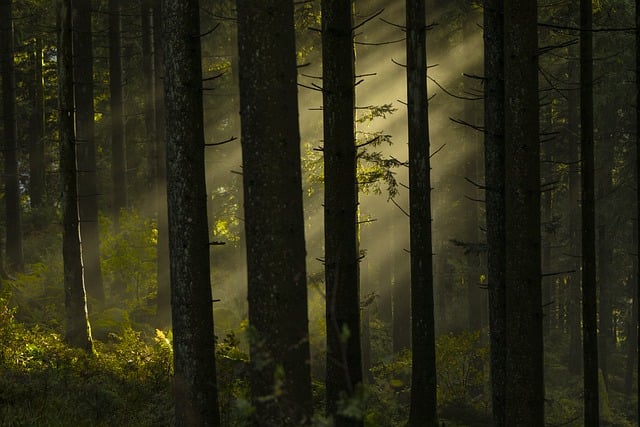
Hyrcanian Forests
Hyrcanian Forests: A Comprehensive Guide for Tourists These broadleaf forests along the Caspian coast have been growing continuously for something like 25 to 50 million years, surviving the ice ages that scraped most of comparable forest cover off the rest of the Northern Hemisphere. That’s the actual reason UNESCO listed the Hyrcanian Forests in 2019: not scenery, but genetic and ecological...
read more
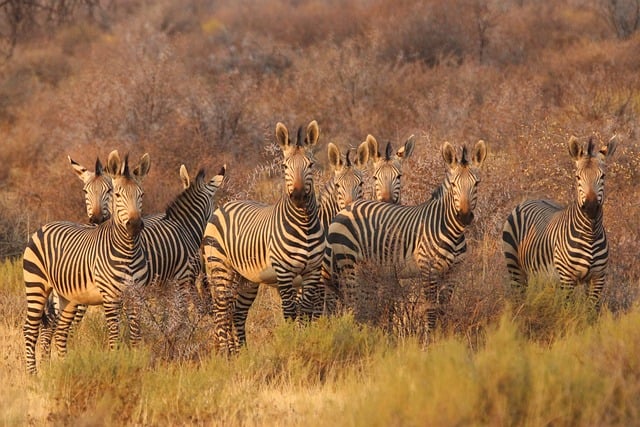
Fossil Hominid Sites of South Africa
Fossil Hominid Sites of South Africa A June 2026 discovery that reframes what you’re looking at Just weeks before this guide was written, researchers published protein analysis in the journal Cell showing that every one of the roughly 20 individuals sampled from the Homo naledi remains in the Rising Star cave system tested biologically female, with zero markers for the Y-chromosome protein...
read more
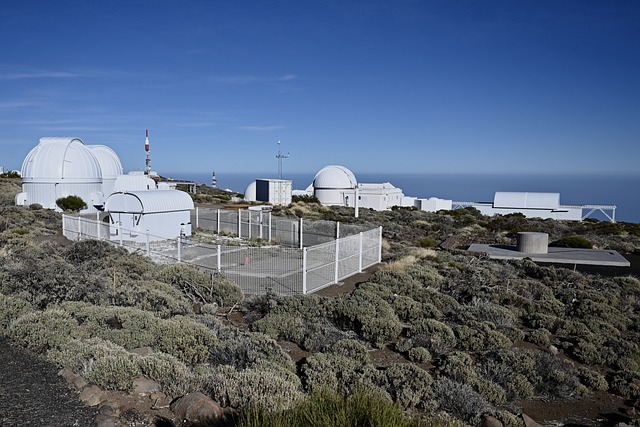
Astronomical Observatories of Kazan Federal University
A German aristocrat named Vasily Engelhardt donated his entire private observatory in Dresden to a Russian university he’d never taught at, and that single act of generosity in 1901 is why Kazan has one of the most complete surviving 19th-century astronomical complexes on Earth. UNESCO agreed in September 2023, inscribing not one but two linked sites: the original observatory inside Kazan...
read more
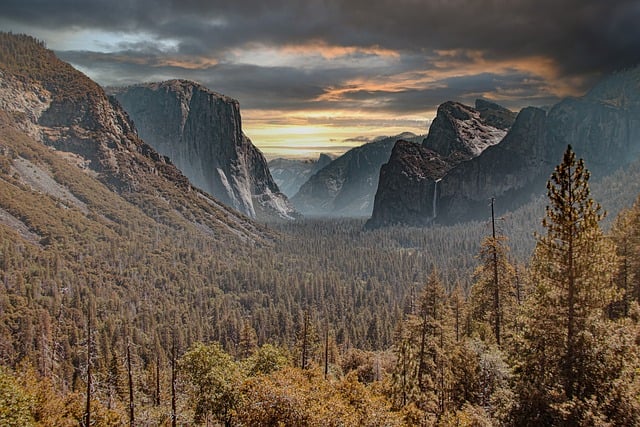
Keoladeo National Park
A Comprehensive Guide to Keoladeo National Park - The Bharatpur Bird Sanctuary No car has driven through the core of this park in decades, and that restriction is precisely why it still works as a birding destination. Motor vehicles stop at the gate, and everything past the first kilometer or two moves on foot, bicycle, or cycle rickshaw, which keeps engine noise and exhaust away from a wetland...
read more

Berlin Modernism Housing Estates
Berlin Modernism Housing Estates: A Comprehensive Guide for Tourists People still live here, that is the whole point These are not museum pieces roped off behind glass. Every one of Berlin’s six UNESCO-listed modernist housing estates is still a functioning residential neighborhood, and nearly a century after they went up, ordinary Berliners pay rent and hang laundry in buildings that...
read more
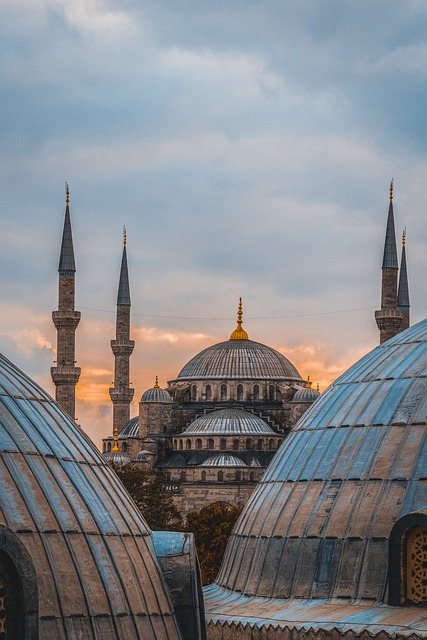
Historic Areas of Istanbul
Historic Areas of Istanbul Hagia Sophia is not a museum anymore, and if you show up expecting the secular exhibition space that filled travel guides for the past decade, you will be surprised to find yourself removing your shoes and covering your hair at the door. Turkey reconverted it into an active mosque in 2020, and a second major Byzantine landmark, the Chora Church, followed the same path in...
read more
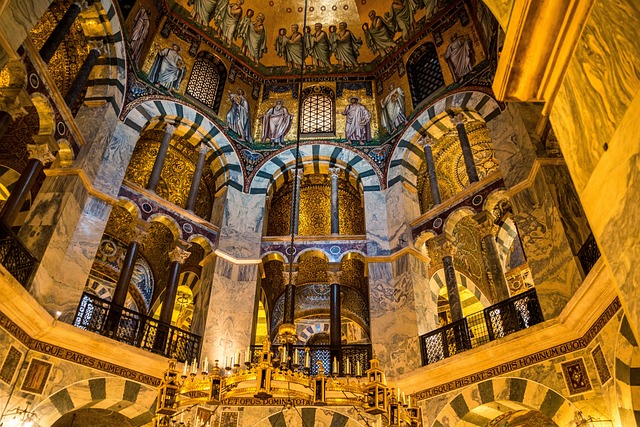
Aachen Cathedral
Aachen Cathedral: A Comprehensive Guide for Tourists Dendrochronology on timber found during a repair project dated the core of Aachen Cathedral’s octagon to somewhere between 793 and 813, tighter and more reliable than the round “796 AD” figure most guides still quote. Charlemagne commissioned it as his palace chapel, the architect was Odo of Metz, and Pope Leo III consecrated...
read more

The Persian Caravanserai
The Zein-o-din Caravanserai, 60 kilometres south of Yazd on the road toward Kerman, is the only surviving round caravanserai in Iran. Every other example of the type built across the Persian plateau follows the rectangular courtyard plan, with rooms radiating inward from perimeter walls. Zein-o-din breaks that pattern without explanation in any historical record, and it has been offering overnight...
read more
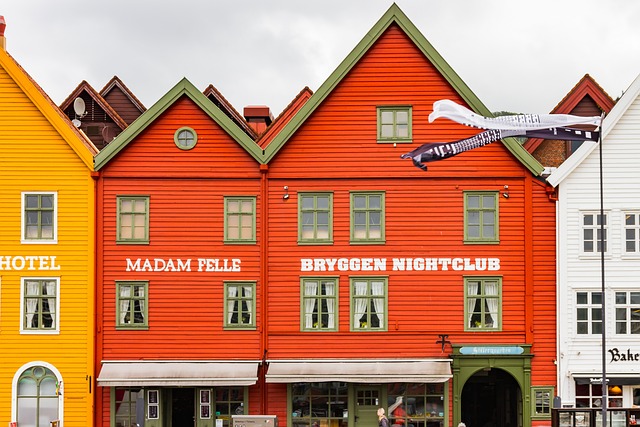
Bryggen
Bryggen: Bergen’s Hanseatic Waterfront What You Are Actually Looking At The colourful gabled facades lining Bergen’s inner harbour look like a picturesque medieval streetscape, and in one sense they are. But the buildings standing there today were largely reconstructed after a fire in 1955, and the ones before them were rebuilt after an earlier fire, and the ones before that after...
read more
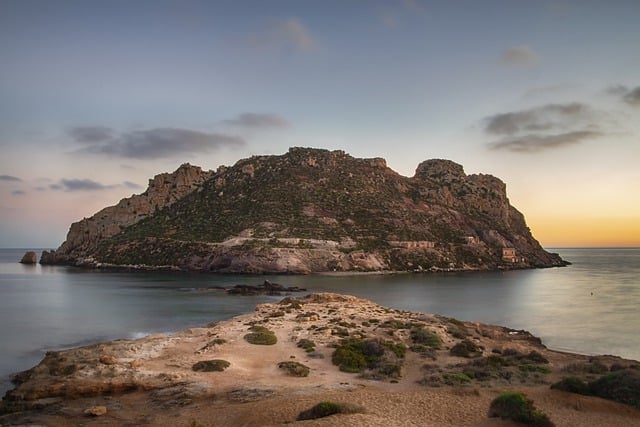
Island of Mozambique
Island of Mozambique A chapel here has stood since 1522, which makes it, by most credible accounts, the oldest surviving European building anywhere in the Southern Hemisphere, older than anything Portugal, Spain, or anyone else managed to leave standing across the Cape, in Brazil, or on any other Indian Ocean shore south of the equator. That single fact tells you what this island actually is: not...
read more
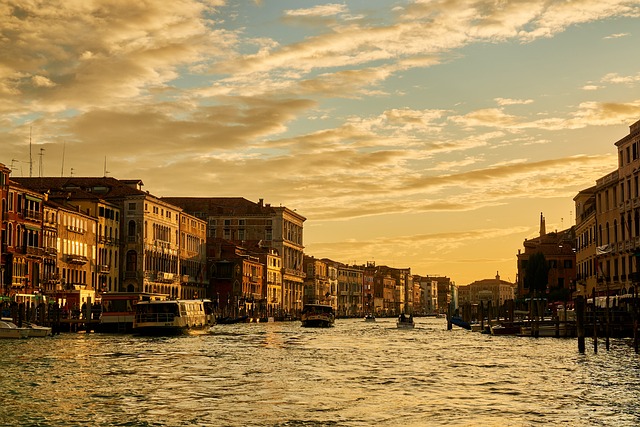
The Grand Canal
Millions died digging it, an empire fell partly because of it, and thirteen centuries later people still ride pleasure boats down the same stretch of water in Suzhou at sunset. This is a note on the actual UNESCO-listed Grand Canal in China, not Venice’s Canal Grande, which is a different waterway entirely and not the site carrying this inscription.
What it is and why it exists China’s...
read more
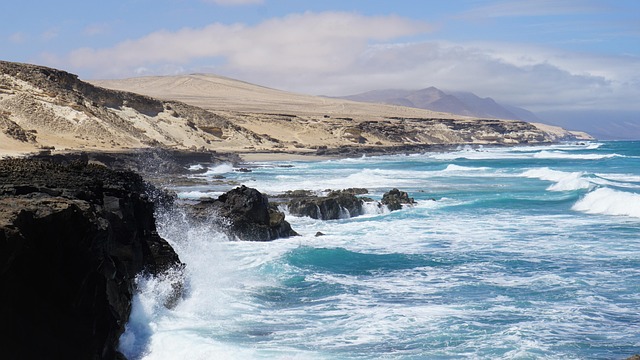
Natural System of Wrangel Island Reserve
Woolly mammoths survived here for six thousand years after they went extinct everywhere else on the planet. Rising seas cut this stretch of Arctic tundra off from the Siberian mainland around 10,000 years ago, stranding a small mammoth population that then held on, isolated, until roughly 2000 BC, meaning mammoths were still walking Wrangel Island when the Great Pyramid of Giza was already...
read more
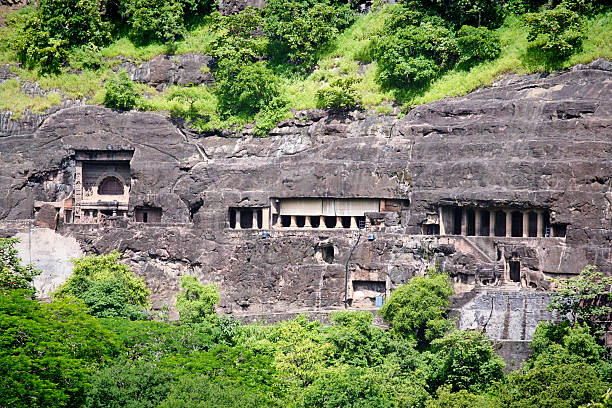
Ajanta Caves
Ajanta Caves Somewhere inside Cave 10 there’s a piece of vandalism that’s now itself a historical artifact: “John Smith, 28th Cavalry, 28th April, 1819,” scratched into a 2,000-year-old fresco by the British officer credited with rediscovering the site while hunting tigers. A local shepherd boy actually led him to the entrance, a detail that rarely makes it into the story....
read more
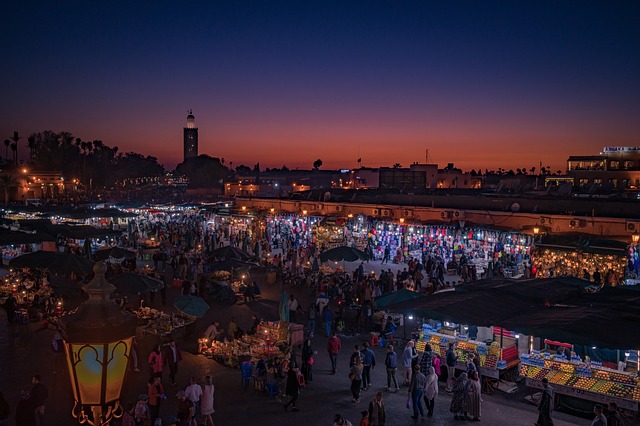
El Tajin Pre Hispanic City
Guide to El Tajín: A Pre-Hispanic City in Mexico This was never a Maya city Correcting a persistent mistake first: El Tajín was not built by the Maya, and it isn’t Maya territory at all. The Maya heartland lies far to the southeast in the Yucatán, Chiapas, and Guatemala. El Tajín was the principal ceremonial center of the Classic Veracruz civilization on the Gulf Coast, and archaeologists...
read more
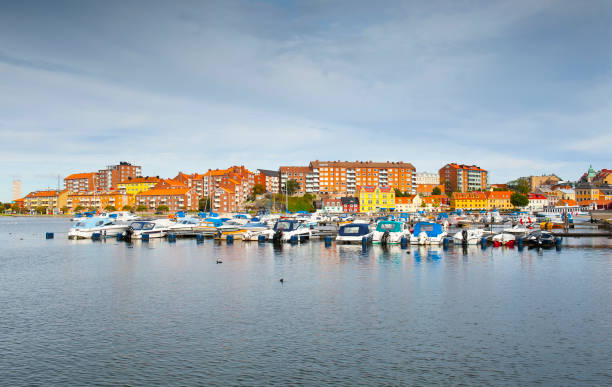
Naval Port of Karlskrona
Naval Port of Karlskrona: A Practical Guide Sweden needed an ice-free naval base further south than Stockholm could offer, and rather than adapting an existing town, the crown built one from scratch across 33 islands in the Blekinge archipelago. That’s the fact that makes Karlskrona different from most historic naval cities: nothing here grew organically. It was drawn on paper first.
Why...
read more
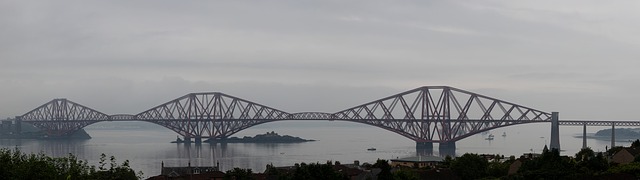
The Forth Bridge
The Forth Bridge: An In-depth Guide for Tourists “Painting the Forth Bridge” used to be shorthand in Britain for any job that never ends, the idea being that painters finished at one end and immediately had to start again at the other. It’s a good story and it’s not true, and as of a restoration completed in 2011, it’s not even theoretically true anymore. The old...
read more
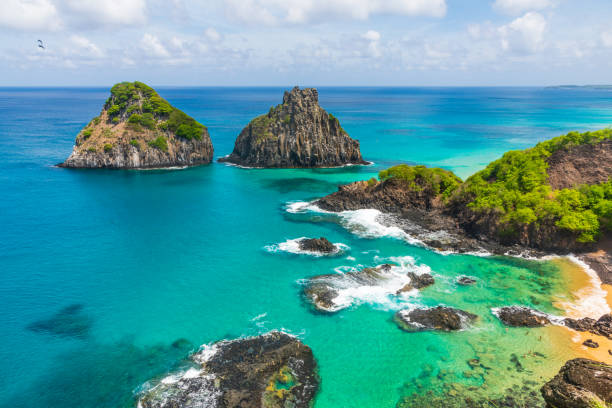
Brazilian Atlantic Islands: Fernando De Noronha And Atol Das Rocas Reserves
Brazilian Atlantic Islands: Fernando de Noronha and Atol das Rocas Reserves Brazil caps Fernando de Noronha at 11,000 visitors a month and 132,000 a year, a legal limit written into the agreement between the state of Pernambuco and federal authorities. That’s a small number for one of the most photographed archipelagos on earth, and it’s the reason this island feels closer to a...
read more
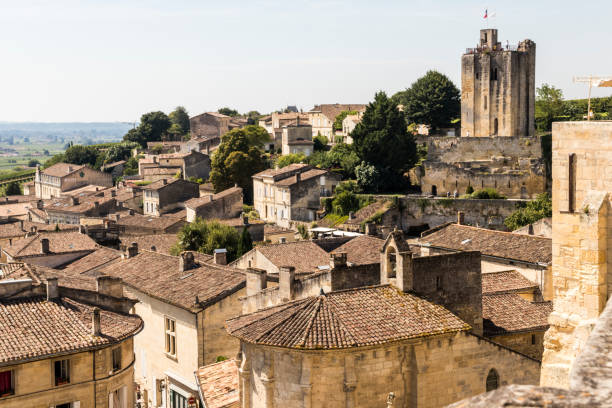
Jurisdiction Of Saint Emilion
Guide to the Jurisdiction of Saint-Emilion: A Paradise for Wine Lovers and Tourists An entire medieval town sits directly on top of a hollowed-out limestone quarry, and the largest church in Europe carved from a single block of rock is buried beneath the square where tourists eat lunch. Saint-Émilion earned UNESCO World Heritage status in 1999 as a “cultural landscape,” the first...
read more
Islands and Protected Areas of the Gulf of California
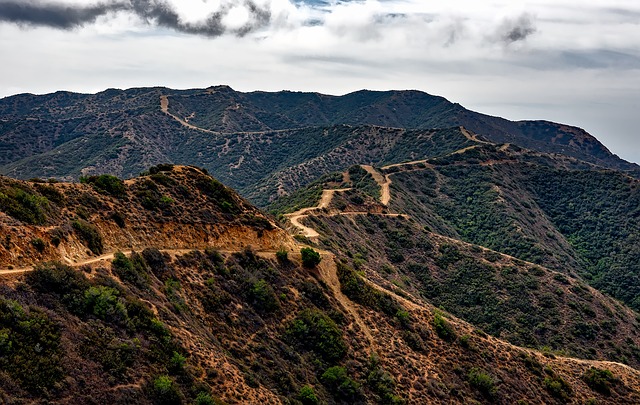
Islands and Protected Areas of the Gulf of California: A Comprehensive Guide for Tourists Fewer than ten of the world’s smallest porpoise remain here The vaquita, the world’s smallest cetacean and endemic only to the northern Gulf of California, was down to an estimated seven to ten individuals as of the 2025 survey season, with at least one or two calves observed. That’s...
read more
Independence Hall
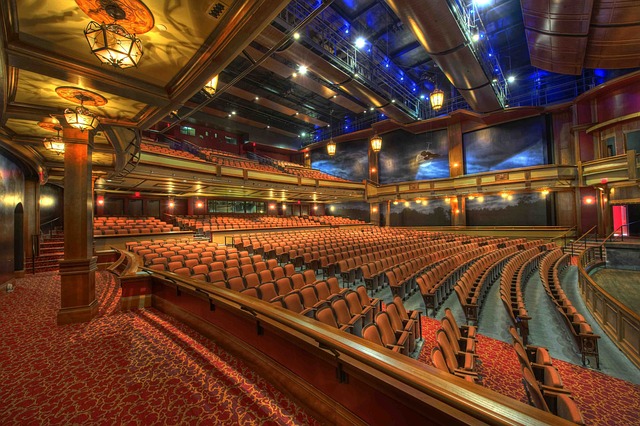
Benjamin Franklin spent an entire sweltering summer of closed-door arguing in 1787 staring at a carved half-sun on the back of the presiding officer’s chair, unsure whether it was rising or setting. Only after the delegates finally signed the Constitution did he say, out loud, that he’d decided it was rising. That chair still sits in the Assembly Room exactly where it stood then, and...
read more
Roman Theatre and Its Surroundings and the Triumphal Arch of Orange
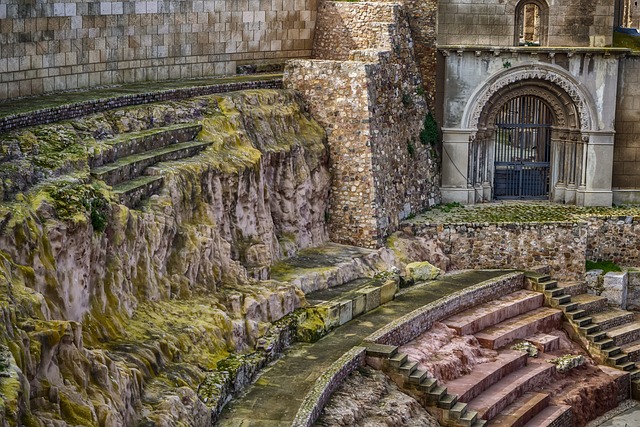
The Roman Wall So Good That France Still Stages Opera Against It One wall. That’s the entire reason the Roman Theatre of Orange dominates every serious list of ancient theatres still standing: its stage backdrop, a 37-meter-high, 103-meter-wide wall of dressed stone, survives essentially intact, something almost no other Roman theatre anywhere can claim. UNESCO inscribed both the theatre and...
read more
Stari Grad Plain
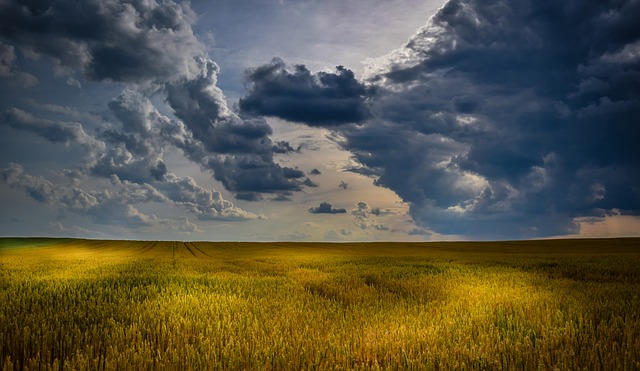
Stari Grad Plain: A Comprehensive Guide for Tourists The stone walls dividing the fields of Stari Grad Plain on Hvar have not moved in any meaningful way for roughly 2,400 years, and farmers are still growing grapes and olives inside the exact same rectangular plots laid out by Greek settlers in 384 BC. That kind of unbroken continuity is rare enough anywhere in the world that UNESCO listed the...
read more
Roskilde Cathedral
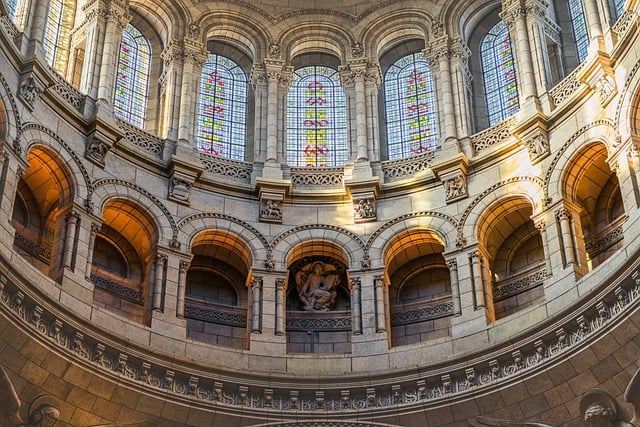
Roskilde Cathedral: A Comprehensive Guide for Tourists Forty Danish monarchs are entombed inside a single church, which makes Roskilde Cathedral less a sightseeing stop and more a walk through eight centuries of who actually ran Denmark. Nearly every king and queen since the Reformation, with just one exception, chose to be buried here, and that continuous, unbroken tradition is a large part of...
read more
City Of Cuzco
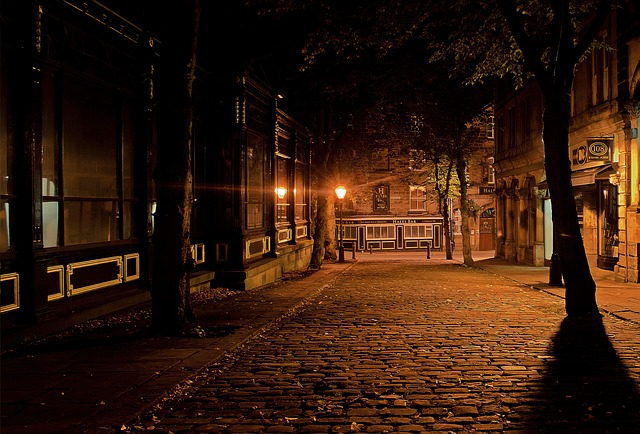
City of Cuzco The 1950 earthquake that struck Cusco at magnitude 7.0 did something the Spanish had spent four centuries trying to prevent: it collapsed the colonial masonry of the Church of Santo Domingo and exposed the Inca walls underneath. The structure that emerged was not ruins but something close to intact, a precisely fitted stone interior that had absorbed centuries of seismic activity...
read more
Blue and John Crow Mountains
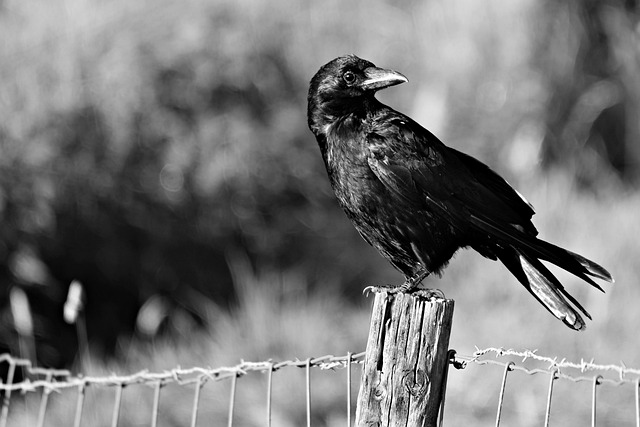
Blue and John Crow Mountains Jamaica has no native monkeys. If a guide tells you to watch for them on a Blue Mountains hike, that guide is guessing, because the island’s only wild primates today are feral vervets descended from escapees, and you will not find them in this cloud forest. What you will find is the largest remaining stand of primary rainforest left in Jamaica, protecting one of...
read more

Major Mining Sites of Wallonia
Major Mining Sites of Wallonia On August 8, 1956, a fire broke out in the Bois du Cazier colliery near Charleroi. By the time it was extinguished, 262 miners were dead, trapped underground by smoke and carbon monoxide. They came from 12 different countries: Italians, Poles, Greeks, Hungarians, Germans, Ukrainians, Algerians, French, Dutch, Britons, and Belgians, many of them postwar migrants...
read more

Bauhaus and Its Sites in Weimar Dessau and Bernau
Bauhaus and Its Sites in Weimar, Dessau, and Bernau A School That Lasted Fourteen Years and Changed Everything The Bauhaus existed for fourteen years, educated fewer than 1,300 students, and graduated only 155 people with a formal diploma. By any institutional measure it was a marginal operation. By any measure of cultural impact it was one of the most consequential art schools in history. The...
read more
Historic Centre of Sheki With the Khan S Palace
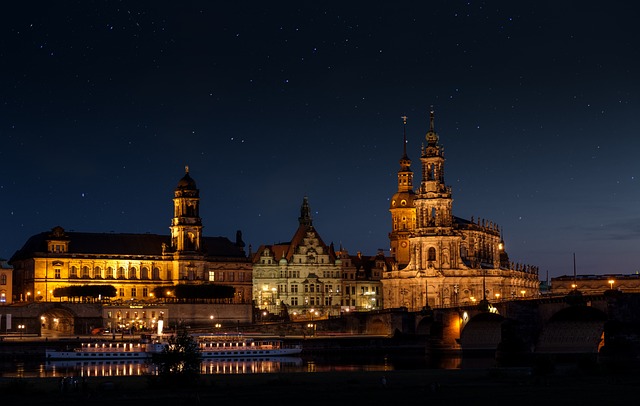
Historic Centre of Sheki with the Khan’s Palace The stained glass windows covering the front of the Khan’s Palace in Sheki hold together with no nails and no glue. Around 5,000 individually cut pieces of colored glass sit locked into a wooden lattice frame called shebeke, a technique local craftsmen developed to withstand the region’s temperature swings without the wood cracking...
read more
Hill Forts of Rajasthan
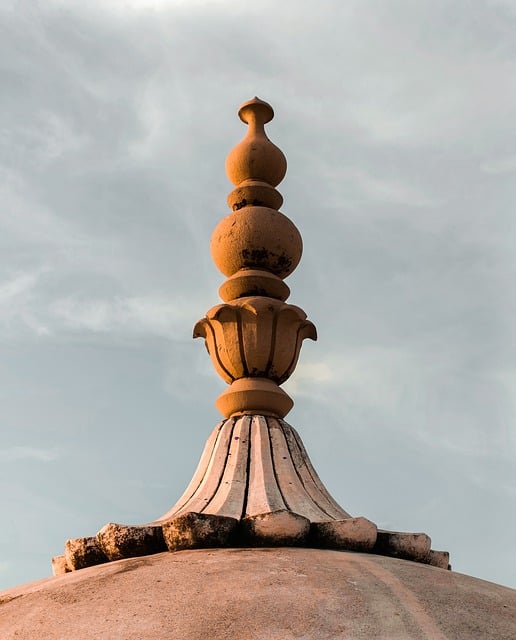
Modern plumbing is slowly killing Jaisalmer Fort, and that’s not an exaggeration for effect. The fort didn’t get piped water until 1991, and the sandstone hill it sits on rests on a mudstone layer that essentially dissolves when it stays wet, a geological fact the original builders understood and modern hoteliers inside the walls do not. Bastion walls have collapsed repeatedly since...
read more
Erbil Citadel
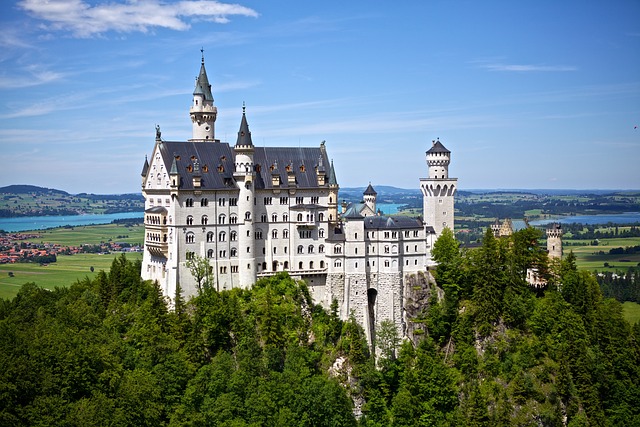
One family lives inside the walls of Erbil Citadel today, and they’re there on purpose. In 2007, the Kurdistan Regional Government evicted roughly 840 families who’d been living in the citadel’s deteriorating buildings, offering compensation as part of a restoration project run with UNESCO. But one household was kept in place specifically so the site could keep claiming an...
read more
Mount Etna
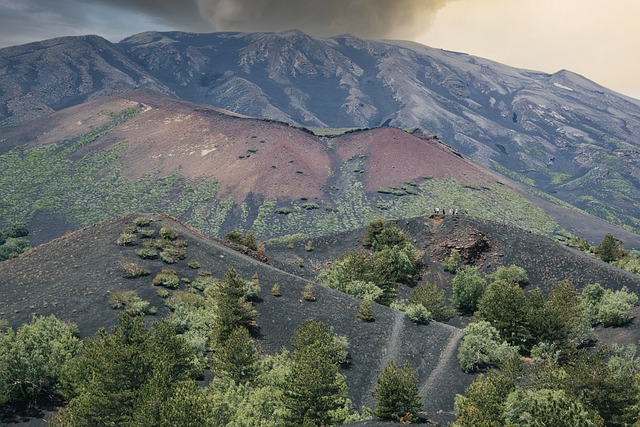
Guide to Mount Etna: A Volcanic Adventure for Every Tourist Why UNESCO put a working volcano on the list Etna made the World Heritage List in 2013 for a reason that surprises a lot of visitors: it’s not the height or the drama, it’s the paperwork. Few volcanoes anywhere have been observed, recorded, and studied this continuously and for this long, giving scientists an almost unbroken...
read more
Old Village of Holl K and Its Surroundings
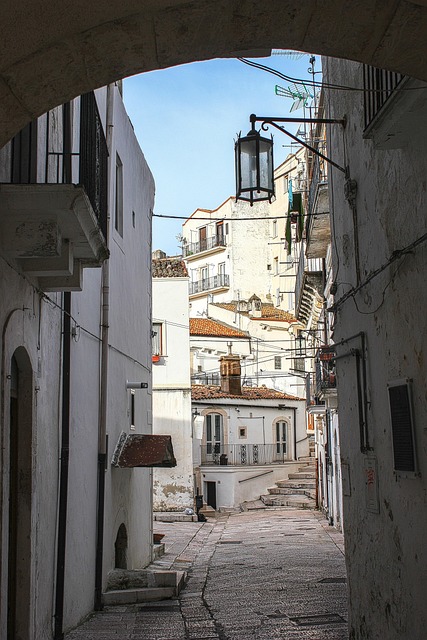
Guide to the Old Village of Hollókő and Its Surroundings Every house on Hollókő’s main street still has someone living in it, which is the detail that separates this place from an open-air museum, even though it gets described as one constantly. Roughly 400 people call this village home year-round, and they live in the same whitewashed, wood-framed houses that earned the place UNESCO status...
read more
Palace and Park of Versailles
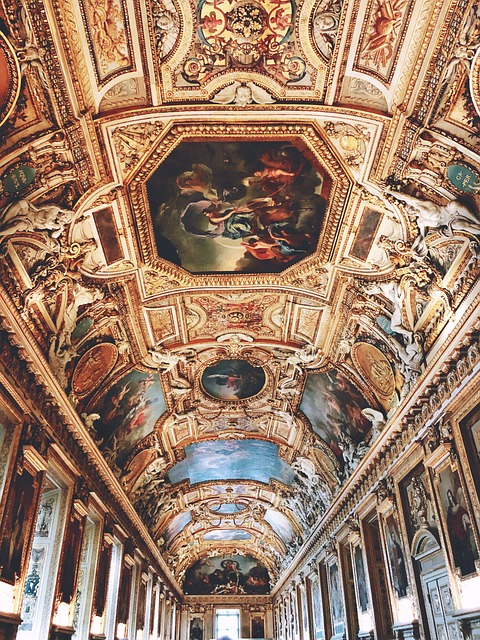
The gardens of Versailles are five and a half times larger than the palace footprint most visitors actually see, and the single biggest mistake people make here is spending their whole day inside marble hallways when the better half of Louis XIV’s obsession is outdoors, mostly empty, and rentable by bicycle. Do the palace in the morning and give the grounds the afternoon, not the reverse....
read more
Tarnowskie G Ry Lead Silver Zinc Mine and Its Underground Water Management System
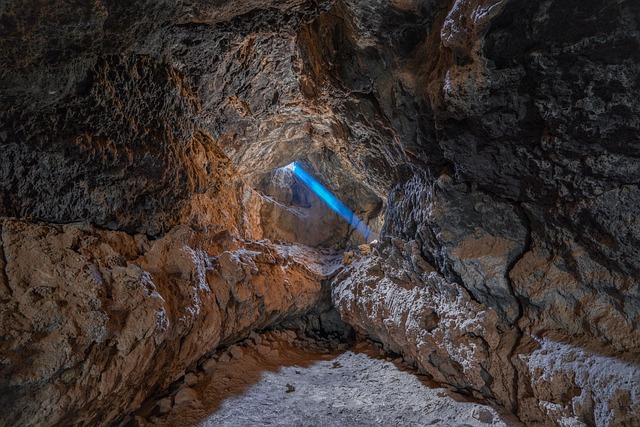
Tarnowskie Góry Lead-Silver-Zinc Mine You board a wooden boat, duck your head, and glide through a tunnel barely wide enough for the hull, twenty to thirty meters underground, along a drainage channel dug by hand in the 19th century to keep a working silver mine from flooding. That boat ride, through what is called the Black Trout Adit, is the single most memorable thing to do at this UNESCO site,...
read more

Pantanal Conservation Area
The World’s Densest Jaguar Population Lives Along One Dirt Road The Transpantaneira isn’t a road so much as a 145-kilometer string of wooden bridges laid across open wetland, and it’s the only way into the northern Pantanal by land. Drive its length slowly enough and you’ll pass caimans sunning on the banks, capybaras grazing in family groups, and marsh deer picking through...
read more
Delos
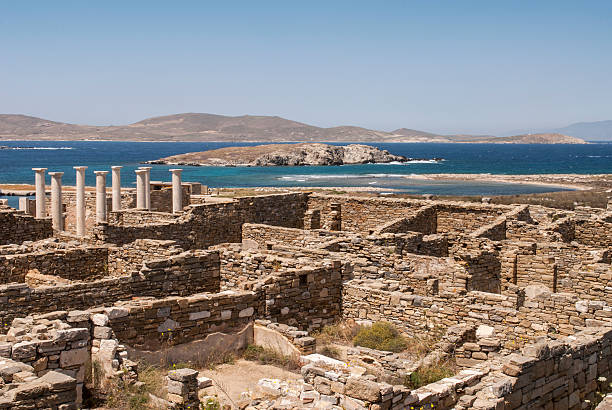
Delos: A Guide for Tourists No one has been born or died legally on Delos in over two thousand years, at least according to the ancient rule attributed to Apollo, who was said to have been born here alongside his twin sister Artemis and then decreed the island too sacred for either event to happen on it again. The Athenians took that seriously enough that in the 6th century BCE they physically...
read more
Itchan Kala
The stout, squat minaret at the center of Khiva’s old town was supposed to be the tallest in the Islamic world. Muhammad Amin Khan started building the Kalta Minor in 1852 with a planned height somewhere around 70 to 80 meters, enough to eclipse India’s Qutb Minar. He died in battle near Sarakhs in 1855 with construction stalled at 29 meters, and nobody afterward had the money, will,...
read more
Bahla Fort
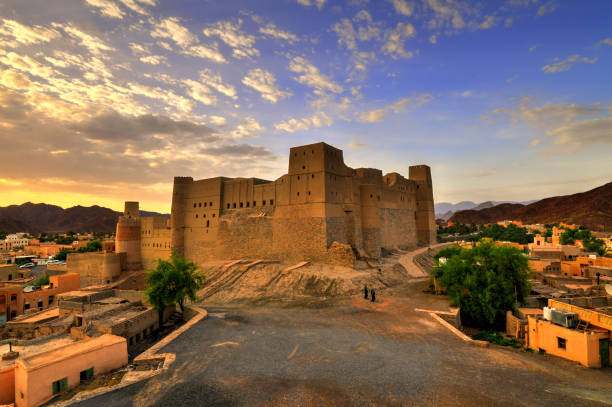
Locals still call Bahla “Madinat al-Sehr”, the City of Magic, and the fort itself carries a story that leans into it: legend holds it was raised in a single night by a princess wielding djinn power, and that later restoration crews found their daytime work mysteriously undone by morning, stones dislodged and mortar crumbled overnight as though some unseen force objected to the repair....
read more
Butrint
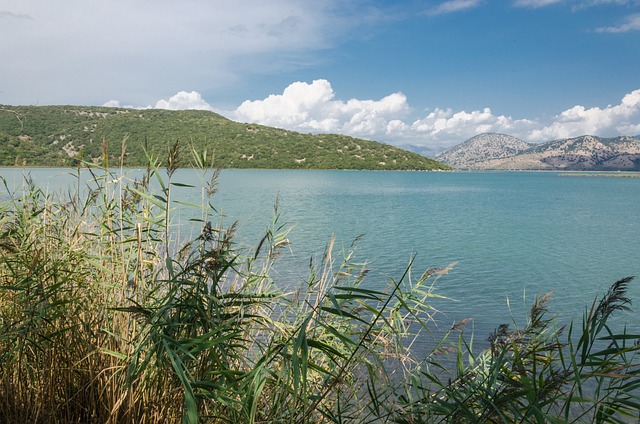
Butrint A Site in the Aeneid Virgil placed Butrint in the Aeneid. In the poem, Aeneas stops here on his way from Troy to Italy and finds a miniature version of Troy that the seer Helenus, son of Priam, has built in exile. The Romans loved this story because it gave them a Trojan connection and, more practically, it validated Julius Caesar’s decision to settle veterans here as a Roman colony...
read more
Alejandro De Humboldt National Park
Cuban mining concessions granted in the early 2000s sit directly on top of El Toldo peak and its surrounding plateau, the single richest concentration of endemic species anywhere inside this park, and one concession at Santa Teresita threatens to send toxic runoff straight into the coastal mangroves. That is the uncomfortable context that gets left out of nearly every glossy write-up of Alejandro...
read more
Soltaniyeh
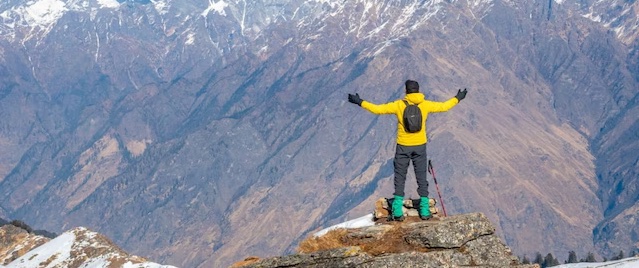
Soltaniyeh Before anything else: as of mid-2026, the US, UK, Canadian, and Australian governments all advise against any travel to Iran, and the US State Department currently rates it Level 4, its highest risk category, citing wrongful detention risk and ongoing military tension in the region. Holding a Western passport or having visible ties to those countries has, according to these same...
read more
Millenary Benedictine Abbey of Pannonhalma and Its Natural Environment
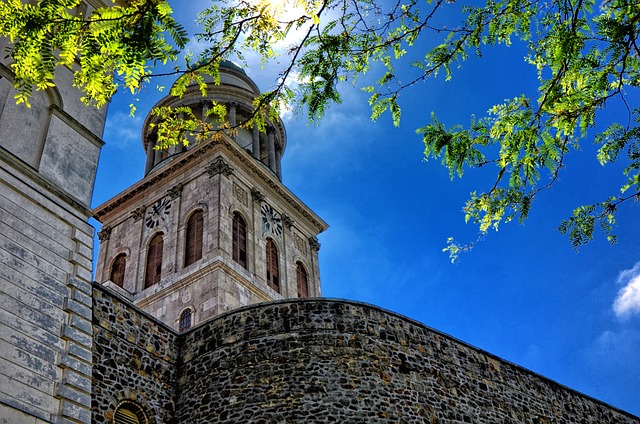
Pannonhalma Abbey: The Monastery a Pagan Prince Built, Then His Christian Son Endowed Prince Géza founded Pannonhalma in 996, and Géza himself never converted fully to Christianity, he mostly hedged his bets between the old gods and the new one while positioning his realm for what came next. It was his son, later canonized as King Stephen I, who granted the monastery its royal charter and lasting...
read more
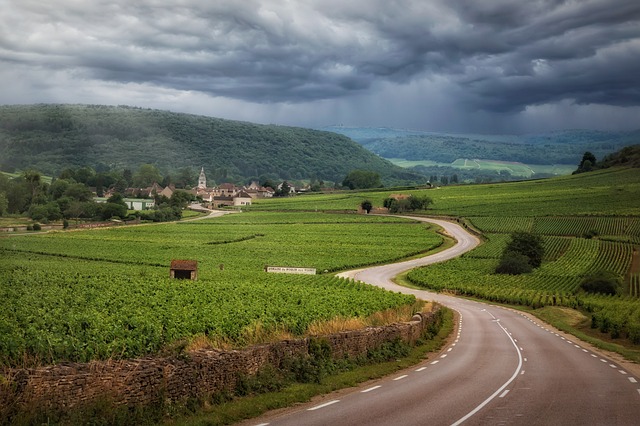
The Climats Terroirs of Burgundy
UNESCO Listed 1,247 Individual Vineyard Plots, Not a Region Burgundy didn’t get a UNESCO listing for being pretty, which is the mistake most travel guides make when they describe this as a scenic wine region like any other. What went on the World Heritage List on July 4, 2015, was the climat system itself: 1,247 individually named, legally defined vineyard parcels running along a single...
read more
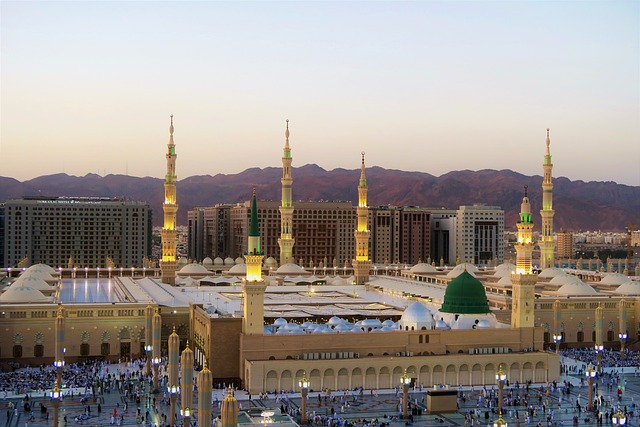
Medina of Tunis
Guide to Medina of Tunis: A Tourist’s Delight Overview Walk from the Zitouna Mosque outward in any direction and you are literally reading a map of medieval commerce. Perfume sellers and booksellers cluster nearest the mosque, since those trades were considered the most refined and closest to the sacred, while tanners and blacksmiths were pushed to the outer edges where the noise and smell...
read more
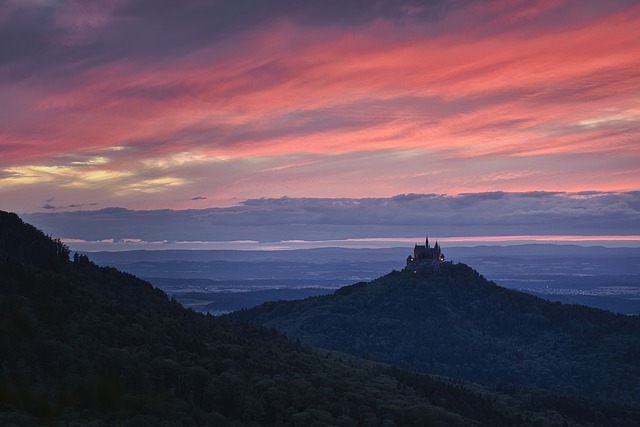
Diyarbak R Fortress and Hevsel Gardens Cultural Landscape
Diyarbakır Fortress and Hevsel Gardens Cultural Landscape Nearly six kilometers of black basalt wall wrap the old city of Diyarbakır, second in length among the world’s ancient city walls after the Great Wall of China, built from volcanic rock so dark the whole circuit looks scorched even in bright sun. That’s the fortress half of the listing. The other half, the Hevsel Gardens, is a...
read more

Shiretoko
Sea ice forms at lower latitudes here than anywhere else in the Northern Hemisphere, and that single quirk of geography is what makes Shiretoko one of the most productive marine ecosystems on the planet rather than just another scenic peninsula. When the Sea of Okhotsk freezes each winter, salt sinks out of the forming ice and drags nutrient-rich deep water up toward the surface. Come spring, that...
read more