Recent Unescoes
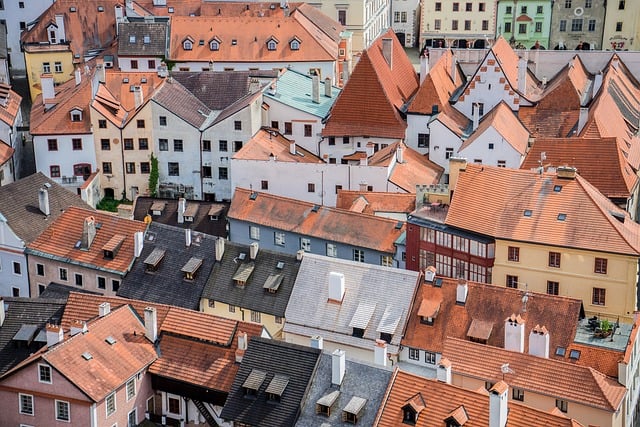
The Historic Centre of Odesa
The Historic Centre of Odesa: A Comprehensive Guide The honest starting point for anyone researching a trip to Odesa in 2026 is that it should not currently be one. UNESCO added the Historic Centre of Odesa to its List of World Heritage in Danger after a Russian missile strike on July 23, 2023, hit the Transfiguration Cathedral directly, destroying its central altar and damaging around fifty...
read more
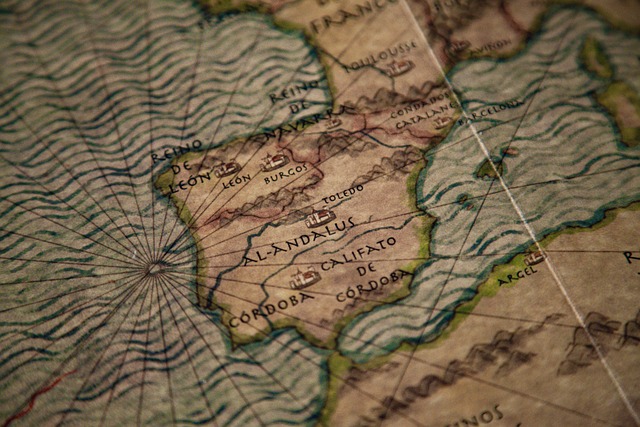
Rock Art of the Mediterranean Basin on the Iberian Peninsula
Rock Art of the Mediterranean Basin on the Iberian Peninsula: A Comprehensive Guide People here often confuse this UNESCO site with Altamira, and that mix-up costs travelers a wasted day driving toward the wrong coast of Spain. This listing has nothing to do with the famous painted bison of Cantabria in the north. It covers roughly 758 open-air rock shelters strung along more than 1,000 kilometers...
read more
Landmarks of the Ancient Kingdom of Saba Marib
A verse in the Quran describes a flood called Sayl al-Arim, sent as punishment against a prosperous, ungrateful people, and it is generally understood to refer to the actual, historical failure of the Marib Dam sometime in the 6th century AD. That collapse ended a millennium of irrigated agriculture across a hundred square kilometers of desert and scattered the population that had built the...
read more
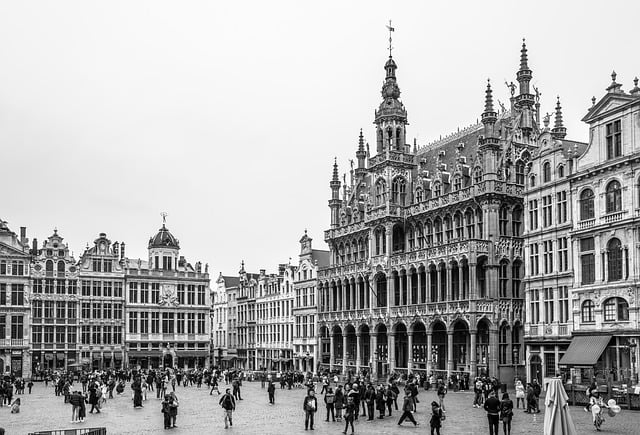
Rabat Modern Capital and Historic City a Shared Heritage
A French Colonial Master Plan Sitting Directly on Top of an Almohad Capital That Never Got Finished The Hassan Tower has been unfinished for over 800 years, and that failure is exactly what UNESCO decided to protect. What’s inscribed here isn’t a single monument, it’s the layering: a 12th-century caliphate’s abandoned ambitions sitting a few hundred meters from a 1930s...
read more

Malpelo Fauna and Flora Sanctuary
Malpelo Fauna and Flora Sanctuary: The Colombian Shark Capital You Cannot Reach by Plane Malpelo Island does not have a landing strip, a dock, a hotel, or a restaurant. There is no way to visit it except by liveaboard dive vessel, and you cannot go ashore. The Colombian Navy maintains a small permanent garrison on the island; beyond that, the place is uninhabited. The 857,000-hectare protected...
read more

Mining Area of the Great Copper Mountain in Falun
Every red cottage you’ve ever seen in a photo of Sweden owes its color to a hole in the ground in Dalarna, and that hole is deep enough to swallow a fair chunk of a city block. The Falun mine ran for roughly a thousand years, from the 10th century until it finally closed in 1992, and at its peak in the 17th century it supplied about two-thirds of Europe’s copper, which is a big part of...
read more
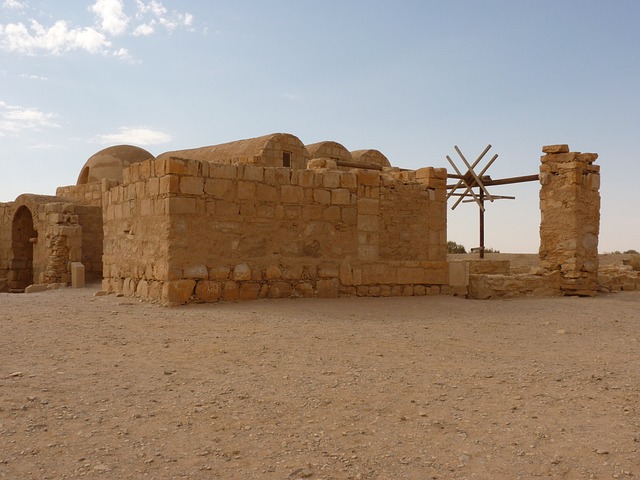
Quseir Amra
Guide to Quseir Amra: Ancient Wonder and Tourist Delight A dome the size of a small room contains one of the oldest surviving maps of the night sky ever painted, and almost nobody visiting Jordan bothers to see it because it sits an hour past Amman in flat scrubland that looks like nothing from the parking lot. That is the whole appeal of Quseir Amra: a modest sandstone building with an interior...
read more
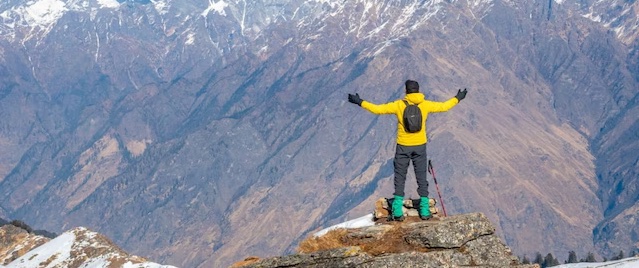
Fanjingshan
Fanjingshan Two Temples on a Needle of Rock At 2,570 metres above sea level, the summit of Fanjingshan splits into two narrow stone pinnacles connected by a stone bridge. On one pinnacle stands the Sakyamuni Temple; on the other, a temple dedicated to the Maitreya Buddha. The drop on either side is essentially vertical. The structures were built during the Ming Dynasty and have survived...
read more
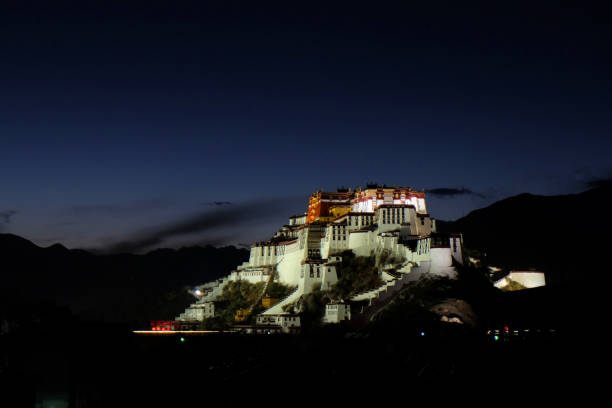
Historic Ensemble of the Potala Palace Lhasa
Historic Ensemble of the Potala Palace, Lhasa You get exactly one hour inside the Potala Palace once your ticket clock starts, and checkpoints inside track your entry and exit times to enforce it. Overstay and your guide gets fined, sometimes suspended. That single rule shapes the entire visit more than any single room does, so plan around it rather than being surprised by it.
What This Site...
read more
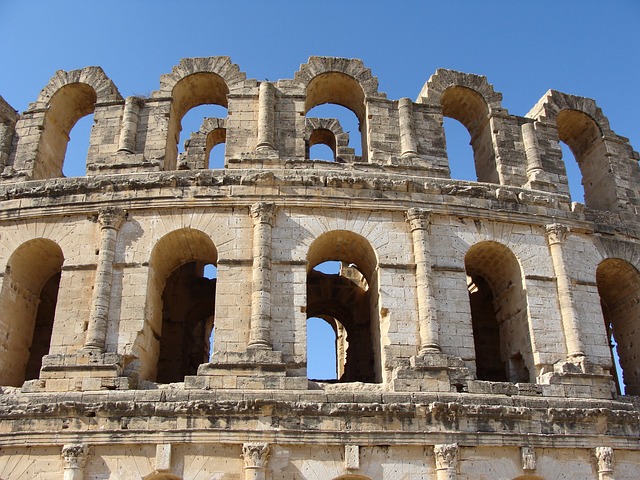
Amphitheatre of El Jem
Guide to the Amphitheater of El Jem: A Must-Visit for Tourists Rome’s Colosseum pulls roughly six million visitors a year and requires timed-entry tickets booked weeks out. El Jem, an amphitheatre nearly the same size and arguably better preserved in places, sees a fraction of that traffic, and on a weekday morning outside festival season you can genuinely have entire tiers of stone seating...
read more
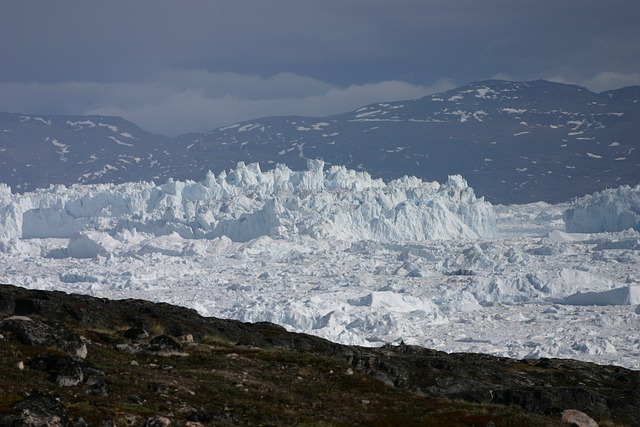
Ilulissat Icefjord
Ilulissat Icefjord: A Comprehensive Guide for Tourists Overview Some of the icebergs drifting past Ilulissat are taller than most buildings in the town beneath them, and every single one used to be part of the Greenland ice sheet a few years, sometimes decades, ago. Ilulissat Icefjord earned UNESCO World Heritage status in 2004 for a straightforward reason: it’s one of only two places on the...
read more

Gonbad E Q Bus
Gonbad-e Qābus A body that was never found Excavations at the base of this tower have never turned up a body, a coffin, or even a burial chamber, despite the structure having been built explicitly as a tomb. Legend, recorded by an Arabic historian named al-Jannabi, claims the Ziyarid ruler Qabus ibn Wushmgir was sealed inside a glass or crystal coffin and suspended by chains from the ceiling of...
read more
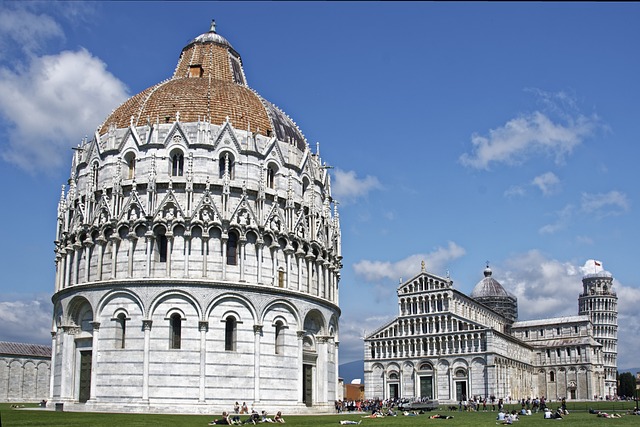
Piazza Del Duomo Pisa
A Comprehensive Guide to Piazza del Duomo, Pisa For three days in 1944, the roof of Pisa’s cemetery burned after an Allied bomb hit it, and the frescoes inside took until 2018 to finish coming back. That’s a stranger, harder story than the one everyone actually shows up for, the tower tilting at a photogenic angle so tourists can mime holding it up, and it’s worth knowing before...
read more
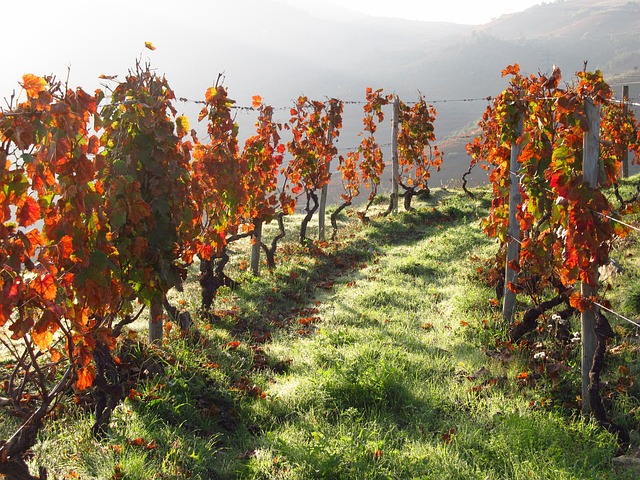
Alto Douro Wine Region
Alto Douro Wine Region In 1756, the Marquis of Pombal sent survey teams into the hills east of Porto to drive 335 granite pillars into the schist slopes of the Douro Valley. The pillars marked the boundaries of the world’s first officially regulated wine region, an act of commercial policy dressed up as quality control. Pombal’s actual motivation was to establish a state monopoly on...
read more
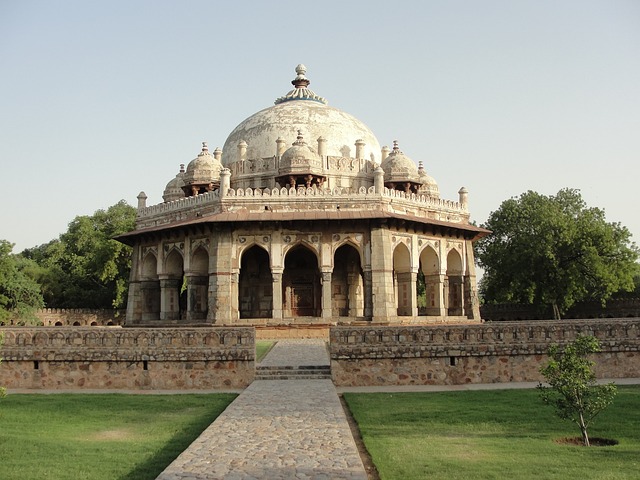
Humayuns Tomb Delhi
Humayun’s Tomb, Delhi A grieving widow spent the equivalent of a small fortune, 1.5 million rupees at 16th-century values, to build her husband a tomb so influential that it effectively invented a template used a century later for the Taj Mahal. Empress Bega Begum commissioned the mausoleum for her husband Humayun, the second Mughal emperor, hiring the Persian architect Mirak Mirza Ghiyas...
read more
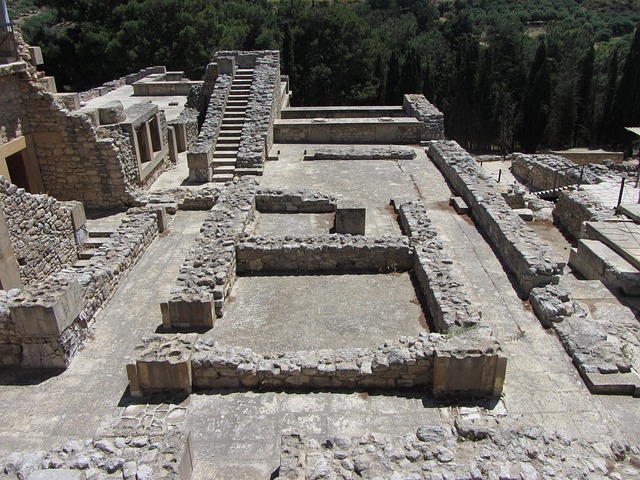
Ban Chiang Archaeological Site
Ban Chiang Archaeological Site: A Comprehensive Guide for Tourists The Site That Upended a Theory For most of the 20th century, Southeast Asia was understood as a technological backwater: a region that received bronze metallurgy from China, agricultural practices from India, and advanced urban forms from Khmer adaptations of Indian models. Ban Chiang, a village in Udon Thani Province in...
read more
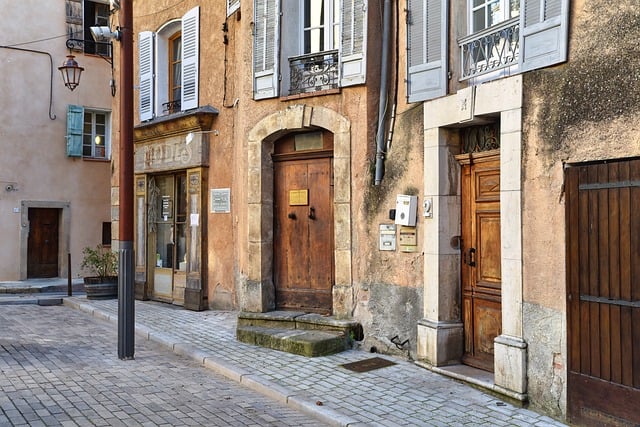
Old Town of Galle and Its Fortifications
Old Town of Galle: Where the Courts Are Moving Out to Make Room for Tourists There’s a courthouse inside Galle Fort that won’t be there much longer. Sri Lanka’s Urban Development Authority has been pushing a regeneration plan that relocates the High Court and Magistrate’s Court out of the ramparts entirely, freeing up prime real estate for a tourism-focused redevelopment...
read more
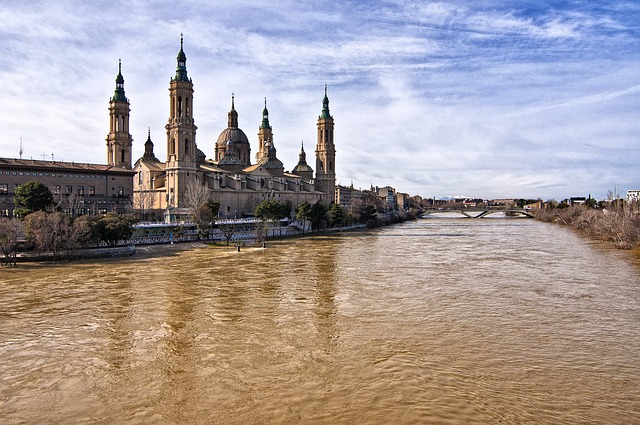
Mudejar Architecture of Aragon
Nobody expelled anybody in a hurry here, and the buildings prove it. After Christian forces retook Aragon from Muslim rule, the Muslim craftsmen who stayed on kept building, for churches this time instead of mosques, and the result is a style found almost nowhere else at this scale: Islamic brick and tile techniques applied to explicitly Christian bell towers, cathedrals, and parish churches,...
read more
Thimlich Ohinga Archaeological Site
Thimlich Ohinga Archaeological Site: A Comprehensive Guide for Tourists The name itself is a warning. “Thimlich Ohinga” translates from Dholuo, the Luo language, as roughly “a frightening dense forest fortress,” and standing in front of walls that reach 4.5 meters without a single drop of mortar holding them together, you understand exactly why. These are dry-stone walls,...
read more
Archaeological Site of Atapuerca
You cannot walk up to Atapuerca and look around. That single fact trips up more visitors than anything else about this site: every excavation area sits inside an active research zone, access is by shuttle bus only, and you need a reservation made days in advance through the official booking line before you’re allowed anywhere near the trench. Once you understand that constraint, the visit...
read more

Silk Roads Zarafshan Karakum Corridor
Samarkand’s Registan Square has three madrassahs of different dynasties facing each other across a single courtyard, none of which were ever functionally related in the way the arrangement now implies. The current composition was largely assembled by Soviet-era restoration rather than medieval planning. This gap between what a place looks like and what it was is fundamental to experiencing...
read more
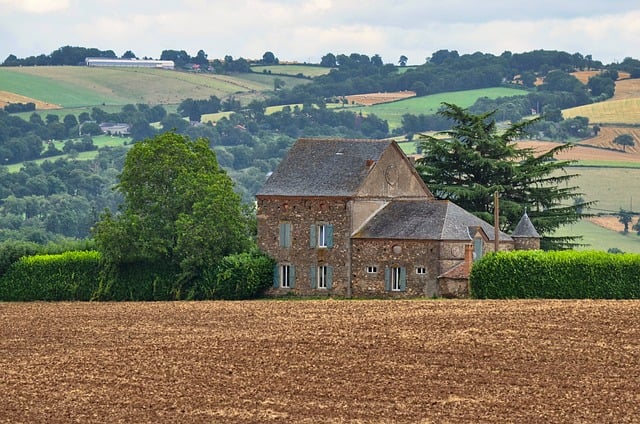
Bassari Country Bassari Fula and Bedik Cultural Landscapes
Bassari Country: A Comprehensive Guide to the Bassari, Fula, and Bedik Cultural Landscapes Ask a guide in Kédougou for the exact date of a Bassari boys’ initiation ceremony and you will get a shrug, because the village elders themselves do not fix it more than two weeks ahead. That uncertainty is the honest starting point for planning any trip here: this is not a landscape of scheduled...
read more

Buddhist Ruins of Takht I Bahi and Neighbouring City Remains at Sahr I Bahlol
The single biggest reason Takht-i-Bahi survives at all is elevation. The monastery sits roughly 150 meters up on a hilltop crest, tucked well above the surrounding plain, and that inconvenient height is exactly what let it dodge the waves of invasion that flattened comparable Buddhist sites at lower, more accessible elevations across the region over the following centuries. Monks picked an...
read more
Central Sikhote Alin
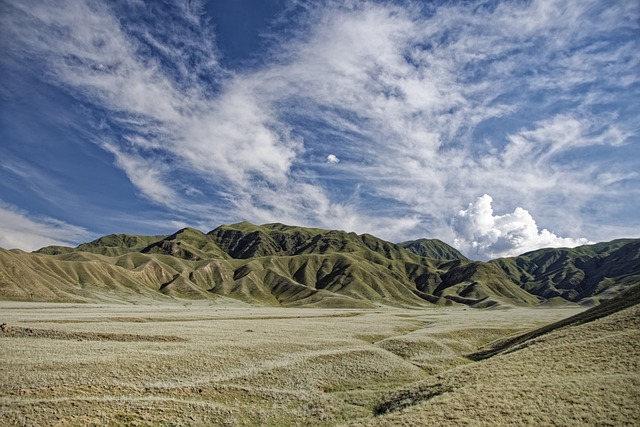
Central Sikhote-Alin: A Comprehensive Guide for Tourists You cannot simply walk into this reserve Nearly every write-up of Central Sikhote-Alin glosses over the single most important practical fact: the 401,428-hectare strictly protected zapovednik at the heart of this UNESCO site is not open to unaccompanied visitors. The core zone can only be entered with a park ranger, no hunting or fishing is...
read more
Taxila
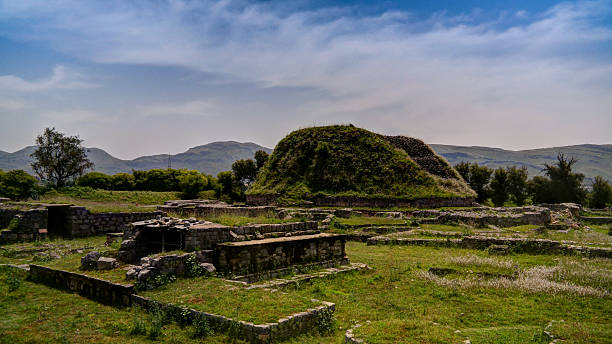
Four Ruined Cities Stacked in One Valley, and a Fake Sundial Story That Won’t Die Taxila is not one archaeological site wearing a UNESCO plaque. It is four separate ancient cities scattered across a single valley an hour from Islamabad, each built centuries after the last one was abandoned, which is exactly why UNESCO listed the whole cluster in 1980 as a record of urban evolution on the...
read more
Baalbek
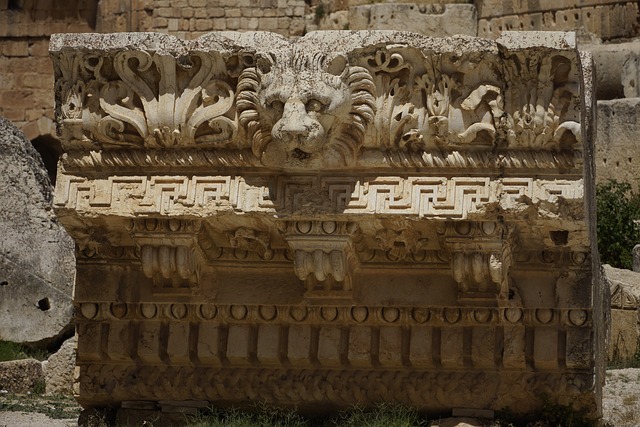
Baalbek Three stones in the Temple of Jupiter’s podium wall each weigh around 800 tonnes, are fitted so precisely that a knife blade won’t slide into the seam between them, and were quarried slightly uphill from where they now sit, meaning Roman engineers moved three-quarters-of-a-million-kilogram blocks downhill into position roughly two thousand years before hydraulic cranes existed....
read more

Lord Howe Island Group
Lord Howe Island Group: A Comprehensive Guide for Tourists Only 400 tourist beds exist on Lord Howe Island at any given time, a cap that has held for more than four decades and is the real reason this place still feels the way it does. There is no queue of tour buses, no strip of resorts competing for beachfront, because the island’s own government will not allow the numbers that would make...
read more
Angkor
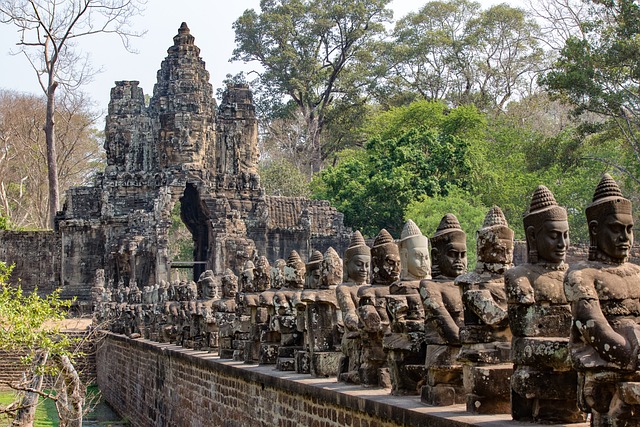
A Guide to Angkor What You Are Dealing With On a single equinox morning in March 2026, more than 30,000 people gathered at Angkor Wat’s reflecting pools to watch the sun rise. On an ordinary peak-season day, 3,000 to 5,000 people arrive before dawn for what is, in practice, a coordinated crowd event with temple architecture as backdrop. This does not diminish Angkor. It does mean that any...
read more
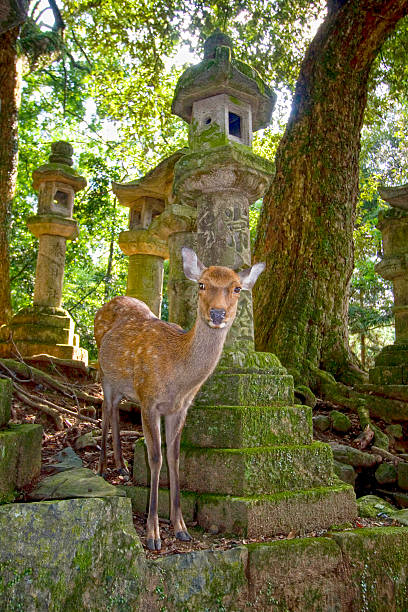
Historic Monuments Of Ancient Nara
Historic Monuments of Ancient Nara Hundreds of visitors are bitten, kicked, or head-butted by deer in Nara Park every single year, and the animals doing it are the same ones performing the famous polite bow that fills everyone’s photo feed. That contradiction is a decent entry point into Nara, a city where sacred and slightly dangerous coexist in the same patch of grass, and where a...
read more
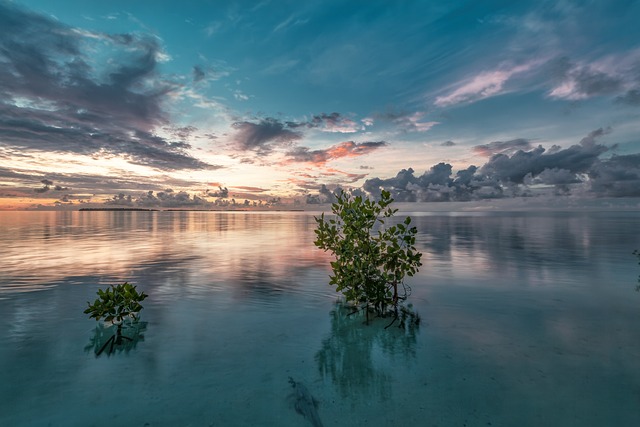
Aldabra Atoll
Aldabra Atoll: A Comprehensive Guide for Tourists In 1967, the British government abandoned plans to build a joint RAF and US military airbase on Aldabra, and the only reason is that a handful of scientists made enough noise to stop it. That standoff became known as the Aldabra Affair: Julian Huxley and researchers from the Royal Society and Natural History Museum spent two years surveying the...
read more
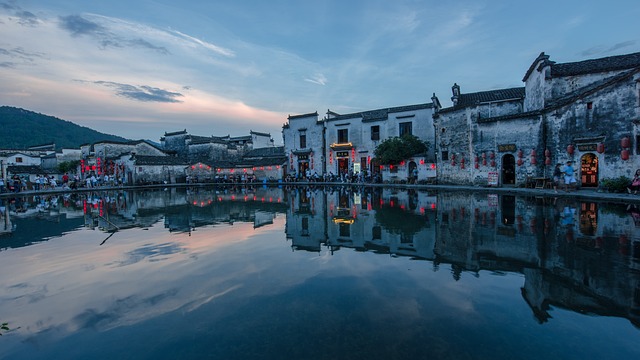
Ancient Villages in Southern Anhui Xidi and Hongcun
Ancient Villages in Southern Anhui: Xidi and Hongcun Seen from above, Hongcun isn’t shaped like a prawn, despite what half the guidebooks claim. It’s an ox. A Ming-dynasty feng shui master named He Keda spent years studying the local topography before laying out a design where a nearby hill forms the ox’s head, old trees stand in for its horns, the houses form its body, the...
read more
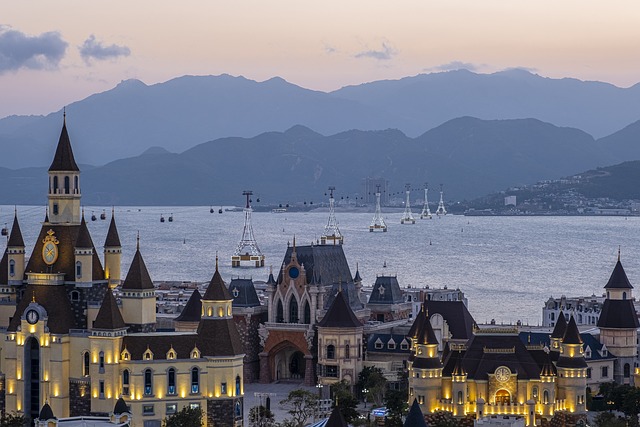
Trang an Landscape Complex
A film crew spent nine days in early 2017 building a rattan-tent tribal village inside Trang An for Kong: Skull Island, and for two years afterward you could walk through it for free. The set is gone now, dismantled in 2019 as part of the site’s heritage conservation obligations, but the water-locked amphitheater of limestone cliffs where the helicopters first touch down in the film is...
read more
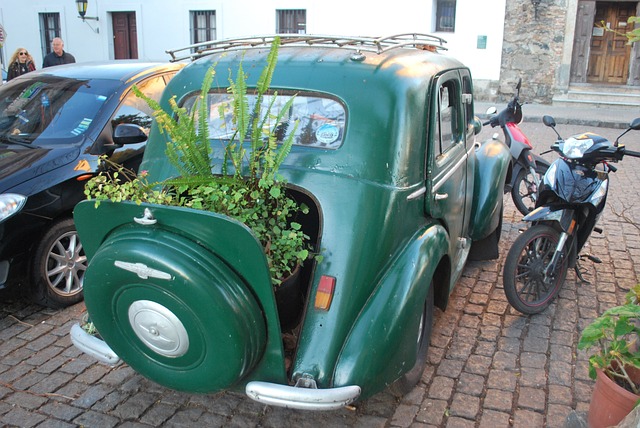
Historic Quarter Of The City Of Colonia Del Sacramento
Historic Quarter of the City of Colonia del Sacramento Colonia del Sacramento changed hands between Portugal and Spain roughly ten times before Spain finally kept it for good. That number alone explains why the historic quarter looks the way it does: it’s not one colonial style layered neatly onto a blank site, it’s two competing colonial powers each rebuilding, patching, and...
read more

Taputapu Tea
Draw a triangle across the Pacific connecting New Zealand, Hawaii, and Rapa Nui, and the geographic center of that vast triangle lands almost exactly on a stone courtyard on the eastern coast of Raiatea, in French Polynesia’s Society Islands. That courtyard is Taputapuatea, and for centuries it functioned as something closer to a Pacific-wide university and diplomatic capital than a single...
read more
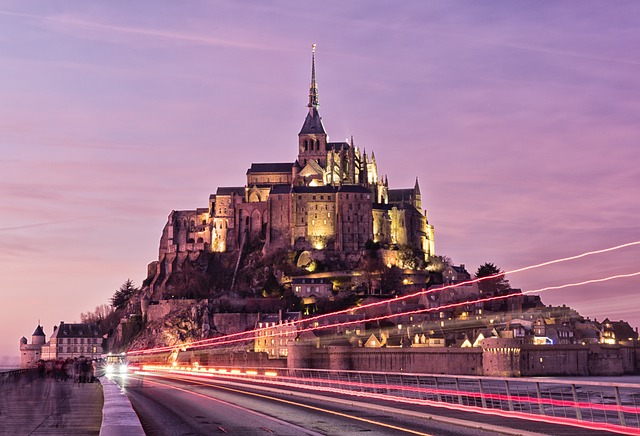
Mont Saint Michel and Its Bay
Mont-Saint-Michel and Its Bay Three million people visit Mont-Saint-Michel every year, making it the second most visited site in France after the Eiffel Tower. By mid-morning on any summer day, the single main street is moving-crowd dense, the restaurants are queued, and the abbey entrance has a wait. The case for going anyway is overwhelming, but the case for going differently from most people is...
read more
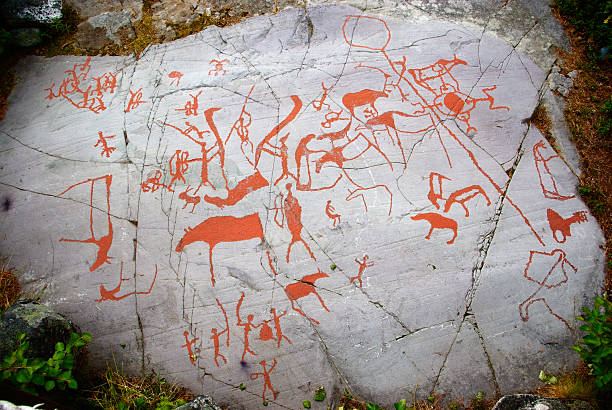
Rock Art of Alta
Six Thousand Years of Reindeer Hunts Carved Into a Norwegian Fjord Shoreline A boat glides across bare rock above the Alta Fjord, paddled by a figure pecked into stone roughly 5,000 years ago, and it’s still there, exposed to Arctic weather, because the ancient artists worked in a spot the sea itself has been slowly abandoning for millennia. That’s the trick behind the Rock Art of...
read more
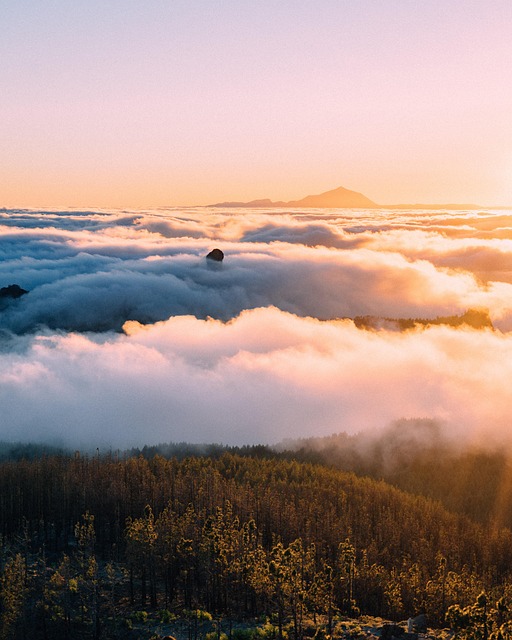
Wet Tropics Of Queensland
Guide to the Wet Tropics of Queensland: A Paradise for Nature Lovers A cassowary can disembowel a person with a single kick from claws shaped like small daggers, and it lives in the same rainforest strip where a Skyrail gondola glides tourists over the canopy for a coffee-table view of the exact same danger below. That contrast, ancient and lethal on one side, glass-and-cable convenience on the...
read more

San Agust N Archaeological Park
The World’s Largest Necropolis Is a Cluster of Colombian Hilltops, and Nobody Knows Who Built It Roughly 600 volcanic stone statues sit scattered across burial mounds in the southern Colombian Andes, carved by a culture that left no written record, no name we can confirm, and no clear explanation for why they abandoned the site sometime before the Spanish arrived. That mystery, not just the...
read more
Krzemionki Prehistoric Striped Flint Mining Region
Four thousand shafts, some sunk nearly nine meters into Jurassic limestone with nothing but antler picks and stone hammers, sit under a patch of forest in central Poland that most travelers to Krakow or Warsaw have never heard of. The people who dug them around 3900 BC weren’t hunting for anything precious in the usual sense. They were after a specific banded flint that made better axes than...
read more
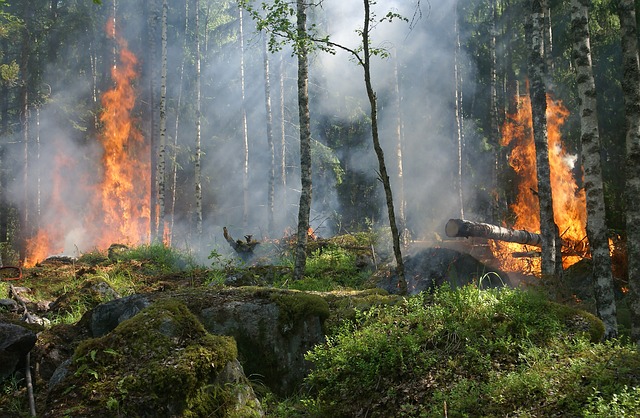
Sinharaja Forest Reserve
Sinharaja Forest Reserve: A Comprehensive Guide for Tourists Between 1972 and 1977, a Canadian-managed logging operation stripped nearly 60 percent of the canopy from 1,400 hectares of Sinharaja’s western section to supply plywood. Public pressure led by the Wildlife and Nature Protection Society eventually forced a new government to ban the logging outright in 1977, and the forest was...
read more

L Anse Aux Meadows National Historic Site
L’Anse aux Meadows National Historic Site: A Comprehensive Guide for Tourists A solar storm in the year 993 AD left a radiation spike buried in tree rings worldwide, and in 2021 a team of Dutch researchers used that exact marker to count forward and pin down when Norse settlers at this site felled the wood used to build their camp: AD 1021. That’s not an estimate rounded to a...
read more
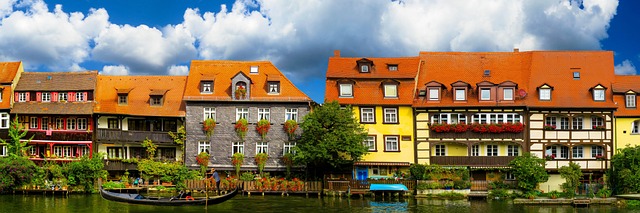
Town of Bamberg
A medieval bishop once tried to make this town a second Rome, and while that plan never quite worked out, Bamberg ended up with something arguably more useful: seven hills, three surviving breweries still smoking their own malt over open fire, and a town hall built directly on top of a river because the townspeople and the bishop couldn’t agree on whose land it should sit on.
Why it’s...
read more
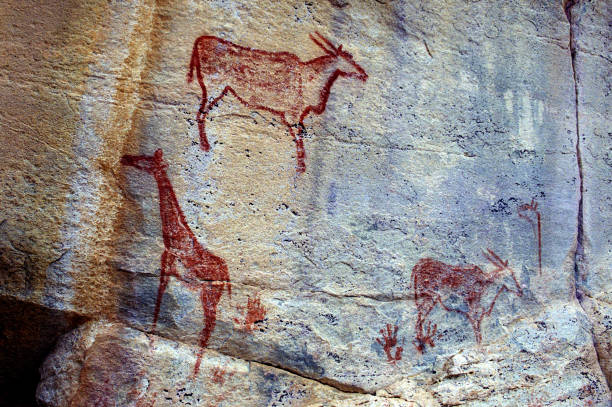
Tsodilo
Tsodilo: A Hidden Gem of Botswana - Your Comprehensive Guide for Tourists Somewhere in the roughly 4,500 rock paintings scattered across these four sandstone hills, someone painted a whale. And a penguin. In the middle of the Kalahari, hundreds of kilometers from any ocean. Nobody has a fully satisfying explanation for how that image ended up here, though it hints at trade or migration links...
read more
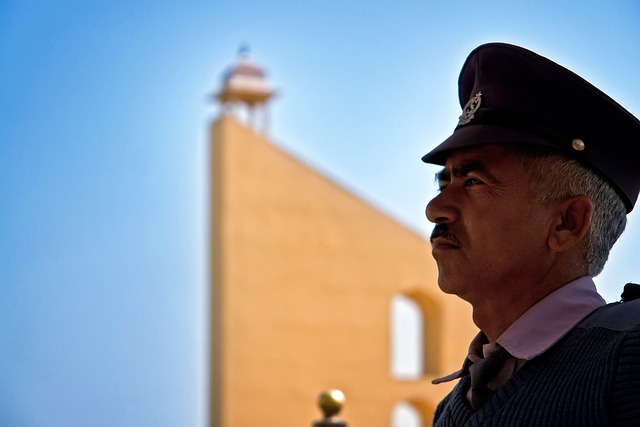
The Jantar Mantar Jaipur
Visit before 10am and the Jantar Mantar is just a collection of oversized stone shapes baking in the sun. Visit around midday and the same structures suddenly work, throwing sharp shadows that a trained guide can read to the minute. Timing is the single biggest variable in whether this observatory means anything to you, and it’s the detail most itineraries get backwards by scheduling it as...
read more
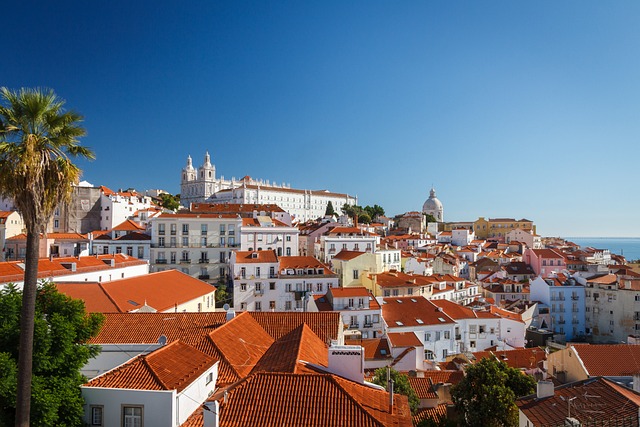
Monastery of the Hieronymites and Tower of Bel M in Lisbon
A rundown chapel where sailors spent their last night praying before sailing into the unknown is not the kind of origin story most monasteries can claim, but it is exactly how this one started. Vasco da Gama and his crew kept vigil at a small hermitage on this spot in 1497 before departing on the voyage that opened the sea route to India. When he returned alive and enormously enriched, King Manuel...
read more
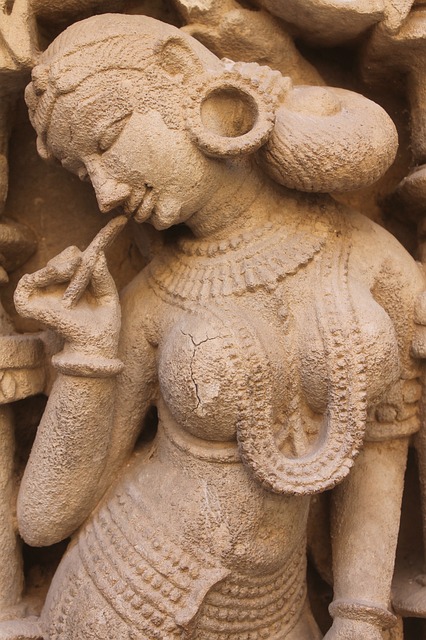
Rani Ki Vav the Queen S Stepwell at Patan Gujarat
The Stepwell Built as an Upside-Down Temple, and Buried for 700 Years to Prove It A widowed queen in 11th-century Gujarat commissioned a well that doesn’t look like a well at all: seven descending terraces lined with more than 500 major sculpted panels and over a thousand minor carvings, engineered so that walking down toward the water is, structurally and symbolically, walking into an...
read more
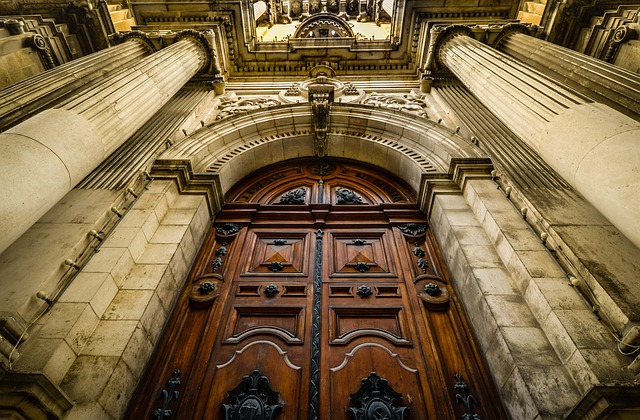
City of Valletta
A misfired Ottoman cannon in June 1565 did more to shape Valletta than any architect ever did. During the siege of Fort St Elmo, the fort standing on the tip of the peninsula where the modern city now sits, a shot struck the parapet and sent debris flying that killed the gunner beside him and mortally wounded Dragut, the Ottoman corsair-admiral widely considered the most capable commander...
read more
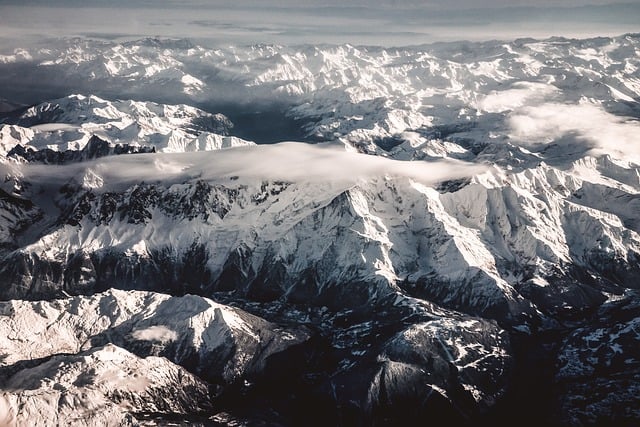
Swiss Alps Jungfrau Aletsch
Europe’s Biggest Glacier Is Shrinking Fast, and Most Visitors Never See It Properly Everyone who trains up to Jungfraujoch photographs the Aletsch Glacier from a distance, glances at the ice, and heads back down through the Sphinx Observatory gift shop having technically visited a UNESCO site without ever standing where the glacier actually dominates the view. That’s the first thing...
read more
Archaeological Site of Mystras
Archaeological Site of Mystras A handful of Orthodox nuns still live and worship inside the Pantanassa Convent, halfway down the hillside at Mystras, making it the only building in this entire ruined city that has never stopped functioning since the 15th century. Everything else here, the palaces, the towers, the other churches, is a shell. That contrast, one living monastery inside an otherwise...
read more
Rice Terraces of the Philippine Cordilleras
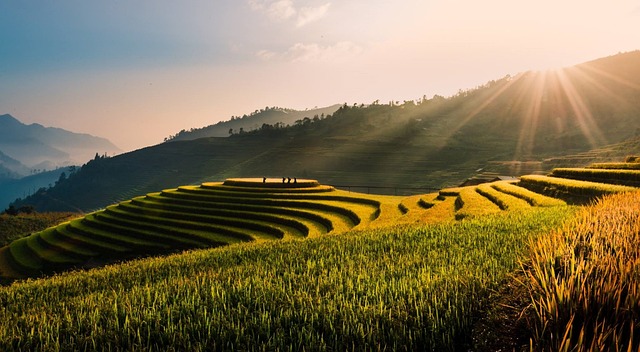
Rice Terraces of the Philippine Cordilleras: A Comprehensive Guide for Tourists Here’s the twist most articles skip past: the Banaue town center you’ve probably seen in photos, the sweeping viewpoint everyone Instagrams, isn’t actually the UNESCO World Heritage Site. It scored too low on integrity, thanks to modern buildings creeping into the valley, and was left off the...
read more