Recent Unescoes
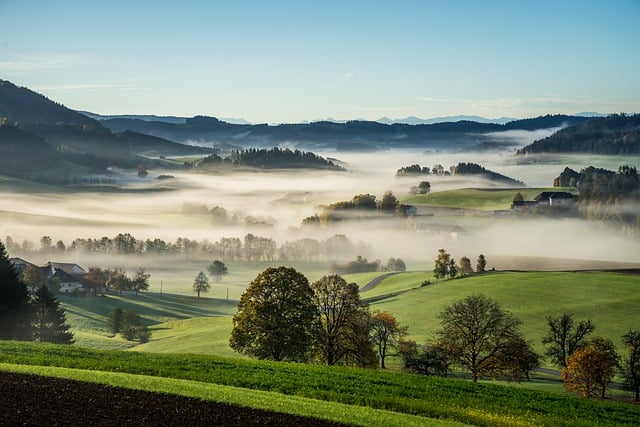
The Gedeo Cultural Landscape
The Gedeo Cultural Landscape Start with the honest disclaimer most guides skip: as of 2026, official travel advisories from the United States, United Kingdom, Canada, and Ireland all flag Gedeo Zone as an area to avoid entirely due to ongoing inter-communal conflict and armed clashes along the Oromia and South Ethiopia regional border. The humanitarian toll has been severe, with hundreds of...
read more
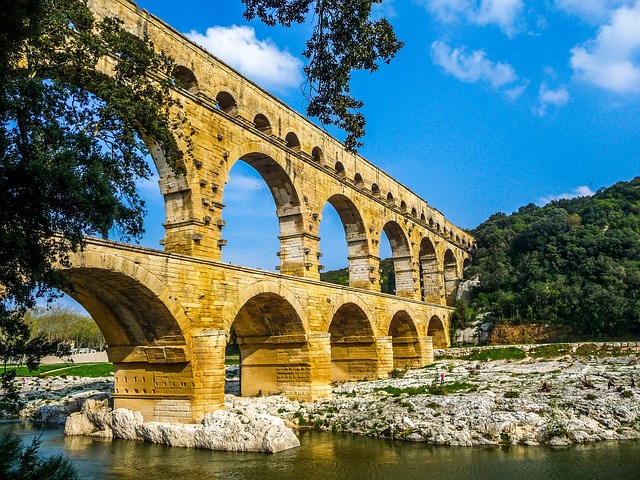
Arles, Roman And Romanesque Monuments
Guide to Arles: Roman and Romanesque Monuments The amphitheatre in Arles still hosts events, which is unusual among Roman-era arenas anywhere in Europe. Built around 90 AD to seat roughly 20,000 spectators for gladiatorial combat, it now stages bullfighting-adjacent Provençal courses camarguaises and concerts, meaning the two-thousand-year-old stone tiers you climb were built for exactly the kind...
read more
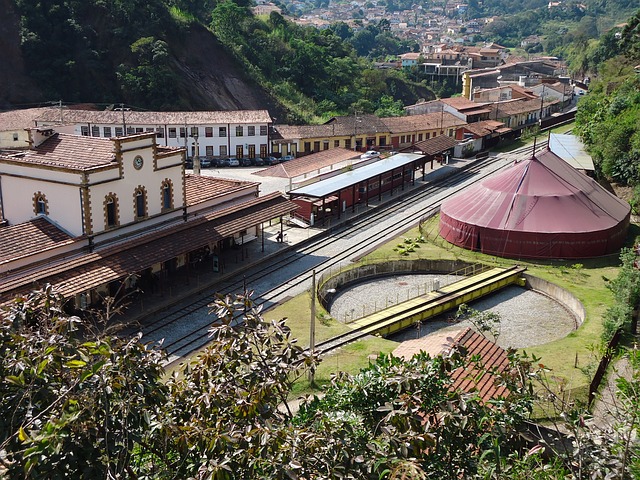
Historic Town of Ouro Preto
A sculptor with a degenerative disease that had eaten away his fingers carved some of the finest soapstone facades in the Americas by having chisels lashed to what remained of his hands. That was Antonio Francisco Lisboa, known to everyone in Brazil as Aleijadinho, “little cripple,” and his work is the reason Ouro Preto’s churches are talked about in art history courses rather...
read more
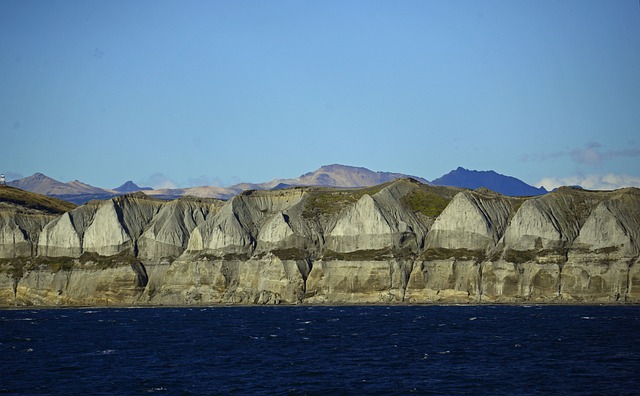
Churches of Moldavia
Churches of Moldavia: Romania’s Painted Monasteries Frescoes That Survived Five Centuries Outside The painted monasteries of northern Romania’s Moldavia region present a logical impossibility: outdoor frescoes, applied to rough stone church walls in the fifteenth and sixteenth centuries, still showing their original colours after more than 500 years of Bucovina winters. The blues are...
read more
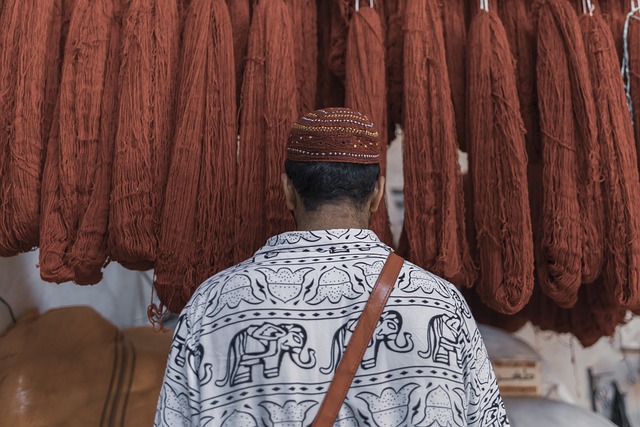
Tabriz Historic Bazaar Complex
Roughly 7000 shops sit under brick vaulting that has been rebuilt, patched, and traded under for the better part of eight centuries, and right now almost none of the travelers reading this guide can walk into it freely. That single fact needs to be stated plainly before anything else: Tabriz is a genuinely extraordinary place, and it currently sits under a US State Department Level 4 “Do Not...
read more
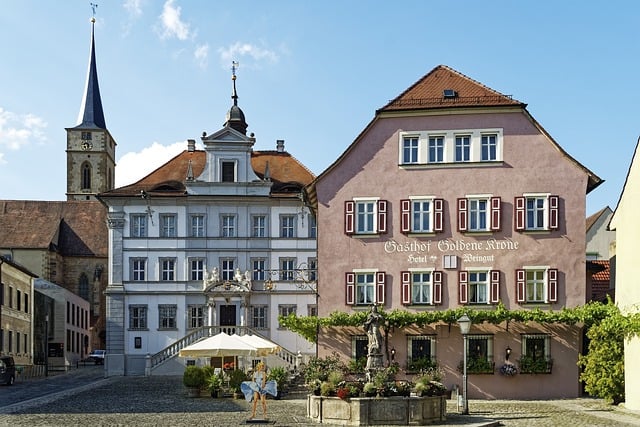
Historical Centre of the City of Yaroslavl
Historical Centre of the City of Yaroslavl Advisory Note for Western Visitors As of mid-2026, the US State Department, UK FCDO, and equivalent agencies in Australia, Canada, and most EU countries maintain “Do Not Travel” or equivalent Level 4 advisories for Russia, citing the ongoing war in Ukraine, drone activity reaching major Russian cities, and documented cases of foreign nationals...
read more
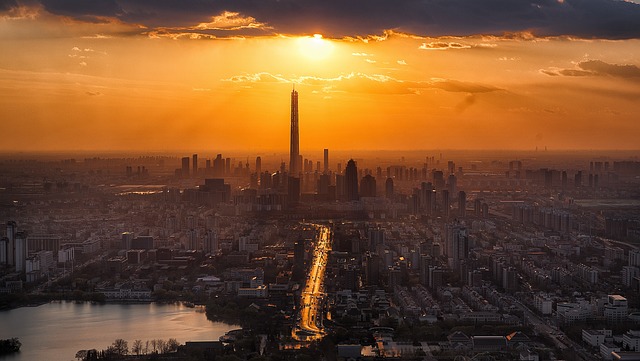
Ciudad Universitaria De Caracas
Ciudad Universitaria De Caracas An Alexander Calder sculpture doubles as acoustic engineering in one of Caracas’s few UNESCO sites, and that detail says more about this campus than any list of buildings could. The suspended forms hanging above the Aula Magna’s stage, usually called Calder’s “clouds,” aren’t decoration. Villanueva and Calder worked out their size...
read more
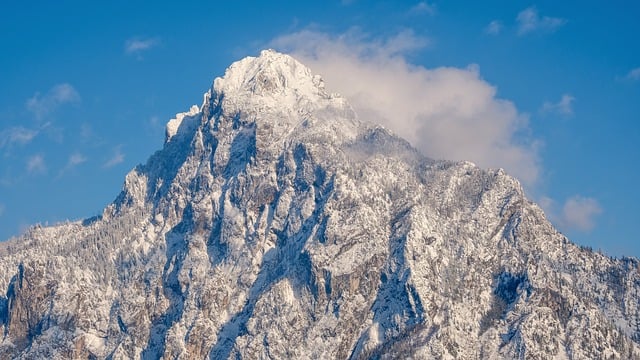
Greater Blue Mountains Area
In September 1994, an off-duty parks officer named David Noble was abseiling into a remote, unnamed gorge inside Wollemi National Park when he noticed a stand of conifers he didn’t recognize. They turned out to be Wollemia nobilis, a species known until that moment only from 90-million-year-old fossils and presumed extinct for roughly two million years. Fewer than 50 adult trees survive in...
read more
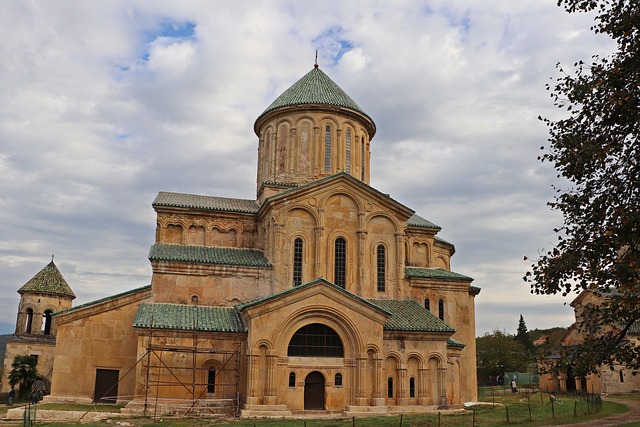
Gelati Monastery
Gelati Monastery: A Comprehensive Guide for Tourists Check before you go: it’s weekends only right now As of 2026, Gelati is only open to the public on Saturdays and Sundays. On weekdays the gate stays locked while restoration work continues, and even on the days it’s open, the main cathedral, the Church of the Virgin, is completely inaccessible. You can still visit the Academy...
read more
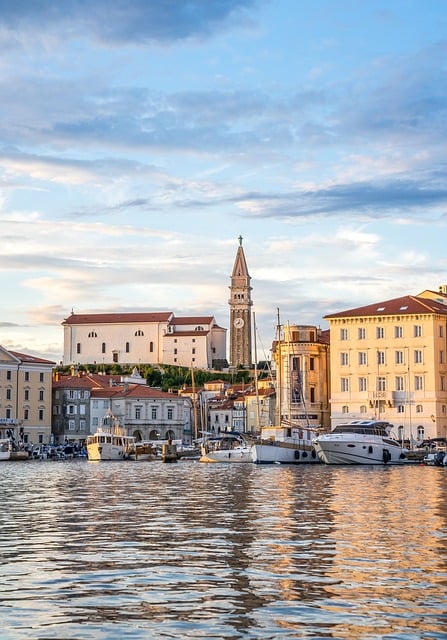
Historic Centre of the Town of Goi S
Once a year, forty hooded men called farricocos run through the streets of a Brazilian gold-rush town at midnight carrying torches, chasing a procession that reenacts Christ’s arrest, a tradition unbroken since 1745. That’s the Procissão do Fogaréu, held the Wednesday before Easter, and it’s the closest thing this quiet town has to a headline event. Most days it’s just...
read more
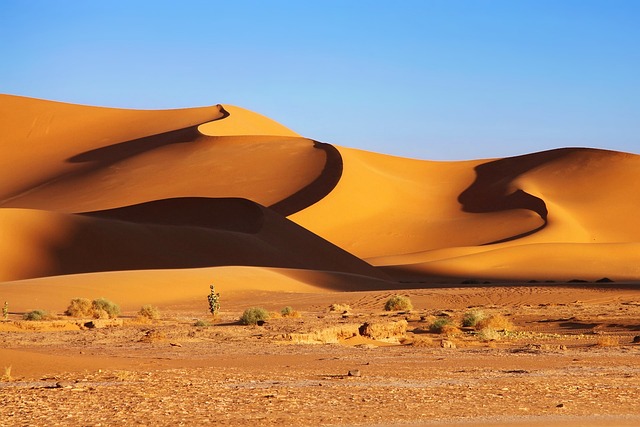
Tassili NAjjer
You cannot simply show up at Tassili n’Ajjer with a rental car and a sense of adventure. There is no independent travel option here at all: Algerian law requires every visitor to enter the park as part of a pre-arranged 4x4 convoy with a licensed guide and government-approved travel agency, full stop. That single fact should shape everything about how you plan this trip, and most casual...
read more
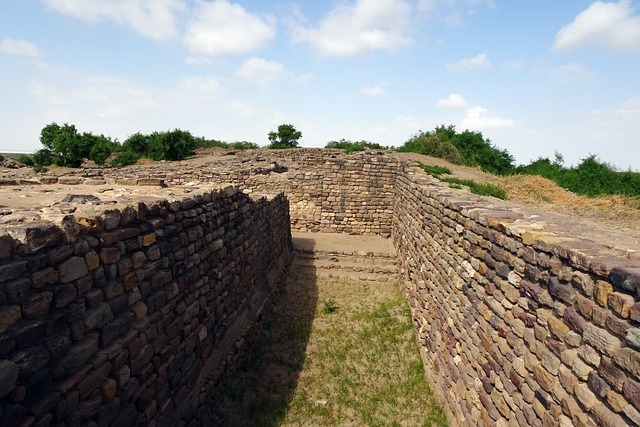
Dholavira a Harappan City
Dholavira: A Harappan City Ten large symbols, carved into gypsum and set into a wooden signboard above the city’s north gate around 4,000 years ago, still sit undeciphered by modern scholars despite decades of study. That signboard, found nowhere else at this scale in the Indus Valley world, is Dholavira’s single most argued-over object, and it tells you more about why this site...
read more
Pasargadae
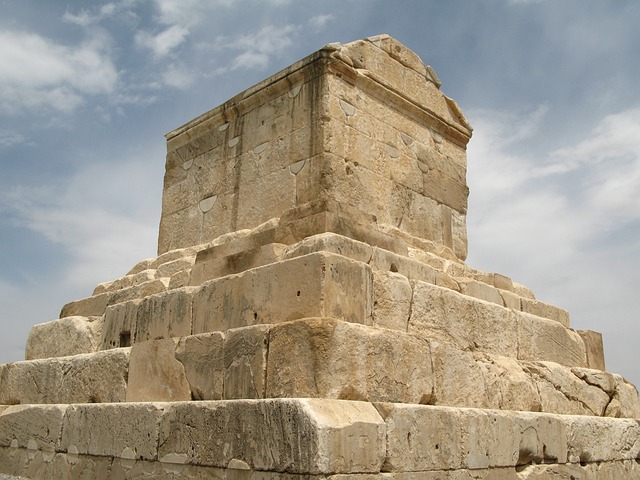
Guideline for Visiting Pasargadae: A Historical Marvel in Iran The tomb of Cyrus the Great has survived roughly 2,500 years of earthquakes in one of the most seismically active regions on the planet, and it’s still standing largely because of engineering that modern base-isolation designers now study directly. The structure sits on a stepped stone platform that flexes independently from the...
read more
Petroglyphs of Lake Onega and the White Sea
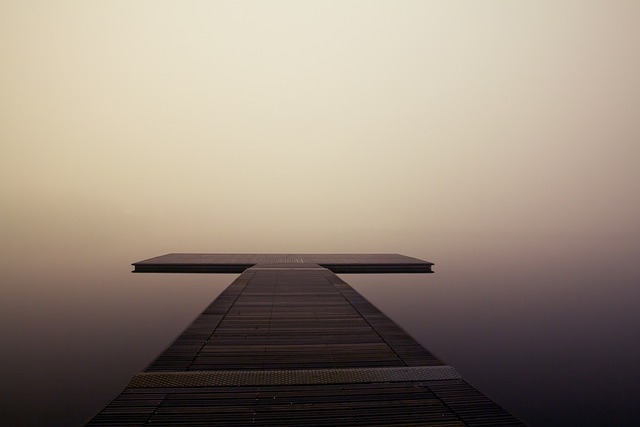
There is no entry ticket, no visitor center, and in most cases no road, for this UNESCO site. Reaching the actual rock art at Cape Besov Nos on Lake Onega means a 17-kilometer trek through forest, swamp, and at least one river crossing, or a boat ride along the Chernaya River from the small village of Karshevo. That inconvenience is precisely why the carvings still exist in recognizable condition...
read more
Djoudj National Bird Sanctuary
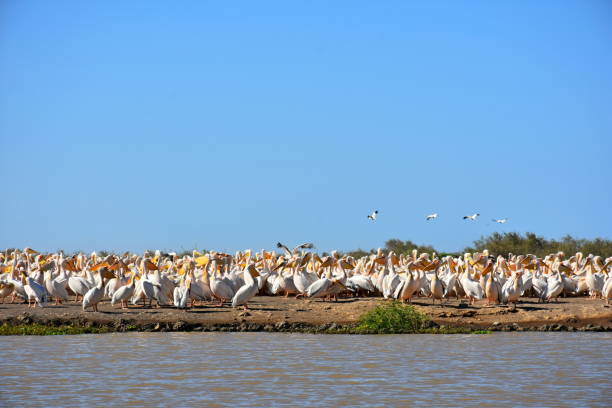
Get in a small boat at dawn on the Senegal River delta and you can watch several thousand Great White Pelicans lift off a sandbar at once, close enough that the wingbeats are audible over the engine. Djoudj sits about 60 kilometers north of Saint-Louis, near the Mauritanian border, not down in Casamance as some guides claim; Casamance is a separate region south of the Gambia, roughly 500...
read more
Okavango Delta
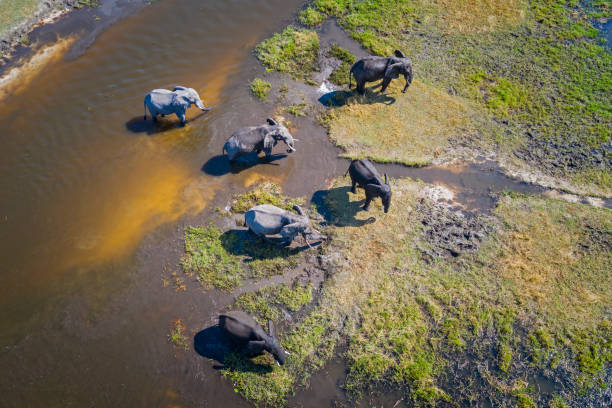
The Okavango Delta: A Guide for Tourists The Okavango Delta floods during the dry season, not the wet one, and that single reversal is the reason the whole ecosystem works the way it does. Rain falls in the Angolan highlands hundreds of kilometers to the north between roughly November and April. That water then takes anywhere from two to six months to crawl down the Okavango River and spread out...
read more
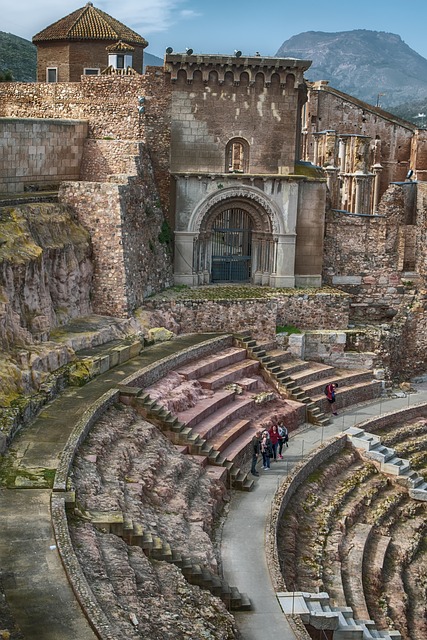
Port Fortresses and Group of Monuments Cartagena
The Fortress Built So Whispers Could Beat an Army Inside Castillo San Felipe de Barajas, the tunnels weren’t just carved for troop movement. Spanish engineers shaped them so that a whisper at one end carried clearly for dozens of meters, letting commanders pass orders silently between chambers, and so that any footstep from an approaching enemy echoed loud enough to be heard well before...
read more
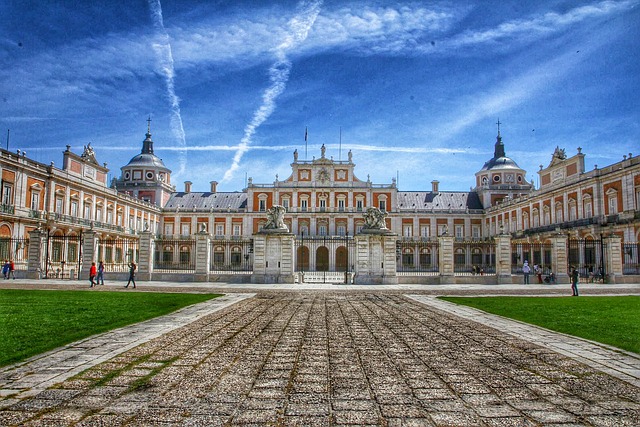
Aranjuez Cultural Landscape
A steam-era train still runs from Madrid to Aranjuez every spring and autumn weekend, and the staff dress in period costume and hand out fresh strawberries on the return leg, a tradition that traces back to the fields the original 1851 railway line ran straight through. That detail alone tells you something most Aranjuez write-ups miss: this UNESCO site is as much about farmland, food, and a...
read more
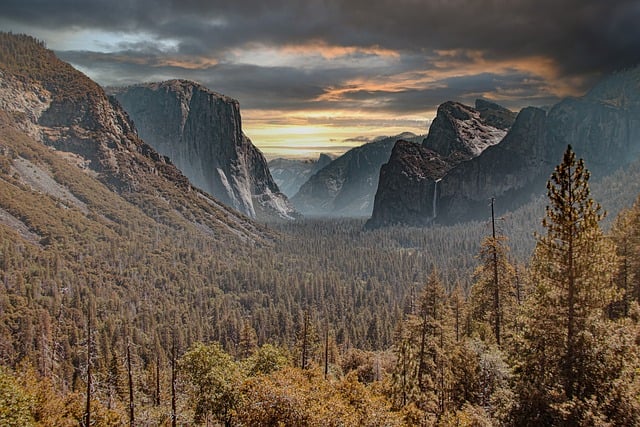
Miguasha National Park
Miguasha National Park: A Geological Marvel in Quebec, Canada Stand on the beach below Miguasha’s cliffs and you’re looking at a wall of rock holding the moment vertebrate life crawled out of the water. This isn’t a metaphor for effect; it’s the literal reason UNESCO listed the park in 1999. The cliffs preserve the Escuminac Formation, a layer of Late Devonian rock roughly...
read more
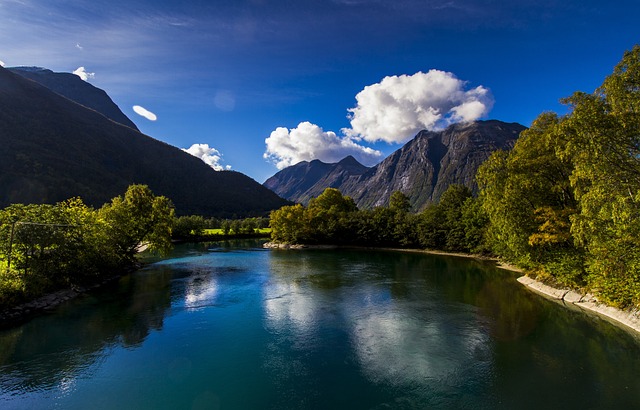
Old Rauma
Old Rauma Six Hundred Buildings and No Nails In 1897, the city of Rauma on Finland’s west coast registered the country’s largest sailing fleet: 57 ships carrying timber and tar to ports across northern Europe. The same community whose men sailed those routes was, back on shore, producing lace. Bobbin lace, worked by women using wooden pins and dozens of thread bobbins on a cushion, had...
read more
Stoclet House
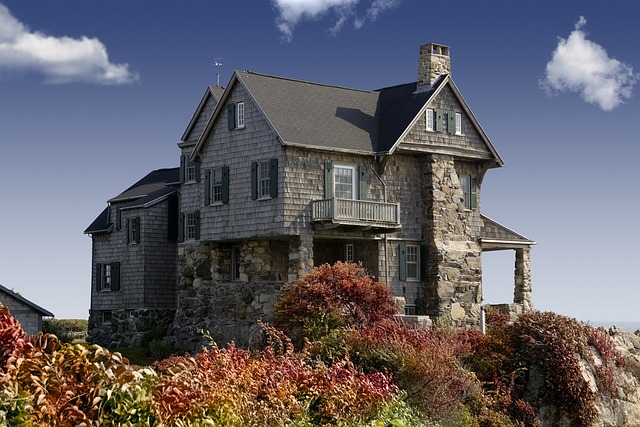
Stoclet House You cannot get inside this building, and that is the first thing anyone should know before making a trip to see it. The Stoclet Palace, sitting behind its own hedges on Avenue de Tervueren in the Woluwe-Saint-Pierre district of Brussels, remains privately owned by the Stoclet family more than a century after it was finished, and despite a 2024 order from the Brussels Parliament...
read more

Fort Jesus Mombasa
A Guide to Fort Jesus, Mombasa A three-year siege is not a phrase you hear about many tourist attractions, but it is the defining event in Fort Jesus’s history. Between March 1696 and December 1698, Omani forces under the Ya’rubid ruler Saif bin Sultan surrounded the fort and starved out its Portuguese garrison. By the final Omani assault, the defenders inside numbered a single...
read more
Historic City Of Toledo
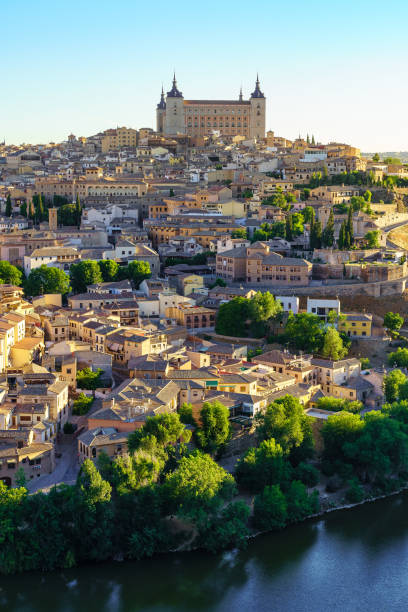
Toledo Cathedral is closing in on its 800th anniversary, not its 600th. Ground was broken in 1226 under Ferdinand III, with the ceremonial cornerstone laid the following year once the king could attend in person, and the building rose over roughly two and a half centuries, with the vaults of the central nave only finished in 1493 under the Catholic Monarchs. That timeline puts the...
read more
Cultural Landscape of the Serra De Tramuntana
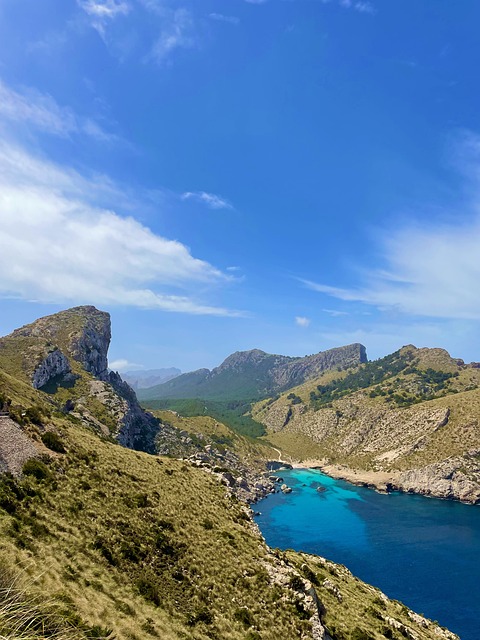
Guide to the Cultural Landscape of the Serra de Tramuntana Under the terraces and olive groves of Mallorca’s northwest coast runs a network of underground water channels, qanats, that Arab engineers dug into the mountainside more than eight hundred years ago and that are still moving water today. That hidden hydraulic system, not the scenery alone, is why UNESCO put this mountain range on...
read more
Historic Site Of Lyon
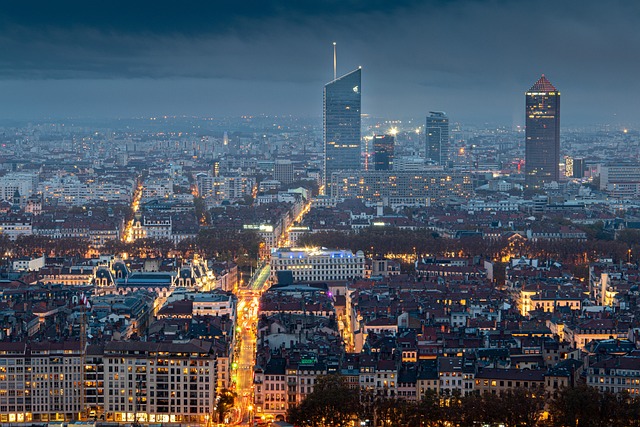
Historic Site of Lyon When food critic Curnonsky declared Lyon the “world capital of gastronomy” in 1935, he was not reaching for a compliment. The city had been feeding people professionally for three centuries at that point, driven by an unlikely economic connection: silk. Lyon’s 60,000 silk workshops in the mid-19th century employed weavers who started work before dawn and...
read more
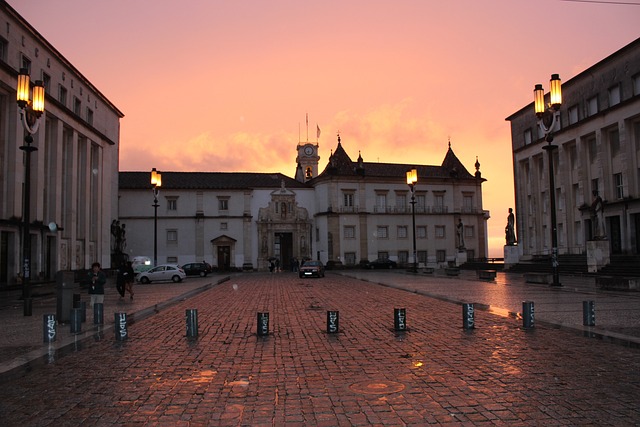
University of Coimbra Alta and Sofia
A colony of bats lives inside the Joanina Library at the University of Coimbra and nobody tries to remove them, because they earn their keep. Every night they fly out from behind the gilded bookshelves and eat the moths and insects that would otherwise chew through 300-year-old bindings, and the library staff simply cover the antique tables with leather sheets each evening to catch the droppings...
read more
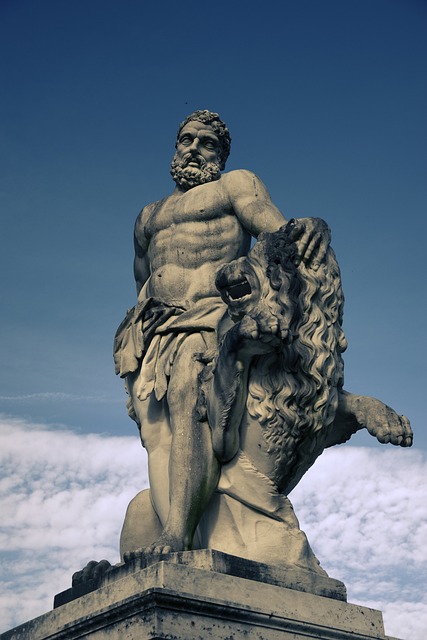
Tower of Hercules
Tower of Hercules: A Comprehensive Guide for Tourists What you’re photographing outside the Tower of Hercules isn’t actually Roman. In 1788, naval engineer Eustaquio Giannini wrapped the crumbling first-century core in 60 centimeters of new granite, added an entire fourth storey, and gave the whole thing a neoclassical facelift that finished in 1791. The Roman masonry is still there,...
read more
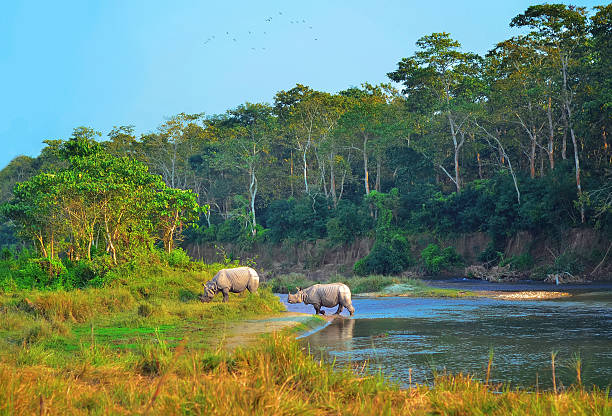
Chitwan National Park
Chitwan National Park For two months every year, Chitwan simply shuts. The park closes entirely during the deepest monsoon stretch of July and August, when the Rapti and Narayani rivers swell over their banks and swallow the low trails, and it typically doesn’t reopen until mid-September, a detail that trips up anyone building a Nepal itinerary around a rigid calendar rather than the...
read more
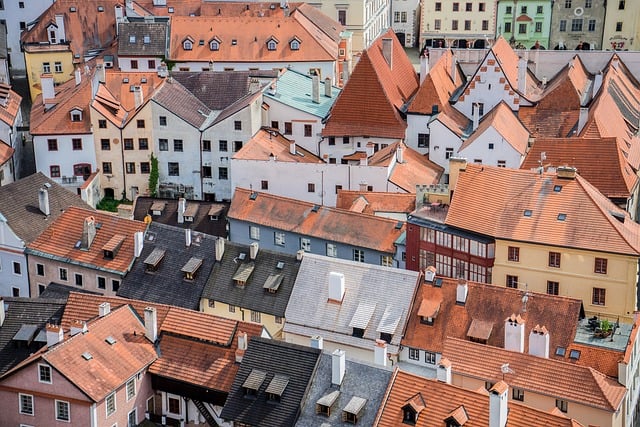
The Historic Centre of Odesa
The Historic Centre of Odesa: A Comprehensive Guide The honest starting point for anyone researching a trip to Odesa in 2026 is that it should not currently be one. UNESCO added the Historic Centre of Odesa to its List of World Heritage in Danger after a Russian missile strike on July 23, 2023, hit the Transfiguration Cathedral directly, destroying its central altar and damaging around fifty...
read more
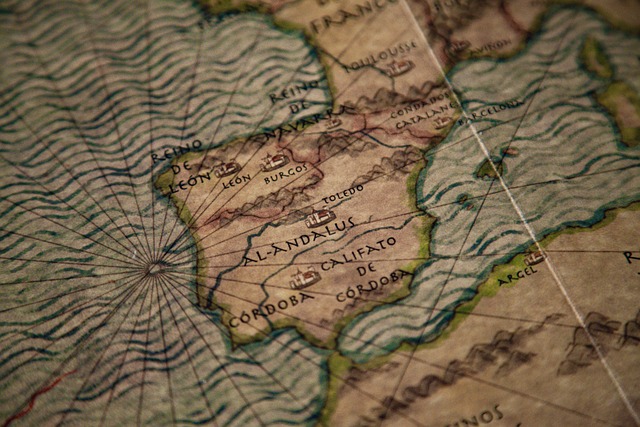
Rock Art of the Mediterranean Basin on the Iberian Peninsula
Rock Art of the Mediterranean Basin on the Iberian Peninsula: A Comprehensive Guide People here often confuse this UNESCO site with Altamira, and that mix-up costs travelers a wasted day driving toward the wrong coast of Spain. This listing has nothing to do with the famous painted bison of Cantabria in the north. It covers roughly 758 open-air rock shelters strung along more than 1,000 kilometers...
read more
Landmarks of the Ancient Kingdom of Saba Marib
A verse in the Quran describes a flood called Sayl al-Arim, sent as punishment against a prosperous, ungrateful people, and it is generally understood to refer to the actual, historical failure of the Marib Dam sometime in the 6th century AD. That collapse ended a millennium of irrigated agriculture across a hundred square kilometers of desert and scattered the population that had built the...
read more
Rabat Modern Capital and Historic City a Shared Heritage
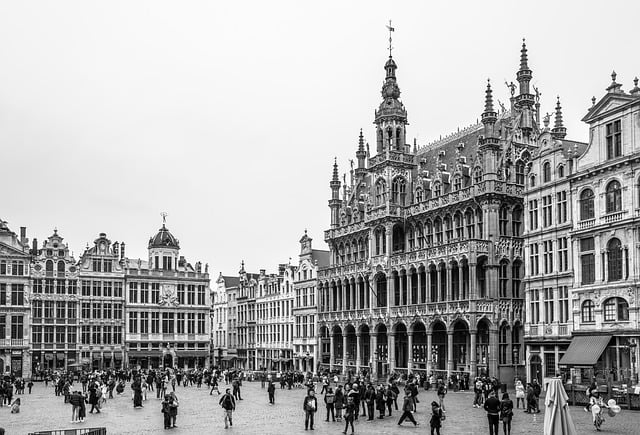
A French Colonial Master Plan Sitting Directly on Top of an Almohad Capital That Never Got Finished The Hassan Tower has been unfinished for over 800 years, and that failure is exactly what UNESCO decided to protect. What’s inscribed here isn’t a single monument, it’s the layering: a 12th-century caliphate’s abandoned ambitions sitting a few hundred meters from a 1930s...
read more

Malpelo Fauna and Flora Sanctuary
Malpelo Fauna and Flora Sanctuary: The Colombian Shark Capital You Cannot Reach by Plane Malpelo Island does not have a landing strip, a dock, a hotel, or a restaurant. There is no way to visit it except by liveaboard dive vessel, and you cannot go ashore. The Colombian Navy maintains a small permanent garrison on the island; beyond that, the place is uninhabited. The 857,000-hectare protected...
read more

Mining Area of the Great Copper Mountain in Falun
Every red cottage you’ve ever seen in a photo of Sweden owes its color to a hole in the ground in Dalarna, and that hole is deep enough to swallow a fair chunk of a city block. The Falun mine ran for roughly a thousand years, from the 10th century until it finally closed in 1992, and at its peak in the 17th century it supplied about two-thirds of Europe’s copper, which is a big part of...
read more
Quseir Amra
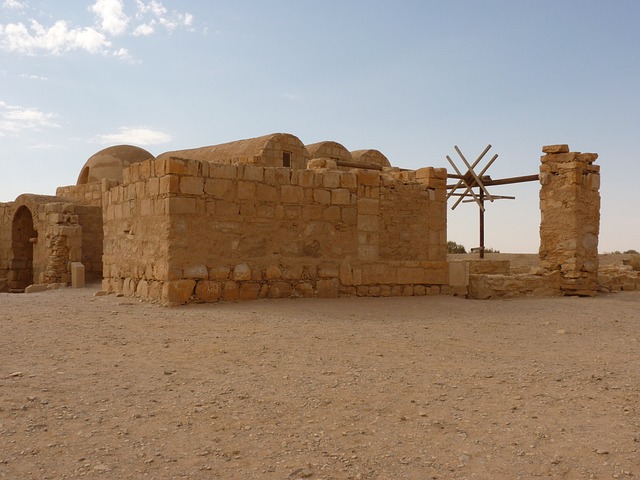
Guide to Quseir Amra: Ancient Wonder and Tourist Delight A dome the size of a small room contains one of the oldest surviving maps of the night sky ever painted, and almost nobody visiting Jordan bothers to see it because it sits an hour past Amman in flat scrubland that looks like nothing from the parking lot. That is the whole appeal of Quseir Amra: a modest sandstone building with an interior...
read more
Fanjingshan
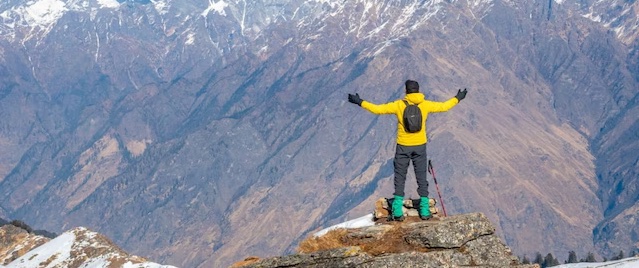
Fanjingshan Two Temples on a Needle of Rock At 2,570 metres above sea level, the summit of Fanjingshan splits into two narrow stone pinnacles connected by a stone bridge. On one pinnacle stands the Sakyamuni Temple; on the other, a temple dedicated to the Maitreya Buddha. The drop on either side is essentially vertical. The structures were built during the Ming Dynasty and have survived...
read more
Historic Ensemble of the Potala Palace Lhasa
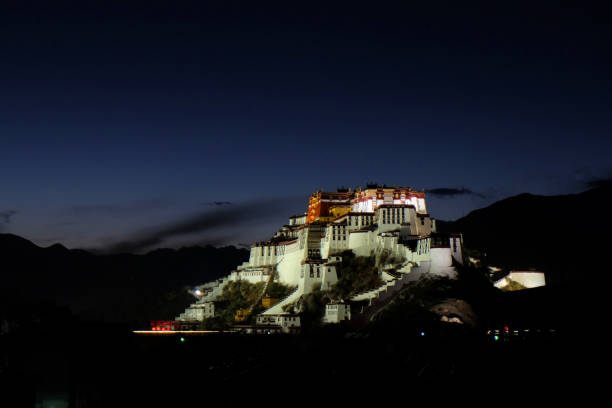
Historic Ensemble of the Potala Palace, Lhasa You get exactly one hour inside the Potala Palace once your ticket clock starts, and checkpoints inside track your entry and exit times to enforce it. Overstay and your guide gets fined, sometimes suspended. That single rule shapes the entire visit more than any single room does, so plan around it rather than being surprised by it.
What This Site...
read more
Amphitheatre of El Jem
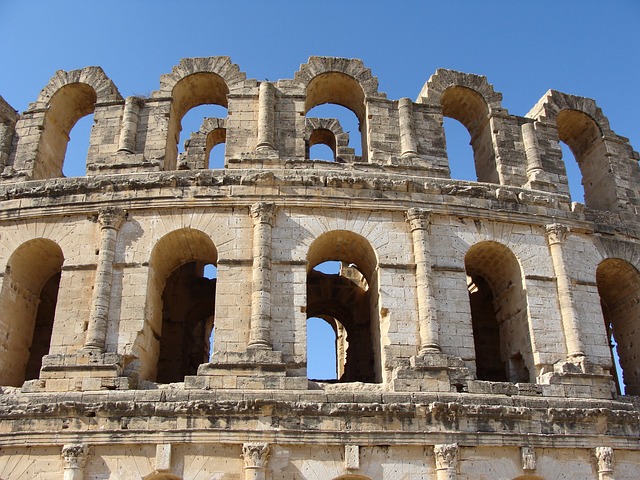
Guide to the Amphitheater of El Jem: A Must-Visit for Tourists Rome’s Colosseum pulls roughly six million visitors a year and requires timed-entry tickets booked weeks out. El Jem, an amphitheatre nearly the same size and arguably better preserved in places, sees a fraction of that traffic, and on a weekday morning outside festival season you can genuinely have entire tiers of stone seating...
read more
Ilulissat Icefjord
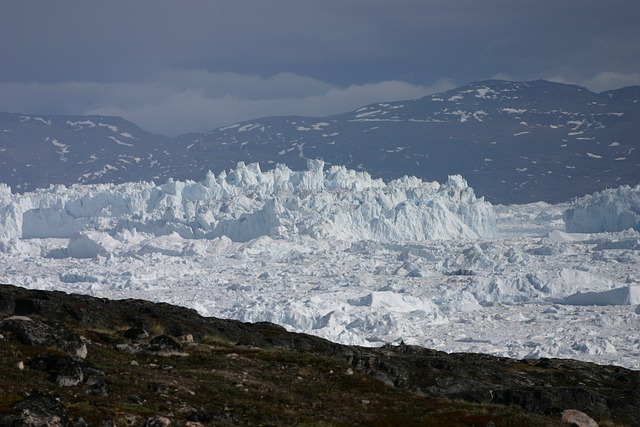
Ilulissat Icefjord: A Comprehensive Guide for Tourists Overview Some of the icebergs drifting past Ilulissat are taller than most buildings in the town beneath them, and every single one used to be part of the Greenland ice sheet a few years, sometimes decades, ago. Ilulissat Icefjord earned UNESCO World Heritage status in 2004 for a straightforward reason: it’s one of only two places on the...
read more

Gonbad E Q Bus
Gonbad-e Qābus A body that was never found Excavations at the base of this tower have never turned up a body, a coffin, or even a burial chamber, despite the structure having been built explicitly as a tomb. Legend, recorded by an Arabic historian named al-Jannabi, claims the Ziyarid ruler Qabus ibn Wushmgir was sealed inside a glass or crystal coffin and suspended by chains from the ceiling of...
read more
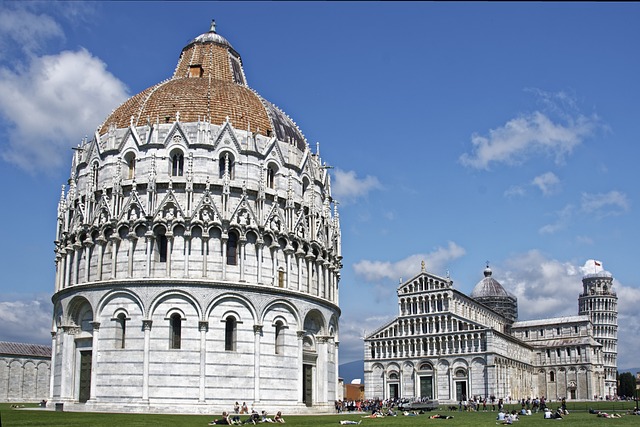
Piazza Del Duomo Pisa
A Comprehensive Guide to Piazza del Duomo, Pisa For three days in 1944, the roof of Pisa’s cemetery burned after an Allied bomb hit it, and the frescoes inside took until 2018 to finish coming back. That’s a stranger, harder story than the one everyone actually shows up for, the tower tilting at a photogenic angle so tourists can mime holding it up, and it’s worth knowing before...
read more
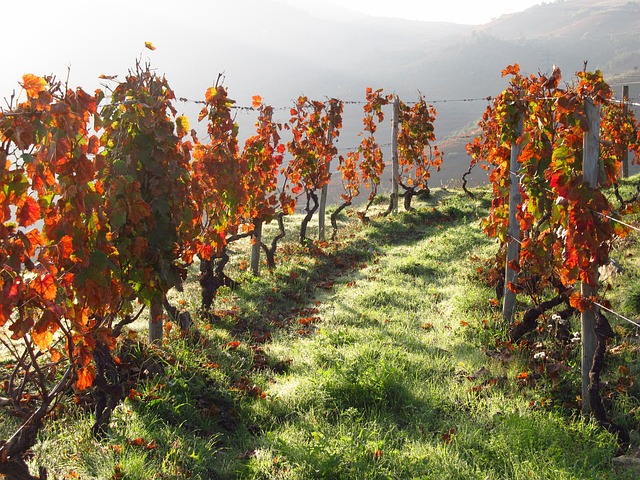
Alto Douro Wine Region
Alto Douro Wine Region In 1756, the Marquis of Pombal sent survey teams into the hills east of Porto to drive 335 granite pillars into the schist slopes of the Douro Valley. The pillars marked the boundaries of the world’s first officially regulated wine region, an act of commercial policy dressed up as quality control. Pombal’s actual motivation was to establish a state monopoly on...
read more
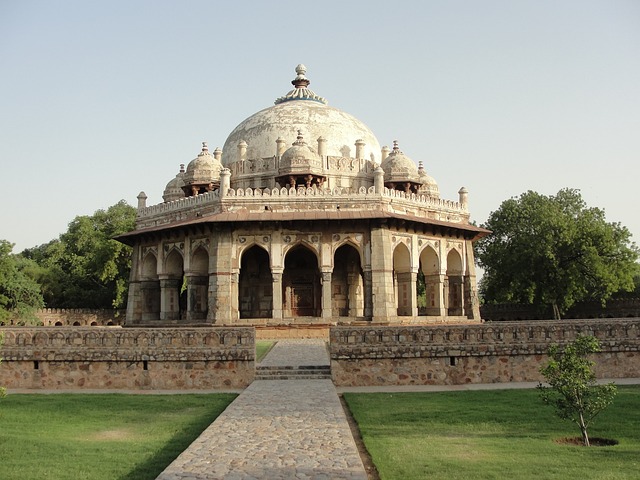
Humayuns Tomb Delhi
Humayun’s Tomb, Delhi A grieving widow spent the equivalent of a small fortune, 1.5 million rupees at 16th-century values, to build her husband a tomb so influential that it effectively invented a template used a century later for the Taj Mahal. Empress Bega Begum commissioned the mausoleum for her husband Humayun, the second Mughal emperor, hiring the Persian architect Mirak Mirza Ghiyas...
read more
Ban Chiang Archaeological Site
Ban Chiang Archaeological Site: A Comprehensive Guide for Tourists The Site That Upended a Theory For most of the 20th century, Southeast Asia was understood as a technological backwater: a region that received bronze metallurgy from China, agricultural practices from India, and advanced urban forms from Khmer adaptations of Indian models. Ban Chiang, a village in Udon Thani Province in...
read more
Old Town of Galle and Its Fortifications
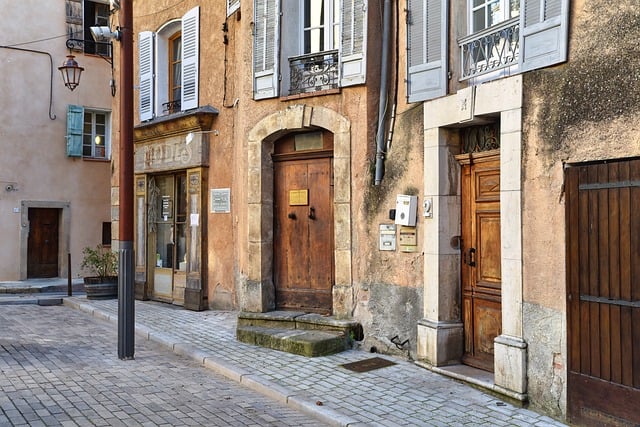
Old Town of Galle: Where the Courts Are Moving Out to Make Room for Tourists There’s a courthouse inside Galle Fort that won’t be there much longer. Sri Lanka’s Urban Development Authority has been pushing a regeneration plan that relocates the High Court and Magistrate’s Court out of the ramparts entirely, freeing up prime real estate for a tourism-focused redevelopment...
read more
Mudejar Architecture of Aragon
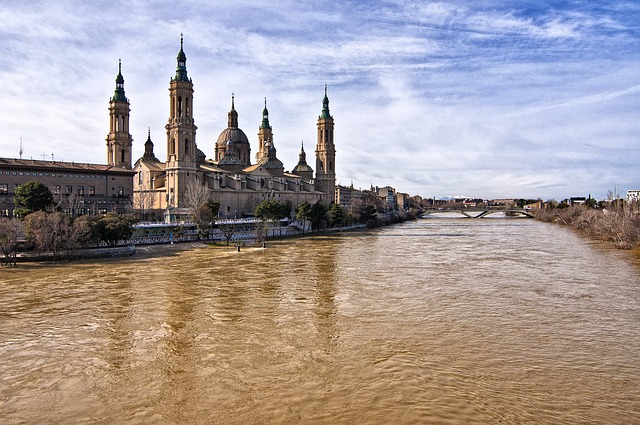
Nobody expelled anybody in a hurry here, and the buildings prove it. After Christian forces retook Aragon from Muslim rule, the Muslim craftsmen who stayed on kept building, for churches this time instead of mosques, and the result is a style found almost nowhere else at this scale: Islamic brick and tile techniques applied to explicitly Christian bell towers, cathedrals, and parish churches,...
read more
Thimlich Ohinga Archaeological Site
Thimlich Ohinga Archaeological Site: A Comprehensive Guide for Tourists The name itself is a warning. “Thimlich Ohinga” translates from Dholuo, the Luo language, as roughly “a frightening dense forest fortress,” and standing in front of walls that reach 4.5 meters without a single drop of mortar holding them together, you understand exactly why. These are dry-stone walls,...
read more
Archaeological Site of Atapuerca
You cannot walk up to Atapuerca and look around. That single fact trips up more visitors than anything else about this site: every excavation area sits inside an active research zone, access is by shuttle bus only, and you need a reservation made days in advance through the official booking line before you’re allowed anywhere near the trench. Once you understand that constraint, the visit...
read more

Silk Roads Zarafshan Karakum Corridor
Samarkand’s Registan Square has three madrassahs of different dynasties facing each other across a single courtyard, none of which were ever functionally related in the way the arrangement now implies. The current composition was largely assembled by Soviet-era restoration rather than medieval planning. This gap between what a place looks like and what it was is fundamental to experiencing...
read more
Bassari Country Bassari Fula and Bedik Cultural Landscapes
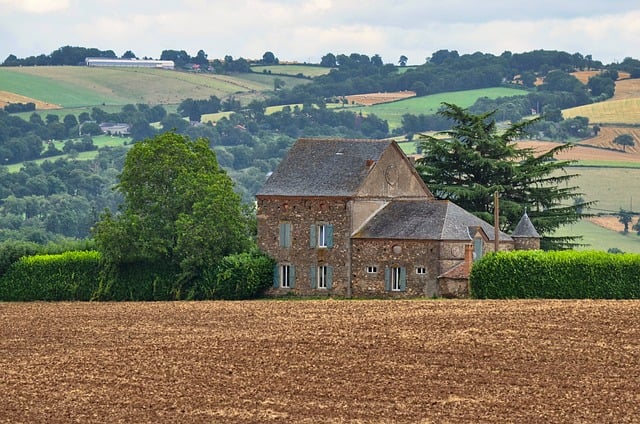
Bassari Country: A Comprehensive Guide to the Bassari, Fula, and Bedik Cultural Landscapes Ask a guide in Kédougou for the exact date of a Bassari boys’ initiation ceremony and you will get a shrug, because the village elders themselves do not fix it more than two weeks ahead. That uncertainty is the honest starting point for planning any trip here: this is not a landscape of scheduled...
read more