Recent Unescoes
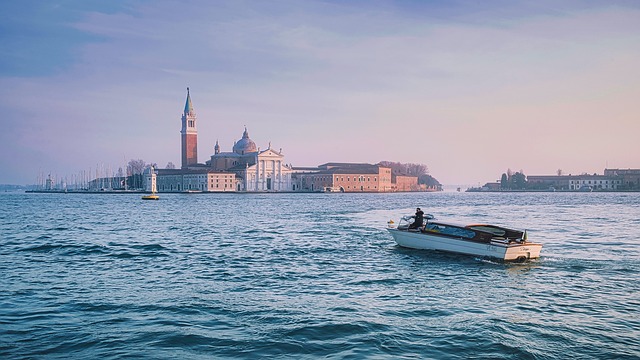
Venice: UNESCO City and Lagoon
Venice and its Lagoon was inscribed as a single UNESCO World Heritage Site in 1987, and the wording matters: it is not just the famous city that is protected, but the whole lagoon around it, treated as one inseparable masterpiece of people and nature. Understanding what the listing covers changes how you see the place, and why it is so fiercely fought over.
What the inscription protects UNESCO...
read more

Ljubljana: Plecnik's UNESCO City
In 2021 UNESCO inscribed “The works of Jose Plecnik in Ljubljana - Human Centred Urban Design” on the World Heritage list. It is an unusual listing: not a single monument but a set of connected public spaces that one architect, Jose Plecnik (1872 to 1957), designed to reshape a whole capital on a modest budget between the two World Wars. Rather than clearing and rebuilding, he stitched...
read more
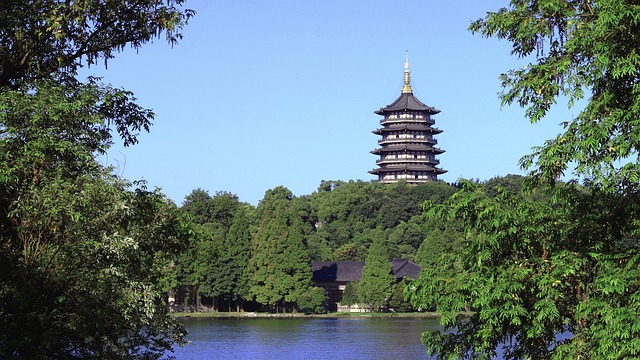
West Lake: Hangzhou's Free UNESCO Site
Heads up: some links here are affiliate links. Book or buy through them and we may earn a small commission at no extra cost to you. We only point you to things we would actually use.
West Lake sits inside Hangzhou itself, not on its outskirts, which is unusual for a UNESCO cultural landscape. There’s no perimeter fence and no admission gate to the lake proper: the lake, its two causeways,...
read more
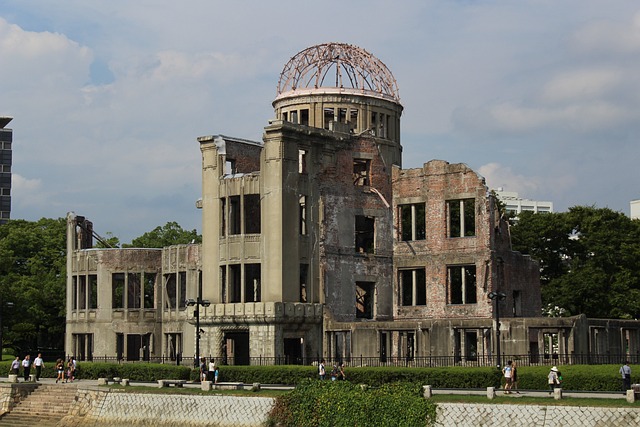
Hiroshima: The A-Bomb Dome
The A-Bomb Dome stands today almost exactly as it was left on the morning of 6 August 1945, and that is the whole point of it. At 8:15am, a US B-29 dropped the uranium bomb “Little Boy,” which detonated roughly 600 metres above the city, the first use of a nuclear weapon in war. The building beneath it, the former Hiroshima Prefectural Industrial Promotion Hall, designed by the Czech...
read more
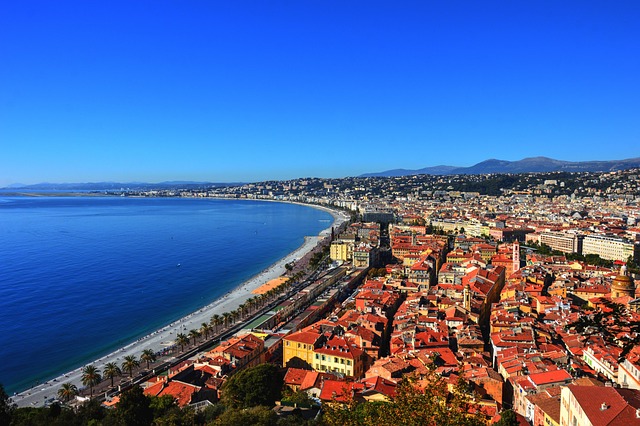
Nice: Winter Resort of the Riviera
In 2021, UNESCO added Nice to the World Heritage List under a specific and unusual title: “Nice, Winter Resort Town of the Riviera.” The listing does not celebrate a single monument. It recognises the whole city as an exceptional example of a cosmopolitan winter resort, shaped over two centuries by the wealthy foreign visitors who came to spend the mild Mediterranean winters here.
Why...
read more
Tallinn: Why the Old Town Is Listed
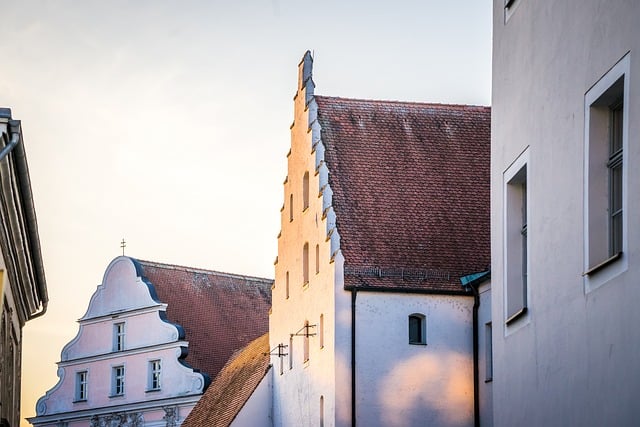
UNESCO inscribed the “Historic Centre (Old Town) of Tallinn” on the World Heritage List in 1997, and the reasoning is worth understanding before you visit, because it explains what you’re actually looking at. This is not a listing about a single monument. It recognises an exceptionally complete example of a medieval northern European trading city, a Hanseatic town that kept its...
read more
Brasília: Visit It Without the Crowds
Heads up: some links here are affiliate links. Book or buy through them and we may earn a small commission at no extra cost to you. We only point you to things we would actually use.
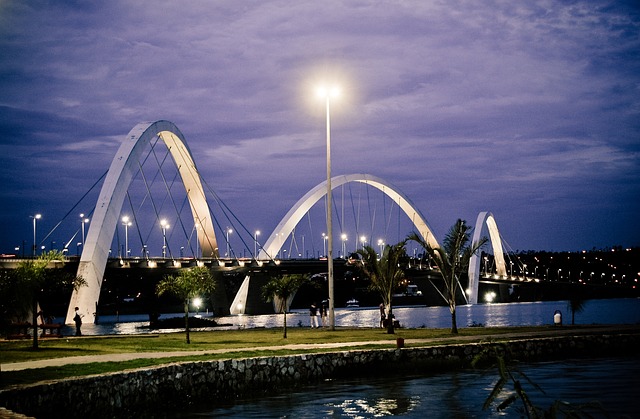
Brasília is one of the few places where the UNESCO World Heritage Site is an entire city plan, not a building or a district inside it. Inscribed in 1987 under the official name “Brasilia,” the listing...
read more
Kotor Bay: The UNESCO Story
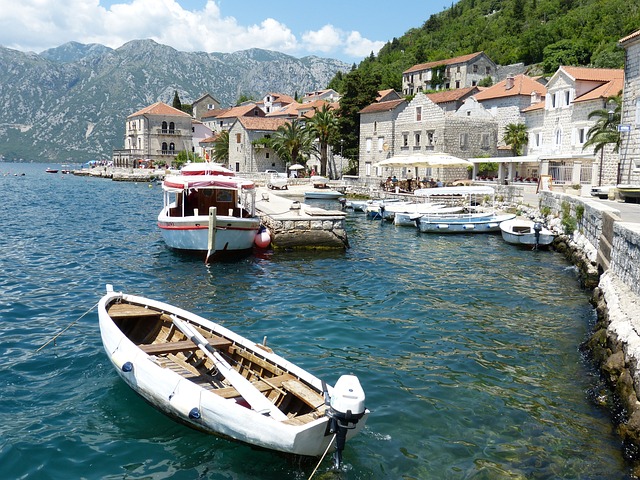
The Bay of Kotor’s UNESCO inscription carries a specific name: the “Natural and Culturo-Historical Region of Kotor,” listed in 1979 and covering roughly 14,600 hectares of core zone around the inner bay, with a further buffer zone beyond it. The listing wasn’t smooth from the start. An earthquake struck Montenegro that same year, damaging much of the historic building stock...
read more
Quito Old Town: Visit It Without the Crowds
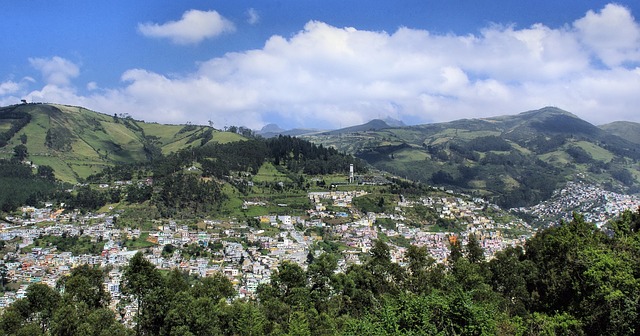
Quito’s Centro Histórico was named in UNESCO’s very first World Heritage cohort in 1978, one of the earliest sites ever inscribed anywhere, sharing that founding year with a small handful of others rather than standing alone as the only one. UNESCO calls it the best-preserved, least-altered historic center in Latin America: roughly 320 hectares, more than 130 monumental buildings, and...
read more
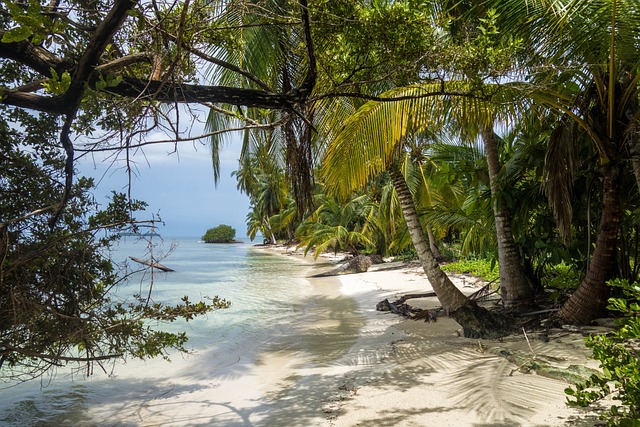
Portobelo and San Lorenzo: Panama's Forts
Heads up: some links here are affiliate links. Book or buy through them and we may earn a small commission at no extra cost to you. We only point you to things we would actually use.
Panama has two separate UNESCO listings that get confused with each other constantly. Casco Viejo and the Panamá Viejo ruins in the capital form one, inscribed in 1997 and extended in 2003. The Portobelo and San...
read more
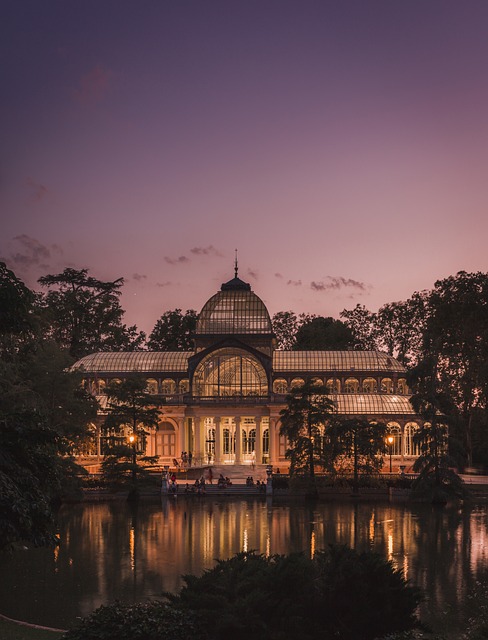
El Escorial: Visit It Without the Crowds
Heads up: some links here are affiliate links. Book or buy through them and we may earn a small commission at no extra cost to you. We only point you to things we would actually use.
The Monastery and Site of the Escurial, Madrid is worth the half day out, but only if you book online first: as of 2026 there’s no walk-up ticket window, not even for the free entry slot.
read more
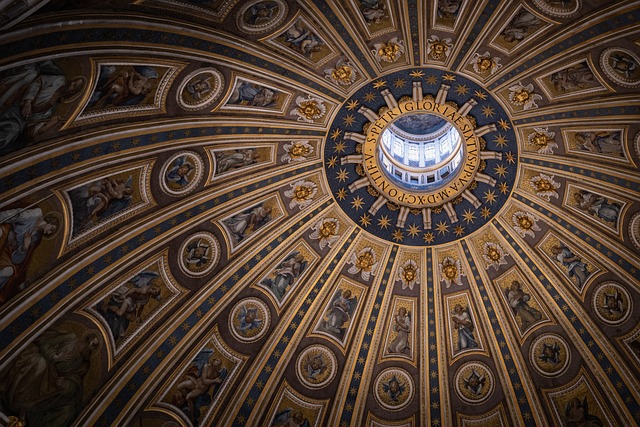
Vatican City: Visit It Without the Crowds
Vatican City is the only country on Earth whose entire territory is a single UNESCO World Heritage Site, inscribed in 1984 under the official name “Vatican City.” That’s not a landmark sitting inside a country, it’s the whole 44-hectare state, wall to wall. You reach it by walking in from Rome: no border, no passport check, and no hotel to book inside its walls because none...
read more
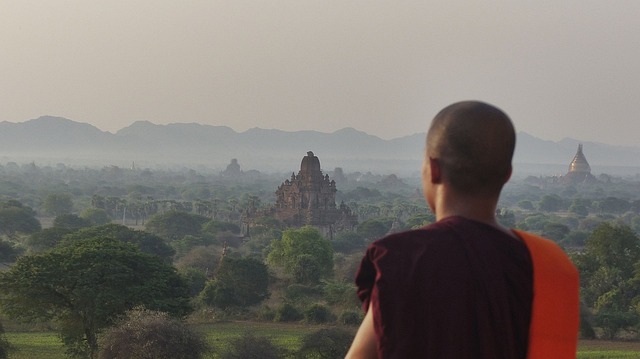
Bagan: Visit It Without the Crowds
Bagan was inscribed as a UNESCO World Heritage Site under the official name “Bagan” on 6 July 2019, and it took 24 years and multiple rejections to get there, Myanmar’s first successfully completed full cultural nomination. Visiting the listed zone costs nothing extra beyond the standard 30,000 MMK archaeological pass, valid 3 consecutive days, and covers roughly 3,595 recorded...
read more
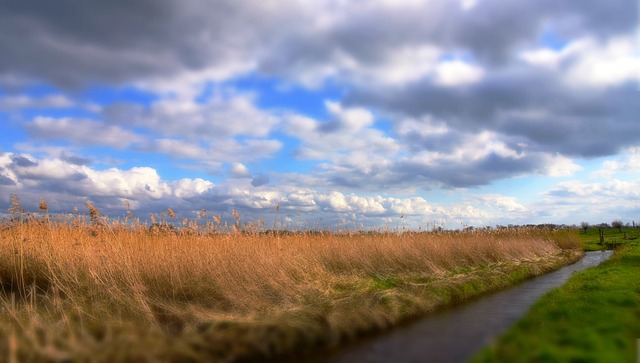
Beemster Polder: Visit It Without the Crowds
There’s no gate here, and that’s the first thing to get right: Droogmakerij de Beemster (Beemster Polder) isn’t a ticketed attraction, it’s 7,208 hectares of former lakebed you cycle or drive through for free, drained between 1607 and 1612 by engineer Jan Adriaanszoon Leeghwater using 42 windmills around a 42-kilometer ring dike. UNESCO listed it in 1999 for the planning, a...
read more
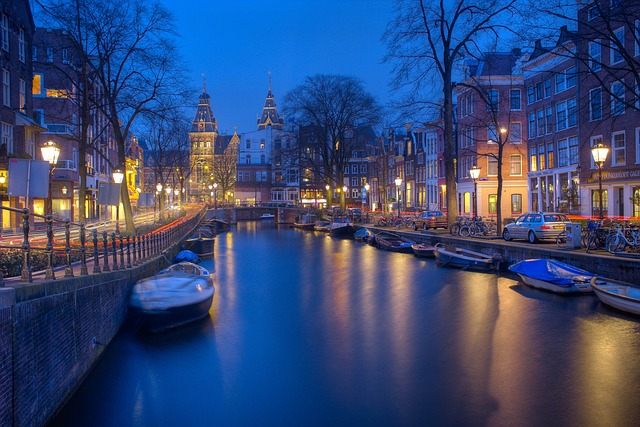
Canal Ring: Visit It Without the Crowds
You don’t buy a ticket to this one, and that’s the whole trick people miss: the Seventeenth-Century Canal Ring Area of Amsterdam inside the Singelgracht isn’t a single gated site, it’s roughly 650 hectares of hand-dug Golden Age waterway you walk into for free the moment you cross into the Grachtengordel. UNESCO inscribed it in 2010 under criteria (i), (ii) and (iv), for...
read more
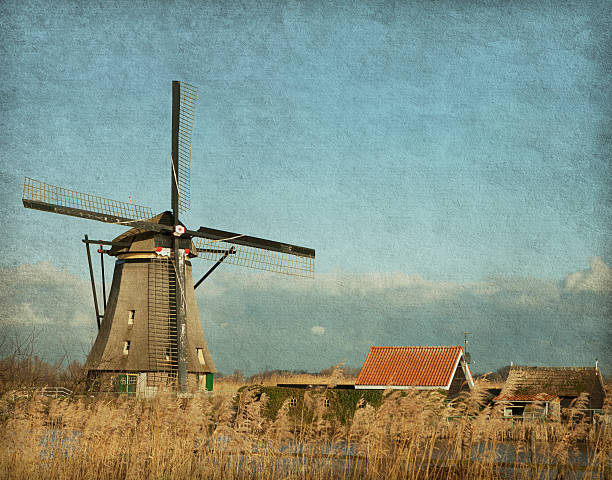
Kinderdijk: Visit It Without the Crowds
Zaanse Schans is the windmill stop that fits any itinerary; the Mill Network at Kinderdijk-Elshout is the one for people who actually care about the UNESCO listing, not just the photo. This is a genuine gateway day trip from Amsterdam, via Rotterdam, not a quick add-on: 19 windmills built between 1740 and 1795 to drain the Alblasserwaard polder, inscribed by UNESCO in 1997 for illustrating the...
read more
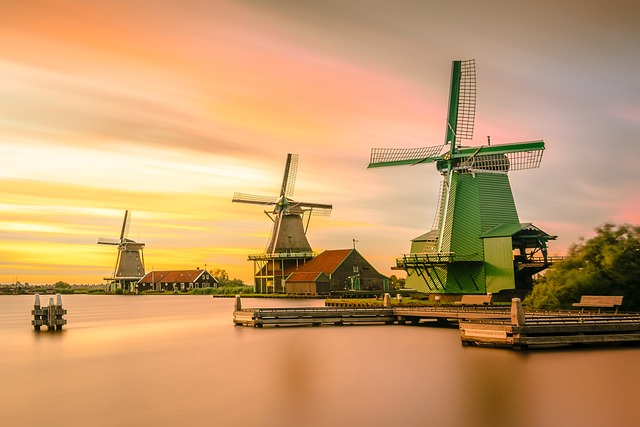
Waterline Forts: Visit It Without the Crowds
This is a defensive system you visit a fort at a time, not a single site: the Dutch Water Defence Lines cover 220 kilometers of forts, dikes, sluices and inundation polders, and the 2021 UNESCO decision didn’t create a new listing, it merged one. The Defence Line of Amsterdam was inscribed alone in 1996; in July 2021 UNESCO folded in the New Dutch Waterline as an extension, combining two...
read more
Greenwich: Visit It Without the Crowds
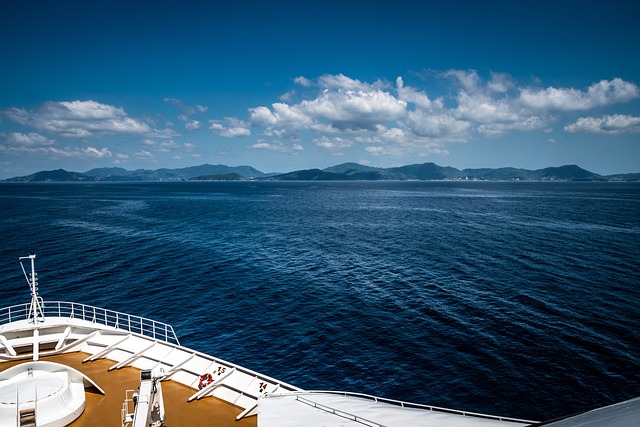
Maritime Greenwich is the rare UNESCO site where the free half beats the paid half. The National Maritime Museum, free all year, covers more ground than most visitors expect; the Royal Observatory, GBP 24 and home to the Prime Meridian line, is the one paid stop worth budgeting for. Take the DLR, not the Tube, and go on a weekday morning if the Cutty Sark’s deck is the goal without a crowd...
read more
Kew Gardens: Visit It Without the Crowds
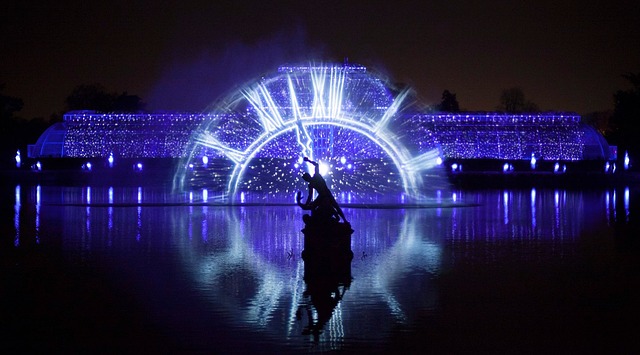
Kew Gardens’ after-4pm ticket, GBP 10 from May through September, is the best-value hour of botany in London and almost nobody uses it. Full peak-season entry is GBP 24 online, still worth it for the Palm House and the Great Pagoda, but the late-entry rate covers the same grounds at under half the price with a fraction of the daytime crowd. Inscribed by UNESCO in 2003, this is a working...
read more
Tower of London: Visit It Without the Crowds
The Crown Jewels are why most people buy a ticket; the reason UNESCO listed the Tower in 1988 is different and rarely mentioned on the way in. William the Conqueror’s White Tower became the template other Norman keeps across England and Wales were built from, a monument to royal power that spread outward from this one site starting at the end of the 11th century. That’s the heritage...
read more
Westminster: Visit It Without the Crowds
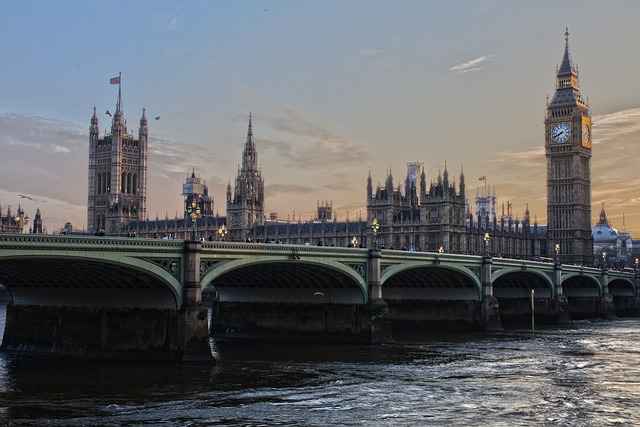
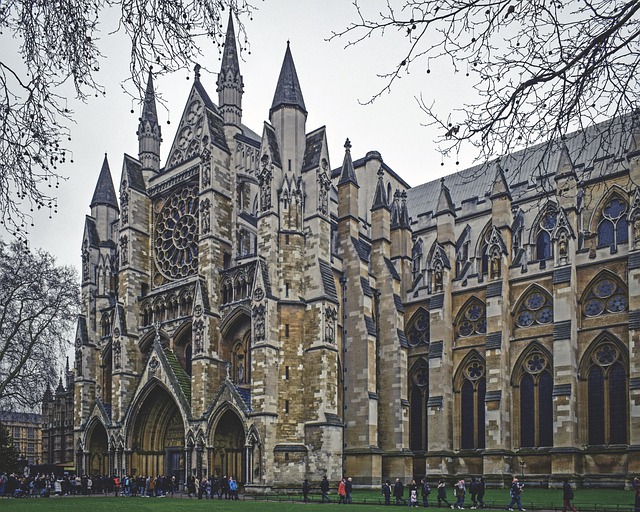
Three buildings, one UNESCO listing, and most visitors only ever register two of them. The Palace of Westminster and Westminster Abbey get all the attention; St Margaret’s Church, wedged between them, is the quiet corner almost everyone walks past. All three were inscribed together in 1987 as one site, not three separate ones, and visiting them as a deliberate loop rather than a single stop...
read more
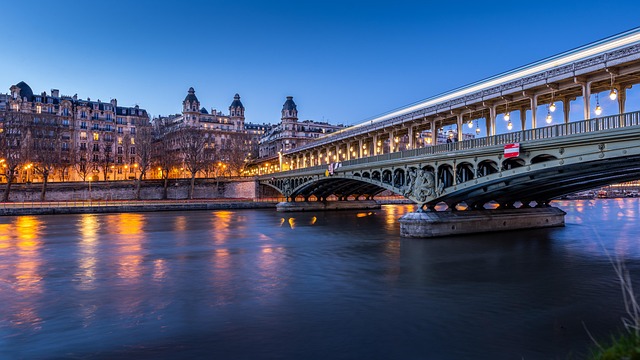
Seine Banks: Visit It Without the Crowds
There’s no ticket for this one, no timed slot, no closing day. The UNESCO-listed stretch of riverbank is free, public, and open around the clock, which means the crowd problem is entirely a scheduling one: everyone walks the same central quais between the Louvre and Notre-Dame at midday. Go at dawn or dusk instead, or walk east past Ile Saint-Louis toward the quieter Pont de Sully end, and...
read more
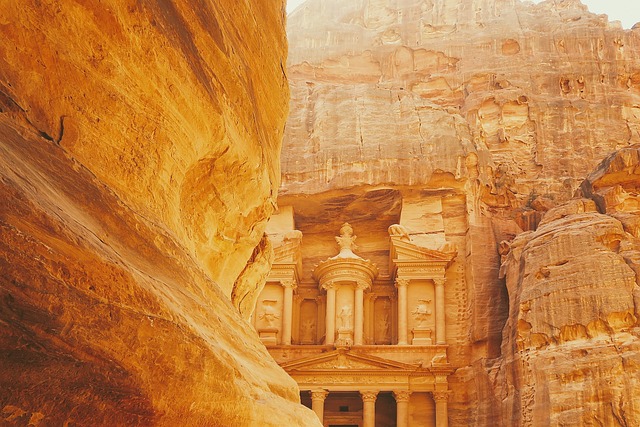
Petra: Visit It Without the Crowds
The crowd at Petra is entirely a scheduling problem, not a size problem. The site covers many square kilometers, most of it unexcavated, but nearly everyone funnels through the Siq between 9am and noon and photographs the same forty square metres in front of the Treasury. Arrive at opening instead, or stay in Wadi Musa and go back in for a second day, and the same UNESCO World Heritage Site feels...
read more
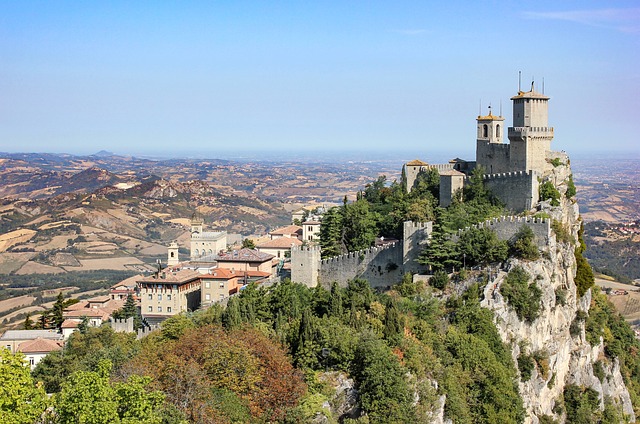
San Marino Historic Centre and Mount Titano
San Marino Historic Centre and Mount Titano: A Comprehensive Guide San Marino has run itself as a self-governing republic since roughly the 13th century, which makes it the reason UNESCO put this place on the list, not the postcard views. Everything else, the towers, the walls, the cobbled lanes climbing Mount Titano, exists as physical evidence that a tiny state on a limestone ridge managed to...
read more
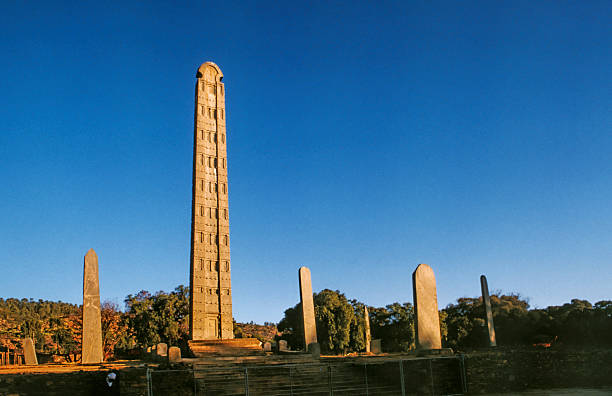
Aksum
A Guide to Aksum Current Travel Status: Read This First As of 2026, multiple governments - the United States, United Kingdom, and Australia among them - advise against all travel to the Tigray Region of Ethiopia, where Aksum is located. Since January 2026 there have been renewed clashes in the region including reports of drone strikes, and the security situation remains volatile. Aksum itself is...
read more
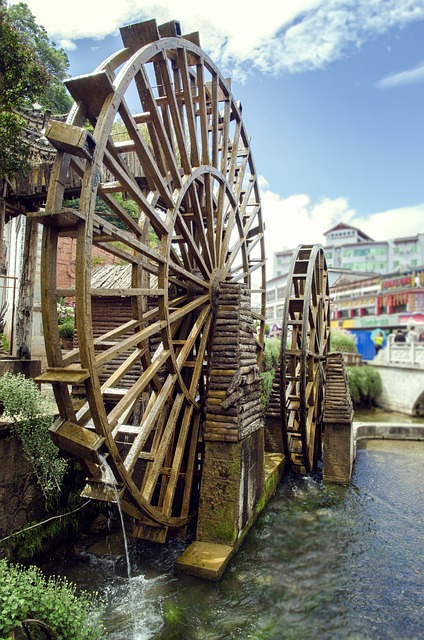
Old Town of Lijiang
A written language made almost entirely of pictograms, still used by living priests for actual ceremonies rather than preserved behind museum glass, survives in exactly one place on earth: the hills around Lijiang. That’s the Dongba script of the Naxi people, and it’s a big part of why UNESCO listed this Yunnan town in 1997, alongside a street plan that snakes without the rigid...
read more
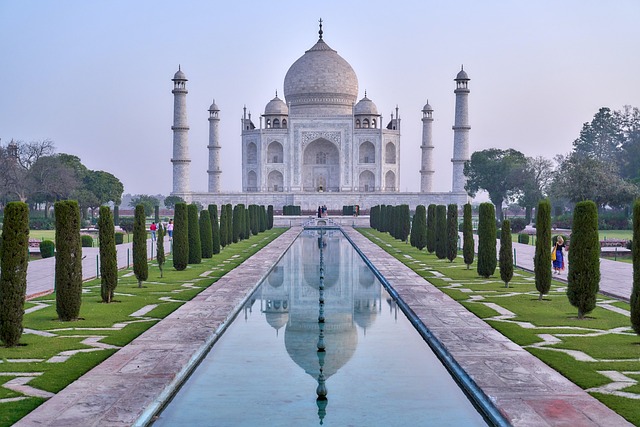
Taj Mahal
Taj Mahal: A Visitor’s Guide Shah Jahan spent the last eight years of his life imprisoned in the Agra Red Fort, with a direct view across the Yamuna River to the mausoleum he had built for his wife. When he died in 1666, his body was carried across the river and placed beside hers; the only instance in the entire symmetric plan of the Taj Mahal where the axis breaks, because his tomb is...
read more
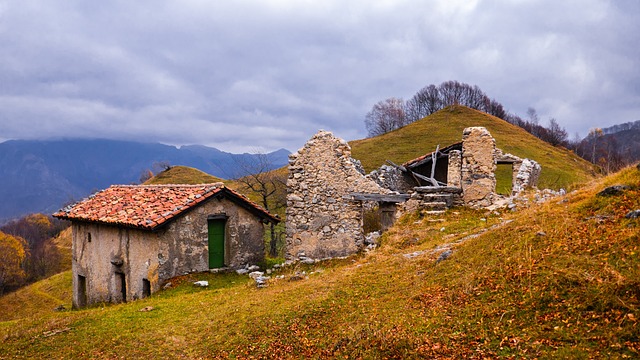
Ruins of Kilwa Kisiwani and Ruins of Songo Mnara
Marco Polo’s Contemporary Called This Swahili City One of the World’s Great Ports, and Almost Nobody Visits It Now The 14th-century Moroccan traveler Ibn Battuta stopped at Kilwa Kisiwani and called it one of the most beautiful and well-built towns he’d seen anywhere, ranking it alongside the great cities of his era. Today you can walk through its ruins with almost no other...
read more
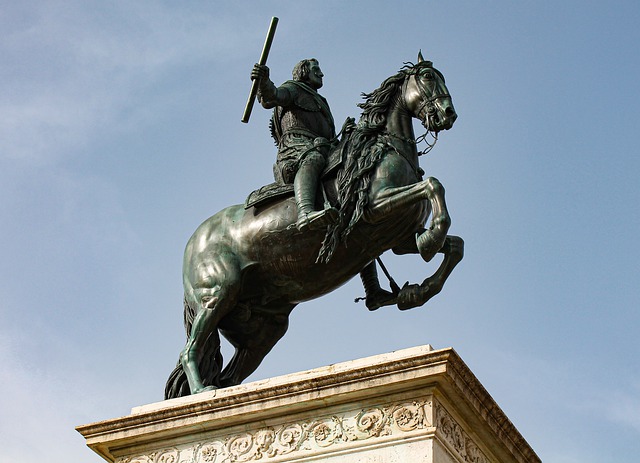
Historical Monuments of Mtskheta
Historical Monuments of Mtskheta: A Comprehensive Guide for Tourists Every church in Mtskheta is free to enter. No tickets, no reservations, no combined passes to weigh against each other, which is worth knowing before you plan a budget around admission fees that simply do not exist here. Georgia’s ancient capital, about 20 kilometers northwest of Tbilisi, packs its entire historical core...
read more

Neolithic Site of Atalh Y K
Guide to the Neolithic Site of Çatalhöyük Roofs as streets, and a goddess theory that fell apart Nobody built doors at ground level here. Houses at Çatalhöyük were entered through holes in the roof, using ladders, because the settlement had no streets in the way we understand them; instead people walked across rooftops and dropped down into whichever mud-brick box they lived in, packed wall to...
read more
Cocos Island National Park
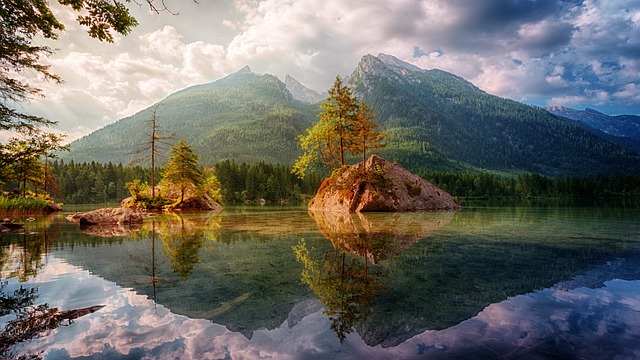
Cocos Island National Park: A Tropical Paradise for Adventurous Travelers You cannot simply visit this island There is no ferry, no day trip, no resort dock. Cocos Island, or Isla del Coco, sits about 550 kilometers off Costa Rica’s Pacific coast, and the only realistic way to get there is a multi-day liveaboard dive expedition departing from Puntarenas, with the crossing itself taking...
read more
Royal Tombs of the Joseon Dynasty
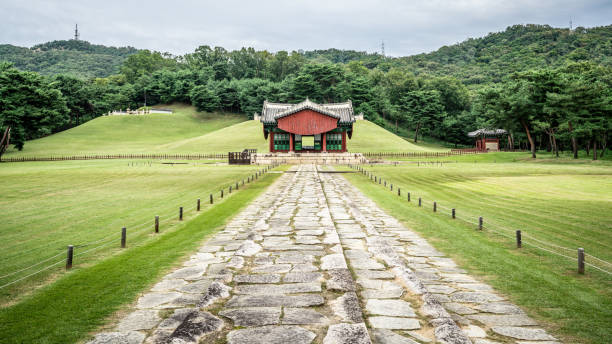
Royal Tombs of the Joseon Dynasty: A Comprehensive Guide
Forty tombs, eighteen separate sites, five and a half centuries of continuous royal burial practice, and one Gangnam subway stop puts you inside the whole system without leaving Seoul city limits. That last part surprises people most: a genuinely ancient UNESCO landscape sits eight minutes’ walk from Seolleung Station, wedged between...
read more
Old City Of Sanaa
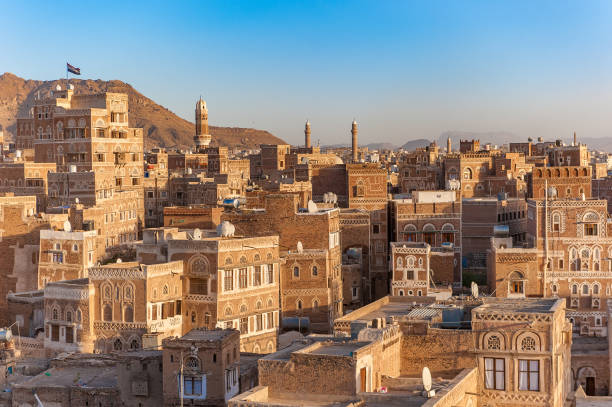
Old City of Sanaa: What This Guide Actually Needs to Say Let’s be direct about something most travel content on this site skips past. This is not a destination you should be planning a trip to right now. The US State Department rates Yemen Level 4, Do Not Travel, its highest risk category, and that advisory was most recently renewed in December 2025, citing terrorism, active conflict,...
read more
Old City Of Salamanca
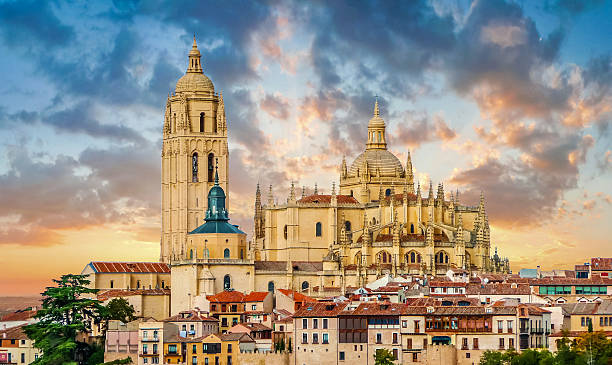
There’s a frog carved into the facade of the University of Salamanca and generations of students have believed that spotting it unassisted on your first look means good exam luck for the year. It’s a small, half-hidden detail perched near a carved skull on the ornate plateresque facade, and the crowd of tourists squinting up at it every afternoon is as good a summary of Salamanca as...
read more
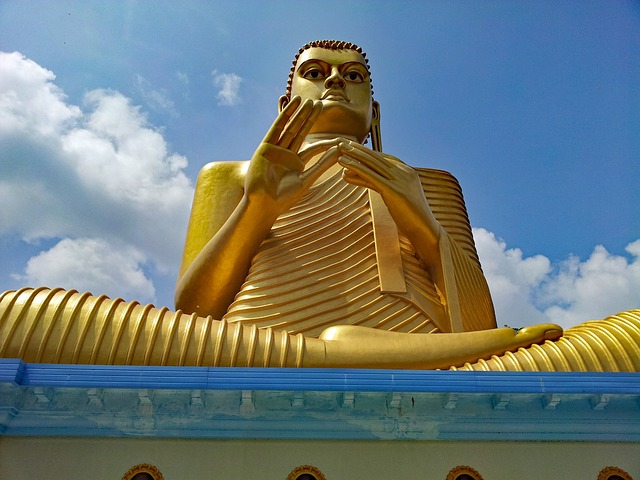
Rangiri Dambulla Cave Temple
Climb 364 steps up bare rock in tropical heat, past troops of macaques crashing through the branches overhead, and you reach a set of caves that has been in continuous use as a place of worship for roughly 2,000 years. That’s the honest physical reality of visiting Dambulla, and it’s worth setting the expectation before the history, because the climb itself, taking 10 to 20 minutes...
read more
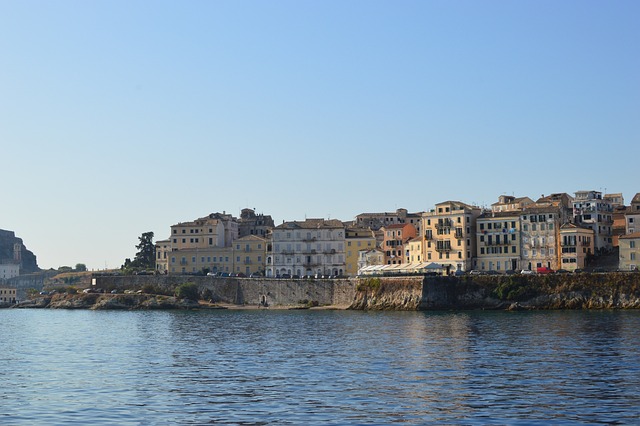
Old Town of Corfu
The Enchanting Old Town of Corfu: A Comprehensive Guide for Tourists The best collection of Chinese and Japanese art in Greece sits inside a Venetian-era palace on Corfu’s seafront, and almost nobody visiting the Old Town knows it’s there. That’s the kind of layered, mismatched history this town runs on: Byzantine bones, Venetian skin, French arcades, British parade grounds, and,...
read more
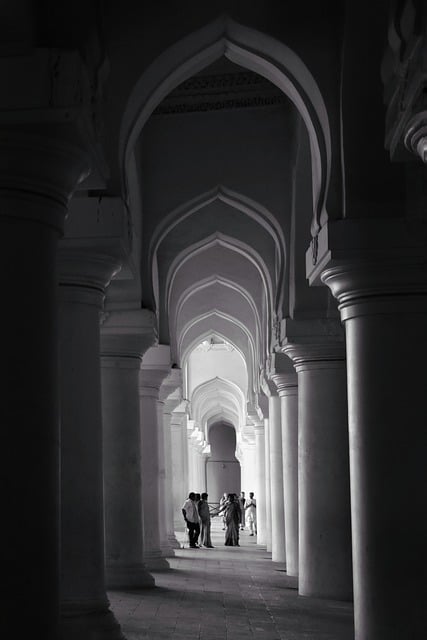
Asante Traditional Buildings
Asante Traditional Buildings Manhyia Palace, the modern royal residence in Kumasi, is not part of this UNESCO listing, and neither are Elmina Castle or Cape Coast Castle down on the coast. Those are real and worth visiting in their own right, but the actual Asante Traditional Buildings inscription, made in 1980, covers something far more specific and far more fragile: ten earthen shrine houses...
read more
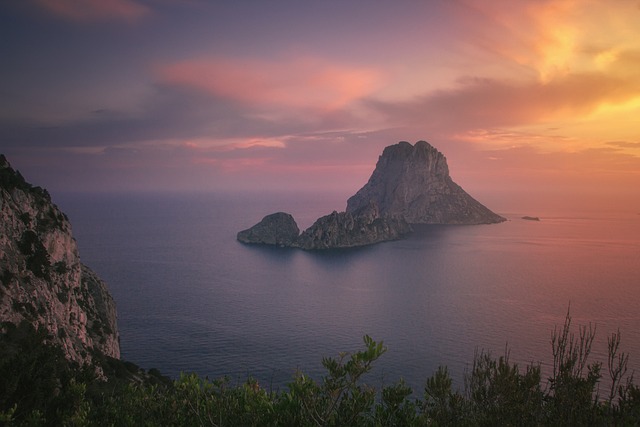
Ibiza, Biodiversity And Culture
There is a strong argument that the single largest living organism on Earth is quietly sitting on the seabed between Ibiza and Formentera. A colony of Posidonia oceanica, the flowering seagrass locals call neptune grass, stretches roughly 8 kilometers along the strait known as Es Freus, and genetic testing suggests the whole colony is a single clone that may be over 100,000 years old. It...
read more

Seowon Korean Neo Confucian Academies
Guide to Seowon: Korean Neo-Confucian Academies Nine specific academies, not a generic category of buildings, make up the UNESCO listing granted in July 2019, and mixing them up with random Confucian-sounding sites is the single most common mistake in Seowon writeups. The nine are Sosu, Namgye, Oksan, Dosan, Piram, Dodong, Byeongsan, Museong, and Donam Seowon, scattered across central and southern...
read more
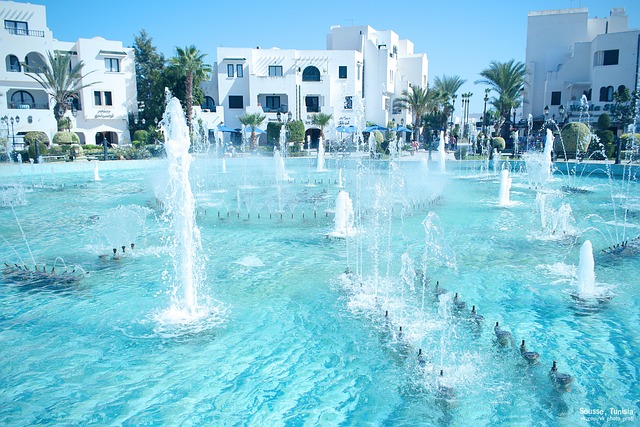
Medina of Sousse
Medina of Sousse: A Fortress Town Older Than Its Own Walls Long before Sousse became a Fatimid stronghold, it was a Phoenician trading post called Hadrumetum, which later switched allegiance to Rome during the Third Punic War and passed through Byzantine hands before Islam arrived. That layered backstory matters because the medina you actually walk through today, the ribat, the ramparts, the...
read more
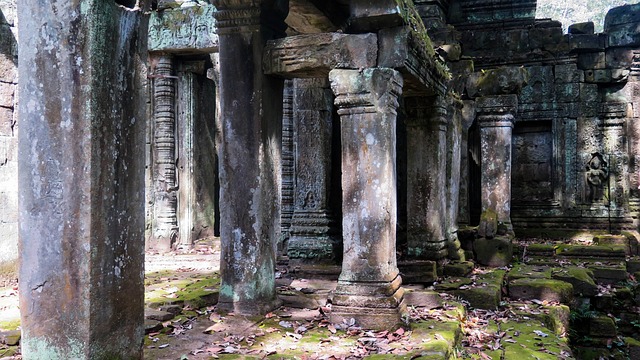
Temple of Preah Vihear
Temple of Preah Vihear A Hindu temple dedicated to Shiva sits on a cliff edge 525 metres above the Cambodian plain, looking north over a sea of forest toward the Thai frontier. It took Khmer kings roughly three centuries to build it. Two countries went to armed conflict over who owns the land around it as recently as 2025. The temple itself, with its 800-metre processional axis and carved...
read more
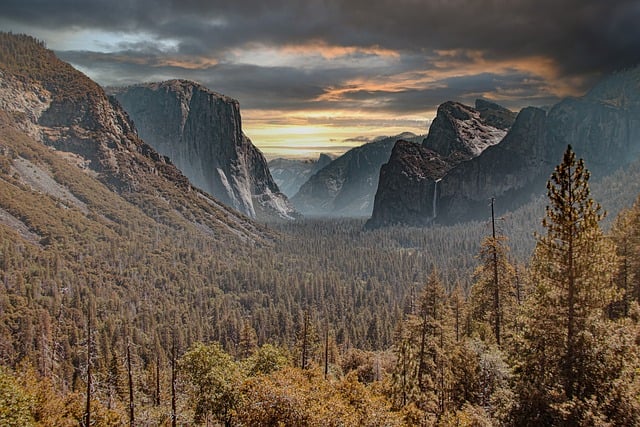
Teide National Park
Measured from its base on the ocean floor, Mount Teide is over 7,000 metres tall - which makes it the third largest volcano structure on earth, behind only Mauna Loa and Mauna Kea in Hawaii. The 3,718 metres above sea level that Teide advertises is the relatively modest portion that sits above the Atlantic. This distinction matters for understanding what you are actually looking at when you arrive...
read more
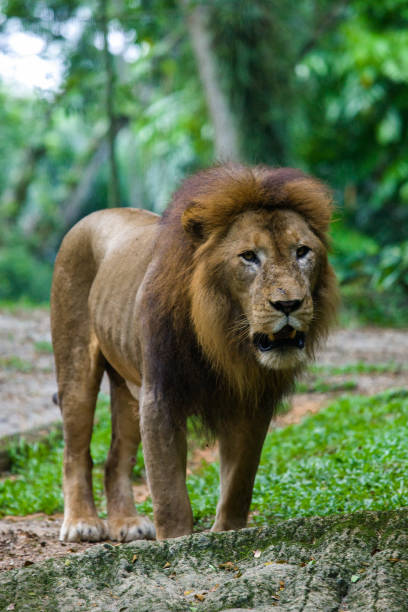
Garamba National Park
The northern white rhino you may have read about at Garamba is gone. This park in the far northeast of the Democratic Republic of Congo was the subspecies’ last wild stronghold, but by 2006 the population had crashed to four animals amid fighting involving the Lord’s Resistance Army and Janjaweed raiders, and conservationists pulled the program rather than watch it fail on the ground....
read more
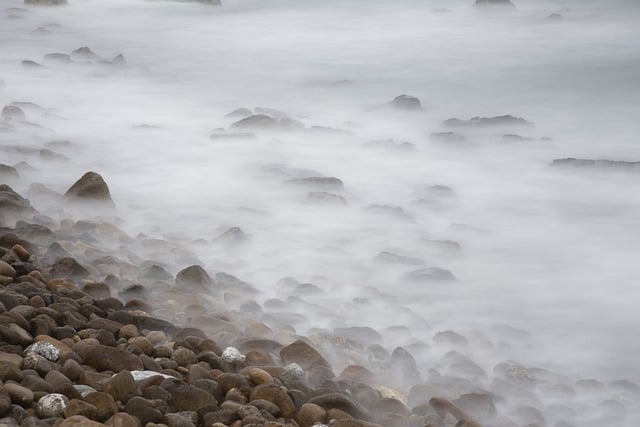
East Rennell
Guide to East Rennell Getting to this Solomon Islands site costs more in ground transport than in airfare, and that ratio tells you almost everything about what kind of trip this is. This is Melanesia’s most inconvenient UNESCO site, and it’s on the endangered list, which makes it a genuinely different proposition from a bucket-list detour.
What East Rennell actually is Rennell is the...
read more
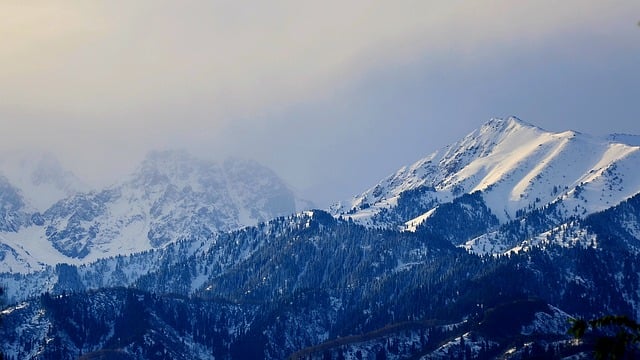
Saryarka Steppe and Lakes of Northern Kazakhstan
Saryarka Steppe and Lakes of Northern Kazakhstan Fifteen to sixteen million birds pass through this UNESCO site every year, which is a number worth sitting with for a second. That is roughly the population of the Netherlands, moving through two modest patches of Kazakh steppe on their way between African, European, and South Asian wintering grounds and their Siberian breeding sites. Saryarka is...
read more
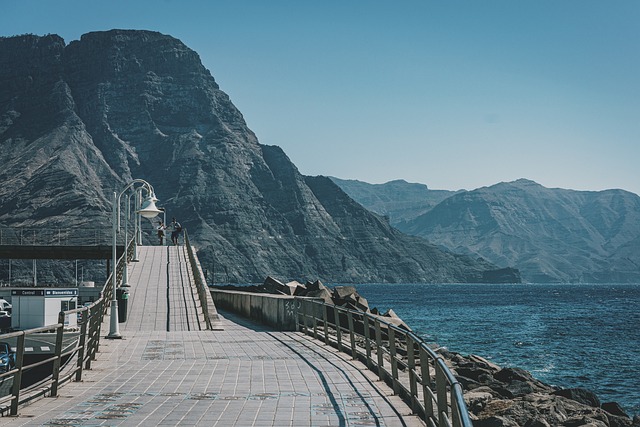
El Pinacate and Gran Desierto De Altar Biosphere Reserve
El Pinacate and Gran Desierto de Altar Biosphere Reserve: A Comprehensive Guide for Tourists Ten craters big enough to see from space sit inside a lava field an hour’s drive from an Arizona border post, and almost nobody visiting Rocky Point’s beaches bothers to go look at them.
What UNESCO recognized and when Get the dates right: Mexico designated this area a biosphere reserve back in...
read more
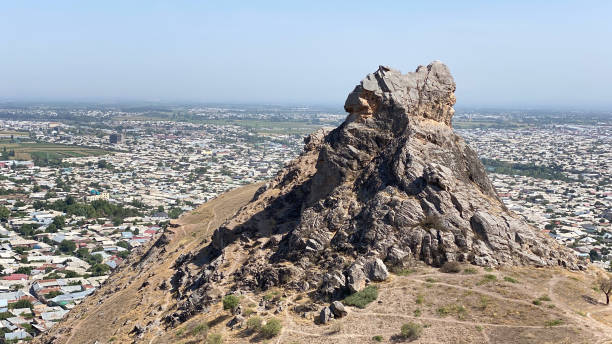
Sulaiman Too Sacred Mountain
Babur, the Timurid prince who would eventually found the Mughal Empire, spent time in Osh in the late 15th century and built a small meditation house on the eastern peak of Sulaiman-Too to use as a retreat. That house still stands, rebuilt but on the original foundations, and from its terrace you can see the Fergana Valley stretching out in three directions, the same view Babur described in his...
read more

Birthplace of Jesus Church of the Nativity and the Pilgrimage Route Bethlehem
The doorway you’ll actually walk through to reach the birthplace of Christ is four feet tall. Everyone bows to get inside, believers and skeptics alike, and that’s not an accident of medieval architecture, it’s a deliberate defense: after Crusader-era looters started riding horses and carts straight into the church to rob it, the original tall archway was bricked down to a...
read more
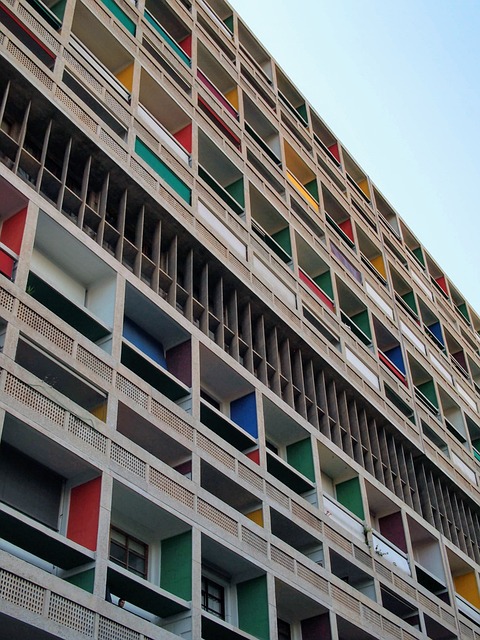
The Architectural Work of Le Corbusier an Outstanding Contribution to the Modern Movement
The Architectural Work of Le Corbusier Nobody visits this UNESCO site. They visit pieces of it, scattered across seven countries on three continents, because it is not one building or even one city but a deliberately curated set of 17 separate structures that UNESCO inscribed together in 2016 as a single transnational listing, one of the only World Heritage properties built entirely from the...
read more
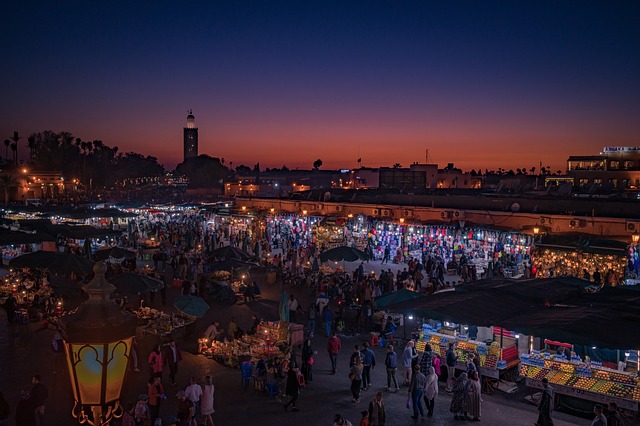
Crac Des Chevaliers and Qal at Salah El Din
A Guide to Crac des Chevaliers and Qal’at Salah El-Din In October 2025, a UNESCO and ICOMOS team walked back into Crac des Chevaliers for the first time in fifteen years. That gap tells you most of what a prospective visitor needs to know before anything else: this is a UNESCO World Heritage Site currently on the List of World Heritage in Danger, sitting inside a country where the U.S. State...
read more