Recent Mad Traveller

Riga Solo Travel: What to Actually Do
Solo travelers get told Riga is one of Europe’s safest capitals, which is true, and then get a vague warning about “nightlife safety” that doesn’t actually describe what to watch for. The real risk has a specific location and a specific pattern, and it’s worth knowing exactly rather than vaguely.
Start with that risk, since it’s the one piece of information solo...
read more

Walking the Town and the Boardwalks
Everglades City covers 1.2 square miles with a flat grid laid out in the 1920s, which makes the entire historic core walkable in under an hour, well before any wilderness boardwalk even enters the picture.
The historic loop downtown A 1.5-mile self-guided loop covers the whole company town Barron Collier built: the free Museum of the Everglades , housed in the 1928 Laundry Building and open...
read more
Amman Walking Tours: Four Real Routes
Heads up: some links here are affiliate links. Book or buy through them and we may earn a small commission at no extra cost to you. We only point you to things we would actually use.
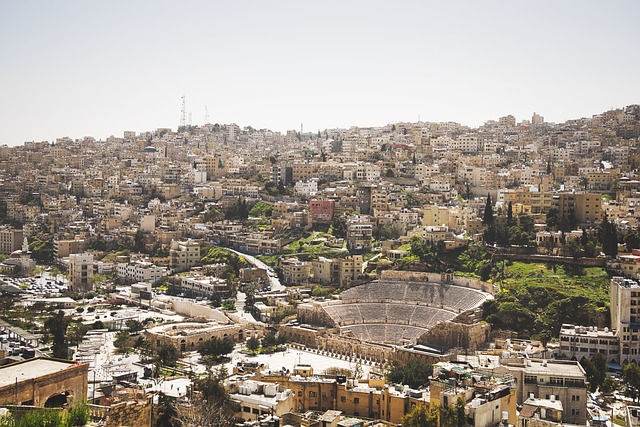
Amman is built on ridges and valleys, not a grid, so a walking route here means something specific: which staircase, which street, which direction downhill. Four routes cover the city’s most walkable ground, and...
read more
Grindelwald Family Trip, Sorted by Age
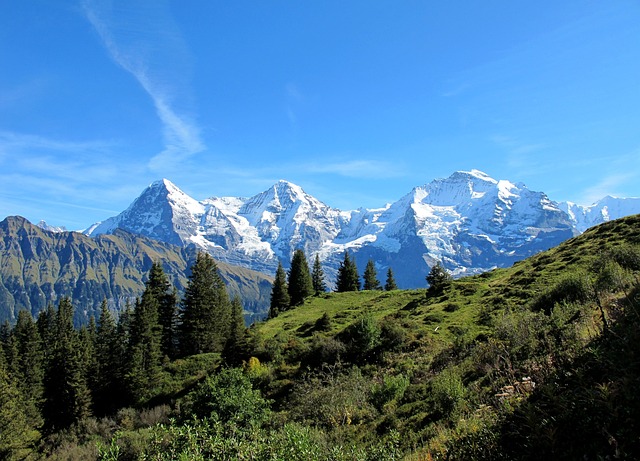
Not every Grindelwald activity has a height requirement attached, but enough of them do that planning a family day here works better by age bracket than by attraction name.
Toddlers and young kids: Bort The Firstbahn gondola ’s first stop, Bort (1,570 m), has a 700 m² playground with climbing towers, tube slides, and a stream-fed water-play area where small kids dam and redirect real...
read more
Romantic Potsdam Without the Cliches
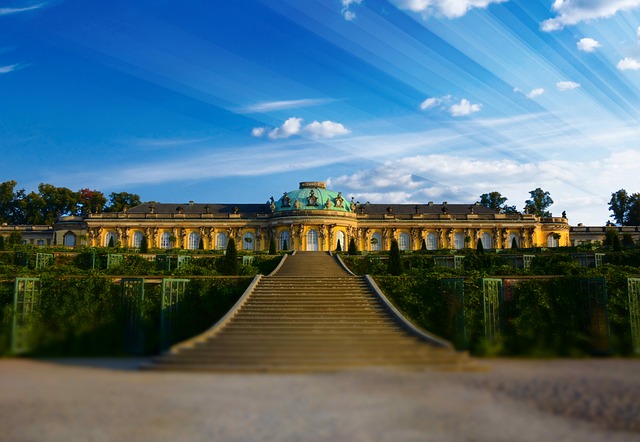
Most “romantic Potsdam” lists just rename the standard sightseeing route and add the word candlelit. A weekend that actually earns the label needs less ground covered and more of it timed for the right light.
Friday evening: arrive and eat in the Dutch Quarter Two restaurants anchor an evening here: Restaurant Juliette, French fine dining inside a 17th-century half-timbered house on...
read more
Solo Travel Guide to Gothenburg
Heads up: some links here are affiliate links. Book or buy through them and we may earn a small commission at no extra cost to you. We only point you to things we would actually use.
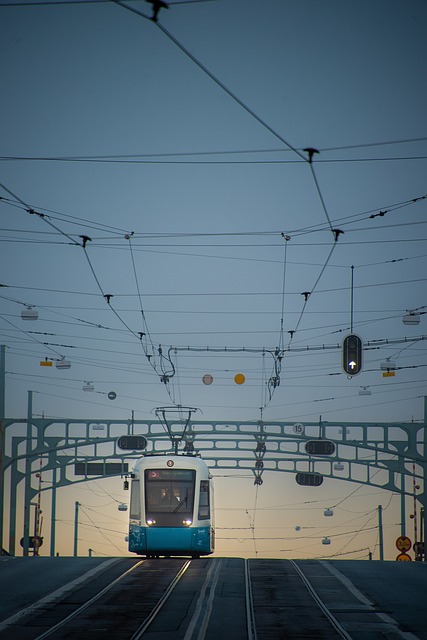
A city built around sitting alone with coffee for twenty minutes is, by definition, an easy place to travel through solo. Gothenburg is compact, flat, safe, and English is spoken fluently by almost everyone, so a solo...
read more

Multi-Day Trips Within Britain
A Eurostar ticket isn’t the only way to turn a London stay into something longer. Britain itself has four genuine multi-day trips that never cross a border, each one requiring the same honest planning: don’t compress a 2-3 night destination into a single exhausting day just because the train timetable technically allows a same-day round trip.
Edinburgh and the rest of Scotland is the...
read more
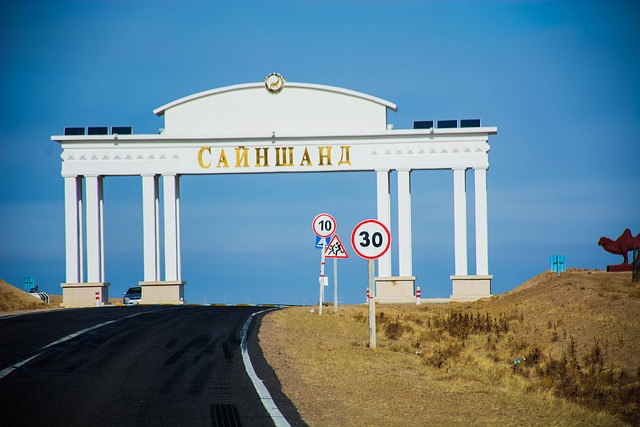
A Multi-Day Sainshand and Gobi Itinerary
Board the same train in Sainshand that continues on to the Chinese border, and a two-day monastery visit quietly turns into a multi-country rail trip. Sainshand’s real value on a longer itinerary is less as a destination in its own right and more as a waypoint where several very different multi-day routes intersect.
The Sainshand segment both routes share Whichever longer route you...
read more
Family Activities Near Nadi
There is no zoo, aquarium, or roller coaster park anywhere in Nadi, whatever an old itinerary might list. The closest thing to a theme park sits on Denarau Island instead, and it’s a waterpark, not a wildlife park, which is worth knowing before a family sets expectations around the wrong attraction.
Big Bula Waterpark, for the whole range of ages On Denarau Island, Big Bula Waterpark...
read more

Madaba With Kids: Skip the Wet Canyon
Heads up: some links here are affiliate links. Book or buy through them and we may earn a small commission at no extra cost to you. We only point you to things we would actually use.
A lot of family travel lists put Wadi Mujib’s Siq Trail on the Madaba kids’ itinerary. Read the fine print before you pack the swimsuits: the minimum age is 18.
The myth to drop first Wadi Mujib’s...
read more
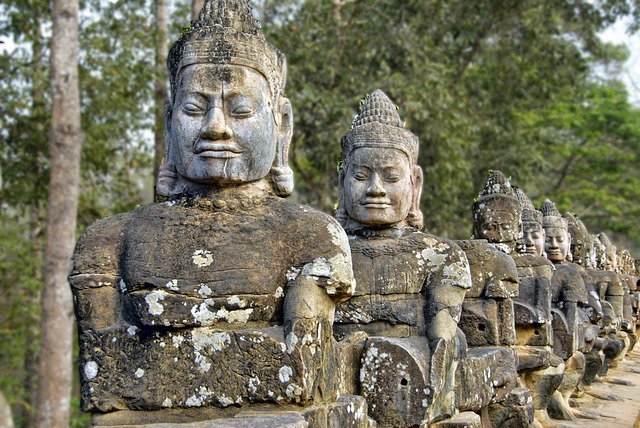
A Couple's Itinerary for Siem Reap
Two people watching the sun come up over Angkor Wat’s reflecting pool tends to work better than the same scene shared with a tour group of forty, and the difference costs less than you would think.
Start before dawn, together A private tuk-tuk through the cool, dark jungle roads reaches Angkor Wat while the northern lotus pond is still glassy, well before the crowds arriving by coach. book a...
read more

Group Activities Across Saudi Arabia
Saudi social life is built around groups by default, from the seating around a campfire to the single platter a table shares, which makes it one of the easier countries to plan a group trip around rather than a workaround.
Communal Kashta around the campfire Circular majlis seating around a bonfire is the standard group format, whether the site is Thumamah near Riyadh, Wadi Al-Qamar outside...
read more
Group Activities and Tours in Mendoza
Wine culture runs on shared tables by default, so Mendoza’s group scene barely has to try: the region’s biggest draws (long lunches, team river trips, a festival with a 20,000-seat amphitheater) are already built around groups rather than solo visitors.
Multi-course winery lunches This is the signature group ritual: 3-to-6-course seasonal tasting menus with a wine pairing per course,...
read more
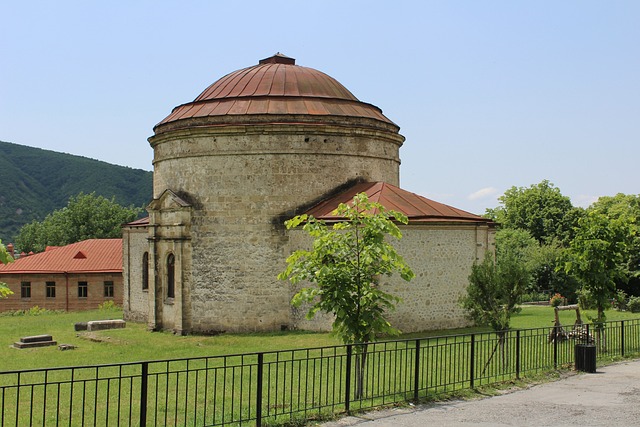
Group Activities That Work Well in Sheki
Long wooden tables in a Silk Road courtyard turn out to be the best group seating Sheki has to offer, better than any restaurant booking for six or more.
Tea, backgammon and a long table The Yukhari Karavansaray, once one of the largest caravanserais on the Silk Road, keeps its courtyard and public tea house open 11:00 to 19:00 with free entry for non-guests, and its long communal tables are built...
read more

Hong Kong Walking Tours Worth Doing
The Central-Mid-Levels Escalator gets sold as a headline attraction in itself, and riding it alone for ten minutes is a mediocre way to spend a morning. Riding it as one leg of a longer route is a different story.
The escalator only earns its reputation in context Start at Tai Kwun , the restored 1864 police station and prison compound turned arts hub, and give it a real hour rather than a...
read more

How Bus Travel Really Works in Pokhara
Three different buses at Sorhakhutte tourist bus park will all promise the same “6-hour” ride to Pokhara, and none of them will actually make it in six.
Picking a bus class that matches the road Kathmandu-Pokhara tourist buses come in roughly three grades: standard non-AC coaches, air-conditioned deluxe coaches, and premium buses with wider reclining seats. All of them run the same 200...
read more
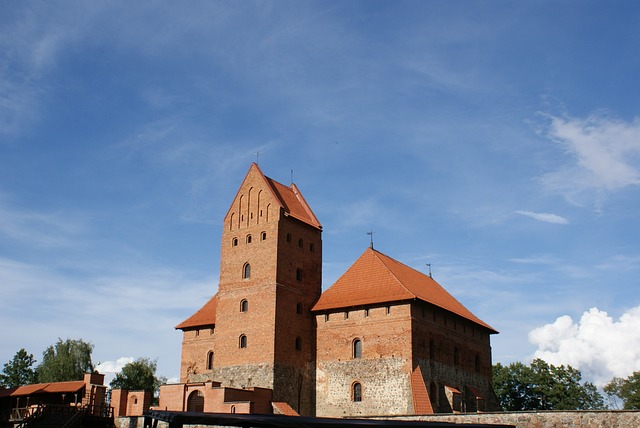
Planning Your Trakai Day Trip from Vilnius
Ninety percent of visitors see Trakai the same way: a morning out from Vilnius and an evening back, with the Island Castle as the only fixed point in between. The planning question worth answering before you go is how much beyond that castle you actually have time for.
Getting there: train beats bus The LTG Link regional train runs roughly hourly from Vilnius Central Station and covers the 28km in...
read more

Santo Domingo Street Art and Food Walks
Most visitors walk the same handful of colonial streets and stop there. Two other routes reward the extra hour: a mural-painted barrio north of the tourist grid, and a stroll built around what’s on the plate rather than what’s on the plaque.
Barrio Santa Bárbara’s murals Just north of the central colonial grid, beneath the hillside church of Santa Bárbara where independence...
read more

The 2-Day Rila Lakes Hut Traverse
Nobody based in Kyustendil town or Sapareva Banya sells a multi-day tour package of this province. Every multi-day bus tour that includes it is designed, marketed, and dispatched from Sofia or Plovdiv, treating the whole region as a one- or two-day waypoint on someone else’s itinerary. What the province does have, run entirely by yourself rather than booked as a package, are two genuinely...
read more
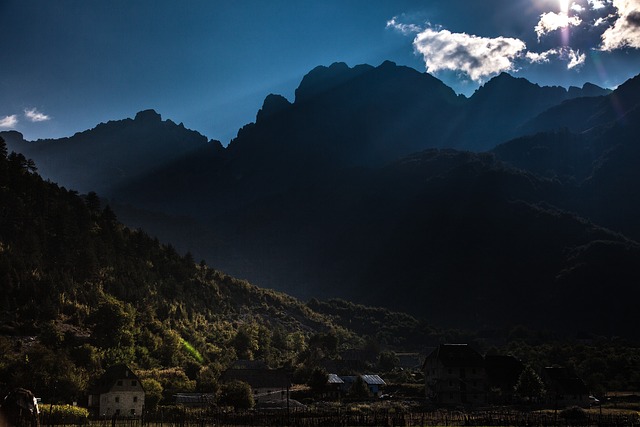
Theth for Couples: Alpine, Not Luxury
The honeymoon version of Theth doesn’t involve a resort pool or a couples’ massage menu. It involves a wood stove, real silence, and a stone guesthouse where you might be the only guests that week. That’s the actual draw here, and it works, once you stop expecting the version of romantic that a beach resort sells.
The stone guesthouse, not the suite. Traditional family bujtina...
read more

Turning a Champagne Day Trip Into a Night
A single champagne-house tour and a cathedral visit fit into a day trip from Paris easily. Two houses, an Épernay evening, and a cellar tour that does not feel rushed take a night away instead.
What the extra night buys you A direct TGV from Gare de l’Est reaches Reims in about 45 minutes, which is short enough that most visitors default to a day trip and see one house, Reims Cathedral, and...
read more

Uyuni Romantic Getaways, Done Right
Forget the day-trip itinerary for a minute. A romantic Uyuni getaway is decided by two bookings made before you ever leave home: which salt hotel you sleep in, and whether the Land Cruiser is shared with strangers or private. Get those two right and the rest of the trip takes care of itself.
Splurge or mid-range: two real salt hotels, not a marketing line
Palacio de Sal, near Colchani, is the...
read more
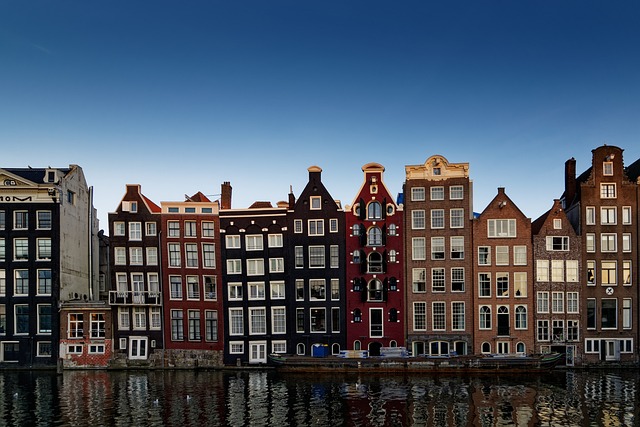
Vondelpark, Volendam and the Ice Rink
A free Saturday-afternoon family theatre slot running all summer in the middle of Vondelpark is the kind of thing that would anchor a whole page on most cities’ tourism sites, and it barely gets mentioned here.
Vondelpark’s Saturday family theatre, free and easy to miss The Openluchttheater runs a fixed weekly pattern through its roughly 125-performance, May-to-mid-September season:...
read more

What Urgench's Monuments Are Actually About
A 25-meter bronze statue of a khan who fought Genghis Khan and lost is not the kind of monument most cities build, and understanding why Urgench built it anyway is more interesting than just walking past it.
The warrior king who resisted the Mongols Jalal al-Din Mangburni was the last Khwarazmshah ruler, and he beat Mongol armies in several battles before his eventual defeat near the Indus River...
read more

Chiang Mai Group Activities Guide
A group of six splits a songthaew charter for less than a single taxi fare elsewhere, and most of what’s actually worth doing here scales up naturally rather than getting awkward past three people.
On the water and in the quarry, together Whitewater rafting on the Mae Taeng River genuinely needs a group: rafts run four to six paddlers working together under a certified river coxswain, and...
read more
Couple Activities Around Nadi
Two people covered head to toe in grey volcanic mud, laughing at each other while it dries stiff in the sun, is not most people’s idea of romance until they’ve actually done it at Sabeto. Nadi’s couple activities run more toward shared daytime experiences like that than toward candlelight, and the distinction matters when you’re planning a day rather than an overnight stay....
read more
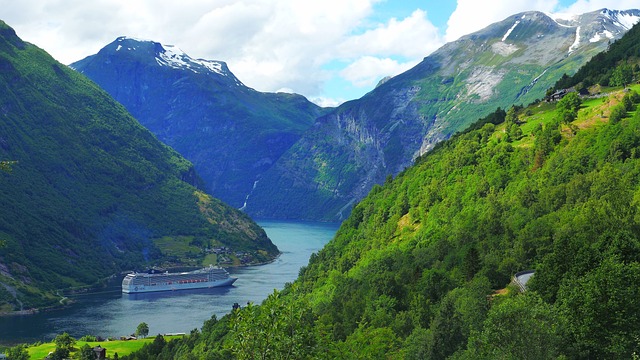
Geiranger for Couples: Spa, Not Just Scenery
A fjord view is not a romantic getaway by itself; it’s scenery. What makes Geiranger actually work for couples is the short list of things you can do with that view once you’ve booked them.
Hotel Union Geiranger , in the same family’s hands since 1899, is the obvious base: a 1,500 square meter spa with an outdoor heated pool and whirlpool facing the fjord, Finnish saunas, a...
read more

Umm Qais Group Trips: Makmoura and More
Heads up: some links here are affiliate links. Book or buy through them and we may earn a small commission at no extra cost to you. We only point you to things we would actually use.
Split a 20 JOD Makmoura lunch across a group and the number looks like pocket change. It is not: the Jordanian Dinar is pegged at 1 JOD to roughly 1.41 USD, so a 20 JOD bill for the table is closer to 28 US dollars,...
read more

Bali Romantic Getaways for Couples
Heads up: some links here are affiliate links. Book or buy through them and we may earn a small commission at no extra cost to you. We only point you to things we would actually use.
Watching the sunset at Uluwatu Temple and then walking into the Kecak fire dance sounds like one evening’s plan, and it’s actually two separate tickets bought at two separate counters, worth knowing before...
read more

Family Trips From Tokyo, Done Right
Tokyo Disneyland is not actually in Tokyo, and that one geography fact changes how a family day around it should be planned.
The Disney correction Both Tokyo Disneyland and DisneySea sit in Urayasu, Chiba Prefecture, a separate prefecture from Tokyo proper, reachable but not a Tokyo neighborhood the way Shibuya or Asakusa are. A 1-Day Passport runs 7,900 to 10,900 yen for adults and 4,700 to 5,600...
read more
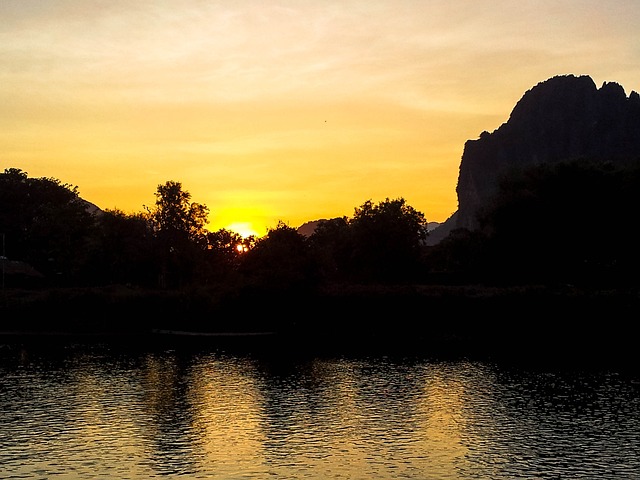
Family Days Out in Vang Vieng
Vang Vieng’s reputation, tubing accidents and, in November 2024, a fatal methanol poisoning at a backpacker hostel, is not the kind of thing you want attached to a family trip. It also doesn’t have to be, because the town’s daytime activities are largely separate from its nightlife problems, as long as you pick deliberately.
A morning at the cave, an afternoon at the lagoon Tham...
read more
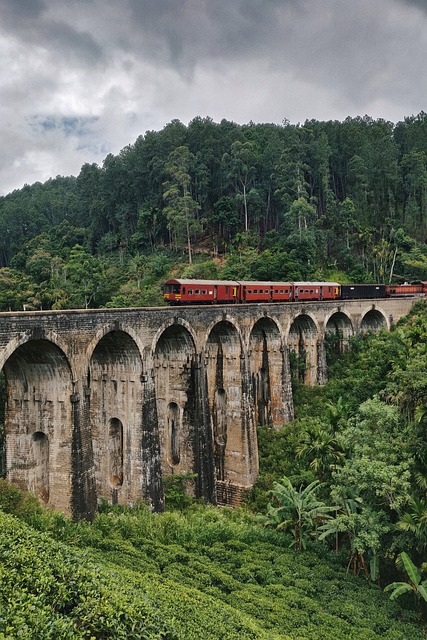
Stringing Days Together From Ella
Most guides treat Ella as the destination and everything else as a detour from it. Flip that: Ella works better as the hinge in the middle of a longer trip than as the trip itself, and the choice of what sits on either side of it changes the character of the whole route more than any single day inside Ella does.
The surf link: Ella to Arugam Bay, 3 to 5 days Monaragala breaks up the roughly 3.
read more
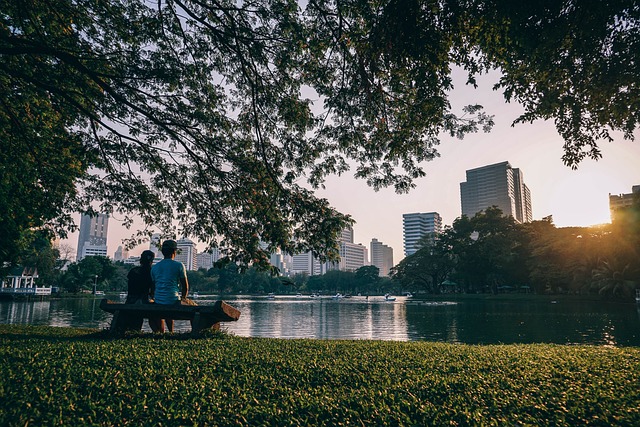
Bangkok Romance: Free to Splurge
Heads up: some links here are affiliate links. Book or buy through them and we may earn a small commission at no extra cost to you. We only point you to things we would actually use.
Not every good Bangkok evening costs money: the classic romantic view of Wat Arun is free, and it isn’t from inside the temple at all.
Wat Arun from across the river, at dusk Stand at the Tha Tien pier or the...
read more

Multi-Day Trips from Eilat, Planned Right
Multi-Day Trips from Eilat
Eilat is small enough to cover its marine sights in two days, which is exactly why it works as a base for something bigger: a desert loop north, a border crossing into Jordan, or a full diving certification, rather than a standalone weekend.
Before you plan multiple days here
Israel is at US State Department Level 3, “Reconsider Travel” (reissued 26 Aug...
read more

A Barcelona Evening by the Sea
Barceloneta by day is a crowded city beach. Barceloneta after the day-trippers leave is something else entirely, and it costs nothing to find out.
The beach at dusk, once the crowds thin out By early evening the sand empties out well before the beachside restaurants fill up for dinner, leaving a genuinely quieter stretch than the same beach at noon. Walk the promenade toward the W Barcelona, the...
read more

Rome, the Grand Tour's Real Finale
Rome was the climactic endpoint of the 18th and 19th-century Grand Tour, reached only after Paris, Switzerland and Florence or Venice. Plenty of modern itineraries treat Rome as an interchangeable first stop instead, missing the point of arriving there last.
The route that still works Rome 3 nights, Florence 2 nights, Venice 2 nights, connected by high-speed rail: Rome to Florence in 1 hour 32...
read more
Solo Travel in Ban Xang Hai Village
Get the geography right first: Ban Xang Hai sits on the Mekong north of Luang Prabang in Luang Prabang Province, not out near Vientiane, and any page that places it there has not actually mapped the trip it is describing.
Join the shared boat, skip the private charter The budget move for solo travelers is the shared morning longtail from the Luang Prabang tourist pier, roughly $8 to $12 USD round...
read more
The Truth About Bus Tours Here
There is no bus tour of Everglades City, because there is no bus system to run one on: 350 residents, 1.2 square miles, and not a single traffic light, so a hop-on hop-off loop would have nowhere to go.
What actually exists instead Everglades City has zero hop-on hop-off buses, zero open-top sightseeing buses, and zero public or municipal transit of any kind. What does exist under the “bus...
read more
Vondelpark and Albert Cuyp on Foot
Every canal-ring walking route looks the same after the third one. Two neighborhoods away from the ring, a park loop and a street market offer a genuinely different kind of walk, both free and both self-guided.
Vondelpark: flat, free, and busier at one specific spot A flat, self-guided loop through the city’s largest park costs nothing and needs no map beyond the main path. The...
read more
A Sightseeing Guide to Gothenburg
Heads up: some links here are affiliate links. Book or buy through them and we may earn a small commission at no extra cost to you. We only point you to things we would actually use.
Most of Gothenburg’s best sightseeing does not charge admission, which changes how you should plan a day here compared to a city built around ticketed museums.
Start free, near the station Trädgårdsföreningen,...
read more
Potsdam Multi-Day Trips: The Honest Base
Potsdam genuinely runs out of new ground around day three, and that’s not a criticism, most single cities do. The honest answer for a longer trip isn’t to invent a fourth or fifth day of Potsdam-only sightseeing, it’s to use the city as a base and extend outward once its own list is done.
Days 1 to 3: what Potsdam alone actually covers Day one belongs to Sanssouci Park: Sanssouci...
read more
Riga Sightseeing Beyond the Old Town
Half of Riga’s “top sightseeing” lists treat five or six landmarks as equally essential and equally time-consuming. They aren’t, and figuring out which ones deserve twenty minutes instead of two hours is what actually makes an Old Town day work.
The House of the Black Heads earns the most time on the list, and also the most explaining: the building on Rātslaukums today is a...
read more
Traveling Amman Solo: Practical Tips
Heads up: some links here are affiliate links. Book or buy through them and we may earn a small commission at no extra cost to you. We only point you to things we would actually use.
The practical questions matter more than the sightseeing list for a solo trip, and Amman answers most of them well. Jordan carries a US State Department Level 2 rating, violent crime against tourists is close to...
read more
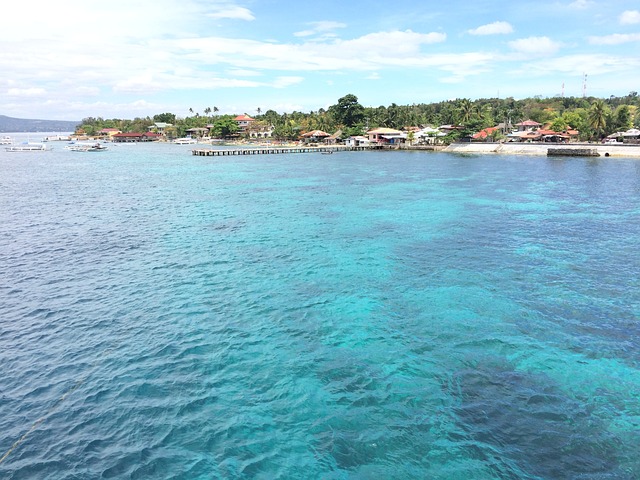
Beyond Cebu City: Multi-Day Trip Options
Cebu Island runs more than 200km end to end, which is why the province’s best multi-day trips fan out in four different directions from Cebu City rather than sitting along one route. Pick a direction based on what you actually want, diving, beach time, or variety, since combining more than one in a single trip usually means shortchanging all of them.
Malapascua, 2 to 3 nights, for divers...
read more
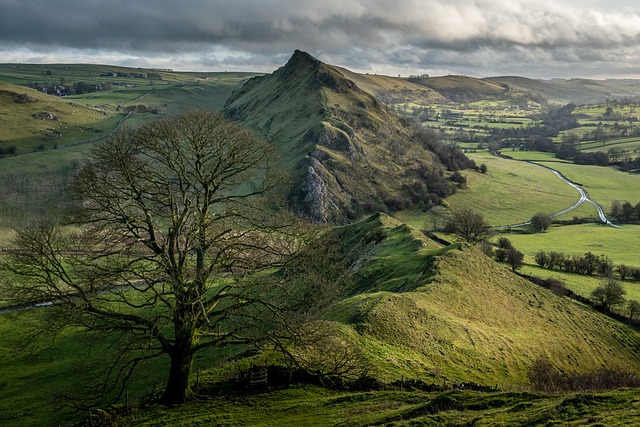
Cayo District Multi-Day Itineraries
Base a Belize trip in San Ignacio for four nights and you’ve seen half the reason to come; the other half needs an overnight bag and a border stamp.
The interior base Two to three nights around San Ignacio cover the district’s core: NICH-managed ATM Cave, Xunantunich and Caracol, plus the town itself. Boutique properties outside town make good bases for this stretch. Ka’ana...
read more
Grindelwald Day Trips: Where the Trains Go
Every train out of Grindelwald toward Interlaken carries a trap: at Zweilütschinen it splits, and the wrong half takes you to Lauterbrunnen instead. Knowing that split is basically the whole skill of day-tripping from here.
Lauterbrunnen Valley and Trümmelbach Falls The BOB train runs Grindelwald to Zweilütschinen in 15 minutes, then a connecting train covers Lauterbrunnen in another 10, about 35...
read more

Malaysia's Bus Tours Are Actually Real
Most cities pitching a hop-on hop-off bus are stretching the term. Kuala Lumpur and Penang aren’t: both run real, permanent, government-recognized double-decker systems, and that puts Malaysia in a smaller club than the marketing usually suggests.
Kuala Lumpur’s hop-on hop-off bus Open-top double-deckers run two loops, City and Garden, across 27 stops covering the Petronas Towers, KL...
read more

Istanbul Family Days: What Runs All Year
Istanbul’s family attractions don’t run on the same calendar, and building a trip around the one that closes for half the year is the fastest way to disappoint everyone at the gate.
Open every month: Miniaturk, the Aquarium, and Rahmi M. Koc Miniaturk , the Golden Horn scale-model park of Turkish and Ottoman landmarks, runs year-round with a foreigner ticket around 900 TRY against...
read more
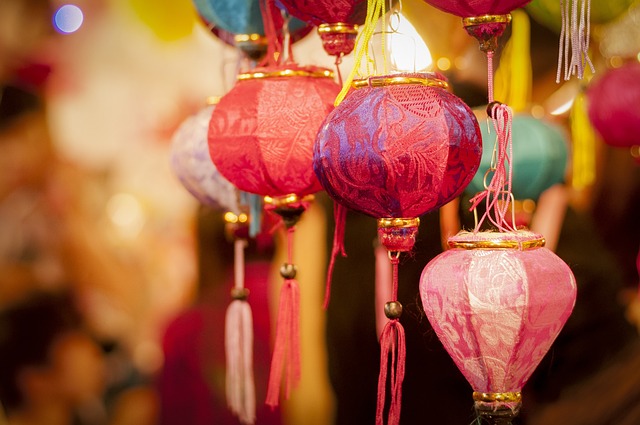
Bus Touring Saigon: Routes and Realities
A red double-decker with the roof peeled off is a strange sight in most of Vietnam, but Saigon actually runs one, on a fixed schedule that changes character completely once the sun goes down.
What the daytime loop covers Hop On Hop Off Vietnam’s open-top buses depart every 30 minutes from 09:00 to 16:00, starting at the Saigon Central Post Office and working through up to 18 stops:...
read more

Hands-On Workshops in Northern Ghana
Nobody teaches watercolor landscapes or generic ceramics classes in Northern Ghana, and no workshop here needs an invented craft to fill the page; the region already has four real, specific ones worth a morning of your trip.
Shea butter processing, start to finish Women’s cooperatives in Tamale and at Mognori Eco-Village run hands-on shea butter masterclasses covering every stage: cracking...
read more