Recent Mad Traveller

Sainshand Sightseeing: Stupas and Fossils
Sixty-four wooden crates sat buried under Gobi sand for over fifty years before anyone dug them back up, and the objects inside them are now the single most compelling thing to actually look at in Sainshand. That story, more than any single building, is what makes the sightseeing here worth the long drive out.
The 108 stupas of Shambhala The defining visual of the whole region is the Shambhala...
read more

Romance in London Without Overspending
Assume romance in London means the Shard and a dinner cruise and you’ll skip the option most locals would actually pick for a genuinely special evening, and it costs nothing at all beyond the effort of booking it in time.
Sky Garden, inside 20 Fenchurch Street, is free to enter and genuinely one of the best sunset viewpoints anywhere in the city, the catch is booking, not price: new slots...
read more

Day Trips Worth Taking in Mauritius
Four different day trips cover four different sides of Mauritius, and none of them overlaps enough with another to feel repetitive if you string two or three together across a week.
The classic southwest circuit Grand Bassin’s crater lake, the rim trails above Alexandra Falls in Black River Gorges National Park, the Chamarel Seven Coloured Earths, and a rum tasting at the valley’s...
read more

Left Bank Romance, Away From the Cruises
Every “romantic Paris” list defaults to the same three stops, the Eiffel Tower, a Seine cruise, and a croissant, and the Left Bank quietly offers three better ones that never make that list.
Musée Rodin’s gardens The Musée Rodin sits on the Left Bank in the 7th arrondissement, and its sculpture garden, with The Thinker and The Kiss set among trimmed hedges and rose beds, is a...
read more
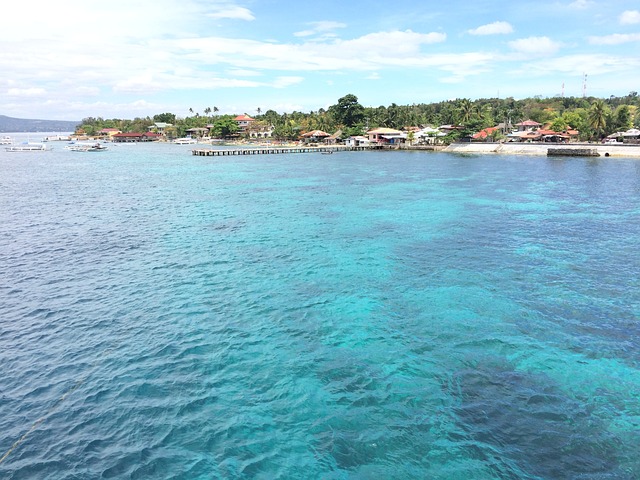
Romantic Cebu: Mountains to Mactan
Cebu City has no beach of its own, so any brochure promising a candlelit dinner on the sand downtown is describing somewhere else, likely a stock photo from another island entirely. What the city and its surroundings actually offer splits cleanly into two moods instead: beach luxury a short bridge crossing away, and mountain sunsets you can reach in twenty minutes without ever leaving the city...
read more
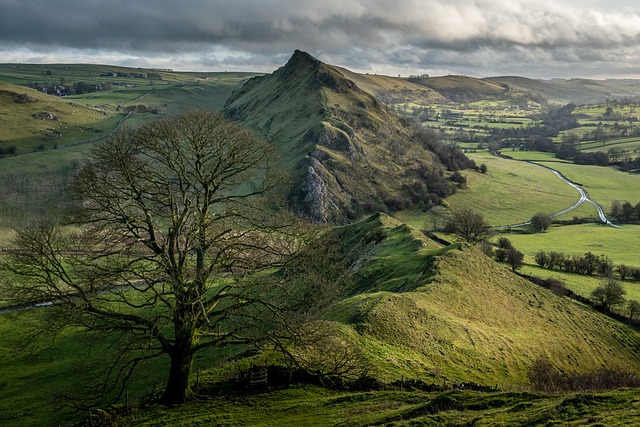
Walking Tours of San Ignacio, Cayo
San Ignacio itself is walkable end to end in under twenty minutes; everything past the town line needs a ride first.
Burns Avenue and the Saturday Market Burns Avenue, the pedestrianized boulevard through the center of town, is lined with outdoor cafes, tour outfitters and artisan stalls, and it’s the natural spine for a self-guided stroll. Saturday mornings bring the district’s real...
read more

Walking Madaba: The Only Way That Works
Heads up: some links here are affiliate links. Book or buy through them and we may earn a small commission at no extra cost to you. We only point you to things we would actually use.
Do not book a car for central Madaba. The whole historic core is flat, compact, and built for feet, and a driver would spend more time finding parking than you would spend walking the entire loop.
read more

Family Activities in Providenciales, By Age
The best family activity on Provo doesn’t involve getting anyone under four years old to actually swim; it involves walking them into water that never gets past their knees.
Taylor Bay and Sapodilla Bay, water shallow enough for toddlers Both south-shore coves run shin to knee deep for hundreds of yards out, sheltered from the tradewinds and warm enough that small kids don’t protest...
read more

Chiang Mai's Craft Village Workshops
Chiang Mai’s court artisans, the chang sip mu, worked in ten hereditary crafts under the old Lanna kings, and several of those trades are still being taught, hands-on, in the villages ringing the city rather than behind museum glass.
Bo Sang, for paper and paint Nine km east of the Old City along Route 1006, Bo Sang Umbrella Making Centre has processed mulberry bark into sa paper and split...
read more

Riga Workshops Worth Your Time
The porcelain you paint in Riga on a Tuesday afternoon will not be ready to take home on Tuesday evening, whatever the workshop’s marketing photos imply. Firing takes 24 to 72 hours, and planning around same-day pickup is the single most common mistake with this activity.
The Riga Porcelain Museum workshop, in the historic Konventa sēta courtyard at Kalēju iela 9/11, sits on the site of the...
read more

Solo Eilat: Where to Actually Go
Solo Travel in Eilat
Nobody needs a companion to float above a coral reef or sit in a birding hide, which is exactly why Eilat works better solo than most beach destinations built around couples and groups.
What’s true right now
Israel sits at US State Department Level 3, “Reconsider Travel” (reissued 26 Aug 2026), though Eilat city itself is not on the Level 4 do-not-travel...
read more
Visiting Hegra Solo: A Practical Guide
Visiting Hegra Solo: A Practical Guide
Nobody needs a travel companion to book a seat on a shuttle, and that’s essentially what a solo visit to Hegra comes down to.
The Logistics Are Easier Than Expected The standard Hegra Day Tour , from SAR 95, is built around individual seats on an RCU shuttle departing Winter Park or the Hegra South Gate, not a private vehicle you’d need to fill or...
read more
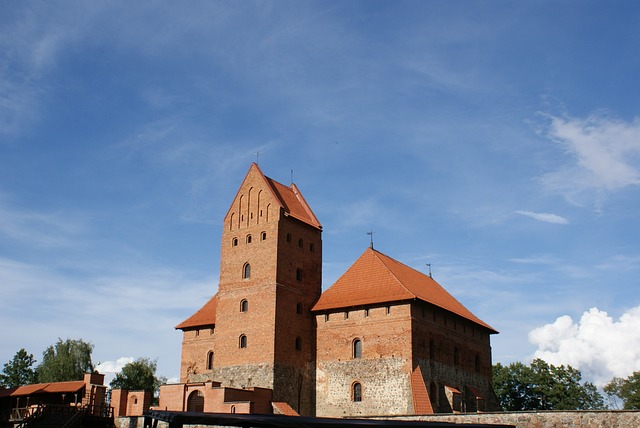
Family Days Out in Trakai with Kids
Kids do not need convincing to cross a 300-meter wooden footbridge to a real castle on an island, and Trakai’s actual draw for families is that the castle, the lake and a chocolate museum all sit within easy walking distance of each other rather than spread across a whole region.
Trakai Island Castle, the obvious first stop Stone spiral staircases, old prison dungeons, and cases of...
read more
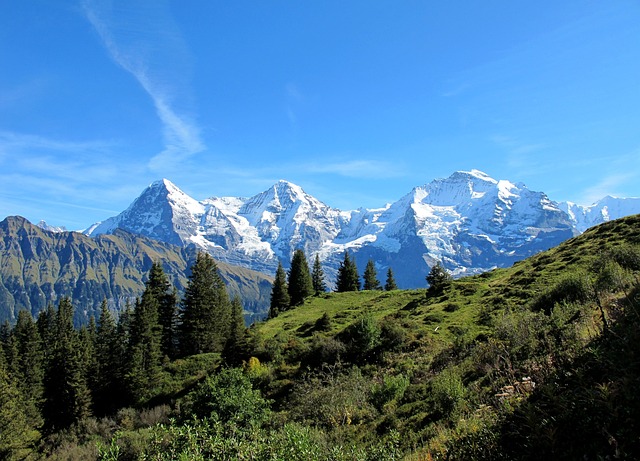
Grindelwald Hikes: How Close to the Eiger
The Eiger dominates every trail description in this valley, but the three main routes put you at genuinely different distances from it, and picking the right one depends on how close you actually want to get.
From across the valley: Panoramaweg The gentlest option views the Eiger from a respectful distance. Trail No. 33 runs 4.5 km from the Männlichen gondola summit station along a wide, gentle...
read more

Hong Kong Workshops Worth Your Time
If a listing offers you a pottery class or a carpet-weaving workshop in Hong Kong, it’s describing somewhere else and forgot to change the city name. What the city actually has is narrower, and better for it.
Skip a second dim sum class, book the mahjong carving instead Every visitor eventually takes a dumpling-folding class; fewer take the one that’s actually unique to this city. At...
read more
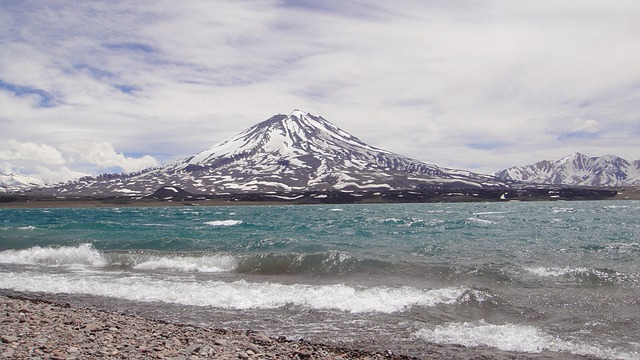
Multi-Day Trips From Mendoza, Argentina
Mendoza sits close enough to the Andes, Chile, and its own southern desert that the temptation is to squeeze all three into rushed day trips. It’s the wrong call for most of them. Sorted by how many nights each one actually needs, here’s what rewards staying over instead of driving back.
2 to 3 nights: San Rafael and the Atuel Canyon Agencies sell this as a 14-hour day tour, 240 to...
read more
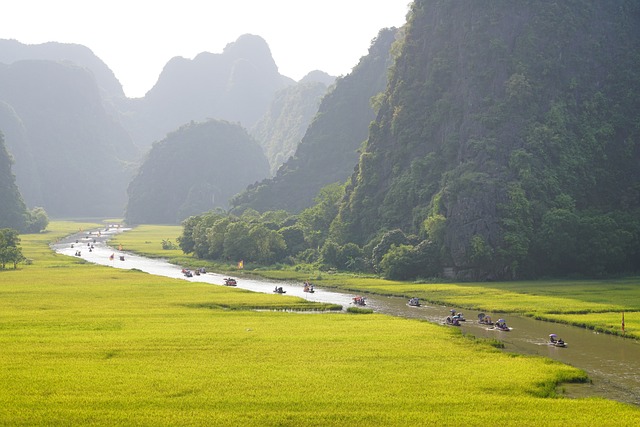
Ninh Binh Adventure Tours Explained
The word “adventure” gets stretched thin in a lot of Ninh Binh marketing. Here is where it actually applies: a nine-cave boat route, a primary jungle trek, and a wetland safari for a primate found almost nowhere else on Earth.
The deep cavern route at Trang An Trang An runs three fixed sampan routes, and Route 1 is the one adventure travelers usually mean when they say Trang An: nine...
read more
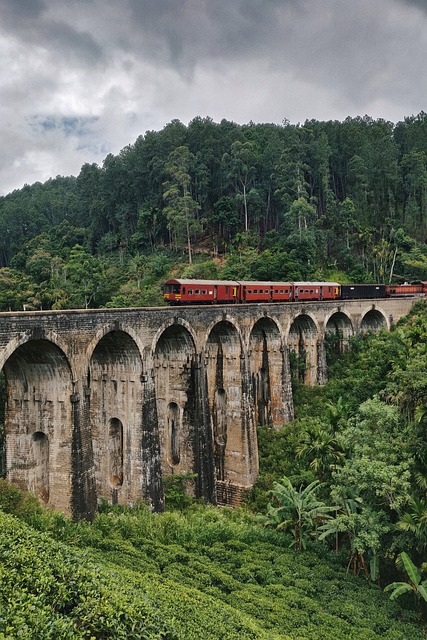
Romantic Getaways In The Ella Hills
Ella’s romance has nothing to do with a beach; the nearest one is 2.5 to 3.5 hours south, and every property listed here is built to make the most of tea-covered hills instead.
Tea-estate chalets built for two 98 Acres Resort and Spa sets its thatched chalets on old railway sleepers directly across the valley from Little Adam’s Peak, several with private plunge pools looking out over...
read more

Rome's Rooftop Bars for Couples
A rooftop bar near the Pantheon, reached through an unmarked door and an old lift, runs cheaper than any hotel rooftop in the city and holds a 360-degree view most couples never find on their own.
Four pockets worth knowing Rooftop bars cluster around the Spanish Steps and Tridente, Trevi and Barberini (ThRoof, with 360° views toward St Peter’s), Piazza Navona and the Pantheon (Vista, the...
read more
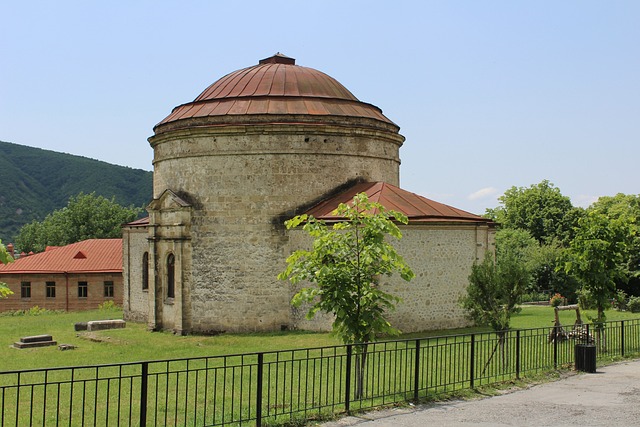
Sheki Craft Workshops: Shebeke and Silk
Ask about carpet weaving in Sheki and you will get a puzzled look. That craft belongs to other Azerbaijani regions; Sheki’s real workshop tradition runs through glass, silk, sugar and copper instead.
Shebeke: glass without glue The signature craft here is shebeke, stained-glass window screens built by hand-carving interlocking grooves into walnut and boxwood, then sliding in cut pieces of...
read more

Solo in Alicante: the Tardeo and Tapas Bars
Nobody in Alicante blinks at a solo diner pulling up a stool at a market counter on a Saturday afternoon, because half the city is doing exactly the same thing during the tardeo.
The Saturday tardeo, on your own Alicante is the acknowledged home of the tardeo, the local habit of socializing in daylight rather than waiting for night. It starts around 13:00 to 14:00 at Plaza 25 de Mayo behind...
read more

Solo in Uyuni? Here's What Actually Works
Uyuni town has no landmark church worth detouring for, whatever you’ve read; that’s Sucre’s San Felipe Neri, several hundred kilometers away. What Uyuni actually offers a solo traveler is the join-a-shared-Land-Cruiser rite of passage, and it’s worth doing right rather than booking the first tour desk you pass on Avenida Ferroviaria.
Join a shared 6-person Land Cruiser...
read more
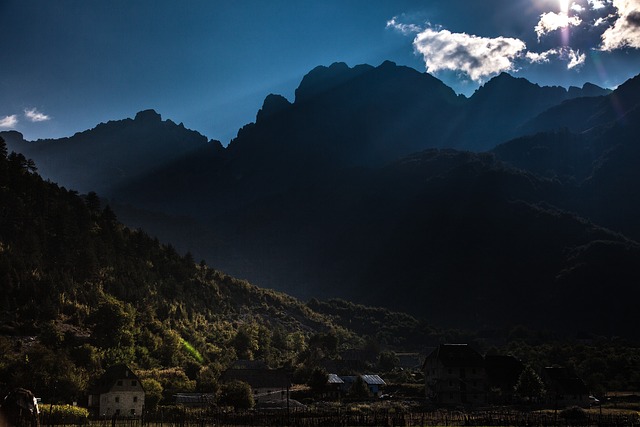
Theth Sightseeing Worth the Climb
There’s no funicular, no viewing tower, and no hop-on-hop-off bus anywhere in Theth. Every view on this list costs you either a walk or a stop at a road pullout, which is a large part of why they still feel earned once you get there.
Qafa e Thorës, before you even reach the village. If you’re driving in on SH21, the pass itself, at 1,700 meters near Buni i Bajraktarit, delivers the...
read more

Things Couples Actually Do in Pokhara
Not every couple wants candlelight and a violin; plenty would rather be genuinely nervous together for twenty straight minutes, strapped to the same paraglider canopy, and Pokhara is built for that version of a couple’s trip too.
Flying tandem, together A tandem paraglide means exactly that, one pilot flying two of you at once if you book it that way, launching from Sarangkot’s ridge...
read more

Three Walks Worth Doing in Siem Reap
Three separate walks cover this destination properly, and trying to compress them into one morning is how people end up seeing all of them badly instead of one of them well.
The Angkor Wat perimeter walk Around 3km and 2 hours: cross the floating pontoon bridge over the 190-meter moat, pass through the grand outer western gopura, and follow the sandstone causeway flanked by naga balustrades before...
read more
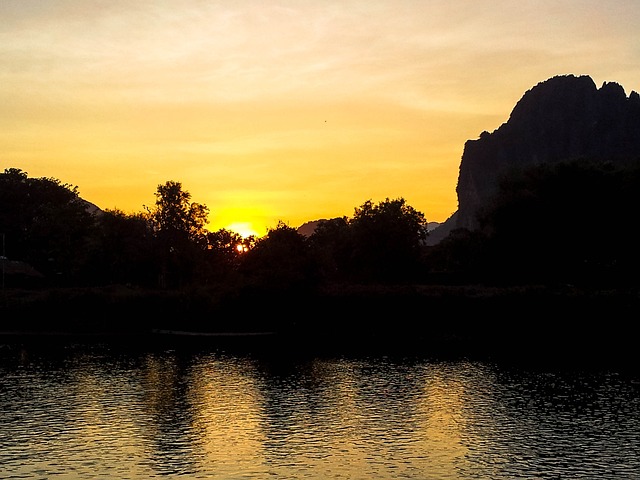
Vang Vieng Sightseeing Beyond Tubing
If you’re looking for royal palaces, grand museums, or an old temple quarter, save that expectation for Luang Prabang, now barely 50 minutes away by train. Vang Vieng’s sightseeing is a different genre entirely: geographical rather than historical, built around a valley of jagged karst limestone rather than any single monument.
The views everyone comes for Nam Xay, an 8 km,...
read more

Walking the Trails of Kyustendil
Between the Rila Lakes Hut and the Lake Peak viewpoint, the trail climbs through all seven glacial lakes in sequence, but the walk most visitors actually remember afterward is the flat, shaded thirty minutes to a rock chimney a grown adult can barely fit through.
The Seven Rila Lakes circuit The full loop from Rila Lakes Hut (2,135 m) runs 4 to 5 hours over 8 to 10 km, past the Lower Lake and Fish...
read more
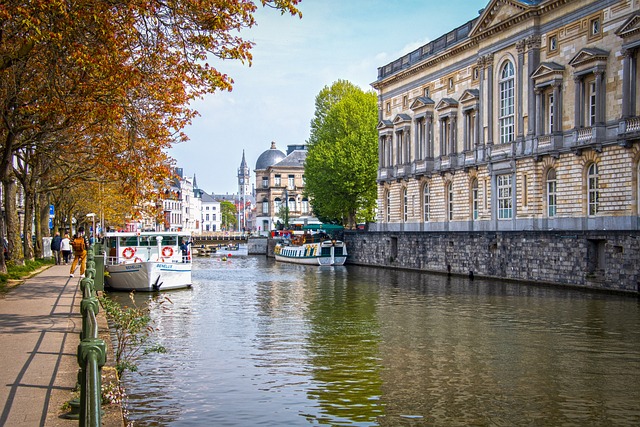
Wildlife and Animals Near Ghent
Search for a Ghent zoo and you’ll find plenty of pages describing one. Ghent does not have a municipal zoo or a marine park; travelers looking for that kind of large-scale zoological exhibit go to Antwerp Zoo or Pairi Daiza instead, both outside the city.
Bourgoyen-Ossemeersen Nature Reserve
What Ghent actually has is a genuine 220-hectare protected wetland and meadow reserve about 3km west...
read more
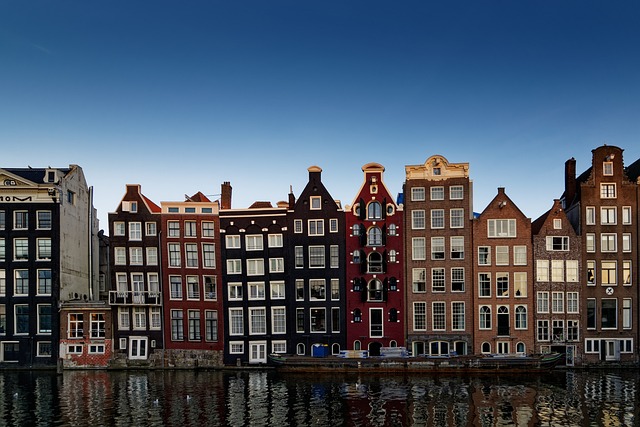
Winter Romance at Amsterdam's Ice Rink
Photos of couples skating on a frozen Amsterdam canal circulate every winter, and the truth behind them is less romantic than the picture: the canals essentially never freeze solid enough anymore for that to be a safe or reliable plan. A real, current winter option does exist nearby, and it needs no ice on natural water at all.
Museumplein Ice Rink: the honest version of the postcard...
read more

Amman Workshops: Soap, Ink, and Pottery
Heads up: some links here are affiliate links. Book or buy through them and we may earn a small commission at no extra cost to you. We only point you to things we would actually use.
Jabal Al-Weibdeh, known locally as Luwebdeh, is Amman’s bohemian arts district, and its workshop scene reflects that: soap, ink, and clay, taught in small studios rather than tourist-facing demonstration halls....
read more
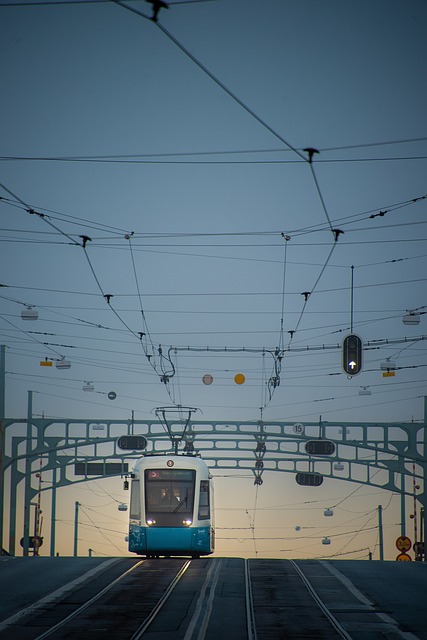
Gothenburg Walking Tours Worth Taking
Heads up: some links here are affiliate links. Book or buy through them and we may earn a small commission at no extra cost to you. We only point you to things we would actually use.
Gothenburg’s compact, flat street grid was built for foot traffic three centuries before cars existed, and it still shows. Five routes cover most of what is worth seeing on foot.
Haga and fika history Start at...
read more

Potsdam Workshops: What's Actually Bookable
The pottery workshops advertised for Potsdam’s Dutch Quarter don’t run out of one dedicated storefront studio, they run out of local artists’ courtyards that rotate more often than a city guide can keep pinned down, which matters once you’re actually trying to book one rather than just read about it.
Craft beer brewing seminars The one workshop here with a fixed address and...
read more
Providenciales Wildlife After the Conch Farm
Providenciales used to have a working conch farm you could tour; as of 2026 the government bought that waterfront site to redevelop it into a home for watersports operators, so it’s off the list. What’s left leans wild rather than farmed, and every encounter still standing comes with its own rule about what you can and can’t do near it.
JoJo, protected by law since 1989 JoJo is a...
read more

Tokyo Multi-Day Trips to Fuji and Nikko
Toshogu Shrine alone needs three to four hours to see properly. Add a two-hour train ride each way and a Nikko day trip stops being a day trip in any relaxed sense of the word.
Hakone and Fuji, given a second day An overnight in Hakone, ideally at an onsen ryokan, turns the ropeway ride, the Lake Ashi cruise and a Fuji-view afternoon into an unhurried two-day loop instead of a single rushed one.
read more

How Many Nights Each Side Trip Needs
The question that matters most for these three trips isn’t which to pick, it’s how many nights each one actually needs once you’re honest about the travel time on both ends.
Cappadocia: 2 nights minimum, more for a balloon morning The flight alone, Istanbul to Kayseri or Nevsehir on Turkish Airlines or Pegasus , runs about 1h20, and door-to-door with transfers costs 4-5 hours...
read more

Walking On from Urgench into Khiva
An afternoon of walking in Urgench is really a warmup for a much longer one in Khiva, and planning the two as separate legs of the same trip works better than trying to stretch either one alone.
Urgench itself: a short, self-contained walk Central Urgench covers its civic sights (the Mangburni monument plaza, the Museum of Contemporary Art, the Shavat Canal promenade, and the Avesta complex) in...
read more
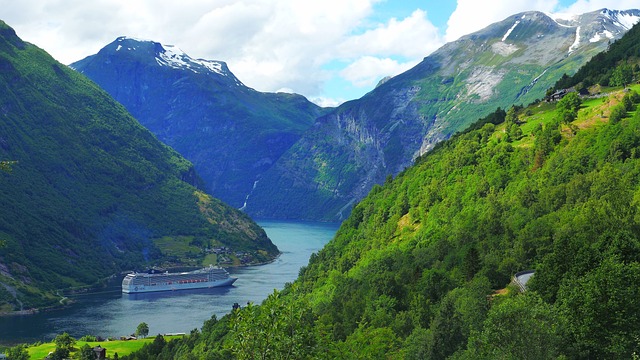
Geiranger Walking Tours: Steps, Not Summits
You don’t need hiking boots to see Geiranger’s best-known walk, you need trainers and a willingness to climb 327 steel steps.
Fossevandringa, finished in 2014, runs alongside the Storfossen waterfall on cantilevered platforms linking the harbor to the Norwegian Fjord Centre and Hotel Union, about a kilometer with 80 to 100 meters of climb, 15 to 25 minutes at a steady pace. It’s...
read more

Romance in Umm Qais: Sunset on Basalt
Heads up: some links here are affiliate links. Book or buy through them and we may earn a small commission at no extra cost to you. We only point you to things we would actually use.
There is no five-star spa resort in Umm Qais, no infinity pool, no turndown chocolate. What it has instead is a 2,000-year-old colonnaded street that goes gold in the last hour of daylight, which for the right couple...
read more

Malaysia Day Trips Worth the Early Start
Three cities, three completely different day-trip logics, and none of them shares a hub with either of the other two. Sort by which city you’re actually based in first; sorting by “best day trip in Malaysia” gets you a list you can’t use.
Worth the early start: Melaka from Kuala Lumpur A 2-hour highway drive puts you inside 500 years of Portuguese, Dutch, and British...
read more
Amsterdam's Randstad Circuit and Texel
Every overnight added to a Netherlands trip adds a genuine cost that rarely shows up in the headline room rate, and it is worth knowing before booking three or four nights across this circuit rather than after checkout.
Budget for the tax stack before booking any of this Amsterdam’s 12.5 percent city tourist tax, unchanged, now stacks with a national VAT on hotel accommodation that rose from...
read more

Catskills and Adirondacks Weekend Trips
Hunter Mountain and Lake Placid are both reachable from New York without a plane, and both are wasted as a single-day errand no matter how early you leave.
Mountains and trails, given the nights they need The Catskills and Adirondacks are reachable via Metro-North and Trailways bus combinations, or by rental car from the city, and genuinely reward a 2-3 night trip: Hunter Mountain, the Catskill...
read more

Saigon Craft Workshops: Coffee to Silver
Cooking classes get most of the attention in Ho Chi Minh City’s workshop scene, but the city’s craft studios, working in clay, lacquer, and silver, are just as easy to book and get far fewer visitors.
Pottery: a centuries-old clay tradition, taught in two hours Southern Vietnam’s pottery heritage traces back to the red clay kilns of neighboring Bình Dương and Biên Hòa provinces,...
read more

Solo in Cuenca: What Actually Works
Every “solo travel” list for a city eventually pads itself out with something you shouldn’t actually do alone, and Cuenca’s version of that trap is Cajas National Park. Everything else here genuinely works solo; that one doesn’t, and it’s worth saying plainly rather than burying it in a bullet list.
What works: cathedral, coffee, and your own schedule Parque...
read more
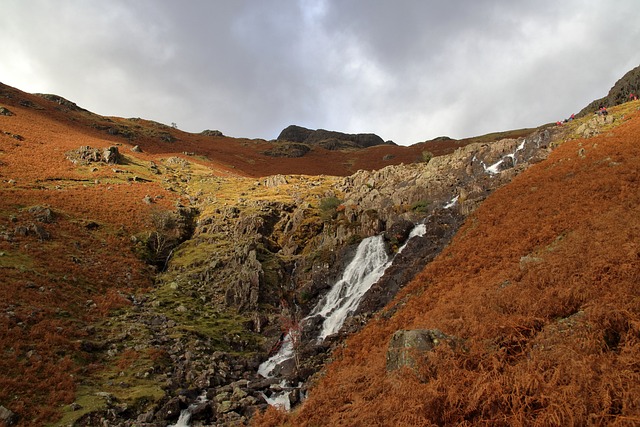
Night Walks and Fishing on New River
Most day-tour itineraries here end by early evening, right when the jungle’s more interesting residents start moving, which makes the district’s after-dark trails an easy thing to skip by accident.
The most underrated draw: after dark Guided night walks around Lamanai and Rio Bravo turn up tarantulas, red-eyed tree frogs, bioluminescent click beetles, and toucans asleep in the...
read more
Outdoor Cebu: Hikes, Reefs and Sardines
A million wild sardines moving as one shimmering mass a few meters off a beach is the kind of thing that sounds exaggerated until you’ve seen it, and it’s the single best reason to leave Cebu City for a day of outdoor time rather than staying downtown, where the coastline is working harbor, not swimmable reef.
Moalboal’s sardine run Just 20 to 30 meters off Panagsama Beach, an...
read more
Romantic Getaways in Cayo District
The romance in Cayo District comes from jungle sound and dark, unlit rivers, not a beachfront cabana, since there isn’t one anywhere in the district.
Blancaneaux Lodge The Coppola family’s property on Privassion Creek, deep inside Mountain Pine Ridge, pairs thatched cabanas with private plunge pools and screened-in living areas against Italian dining drawn from its own organic gardens...
read more

Whisky and Silk Workshops in Ban Xang Hai
There is no ticket booth and no fixed class schedule here: the “workshops” at Ban Xang Hai are working stalls that happen to let you watch, which means the honest opening hours are whenever the boats are running and the distillers are on site, not a printed 9-to-5.
Watching lao-lao become lao-lao Cooked sticky rice is mixed with dried yeast balls of rice flour, galangal, chili, and...
read more

Dubai Overnight Trips: Don't Rush These
Heads up: some links here are affiliate links. Book or buy through them and we may earn a small commission at no extra cost to you. We only point you to things we would actually use.
Travel advisory: Dubai and the wider UAE were caught up in the 2026 regional conflict with Iran. During a roughly six-week phase in early 2026, Iranian drones and missiles struck sites in the UAE, including near...
read more
Eilat for Couples: A Real Guide
Romantic Getaways in Eilat
The Gulf of Aqaba turns purple and gold at dusk with Jordan’s mountains as a backdrop, which is a better setting for a first-night dinner than most cities can offer, and it’s free.
A quick check before you book
Israel currently sits at US State Department Level 3, “Reconsider Travel” (reissued 26 Aug 2026), though Eilat city itself is not on the...
read more
Couple Activities to Share in Mauritius
Neither of you has to just watch the other snorkel off Blue Bay; the reef there is shallow and calm enough that both of you can be in the water at once.
Snorkeling Blue Bay together Blue Bay Marine Park’s lagoon is shallow, current-free, and dense with brain coral, cabbage coral, and reef fish, calm enough that two people with mismatched swimming confidence can still share the same hour in...
read more