Recent Mad Traveller

8 Romantic Spots Around Berlin
Romantic Getaways in Berlin 🇩🇪
Berlin’s romance sits in its parks, its river, and a handful of streets quiet enough for two people to actually hear each other. Here are the spots worth building an evening around.
Tiergarten 🌳 - Stroll through Berlin’s largest inner-city park, past the water features and open lawns. There’s no fixed route here worth following; wandering is the...
read more
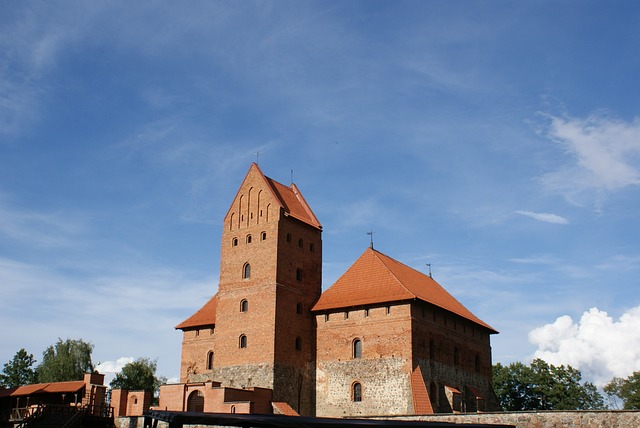
Trakai Activities: What Is Worth Doing
The honest verdict on Trakai is that the castle is a half day and the lake is the other half. People who do only the castle leave wondering what the fuss was; people who add two hours on the water understand why a town of 5,400 residents draws the crowds it does.
The Island Castle museum: worth it, with one caveat Eleven exhibition halls inside the ducal palace hold Grand Duchy weaponry,...
read more
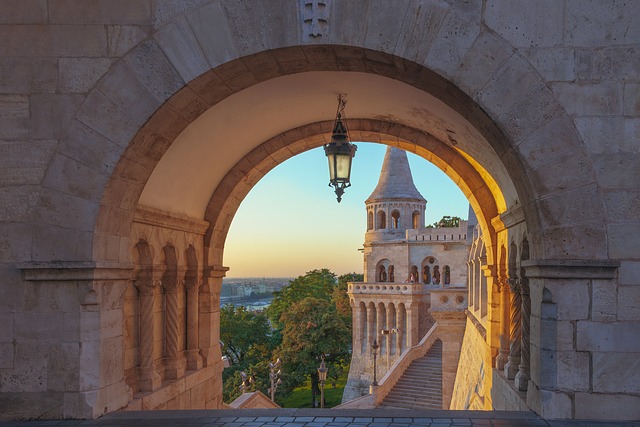
Budapest Walking Routes and Quarters
Budapest Walking Routes and Quarters
Budapest splits into two halves that reward different kinds of walking, Buda’s hills and Pest’s flat grid, and a good route treats them as separate days.
Buda Castle Hill District Buda Castle, Fisherman’s Bastion, Matthias Church, and the charming cobbled streets of the Castle Hill district fill a morning of steady climbing, with a camera...
read more

Cusco Day Trips: Near, Far, and Farther
Introduction Cusco sits at 3,400m, and every day trip below is worth planning around both that altitude and its real distance from the city, since the two don’t always move together.
Near-city ruins: Sacsayhuaman, Q’enqo, Puka Pukara, Tambomachay Distance: Sacsayhuaman about 2km, Tambomachay the furthest stop on this loop at about 8km Transportation: walkable or a short taxi ride from...
read more
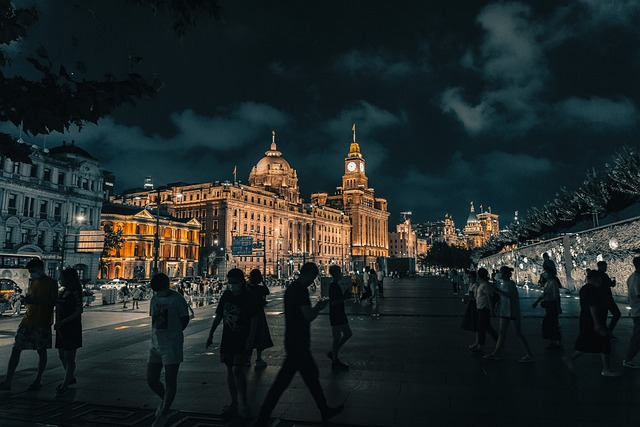
Shanghai Guided Tours: Bund to Suzhou
Booking transport, a train ticket, and a guide as one package is worth real money on a short trip to Suzhou, even though doing it independently costs less.
A Suzhou bullet-train day tour, bundled Suzhou’s classical gardens sit close enough to the station that an all-inclusive tour, train ticket, transport, and guide in one booking, removes every logistics headache for a first visit. Search a...
read more
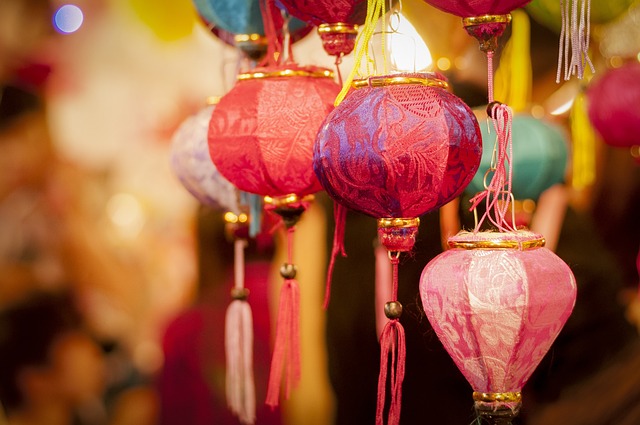
Day Trips Around Ho Chi Minh City
Four genuine day trips sit within reach of Ho Chi Minh City, and each one asks something different of you: tunnels, canals, a beach, or a noon religious ceremony that only runs once a day.
Cu Chi Tunnels About 50-70 km northwest, 1-2 hours by road, the tunnels split between Ben Dinh, closer and widened for crowds with an optional AK-47 firing range on site, and Ben Duoc, farther out and keeping...
read more

Prague Day Trips That Fit in One Day
Heads up: some links here are affiliate links. Book or buy through them and we may earn a small commission at no extra cost to you. We only point you to things we would actually use.
Not every nearby Bohemian town belongs on the same list. Some genuinely fit in a single day out of Prague, one is better as an overnight, and one shouldn’t be filed under “fun day trip” at all.
read more
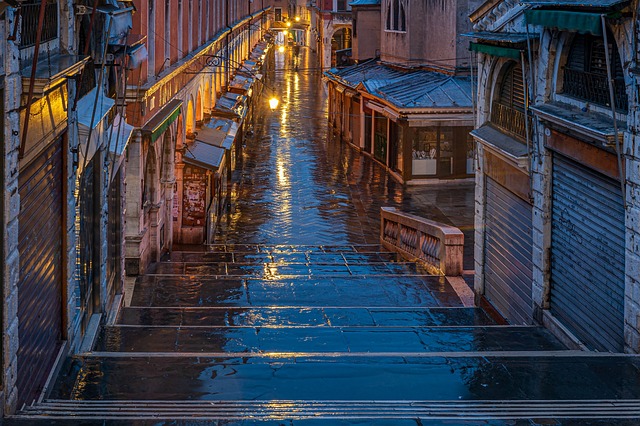
Walking Venice: No Cars to Dodge
Heads up: some links here are affiliate links. Book or buy through them and we may earn a small commission at no extra cost to you. We only point you to things we would actually use.
Call almost any European old town “walkable” and there’s still a delivery van squeezing past you somewhere. Not here. Venice’s historic centre carries no vehicle traffic at all, on any street,...
read more
Shanghai Activities Beyond Sightseeing
Learning to fold a soup dumpling badly, in front of someone who folds them well, teaches you more about Shanghai food than eating a dozen perfect ones ever will.
Folding your own xiaolongbao A hands-on class covers the 18-pleat fold and the pork-and-aspic filling technique that makes the soup actually stay inside until you bite it, run by Cook In Shanghai and comparable small-group operators....
read more
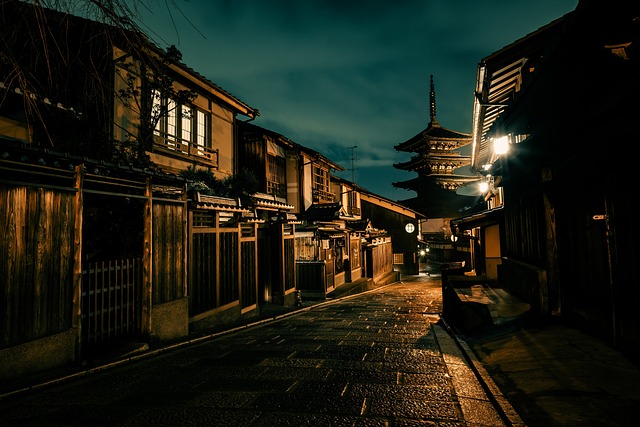
Kyoto Extensions to Hiroshima and Kanazawa
Nara, Osaka, Uji and Himeji are day trips and already treated as such in this site’s Kyoto day trips guide . Kanazawa and Hiroshima are close enough to tempt the same treatment and wrong enough to try it on that both deserve a real overnight instead.
Kanazawa, since the 2024 rail extension A Thunderbird limited express to Tsuruga, about 45 minutes, connects to the Hokuriku Shinkansen for...
read more

Krakow Day Trips: Which Ones Deliver
Heads up: some links here are affiliate links. Book or buy through them and we may earn a small commission at no extra cost to you. We only point you to things we would actually use.
Two Kraków day trips repay the journey without argument: Wieliczka and Nowa Huta. Both are back in time for dinner, neither needs a coach, and between them they cover the two things this region does better than...
read more

Auckland With Kids, No Guesswork
Piha looks like a family beach in every postcard. Outside Labour Weekend through Easter, there are no lifeguards on it at all, and the rip currents that make it famous with surfers make it genuinely dangerous for a casual swim with kids.
The safe swim, any date Mission Bay and Long Bay are the gentle, family-safe swimming options that don’t depend on the calendar. Save Piha, Muriwai, and...
read more
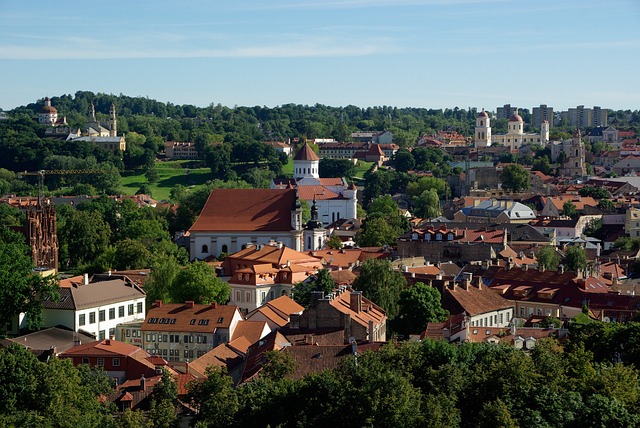
Day Trips from Vilnius: 4 Worth the Ride
Four places near Vilnius reward a day out and two well-known ones do not, and the difference is entirely a question of how many hours you spend moving. Anything inside about an hour each way leaves you a real visit. Anything past two hours each way turns into a drive with a site attached, which is a different and worse kind of day.
The four that work Trakai, 28km west, is the default and deserves...
read more

Madrid Attraction Tours: Worth It?
Madrid sells guided access to a lot of buildings you can already walk into. The test that works here is whether the guide gets you somewhere the ticket does not: a dressing room, a private salon, the sand of a bullring. By that measure the best value in the city is a 7 EUR tour of a bullring, and the least is an 8 EUR supplement to be walked around a palace you were already inside.
read more
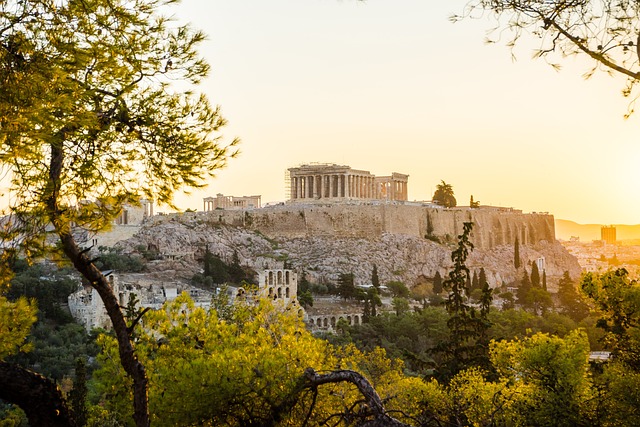
Athens Guided Tours, What You Get
Booking a guided Acropolis tour solves more than an information gap; it solves the timed-entry problem behind a 20,000-visitor daily cap.
Acropolis and Museum, guided A guide bundled with your timed entry slot, and usually the separate Acropolis Museum ticket too, is the strongest single tour to book on a first Athens trip, since it removes the risk of peak-season slots selling out 5 to 7 days...
read more

Vienna Day Trips by the Numbers
Vienna Day Trips by the Numbers
Three different sources will quote three different prices for the ÖBB Wachau-Ticket, landing anywhere between €51 and €68 for the same train-plus-abbey-plus-boat combination. That kind of disagreement is common enough among Vienna’s day trips that it’s worth knowing the real numbers before you book.
Wachau Valley and Melk Abbey Direct trains from Wien...
read more
Berlin Day Trips Worth a Second Day
Multi-Day Trips From Berlin Overview Four of Berlin’s regional trips work fine as a single day. Given a second day, three of them get genuinely better, and one shouldn’t be rushed into a single day in the first place. The day trips guide covers the single-day version of each of these.
Dresden and Leipzig, as One Loop Dresden’s fastest ICE runs roughly 1 hour 27 minutes,...
read more
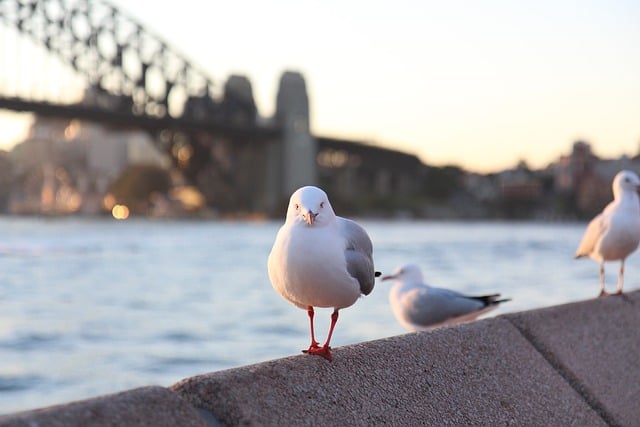
Guided Sydney: Tours, Buses and Cruises
Four Sydney attractions come with a guide, a driver or a captain built in, and this list keeps to those, leaving free walk-ups and hands-on bookings to the other guides on this site.
The Opera House’s guided tour, and how it differs from a show ticket The standard hour-long tour, headset-guided in English and six other languages, takes in the Concert Hall and Joan Sutherland Theatre...
read more
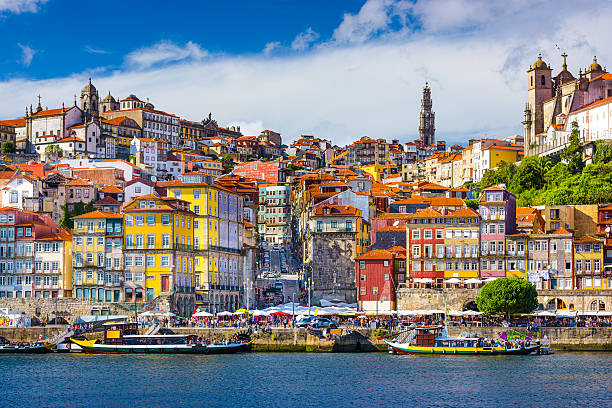
Porto Tours: Cellars, Cruises and Trams
Heads up: some links here are affiliate links. Book or buy through them and we may earn a small commission at no extra cost to you. We only point you to things we would actually use.
Palácio da Bolsa won’t let you in on your own. Every ticket buys a spot in a 30-minute guided group, language assigned by arrival order rather than choice, and that fixed structure is worth building a schedule...
read more
Kyoto for Families: Trains, Fish and Fur
Kyoto’s temple circuit tests a child’s patience faster than an adult’s, so the family value here sits in four specific, non-temple places, each one built around something to touch, watch or feed rather than a hall to walk quietly through.
A hillside of wild macaques Arashiyama Monkey Park Iwatayama sits at the top of a short, uphill walk from the bamboo grove, home to wild...
read more
Singapore's Best Guided Attraction Tours
Singapore’s Best Guided Attraction Tours Most of Singapore’s landmarks sit close enough together that a tour isn’t strictly necessary. What it buys you is a seat: on a bus loop, a river boat, or a pedal-trishaw, instead of standing on a pavement in the heat working out which direction to walk next.
Hop-On-Hop-Off Bus SIA Hop-on and City Sightseeing Singapore run multi-stop loops...
read more
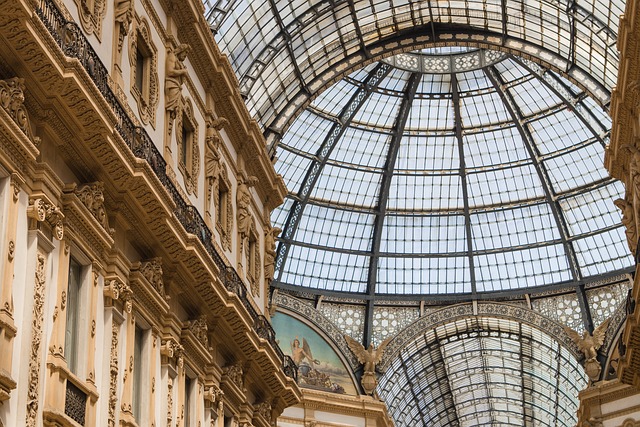
Milan Attraction Tours: Worth Booking?
Most guided products in Milan sell you time, not access. The Duomo, the Castello Sforzesco and the Pinacoteca di Brera all take walk-ups; going at opening costs nothing and achieves the same thing as a premium ticket. There is exactly one attraction in this city where a tour operator holds something you cannot otherwise get, and there is one guided visit that is free and better than several paid...
read more
Budapest Day Trips by the Numbers
Budapest Day Trips by the Numbers
Gellért Hill, the free hiking summit crowned by the Citadel and Liberty Statue, is a separate, open-air attraction from the thermal bath sharing its name below.
Buda Castle District and a Bath Wander the Castle Hill Funicular Railway’s surroundings, Matthias Church, Fisherman’s Bastion, and the Buda Palace on a morning walk, then soak at Rudas or...
read more
Guided Tours Around Ho Chi Minh City
The single most-booked packaged trip in southern Vietnam pairs a morning of District 1 and 3 landmarks with an afternoon at the Cu Chi Tunnels, and the choice tourists rarely get told to make is which of the two tunnel sites they end up at.
The central circuit Independence Palace at 135 Nam Ky Khoi Nghia, open daily 07:00-18:00, keeps its 1960s presidential staterooms, an underground command...
read more
7 Family Days Out in Berlin
Family-Friendly Activities in Berlin Berlin covers a genuinely wide range for a family trip, from one of Europe’s largest zoos to a museum built around exhibits kids are meant to climb through. Here’s what holds up.
1. Zoologischer Garten Berlin (Berlin Zoo) One of the oldest zoos in Europe, Zoo Berlin holds roughly 19,500-20,000 animals across 1,000-1,200 species, including pandas and...
read more
Cusco Tour Packages, Worth Knowing First
Cusco’s guided tours mostly sort into three shapes: a half-day city loop, a full-day Sacred Valley run, and the longer trip out to Rainbow Mountain or Machu Picchu, each worth knowing before booking.
Circuit I: Sacsayhuaman, Q’enqo, Puka Pukara, Tambomachay - the standard half-day guided loop, all four sites covered by the Boleto Turistico. Tambomachay is the furthest stop on this loop...
read more

Guided Tours Worth Taking in Cape Town
Two names sound almost identical when you’re booking Robben Island online, and only one of them is the museum itself.
Robben Island Museum Book only through robben-island.org.za . visitrobbenisland.com says plainly on its own page that it’s an independent partner, not the official site, so treat it as a schedule reference at best, not a price source. Current prices: South African adult...
read more
Krakow Attraction Tours: Book Direct
Heads up: some links here are affiliate links. Book or buy through them and we may earn a small commission at no extra cost to you. We only point you to things we would actually use.
There is no Kraków combination ticket. No combined Wieliczka product, no Wawel-plus-Cathedral bundle, and the city card excludes both. Every attraction here is bought from its own operator, and three of the best ones...
read more
Murano, Burano and Torcello by Day
Heads up: some links here are affiliate links. Book or buy through them and we may earn a small commission at no extra cost to you. We only point you to things we would actually use.
If a “Venice day trip” search result mentions Verona or the Dolomites, close that tab. The Veneto mainland is a genuinely separate trip with its own train timetable; this page only covers the three lagoon...
read more
Prague Attraction Tours Worth Booking
Heads up: some links here are affiliate links. Book or buy through them and we may earn a small commission at no extra cost to you. We only point you to things we would actually use.
A river cruise, a Segway lap, and a guided walk through Josefov are not interchangeable ways to see the same city, they show you three different Pragues, and picking the wrong one for your day wastes an afternoon you...
read more
Walking Kyoto From Temple to Canal
One route covers more of Kyoto’s best walking on foot than a whole day of bus transfers between the same stops.
Kiyomizu-dera to the canal, as a single walk Start at Kiyomizu-dera and go down through Sannenzaka and Ninenzaka to Yasaka Shrine, then on into Gion until the Shirakawa canal, willow trees over stone bridges with machiya backing onto the water. Treated as one continuous route...
read more
Vilnius Guided Tours: Which Ones Deliver
A guided tour is worth paying for in Vilnius only where the thing you are looking at no longer explains itself. That rules out the Baroque loop, which is signposted and beautiful and needs no commentary. It rules firmly in the Jewish heritage route and the Soviet-occupation route, where most of what mattered has been demolished, renamed or built over, and a guide is the only way to see it at all.
read more
4 Berlin Walks Worth Taking on Foot
Walking Tours in Berlin Four routes on foot cover more of Berlin’s actual history than any bus loop does. Here’s what each one holds and roughly how long to give it.
Bernauer Strasse Wall Memorial Location: Bernauer Strasse, 13355 Berlin Duration: Approximately 2 hours Walk the Berlin Wall Memorial’s preserved death-strip section, one of only two places the Wall itself genuinely...
read more
Auckland Day Trips, Honestly Timed
Hobbiton gets marketed as an easy Auckland day trip. It is 165km south near Matamata, roughly two to two and a half hours’ drive each way, and the set is guided-tour-only, which makes it a full day once you add transport, not a casual half-day out.
Hobbiton, budgeted honestly Search Hobbiton tour options rather than trying to self-drive and walk in; there’s no independent access to the...
read more
Nara, Uji and Kyoto's Quieter Day Trips
Four names dominate every Kyoto day-trip list, and two more genuinely deserve a spot next to them once the first four stop feeling novel.
Nara and Uji, the pair most visitors already know Nara is a half day, not a full one, if Todai-ji and the deer park are the goal: JR’s rapid service takes about 45 minutes for 720 yen, Kintetsu’s limited express 35 minutes for around 1,280 yen with a...
read more
Budapest Tours: Baths and Parliament
Budapest Tours: Baths and Parliament
A combined ticket for Buda Castle, Matthias Church, and Fisherman’s Bastion saves money over buying each separately, and it’s worth asking for at the ticket window.
Buda Castle District Tour Matthias Church, Fisherman’s Bastion, and Buda Castle itself fill a guided morning on Castle Hill, with the combined ticket the better value of the two...
read more
Seeing Athens Since the Combo Ticket
Sightseeing in Athens now starts with a booking screen, not a queue: the Acropolis runs on timed entry with a hard daily limit.
Acropolis The site charges a flat 30 euro year-round with no winter discount, and access is capped at 20,000 visitors a day through mandatory timed slots at the official hhticket.gr . About 3,000 slots go to the 8-9am window, with the allocation shrinking across the rest...
read more
Top Sights in Ho Chi Minh City
A single square in District 1 holds a post office wrongly credited to the wrong architect and a cathedral whose restoration story keeps changing, and both are worth untangling before you photograph either one.
The square: Post Office and Notre-Dame The Saigon Central Post Office at 2 Cong Xa Paris was built 1886-1891 by French architect Alfred Foulhoux with Marie-Alfred Bourdon, not Gustave...
read more
4 Real Day Trips From Berlin
Day Trips in Berlin: A Comprehensive Guide
🏰 Potsdam 🌍
Transportation: Regional train from Berlin Hauptbahnhof, roughly 25-35 minutes. Highlights: Sanssouci Palace, the New Palace, Cecilienhof Palace, and the Neuer Garten. Tips: The sanssouci+ ticket covers Sanssouci and the New Palace at EUR 22 adult/EUR 17 reduced per person, with a mandatory timed slot; a separate Family Ticket (2 adults plus...
read more
Guided Venice Tours Worth Booking
Heads up: some links here are affiliate links. Book or buy through them and we may earn a small commission at no extra cost to you. We only point you to things we would actually use.
The 40-person coach group trailing a raised flag through St Mark’s Square is genuinely rarer than it used to be. A rule most visitors have never heard of is why, and it changes what booking a guided tour here...
read more
Prague Sightseeing: Castle to Clock
Heads up: some links here are affiliate links. Book or buy through them and we may earn a small commission at no extra cost to you. We only point you to things we would actually use.
Watch the crowd instead of the clock the next time the hour strikes on Old Town Square. That single habit tells you more about Prague sightseeing than any list of must-see landmarks, because the show everyone gathers...
read more
Sightseeing Cape Town the Smart Way
A Table Mountain cableway ticket in your inbox is not the same thing as a ride to the top. Wind decides that, not the booking.
The cableway, and what a booking actually buys you Current online prices: adult return R475, one-way R300; child (4 to 17) return R230, one-way R165; SA senior citizens R130 return, R70 one-way. tablemountain.net and the ticket office are the only valid sources for...
read more
Sydney Sightseeing Without the Ticket Traps
A lot of Sydney’s most photographed sights cost nothing to visit. The catch is that a few of them sit one step away from a paid version, and it’s easy to book the wrong one by mistake.
Sydney Opera House: the forecourt is free, the inside isn’t The sails, the steps, the forecourt: all free, all open to walk into whenever you like. What you can’t do is wander the auditoria...
read more
What You Can See in Porto For Free
Heads up: some links here are affiliate links. Book or buy through them and we may earn a small commission at no extra cost to you. We only point you to things we would actually use.
Half of Porto’s best sights cost nothing at all, and the other half get mistaken for free because visitors assume an old church or a famous bookshop must be walk-in. Sorting the two out first saves a wasted trip...
read more
Madrid Sightseeing: What to Skip
The free entry window at the Reina Sofía opens at 19:00, and the museum’s own advice is that 19:00 is one of the two worst times to arrive. That is Madrid sightseeing in miniature: the advertised bargain has a queue attached, and the genuinely good version of the same experience costs 3 EUR and has nobody in it. Here is where the crowds are, and where the same afternoon is better spent.
read more
Cusco's Landmarks, One Ticket at a Time
Cusco, the old Inca capital, sits at 3,400m above sea level, and every landmark below is worth planning around that number before anything else.
1. Sacsayhuaman A massive Incan fortress just north of the modern center, built from limestone blocks fitted without mortar, some reportedly up to 300 tons. It’s covered by the Boleto Turistico, and the view over the city from the top is free once...
read more
Guided Tours and Concerts in Vienna
Guided Tours and Concerts in Vienna
A bare entrance ticket to Schönbrunn tells you nothing about which of its forty state rooms mattered to Franz Joseph and which were redecorated for a later emperor; a guide fills that gap in a way a self-guided walk-through rarely does.
A Guided Schönbrunn or Hofburg Tour Both palaces offer guided packages that bundle a timed entry slot with a live guide, worth...
read more
Milan Sightseeing: What to Skip
Milan punishes bad planning more than it punishes a small budget. Almost everything here can be bought on the day at the cost of a queue. Exactly one thing cannot be bought on the day at any price, and the gap between those two facts is where most Milan itineraries go wrong. Below is what earns its slot, what does not, and the hours that decide it.
Skip the door, book the Cenacolo The Last Supper...
read more
Auckland Tours Worth Paying For
“A Maori-led guided walk” is the vague pitch you’ll see on half the Auckland tour pages out there. The specific, bookable version has a name: Te Manu Taupua.
The Ngati Whatua Orakei-guided hikoi Te Manu Taupua runs two named walks out of Ōrākei: “Heaven to Earth,” a roughly two-hour hīkoi starting at Maungawhau (Mount Eden) and stopping at sites of significance along...
read more
Krakow Sightseeing: Worth It or Not
Heads up: some links here are affiliate links. Book or buy through them and we may earn a small commission at no extra cost to you. We only point you to things we would actually use.
The single best interior in Kraków’s Old Town is free, and half the visitors queueing for paid tickets two streets away never walk into it. The Basilica of St Francis of Assisi on ul. Franciszkańska holds...
read more