Recent Unescoes
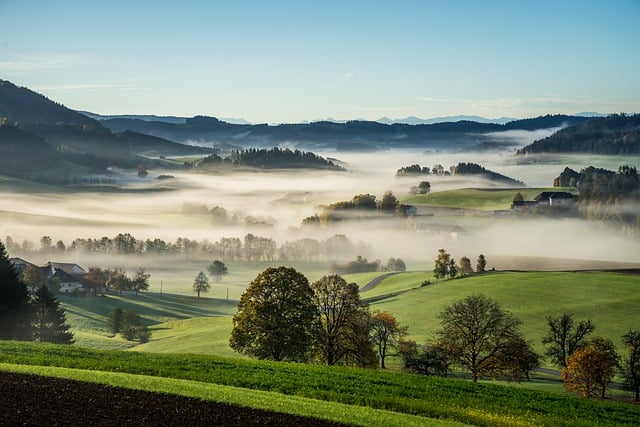
Sukur Cultural Landscape
Sukur Cultural Landscape Africa’s first cultural landscape to receive UNESCO World Heritage inscription is not in Egypt, not in South Africa, not in Ethiopia. It is in the Mandara Mountains of northeastern Nigeria, on a basalt plateau at 1,045 metres, inhabited by a community of roughly 2,000 people who have been practising terraced iron smelting and terrace agriculture at the same location...
read more
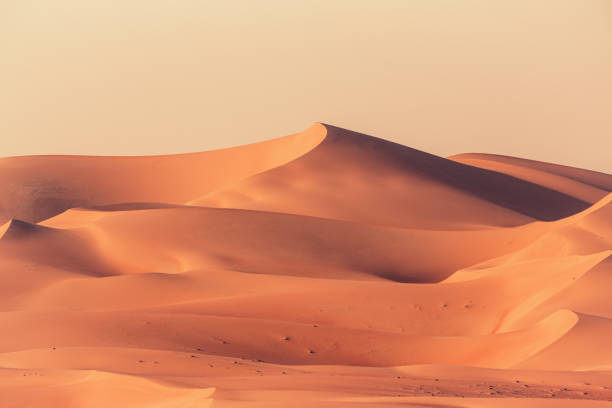
Abu Mena
Abu Mena: Egypt’s Early Christian Pilgrimage City Off the Danger List After Twenty-Four Years In July 2025, UNESCO officially removed Abu Mena from its List of World Heritage in Danger, ending a twenty-four-year period during which this ancient site had been classified as at risk of irreversible damage. The reason for the original listing was unusual: not war, not development pressure, not...
read more
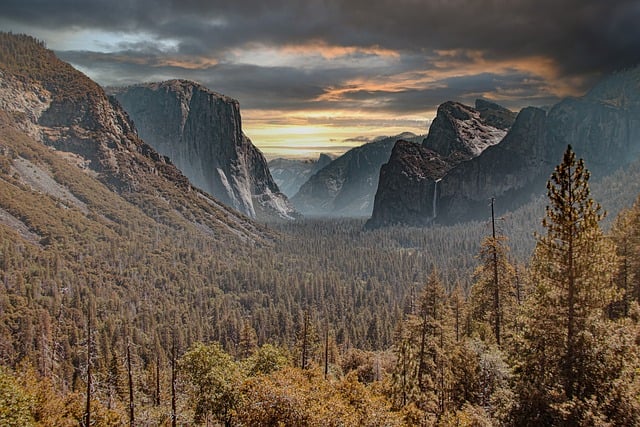
Ta National Park
Chimpanzees here crack nuts open with stone hammers, a behavior filmed and studied so extensively that it helped rewrite what scientists thought separated human tool use from everything else in the animal kingdom, and you can watch it happen in the wild if you’re willing to spend a full day getting there.
Taï National Park, in southwestern Côte d’Ivoire near the Liberian border,...
read more
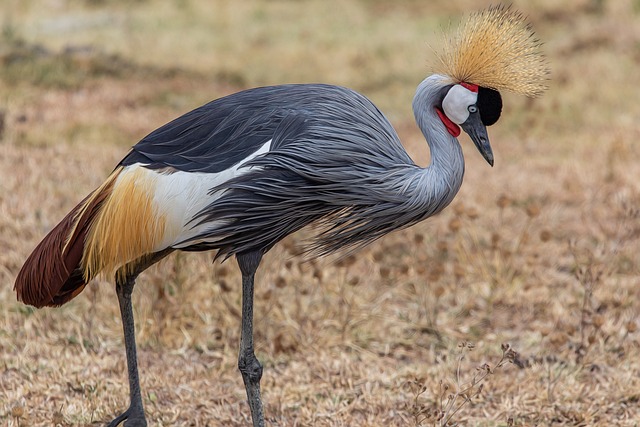
Great Himalayan National Park Conservation Area
Locals call it the jujurana, king of birds, and this park holds the largest known population of it anywhere on earth. The western tragopan is a shy, ground-dwelling pheasant so rarely photographed in the wild that most bird guides still use decades-old illustrations rather than field shots, and the fact that its global stronghold sits inside a park most Indian domestic tourists have never heard of...
read more
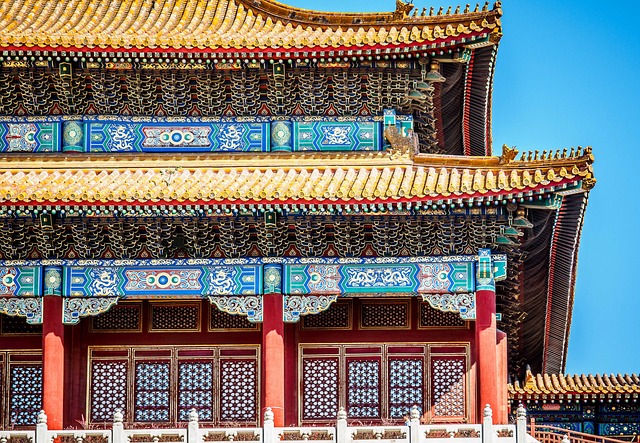
Summer Palace an Imperial Garden in Beijing
The Marble Boat at the Summer Palace is not made of marble. Its base is stone, but the two-storey superstructure is wood, painted white to look like stone. Empress Dowager Cixi commissioned the 1893 restoration in a style that mixed Chinese and European architectural motifs, and the funds she used were supposed to have built a modern Chinese navy. The naval budget was redirected, the navy went...
read more
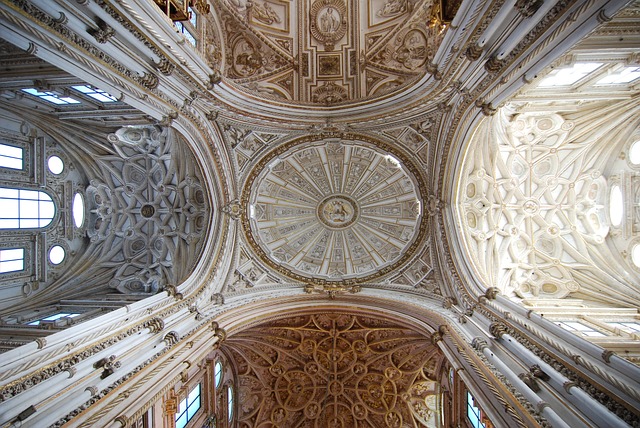
Historic Centre of Cordoba
Historic Centre of Cordoba For roughly two centuries, Córdoba was the largest city in Western Europe and arguably the most intellectually sophisticated. At its peak under Abd al-Rahman III in the 10th century, it had a population estimated at 500,000, public lighting along its main streets, seventy libraries, hundreds of bath houses, and a palace city of blinding ambition built in the mountains to...
read more
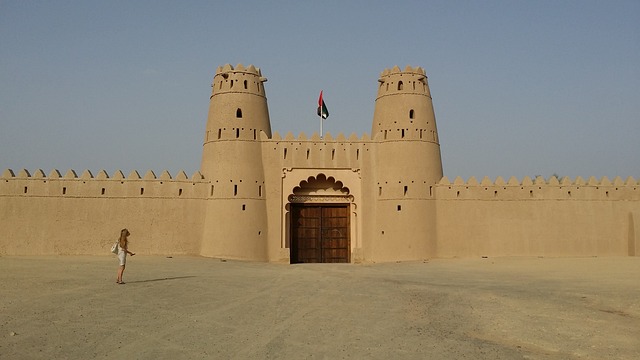
Al Ahsa Oasis an Evolving Cultural Landscape
Al Ahsa Oasis, An Evolving Cultural Landscape The world’s largest natural oasis covers about 85 square kilometers, not the tens of thousands sometimes claimed, and that correction matters because it changes how you should plan a visit. Al-Ahsa is compact enough to genuinely explore in two or three focused days rather than something requiring a week of driving between scattered outposts....
read more
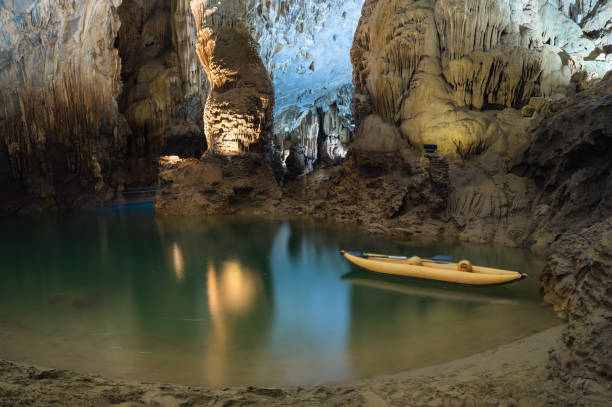
Mammoth Cave National Park
Mammoth Cave National Park: A Guide for Tourists In 1842, a Louisville physician with tuberculosis moved sixteen dying patients into two stone huts inside the cave, betting that the constant cool air would cure them. Smoke from their own torches and cooking fires filled the passages instead, their condition worsened, and most were dead within the year. The doctor, John Croghan, eventually died of...
read more
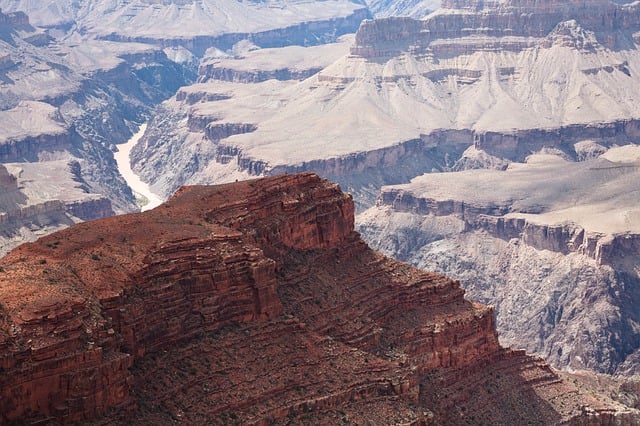
Historic Town of Grand Bassam
Historic Town of Grand-Bassam: A Comprehensive Guide for Tourists A yellow fever outbreak in 1896 is the reason Grand-Bassam is a quiet coastal town today rather than the capital of Ivory Coast. The disease tore through the young colonial administration so badly that French authorities abandoned the city as capital within three years of naming it, relocating to Bingerville and leaving...
read more
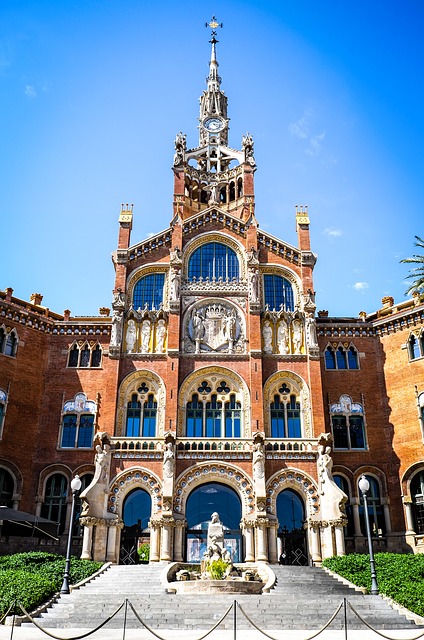
Palau De La M Sica Catalana and Hospital De Sant Pau Barcelona
Palau de la Música Catalana and Hospital de Sant Pau: A Practical Guide Two buildings by the same architect, a concert hall and a working hospital, share a single UNESCO listing, and once you know that it starts to make sense why. Lluís Domènech i Montaner treated ornament as structural logic rather than decoration slapped on afterward, and both sites prove it: neither one reads like a building...
read more
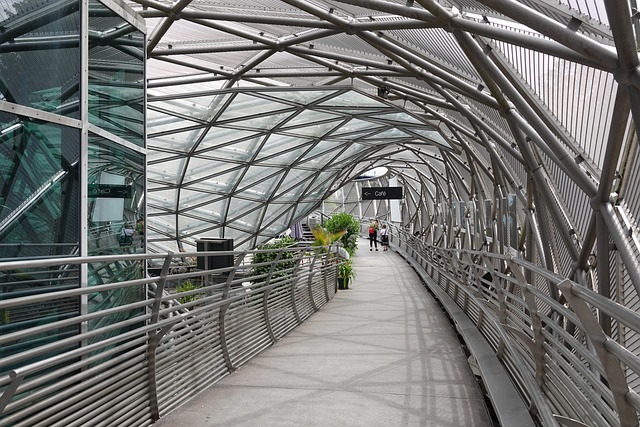
City of Graz Historic Centre and Schloss Eggenberg
City of Graz Historic Centre and Schloss Eggenberg A blue alien watches the clock tower, on purpose The single strangest building most Graz guides ignore is the Kunsthaus, a bulbous, iridescent blue structure locals nicknamed the Friendly Alien when it opened in 2003 for Graz’s year as European Capital of Culture. Its skin is made of acrylic panels that double as photovoltaic surfaces, and...
read more
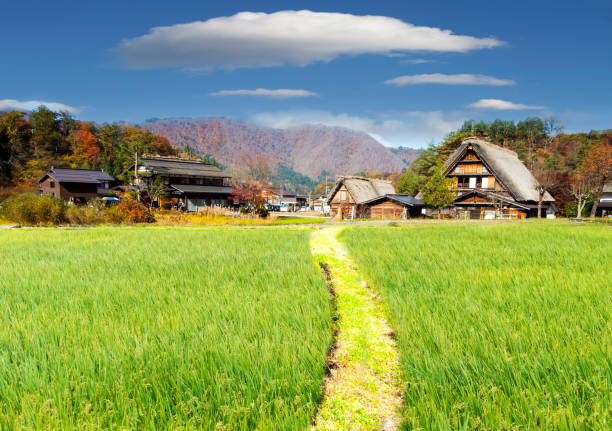
Historic Villages Of Shirakawa Go And Gokayama
Guide to Historic Villages of Shirakawa-go and Gokayama What You Are Actually Looking At Those steep-roofed farmhouses rising from the Shogawa River valley were not built to look charming. They were built to hide things. For most of the Edo period, families in Shirakawa-go and Gokayama produced saltpeter beneath their floorboards, the key ingredient for gunpowder supplied to feudal lords across...
read more
Land of Frankincense
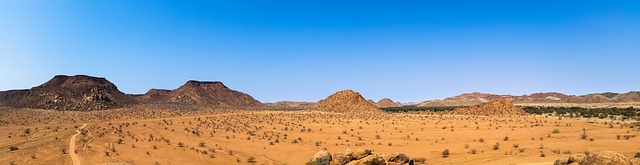
Scratch a knobbly, thorn-armed tree in the Dhofar desert and it bleeds a milky sap that hardens into something people once valued the way we value oil. That’s the entire premise behind the Land of Frankincense, a UNESCO site that isn’t one location but four scattered fragments in southern Oman’s Dhofar province: the caravan oasis of Shisr, the port ruins of Sumhuram at Khor Rori,...
read more

Stari Ras and Sopo Ani
Four kilometers outside a majority-Muslim Serbian city sits a cluster of medieval Orthodox churches so significant to Serbian identity that they were among the country’s first UNESCO inscriptions, back in 1979, decades before most of the rest of Serbia’s heritage sites made the list.
Stari Ras and Sopoćani cover several sites scattered around Novi Pazar, in Serbia’s southwestern...
read more
Sgang Gwaay
Sgang Gwaay: The Mortuary Village at the Edge of the Pacific Thirty-two totem poles are slowly returning to the earth on a fog-wrapped island at the southern tip of Haida Gwaii, and that deliberate decay is the point. The Haida people have chosen not to preserve the poles of SGang Gwaay (also written SG̱ang Gwaay Llnagaay, and sometimes called Ninstints or Nan Sdins). They believe totem poles...
read more
Willandra Lakes Region
Willandra Lakes Region: A Comprehensive Guide for Tourists In 1974, a geologist named Jim Bowler spotted bone fragments eroding out of a dry lake bed in far western New South Wales. What he’d found was Mungo Man, remains that turned out to be roughly 42,000 years old, making the adjacent cremation site of Mungo Lady the oldest known cremation on Earth. That discovery, made almost by accident...
read more
Poblet Monastery
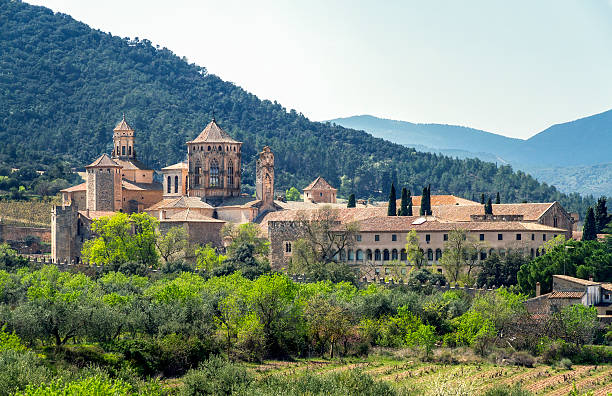
Poblet Monastery: A Comprehensive Guide for Tourists Around thirty monks still live inside the walls you are about to walk through, which means Poblet is not a museum piece pretending to be a monastery, it is a working one that happens to also be a UNESCO World Heritage Site. That distinction shapes everything about a visit here, from the hours you can enter to the hush you are expected to keep.
read more
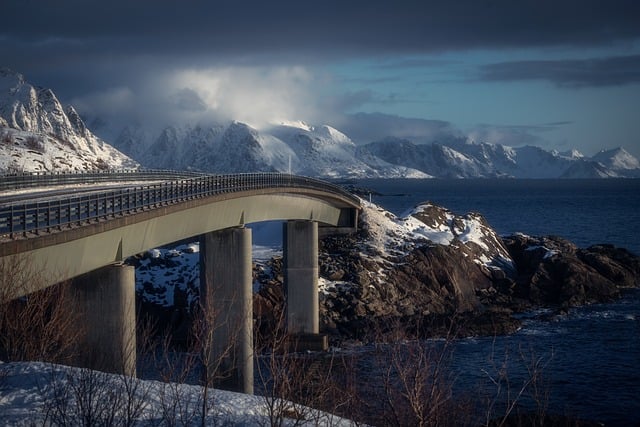
Vizcaya Bridge
Vizcaya Bridge: A Marvel of Engineering and History A ferry that never touches the water The strangest thing about the Vizcaya Bridge isn’t its height or its age, it’s the fact that it doesn’t work like a bridge at all. A gondola dangles from cables strung between two towers and slides sideways across the Nervion estuary, carrying cars, cyclists, and pedestrians without ever...
read more
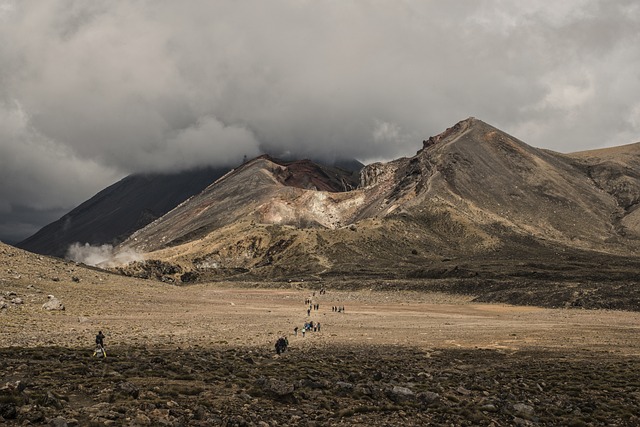
Volcanoes and Forests of Mount Pel E and the Pitons of Northern Martinique
Mount Pelée: The Volcano That Rewrote Volcanology One man survived because he happened to be locked in an underground jail cell the morning his entire town died around him. That’s the founding story of Mount Pelée tourism, and it’s not exaggerated for effect: on May 8, 1902, the volcano’s pyroclastic flow wiped out Saint-Pierre in about two minutes, killing an estimated 28,000 to...
read more
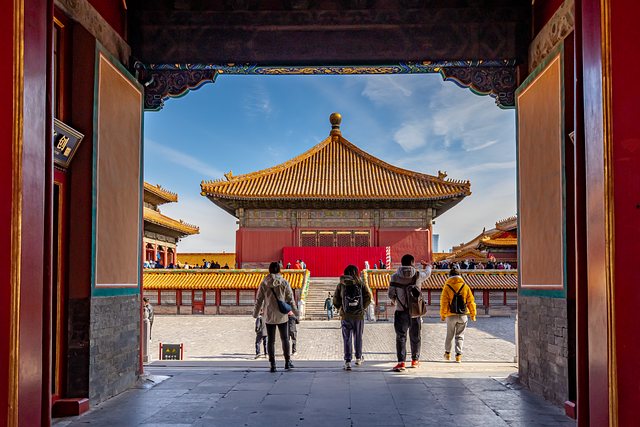
Ancient Maya City and Protected Tropical Forests of Calakmul Campeche
Ancient Maya City and Protected Tropical Forests of Calakmul, Campeche If you arrive at the reserve gate at Conhuas after 2:30pm, you don’t get in that day, no matter how far you’ve driven. There’s no ranger to negotiate with and no evening entry option. That single closing time is the fact that determines whether your entire Calakmul trip works or falls apart, so plan your...
read more
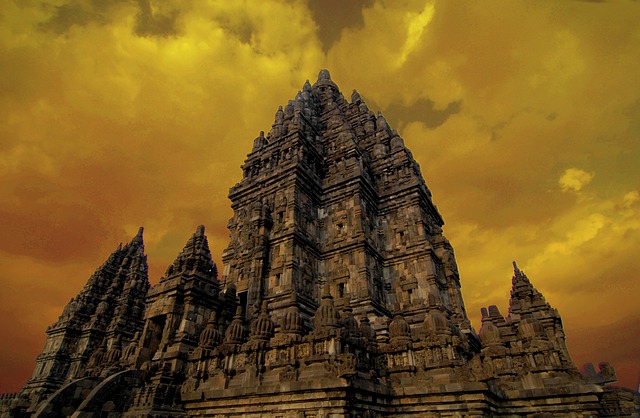
Prambanan Temple Compounds
Prambanan Temple Compounds: Java’s Answer to the God-King’s Vengeance A rejected suitor’s magic is why Prambanan’s Shiva sanctuary holds a statue locals still whisper is a cursed princess frozen mid-transformation. The legend of Roro Jonggrang tells of a king, Bandung Bondowoso, tricked out of marrying her after failing to build a thousand temples overnight; furious, he...
read more
Buddhist Monuments in the Horyu Ji Area
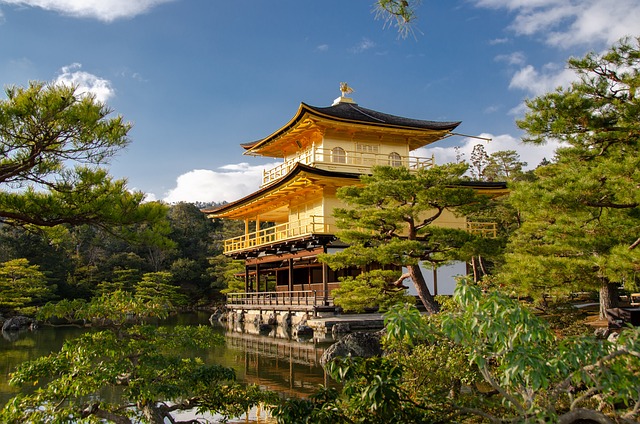
Comprehensive Guide to Buddhist Monuments in the Horyu-ji Area Only about fifteen to twenty percent of the current Kondo at Horyu-ji is original seventh-century material. A fire in January 1949 tore through the hall while a restoration crew was working inside it, gutting the first floor and destroying most of the Asuka-period murals that had survived thirteen centuries. That fire is also why Japan...
read more
Sangay National Park
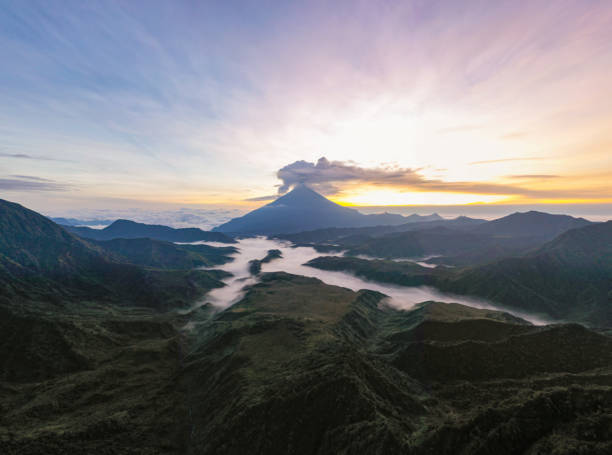
Sangay volcano has been erupting almost continuously since 2019, and it does not read as a metaphor when a park ranger in Alao tells you to keep your visit to the lower trails if the wind shifts toward the crater. This is one of the few UNESCO sites on earth where the namesake feature is, quite literally, still active while you’re standing near it: seismic monitors regularly log over a...
read more

Virunga National Park
More rangers have died defending this park than at almost any other protected area on earth, over 200 killed in the line of duty since the 1990s, and that single statistic tells you more about visiting Virunga than any list of animal sightings ever could. This is Africa’s oldest national park, gazetted in 1925 under Belgian colonial rule, and it sits entirely within the Democratic Republic...
read more
Lake Malawi National Park
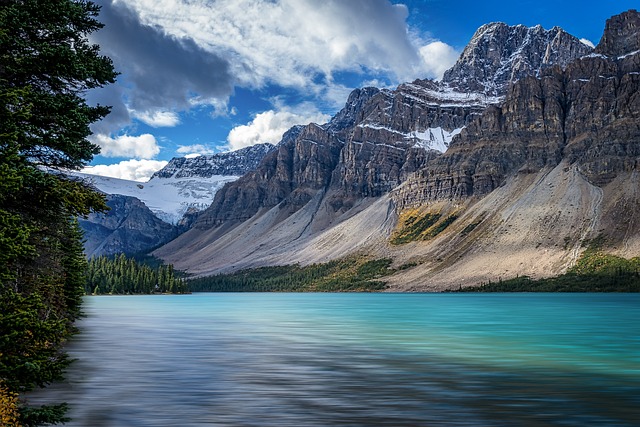
Lake Malawi National Park: A Comprehensive Guide for Tourists What makes this water worth a UNESCO listing Snorkel three feet off a granite boulder near Cape Maclear and you will see more fish species in an afternoon than most divers see in a lifetime of Caribbean trips. Lake Malawi holds somewhere around a thousand species of cichlid, nearly all of them found nowhere else, and the pace at which...
read more
Sassanid Archaeological Landscape of Fars Region
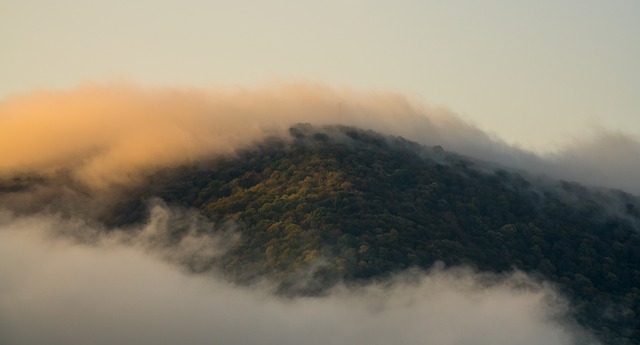
Sassanid Archaeological Landscape of Fars Region: A Comprehensive Guide for Tourists Ardashir I built his first stronghold on a mountain slope above a river bend, then, once he’d conquered enough of Persia to stop worrying about surprise attacks, built a second, grander palace on flat ground below it. Both still stand. That decision, comfort over paranoia once the throne was secure, tells...
read more
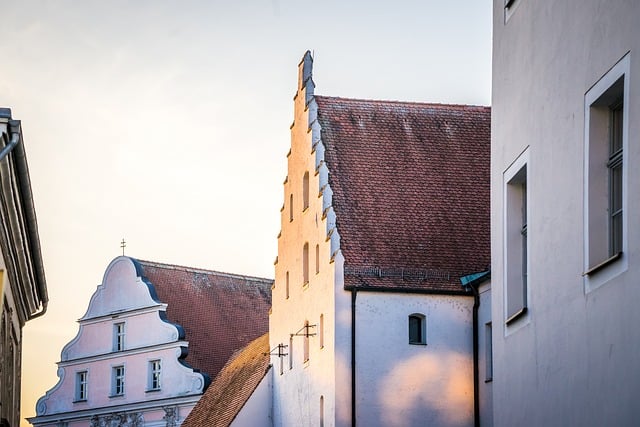
Harar Jugol the Fortified Historic Town
Harar Jugol: The Fortified Historic Town A man crouches at the edge of torchlight outside Harar’s old wall, a strip of raw meat on a stick, and a spotted hyena takes it from his mouth. That ritual, unbroken for generations, tells you more about Harar Jugol than any list of monuments could: this is a walled city that has always negotiated with what’s outside it rather than simply...
read more
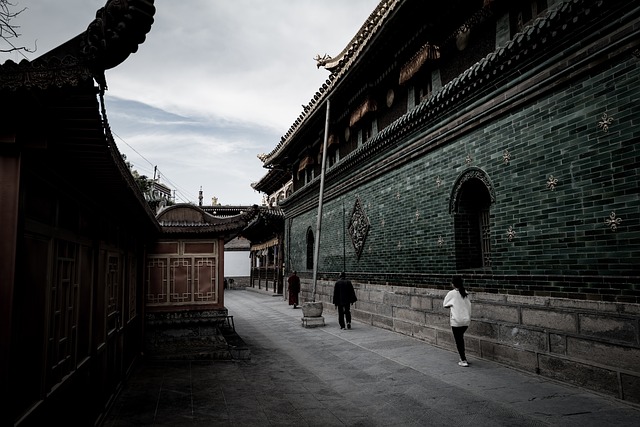
Hiraizumi Temples Gardens and Archaeological Sites Representing the Buddhist Pure Land
A Guide to Hiraizumi: Temples, Gardens, and Archaeological Sites Representing the Buddhist Pure Land On September 1, 1189, an army of roughly 284,000 cavalry under Minamoto no Yoritomo marched on Hiraizumi. The city’s ruler, Fujiwara no Yasuhira, had already sacrificed the one thing that might have bought his family peace: he ordered the assassination of the fugitive general Minamoto no...
read more
Kaziranga National Park
Assam’s Chief Minister announced in January 2026 that the state had gone 730 consecutive days without a single rhino poached, a fact that means more once you know what came before it. Through the 1980s and 90s, Kaziranga lost animals to poachers at a rate that threatened to erase the species from the planet, since this one floodplain along the Brahmaputra holds the majority of the...
read more
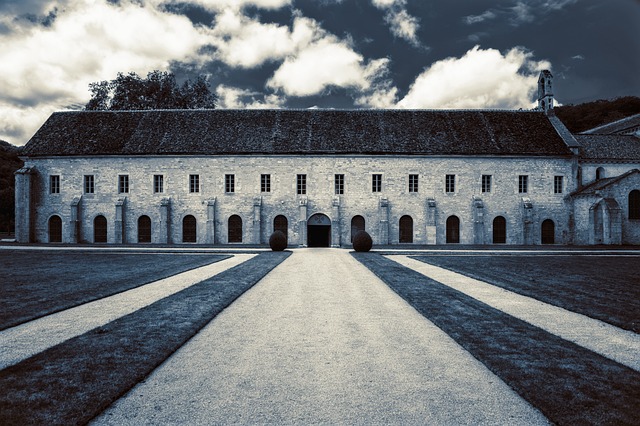
Cistercian Abbey of Fontenay
Guide to the Cistercian Abbey of Fontenay No electricity, no cars, no gift-shop clutter: Fontenay is what a 12th century monastery looks like when nobody got around to modernizing it, because for two centuries it was a paper mill instead of a museum. That accident of industrial history is precisely why it survived.
What it actually is, and why UNESCO cared Bernard of Clairvaux founded Fontenay in...
read more
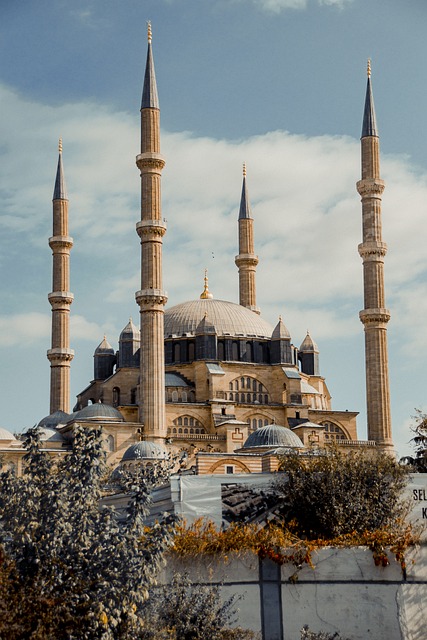
Selimiye Mosque and Its Social Complex
The Mosque a Man in His Eighties Built to Outdo Himself Mimar Sinan was somewhere around 80 years old when he started work on the Selimiye Mosque, and he considered it the crown of his life’s work, ahead of the dozens of imperial mosques he’d already built across the Ottoman Empire. That’s the detail worth sitting with before you even walk in: this wasn’t a young...
read more
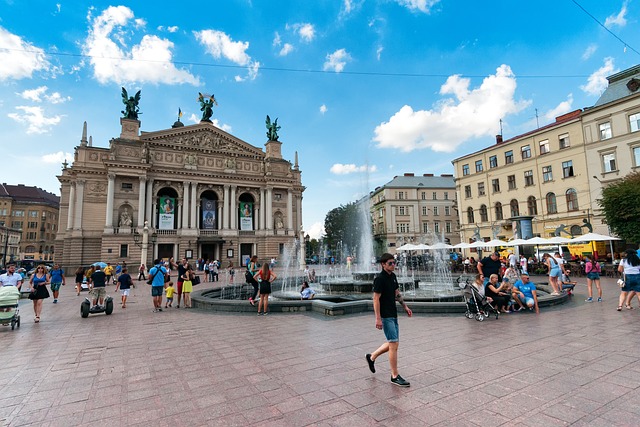
Lviv the Ensemble of the Historic Centre
Let’s deal with the elephant first, because any guide to Lviv that doesn’t is either outdated or dishonest. Ukraine has been under full-scale Russian invasion since February 2022, and as of 2026 the US State Department rates the entire country Level 4, Do Not Travel. Ukrainian airspace has been closed to civilian flights for the whole war; there is no flying into Lviv, full stop. The...
read more
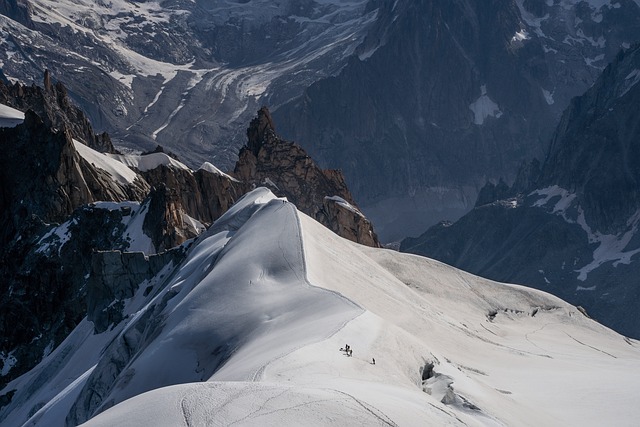
Canal Du Midi
A Comprehensive Guide to the Canal du Midi: Exploring France’s Engineering Marvel Nearly 33,000 of the 42,000 plane trees that once shaded this canal are gone, cut down and burned to stop a fungus that arrived, of all things, in ammunition crates carried by American soldiers during the 1944 Provence landings. That single fact tells you more about the canal today than any brochure will: this...
read more

Shahr I Sokhta
The Burnt City Held a Fake Eyeball 4,800 Years Old, and Almost No One Can Go See It A prosthetic eyeball made of bitumen and animal fat, worn by a woman roughly 4,800 years ago, is the single artifact that makes Shahr-i Sokhta worth knowing about even if you never set foot there. It turned up in a grave here in 2006, and it is one of the earliest known ocular prostheses on the planet.
read more
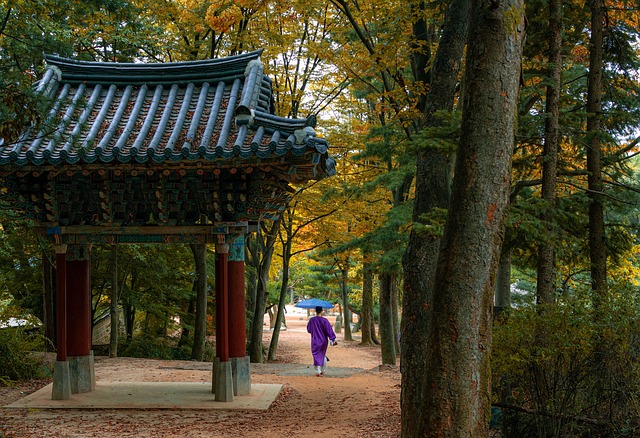
Historic Villages of Korea Hahoe and Yangdong
Historic Villages of Korea: Hahoe and Yangdong Two Villages That Refused to Change King Charles III visited Yangdong village in 1993, almost two decades before UNESCO formally recognised it, and reportedly called it one of the most beautiful places he had ever seen. That endorsement did not trigger a rush of tour buses, and the village’s relative obscurity is one of the better-kept secrets...
read more
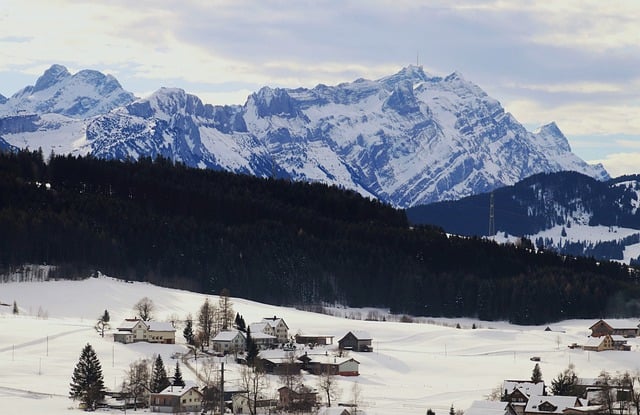
Settlement and Artificial Mummification of the Chinchorro Culture in the Arica and Parinacota Region
Settlement and Artificial Mummification of the Chinchorro Culture in the Arica and Parinacota Region A glass floor in a small room on a quiet Arica street lets you look straight down at thirty-two human bodies exactly as archaeologists found them, and they are older than the pyramids by a couple thousand years. That room, Museo de Sitio Colon 10, is the single best reason to detour into...
read more
Coiba National Park and Its Special Zone of Marine Protection
A federal penal colony kept Coiba wild by accident. From 1919 until the last prisoner walked out in 2005, Panama used this island to hold roughly 3,000 people, including political prisoners disappeared under the Torrijos and Noriega dictatorships, and the reputation of the place did more to protect its forests and reefs than any ranger ever could. Nobody logged it, nobody built resorts on it,...
read more

Papah Naumoku Kea
Guideline for Visiting Papahānaumokuākea: A Comprehensive Tourist’s Guide You cannot book a snorkeling trip or a boat tour to Papahānaumokuākea, and no guide company sells one, because there is essentially no public tourism infrastructure here at all. That fact alone separates this UNESCO site from every other entry on a typical bucket list, and it is worth saying plainly before anything...
read more
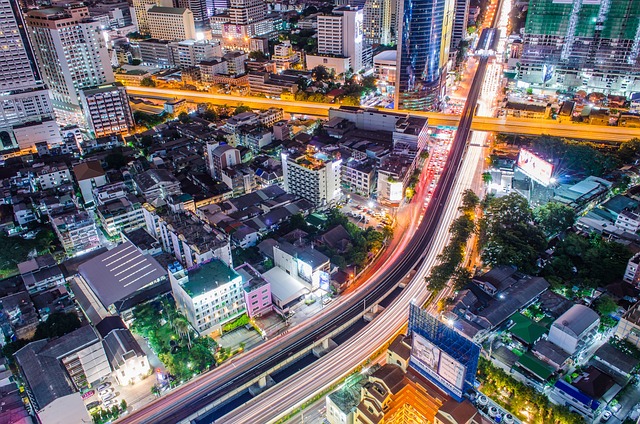
Samarkand Crossroad of Cultures
Samarkand - Crossroad of Cultures: A Comprehensive Guide for Tourists In July 2025 Uzbekistan’s own archaeologists pushed the founding date of Samarkand back again. Excavations at the Afrasiyab mound turned up settlement layers dating to roughly 1000 BC, and the government now officially markets the city as 3,000 years old rather than the long-standing 2,750-year figure most guidebooks still...
read more
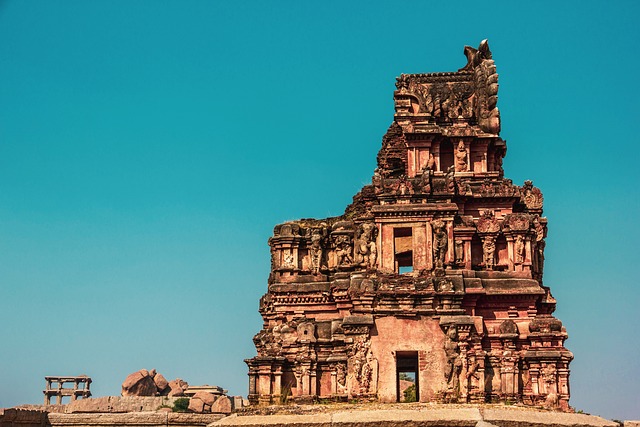
Group of Monuments at Hampi
A stone chariot that cannot roll anywhere, wheels carved so precisely they once actually turned, sits in the courtyard of a temple complex that a dead empire abandoned almost 450 years ago and nobody ever fully reoccupied. That’s the pitch for Hampi in one image, and it undersells the place.
What you’re actually looking at Hampi was the capital of the Vijayanagara Empire, a Hindu...
read more
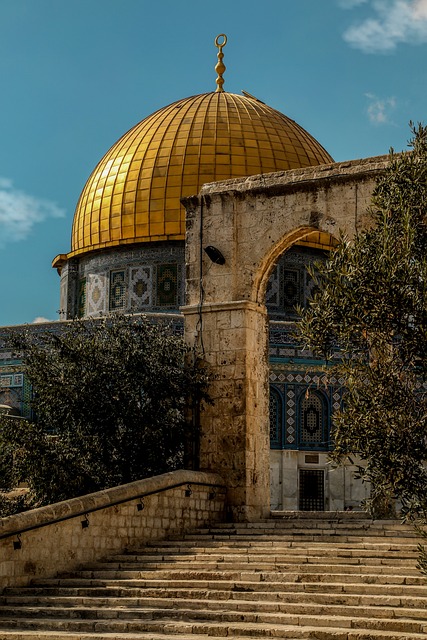
Hebron Al Khalil Old Town
Guide to Exploring Hebron/Al-Khalil Old Town Overview A limestone souq that has been trading continuously since the Bronze Age sits directly beneath a mosque where three religions claim the same tomb, and the street between them has been sealed by military checkpoints for over a decade. Hebron/Al-Khalil Old Town, in the southern West Bank, was added to the UNESCO World Heritage List in 2017 and...
read more
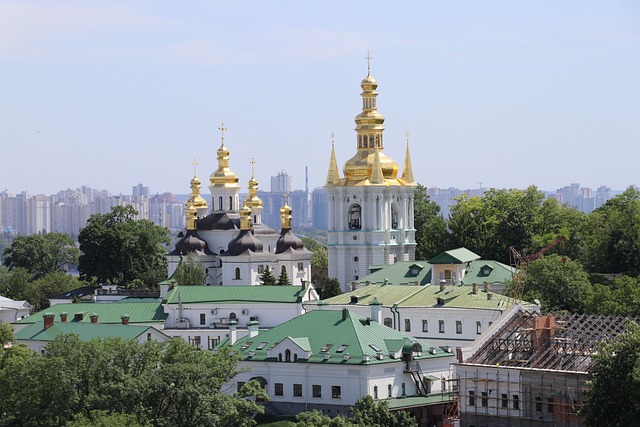
Kyiv Saint Sophia Cathedral and Related Monastic Buildings Kyiv Pechersk Lavra
Kyiv: Saint Sophia Cathedral and Kyiv-Pechersk Lavra A cracked cornice on an 11th-century apse tells you most of what you need to know before reading further. In June 2025 a Russian missile strike sent a shockwave through central Kyiv strong enough to fracture plasterwork on Saint Sophia Cathedral’s eastern wall, a surface that had outlasted Mongol raids, Soviet demolition orders under...
read more
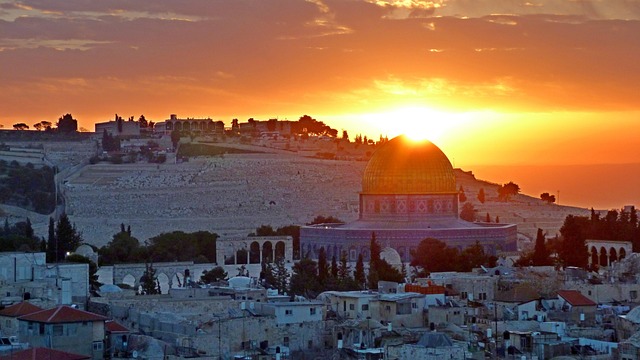
Palestine Land of Olives and Vines Cultural Landscape of Southern Jerusalem Battir
Palestine: Land of Olives and Vines - Cultural Landscape of Southern Jerusalem, Battir A wall almost cut through these terraces. That is the reason Battir carries a UNESCO plaque at all: in 2014 the village was rushed onto the World Heritage list, and simultaneously onto the List of World Heritage in Danger, specifically to stop Israel’s separation barrier from slicing across farmland that...
read more
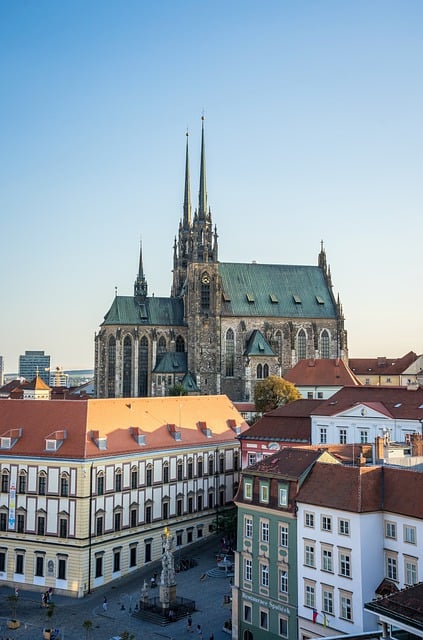
Tugendhat Villa in Brno
Tugendhat Villa: A Modernist Masterpiece in Brno, Czech Republic A house that looks like a glass box propped over a hillside garden earned a spot on the same list as the Taj Mahal and Angkor Wat, and the reason has nothing to do with size or ornament. It has to do with a single onyx wall, a wraparound curtain of glass that can vanish into the floor, and a floor plan that quietly rewrote what a...
read more
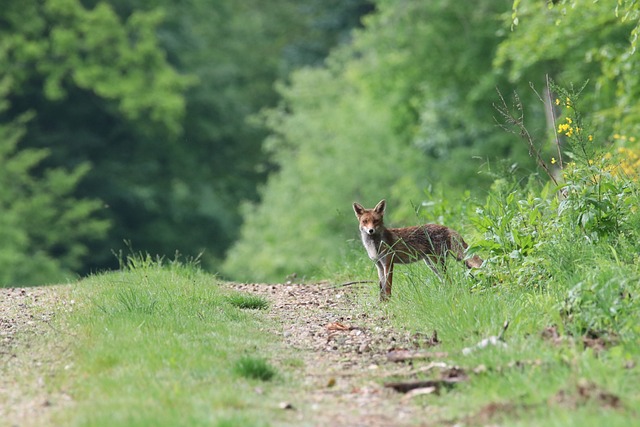
Ecosystem and Relict Cultural Landscape of Lop Okanda
Once a year, for about two weeks in July, mandrill hordes in Lopé National Park swell to as many as 800 individuals moving through the forest together, and the largest single gathering ever recorded here topped 1,350. That is not a typo and not a rounding error from some overenthusiastic tour operator; it is the documented behavior of the world’s largest monkey species, studied continuously...
read more
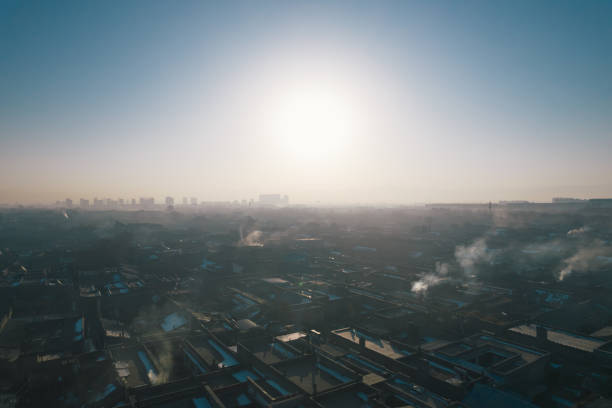
Ancient City of Ping Yao
Guide to Exploring the Ancient City of Ping Yao At one point in the nineteenth century, a private bank founded inside a walled town in Shanxi Province controlled something close to half of the money moving through China. That town was Pingyao, and the bank was Rishengchang, the country’s first draft bank, opened in 1823 by a dye merchant who realized that shipping paper promises between...
read more
Citadel Ancient City and Fortress Buildings of Derbent
Guide to Citadel, Ancient City and Fortress Buildings of Derbent A wall that once ran from a mountain citadel down to the Caspian shore, built to physically plug the narrow gap between the Caucasus and the sea, so that no army could pass without a Persian garrison’s permission. That is what Derbent is, and it has been doing some version of that job since the 6th century.
What you are...
read more
Fortifications of Vauban
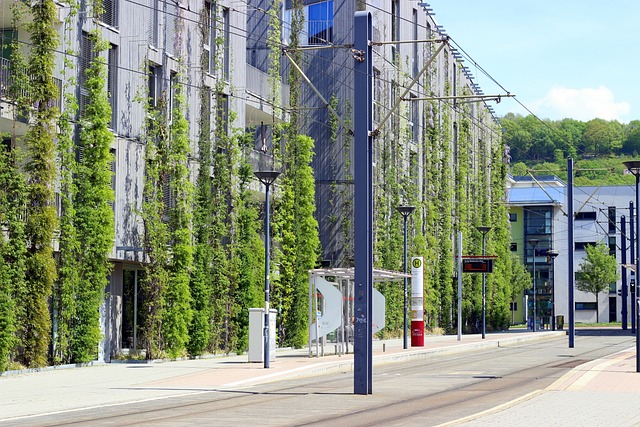
Fortifications of Vauban There is no single Vauban fortress you can visit and call it done. The UNESCO inscription covers twelve separate groups of fortified buildings scattered along France’s western, northern, and eastern frontiers, from a lonely watchtower on the Brittany coast to a mountain garrison town near the Italian border. Sébastien Le Prestre de Vauban built or upgraded more than...
read more
Qinghai Hoh Xil
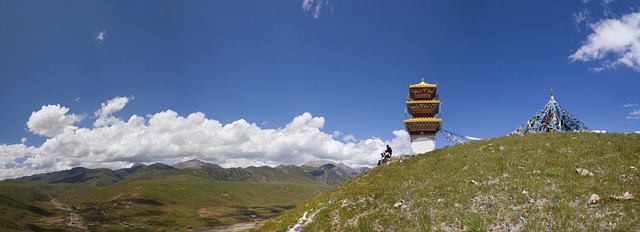
Qinghai Hoh Xil: A Comprehensive Guide for Tourists A ranger named Sonam Dargye died here in November 1994 with one hand still on his rifle bolt, frozen solid at minus 40 Celsius after a gunfight with poachers who were carrying roughly 2,000 Tibetan antelope skins. That single confrontation, and the volunteer anti-poaching squad he founded called the Wild Yak Brigade, is the reason Hoh Xil exists...
read more
Levuka Historical Port Town
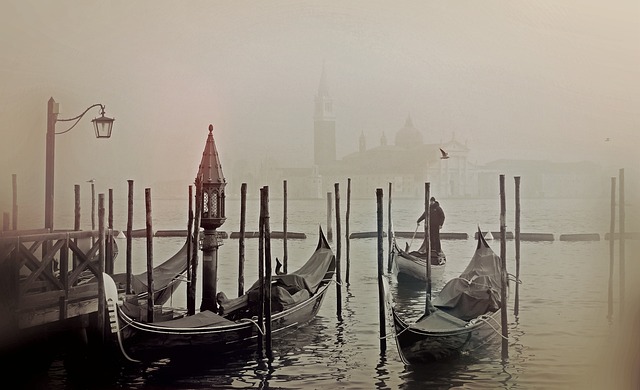
Levuka Historical Port Town: A Practical Guide A row of clapboard shopfronts leans against a green wall of mountain on one side and the Koro Sea on the other, and that narrow strip is basically the whole town. Levuka squeezed itself onto whatever flat ground it could find on Ovalau Island, because when European traders and later the British colonial administration built it in the 1800s, nobody...
read more