Recent Unescoes

Shahr I Sokhta
The Burnt City Held a Fake Eyeball 4,800 Years Old, and Almost No One Can Go See It A prosthetic eyeball made of bitumen and animal fat, worn by a woman roughly 4,800 years ago, is the single artifact that makes Shahr-i Sokhta worth knowing about even if you never set foot there. It turned up in a grave here in 2006, and it is one of the earliest known ocular prostheses on the planet.
read more
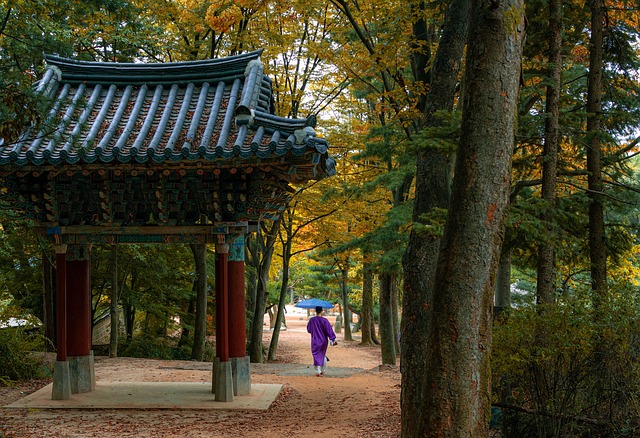
Historic Villages of Korea Hahoe and Yangdong
Historic Villages of Korea: Hahoe and Yangdong Two Villages That Refused to Change King Charles III visited Yangdong village in 1993, almost two decades before UNESCO formally recognised it, and reportedly called it one of the most beautiful places he had ever seen. That endorsement did not trigger a rush of tour buses, and the village’s relative obscurity is one of the better-kept secrets...
read more
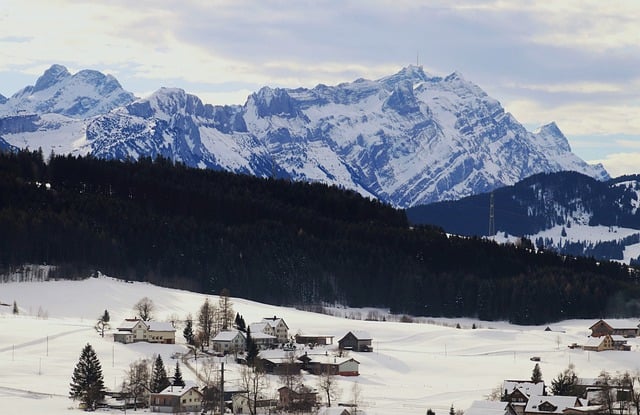
Settlement and Artificial Mummification of the Chinchorro Culture in the Arica and Parinacota Region
Settlement and Artificial Mummification of the Chinchorro Culture in the Arica and Parinacota Region A glass floor in a small room on a quiet Arica street lets you look straight down at thirty-two human bodies exactly as archaeologists found them, and they are older than the pyramids by a couple thousand years. That room, Museo de Sitio Colon 10, is the single best reason to detour into...
read more
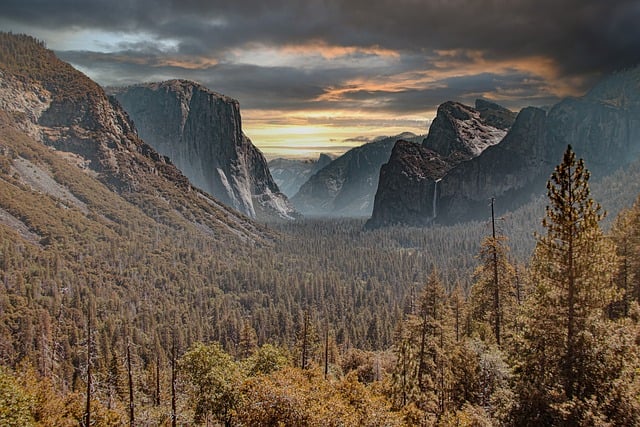
Coiba National Park and Its Special Zone of Marine Protection
A federal penal colony kept Coiba wild by accident. From 1919 until the last prisoner walked out in 2005, Panama used this island to hold roughly 3,000 people, including political prisoners disappeared under the Torrijos and Noriega dictatorships, and the reputation of the place did more to protect its forests and reefs than any ranger ever could. Nobody logged it, nobody built resorts on it,...
read more

Papah Naumoku Kea
Guideline for Visiting Papahānaumokuākea: A Comprehensive Tourist’s Guide You cannot book a snorkeling trip or a boat tour to Papahānaumokuākea, and no guide company sells one, because there is essentially no public tourism infrastructure here at all. That fact alone separates this UNESCO site from every other entry on a typical bucket list, and it is worth saying plainly before anything...
read more
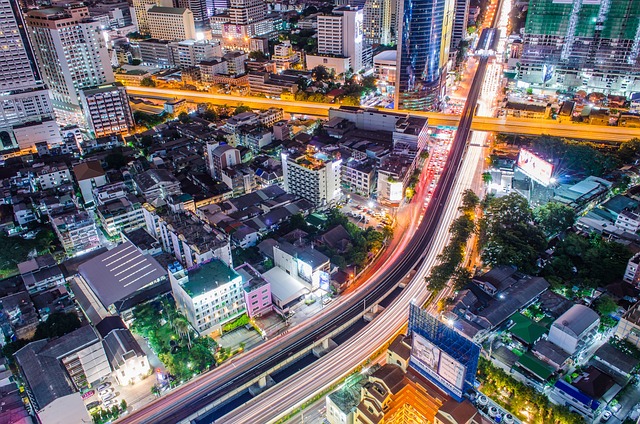
Samarkand Crossroad of Cultures
Samarkand - Crossroad of Cultures: A Comprehensive Guide for Tourists In July 2025 Uzbekistan’s own archaeologists pushed the founding date of Samarkand back again. Excavations at the Afrasiyab mound turned up settlement layers dating to roughly 1000 BC, and the government now officially markets the city as 3,000 years old rather than the long-standing 2,750-year figure most guidebooks still...
read more
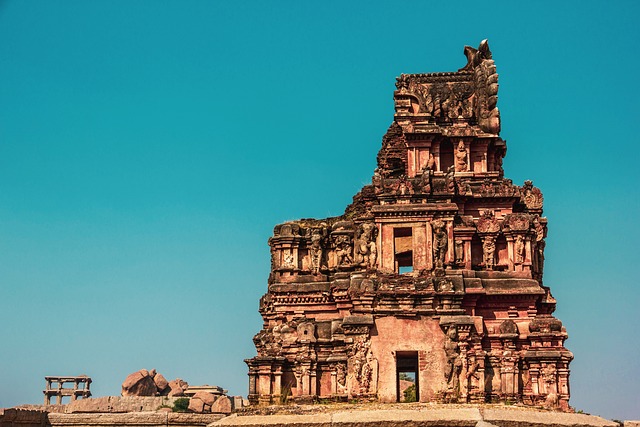
Group of Monuments at Hampi
A stone chariot that cannot roll anywhere, wheels carved so precisely they once actually turned, sits in the courtyard of a temple complex that a dead empire abandoned almost 450 years ago and nobody ever fully reoccupied. That’s the pitch for Hampi in one image, and it undersells the place.
What you’re actually looking at Hampi was the capital of the Vijayanagara Empire, a Hindu...
read more
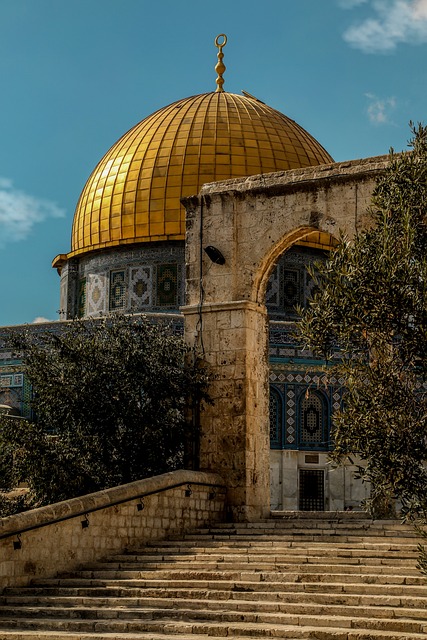
Hebron Al Khalil Old Town
Guide to Exploring Hebron/Al-Khalil Old Town Overview A limestone souq that has been trading continuously since the Bronze Age sits directly beneath a mosque where three religions claim the same tomb, and the street between them has been sealed by military checkpoints for over a decade. Hebron/Al-Khalil Old Town, in the southern West Bank, was added to the UNESCO World Heritage List in 2017 and...
read more
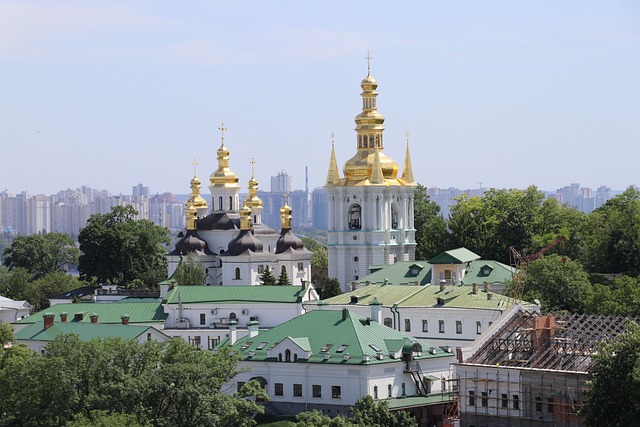
Kyiv Saint Sophia Cathedral and Related Monastic Buildings Kyiv Pechersk Lavra
Kyiv: Saint Sophia Cathedral and Kyiv-Pechersk Lavra A cracked cornice on an 11th-century apse tells you most of what you need to know before reading further. In June 2025 a Russian missile strike sent a shockwave through central Kyiv strong enough to fracture plasterwork on Saint Sophia Cathedral’s eastern wall, a surface that had outlasted Mongol raids, Soviet demolition orders under...
read more
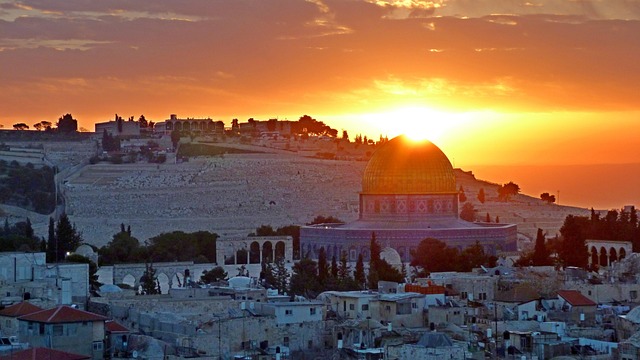
Palestine Land of Olives and Vines Cultural Landscape of Southern Jerusalem Battir
Palestine: Land of Olives and Vines - Cultural Landscape of Southern Jerusalem, Battir A wall almost cut through these terraces. That is the reason Battir carries a UNESCO plaque at all: in 2014 the village was rushed onto the World Heritage list, and simultaneously onto the List of World Heritage in Danger, specifically to stop Israel’s separation barrier from slicing across farmland that...
read more
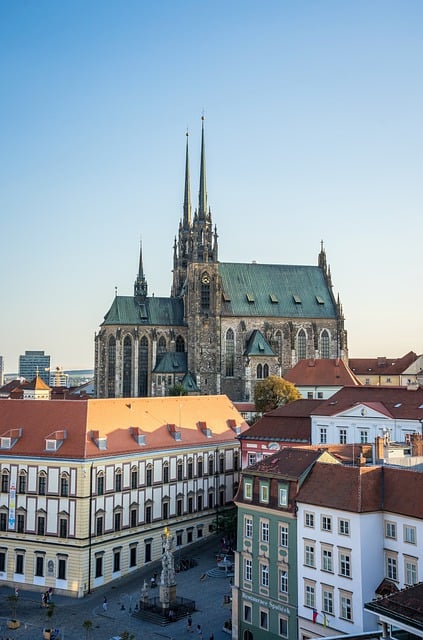
Tugendhat Villa in Brno
Tugendhat Villa: A Modernist Masterpiece in Brno, Czech Republic A house that looks like a glass box propped over a hillside garden earned a spot on the same list as the Taj Mahal and Angkor Wat, and the reason has nothing to do with size or ornament. It has to do with a single onyx wall, a wraparound curtain of glass that can vanish into the floor, and a floor plan that quietly rewrote what a...
read more
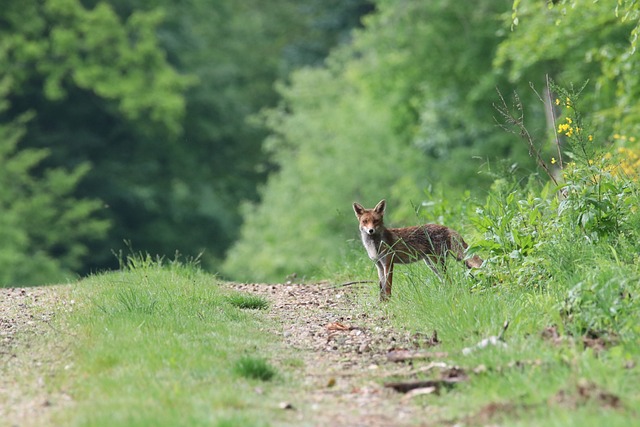
Ecosystem and Relict Cultural Landscape of Lop Okanda
Once a year, for about two weeks in July, mandrill hordes in Lopé National Park swell to as many as 800 individuals moving through the forest together, and the largest single gathering ever recorded here topped 1,350. That is not a typo and not a rounding error from some overenthusiastic tour operator; it is the documented behavior of the world’s largest monkey species, studied continuously...
read more
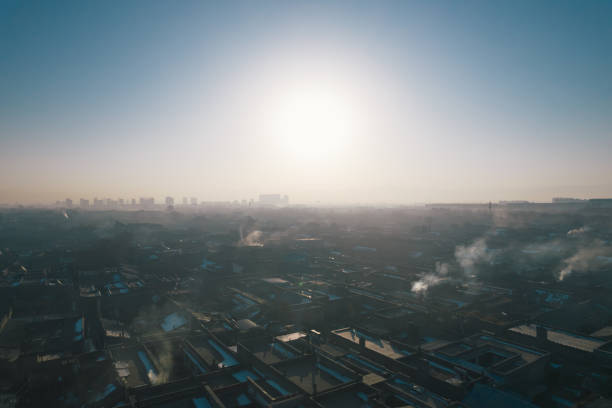
Ancient City of Ping Yao
Guide to Exploring the Ancient City of Ping Yao At one point in the nineteenth century, a private bank founded inside a walled town in Shanxi Province controlled something close to half of the money moving through China. That town was Pingyao, and the bank was Rishengchang, the country’s first draft bank, opened in 1823 by a dye merchant who realized that shipping paper promises between...
read more
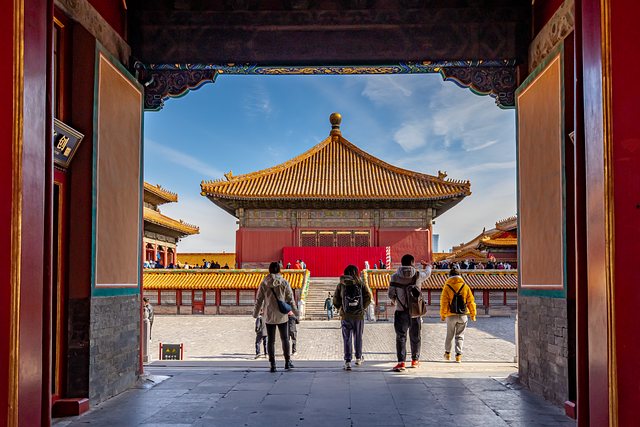
Citadel Ancient City and Fortress Buildings of Derbent
Guide to Citadel, Ancient City and Fortress Buildings of Derbent A wall that once ran from a mountain citadel down to the Caspian shore, built to physically plug the narrow gap between the Caucasus and the sea, so that no army could pass without a Persian garrison’s permission. That is what Derbent is, and it has been doing some version of that job since the 6th century.
What you are...
read more
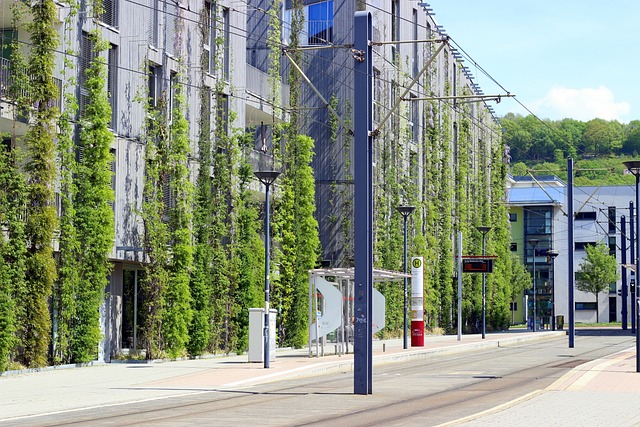
Fortifications of Vauban
Fortifications of Vauban There is no single Vauban fortress you can visit and call it done. The UNESCO inscription covers twelve separate groups of fortified buildings scattered along France’s western, northern, and eastern frontiers, from a lonely watchtower on the Brittany coast to a mountain garrison town near the Italian border. Sébastien Le Prestre de Vauban built or upgraded more than...
read more
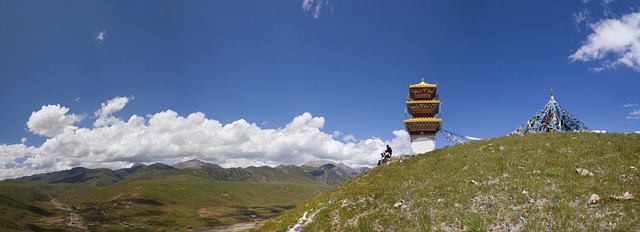
Qinghai Hoh Xil
Qinghai Hoh Xil: A Comprehensive Guide for Tourists A ranger named Sonam Dargye died here in November 1994 with one hand still on his rifle bolt, frozen solid at minus 40 Celsius after a gunfight with poachers who were carrying roughly 2,000 Tibetan antelope skins. That single confrontation, and the volunteer anti-poaching squad he founded called the Wild Yak Brigade, is the reason Hoh Xil exists...
read more
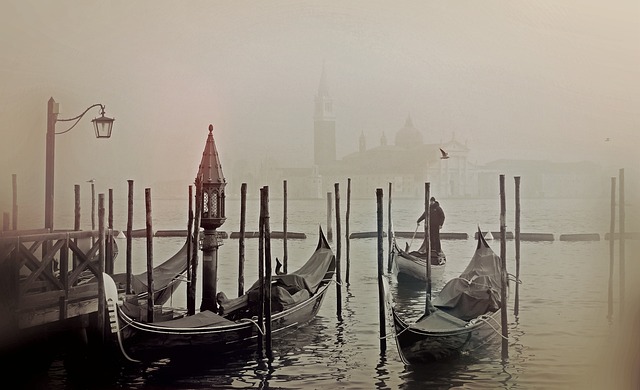
Levuka Historical Port Town
Levuka Historical Port Town: A Practical Guide A row of clapboard shopfronts leans against a green wall of mountain on one side and the Koro Sea on the other, and that narrow strip is basically the whole town. Levuka squeezed itself onto whatever flat ground it could find on Ovalau Island, because when European traders and later the British colonial administration built it in the 1800s, nobody...
read more
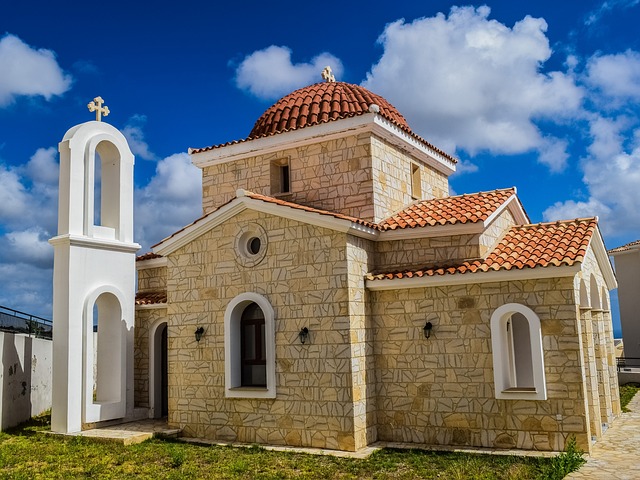
Paphos
Paphos: Standing on a Mosaic Floor Older Than the Word “Byzantine” You can walk directly onto Roman mosaics in Paphos. No rope barrier, no glass case, just raised wooden walkways a few feet above floors that were laid before Constantine moved the empire’s capital east. That’s the thing people don’t expect: this isn’t a museum showing you fragments behind velvet,...
read more
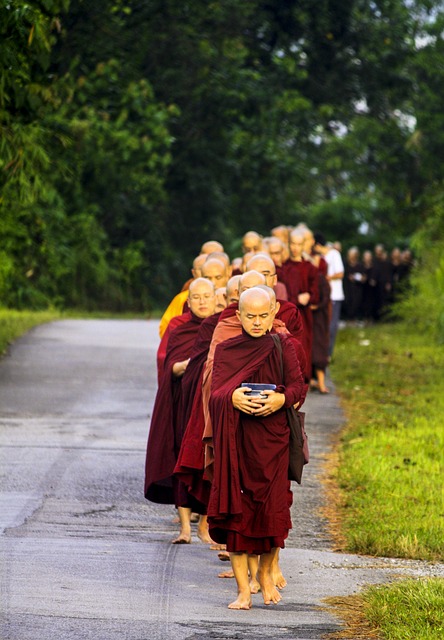
Sangha Trinational
Sangha Trinational A raised wooden platform overlooking a muddy forest clearing, where you sit in silence for three hours because more than a hundred forest elephants might walk out of the trees at once. That platform, at a bai called Dzanga in the Central African Republic, is the payoff for what might be the single most logistically demanding UNESCO site on the planet to visit.
Sangha Trinational...
read more
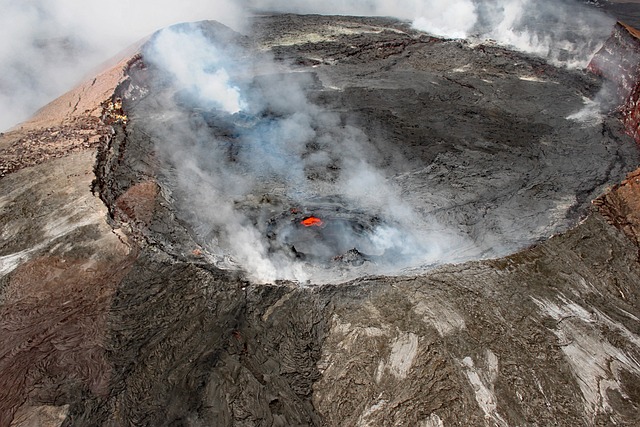
Hawaii Volcanoes National Park
Hawaii Volcanoes National Park: A Comprehensive Guide for Tourists Stand at the rim of Kilauea’s caldera at night and you can watch the planet build new rock in front of you, glowing orange fissures venting sulfur into the dark. That’s the pitch for this park, and unlike most UNESCO sites, it isn’t exaggerating. Hawaii Volcanoes National Park earned its 1987 World Heritage...
read more
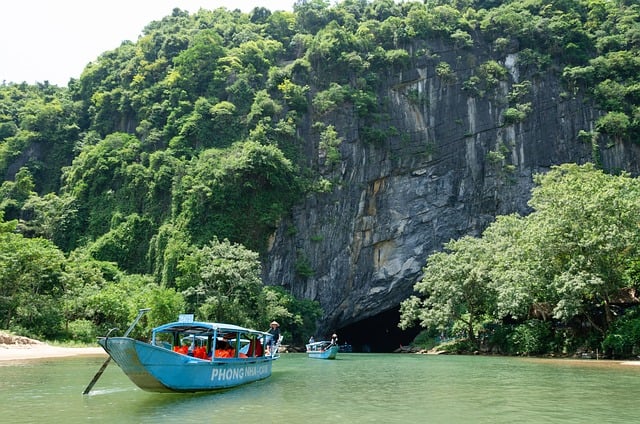
Phong Nha Ke Bang National Park
Phong Nha-Ke Bang: The Vietnamese Park Where the World’s Biggest Cave Hides a Jungle Inside a Mountain Somewhere under the limestone hills of Quang Binh Province, a chamber of Son Doong Cave is large enough to fly a Boeing 747 through, with its own weather system, a river, and a patch of jungle growing where a section of ceiling collapsed millennia ago and let sunlight in. That single fact...
read more
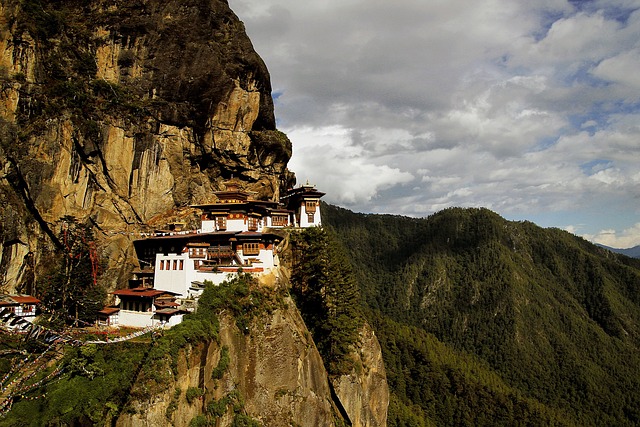
Sansa Buddhist Mountain Monasteries in Korea
Sansa: Buddhist Mountain Monasteries in Korea When South Korea submitted seven mountain monasteries for UNESCO inscription in 2018, the International Council on Monuments and Sites initially recommended approving only four of them. The Korean government pushed back, argued the case for all seven, and won. That persistence matters because the full set, Tongdosa, Buseoksa, Bongjeongsa, Beopjusa,...
read more
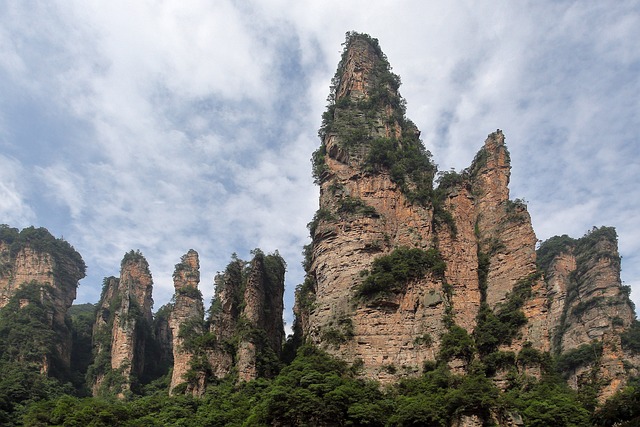
Wulingyuan Scenic and Historic Interest Area
Wulingyuan Scenic and Historic Interest Area: A Comprehensive Guide for Tourists In January 2010, local authorities took a 1,080-metre quartz-sandstone pillar that had been known for centuries as the Southern Sky Column and renamed it Avatar Hallelujah Mountain. James Cameron never actually set foot there while making the film; the connection was assembled after the fact from photographs a...
read more
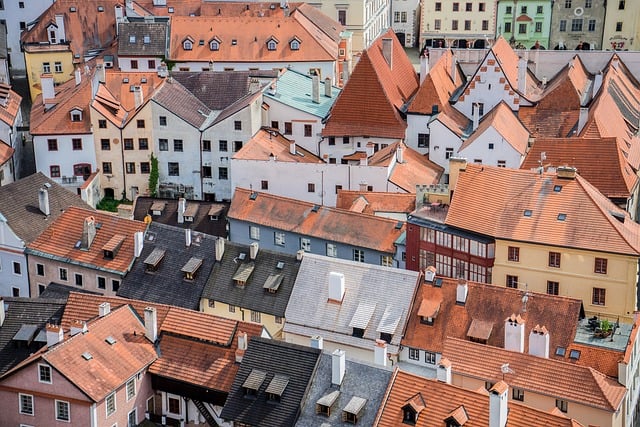
Historic Centre Of The City Of Salzburg
Historic Centre of the City of Salzburg: A Comprehensive Guide for Tourists Getting the dates right Salzburg Cathedral did not start construction in 673. That date gets repeated in a lot of casual guides, but the first church on the site was built between 767 and 774 under Bishop Virgil, on the foundations of an old Roman settlement, and consecrated to Saints Peter and Rupert. It burned down in...
read more
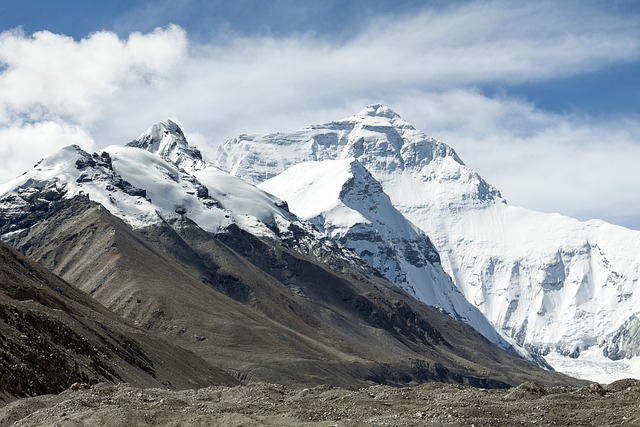
Mount Wuyi
Guide to Mount Wuyi A peak that isn’t actually the highest, and that’s the point Most write-ups on Mount Wuyi claim Tianyou Peak is the tallest point in the range at over 2,000 meters. It isn’t. Tianyou Peak tops out at around 409 meters, a fraction of the height of Huanggang Mountain, which reaches 2,158 meters and is the actual roof of the Wuyi range. Tianyou gets the fame...
read more
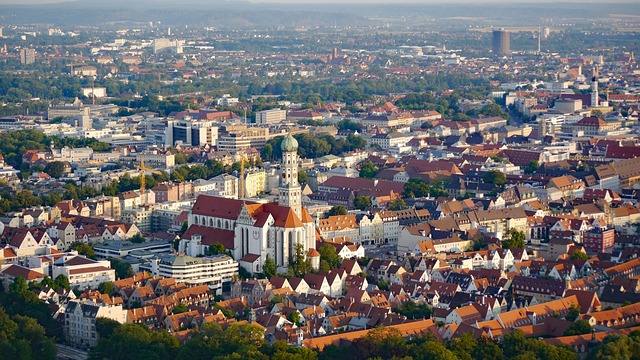
Water Management System of Augsburg
Most visitors to Augsburg never realize they are standing inside a UNESCO World Heritage Site, because this one has no single gate, ticket booth, or wall. It is spread across the city as 22 separate structures: canals, water towers, fountains, and hydroelectric plants that together form a working system still delivering the city’s drinking water today. Augsburg’s water heritage was...
read more

Niokolo Koba National Park
Niokolo-Koba National Park: A Comprehensive Guide for Tourists A camera trap caught something nobody had seen in 24 years In March 2023, a Bushnell trap set in a dry riverbed in the eastern part of the park photographed a giant pangolin at 1:37am. It was the first confirmed evidence of the species in Senegal since 1967, and the first photo of one inside the park since 1999. Then, in June 2025,...
read more
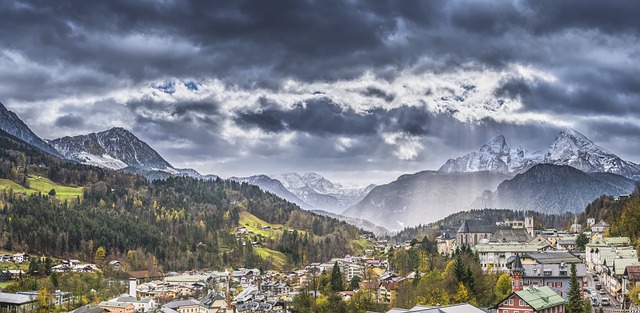
Ujung Kulon National Park
Ujung Kulon National Park: A Comprehensive Guide for Tourists You will almost certainly not see a Javan rhino at Ujung Kulon. That is the first thing to understand about this park, and it is also the reason the place matters. Somewhere between 50 and 82 of the world’s last Javan rhinos live inside this tangle of lowland rainforest at the far western tip of Java, and they are so reclusive...
read more
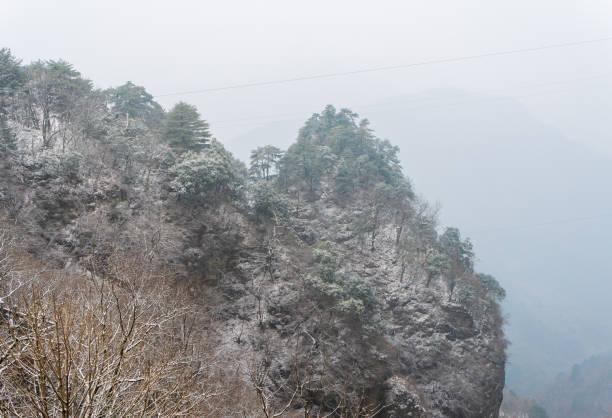
Ancient Building Complex In The Wudang Mountains
Guide to the Ancient Building Complex in the Wudang Mountains A bronze statue weighing ten tons sits inside a gilt-bronze hall on top of a 1,612 metre peak in Hubei Province, and it took 300,000 soldiers and craftsmen thirteen years to put it there. That statue, Zhenwu the Great, is the entire reason the Wudang Mountains exist as a tourist destination and a UNESCO World Heritage Site. Everything...
read more
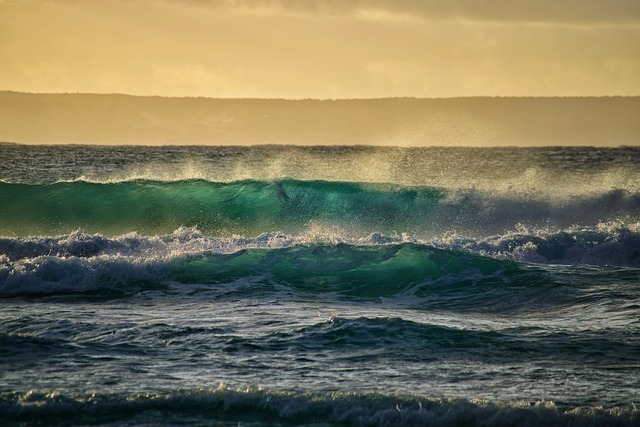
Shark Bay Western Australia
Shark Bay, Western Australia The stromatolites at Hamelin Pool are not rocks. They are alive, and they have been building themselves, one-third of a millimetre per year, for the past three and a half billion years. Standing on the boardwalk above them, staring at grey lumps in hypersaline water, you are looking at the same organisms that first oxygenated Earth’s atmosphere. No placard at a...
read more
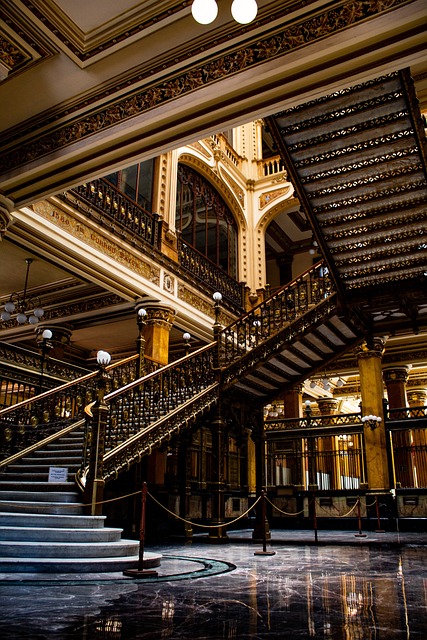
Changdeokgung Palace Complex
King Taejong built Changdeokgung in 1405 partly because he could no longer stand to live in the palace where he had murdered his own half brothers and his father’s chief adviser to seize the throne. That’s the detail most guidebooks skip in favor of tidy dynasty timelines, but it explains a lot about why this palace feels so different from Gyeongbokgung, its formal, grid-planned...
read more
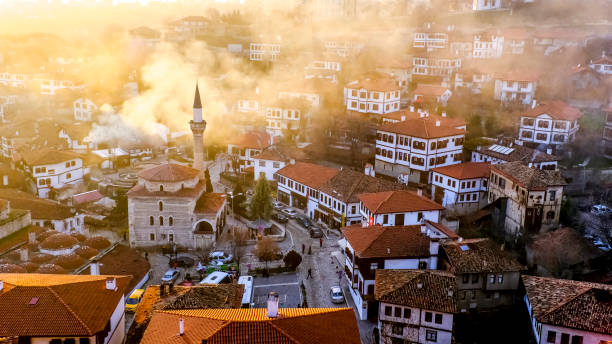
City Of Safranbolu
City of Safranbolu Cut open a Safranbolu house and you find a puzzle: hundreds of wooden joints and pegs holding a timber-frame structure together with barely a nail in sight, engineered so the upper floors overhang the street and the whole thing can flex slightly in an earthquake. That carpentry, repeated across roughly two thousand surviving houses, is why UNESCO put this small Anatolian town on...
read more
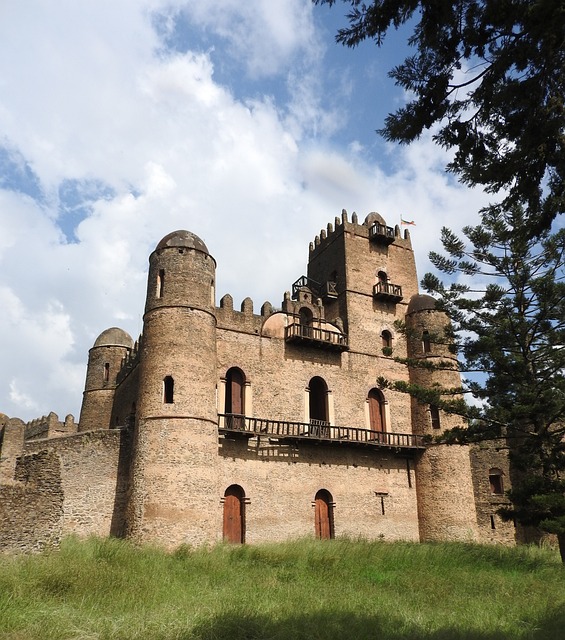
Fasil Ghebbi, Gondar Region
Fasil Ghebbi, Gondar Region Emperor Fasilides did not build his capital to look Ethiopian, Portuguese, Indian, or Arab. He built it to look like all four at once, and that stubborn mashup of styles is exactly why art historians still argue about who taught Gondar’s masons their trade. Before you plan a trip here, know one thing that has nothing to do with architecture: this is currently one...
read more
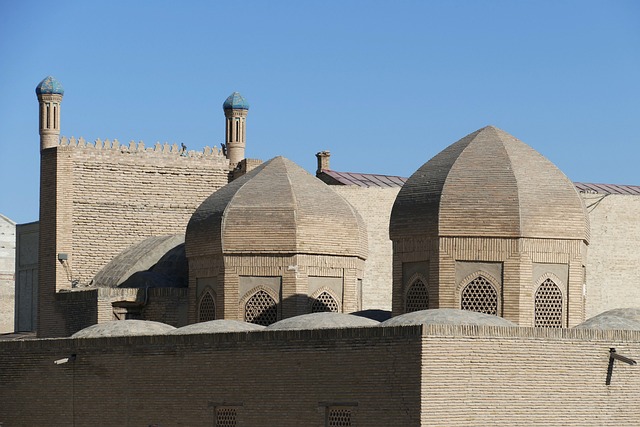
Historic Centre of Bukhara
Historic Centre of Bukhara: A Comprehensive Guide for Tourists At exactly 45 metres tall, the Kalon Minaret has stood in roughly the same spot since 1127, and Genghis Khan, on approaching Bukhara in 1220, reportedly ordered it spared while levelling everything around it. Whether that story is apocryphal or not, the minaret survived and the city did not, which tells you something about the...
read more
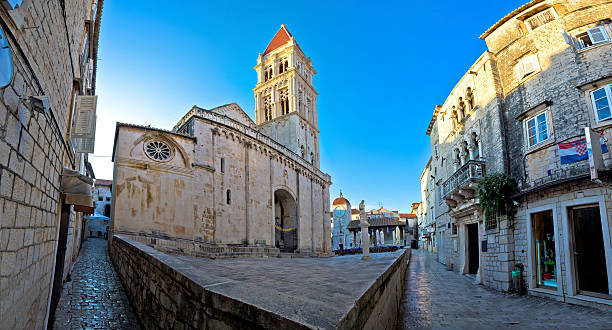
Historic City of Trogir
Guide to the Historic City of Trogir A street grid older than the Roman Empire Walk the old town of Trogir and you are following a layout that predates Rome’s dominance of the Adriatic entirely. Greek settlers from the island of Vis founded Tragurion here in the 3rd century BC, laying out an orthogonal grid of streets that has survived more than 2,300 years of Roman rule, Byzantine control,...
read more
Kenya Lake System in the Great Rift Valley
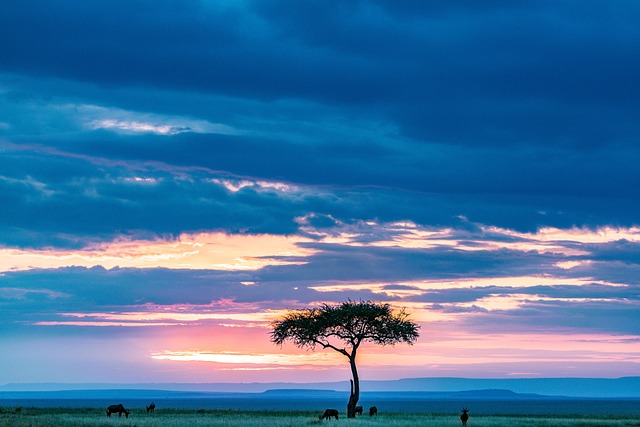
Kenya Lake System in the Great Rift Valley Most guidebooks list five lakes under this UNESCO title. That is wrong, and it matters if you are planning a trip around the actual inscribed property. The World Heritage listing covers exactly three lakes: Bogoria, Nakuru and Elementaita, a cluster of shallow, highly alkaline soda lakes strung along roughly 100 kilometers of the Kenyan Rift Valley floor....
read more
Kondoa Rock Art Sites
Kondoa Rock Art Sites A boda-boda driver will carry you the last five bumping kilometers to the ticket office at Kolo, because the road beyond the visitor center is too rough for most rental cars. That detail tells you almost everything about what a visit here actually involves: less museum, more expedition.
What’s really up there Researchers still argue about how old the paintings are, and...
read more
Kuk Early Agricultural Site
Long before anyone in Mesopotamia thought to plant a seed on purpose, people in a highland swamp in Papua New Guinea were already digging drainage ditches to grow food. That is the claim Kuk Swamp makes, and radiocarbon dates back it up: plant exploitation on the site’s wetland margins stretches back roughly 10,000 years, with deliberate mounding cultivation of taro and bananas well...
read more
R O Abiseo National Park
Río Abiseo National Park: Peru’s Locked Vault of Cloud Forest and Lost Cities You cannot simply show up at Río Abiseo and walk in. Since 1986, Peru’s national park service has kept the interior closed to general tourism, and that single fact separates this place from every other Peruvian ruin on a postcard. What you’re reading about here is not Machu Picchu with fewer crowds....
read more
Caves and Ice Age Art in the Swabian Jura
Caves and Ice Age Art in the Swabian Jura The oldest known sculpture of a human being is a mammoth-ivory woman no bigger than your thumb, and she was pulled out of a cave floor in a German farming valley in 2008 by a graduate student sifting through backdirt. That is the story of the Swabian Jura’s UNESCO site in miniature: astonishing objects, unglamorous holes in a hillside, and almost all...
read more
Historic Monuments Of Novgorod And Surroundings
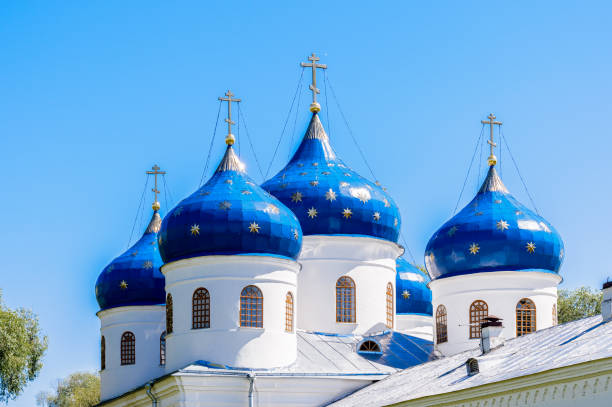
The dove on top of St. Sophia’s central dome is bronze, and Novgorod legend insists the city will stand as long as that dove stays put. It survived Nazi shelling in World War II, was carried off to Spain as a trophy, and only came home in 2004. That single detail tells you more about Novgorod than any list of “must-see” churches ever could: this is a place where the monuments...
read more
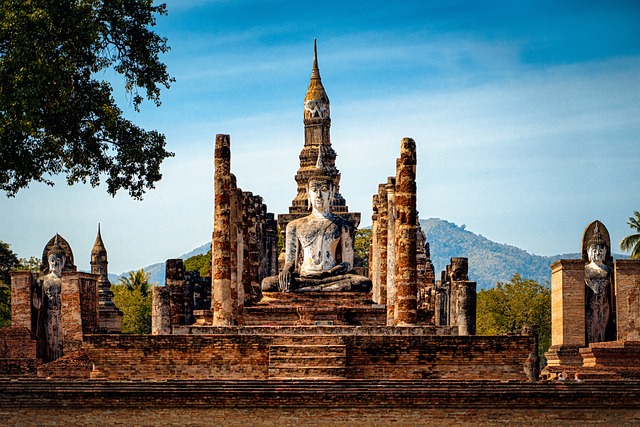
Historic Town Of Sukhothai And Associated Historic Towns
Guide to the Historic Town of Sukhothai and Associated Historic Towns The First Thai Kingdom and Why It Still Matters In 1292, a king in north-central Thailand had his court chisel an inscription onto a stone pillar describing a kingdom where fish swam freely in the rivers, trade taxes did not exist, and any subject could ring a bell at the palace gate to petition the ruler directly. That...
read more
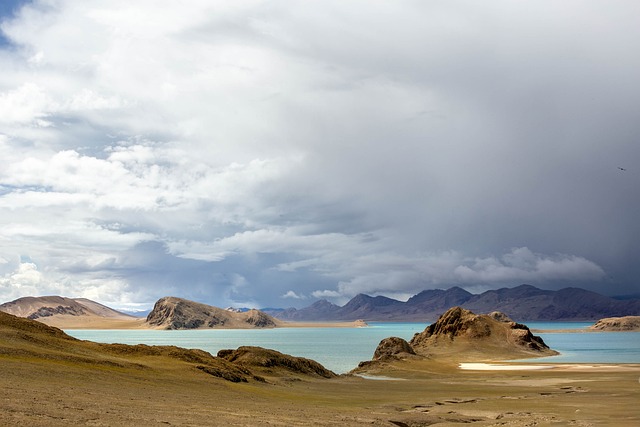
Putorana Plateau
Putorana Plateau: A Complete Visitor Guide The Hardest UNESCO Site You Will Ever Reach Somewhere above the Arctic Circle, a landmass the size of England has been slowly bleeding waterfalls into fjord-shaped lakes for 250 million years, and almost nobody has seen it. The Putorana Plateau holds the highest concentration of waterfalls in Russia, more than 25,000 lakes, and one of the last great wild...
read more

Sichuan Giant Panda Sanctuaries Wolong Mt Siguniang and Jiajin Mountains
Sichuan Giant Panda Sanctuaries: Wolong, Mt Siguniang and Jiajin Mountains Why This Place Deserves More Than a Day Trip Six pandas escaped their enclosures on May 12, 2008. The Wenchuan earthquake (measuring 7.9 on the Richter scale) struck with its epicenter just two kilometers from the boundary of Wolong National Nature Reserve, and for the people who had spent careers building the world’s...
read more
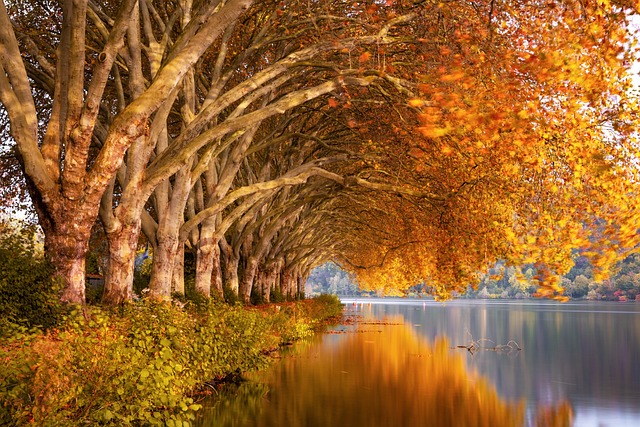
Mount Emei Scenic Area Including Leshan Giant Buddha Scenic Area
Guide to Mount Emei Scenic Area and Leshan Giant Buddha Scenic Area Carved into a cliff at the meeting point of three rivers, the Leshan Giant Buddha has a drainage system hidden inside its own hair. Tang Dynasty stonemasons cut channels through the coiled curls of the statue’s head, down behind the ears, along the arms and robe folds, so that a thousand years of monsoon rain would run off...
read more
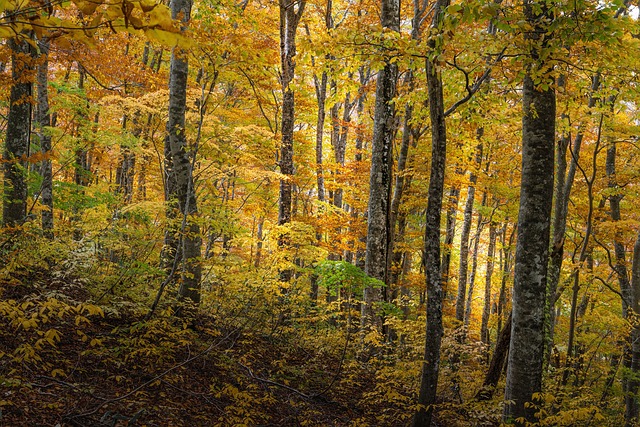
Ancient and Primeval Beech Forests of the Carpathians and Other Regions of Europe
Guide to Ancient and Primeval Beech Forests of the Carpathians and Other Regions of Europe Most guidebooks describe this as a single forest. It is not. It is 93 separate patches of woodland scattered across 18 countries, from the Pyrenees to the Ukrainian border with Romania, and more than 70 percent of the protected area sits inside Ukraine, not Slovakia or Germany as most travel articles imply....
read more
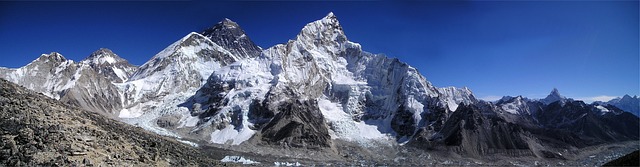
Mount Hamiguitan Range Wildlife Sanctuary
Mount Hamiguitan Range Wildlife Sanctuary: A Comprehensive Guide for Tourists There is a 225 hectare stand of trees on the summit ridge of Mount Hamiguitan that looks like it belongs in a Japanese garden rather than a tropical mountain: gnarled, wind bent, waist high in places, and estimated to be over a century old despite standing barely as tall as a person. This is the bonsai forest, or pygmy...
read more
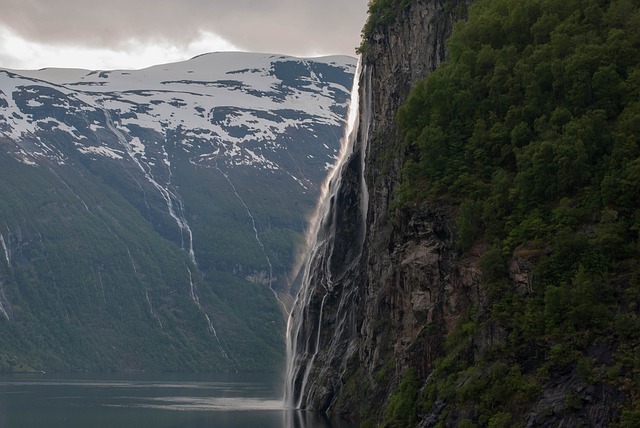
West Norwegian Fjords Geirangerfjord and N R Yfjord
A Comprehensive Guide to West Norwegian Fjords: Geirangerfjord and Nærøyfjord Starting in 2026, the big cruise ships that used to idle their engines at anchor in Geirangerfjord are legally required to run on zero emissions while inside the fjord, at least if they weigh under 10,000 gross tons. Norway’s parliament passed the rule specifically because these two fjords are UNESCO World Heritage...
read more
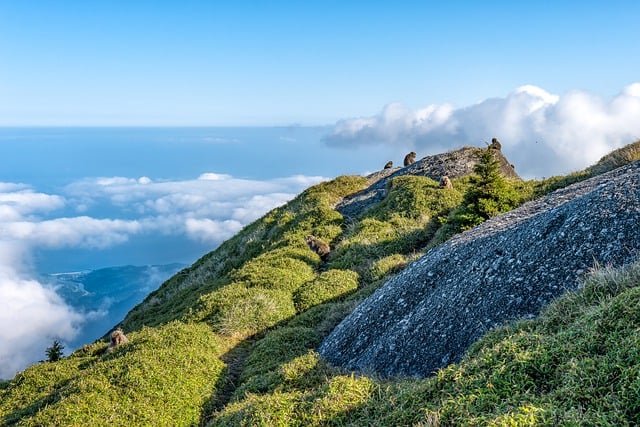
Yakushima
Nobody actually knows how old Jomon Sugi is, and that argument matters more than the tree itself. Early estimates floated 7,000 years, a number still printed on souvenir shirts across the island. Dendrochronologists who later drilled a core sample got a radiocarbon date closer to 2,700 years, then admitted the tree’s center is hollow, so the true first ring is gone forever. The honest range...
read more
Site of Palmyra
Site of Palmyra In 272 AD, the Roman Emperor Aurelian captured Queen Zenobia, paraded her through Rome in golden chains, then gave her a villa in Tivoli where she spent her remaining years hosting philosophers. The city she had briefly wrested from imperial control, Palmyra, was razed. What makes this story more than a footnote in late-Roman politics is the city itself: a desert oasis 215...
read more