Recent Unescoes
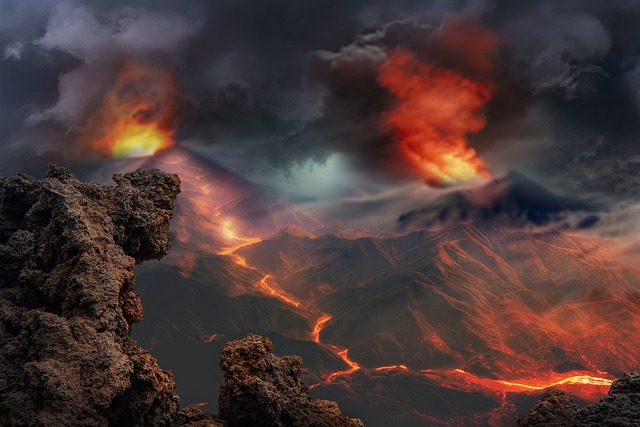
Volcanoes Of Kamchatka
Guided Tour: Volcanoes of Kamchatka On July 30, 2025, an 8.8-magnitude earthquake struck off Kamchatka’s coast, one of the strongest ever recorded, and within hours Klyuchevskaya Sopka, Eurasia’s tallest active volcano, was pouring lava down its western slope and throwing ash plumes that satellites tracked for more than a thousand miles. KVERT, the region’s volcanic monitoring...
read more
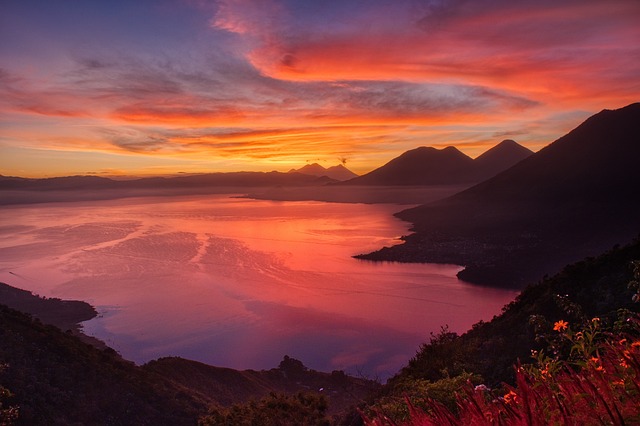
Antigua Guatemala
Antigua Guatemala At 11pm on most clear nights, Volcán de Fuego lights up the sky above Antigua with a rumble you can feel in your chest from town, and nobody in the plaza even looks up anymore. That’s the strange baseline of living beside an active volcano, and it’s a better introduction to this city than any list of its baroque churches.
Why UNESCO listed a ruined capital, not a...
read more
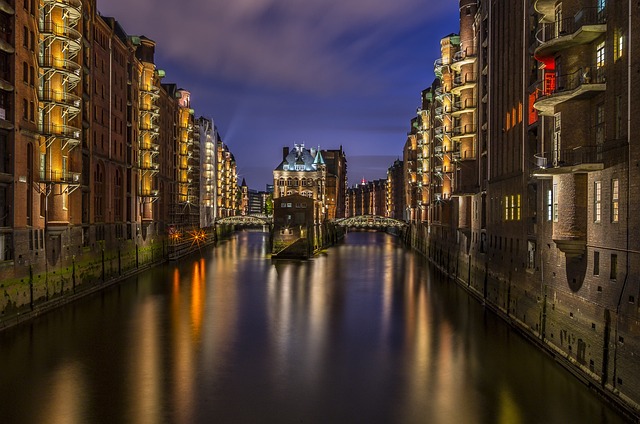
Speicherstadt and Kontorhaus District With Chilehaus
You can walk right up to a working office building with a prow-shaped corner that looks like it’s about to sail down the street, then wander two minutes away into a UNESCO warehouse district still crisscrossed by working canals. That combination, red brick stacked in two very different registers, is what makes this corner of Hamburg worth an afternoon.
Speicherstadt: the warehouse city Built...
read more
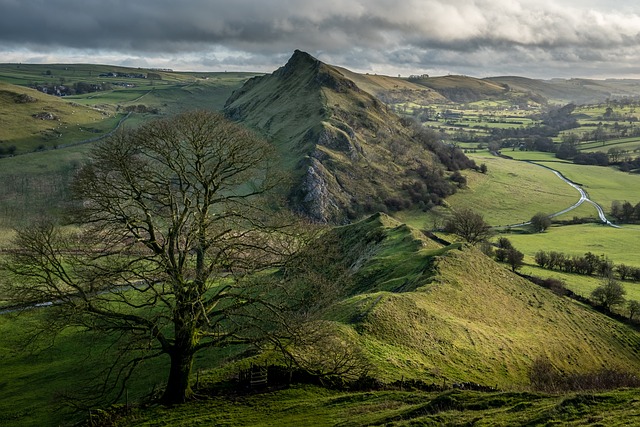
At Turaif District in Ad Diriyah
Guideline for Exploring At-Turaif District in ad-Diriyah Every wall you see at At-Turaif is mud brick, and that is the entire reason UNESCO listed it in 2010, not because of any single palace or gate. The site is the clearest surviving example of Najdi architecture anywhere on the Arabian Peninsula, and it happens to also be the birthplace of the Saudi state itself. This was the seat of the...
read more
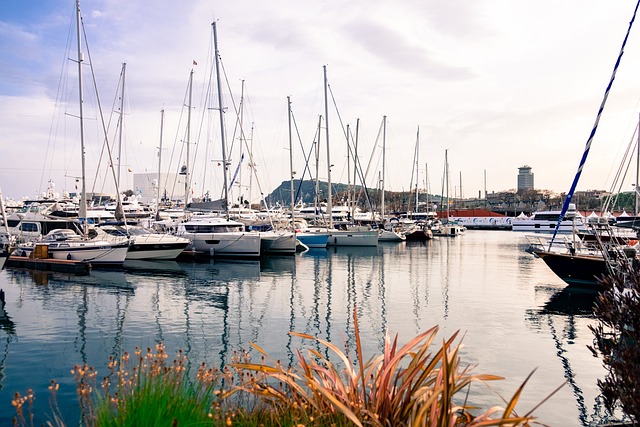
Coro And Its Port
Rain is the enemy here, which sounds backwards for a city that sits next to sand dunes tall enough to bury a building. Coro’s roughly 602 historic structures are built from bahareque, adobe, and tapia, mud, timber, bamboo, and rammed earth techniques that Spanish settlers fused with Dutch and Mudéjar building traditions starting in the 1500s. Earth construction handles heat beautifully and...
read more
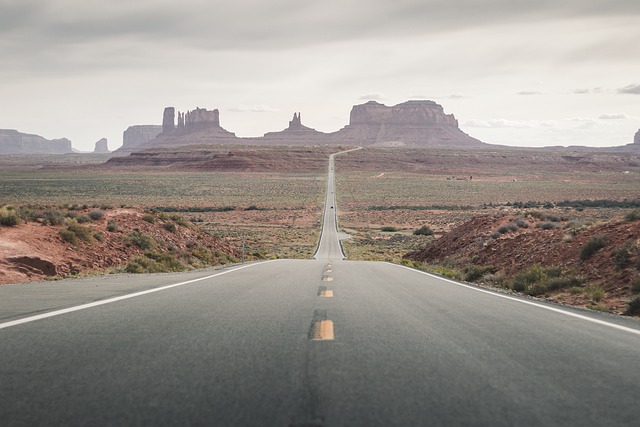
Cultural Landscape of Khinalig People and K Yolu Transhumance Route
Every autumn, families in Khinalig pack up their animals and walk 200 kilometers down out of the Greater Caucasus to spend the winter on the lowland plains of central Azerbaijan, then walk back up again in spring. They have done this for centuries, and in 2023 UNESCO inscribed the whole system, the mountain village, the seasonal pastures at both ends, and the migration corridor connecting them, as...
read more
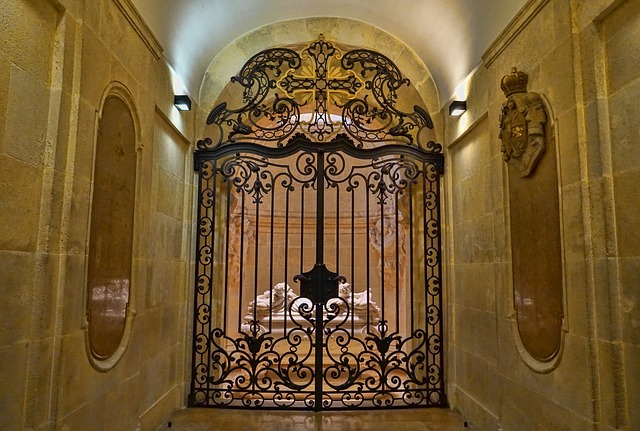
Mausoleum of Khoja Ahmed Yasawi
The unfinished parts are the point. Walk up to the main portal in Turkestan and you’ll notice the giant arch and its flanking minarets look strangely raw compared to the glazed-tile grandeur everywhere else on the building, bare brick where you’d expect decoration. That’s not decay. Timur ordered construction started in 1389 as a monument to a revered 12th-century Sufi teacher,...
read more
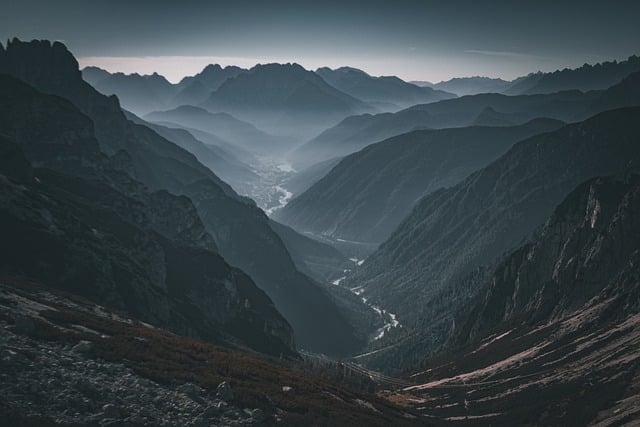
Orkhon Valley Cultural Landscape
Orkhon Valley Cultural Landscape: A Comprehensive Guide for Tourists Overview The stone slabs that made this valley famous were not carved by Mongols at all. They were raised by Turkic khagans centuries before Genghis Khan was born, and for a long time nobody in the outside world could even read them. That single fact reframes the whole site: this is not a one-empire ruin field, it is a stack of...
read more
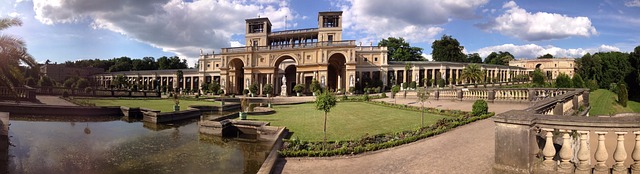
Palaces and Parks of Potsdam and Berlin
Palaces and Parks of Potsdam and Berlin: One Island Appears Twice in Most Guides, and It’s Only One Place Peacock Island is not in Tiergarten, and it is not two different attractions with two different names. It’s a single 67-hectare island sitting in the Havel river between Berlin and Potsdam, reachable only by a small ferry that has run since 1821, making it the oldest ferry service...
read more
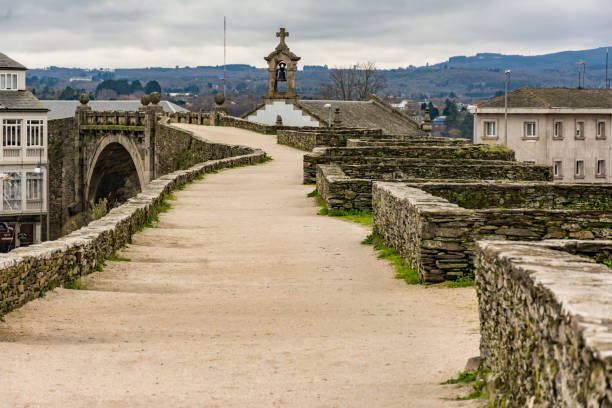
Roman Walls Of Lugo
Comprehensive Guide to the Roman Walls of Lugo: A Tourist’s Delight Lugo’s Roman wall is not a ruin. It’s a functioning piece of city infrastructure that residents jog on, walk their dogs along, and cut across on the way to work, and it happens to be the only completely intact circuit of late Roman fortifications left standing anywhere in the world. That distinction, not any...
read more
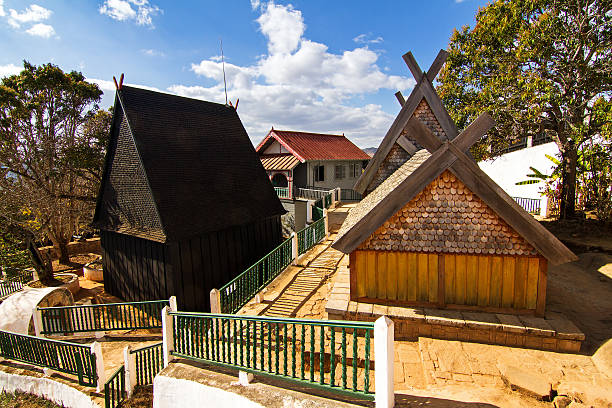
Royal Hill of Ambohimanga
Malagasy tradition still forbids pork within the walls of Ambohimanga, a taboo, or fady, dating from the era when this hilltop compound was the spiritual seat of the Merina kings, and it is one of the few sacred-site prohibitions in Madagascar that visitors are asked to actively observe rather than just read about on a plaque. Show up with a ham sandwich in your bag and a guide will politely ask...
read more
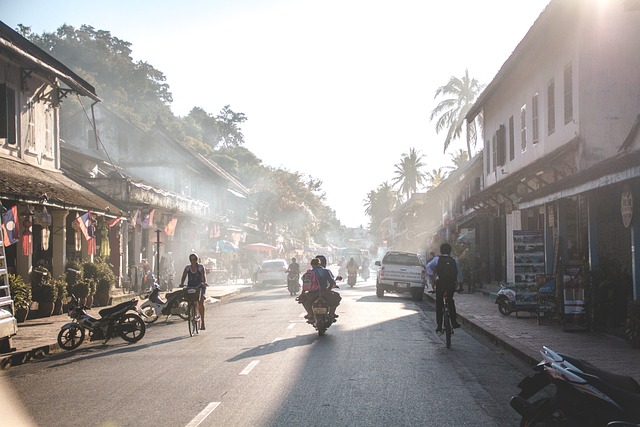
Town of Luang Prabang
Before dawn, monks in saffron robes file barefoot down Luang Prabang’s main street to collect rice from kneeling residents, and tour operators have turned this quiet daily ritual into something closer to a photo op with idling buses parked along the route. That tension between what Luang Prabang actually is and what mass tourism has made parts of it into runs through almost everything worth...
read more
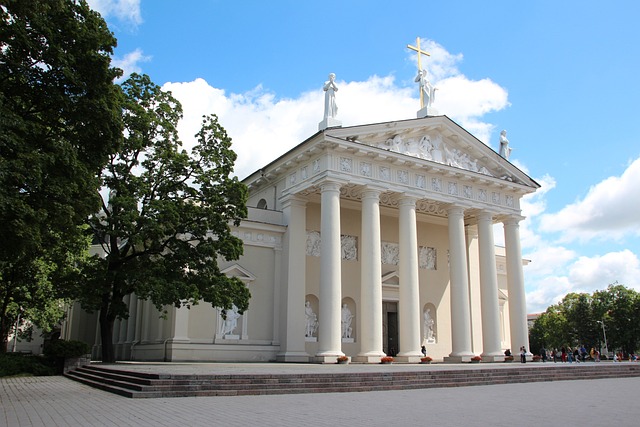
Vilnius Historic Centre
Guide to Exploring Vilnius Historic Centre: A Treasure Trove of History and Culture Stand in Cathedral Square at dusk and you can watch the whole reason Vilnius made UNESCO’s list play out in stone: a Gothic red-brick church a hundred meters from a neoclassical cathedral that looks like it wandered in from Saint Petersburg, both survivors of a city that spent four centuries getting fought...
read more
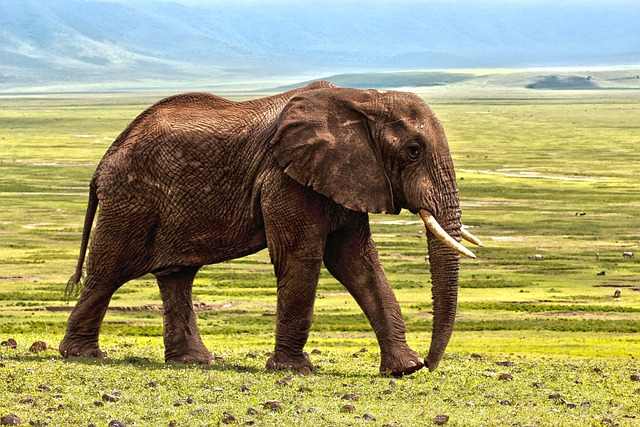
Srebarna Nature Reserve
A Freshwater Lake on the Danube That Almost Lost Its UNESCO Status Twice Ten percent of the world’s Dalmatian pelicans breed or winter on one 600-hectare lake near a village of a few hundred people in northeastern Bulgaria, and most people who could name three UNESCO sites in Western Europe have never heard of it. Srebarna is a freshwater lake fed by the Danube, one kilometer to its north,...
read more

Pre Hispanic City And National Park Of Palenque
Guide to the Pre-Hispanic City and National Park of Palenque Less than 10 percent of Palenque has ever been dug out of the jungle. Well over a thousand structures are still sitting under tree roots and vine cover beyond the roped-off tourist core, which means the postcard version of the site, the Palace tower and the Temple of Inscriptions, is really just the visible tip of a Maya city that...
read more
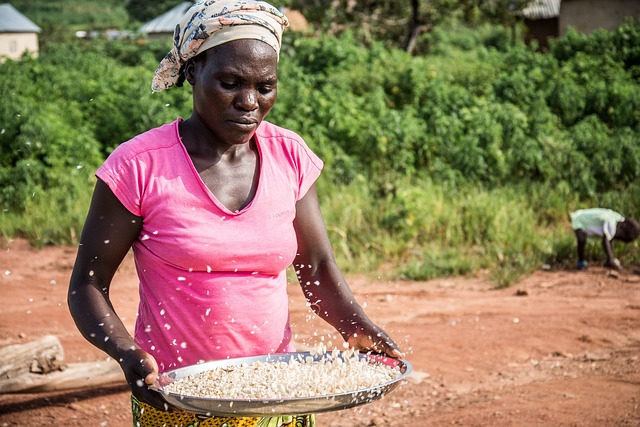
Ruins of Lorop Ni
Ruins of Loropéni: A Comprehensive Guide for Tourists Six-meter walls of stacked laterite stone, cut without mortar, have stood in the Burkina Faso bush for close to a thousand years, and archaeologists still can’t say for certain who built the first version or why it was finally abandoned. That mix of grandeur and mystery is the whole draw of Loropéni, and it’s also why the site...
read more
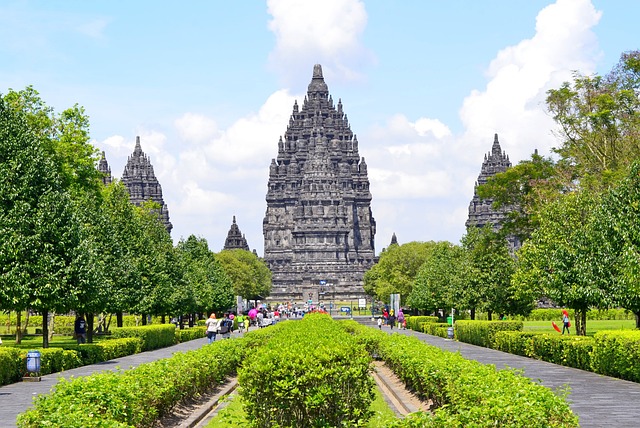
The Cosmological Axis of Yogyakarta and Its Historic Landmarks
A Javanese sultan drew a straight line through his kingdom in 1755 connecting a volcano to the ocean, and the city he built along it is still laid out exactly that way, which UNESCO only got around to recognizing in 2023.
The correct Javanese name for this site is Sumbu Filosofi, the Philosophical Axis, not “Larasati” as some sources mistakenly circulate. Sultan Hamengkubuwono I (born...
read more

Dj Mila
Dj Mila Get the country right first, because a surprising number of guides do not: Djemila sits in Algeria, roughly 50 kilometers northeast of Constantine, not in Tunisia, and it has nothing to do with Thugga, which is an entirely separate Roman site across the border. The confusion is understandable since both are Roman North African ruins with similarly evocative names, but conflating them...
read more
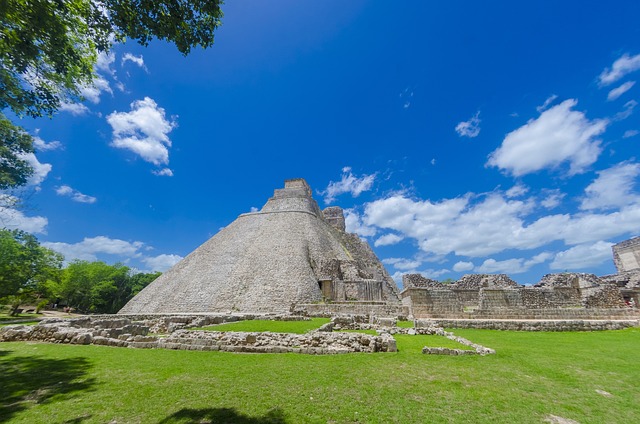
Pre Hispanic Town of Uxmal
Pre-Hispanic Town of Uxmal: What the Guidebooks Get Backwards
An elliptical pyramid with rounded corners instead of sharp right angles: that’s the Pyramid of the Magician, and it’s not a stylistic accident. Maya builders at Uxmal spent five separate construction phases stacking temples on top of temples to get that curved silhouette, and the result looks unlike anything at Chichen...
read more
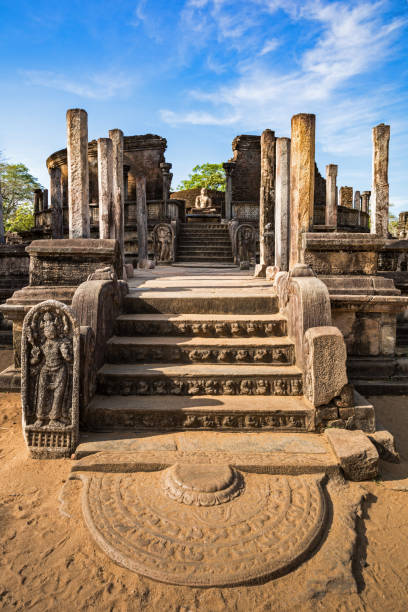
Ancient City Of Polonnaruwa
King Parakramabahu I supposedly said no drop of rainwater should reach the ocean without first serving mankind, and then he proved it by building a reservoir so large it’s still called the Sea of Parakrama eight centuries later. That’s the mindset behind Polonnaruwa: a capital built by an engineer-king who treated irrigation as seriously as religion, and left behind a compact ruin...
read more
Bourges Cathedral
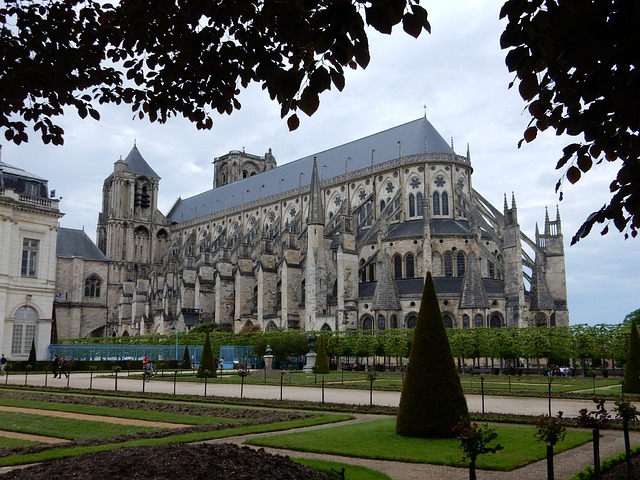
Bourges Cathedral Walk through the west facade of Bourges Cathedral and look straight down the nave: there is nothing in your way. No transept crosses the space, no crossing tower interrupts the sightline, and you can see clear from the entrance to the far end of the choir in one uninterrupted view. That absence is the whole architectural argument of the building, and it is why art historians rank...
read more
Rapa Nui National Park
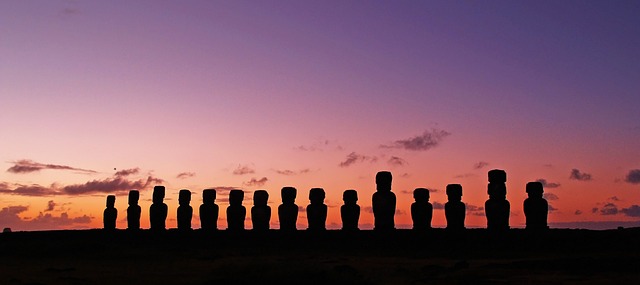
Rapa Nui National Park The Moai Walked In October 2025, a study published in the Journal of Archaeological Science delivered the most compelling evidence yet for a hypothesis that had been circulating among researchers for years: the moai of Easter Island were moved upright. Not dragged on logs, not rolled on wooden rollers. Walked. Researchers built a 4.35-ton replica statue and moved it 100...
read more
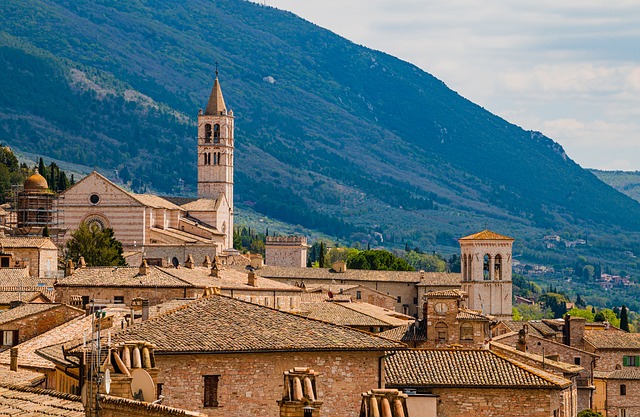
Collegiate Church Castle and Old Town of Quedlinburg
Collegiate Church, Castle, and Old Town of Quedlinburg King Henry I of Germany is buried in a crypt directly beneath the church you’ll be standing in, and his widow founded an abbey on this hill specifically to secure his memory and her own political power after his death in 936. That combination, a royal burial site turned convent for unmarried noblewomen who ruled the town for centuries,...
read more
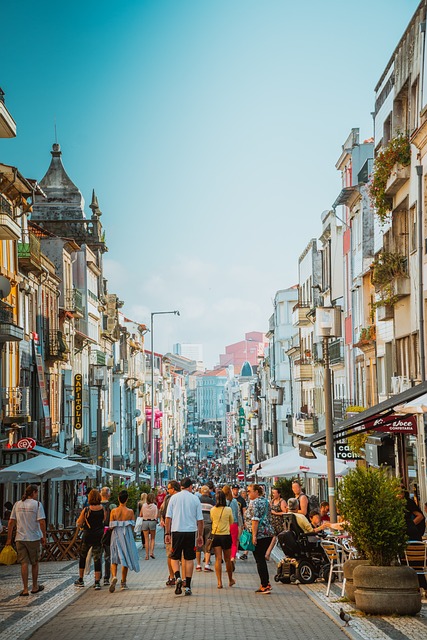
Historic Centre of Guimar Es and Couros Zone
A city that literally calls itself “here Portugal was born” has some nerve, but Guimarães mostly earns the boast. This is where Afonso Henriques, the man who declared himself the first King of Portugal, was born around 1109, and it’s where the decisive Battle of São Mamede was fought nearby in 1128, the fight that set the county of Portugal on its path to becoming an independent...
read more
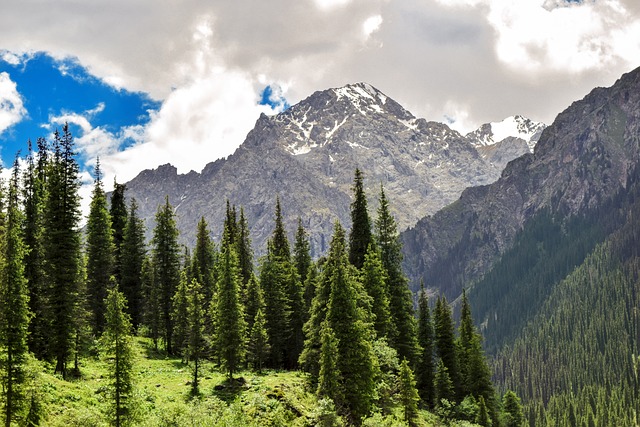
Western Tien Shan
Most guidebooks lump the Western Tien-Shan in with China, and that’s simply wrong. The UNESCO-listed property is a 13-part serial site stitched across Kazakhstan, Kyrgyzstan, and Uzbekistan, not Xinjiang, and understanding that distinction matters if you’re planning a trip rather than just admiring photos. Seven separate reserves make up the listing: Aksu-Zhabagly, Karatau, and...
read more
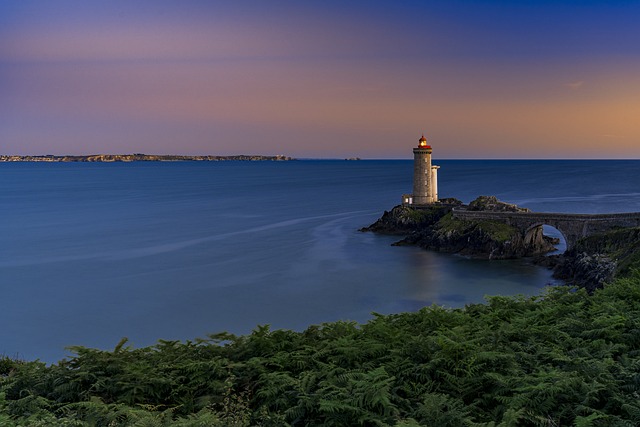
Discovery Coast Atlantic Forest Reserves
Discovery Coast Atlantic Forest Reserves: A Comprehensive Guide for Tourists Eight scattered reserves, not one park There is no single “Discovery Coast Atlantic Forest Reserves” you can drive into and buy a ticket for. The UNESCO listing covers eight separate protected areas strung along roughly 500 kilometers of coastline in southern Bahia and northern Espirito Santo, between the...
read more
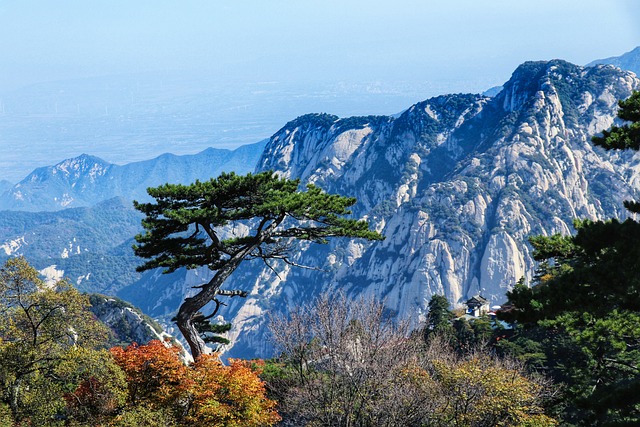
Zuojiang Huashan Rock Art Cultural Landscape
No one has figured out how the Luoyue people painted nearly 2,000 human figures on a limestone cliff face 172 meters wide and 50 meters above the waterline, using nothing but hematite powder and a plant-sap binder, roughly 2,000 years ago. A veteran researcher at the site once rigged bamboo scaffolding over the Ming River to test one theory and found that working more than 20 meters up became, in...
read more
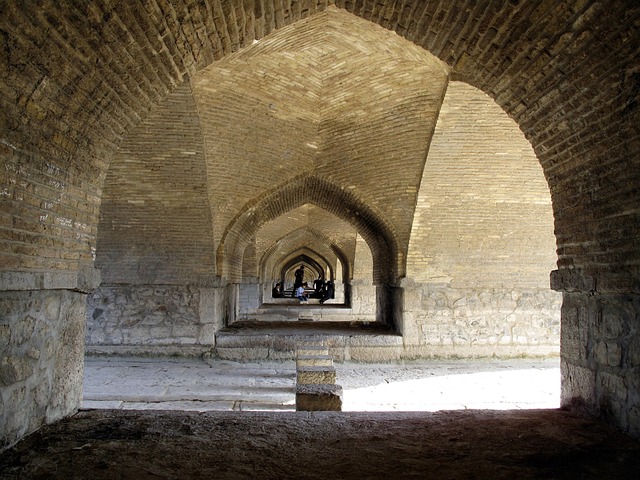
Meidan Emam Esfahan
Two stone goalposts still stand at either end of Meidan Emam, worn but intact, marking the ends of what was once a royal polo pitch. Shah Abbas I and his court played chogan here in the early 1600s, on a rectangular field that today is better known for tourists photographing tilework than for horses and mallets. Those goalposts are among the oldest surviving polo markers anywhere, and almost...
read more

Kahuzi Biega National Park
Kahuzi-Biega National Park The gorilla population here has fallen roughly 80 percent since the mid-1990s, and the park has sat on UNESCO’s List of World Heritage in Danger for over two decades. Any guide that sells you a breezy safari itinerary to Kahuzi-Biega without mentioning either fact is not being straight with you, and I want to correct both the rosy marketing and a few outright...
read more
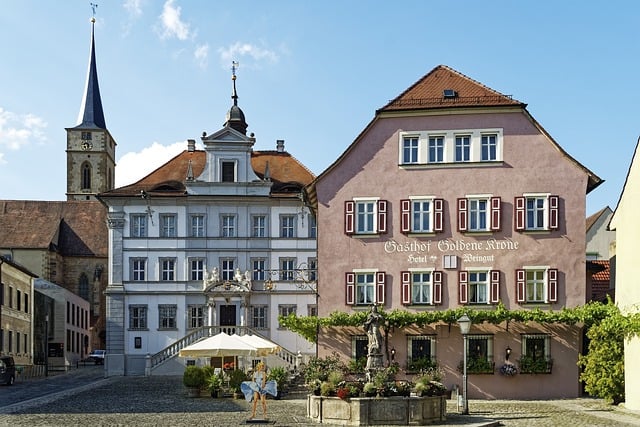
Historic City of Yazd
Historic City of Yazd The fire in the Atash Behram temple has been burning continuously for over 1,500 years. Not metaphorically. The physical flame, tended by Zoroastrian priests, has never gone out since roughly 470 CE, having been moved from temple to temple across Iran before finally arriving in Yazd in 1474. That single fact tells you more about this city than any list of attractions could....
read more

Twyfelfontein or Ui Aes
Twyfelfontein or /Ui-//aes You cannot wander this site alone, no matter how experienced a hiker you are. A licensed local guide, usually a Damara or Nama community member trained specifically on this rock art, is bundled into the entry fee and mandatory for every visitor, and that single rule tells you more about Twyfelfontein than most opening paragraphs manage. This is not a scenic overlook you...
read more
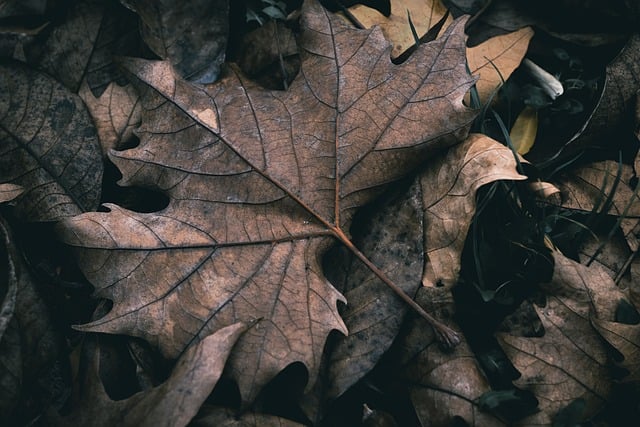
Andrefana Dry Forests
Andrefana Dry Forests There is no single reserve called Andrefana. That is the first thing to correct, because most travel write-ups treat it as one forest you can drive into and walk around. It is actually a serial UNESCO World Heritage property, an extension added in 2023 to the Tsingy de Bemaraha Strict Nature Reserve that was originally inscribed back in 1990. The extension bundles together...
read more
Kairouan
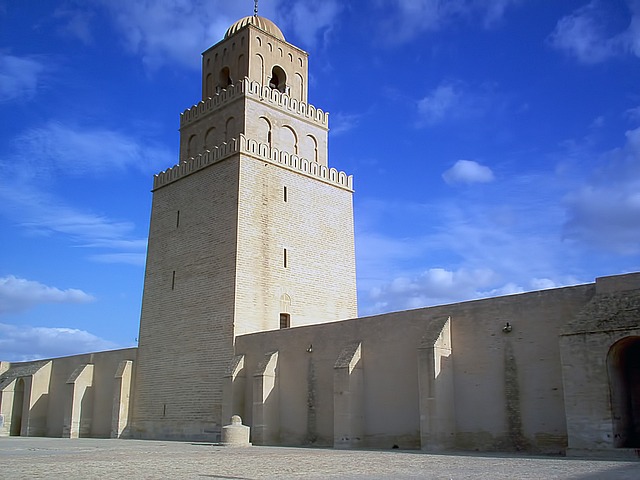
Kairouan Local tradition holds that seven pilgrimages to Kairouan carry the same spiritual weight as one hajj to Mecca. Nobody claims this is official doctrine, and Kairouan’s own scholars have long treated it as folk belief rather than settled theology, but the fact that the idea took hold at all tells you how the city saw itself for over a millennium: not a provincial outpost, but...
read more
Kakatiya Rudreshwara Ramappa Temple Telangana
No other major temple in India is named after the person who built it rather than the god it was built for. That is the single fact that separates the Ramappa Temple from every other Kakatiya-era shrine in Telangana, and most guides skip right past it. The presiding deity here is Shiva, worshipped as Rudreshwara, but the whole complex carries the name of Ramappa, the sculptor and site architect...
read more
Lake Baikal
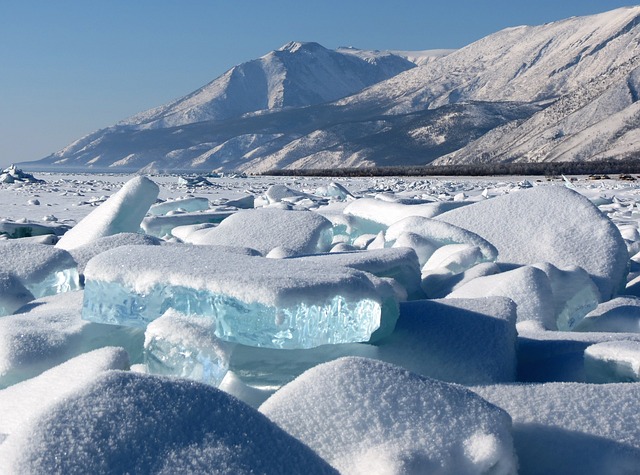
Lake Baikal: A Comprehensive Guide for Tourists The Scale of It One in five molecules of liquid fresh water on the surface of the Earth is sitting in Lake Baikal right now. That single fact recalibrates everything. The lake is not just large; it is geologically ancient, 25 to 30 million years old, making it the oldest lake on the planet by a wide margin. Its maximum depth of 1,637 metres means you...
read more
Memorial Sites of the Genocide Nyamata Murambi Gisozi and Bisesero
Guide to Memorial Sites of the Rwandan Genocide: A Tourist’s Perspective In September 2023, UNESCO inscribed four Rwandan sites on the World Heritage List: Nyamata, Murambi, Gisozi, and Bisesero. They were the first sites of memory from the 1994 genocide against the Tutsi to receive that designation on the African continent. This is not a typical heritage listing built around architecture or...
read more
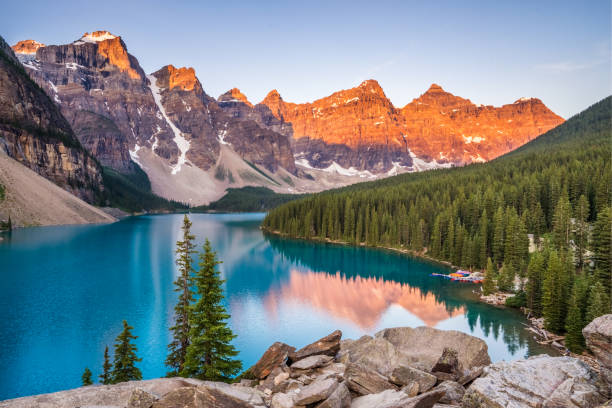
Canadian Rocky Mountain Parks
You cannot drive to Moraine Lake anymore, and as of 2026 that rule has no exceptions, not even for accessibility parking placards. Everyone rides the Parks Canada shuttle or arrives by tour bus. That single change tells you more about visiting these parks in 2026 than any list of pretty lake names, so it’s worth understanding before you build an itinerary around a photo you saw online.
The...
read more
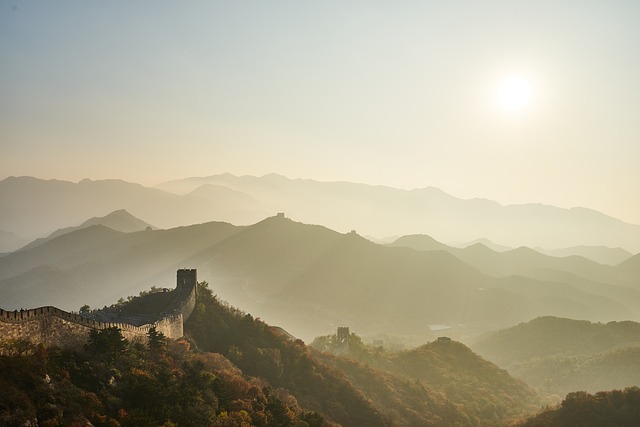
Great Burkhan Khaldun Mountain and Its Surrounding Sacred Landscape
Great Burkhan Khaldun Mountain: A Sacred Landscape Guide for Tourists A Mountain You Cannot Climb Burkhan Khaldun is 2,362 meters high, crescent-shaped, and located in the Khentii Mountains of northeastern Mongolia. It is the source of three rivers whose waters reach both the Pacific Ocean and Lake Baikal. UNESCO inscribed it and its surrounding landscape as a World Heritage Site in 2015. And you...
read more
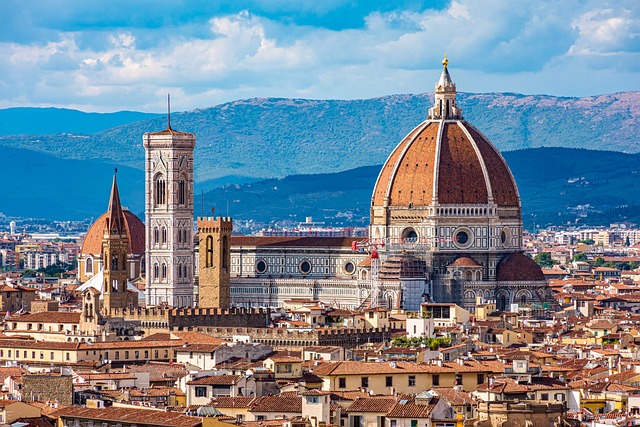
Historic Centre of Florence
Historic Centre of Florence Book the dome before you book the flight Four hundred and sixty-three steps, no elevator, and a reservation that sells out two to three weeks ahead in peak season: that is the reality of climbing Brunelleschi’s dome above the Duomo, and it is the single most common planning mistake visitors make in Florence. People land, wander to the Piazza del Duomo, and assume...
read more
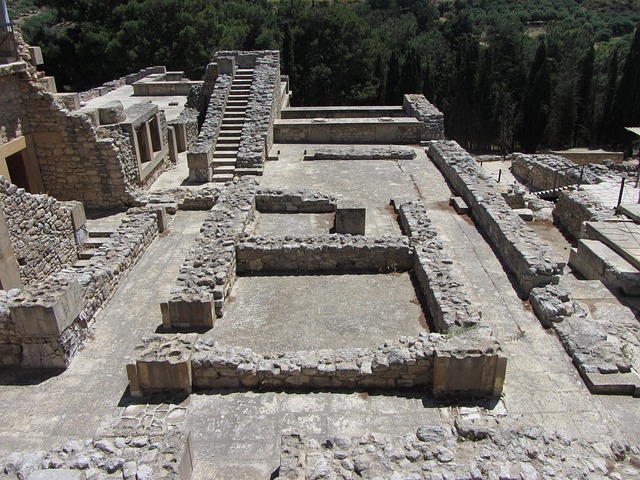
Valongo Wharf Archaeological Site
Valongo Wharf Archaeological Site: A Must-Visit for Tourists in Rio de Janeiro, Brazil Let’s clear up a mistake that circulates online constantly: Valongo Wharf is not in Porto, Portugal. It’s in Rio de Janeiro, Brazil, buried beneath a public square in the old port district until construction crews rediscovered the original stone paving in 2011 while prepping the area for the 2016...
read more
Prehistoric Rock Art Sites in the C a Valley and Siega Verde
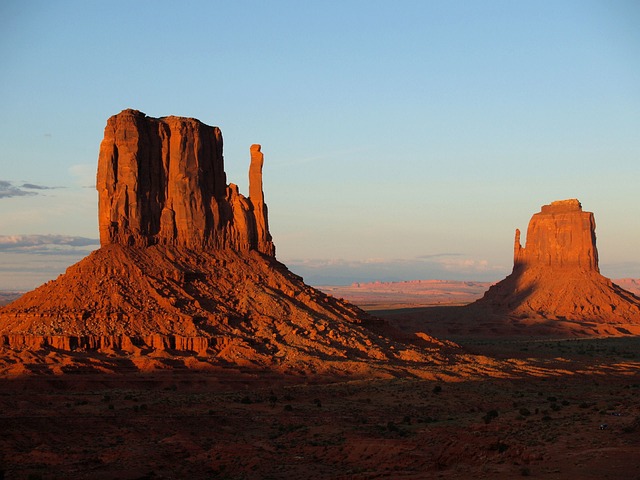
Prehistoric Rock Art Sites in the Côa Valley and Siega Verde In 1991, an archaeologist working for the Portuguese electricity company EDP made a find that nearly ended before it became famous. Nelson Rebanda, conducting routine surveys for a hydroelectric dam project on the Côa River, discovered engraved panels on exposed schist surfaces in the valley walls. The whole complex would have gone under...
read more
Tchogha Zanbil
I need to say this plainly before anything else: the US State Department currently rates Iran a Level 4 “Do Not Travel” advisory, its highest risk category, citing terrorism, arbitrary detention, and wrongful detention of foreign and dual nationals, and Washington has no embassy on the ground to help if something goes wrong. Everything below describes what’s actually at Tchogha...
read more
Lower Valley of the Awash
A 3.2-million-year-old skeleton named after a Beatles song is the reason this stretch of Ethiopia’s Afar depression made the UNESCO list, and you almost certainly won’t be visiting the actual find site. That matters more here than at most heritage destinations, so let’s be straight about it upfront.
Why this patch of desert matters The Lower Valley of the Awash is a...
read more
Ellora Caves
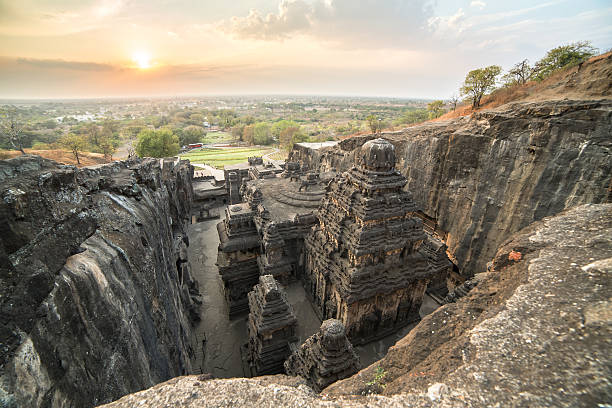
Ellora Caves Workers removed somewhere between 150,000 and 200,000 tons of solid basalt to carve a single building at Ellora, and they did it top down, chiseling the temple’s shape out of the cliff face the way a sculptor works a block of stone, rather than tunneling in and building up. That building is the Kailasa temple, and it sits at Cave 16, not Cave 1 as some guides claim. The...
read more
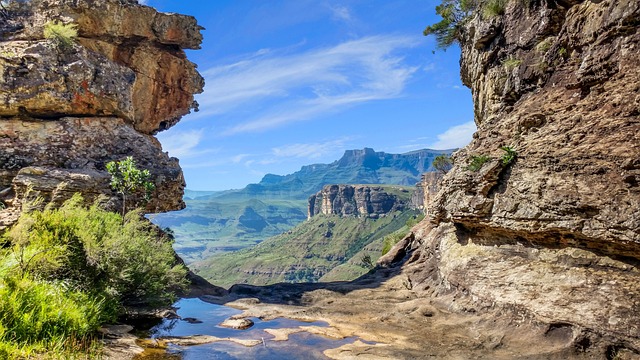
Maloti Drakensberg Park
Maloti-Drakensberg Park: A Practical Guide Basalt cliffs shoot 3,000 meters straight out of rolling grassland here, and the sheer scale of it is what throws people off. You expect mountains in southern Africa to look like the veld with some bumps. This is a jagged wall stretching along the Lesotho-South Africa border, and it earns its Zulu name, uKhahlamba, “barrier of spears.”
Why...
read more
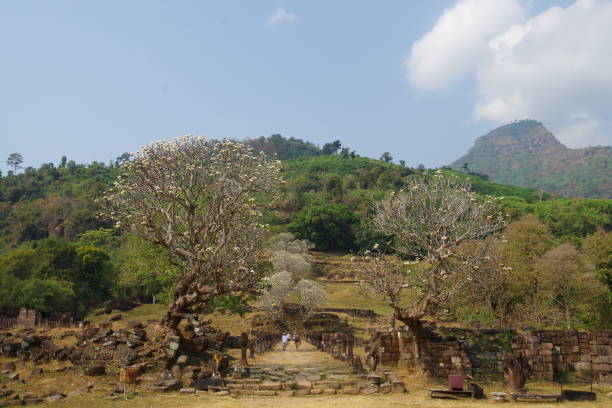
Vat Phou And Associated Ancient Settlements Within The Champasak Cultural Landscape
Guide to Vat Phou and Associated Ancient Settlements within the Champasak Cultural Landscape Overview Climb a broken stone stairway on the flank of Phou Kao mountain in southern Laos and you find a sanctuary the Khmer built two centuries before Angkor Wat existed, laid out along an axis so precise it points straight at a natural stone lingam jutting from the cliff above. That deliberate alignment...
read more
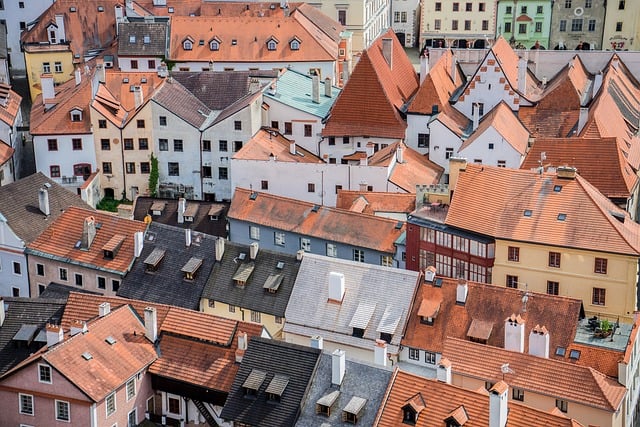
Historic Centre of Camag Ey
Historic Centre of Camagüey: A Unique Cultural Experience in Cuba
Get lost on purpose in Camagüey, because the street plan will make sure of it eventually anyway. UNESCO inscribed the city’s historic centre in 2008 for its irregular, non-grid colonial layout, a rarity among Latin American Spanish towns, most of which follow the rigid checkerboard pattern laid out in Spain’s Laws of the...
read more
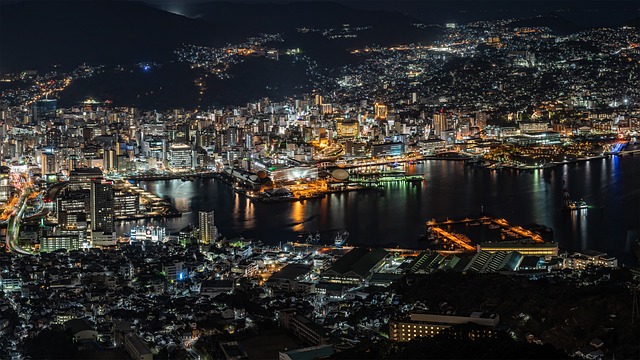
Hidden Christian Sites in the Nagasaki Region
A community kept a religion alive for over two centuries with no priests, no churches, and no Bible, passing down garbled Latin prayers and disguised icons through families who risked execution if a neighbor informed on them. When the ban finally lifted in 1873, some of these communities walked into the newly built Oura Cathedral and told a French priest they were Christians too. That moment, and...
read more
Urban Historic Centre of Cienfuegos
Urban Historic Centre of Cienfuegos The UNESCO Case Cienfuegos received UNESCO World Heritage status in 2005, not because it is the oldest or grandest colonial city in Cuba, but because it is the best surviving example of 19th-century rational urban planning in the Americas. The city was founded in 1819 on a grid dictated by Enlightenment principles rather than medieval pragmatism, and its...
read more
Litomy L Castle
A Comprehensive Guide to Litomyšl Castle Why a Renaissance chateau in a small Bohemian town matters Walk into either courtyard here and the first thing you notice is the sgraffito: thousands of tiny scratched diamond and shell patterns covering every arcaded wall, three stories of them, wrapping the whole building like a stone tapestry. UNESCO added Litomyšl Castle to the World Heritage List in...
read more