Recent Unescoes

Sacred Island of Okinoshima and Associated Sites in the Munakata Region
Sacred Island of Okinoshima and Associated Sites in the Munakata Region: A Comprehensive Guide Here is the part every guide should lead with and most bury: you cannot go to Okinoshima. Not with the right booking, not with the right guide, not for the right price. This is a UNESCO World Heritage Site where the core location is permanently closed to tourists, and understanding why reframes the...
read more

The Persian Qanat
Iranians Were Moving Groundwater Uphill-Downhill Across Deserts 2,700 Years Before GPS Existed The Qasabeh qanat of Gonabad is reportedly still supplying water to the town it was built for, more than 2,700 years after it was dug. That single fact does more to explain why UNESCO put eleven qanats on the World Heritage List in 2016 than any description of tunnels and shafts can. This is not a ruin....
read more
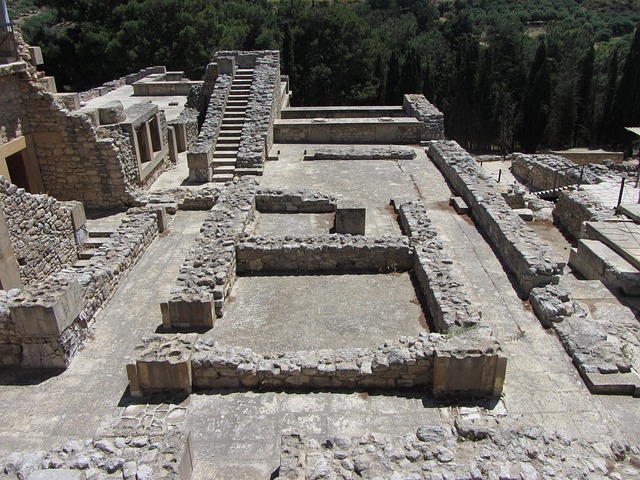
Archaeological Site Of Leptis Magna
Archaeological Site Of Leptis Magna Say plainly what most guides bury in a footnote: as of January 2026, the US State Department has placed Libya under its highest advisory level, Do Not Travel, citing kidnapping risk, active armed conflict, terrorism, and unexploded landmines scattered across the country. The UK Foreign Office holds a similarly strong warning against all but essential travel....
read more
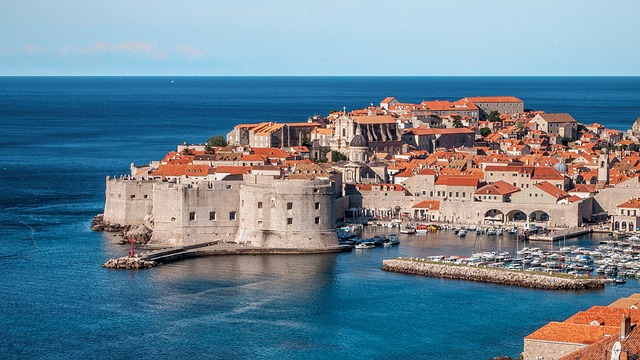
Old City of Dubrovnik
Dubrovnik Capped Its Cruise Ships. Here’s Why That Actually Matters to You Before 2019, Dubrovnik could see as many as 13 cruise ships disembarking passengers into the old town on a single day. That’s not an exaggeration, it’s the number that pushed the city into a genuine overtourism crisis and prompted the Respect the City initiative, developed with the Cruise Lines...
read more
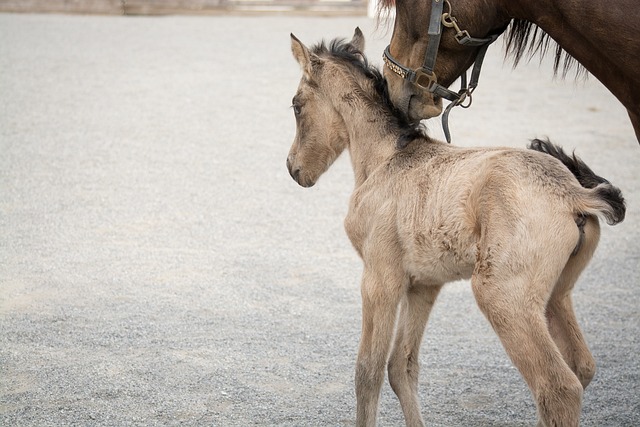
Landscape for Breeding and Training of Ceremonial Carriage Horses at Kladruby Nad Labem
Guide to Landscape for Breeding and Training of Ceremonial Carriage Horses at Kladruby nad Labem Introduction Grey horses here were reserved for the emperor’s own carriage, black horses for church funerals, and the two color lines were never mixed. That kind of rigid, purpose-built breeding distinction is what actually makes Kladruby nad Labem historically significant, not just the scenery,...
read more
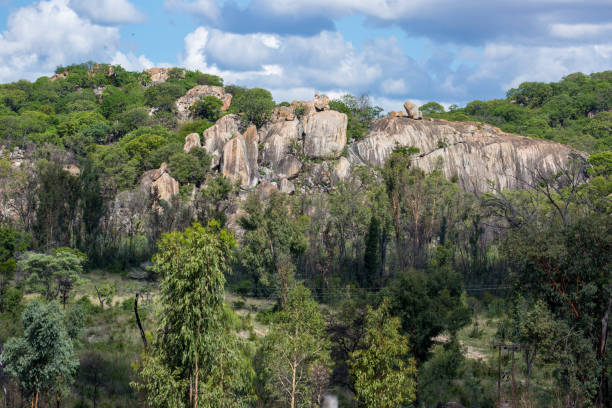
Matobo Hills
Matobo Hills: No Elephants, and That’s Deliberate, Not an Oversight There are no elephants, lions, or buffalo in Matobo National Park, and that’s not a gap in the ecosystem, it’s a management decision by Zimbabwe’s parks authority to protect the fragile balancing rock formations and the smaller, rarer species that thrive in this compact landscape. Skip any guide that lists...
read more
From the Great Saltworks of Salins Les Bains to the Royal Saltworks of Arc Et Senans the Production of Open Pan Salt
The Great Saltworks of Salins-les-Bains and the Royal Saltworks of Arc-et-Senans An architect designed a factory to look like a temple, arranged its buildings in a half-circle around a director’s house shaped like the ancient world’s idea of a sacred grove, and called the whole thing an ideal city built for making salt. That’s the Royal Saltworks at Arc-et-Senans, and it’s...
read more
Great Barrier Reef
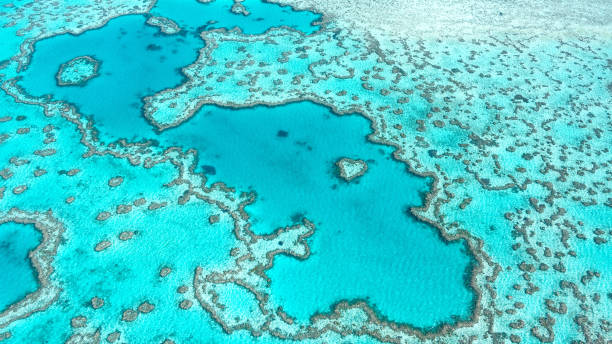
Go see it now, not “someday.” That’s not marketing copy, it’s the honest state of the science: the reef suffered its fifth mass bleaching event in 2024, its worst on record by spatial footprint, and a sixth followed in the 2025 summer. Coral cover on the northern and southern sections dropped by roughly a quarter to a third in a single year between 2024 and 2025, with some...
read more

Great Living Chola Temples
Rajendra I did not simply follow his father’s building program when he built the second of these three temples. He built Gangaikondacholapuram to commemorate an actual military achievement: a campaign that pushed Chola forces north through Karnataka, Andhra Pradesh, Odisha, and into Bengal, reaching the Ganges river itself in 1023 CE, an extraordinary logistical feat for an army marching...
read more
Renaissance Monumental Ensembles of Beda and Baeza
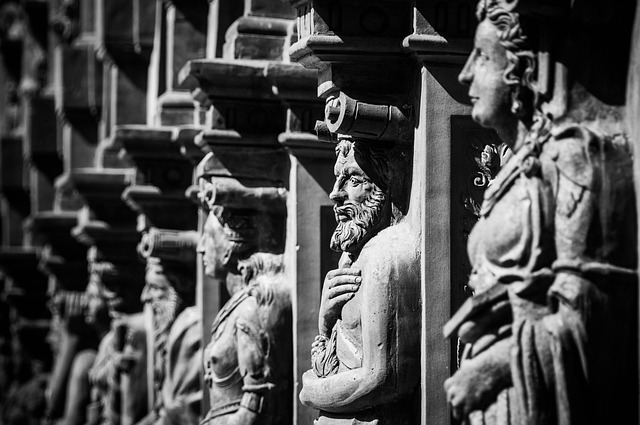
One architect designed nearly every building worth stopping for in both of these towns, and almost nobody outside Spain has heard his name. Andrés de Vandelvira, trained originally as a stonemason before absorbing the Italian Renaissance style then spreading through Spain, is the reason Úbeda and Baeza got joint UNESCO recognition in 2003 rather than being treated as two unrelated stops. His son...
read more
Amiens Cathedral
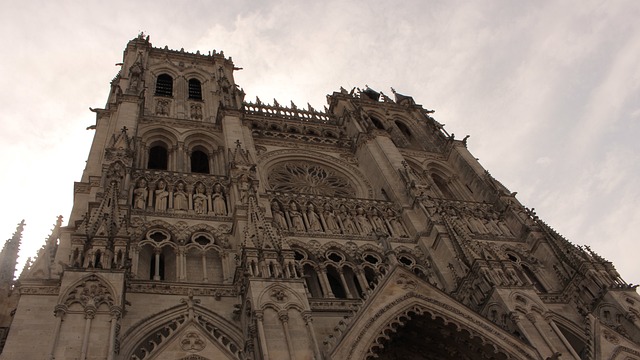
Amiens Cathedral Notre Dame of Paris could sit inside Amiens Cathedral’s interior volume with room to spare, more than twice over. That is not an exaggeration for effect, it is the actual comparison architectural historians use, since Amiens holds roughly 200,000 cubic meters of interior space, the largest of any cathedral in France, built almost entirely within a single fifty-year stretch...
read more
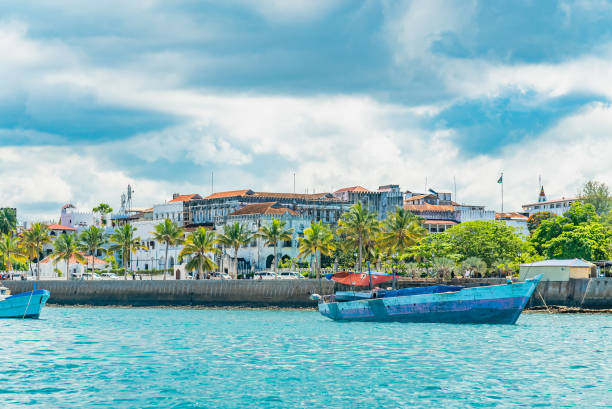
Stone Town of Zanzibar
Stone Town of Zanzibar: A Comprehensive Guide for Tourists On Christmas Day 2020, a section of the House of Wonders, Stone Town’s most photographed landmark and long billed as the largest building in East Africa at the time it was constructed, simply collapsed while under renovation. It’s still closed. Restoration funded largely by Oman has been grinding through structural surveys and...
read more

Champagne Hillsides Houses and Cellars
Champagne Hillsides, Houses and Cellars Reims sits just 46 minutes from central Paris by TGV, which means the entire UNESCO-listed champagne landscape is genuinely doable as a day trip, though anyone who’s actually toured a chalk cellar and sat through a proper tasting will tell you rushing it defeats the point.
What UNESCO actually protects here The 2015 inscription doesn’t cover a...
read more
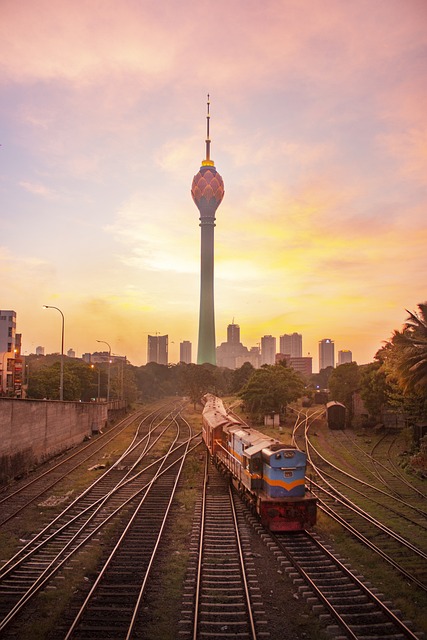
Central Highlands of Sri Lanka
Central Highlands of Sri Lanka: A Comprehensive Guide for Tourists Tea, Cloud Forest, and a Mountain Every Religion Claims Sri Lanka is an island roughly the size of Ireland, and a significant proportion of it is upland. The central massif rises sharply from the surrounding coastal plains, creating a climate zone cool enough for tea cultivation, dense enough with cloud forest to generate its own...
read more
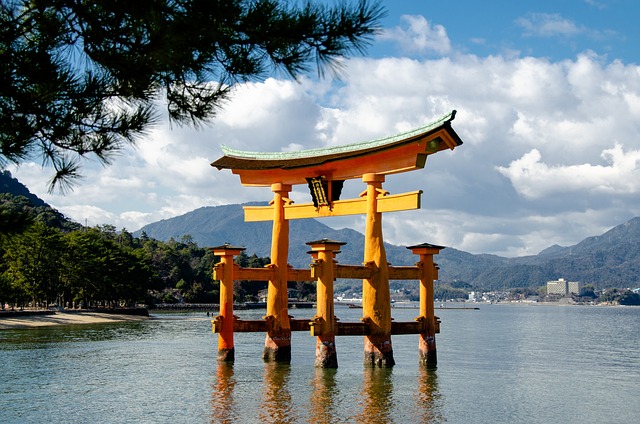
Itsukushima Shinto Shrine
Itsukushima Shinto Shrine The Gate in the Sea The torii gate that stands offshore at Itsukushima is the ninth to occupy the same position. The current structure was built in 1875, stands 16 metres tall and 24 metres wide, and is constructed from camphor wood selected for its resistance to the seawater it sits in twice daily. After three and a half years of major restoration that ended in December...
read more
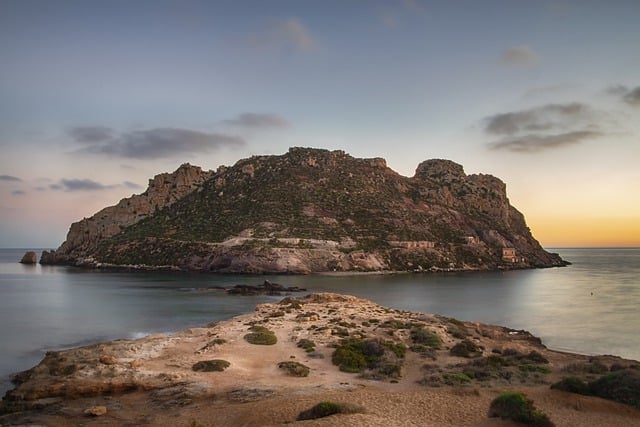
Ogasawara Islands
Ogasawara Islands There is no airport on Chichijima. The only way to reach Japan’s Ogasawara Islands is a 24-hour ferry from Tokyo, which departs roughly once every six days. That single timetabling fact is responsible for everything that makes Ogasawara exceptional: the near-total absence of day-trippers, the functioning village economy, the silence, and the ecosystems that have evolved...
read more
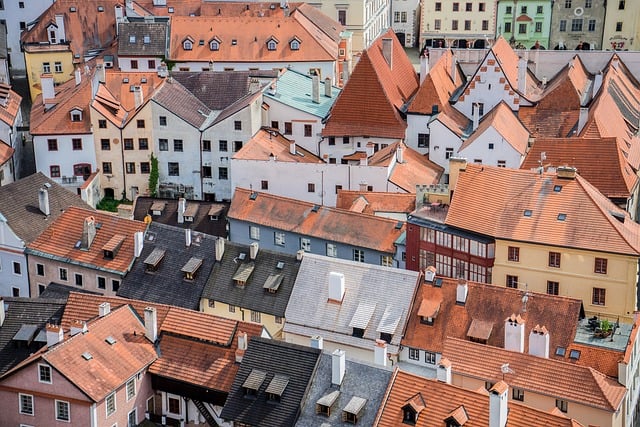
Historic Centre of Macao
Historic Centre of Macao On the morning of 26 January 1835, a typhoon-fanned fire tore through St. Paul’s Church, one of the largest Catholic churches in Asia. The fire consumed the timber interior, the library, and the adjoining college. What remained was a stone facade of extraordinary ambition: five tiers of bas-relief carvings mixing European biblical imagery with Japanese...
read more
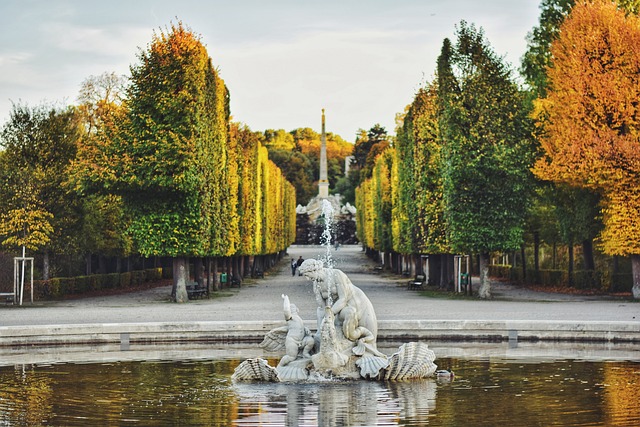
Historic Centre Of Vienna
Historic Centre of Vienna Vienna’s old town is currently on UNESCO’s danger list, which surprises most visitors wandering the Innere Stadt’s cobbled squares, since nothing here looks threatened at street level. The threat is a proposed high-rise development near Vienna’s ice-skating club that the World Heritage Committee says would puncture the historic skyline and views to...
read more

Heart of Neolithic Orkney
Heart of Neolithic Orkney A storm in the winter of 1850 ripped the turf off a grassy knoll on the Bay of Skaill and exposed a village nobody knew was there. That’s how Skara Brae entered the historical record, by accident, after roughly 4,300 years buried under sand and grass on Orkney’s western coast. It’s worth starting with that detail because it explains something people...
read more
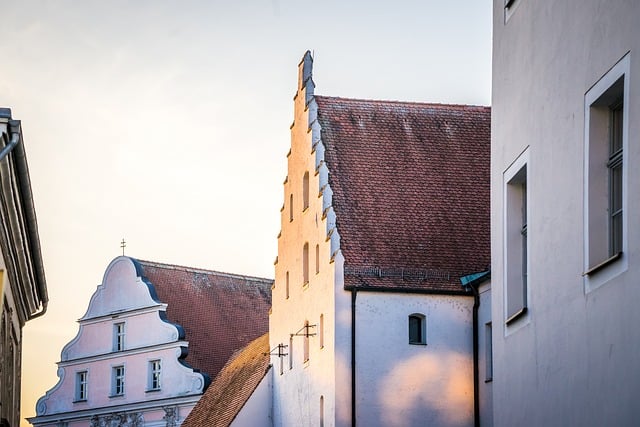
Historic Fortified Town Of Campeche
Historic Fortified Town of Campeche: A Comprehensive Guide for Tourists Overview Pirates burned this city to the ground so many times that the Spanish eventually just walled the whole thing in, and that stone perimeter is the reason Campeche’s colonial core survives intact today while so many other Gulf ports lost theirs to fire, storms, and time. UNESCO inscribed the Historic Fortified Town...
read more
Arslantepe Mound
Arslantepe Mound: A Comprehensive Guide for Tourists Nine bronze weapons, three short swords and six long daggers, came out of a mudbrick palace floor here in the early 1980s, and they are the oldest swords ever found anywhere on earth, cast around 3300 to 3100 BC. That is roughly the same period the palace itself went up, and archaeologists reading the two discoveries together think they are...
read more
Tombs of Buganda Kings at Kasubi
Tombs of Buganda Kings at Kasubi On the night of March 16, 2010, the great domed structure at the heart of this site burned to the ground. Angry crowds gathered outside, some believing the fire was arson tied to political tensions rather than an accident, and Uganda’s president was reportedly pelted with stones when he arrived at the scene. What tourists walk into today is largely a...
read more
Stonehenge Avebury and Associated Sites
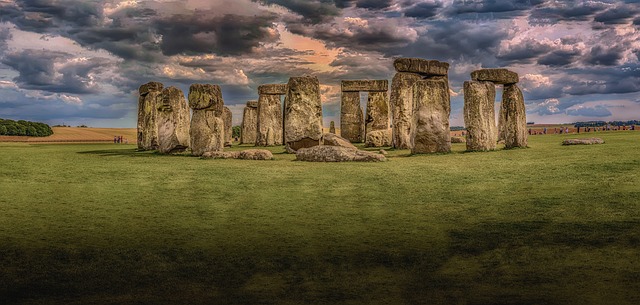
Most people who visit Stonehenge never get inside the ring of stones, and most of them don’t realize that was ever an option. Standard admission puts you behind a rope roughly ten meters back from the circle, which is the right call for conservation but a real letdown if you came expecting to walk among the sarsens. What almost nobody advertises clearly is that English Heritage runs a...
read more
Frontiers of the Roman Empire
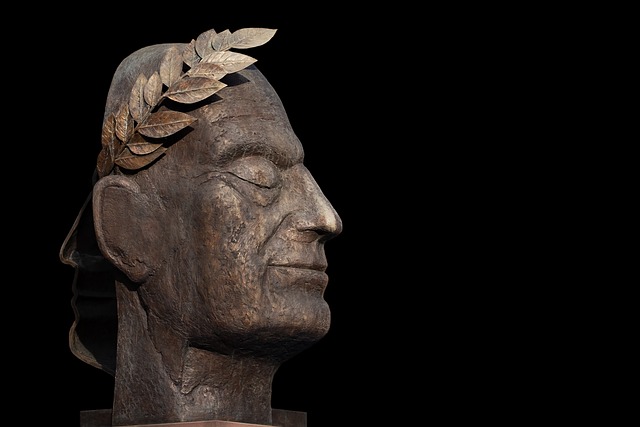
Frontiers of the Roman Empire: A Comprehensive Guide for Tourists One UNESCO listing, one name, and yet it keeps growing every few years as archaeologists and governments add new stretches of a border system that once ran from Scotland to the Black Sea. That is the strange administrative reality behind “Frontiers of the Roman Empire,” and it means guidebooks that describe it as a...
read more
Mount Taishan
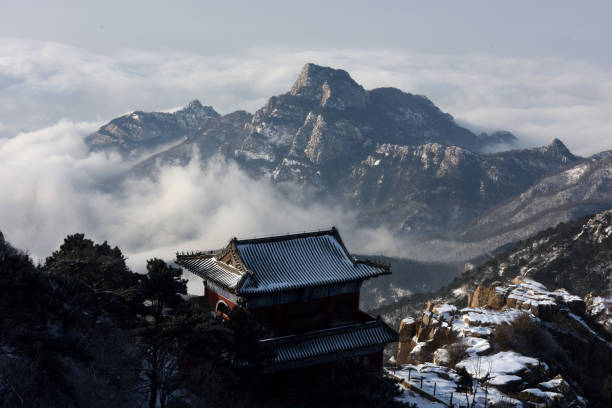
Mount Taishan The South Gate of Heaven stands at 1,460 metres and is reached by 6,660 stone steps from the red gate at the mountain’s base. Chinese pilgrims have been counting those steps for two thousand years. Confucius climbed this mountain and reportedly declared “the world is small” from the summit lookout that still bears his name. Emperor Qianlong visited ten times and...
read more
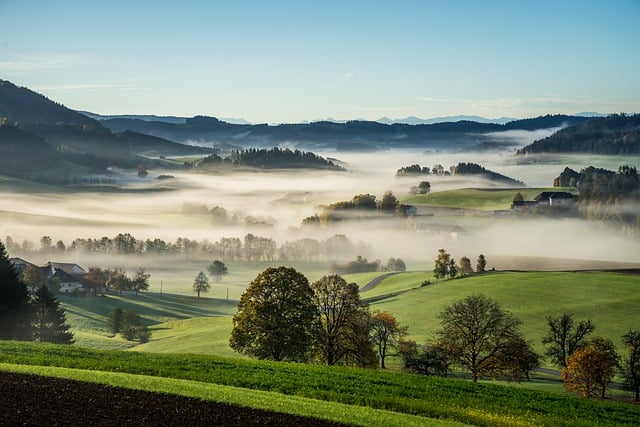
Konso Cultural Landscape
Konso Cultural Landscape: A Comprehensive Guide for Tourists Count the wooden poles standing in a Konso village and you’re reading a calendar: each one, called an olahita, gets erected every 18 years to mark a new generation taking on adult responsibilities. The village of Dokatu has 43 of them still standing, which works out to roughly 750 years of continuous, countable history in one spot,...
read more
Bam and Its Cultural Landscape
Bam and Its Cultural Landscape At 5:26 in the morning on 26 December 2003, a 6.6-magnitude earthquake struck the city of Bam in southeastern Iran. The shaking lasted twelve seconds. In those twelve seconds, 26,200 people were killed, 75,000 were left homeless, and the largest adobe structure on earth collapsed. The Arg-e Bam, a citadel city of mud brick that had stood for at least two millennia,...
read more

Ancient Ferrous Metallurgy Sites of Burkina Faso
Ancient Ferrous Metallurgy Sites of Burkina Faso An Important Safety Note As of mid-2026, the US State Department, UK Foreign Office, Australian Department of Foreign Affairs, and Global Affairs Canada have all issued their highest-level travel warnings for Burkina Faso. The country has been under military rule since two coups in 2022, and armed groups affiliated with al-Qaeda and Islamic State...
read more
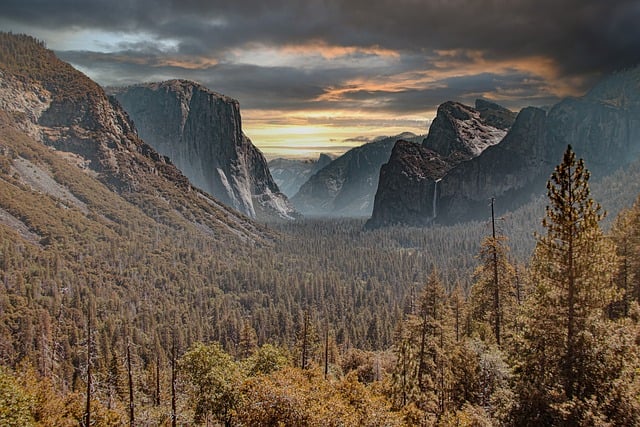
National History Park Citadel Sans Souci Ramiers
Guide to National History Park - Citadel, Sans Souci, Ramiers A monument built by the people who built it to stay free Tens of thousands of formerly enslaved Haitians hauled stone and cannon up a 900-meter mountain near Cap-Haïtien to build the Citadelle Laferrière between 1805 and 1820, and the construction cost is estimated at up to 20,000 lives. That fact alone should reframe how you think...
read more
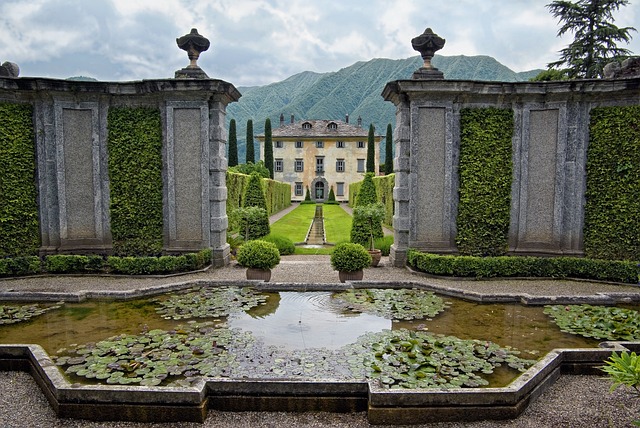
Medici Villas and Gardens in Tuscany
Guide to the Medici Villas and Gardens in Tuscany The garden at Villa di Castello is the source, not the copy. Designed from 1538 onward by the sculptor Niccolo Tribolo for Cosimo I de’ Medici, it’s widely credited as the first true Italian Renaissance garden, the template that everything from the Boboli Gardens to the great French formal gardens of Versailles eventually drew from....
read more
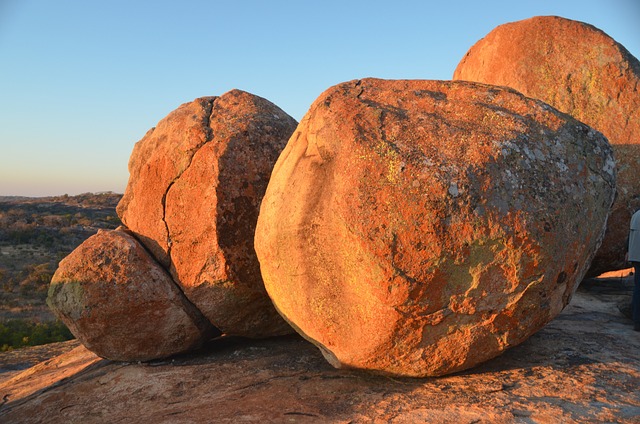
Great Zimbabwe National Monument
Great Zimbabwe National Monument For most of the 20th century, the colonial government of Rhodesia officially insisted that Black Africans could not have built the stone city standing in front of visitors, and archaeologists who said otherwise risked their jobs. That is not a footnote to the story of Great Zimbabwe. It is central to it, and any guide to this site that skips the politics of who...
read more
Archaeological Site of Troy
Archaeological Site of Troy: A Comprehensive Guide for Tourists The horse you photograph is younger than your grandparents The giant wooden horse greeting visitors at the entrance was not dug up from any archaeological layer. Turkish artist Izzet Senemoglu built it in 1975 as a piece of tourist infrastructure, and it works precisely as intended: a fun, unambiguously fake photo opportunity that...
read more
Historical Centre of the City of Arequipa
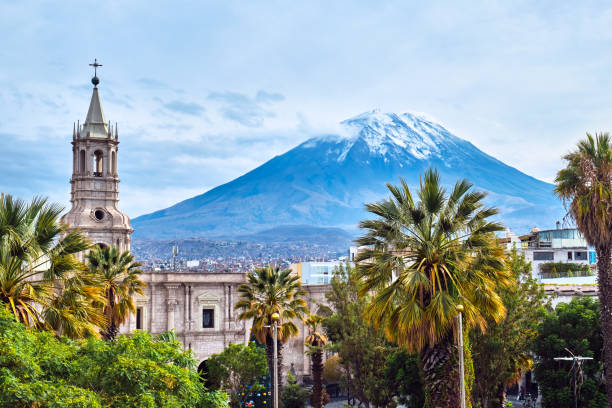
A widow named Maria de Guzman gave up everything she owned in 1579 to seclude herself inside a monastery still under construction, becoming its first prioress. What grew around her over the following two centuries was not a single building but an entire walled town within a town: streets, private kitchens, laundries, a bakery, individual cells with their own courtyards, home eventually to some 300...
read more

Colonial City of Santo Domingo
The Colonial City of Santo Domingo A City of Firsts When Hernando Cortez set out to conquer Mexico, he departed from Santo Domingo. When Balboa first reached the Pacific, his expedition originated here. The first cathedral in the Americas, the first university, the first monastery, the first paved street in the New World: all of them are in the Zona Colonial of Santo Domingo. The city was founded...
read more

Sites of Human Evolution at Mount Carmel the Nahal Me Arot Wadi El Mughara Caves
Four caves on one short limestone ridge south of Haifa contain a longer, denser record of human evolution than almost anywhere else on the planet, and you can walk between all of them in an afternoon.
The Nahal Me’arot (Wadi el-Mughara) valley on Mount Carmel holds four caves, Tabun, Jamal, el-Wad, and Skhul, that together preserve roughly 500,000 years of continuous occupation. UNESCO...
read more
Chongoni Rock Art Area
Chongoni Rock Art Area: A Comprehensive Guide for Tourists Still Living, Not Just Ancient Most of Africa’s famous rock art is old and finished: the San hunter-gatherers who painted ochre figures across cave walls in South Africa and Zimbabwe stopped centuries ago, their communities dispersed or absorbed. Chongoni is different. The Chewa people of central Malawi were still adding white-clay...
read more
The Porticoes of Bologna
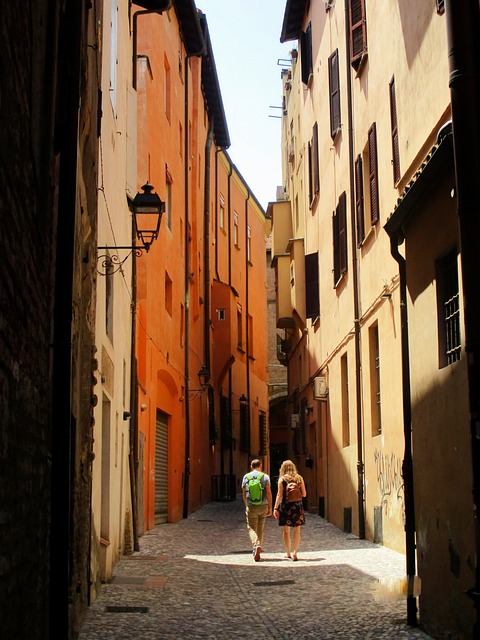
The Porticoes of Bologna: A Comprehensive Guide for Tourists In 1288, Bologna’s city government passed a law that still shapes how you’ll walk through the city today: every new house had to include a portico, and every existing house without one had to add it. The minimum dimensions were set at seven Bolognese feet, roughly 2.66 meters, in both height and width, specifically so a man...
read more
Mozu Furuichi Kofun Group Mounded Tombs of Ancient Japan
Mozu-Furuichi Kofun Group: The Tombs You Cannot Enter and Why That Is the Right Policy The largest tomb in the world by footprint is not in Egypt or China. It is in Sakai City, a suburban municipality 15 kilometers south of central Osaka, surrounded by housing developments and convenience stores. The Daisen Kofun, the burial mound attributed to Emperor Nintoku, measures 486 meters from end to end...
read more
Tiya
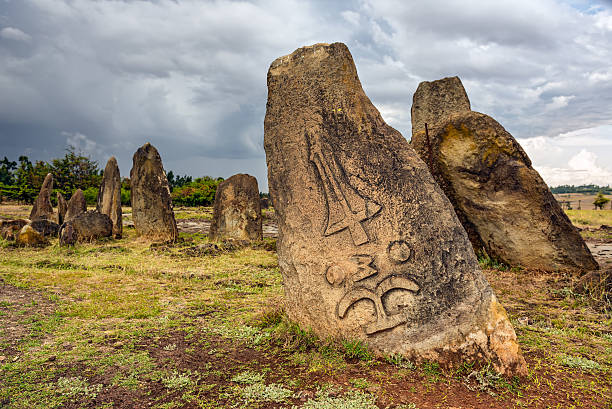
Tiya: Ethiopia’s Field of Standing Stones Thirty-six carved stone pillars rise from a flat field 80 km south of Addis Ababa, some reaching five metres tall, and the people who erected them and the exact meaning of the symbols they carved remain incompletely understood more than a century after the first scholarly investigation of the site. That unresolved quality is what makes Tiya unusual...
read more
Tomb of Askia
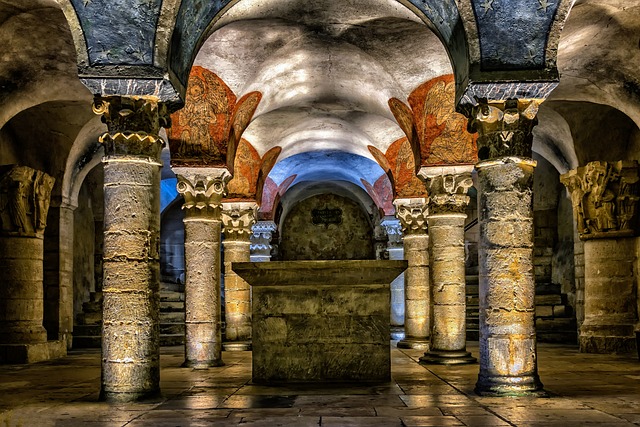
According to historical tradition, when Askia Muhammad crossed Egypt during his pilgrimage to Mecca in 1495, the sight of the Pyramids moved him to build a pyramid in his own capital. What he built on his return - a 17-metre structure of mud brick and timber in Gao, Mali - is now one of the best-surviving monuments of the Songhai Empire and a UNESCO World Heritage Site. It is also, as of 2025,...
read more
Mir Castle Complex
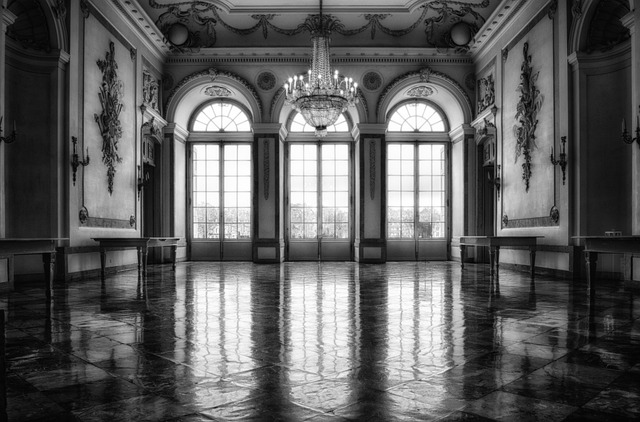
Mir Castle: Whitewashed Towers, Red Brick, and a 20th-Century Mausoleum That Steals the Show Skip anything that mentions a “White Palace” with a twelve-tiered spire at Mir. That building does not exist here, and it seems to be a confusion with a different Belarusian or Polish site. What Mir Castle actually has is stranger and better than an invented palace: a fortress whose whitewashed...
read more
Dja Faunal Reserve
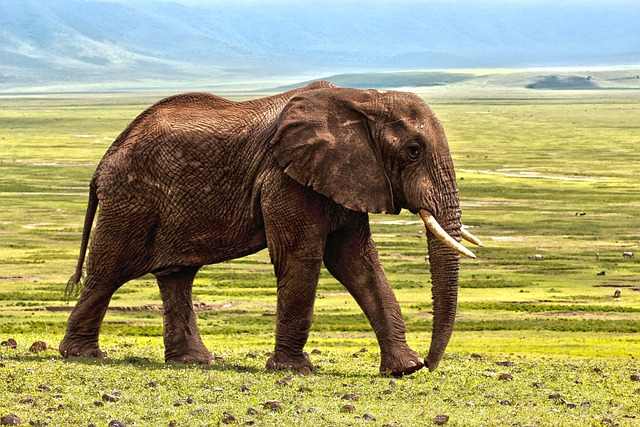
Dja Faunal Reserve: A Visitor’s Guide One of the Least-Visited World Heritage Sites There is no obvious front gate, no ticket window with a laminated price list, and no shuttle bus from the nearest airport. The Dja Faunal Reserve in southwestern Cameroon demands planning, flexibility, and tolerance for rough roads. In return, it offers something genuinely rare: a continuous tract of Congo...
read more
Yosemite National Park
El Capitan is not the tallest rock face in Yosemite, but it is the largest granite monolith in the United States, and what makes it remarkable geologically is that it barely fractured. When glaciers carved the Yosemite Valley roughly 10,000 years ago by quarrying along joints and weaknesses in the surrounding granite, El Capitan resisted because its particular granite cooled with far fewer...
read more
Huanglong Scenic and Historic Interest Area
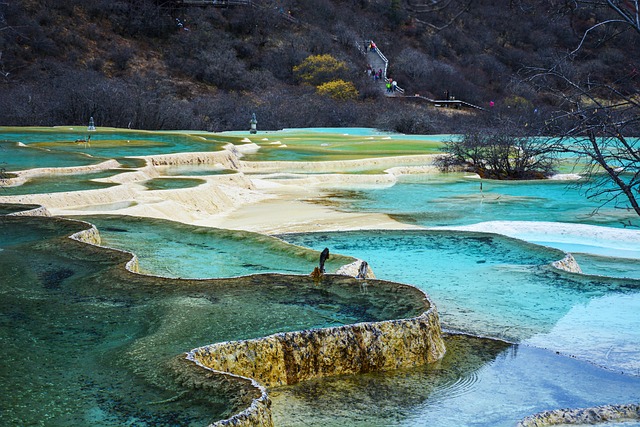
Huanglong Scenic and Historic Interest Area Not 100 pools, closer to 3,000 Older write-ups on Huanglong tend to describe “over 100 colorful lakes,” a number that badly undersells the place. Surveys of the valley’s travertine terraces count more than 3,000 individual calcite pools stepping down the mountainside, fed by mineral-rich spring water that’s been depositing calcium...
read more
Iguazu National Park
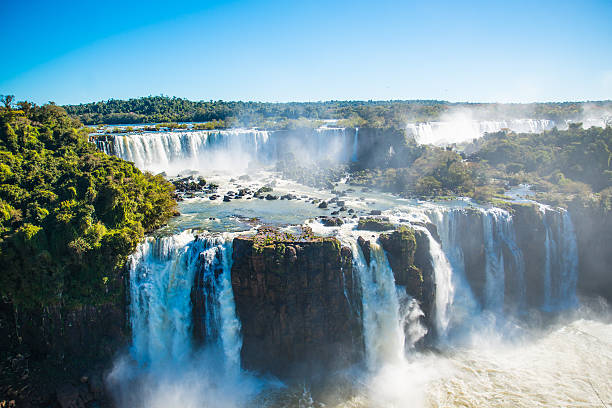
Iguazu National Park: A Comprehensive Guide for Tourists Roughly 80 percent of Iguazu Falls physically sits inside Argentina, which surprises people who assume the postcard panorama they’ve seen belongs equally to both countries. That imbalance is the single most useful fact for planning a trip here, because it explains why the two national parks, Argentina’s Iguazu and Brazil’s...
read more
Carolingian Westwork and Civitas Corvey
Carolingian Westwork and Civitas Corvey Nothing else from the Carolingian era stands like this. The westwork at Corvey, on the Weser river outside Höxter, is the only surviving example of the architectural form that once announced Charlemagne’s empire to every visitor approaching a great church, and it has stood essentially unaltered since it was completed in 885. Everything else UNESCO has...
read more
The English Lake District
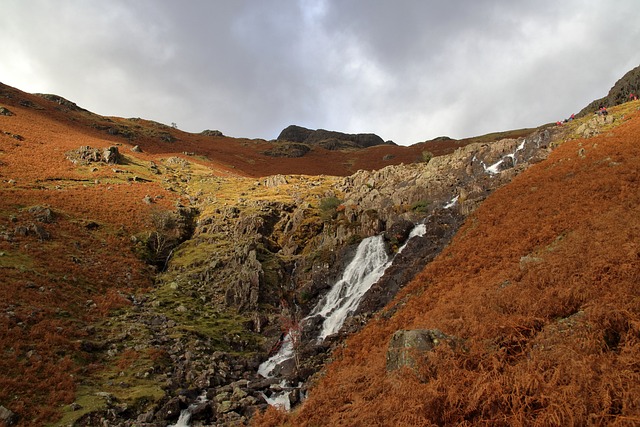
An annual parking permit for Windermere and Grasmere now costs £658.90, a figure that says more about the pressure on this landscape than any tourism statistic. UNESCO didn’t inscribe the Lake District for its scenery alone in 2017; it listed the whole 2,362 square kilometer park as a cultural landscape, recognizing centuries of farming, the fell-wall field systems that carve the valleys...
read more
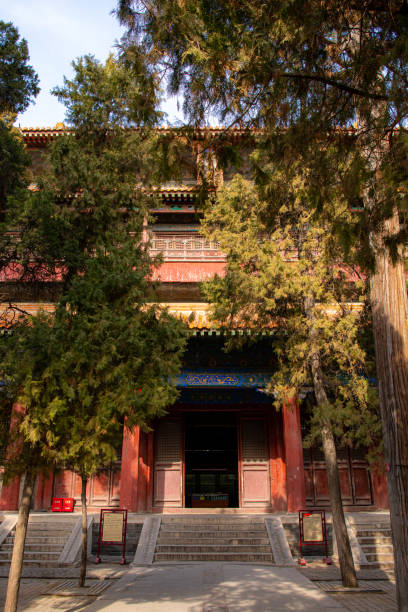
Temple And Cemetery Of Confucius And The Kong Family Mansion In Qufu
Confucius has been dead for roughly 2,500 years, and his family is still buried, generation after generation, in the same forested cemetery on the edge of Qufu. That continuity, not any single building, is what makes this site strange and worth the detour off China’s usual Beijing-Shanghai circuit.
What’s actually here and how old it is The complex, known locally as San Kong (the...
read more
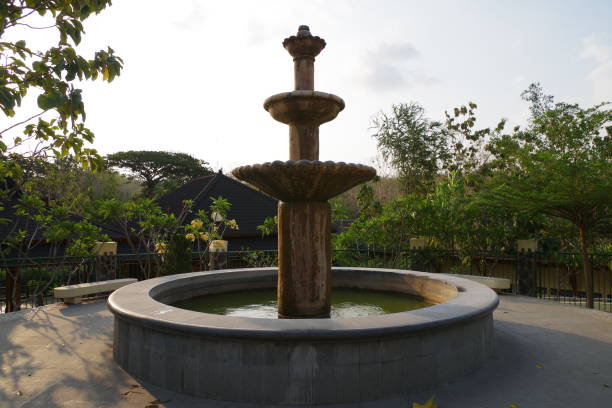
Sangiran Early Man Site
Eugene Dubois, the Dutch anatomist who first went looking for the “missing link” in Indonesia, actually poked around Sangiran in 1883 and found little of interest, so he moved his dig to Trinil, further down the Solo River, where he unearthed the skullcap and femur in 1891 and 1892 that he named Pithecanthropus erectus, now known as Java Man. Sangiran itself did not give up its fossils...
read more

Deer Stone Monuments and Related Bronze Age Sites
Deer Stone Monuments and Related Bronze Age Sites: A Comprehensive Guide for Tourists These stones are in Mongolia, not Scotland Older guide material about “deer stone monuments” sometimes wanders off into Scottish, Irish, and English megalithic sites like Newgrange and Castlerigg. That is a different set of monuments entirely, from a different continent and a different tradition. The...
read more