Recent Unescoes

Djerba Testimony to a Settlement Pattern in an Island Territory
Guide to Djerba: Testimony to a Settlement Pattern in an Island Territory There is no wall, no palace, no single monument at the center of this UNESCO listing. What got Djerba onto the World Heritage List in September 2023 is an entire way of organizing a water-scarce island that nobody planned centrally and everybody kept using for nine hundred years.
What UNESCO actually inscribed Forget the...
read more

The Maison Carr E of N Mes
The Maison Carrée is the only Roman temple from antiquity anywhere in the world that has survived fully intact, not a reconstruction, not a partial ruin propped up with scaffolding, but the actual standing building, columns and pediment and cella all in place since it went up under Augustus between roughly 16 BC and 4 AD. That single fact does more to explain why architects have been obsessing...
read more
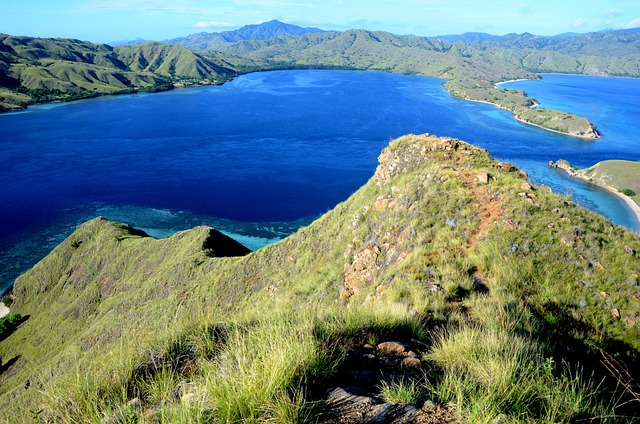
Komodo National Park
Komodo National Park The bite that took forty years to explain correctly For most of the last century, the standard line on Komodo dragons was that their saliva teems with virulent bacteria from rotting carcass meat stuck between their teeth, and that this bacterial soup is what kills bitten prey through infection over the following days. It’s a good story and it’s wrong. Dissections...
read more
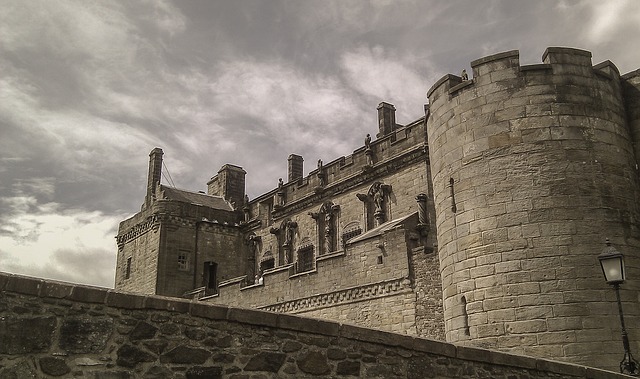
Castles And Town Walls Of King Edward In Gwynedd
Castles And Town Walls Of King Edward In Gwynedd Four castles, not five, and no monastery hiding among them. This UNESCO inscription covers exactly Beaumaris, Caernarfon, Conwy, and Harlech, plus the surviving town walls at Caernarfon and Conwy. There’s no “Castell Aberleirion” anywhere in the designation, and no Edward I fortress that was later converted into a Henry VII-era...
read more
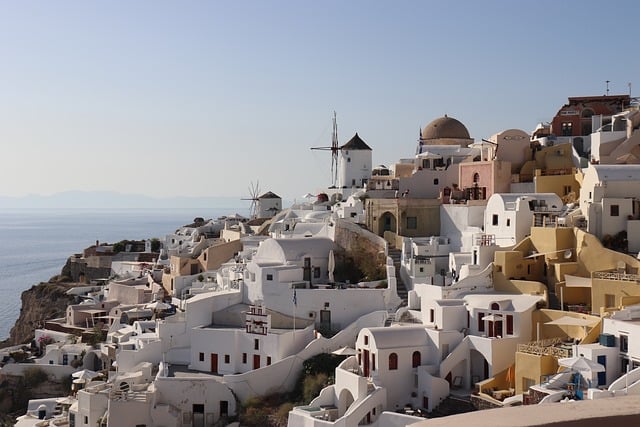
The Causses and the C Vennes Mediterranean Agro Pastoral Cultural Landscape
The Causses and the Cévennes: Mediterranean Agro-Pastoral Cultural Landscape Shepherds still walk sheep on foot along the drailles, the ancestral droving paths crossing Mont Lozère, moving flocks between lowland winter pasture and highland summer grazing exactly as their predecessors did three thousand years ago. This isn’t a reenactment staged for tourists. It’s one of the last places...
read more
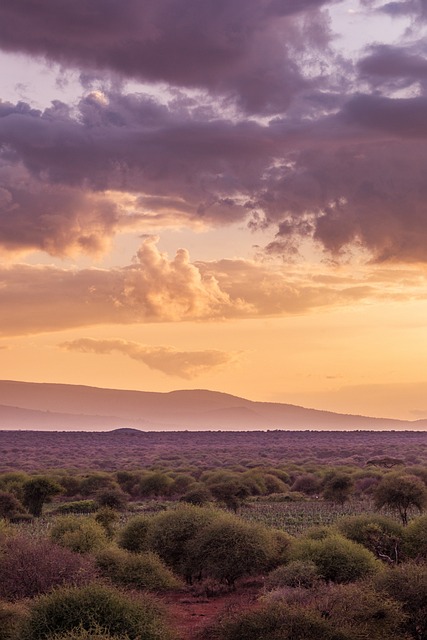
Mount Kenya National Park Natural Forest
Mount Kenya National Park and Natural Forest: A Guide for Tourists The Lewis Glacier, once the largest ice mass on Mount Kenya’s equatorial peak, has lost more than 90 percent of its volume since scientists first measured it in 1934 and is now down to two small ice patches that researchers expect to vanish entirely within the next few years, possibly by 2030. If seeing genuine glacial ice on...
read more
Bardejov Town Conservation Reserve
Bardejov Town Conservation Reserve The town hall in the middle of Bardejov’s square was the first building in Slovakia to carry Renaissance architectural detail, grafted in 1505 onto a Gothic ground floor that predates it, which makes it a physical record of the moment Central European style shifted. That single building is worth the trip on its own, but UNESCO’s 2000 inscription...
read more
Historic Centres of Berat and Gjirokastra
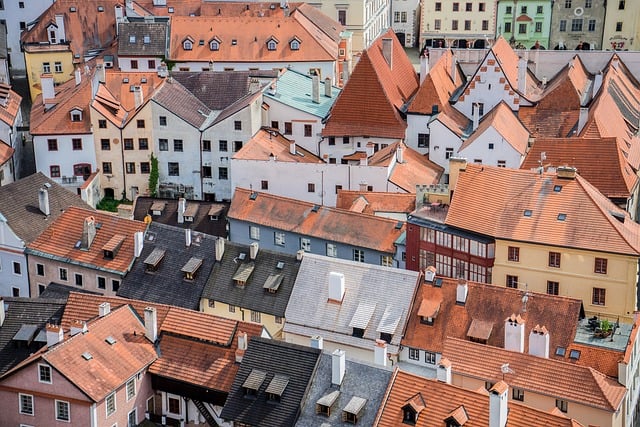
An 800-meter secret bunker with 59 rooms sits under Gjirokastra, built in such secrecy during the 1970s that most residents of the city had no idea it existed until the regime collapsed in the early 1990s. Enver Hoxha, Albania’s paranoid communist dictator for four decades, was born in this town in 1908, and the bunker is one of the stranger pieces of leftover infrastructure from that...
read more
Ancient City Of Sigiriya
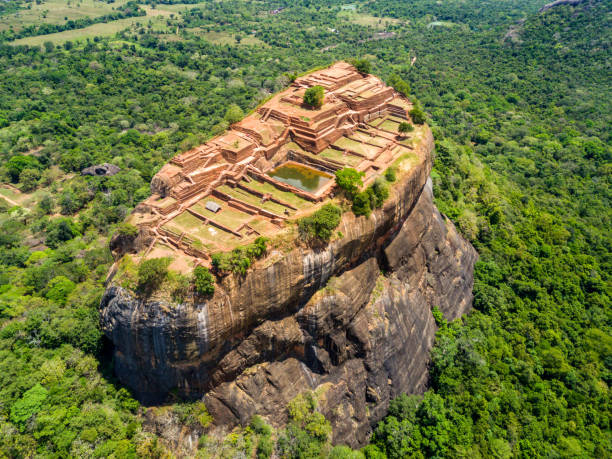
The Ancient City of Sigiriya: A Comprehensive Guide for Tourists The World’s Oldest Tourist Reviews Somewhere on the Mirror Wall of Sigiriya, polished smooth by 5th-century craftsmen from a lime mortar that took on a glass-like finish, a visitor from around 900 CE wrote: “I came here with one hundred thousand persons. Only I could see the maidens on the rock. None other had eyes for...
read more
Durmitor National Park
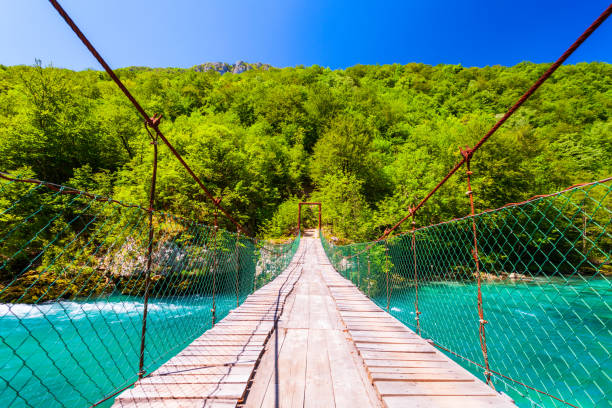
Durmitor National Park Nobody checks tickets at the gate before you start hiking Bobotov Kuk. A park ranger simply materializes somewhere on the trail and collects a 3 euro fee, or 6 euros for a three-day pass covering Black Lake and every other trail in the park too, which tells you something about how Durmitor operates: light on infrastructure, heavy on the landscape doing the talking.
Why...
read more

Singapore Botanic Gardens
Almost everything in Singapore Botanic Gardens is free, and that surprises a lot of first-time visitors who assume a UNESCO site must come with a ticket booth at the gate. The main gardens, open daily from 5am to midnight, cost nothing to enter. The one exception, and the single paid attraction inside, is the National Orchid Garden, and understanding that split is the most useful piece of planning...
read more
Mount Nimba Strict Nature Reserve
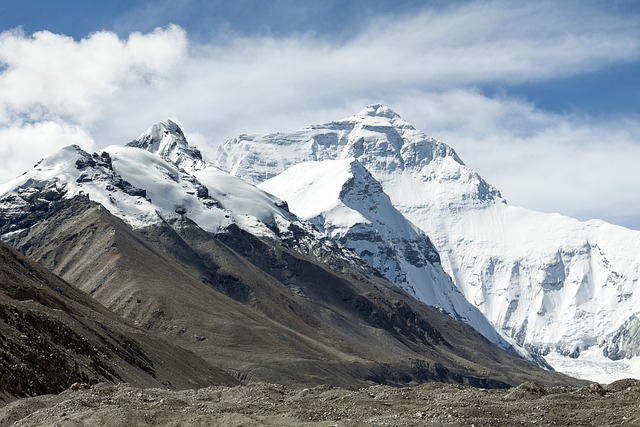
A toad that skips the tadpole stage entirely and gives birth to fully formed live young exists nowhere on the planet except one mountain range straddling Guinea, Liberia, and Cote d’Ivoire. That alone tells you something the older guides tend to gloss over: Mount Nimba isn’t a scenic hiking park with wildlife on the side, it’s a strict nature reserve, and that word...
read more
Jomon Prehistoric Sites in Northern Japan
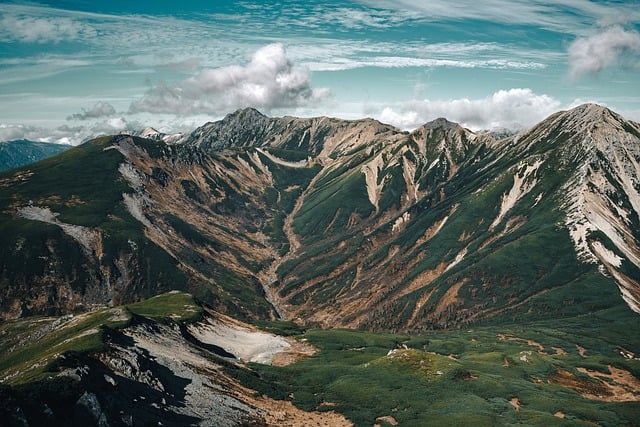
Jomon Prehistoric Sites in Northern Japan The Jomon people of northern Japan made pottery approximately 14,000 years ago, which places their ceramics among the oldest fired clay vessels anywhere on Earth. They were hunter-gatherers who did not farm rice and never became agriculturalists. That combination is what makes them archaeologically significant and, to most visitors, genuinely surprising: a...
read more
Meteora
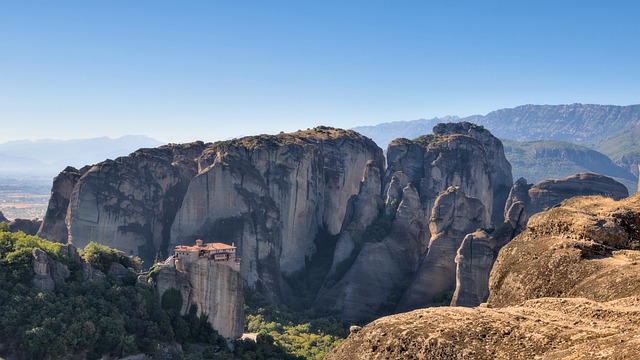
Meteora For the first monks who came here in the ninth century, the sandstone pillars rising 400 metres above the Thessaly plain were an ideal problem: high enough to be safe from raiding parties but reachable by a determined person willing to haul themselves up on ropes. They settled into crevices and caves in the rock faces, living as hermits in a formation that the Greek word...
read more
Heard and Mcdonald Islands
Heard and Mcdonald Islands The Place You Cannot Go Heard Island sits in the southern Indian Ocean, roughly 4,000 kilometres southwest of the Australian mainland and 1,700 kilometres north of Antarctica. Tourists have landed there exactly three times in recorded history: in 1992, 1997, and 2002, all from a Russian icebreaker that positioned itself near Spit Bay long enough for brief shore...
read more
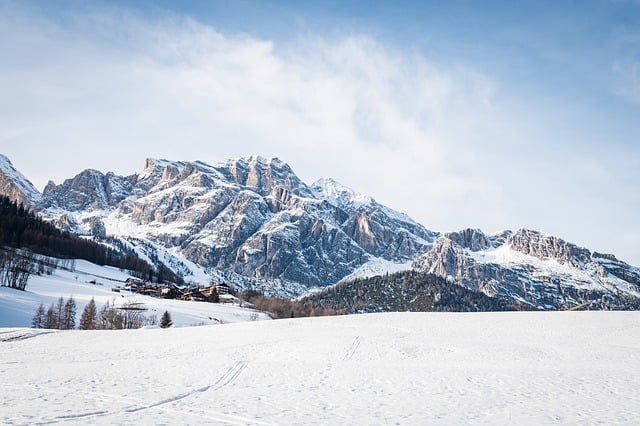
Wooden Churches of the Slovak Part of the Carpathian Mountain Area
Guide to the Wooden Churches of the Slovak Part of the Carpathian Mountain Area Not one nail holds together the Evangelical church at Kežmarok, and that’s the detail that tells you what you’re actually looking at: not a rustic curiosity but a genuine feat of 18th-century carpentry, built entirely from yew and red spruce under a legal ban on using stone, iron, or a foundation.
What This...
read more

Monarch Butterfly Biosphere Reserve
Monarch Butterfly Biosphere Reserve: A Comprehensive Guide for Tourists Overview No single butterfly you see clustered on an oyamel fir branch here has ever been to Mexico before. The monarchs that overwinter in this reserve are three or four generations removed from the ones that flew south the previous year, meaning the migration is passed down genetically rather than learned, since no...
read more

Monte San Giorgio
Monte San Giorgio: A 2.5-Meter Fossil Guards the Village Where This Mountain’s Real Story Starts A 2.5-meter reconstruction of Ticinosuchus ferox greets visitors at the entrance to the fossil museum in Meride, and that’s a fitting introduction, since this pyramid-shaped mountain rising from the shore of Lake Lugano holds the best-documented record of Triassic marine life anywhere on...
read more
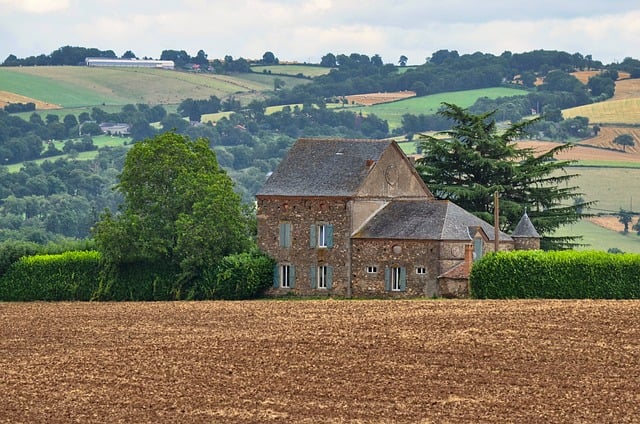
Decorated Farmhouses of H Lsingland
Decorated Farmhouses of Hälsingland: A Comprehensive Guide for Tourists A 19th-century Swedish farmer with too much timber money built a second house on his property, not to live in, but purely to throw parties in. Multiply that by seven exceptional survivors scattered through the Hälsingland forests and you have one of Sweden’s odder UNESCO listings.
Get the facts straight first Earlier...
read more
Madara Rider
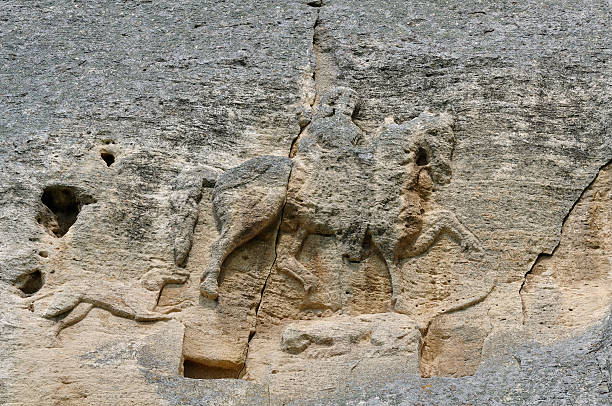
Madara Rider He’s spearing a lion, not saluting anyone A surprising number of guides describe the Madara Rider as a Byzantine commander offering a friendly greeting to a Slavic chieftain. That’s not what’s carved into the cliff. The horseman thrusts a spear down into a lion pinned beneath his galloping horse, a hunting dog runs at the horse’s heels, and an eagle wheels...
read more
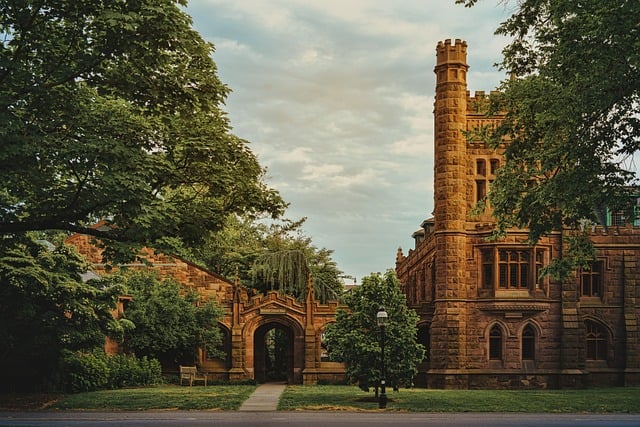
Monticello and the University of Virginia in Charlottesville
Monticello and the University of Virginia: A Practical Guide One man designed both the house on this hill and the university four miles down the road, and you can feel the same obsessive brain behind each of them, the dome, the columns, the insistence on proportion borrowed straight from Palladio. Thomas Jefferson treated architecture the way some people treat a hobby that gets slightly out of...
read more
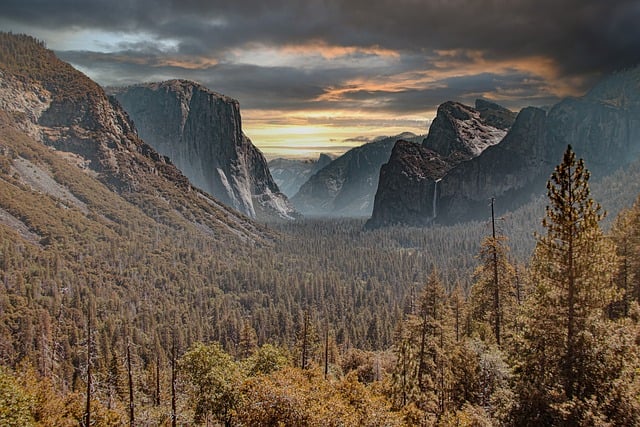
Man National Park
Manú National Park: A Comprehensive Guide for Tourists Part of this park is legally off-limits to visitors, permanently Deep inside Manú’s Intangible Zone lives an indigenous group called the Mashco-Piro, or Nomole, an estimated 100 to 250 people who live in voluntary isolation and have chosen, generation after generation, to avoid sustained contact with outsiders. That choice traces back to...
read more
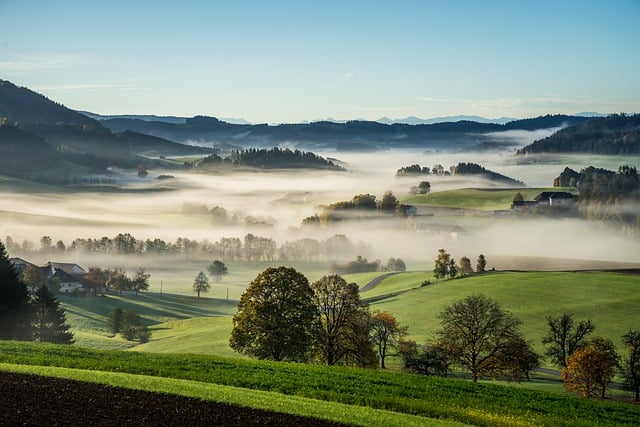
The Gedeo Cultural Landscape
The Gedeo Cultural Landscape Start with the honest disclaimer most guides skip: as of 2026, official travel advisories from the United States, United Kingdom, Canada, and Ireland all flag Gedeo Zone as an area to avoid entirely due to ongoing inter-communal conflict and armed clashes along the Oromia and South Ethiopia regional border. The humanitarian toll has been severe, with hundreds of...
read more
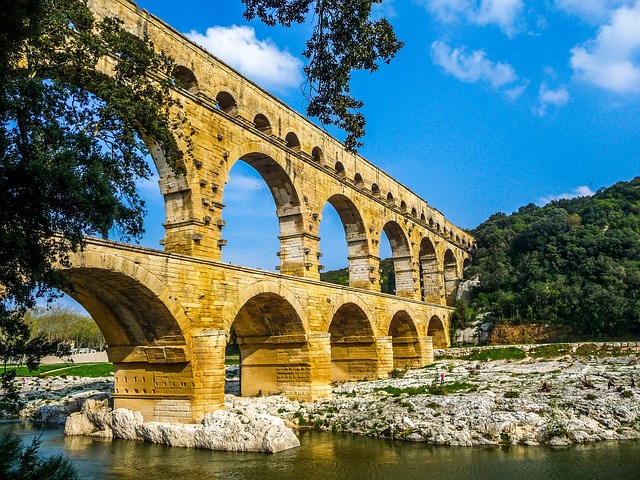
Arles, Roman And Romanesque Monuments
Guide to Arles: Roman and Romanesque Monuments The amphitheatre in Arles still hosts events, which is unusual among Roman-era arenas anywhere in Europe. Built around 90 AD to seat roughly 20,000 spectators for gladiatorial combat, it now stages bullfighting-adjacent Provençal courses camarguaises and concerts, meaning the two-thousand-year-old stone tiers you climb were built for exactly the kind...
read more
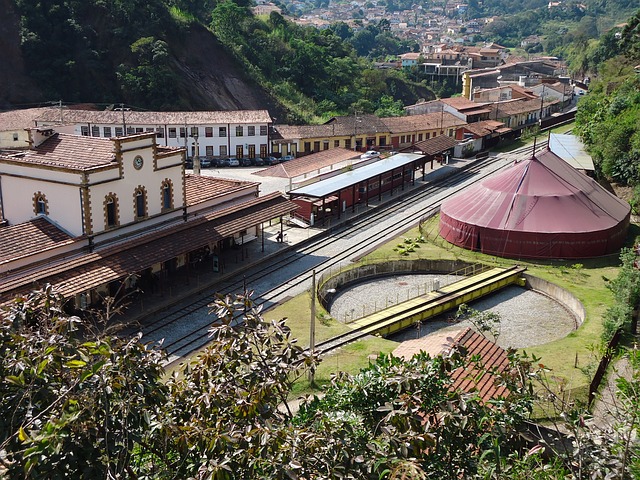
Historic Town of Ouro Preto
A sculptor with a degenerative disease that had eaten away his fingers carved some of the finest soapstone facades in the Americas by having chisels lashed to what remained of his hands. That was Antonio Francisco Lisboa, known to everyone in Brazil as Aleijadinho, “little cripple,” and his work is the reason Ouro Preto’s churches are talked about in art history courses rather...
read more
Churches of Moldavia
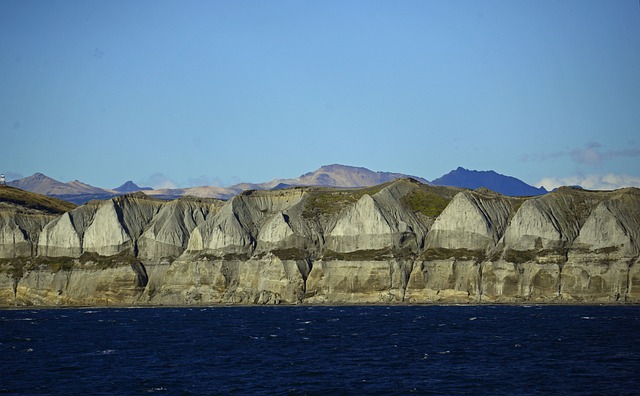
Churches of Moldavia: Romania’s Painted Monasteries Frescoes That Survived Five Centuries Outside The painted monasteries of northern Romania’s Moldavia region present a logical impossibility: outdoor frescoes, applied to rough stone church walls in the fifteenth and sixteenth centuries, still showing their original colours after more than 500 years of Bucovina winters. The blues are...
read more
Tabriz Historic Bazaar Complex
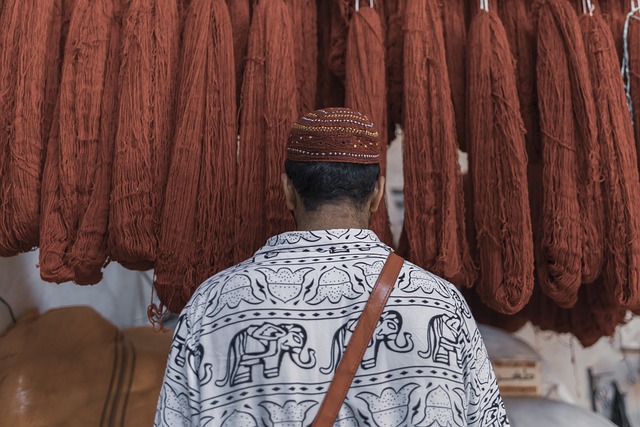
Roughly 7000 shops sit under brick vaulting that has been rebuilt, patched, and traded under for the better part of eight centuries, and right now almost none of the travelers reading this guide can walk into it freely. That single fact needs to be stated plainly before anything else: Tabriz is a genuinely extraordinary place, and it currently sits under a US State Department Level 4 “Do Not...
read more
Historical Centre of the City of Yaroslavl
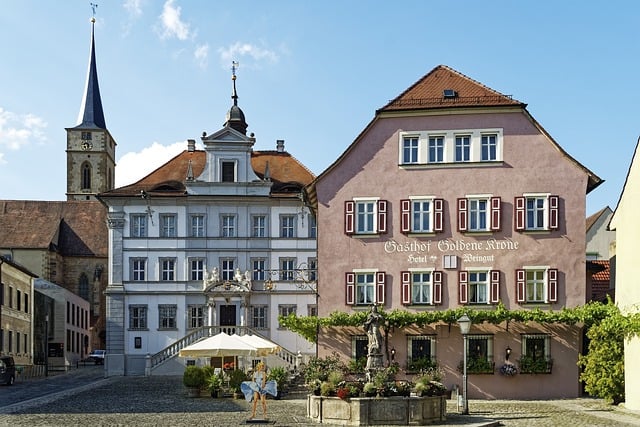
Historical Centre of the City of Yaroslavl Advisory Note for Western Visitors As of mid-2026, the US State Department, UK FCDO, and equivalent agencies in Australia, Canada, and most EU countries maintain “Do Not Travel” or equivalent Level 4 advisories for Russia, citing the ongoing war in Ukraine, drone activity reaching major Russian cities, and documented cases of foreign nationals...
read more
Ciudad Universitaria De Caracas
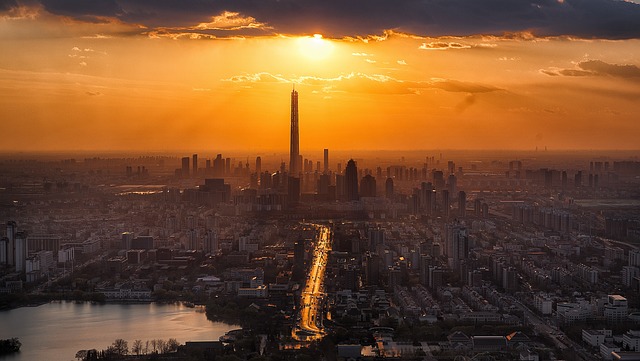
Ciudad Universitaria De Caracas An Alexander Calder sculpture doubles as acoustic engineering in one of Caracas’s few UNESCO sites, and that detail says more about this campus than any list of buildings could. The suspended forms hanging above the Aula Magna’s stage, usually called Calder’s “clouds,” aren’t decoration. Villanueva and Calder worked out their size...
read more
Greater Blue Mountains Area
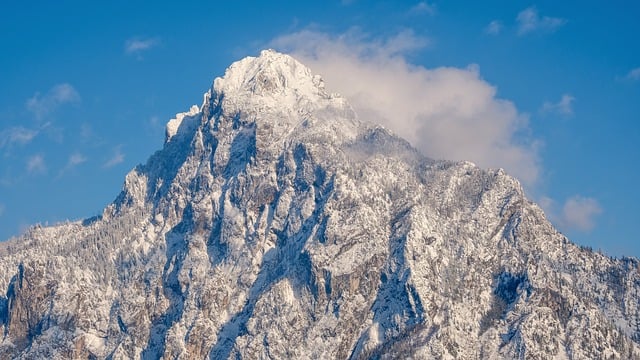
In September 1994, an off-duty parks officer named David Noble was abseiling into a remote, unnamed gorge inside Wollemi National Park when he noticed a stand of conifers he didn’t recognize. They turned out to be Wollemia nobilis, a species known until that moment only from 90-million-year-old fossils and presumed extinct for roughly two million years. Fewer than 50 adult trees survive in...
read more
Gelati Monastery
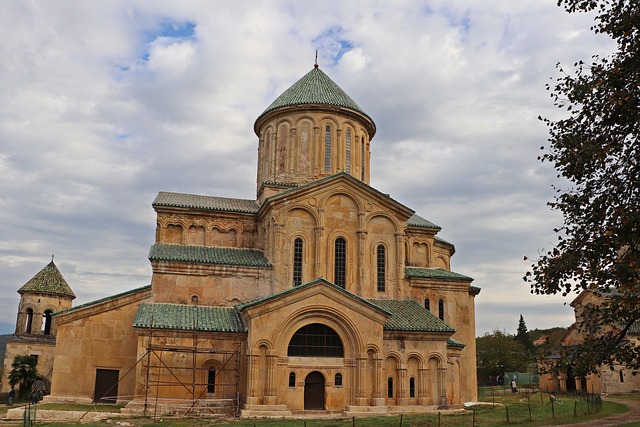
Gelati Monastery: A Comprehensive Guide for Tourists Check before you go: it’s weekends only right now As of 2026, Gelati is only open to the public on Saturdays and Sundays. On weekdays the gate stays locked while restoration work continues, and even on the days it’s open, the main cathedral, the Church of the Virgin, is completely inaccessible. You can still visit the Academy...
read more
Historic Centre of the Town of Goi S
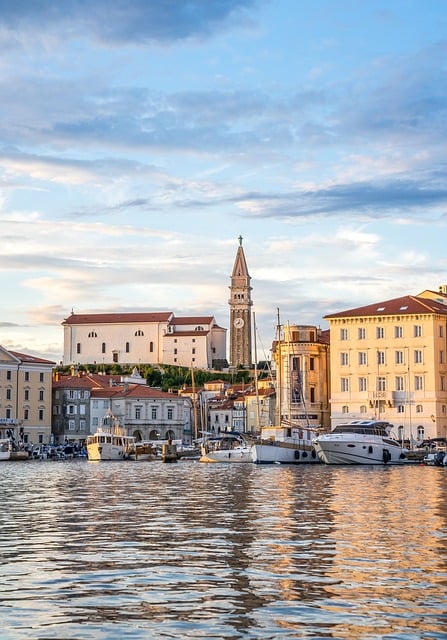
Once a year, forty hooded men called farricocos run through the streets of a Brazilian gold-rush town at midnight carrying torches, chasing a procession that reenacts Christ’s arrest, a tradition unbroken since 1745. That’s the Procissão do Fogaréu, held the Wednesday before Easter, and it’s the closest thing this quiet town has to a headline event. Most days it’s just...
read more
Tassili NAjjer
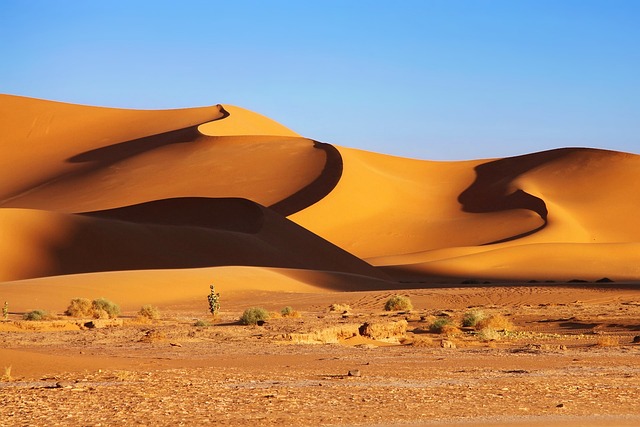
You cannot simply show up at Tassili n’Ajjer with a rental car and a sense of adventure. There is no independent travel option here at all: Algerian law requires every visitor to enter the park as part of a pre-arranged 4x4 convoy with a licensed guide and government-approved travel agency, full stop. That single fact should shape everything about how you plan this trip, and most casual...
read more
Dholavira a Harappan City
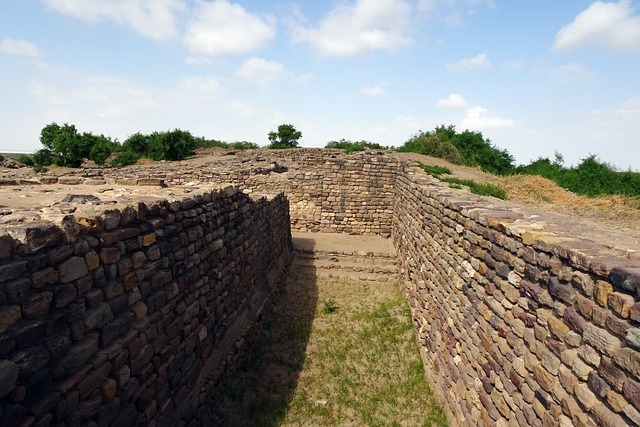
Dholavira: A Harappan City Ten large symbols, carved into gypsum and set into a wooden signboard above the city’s north gate around 4,000 years ago, still sit undeciphered by modern scholars despite decades of study. That signboard, found nowhere else at this scale in the Indus Valley world, is Dholavira’s single most argued-over object, and it tells you more about why this site...
read more
Pasargadae
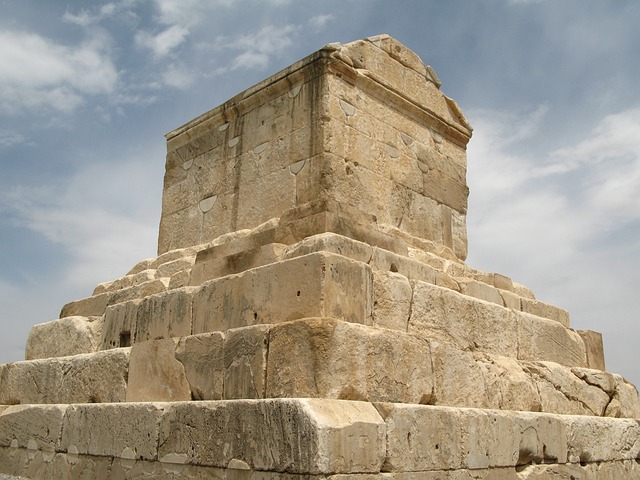
Guideline for Visiting Pasargadae: A Historical Marvel in Iran The tomb of Cyrus the Great has survived roughly 2,500 years of earthquakes in one of the most seismically active regions on the planet, and it’s still standing largely because of engineering that modern base-isolation designers now study directly. The structure sits on a stepped stone platform that flexes independently from the...
read more
Petroglyphs of Lake Onega and the White Sea
There is no entry ticket, no visitor center, and in most cases no road, for this UNESCO site. Reaching the actual rock art at Cape Besov Nos on Lake Onega means a 17-kilometer trek through forest, swamp, and at least one river crossing, or a boat ride along the Chernaya River from the small village of Karshevo. That inconvenience is precisely why the carvings still exist in recognizable condition...
read more
Djoudj National Bird Sanctuary
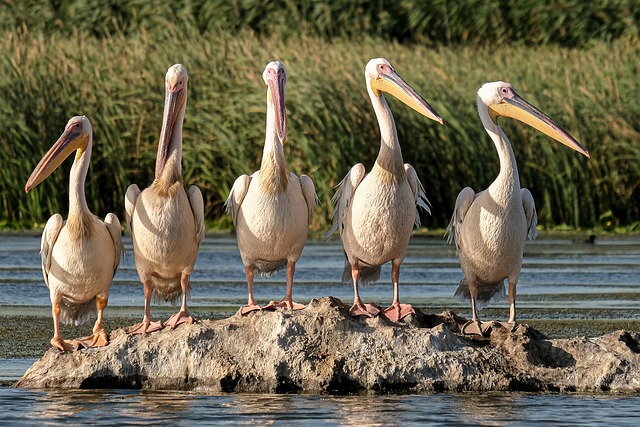
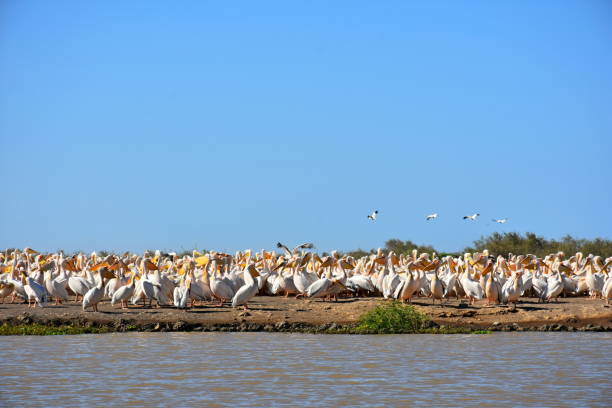
Get in a small boat at dawn on the Senegal River delta and you can watch several thousand Great White Pelicans lift off a sandbar at once, close enough that the wingbeats are audible over the engine. Djoudj sits about 60 kilometers north of Saint-Louis, near the Mauritanian border, not down in Casamance as some guides claim; Casamance is a separate region south of the Gambia, roughly 500...
read more
Okavango Delta
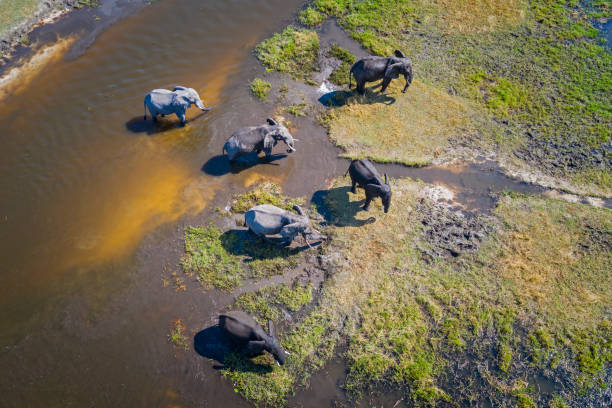
The Okavango Delta: A Guide for Tourists The Okavango Delta floods during the dry season, not the wet one, and that single reversal is the reason the whole ecosystem works the way it does. Rain falls in the Angolan highlands hundreds of kilometers to the north between roughly November and April. That water then takes anywhere from two to six months to crawl down the Okavango River and spread out...
read more
Port Fortresses and Group of Monuments Cartagena
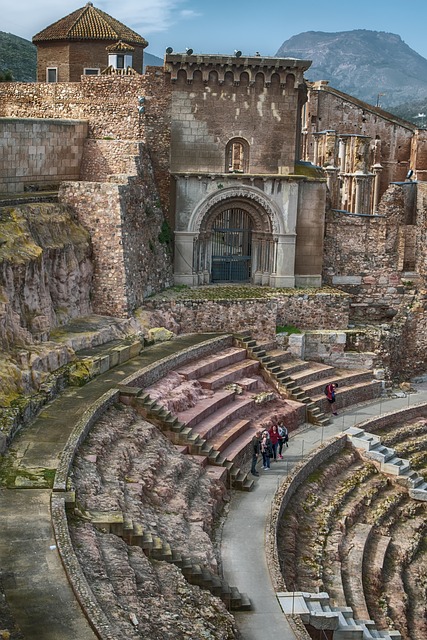
The Fortress Built So Whispers Could Beat an Army Inside Castillo San Felipe de Barajas, the tunnels weren’t just carved for troop movement. Spanish engineers shaped them so that a whisper at one end carried clearly for dozens of meters, letting commanders pass orders silently between chambers, and so that any footstep from an approaching enemy echoed loud enough to be heard well before...
read more
Aranjuez Cultural Landscape
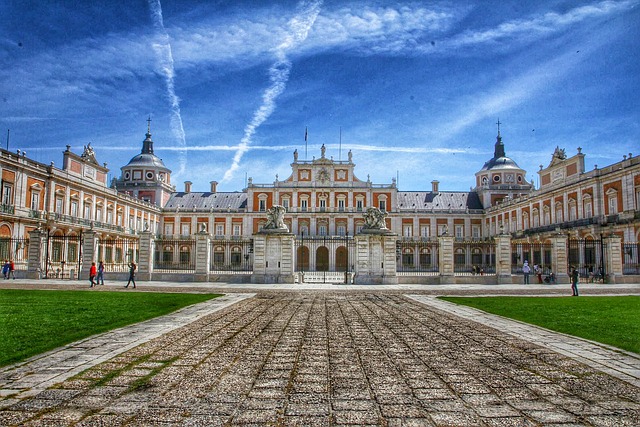
A steam-era train still runs from Madrid to Aranjuez every spring and autumn weekend, and the staff dress in period costume and hand out fresh strawberries on the return leg, a tradition that traces back to the fields the original 1851 railway line ran straight through. That detail alone tells you something most Aranjuez write-ups miss: this UNESCO site is as much about farmland, food, and a...
read more
Miguasha National Park
Miguasha National Park: A Geological Marvel in Quebec, Canada Stand on the beach below Miguasha’s cliffs and you’re looking at a wall of rock holding the moment vertebrate life crawled out of the water. This isn’t a metaphor for effect; it’s the literal reason UNESCO listed the park in 1999. The cliffs preserve the Escuminac Formation, a layer of Late Devonian rock roughly...
read more
Old Rauma
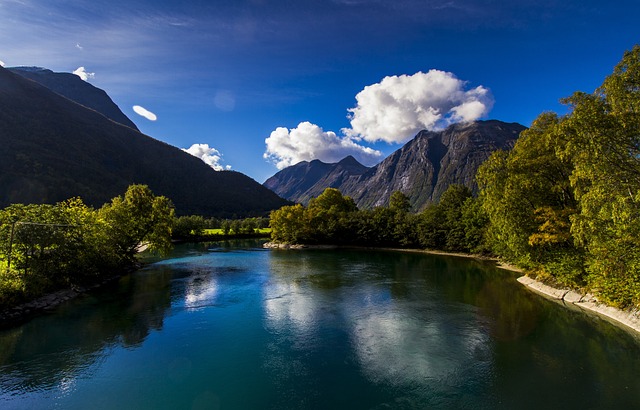
Old Rauma Six Hundred Buildings and No Nails In 1897, the city of Rauma on Finland’s west coast registered the country’s largest sailing fleet: 57 ships carrying timber and tar to ports across northern Europe. The same community whose men sailed those routes was, back on shore, producing lace. Bobbin lace, worked by women using wooden pins and dozens of thread bobbins on a cushion, had...
read more
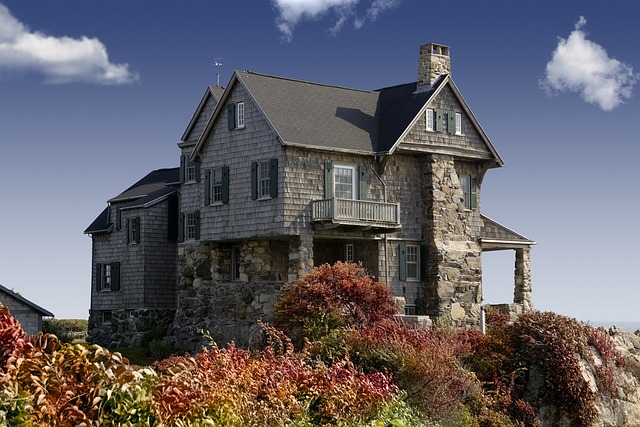
Stoclet House
Stoclet House You cannot get inside this building, and that is the first thing anyone should know before making a trip to see it. The Stoclet Palace, sitting behind its own hedges on Avenue de Tervueren in the Woluwe-Saint-Pierre district of Brussels, remains privately owned by the Stoclet family more than a century after it was finished, and despite a 2024 order from the Brussels Parliament...
read more

Fort Jesus Mombasa
A Guide to Fort Jesus, Mombasa A three-year siege is not a phrase you hear about many tourist attractions, but it is the defining event in Fort Jesus’s history. Between March 1696 and December 1698, Omani forces under the Ya’rubid ruler Saif bin Sultan surrounded the fort and starved out its Portuguese garrison. By the final Omani assault, the defenders inside numbered a single...
read more
Historic City Of Toledo
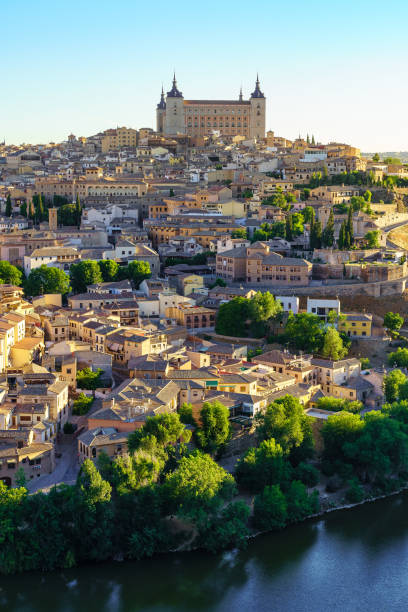
Toledo Cathedral is closing in on its 800th anniversary, not its 600th. Ground was broken in 1226 under Ferdinand III, with the ceremonial cornerstone laid the following year once the king could attend in person, and the building rose over roughly two and a half centuries, with the vaults of the central nave only finished in 1493 under the Catholic Monarchs. That timeline puts the...
read more
Cultural Landscape of the Serra De Tramuntana
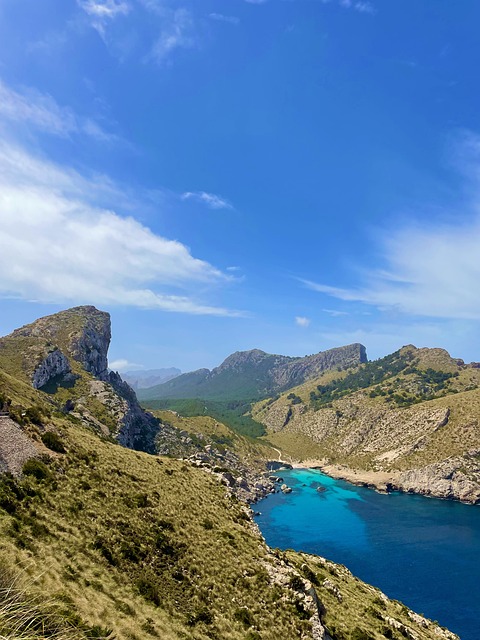
Guide to the Cultural Landscape of the Serra de Tramuntana Under the terraces and olive groves of Mallorca’s northwest coast runs a network of underground water channels, qanats, that Arab engineers dug into the mountainside more than eight hundred years ago and that are still moving water today. That hidden hydraulic system, not the scenery alone, is why UNESCO put this mountain range on...
read more
Historic Site Of Lyon
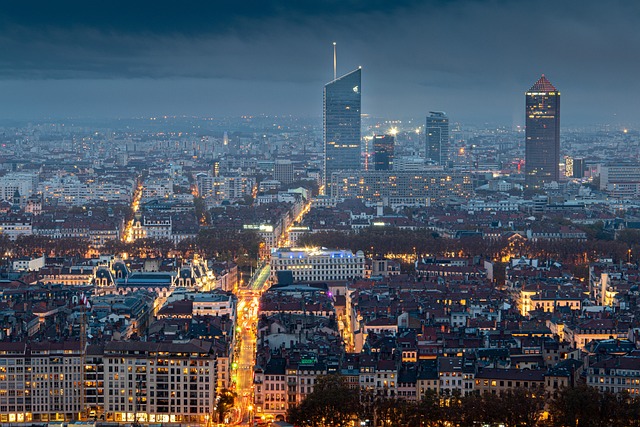
Historic Site of Lyon When food critic Curnonsky declared Lyon the “world capital of gastronomy” in 1935, he was not reaching for a compliment. The city had been feeding people professionally for three centuries at that point, driven by an unlikely economic connection: silk. Lyon’s 60,000 silk workshops in the mid-19th century employed weavers who started work before dawn and...
read more
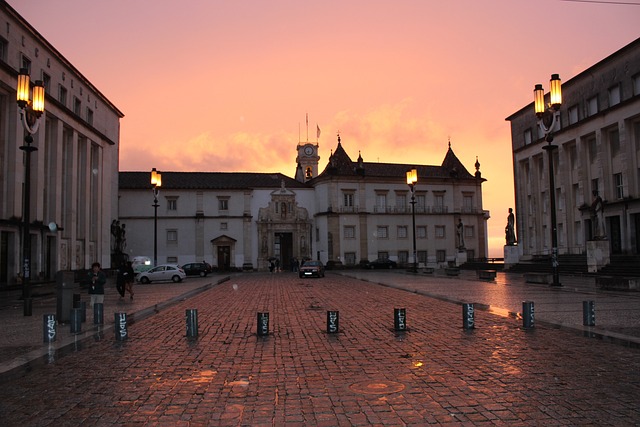
University of Coimbra Alta and Sofia
A colony of bats lives inside the Joanina Library at the University of Coimbra and nobody tries to remove them, because they earn their keep. Every night they fly out from behind the gilded bookshelves and eat the moths and insects that would otherwise chew through 300-year-old bindings, and the library staff simply cover the antique tables with leather sheets each evening to catch the droppings...
read more
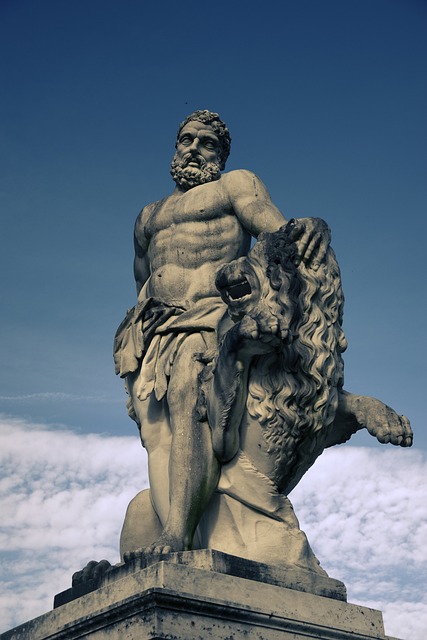
Tower of Hercules
Tower of Hercules: A Comprehensive Guide for Tourists What you’re photographing outside the Tower of Hercules isn’t actually Roman. In 1788, naval engineer Eustaquio Giannini wrapped the crumbling first-century core in 60 centimeters of new granite, added an entire fourth storey, and gave the whole thing a neoclassical facelift that finished in 1791. The Roman masonry is still there,...
read more
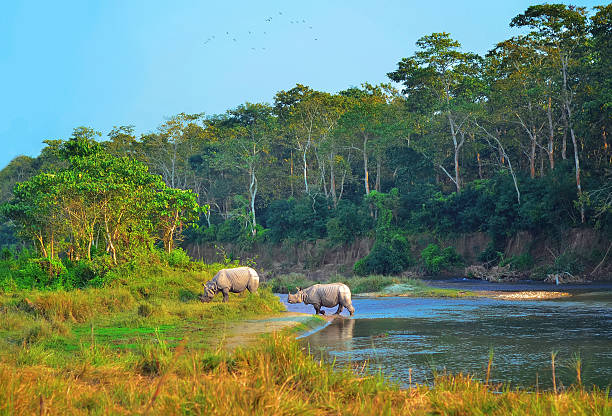
Chitwan National Park
Chitwan National Park For two months every year, Chitwan simply shuts. The park closes entirely during the deepest monsoon stretch of July and August, when the Rapti and Narayani rivers swell over their banks and swallow the low trails, and it typically doesn’t reopen until mid-September, a detail that trips up anyone building a Nepal itinerary around a rigid calendar rather than the...
read more