Recent Mad Traveller
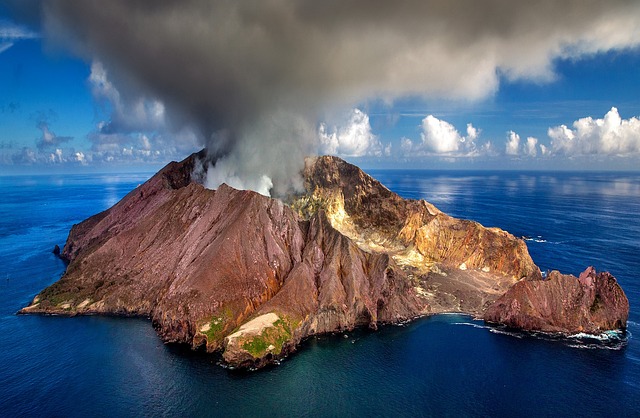
New Zealands North Island
The Tongariro Alpine Crossing is a 19.4-kilometre one-way trail across the central plateau’s active volcanic landscape: emerald lakes, lava fields, steam vents, and the silhouette of Ngauruhoe (used as Mount Doom in the Lord of the Rings films) in the distance. It takes six to eight hours and is the most walked one-day tramp in New Zealand. In summer, the car parks at either end are booked...
read more
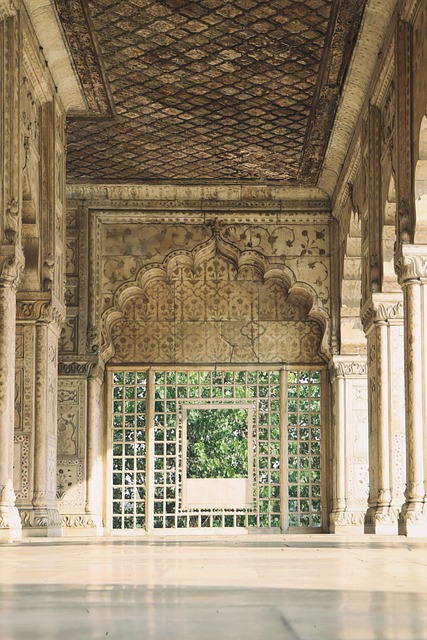
Old Delhi India
At 7am in Old Delhi, Chandni Chowk is already working. The wholesale spice sellers at Khari Baoli are loading sacks. The paratha makers on Paranthe Wali Gali are frying the first stuffed parathas. The cycle rickshaws are threading through the narrowest lanes with an accuracy that looks mechanical. By 10am, the place is something else entirely: denser, noisier, and harder to move through. The right...
read more
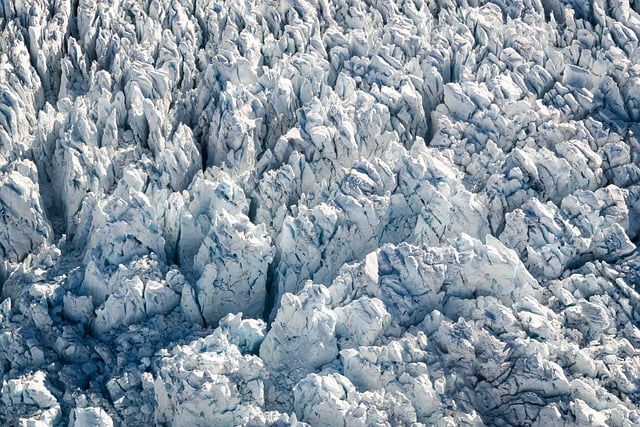
Glacier National Park, Montana
Glacier National Park, Montana Glacier National Park sits in the northern Rocky Mountains on the US-Canada border. When the park was established in 1910 it contained approximately 150 named glaciers; by 2026 fewer than 25 active glaciers remain, most significantly smaller than their historical extent. The landscape records this loss in newly exposed rock and moraines that were covered by ice...
read more
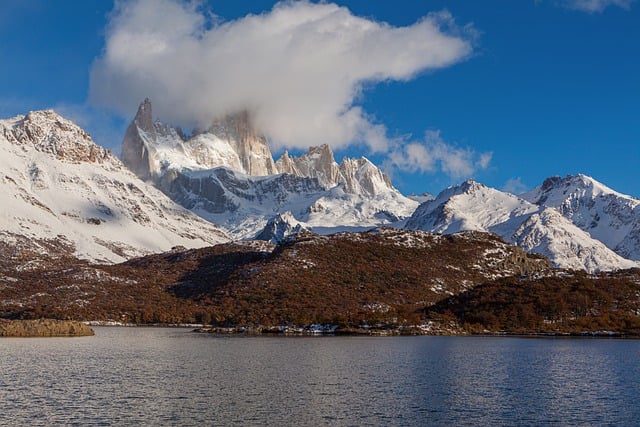
Monte Fitz Roy El Chalten Argentina Chile
Monte Fitz Roy and El Chalten, Patagonia Monte Fitz Roy is almost always in cloud. The granite towers that make up the massif – Fitz Roy, Poincenot, Mermoz, Saint-Exupery – are shrouded in their own weather system for most of the year, and clear views are rare enough that trekkers plan multiple-day stays to improve the odds of seeing the summit at all. When the cloud lifts – for...
read more
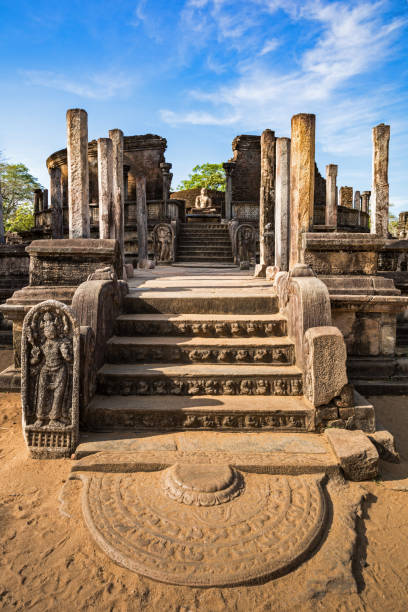
Ancient City Of Polonnaruwa
At Gal Vihara, four Buddha figures are carved directly into a single massive granite outcrop, the largest over 14 metres long. The sculptors worked the stone from 1070 CE under King Parakramabahu the Great, creating the reclining Buddha’s serene face, the standing figure’s precise proportions, and the seated meditating figure with its closed eyes and absolute stillness. You can get...
read more
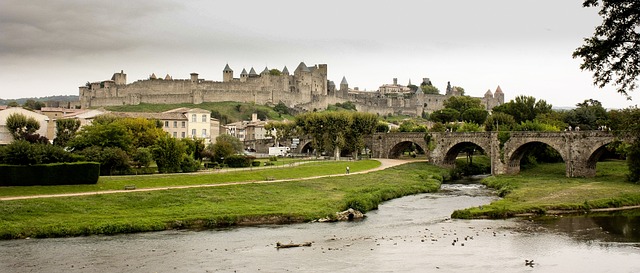
Carcassonne
Carcassonne: The Medieval City That Was Almost Demolished By the mid-19th century, Carcassonne’s double-walled citadel had fallen so far into disrepair that the French government seriously considered demolishing it for building materials. The architect Eugène Viollet-le-Duc intervened in 1844 and spent decades restoring it, a project that attracted controversy then and still divides...
read more
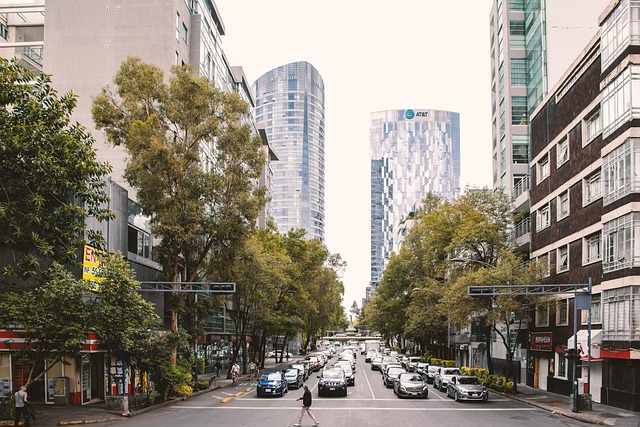
Basilica Of Our Lady Of Guadalupe, Mexico City
Basilica of Our Lady of Guadalupe, Mexico City On December 12 in a normal year, somewhere between six and thirteen million people visit this site over a 12-day festival period. That figure is not a typo. The feast of Our Lady of Guadalupe draws the largest annual religious gathering in the Western Hemisphere, with pilgrims walking for days across Mexico and Latin America to reach a low hill in...
read more
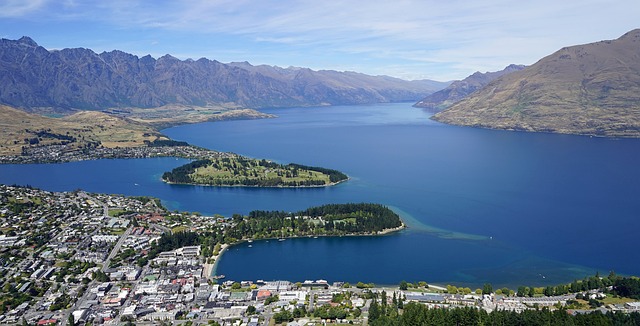
Queenstown
Queenstown: The Adventure Tourism Capital Built on One Jump off a Bridge The first commercial bungy jump happened here on 12 November 1988, when AJ Hackett and Henry van Asch made the first paying-customer leap from the 43-metre Kawarau Bridge above the gorge. The founding act of a global industry cost $75 NZD at the time. The same bridge, the same operator, the same jump continues today. The city...
read more
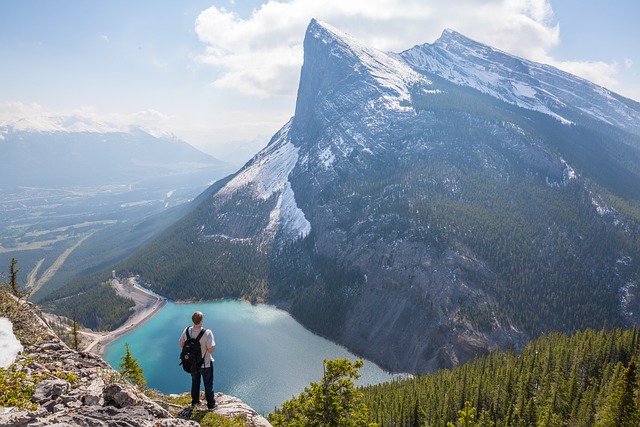
Canadian Rockies
Moraine Lake is not accessible by private car for most of the summer. Parks Canada banned personal vehicles from the lake access road after the parking situation became unmanageable, replaced by mandatory shuttle bookings from Lake Louise village. This is worth knowing before you plan a day around a spontaneous visit. The shuttle system works; the lake is worth it. The ten peaks reflected in the...
read more
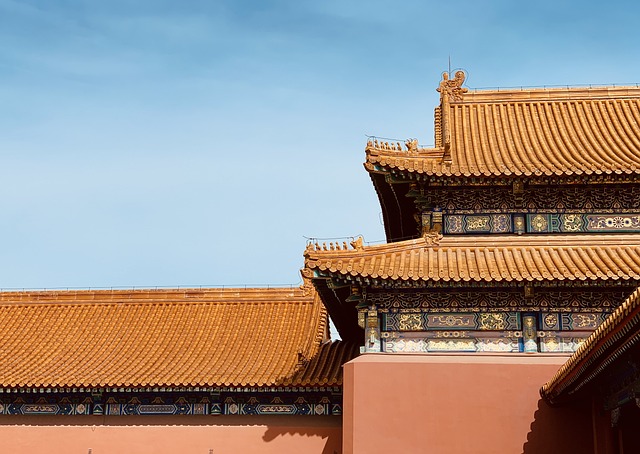
The Forbidden City, China
The Forbidden City (Palace Museum), Beijing The Forbidden City is the most visited museum in the world, routinely receiving 14 million people annually. That fact determines almost everything about the practical experience of going there. Daily visitors are capped at 80,000, and online booking is required; on peak days, the entry queue involves showing your booking confirmation and a Chinese ID or...
read more
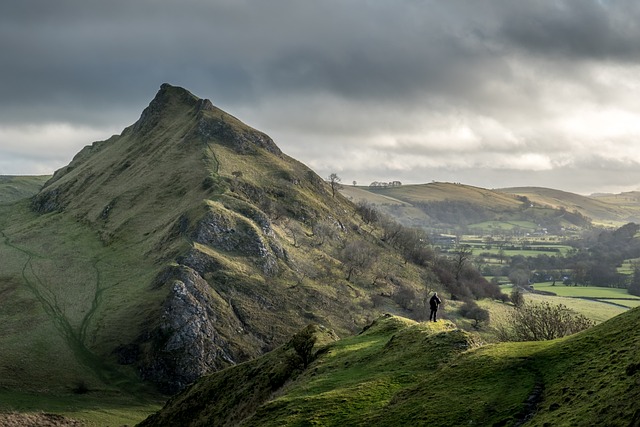
Cuillin Hills
The Cuillin Hills, Skye: The Sharpest Mountains in Britain The Black Cuillin on the Isle of Skye are the only mountains in Britain that require technical rock climbing skills to reach all of their summits. The main ridge runs 12 kilometres and connects 11 Munros (peaks above 3,000 feet); the traverse of the complete ridge in a single push is one of the most serious mountaineering objectives in the...
read more
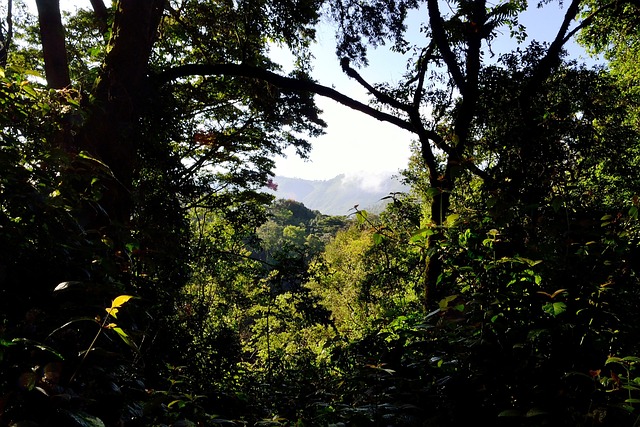
Bwindi Impenetrable National Park, Uganda
Bwindi: About Half the World’s Mountain Gorillas Live Here The entire mountain gorilla population is approximately 1,000 animals. About 460 of them live in Bwindi Impenetrable National Park in southwestern Uganda. This concentration – half the species’ global population in a single park – is what makes the journey worthwhile.
Mountain gorillas cannot survive in captivity....
read more
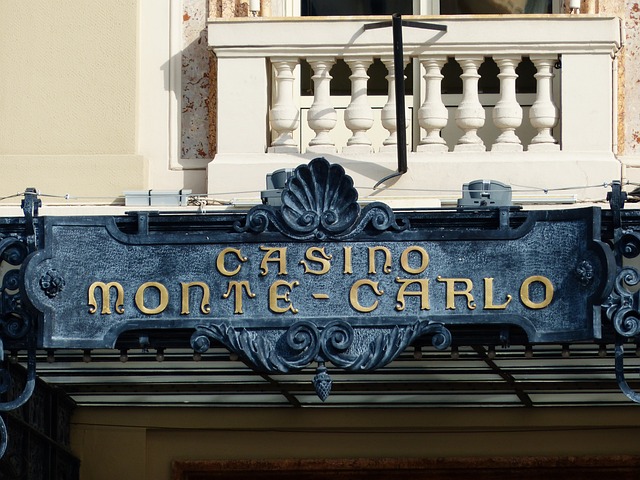
Monte Carlo Casino
Monte Carlo Casino The Casino de Monte-Carlo was designed by Charles Garnier in 1878 – the same architect who completed the Paris Opéra in 1875. If you have been to the Paris Opéra, you will recognise the idiom immediately: cream marble, bronze chandeliers, decorative plasterwork in the Belle Époque mode, a facade that announces wealth before you have walked through the door. The building is...
read more
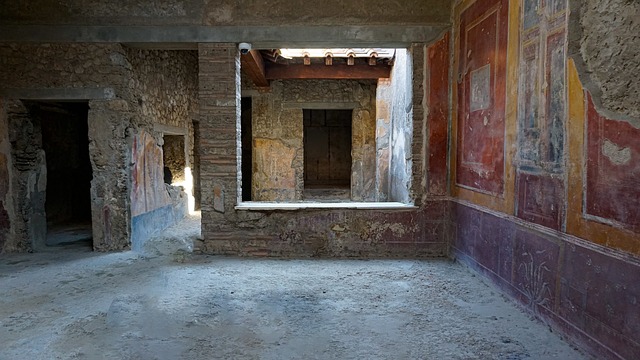
Ruins Of Pompeii
Pompeii: Two Million Visitors a Year, Still Worth Every Minute Pompeii was buried under four to six metres of volcanic ash and pumice on 24 August 79 CE. The eruption of Vesuvius lasted eighteen hours. Around 2,000 bodies have been found in the ruins, though the pre-eruption population was around 11,000 – most escaped. The site covers 44 hectares, making it the largest excavated Roman city...
read more
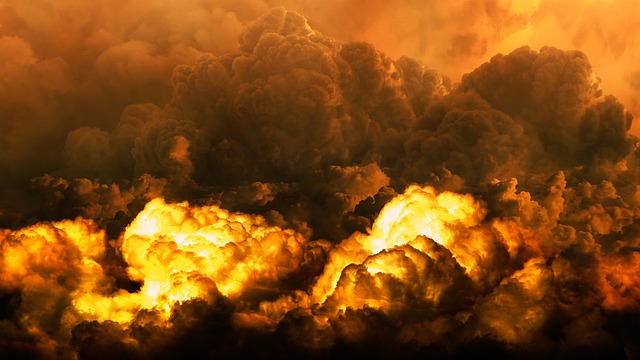
Worlds End
World’s End, Sri Lanka: The Cliff That Drops 870 Metres Into the Lowlands World’s End is a sheer escarpment in the Horton Plains National Park where the plateau edge drops approximately 870 metres in a near-vertical cliff to the southern lowland jungles below. On clear mornings, the view stretches past tea plantations and hill country forests to the Indian Ocean. On a normal morning...
read more
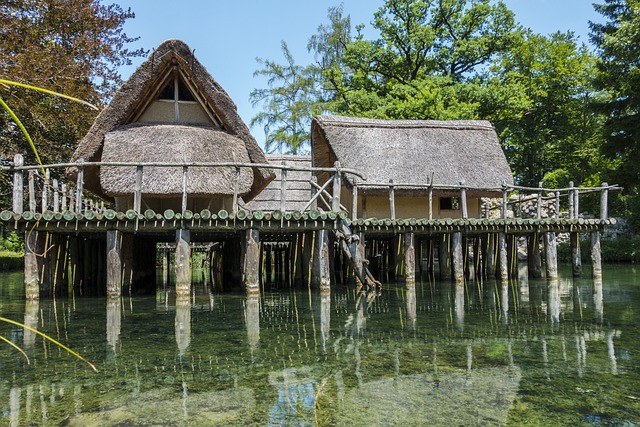
Brú Na Bóinne Neolithic Site \(County Meath, Ireland\)
Every year, about 50 people win the lottery for the Newgrange winter solstice viewing: they enter the 19-metre passage tomb before dawn on the shortest day of December, stand in the small chamber at the end, and watch a shaft of sunlight travel through the roof box and illuminate the back wall for about 17 minutes. The rest of the 30,000 annual applicants don’t get in. The alignment was...
read more
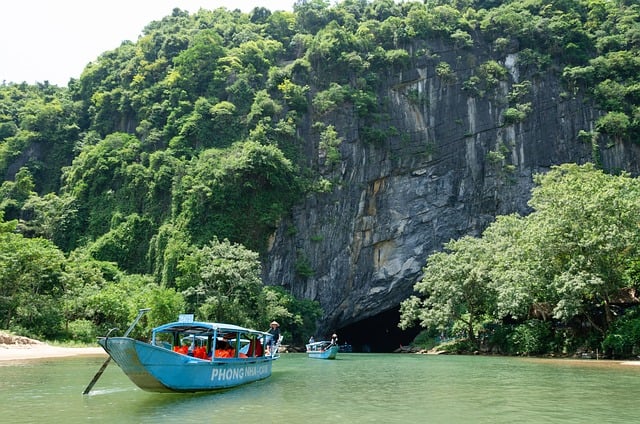
Boat Trip Through Halong Bay, Vietnam
Halong Bay, Vietnam About 2,000 limestone islands and karst formations rise from the Gulf of Tonkin northeast of Hanoi, and the standard overnight cruise takes you through the most dramatic section of them. Halong Bay is one of the most photographed places in Vietnam for obvious reasons: mist-covered limestone pillars, green water, fishing villages on stilts, and the particular quality of light...
read more
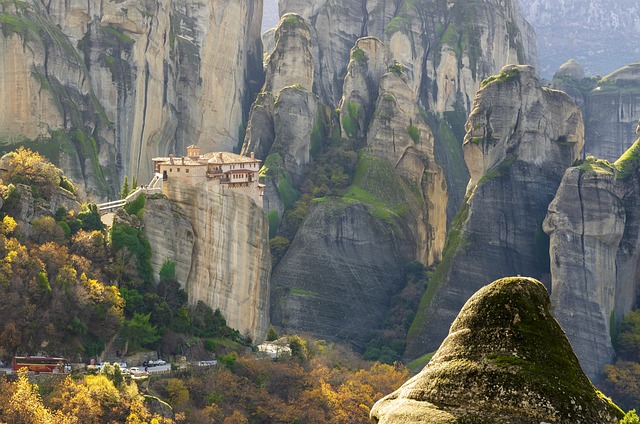
Church in the Rock
Temppeliaukio: Helsinki’s Church in the Rock In 1968, architects Timo and Tuomo Suomalainen won a design competition to build a Lutheran church in a Helsinki neighbourhood already crowded with architecture. Their solution was to build downward: a circular chamber blasted and carved from natural bedrock, topped with a copper dome whose skylights filter natural light down onto walls of raw...
read more
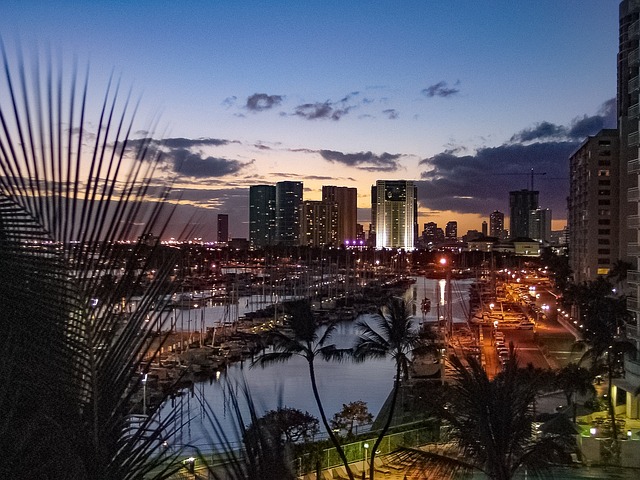
Oahu
Waikiki at the height of summer is expensive, crowded, and exactly what it is: a resort strip optimised for decades to deliver a specific experience. The beach is genuinely beautiful, the water is calm and warm, and the experience of swimming in the Pacific in front of Diamond Head is specific enough to be worth doing. It is also not all of Oahu, and visitors who treat it as the whole island miss...
read more
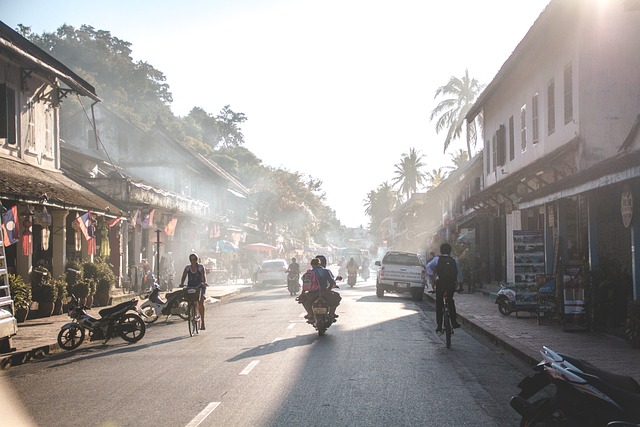
Llao Llao Hotel In The Mountains Of Bariloche, Argentina
Llao Llao and Bariloche: Patagonia’s Alpine Lake District, Without the Alpine Crowds San Carlos de Bariloche sits at the eastern edge of the Andes, 1,600 kilometres south of Buenos Aires, surrounded by Nahuel Huapi National Park. The park covers 710,000 hectares of the Argentine Patagonian Andes, built around a lake system of extraordinary scale: Nahuel Huapi itself is 557 square kilometres,...
read more
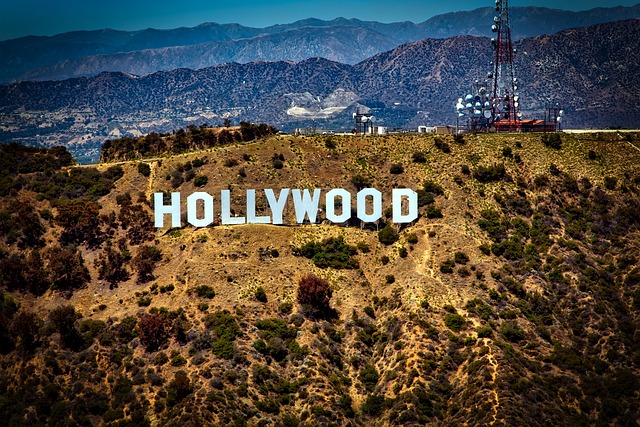
Hollywood Studios, Disney World, Orlando
Star Wars: Rise of the Resistance is consistently rated among the best theme park attractions in the world by people who measure these things, and it lives at Hollywood Studios. The ride uses a combination of screen technology, physical sets, practical effects, and live actors in a multi-phase experience that runs about 18 minutes. The queue regularly exceeds 120 minutes at peak hours. The correct...
read more
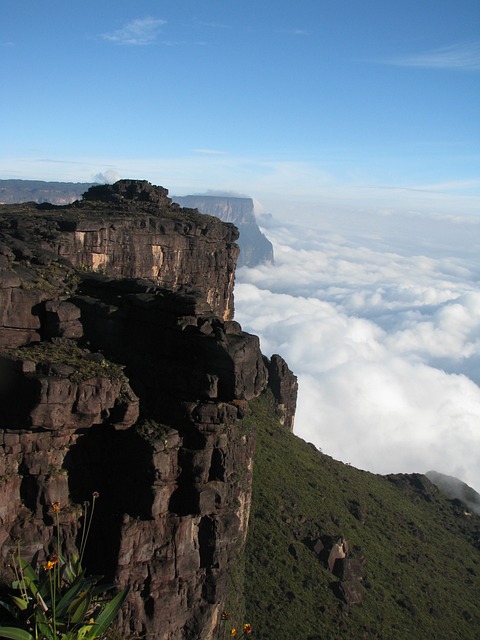
Roraima
Mount Roraima: A Place That Looks Like a Lost World Because It Essentially Is One Mount Roraima rises from the Guiana Highlands as a table mountain with vertical sandstone walls 400 metres high and a flat summit plateau of 31 square kilometres. It sits at the convergence of Venezuela, Brazil, and Guyana at 2,810 metres. The summit is a different world: permanently misted, host to carnivorous...
read more
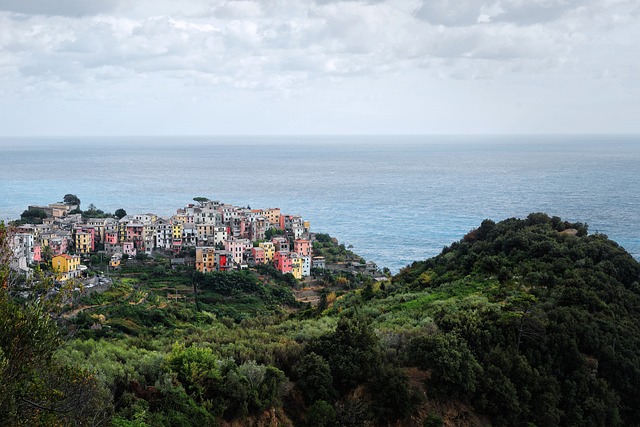
Cinque Terre
Cinque Terre: Five Villages That Instagram Made Overrun, and the One Worth Staying In The Cinque Terre – Monterosso al Mare, Vernazza, Corniglia, Manarola, and Riomaggiore – are five fishing villages on the Ligurian cliffside, connected by centuries of terraced vineyards, a coastal railway, and now by more day-trippers than the villages can reasonably absorb. The Italian government has...
read more
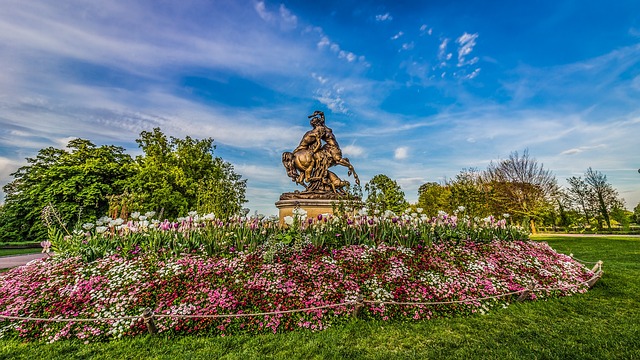
Parc G Ell
Eusebi Güell commissioned Antoni Gaudí to build a garden city on the hill above Barcelona in 1900. The plan was 60 residential plots for wealthy families, connected by a system of viaducts and terraces. By 1914, only two houses had sold. Güell’s family gave the failed development to the city as a public park in 1926. The mosaic salamander fountain, the tiled esplanade, and the Hypostyle Hall...
read more
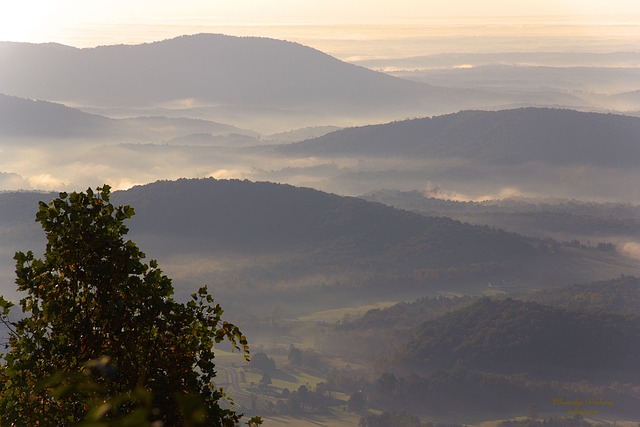
Blue Ridge Parkway
The Blue Ridge Parkway was built as a public works project during the Great Depression, beginning in 1935. The design principle was that the road would have no commercial traffic, no towns, and no intersections with other major roads except at specific access points. The result is 469 miles of Appalachian mountain driving from Shenandoah National Park in Virginia to Great Smoky Mountains National...
read more
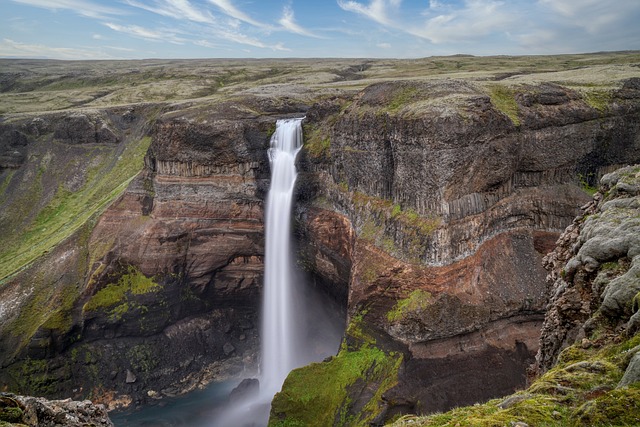
Cheddar Gorge
Cheddar Gorge, Somerset Cheddar Gorge is England’s largest gorge: nearly 400 feet (137 metres) deep and 3 miles long, cut through Carboniferous limestone by glacial meltwater at the end of the last ice age. It is also one of the most archaeologically significant sites in Britain. Gough’s Cave, at the gorge’s western end, is where Cheddar Man was found in 1903 – a...
read more
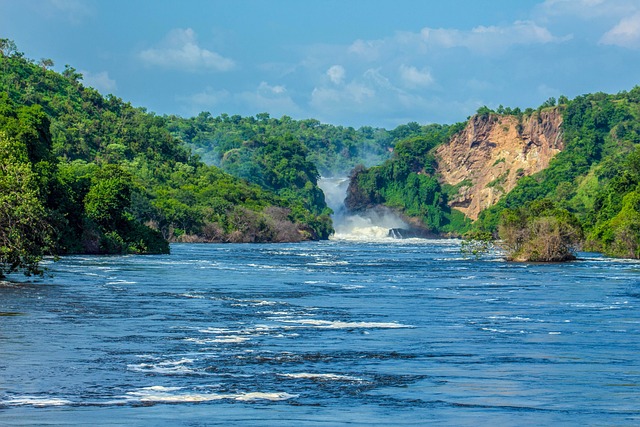
Murchison Falls Uganda
Murchison Falls: Where the Nile Gets Compressed Into Seven Metres The entire volume of the Nile, carrying around 300 cubic metres of water per second in the wet season, is forced through a seven-metre gap in the Rift Valley escarpment and drops 43 metres. The noise is audible from kilometres away. The spray creates a permanent rainbow in good light. Samuel Baker, the British explorer who was the...
read more
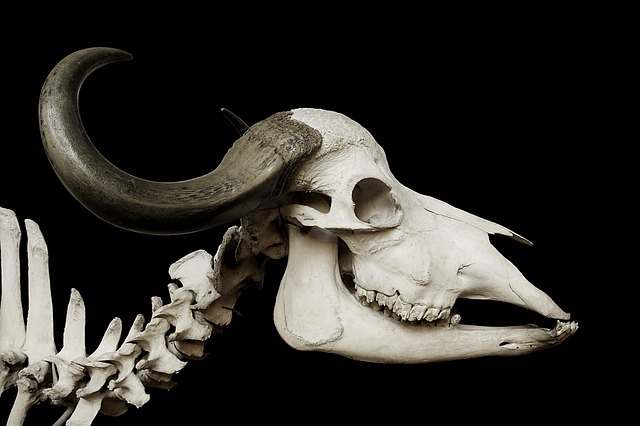
Skeleton Coast
The Skeleton Coast: Namibia’s Graveyard Shore Few places in Africa carry the weight of this one’s name. The Skeleton Coast stretches roughly 500 kilometres along Namibia’s Atlantic edge, from the Ugab River in the south to the Kunene River on the Angolan border, and it earns its reputation honestly. The Benguela Current sweeps cold, fog-dense air off the ocean daily; the fogs...
read more
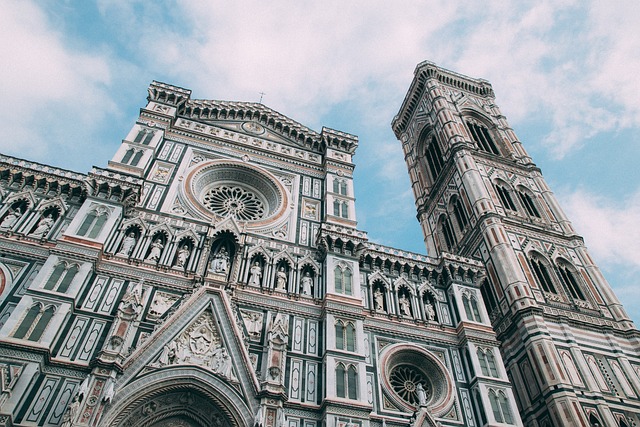
Santa Maria Del Fiore Duomo Di Firenze Florence Cathedral
When Filippo Brunelleschi won the commission to complete the Florence Cathedral in 1420, the 44-metre-wide hole in the roof had been sitting uncapped for over a century. No one knew how to vault a span that wide without flying buttresses or the enormous wooden frameworks that conventional Gothic construction required. Brunelleschi spent 16 years inventing the solution: a double-shell octagonal...
read more
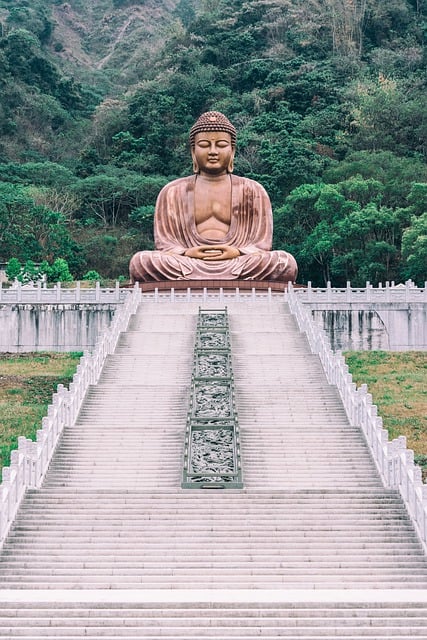
Grand Buddha Leshan
A monk named Haitong began carving a Buddha into the cliff face at Leshan in 713 CE not for devotional reasons alone, but because dangerous river currents at the confluence below were sinking boats. He believed the carved Buddha would calm the waters through spiritual force. The displaced stone from the carving was deposited into the river, altering the hydraulics. The boats stopped sinking....
read more
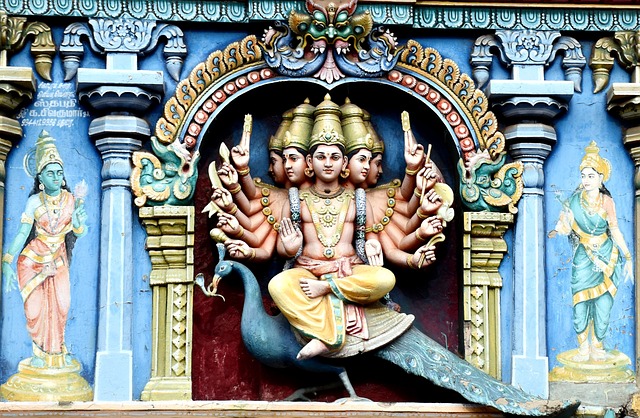
Visit Madurai Meenakshi Amman Temple
Madurai and the Meenakshi Amman Temple Madurai is one of the oldest continuously inhabited cities in India – some estimates put continuous settlement at over 2,500 years – and the Meenakshi Amman Temple is the reason most visitors come. It is a functioning Hindu temple, not a museum piece, which means it can be loud, crowded, fragrant with incense and coconut oil, and full of barefoot...
read more
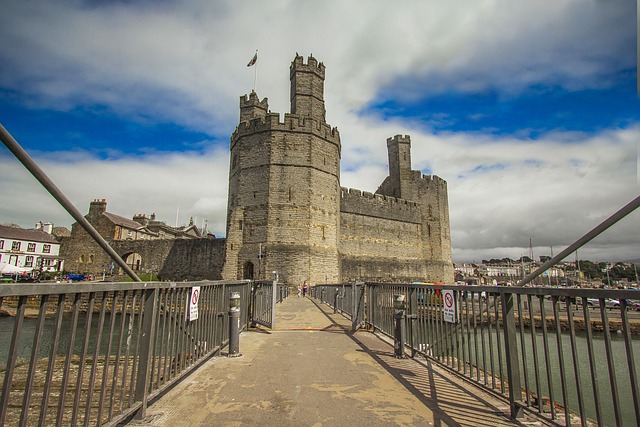
Caernarfon Castle
Caernarfon Castle: What Edward I Actually Built Here Edward I did not build Caernarfon Castle to be admired. He built it to subjugate a country. Construction began in 1283 in the wake of the conquest of Wales, and the design, with its polygonal towers, banded masonry, and eagle battlements, was deliberately modelled on the walls of Constantinople. The symbolism was pointed: this was a statement...
read more
Blarney Stone Cork
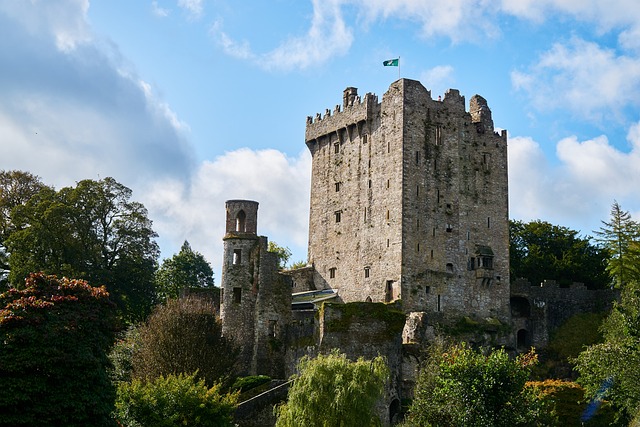
Blarney: Skip the Queue for the Stone, Stay for the Forest The Blarney Stone is set into the parapet of a castle tower in County Cork, and to kiss it you lie on your back and lean out over a gap in the battlements while someone holds your feet. The “gift of eloquence” supposedly imparted by this procedure is unprovable, but the view from the top of the 1446 tower – green Irish...
read more
Windsor Castle
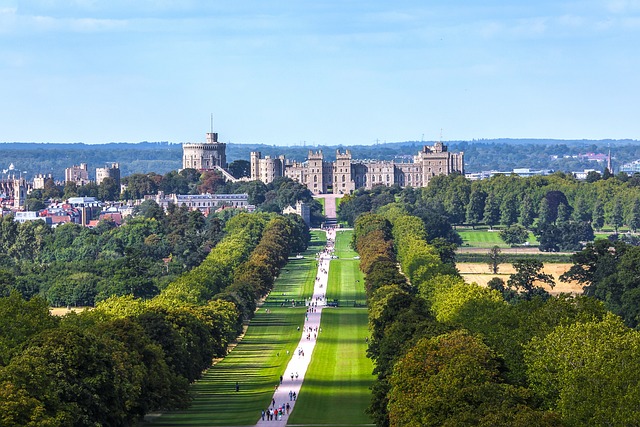
Windsor Castle: Still Working, Still Worth the Trip Windsor Castle is the oldest and largest occupied castle in the world, and the Royal Family uses it regularly, which creates a planning headache visitors often underestimate. The State Apartments close when the King is in residence, which happens without much advance notice. Check the official Royal Collection Trust website the day before you...
read more
Tsukiji Fish Market Japan
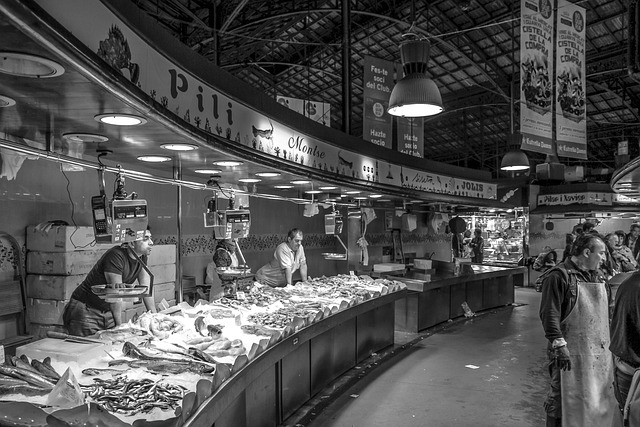
Tsukiji: The Outer Market Still Thrives, the Tuna Auction Moved The most important thing to know before going to Tsukiji is that the wholesale tuna auction left in 2018. If the early-morning auction is the reason you are going, head to Toyosu Market in Koto Ward instead – the lottery system for visitor slots operates online through the Tokyo Central Wholesale Market website, and spots book...
read more
Glover S Reef
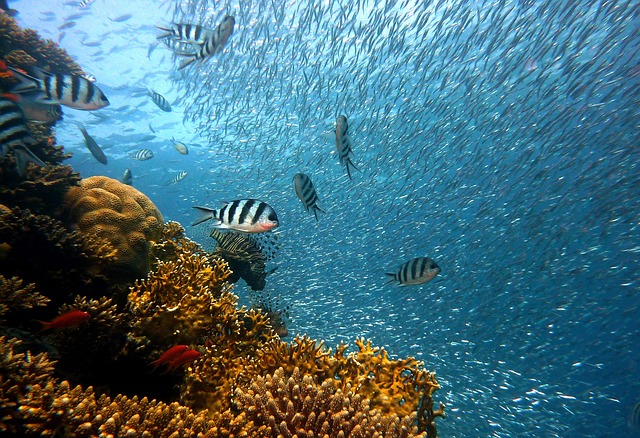
Glover’s Reef sits 45 kilometres offshore from southern Belize and has no ferry. You fly to Belize City, get to Dangriga or Placencia on the south coast, then take a boat transfer to the atoll through a lodge package. Most of the journey to one of the best-preserved coral reef systems in the Caribbean takes the better part of a day to complete. The reef conservation record suggests that this...
read more
Eisriesenwelt
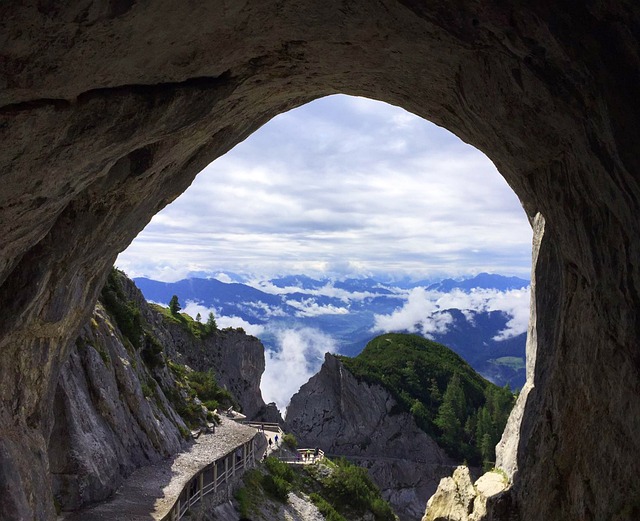
Eisriesenwelt means “World of the Ice Giants” in German. The name was not invented by a tourism board; it describes accurately what you find inside. The cave system in the Tennengebirge mountains above Werfen in Salzburg province extends over 42 kilometres into the mountain, making it the largest known ice cave system on earth. Visitors access the first kilometre. That is enough.
What...
read more
Borobudur, Java, Indonesia
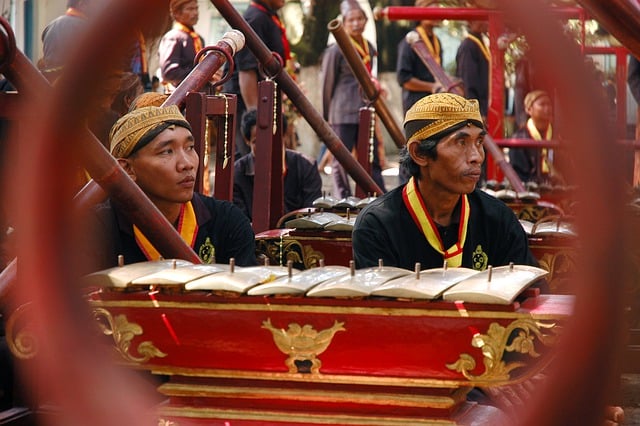
Borobudur, Java, Indonesia Borobudur was built around 800 CE during the Sailendra dynasty and is one of the world’s greatest Buddhist monuments – a nine-tiered stone pyramid rising from the Kedu Valley in central Java, covered in 2,672 relief panels depicting Buddhist teachings and 504 Buddha statues. It was abandoned around the 14th century when Java’s population converted to...
read more
Kathmandu Valley, Nepal
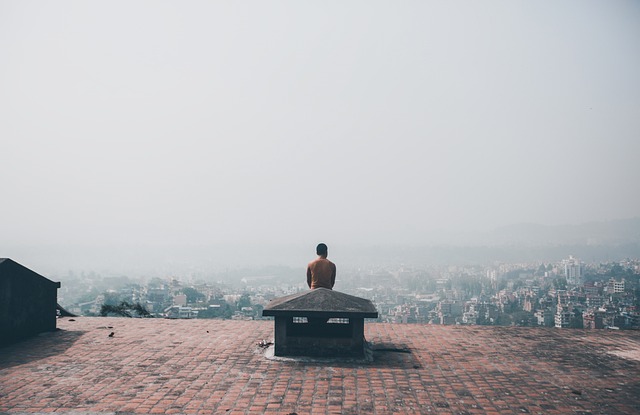
The Kathmandu Valley contains seven UNESCO World Heritage Sites within roughly 20 kilometres of the city centre. Most of them are still functioning religious sites rather than museumified ruins; you visit them while people are praying, making offerings, and conducting rituals that have happened in these places for over a thousand years. That is the significant difference from most historic city...
read more
Chartres Cathedral
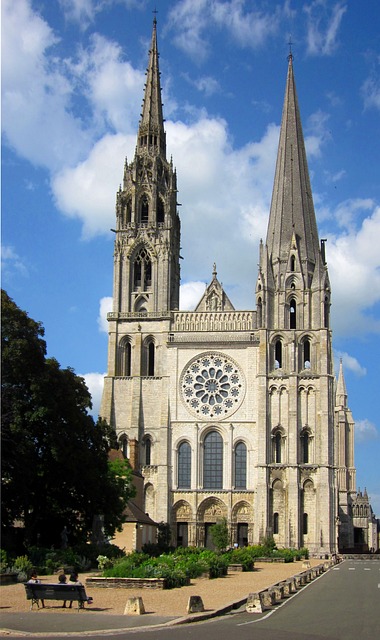
Chartres Cathedral The windows are the first thing people talk about, but the thing that actually stops you when you walk through the door is the quality of light they produce. Chartres blue – the cobalt tone achieved through medieval glassmaking techniques nobody has fully replicated – turns the interior into something between a cave and a sky. There are 176 stained glass windows...
read more
Antarctica
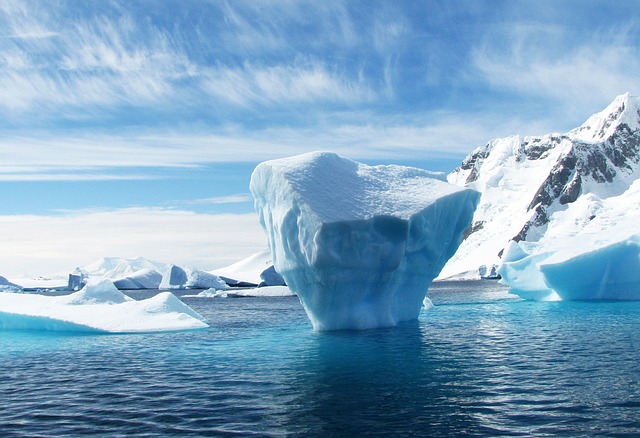
Antarctica: The Only Continent No One Has Ever Lived On Antarctica was the last continent to be discovered (around 1820, by competing Russian, British, and American expeditions within months of each other, and arguments about the exact date continue), and it remains the only one never to have had indigenous human inhabitants. There are no cities. There is no government claiming the continent, only...
read more
Waitomo Caves, New Zealand
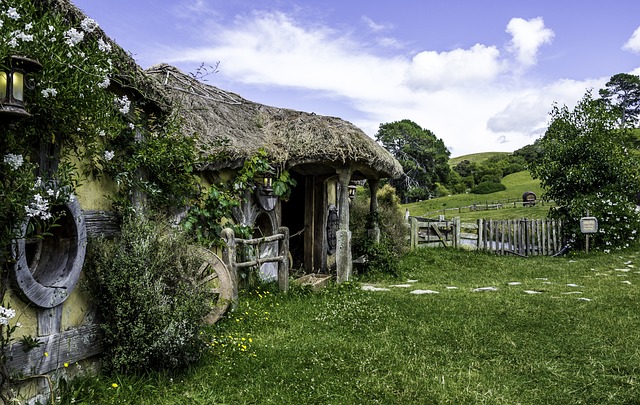
Waitomo Caves: What the Glowworms Actually Are The thing people get wrong about Waitomo is calling them glowworms. Arachnocampa luminosa is a species of fungus gnat found only in New Zealand and parts of Australia. The larval stage hangs sticky silk threads from the cave ceiling to trap insects, and produces bioluminescent light to attract prey. Each “glowworm” is a larva in its...
read more
Serengeti National Park, Tanzania
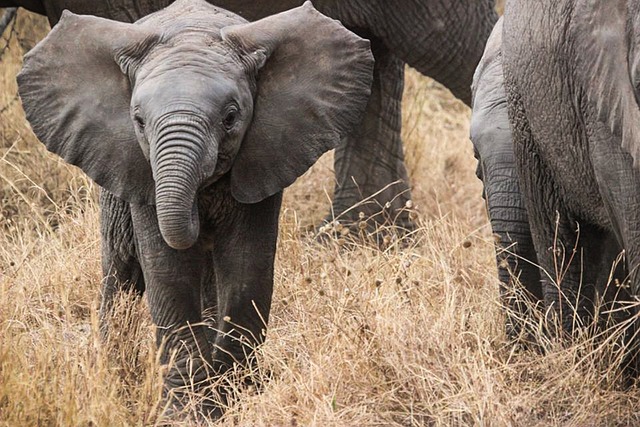
Any operator who tells you they can guarantee a Mara River crossing on a specific game drive is not being straight with you. The crossing happens when the wildebeest decide to cross, which can be triggered by a lion on the bank, a crocodile moving in the water, or nothing discernible at all. You wait at the river. Sometimes three hours, sometimes an afternoon. The crossing that finally happens is...
read more
The Blue Lagoon, Iceland
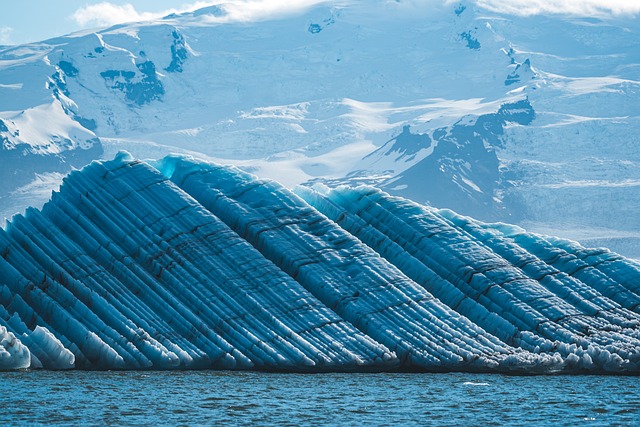
The Blue Lagoon: What It Actually Is and Whether You Should Go The Blue Lagoon is not a natural lake. It is the overflow from the Svartsengi geothermal power plant, built in 1976, where seawater is pumped from the ground and used to generate electricity and heat. The warm, mineral-rich water discharged from the plant collected in the surrounding lava field and turned a vivid milky blue from the...
read more
Shwedagon Pagoda
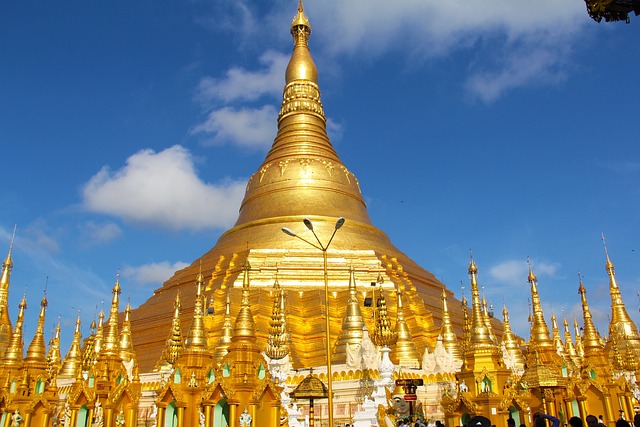
Shwedagon Pagoda: What It Actually Takes to See It Right The Shwedagon is 99 metres tall – not 112 as some sources claim; the current figure accounts for the umbrella-crown measurement – covered in real gold plates, and topped with thousands of diamonds and rubies. It has been standing on Singuttara Hill in Yangon for at least 600 years, though the pagoda itself claims 2,600. Whether...
read more
Old Quebec Vieux Qu Bec
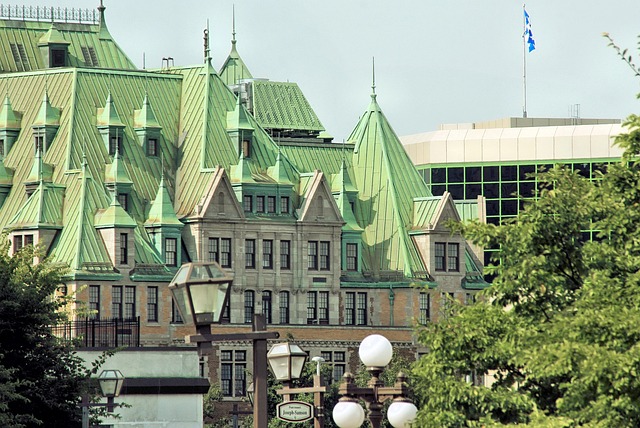
Vieux-Quebec: The Only Fortified City North of Mexico, on a Cliff Above the St. Lawrence Old Quebec sits on a headland of Cap Diamant, where the St. Lawrence River narrows enough to be effectively defensible. Samuel de Champlain understood this in 1608 when he established the French settlement here; the British understood it when they built the fortification walls that still stand; and the...
read more
Taj Mahal
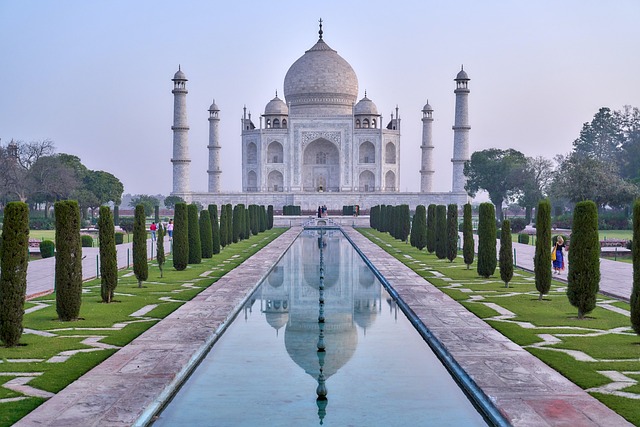
Taj Mahal, Agra The Taj Mahal was commissioned by Mughal Emperor Shah Jahan for his wife Mumtaz Mahal, who died in 1631 during the birth of their fourteenth child. Construction began in 1632 and was completed in 1653, employing an estimated 20,000 artisans and using materials sourced across Asia – white Makrana marble from Rajasthan, jasper from Punjab, jade and crystal from China, lapis...
read more
Wembley Stadium
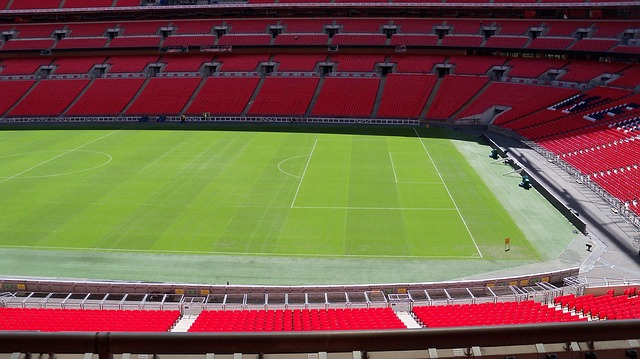
Wembley Stadium: Visiting England’s National Ground The current Wembley opened in 2011 with a 90,000-seat capacity, replacing the original 1923 structure. The arch that tops it – 133 metres at its highest point – is visible from much of northwest London and has become, depending on who you ask, either a distinctive modern landmark or an expensive engineering exercise that could...
read more
Mont St Michel
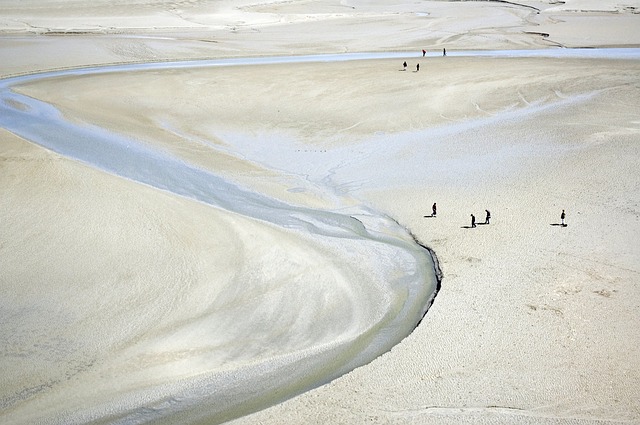
Mont Saint-Michel: Plan Around the Tide, Not the Abbey The tide at Mont Saint-Michel can rise 14 metres in a matter of hours. On a spring tide with a coefficient above 100 – which happens roughly monthly, most dramatically around the March and September equinoxes – the bay transforms from a flat expanse of sand into open water at a pace that is genuinely startling to watch. The old...
read more
Bucovina
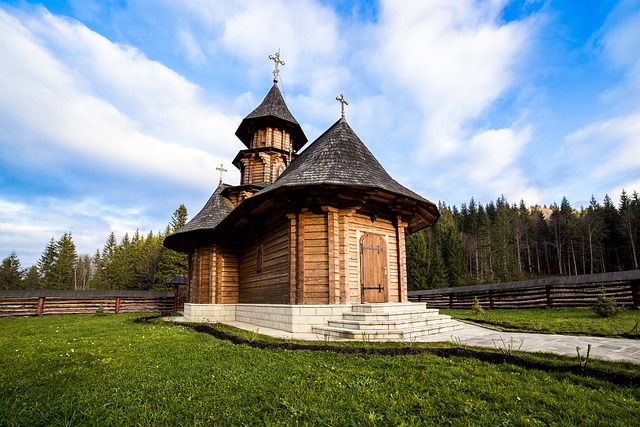
Bucovina, Romania: The Painted Monasteries The exterior frescoes at Voroneț Monastery have survived outdoors for more than 500 years, through Moldavian winters, acidic rain, and the full violence of Bucovina’s seasonal weather. The pigment chemistry behind the famous “Voroneț blue” remains incompletely explained; no one has fully replicated its stability under outdoor conditions....
read more