Recent Mad Traveller
Winter Palace
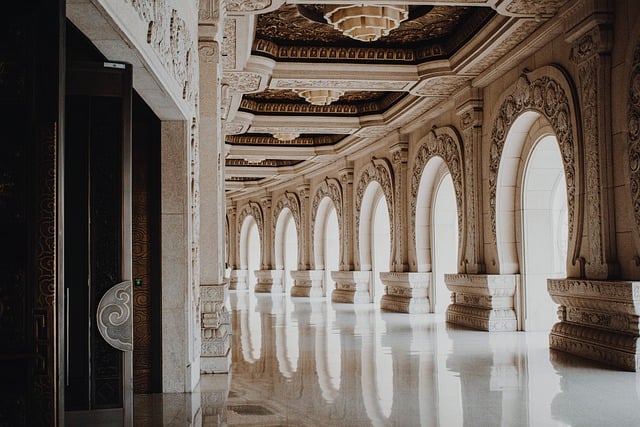
A practical note before anything else: since Russia’s invasion of Ukraine in February 2022, St Petersburg has been effectively closed to Western visitors. International flights are severely restricted, Western credit cards no longer function, and most Western governments advise against travel to Russia. This post documents the Winter Palace and Hermitage as they are, for when travel...
read more
Salar De Uyuni
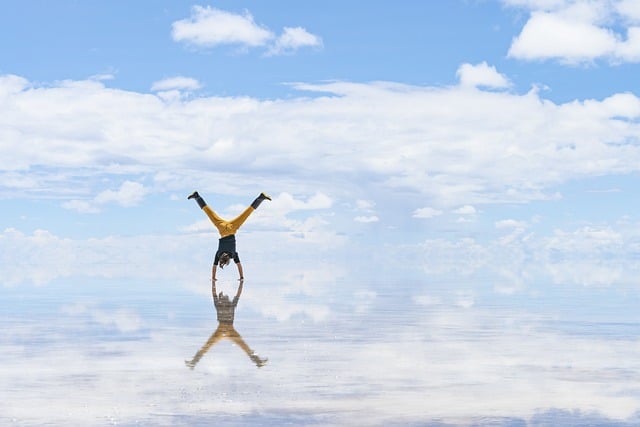
During the rainy season (December through March), a thin layer of water covers the Salar de Uyuni and the entire flat becomes a perfect mirror. The sky reflects at your feet; the horizon disappears; the landscape becomes spatially undifferentiated in a way that is nearly hallucinatory. This is why the rainy season is often the better time to visit, despite what the dry-season photography tours...
read more
Dine on Fresh Seafood at a Beachfront Restaurant in Bahia Brazil
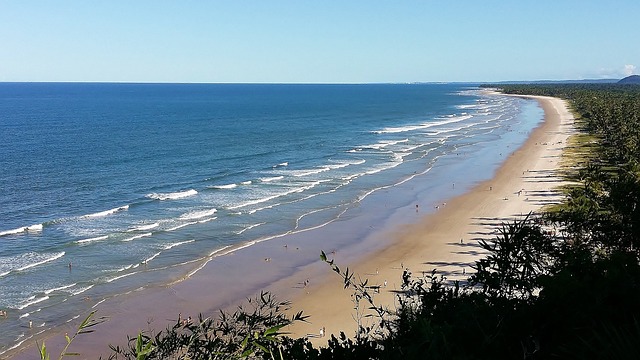
Eating Seafood in Bahia, Brazil Bahia is the state on Brazil’s northeastern coast that absorbed the largest proportion of the Atlantic slave trade, and its food reflects that history more directly than almost anywhere else in the country. The Afro-Brazilian culinary tradition here is anchored in dendê (red palm oil), coconut milk, and West African techniques that arrived with the enslaved...
read more
Whitsunday Islands National Park Qld
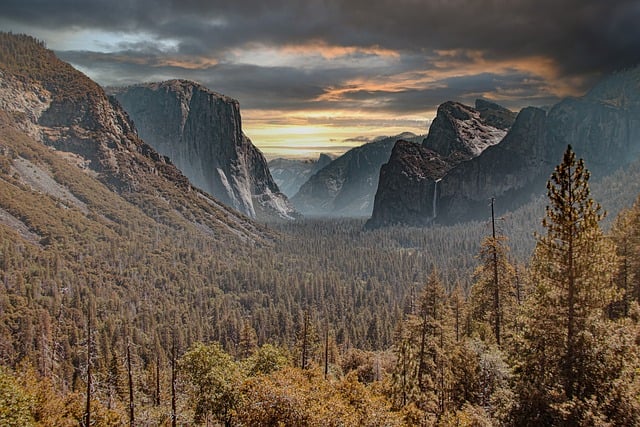
The sand on Whitehaven Beach is 98 percent silica, which means it stays cool underfoot even in tropical midday heat and has a texture close to talcum powder. It does not heat up the way dark sand does, which is one of the few practical advantages of visiting a beach famous enough to be genuinely crowded on peak summer days. The key fact about the Whitsundays is that you experience them on the...
read more
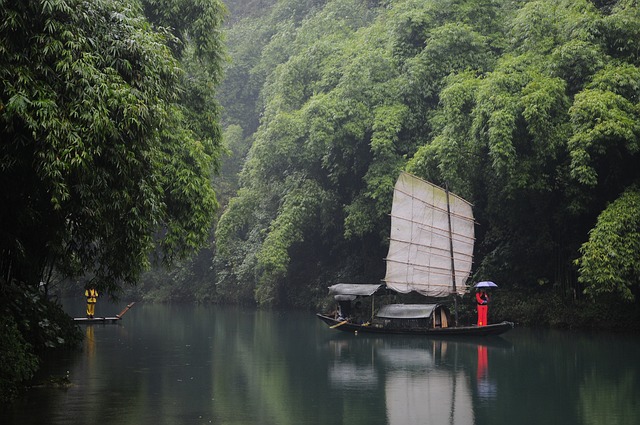
Three Gorges Dam, China
Three Gorges Dam: China’s Most Contested Engineering Achievement The numbers are hard to absorb: 2,335 metres wide, 185 metres tall, a reservoir stretching nearly 600 kilometres upstream into Chongqing municipality. Construction took 17 years and displaced roughly 1.3 million people from towns and villages that were simply flooded out of existence. The dam generates around 100 billion...
read more
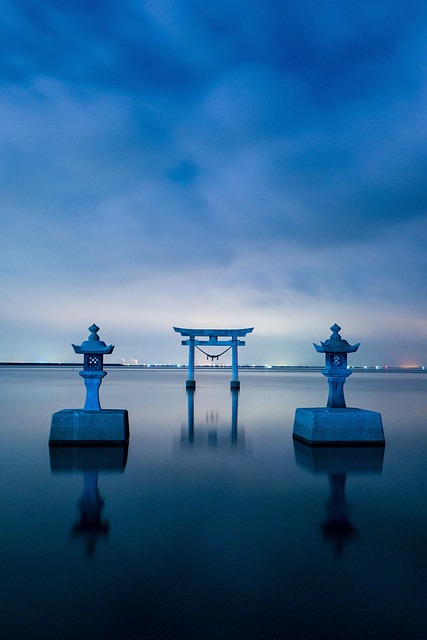
Toshogu Shrine
Tokugawa Ieyasu unified Japan after a century of civil war and died in 1616. The following year, his grandson commissioned a shrine on a scale specifically designed to project the permanence of Tokugawa rule: 55 buildings, every surface carved and lacquered, every detail communicating that this dynasty would last as long as the sun and moon. The dynasty lasted 250 years. The shrine has been...
read more
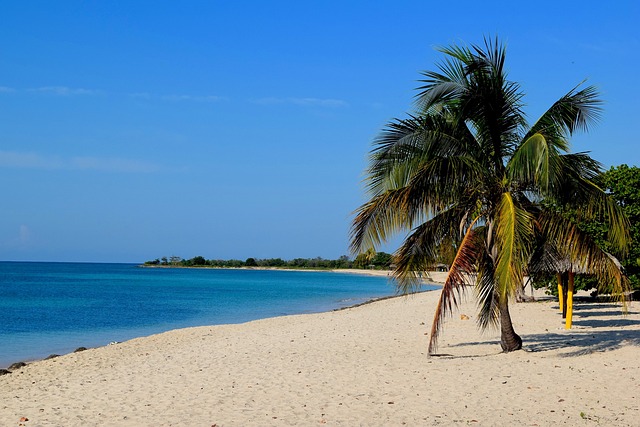
Trinidad
Trinidad: Caribbean Carnival, Bird Life, and the Sharpest Food in the Region Trinidad is the larger of the two islands forming the Republic of Trinidad and Tobago, separated from Venezuela’s northeastern coast by just 11 kilometres. The island is culturally unlike any other place in the Caribbean: its oil economy, dense multi-ethnic population (Indo-Trinidadian, Afro-Trinidadian, Chinese,...
read more
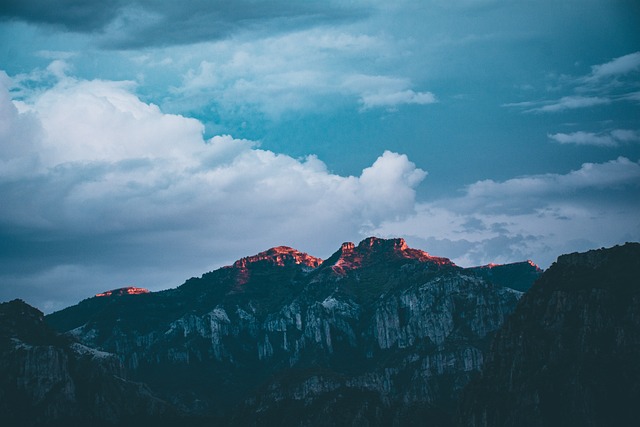
Copper Canyon Mexico
Copper Canyon: Bigger Than the Grand Canyon The Barrancas del Cobre system in Chihuahua state covers around 65,000 square kilometres. It comprises six interconnected canyons, four of which are deeper than the Grand Canyon. The Grand Canyon is deeper at its maximum; the Copper Canyon system covers about four times the area. The comparison is usually made in favour of the Grand Canyon because the...
read more
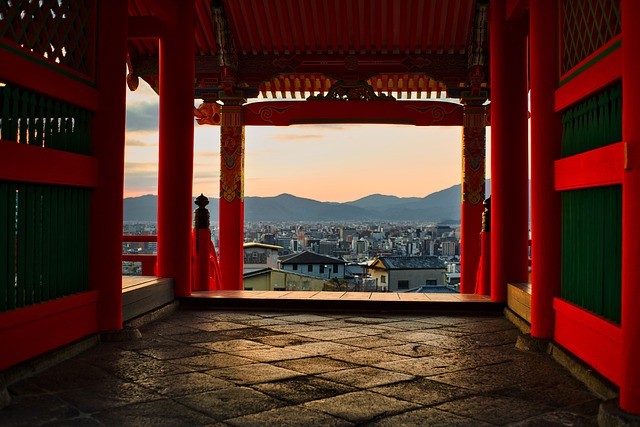
Kiyomizu Dera
Kiyomizu-dera: The Temple That Has Survived Fire Sixteen Times Kiyomizu-dera has been rebuilt after burning down repeatedly over its 1,200-year history, most recently in 1633. The current main hall is that Edo-period reconstruction – a massive wooden structure built without a single nail, cantilevered out over the slope of Mount Otowa on 139 wooden pillars. The platform extends 13 metres...
read more
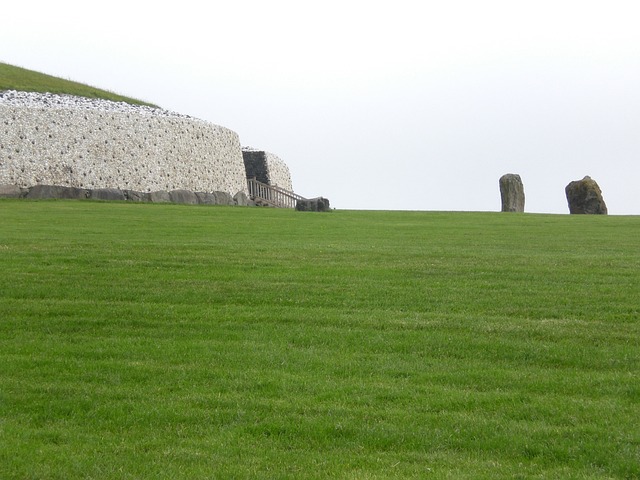
Newgrange
Newgrange, County Meath, Ireland Newgrange is older than the Giza pyramids by about 600 years and older than Stonehenge by 1,000. Built around 3200 BCE, it is a passage tomb in the Boyne Valley roughly 50 kilometres north of Dublin: a circular mound about 85 metres in diameter and 13 metres high, covering a stone-lined passage leading to a cruciform burial chamber at its centre. The engineering...
read more
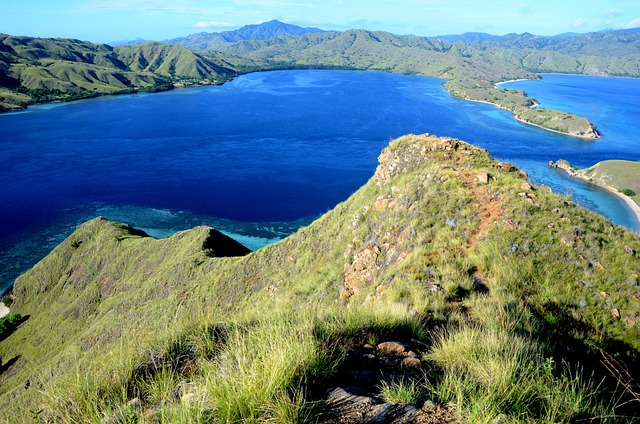
Komodo Island, Indonesia
Komodo Island, Indonesia The park ranger carries a forked stick. This is not theatre. Komodo dragons are the largest living lizards on earth – adults reach 3 metres, weigh up to 70 kilograms, have venom glands that prevent blood clotting in prey, and are capable of killing deer, pigs, and occasionally adult water buffalo. They are also fast over short distances. The forked stick is how...
read more
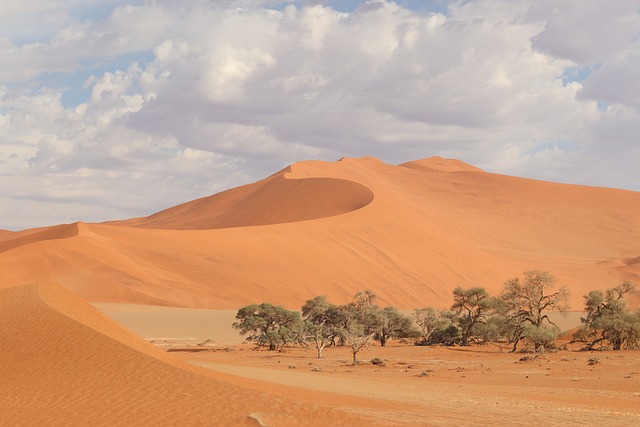
Kolmanskop, Namibia
In 1908, a worker named Zacharias Lewala found a diamond in the sand near Lüderitz on Namibia’s Atlantic coast. Within two years, the German colonial authorities had built a town at Kolmanskop with a hospital, theatre, bowling alley, and an ice factory. The ice factory is worth pausing on: delivering ice to a desert town in the early 20th century was a substantial engineering commitment and...
read more
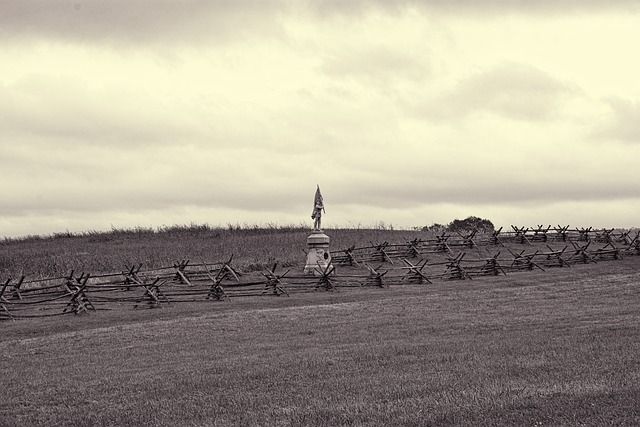
Gettysburg Battlefield
On July 3, 1863, Confederate infantry crossed three-quarters of a mile of open Pennsylvania farmland toward the Union line on Cemetery Ridge. The assault, known as Pickett’s Charge, was ordered by Robert E. Lee despite the objections of his corps commander James Longstreet, who believed it could not succeed. Approximately 12,000 men began the crossing; roughly half were killed, wounded, or...
read more
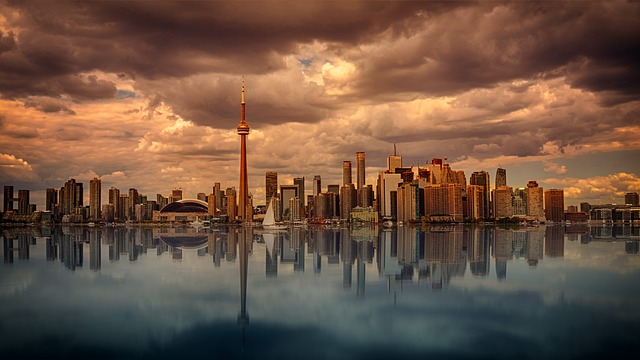
Gasp Peninsula Canada
The Bonaventure Island gannet colony is one of the largest in the world with about 110,000 birds. When you reach the viewing platform at the cliff edge, the noise hits before the sight does: a wall of sound that the biologists on site tell you carries for several kilometres offshore. The birds land, dispute territory, feed their chicks, and launch off the cliff face at close range. It is one of...
read more
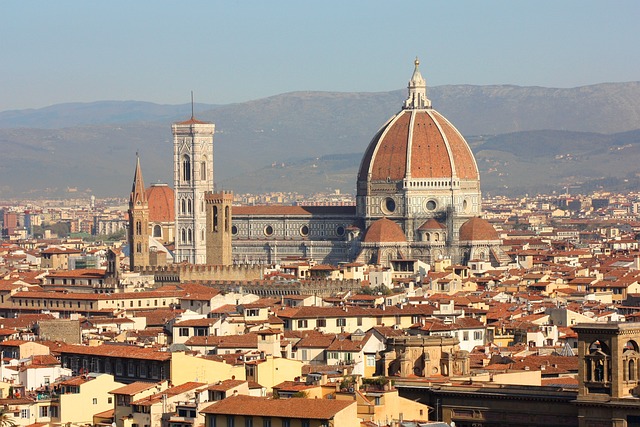
Duomo, Florence
The Florence Duomo: What You Actually Need to Know Before You Queue Filippo Brunelleschi won the commission to dome the Florence Cathedral in 1418 without having any idea how he would do it. The cathedral had been under construction for over a century with the drum and walls complete, and the space at the top had been open to the sky for decades because no architect could figure out how to span...
read more
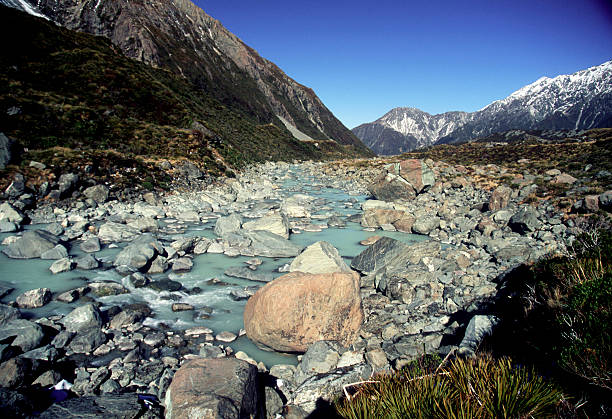
Aoraki Mount Cook National Park New Zealand
Aoraki/Mount Cook National Park, New Zealand Aoraki – “Cloud Piercer” in Ngai Tahu Maori – is the highest point in New Zealand at 3,724 metres. In Ngai Tahu mythology, Aoraki and his brothers became the South Island itself after their canoe ran aground and turned to stone; the peaks are the most sacred ancestors of the iwi. Sir Edmund Hillary, who later became the first...
read more
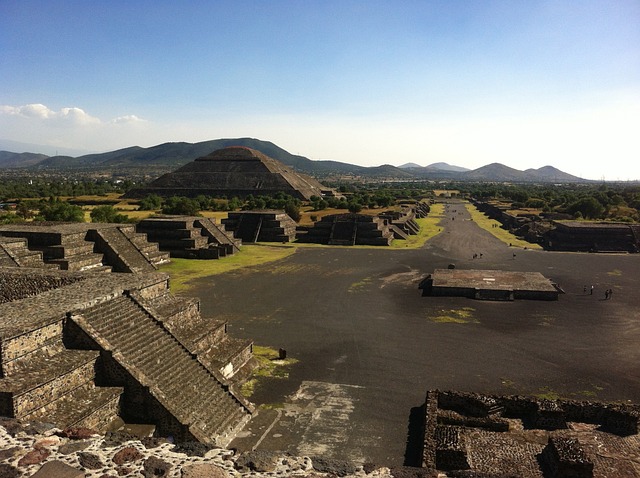
Teotihuacan
Teotihuacan: The City That Predates the Aztecs by a Thousand Years, and Nobody Knows Who Built It The Aztecs found Teotihuacan already abandoned when they arrived in the Valley of Mexico around 1250 CE. The city had been empty for roughly 600 years. They named it “place where men become gods” and built it into their mythology as the site where the gods created the current sun. Who...
read more
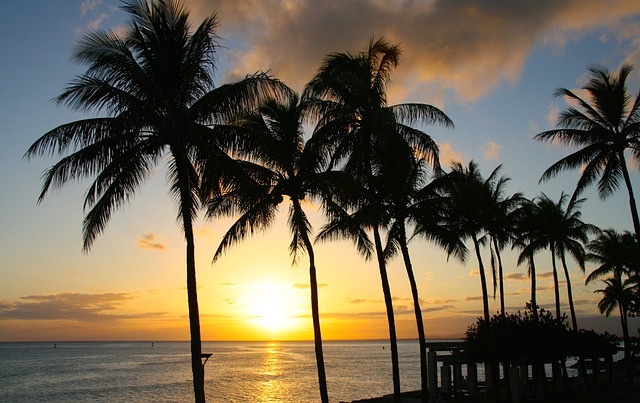
Waikiki
Waikiki: What the Two Miles of Beach Actually Offers Waikiki is a mature resort district doing what it does reliably well. The question is not whether it is touristy (it is, obviously) but whether it suits what you actually want from a Hawaiian holiday. For families or first-timers wanting easy beach access, consistent surf conditions, and every service within walking distance, Waikiki is an...
read more
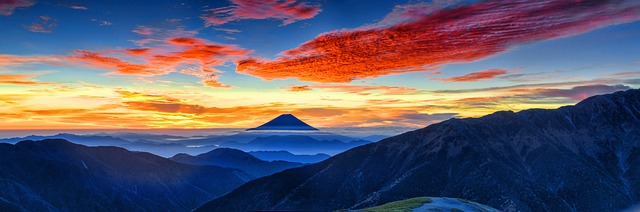
Mt Fuji
Mount Fuji, Japan Fuji-san stands 3,776 metres and on a clear day is visible from Tokyo, 100 kilometres away. On a clear day. The mountain generates its own weather and sits under cloud cover more often than its postcard reputation suggests. The views from the Five Lakes district at dawn with the reflection in Lake Kawaguchiko are the photos you’ve seen; they require luck and an early start....
read more
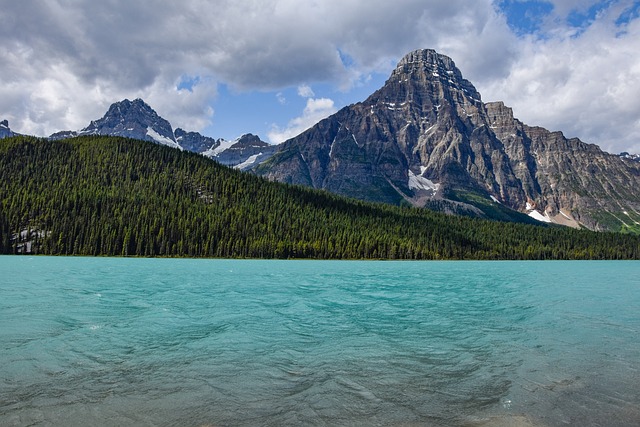
Banff National Park
Banff National Park Moraine Lake Road is closed to private vehicles year-round. This is the fact that catches most first-time Banff visitors unprepared. To reach one of the most photographed lakes in Canada – the one that was on the old $20 bill, the one that appears in roughly 40% of Banff Instagram content – you must take a shuttle bus. The Parks Canada shuttle runs from June 1...
read more
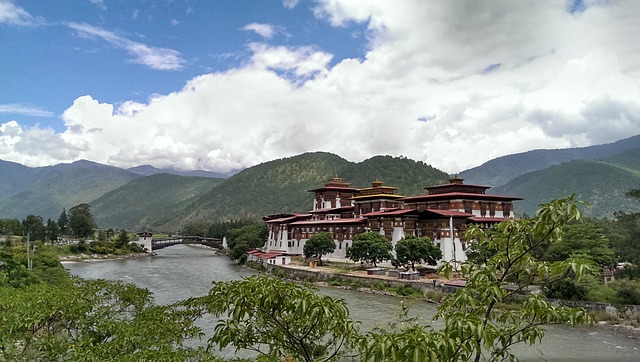
Punakha Dzong
Punakha Dzong: Bhutan’s Most Beautiful Fortress Bhutan’s Punakha Dzong sits on a narrow tongue of land where two rivers meet, and twice a year the Pho Chhu (Father River) floods and the dzong becomes an island. The monks who live there from November to May, when the warmer valley climate makes Punakha the preferred winter base over the capital Thimphu, have seen this enough times to...
read more
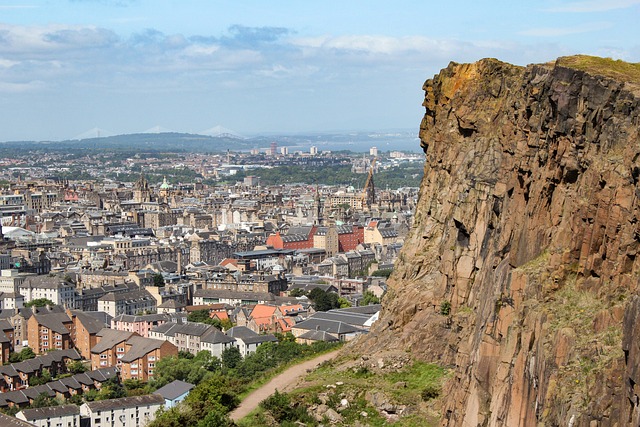
Arthurs Seat
Arthur’s Seat, Edinburgh Arthur’s Seat is an extinct volcanic crag sitting 251 metres above sea level in the middle of Edinburgh, a 15-minute walk from the Royal Mile. It looks like a proper Highland hill, and in most weather it behaves like one. Bringing the hill with you into a trip to Edinburgh is the most underrated thing you can do – the view from the summit over the city,...
read more
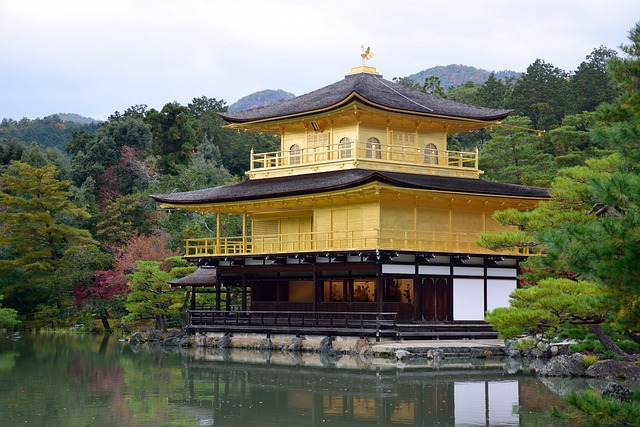
Visit Kinkaku Ji
In July 1950, a novice monk named Hayashi Yoken burned Kinkaku-ji to the ground. He survived, was arrested at the scene, and told investigators he had wanted to destroy something that he believed was too perfect to exist. Mishima Yukio fictionalised the event in his 1956 novel The Temple of the Golden Pavilion, which turned the arson from a criminal case into a philosophical meditation on beauty...
read more
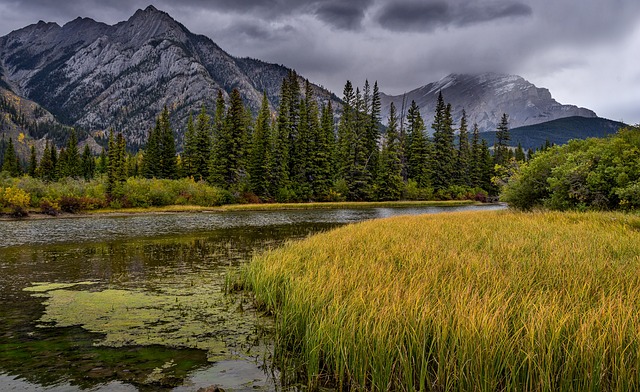
Rocky Mountain National Park, U.S.
Trail Ridge Road crosses Rocky Mountain National Park from east to west, rising to 12,183 feet at its highest point. For more than 11 continuous miles the road runs above the treeline through tundra ecosystem: the same terrain found in the High Arctic and the Himalayas, accessible in a standard passenger car. The high-tundra wildflowers in July are extraordinary and the views extend hundreds of...
read more

Pol E Khaju
Pol-e Khaju: Isfahan’s Most Useful Bridge On a warm evening, the lower gallery of Pol-e Khaju is doing several things at once. Families have spread out on the stone steps. University students are working through homework. An old man is playing a stringed instrument in one of the alcoves, not performing exactly, just playing. Someone else has set up a portable speaker. The tea rooms built...
read more
Grand Teton National Park, Wyoming
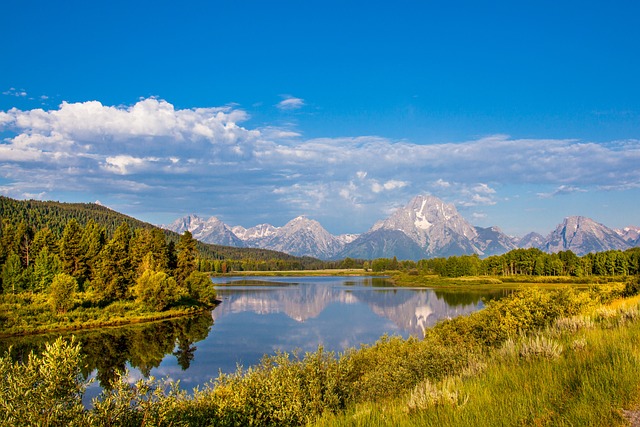
Grand Teton sits immediately south of Yellowstone, which means most visitors treat it as a secondary stop or drive-through on their way north. This is a mistake. The Teton Range rises 7,000 feet above the flat floor of Jackson Hole without any foothills as transition, one of the most abrupt mountain profiles in North America, and unlike Yellowstone the park has genuinely walkable high-country...
read more
Angel Falls
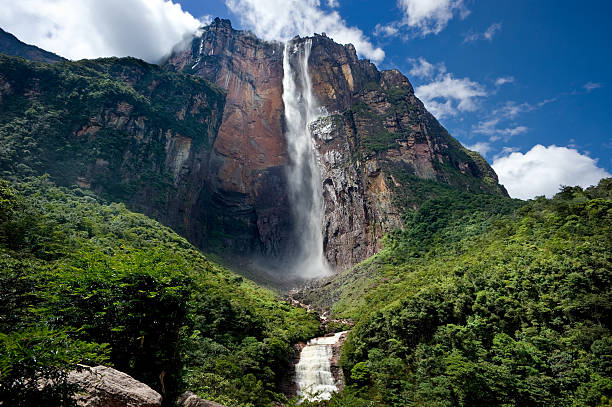
American aviator Jimmie Angel was searching for gold ore deposits when he first flew over the waterfall in 1933. He returned in 1937, attempted to land on the Auyantepui plateau, and crashed his plane in the boggy summit terrain. He and his crew walked out through jungle for eleven days. The waterfall that bears his name is 979 metres high, which means it is roughly the height of two Empire State...
read more
Cave of Altamira and Paleolithic Cave Art of Northern Spain
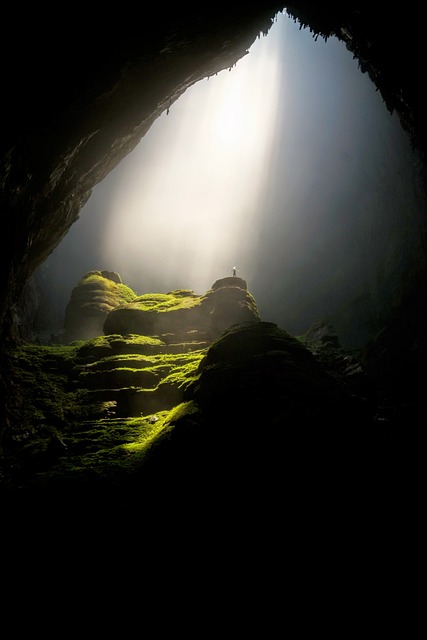
Altamira: The Cave Art That the 19th Century Refused to Believe Was Real When Marcelino Sanz de Sautuola described the paintings at Altamira in 1879, the scientific establishment dismissed them. The polychrome bison on the ceiling of the main chamber, painted in ochre, charcoal, and manganese oxide, were too accomplished and too naturalistic for what scholars imagined prehistoric humans could...
read more
Giants Causeway
The geology explanation for the Giant’s Causeway is solid: 50 to 60 million years ago, lava flows cooled and contracted, cracking into hexagonal columns. The myth is better: the Irish giant Fionn Mac Cumhaill built a causeway across the North Channel to fight his Scottish rival Benandonner, then disguised himself as a baby when Benandonner arrived and turned out to be even larger....
read more
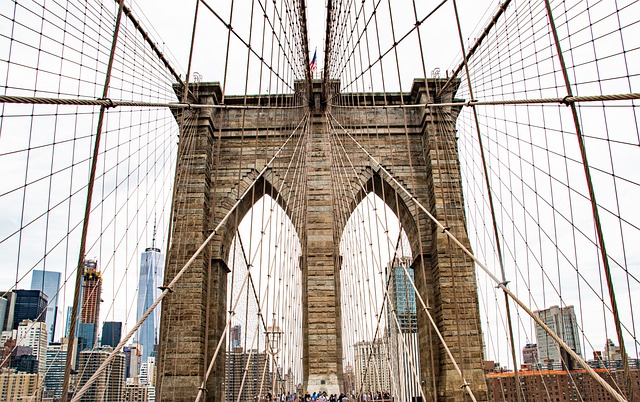
Peter Luger Steakhouse in Brooklyn New York
The New York Times stripped Peter Luger of its Michelin star in 2019, citing inconsistent service and overpriced mediocrity. The restaurant continued doing exactly the same business without apparent concern, and the reservations are as difficult to obtain as they have ever been. This is either evidence that the critics are wrong or evidence that the reputation of a restaurant that has been...
read more
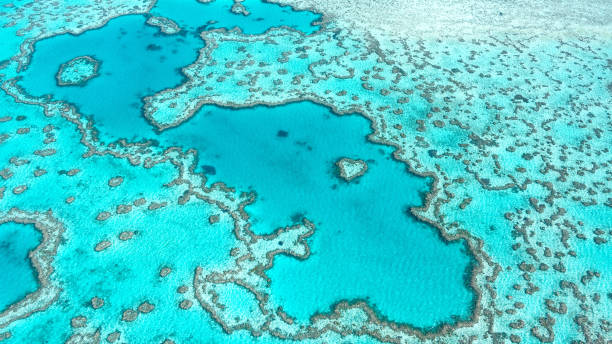
Great Barrier Reef
Great Barrier Reef: What It Is, What Has Changed, and Why It Still Matters to Visit In 2025, the Great Barrier Reef experienced its sixth mass bleaching event since 2016 – only the second time it has suffered bleaching in consecutive years. The northern and far northern sections have been hit hardest, and parts of the Marine Park were affected simultaneously by cyclone damage and flood...
read more
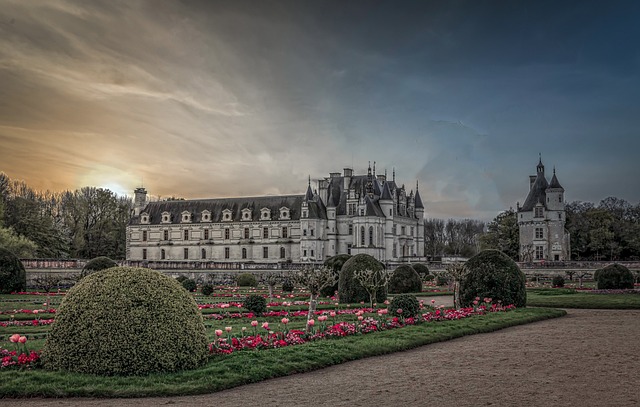
Chenonceau
Chenonceau: The Most Visited Chateau in France After Versailles, Built and Fought Over by Women The Chateau de Chenonceau has been shaped by an unusual succession of women who owned or controlled it – Diane de Poitiers, the mistress of Henri II who received it as a gift in 1547 and built the bridge across the Cher River; Catherine de Medici, the queen who expelled Diane after Henri’s...
read more
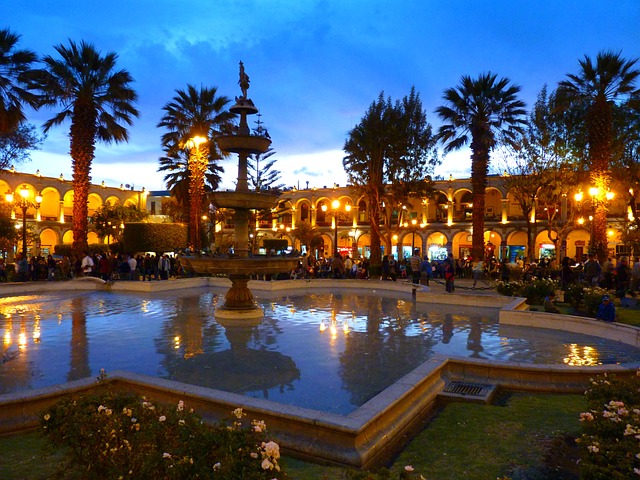
Arequipa, Peru
Arequipa, Peru Arequipa earned the nickname “White City” from its buildings of white sillar stone, a volcanic rock quarried from the flanks of El Misti, the 5,822-metre perfect-cone volcano that dominates the city’s skyline. The stone’s specific texture and colour – pale grey-white in shadow, almost luminous in direct light – gives the Historic Centre a...
read more
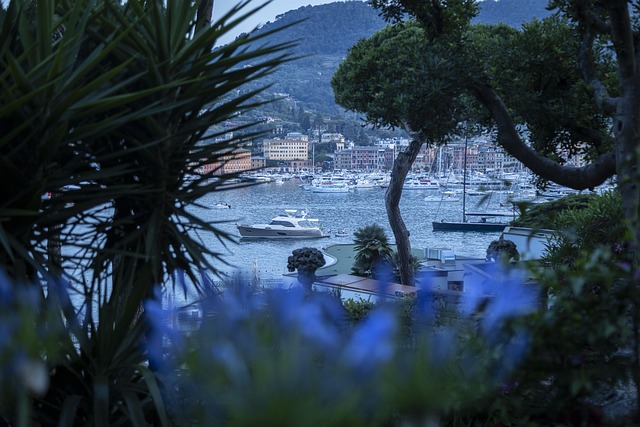
Portofino
Portofino: Small, Expensive, and Worth at Least an Afternoon Portofino is the kind of place that feels simultaneously overcrowded and worth visiting. The pastel-painted harbour houses, the yachts nodding at their moorings, the cypress-covered headland – the postcard image is entirely real, which is more than can be said for most famous Italian views. A coffee at a harbour-front table runs...
read more
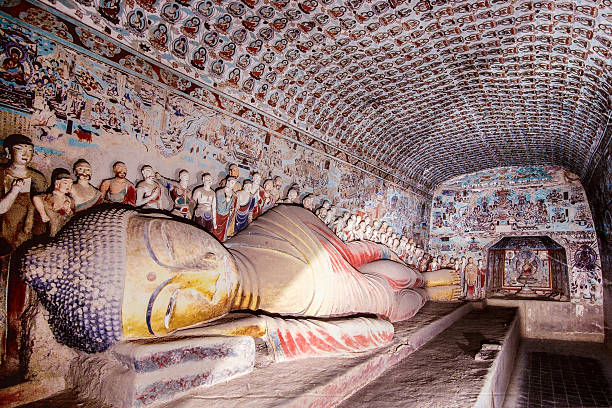
Mogao Caves
Monks began carving caves into a cliff face at the edge of the Gobi Desert in 366 CE. They continued for roughly a thousand years, through the Northern Wei, Sui, Tang, Song, and Yuan dynasties. The result is 492 caves containing 45,000 square metres of painted murals and 2,400 painted sculptures, 25 kilometres southeast of Dunhuang in Gansu Province. The Tang dynasty caves (618 to 907 CE) are the...
read more
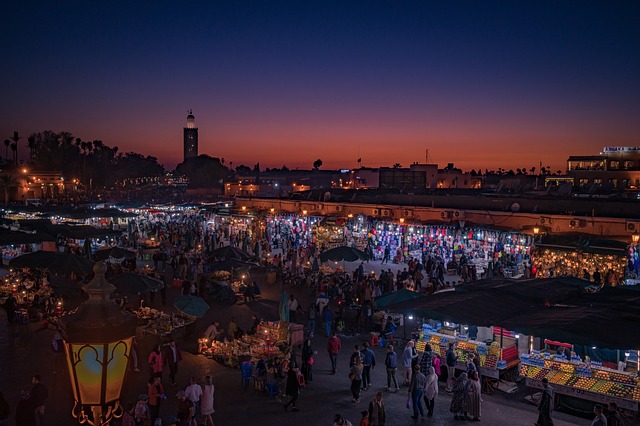
Khongoryn Els
Khongoryn Els, Mongolia The name translates loosely as Singing Sands. The sound comes from wind moving across dry quartz sand and producing a low rumble that carries some distance across the desert floor. You do not need to be told it is unusual; it announces itself.
Khongoryn Els is the largest sand dune system in Mongolia: a ridge running roughly 185 kilometres along the edge of the Gobi Desert...
read more
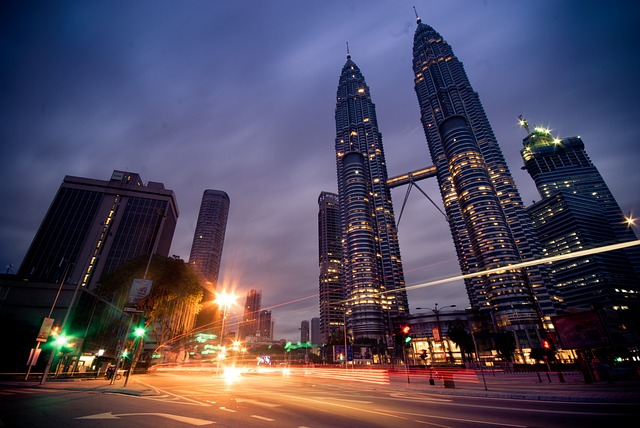
Petronas Towers Kuala Lampur
Petronas Twin Towers, Kuala Lumpur The Petronas Towers held the title of world’s tallest buildings from 1998 to 2004. What made them notable then and still makes them distinctive now is not the height but the design: Cesar Pelli drew from Islamic geometric patterns, specifically the eight-pointed star that forms the cross-section of both towers, which gives them a visual identity that most...
read more
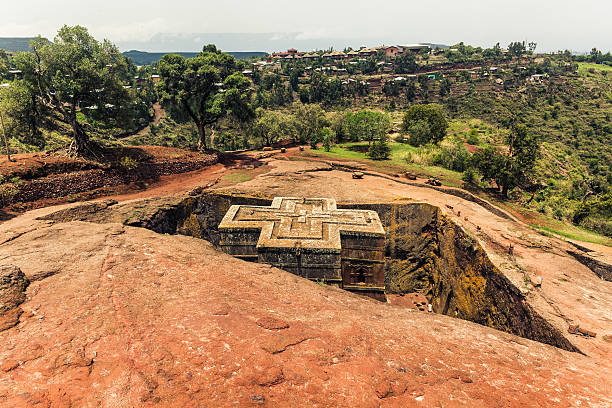
Rock Hewn Churches, Lalibela
The eleven rock-hewn churches of Lalibela were not built upward. They were carved downward: the plateau was excavated to expose the volcanic tuff, and then the church forms were carved out of the exposed rock so that each building is a single piece of stone, detached on all sides from the parent cliff, rooted only at the base. King Lalibela commissioned them in the 12th and 13th centuries as a New...
read more
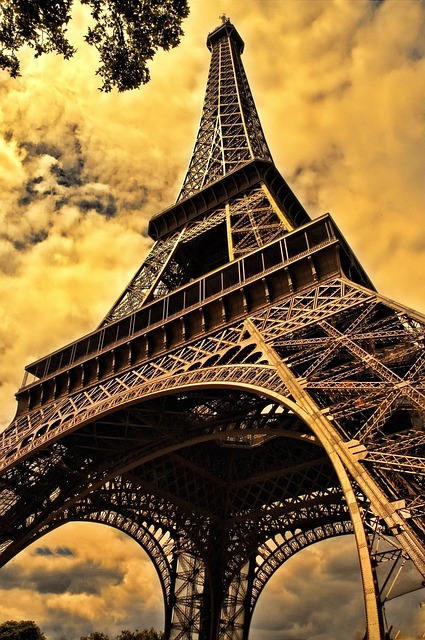
. Eiffel Tower
When the Eiffel Tower was announced for the 1889 Paris Exposition, a group of French artists and writers published a protest letter calling it “this truly tragic street lamp,” “a hateful column of bolted sheet metal,” and “a black and gigantic factory chimney.” Gustave Eiffel responded by pointing out that the same people who considered it ugly had no objection...
read more
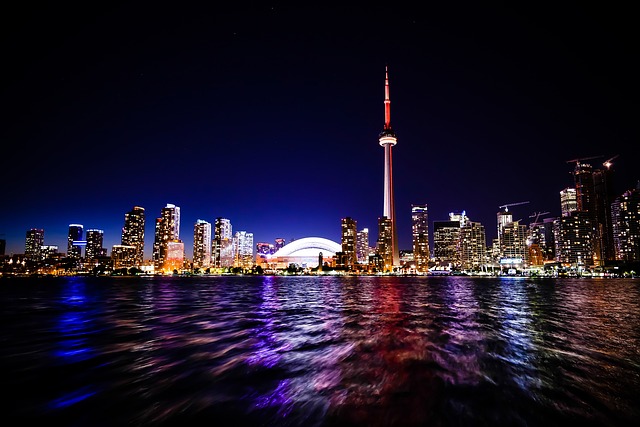
CN Tower
The CN Tower was completed in 1976 at 553.3 metres, making it the world’s tallest free-standing structure for 34 years until Burj Khalifa opened in 2010. It lost the record. It is still the best observation point in Toronto and one of the more satisfying views available from any North American city on a clear day. The engineering is more interesting than the height competition it used to...
read more
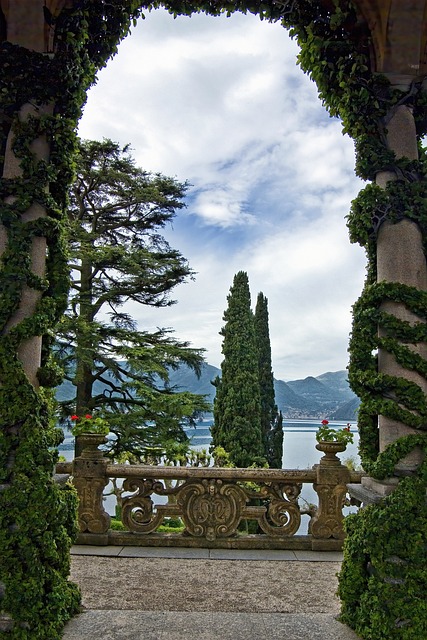
Villa Del Balbianello Lake Como
Villa del Balbianello was used as the outdoor filming location for parts of Star Wars: Episode II, where it doubled as Naboo. It also served as James Bond’s Swiss clinic in Casino Royale. Both productions chose it because it photographs as a fantasy even though it is entirely real: an 18th-century loggia on a promontory headland above Lake Como, with terraced gardens stepping down in tiers...
read more
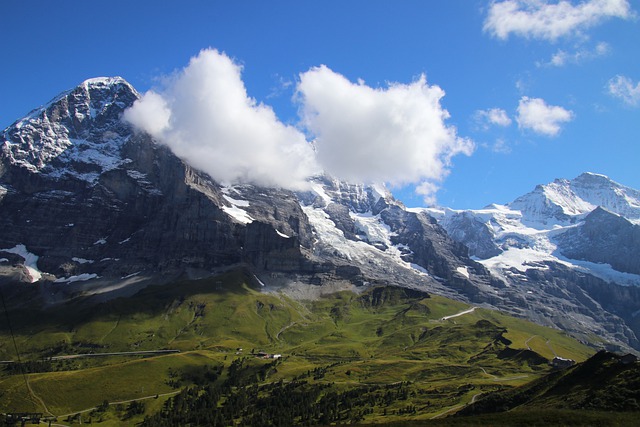
Jungfrau
The Jungfrau Region The Jungfraujoch train ticket is one of the most expensive single journeys in the world for its distance: around CHF 230 return from Interlaken to the saddle at 3,454 metres. Whether it is worth it depends almost entirely on the weather. On a clear day, the panorama from the Top of Europe terrace, with the 23-kilometre Aletsch Glacier below and the Italian Alps on the horizon,...
read more
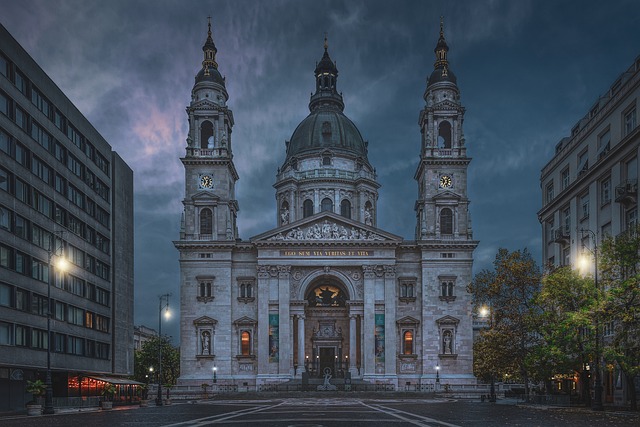
St Marks Basilica
St Mark’s Basilica, Venice St Mark’s Basilica is not a typical church. Built to house the relics of St Mark – stolen from Alexandria in 828 AD (wrapped in pork and cabbage to pass Muslim customs officials, according to legend) – it served as the private chapel of the Doge of Venice for nearly a thousand years before becoming the city’s cathedral. The exterior is a...
read more
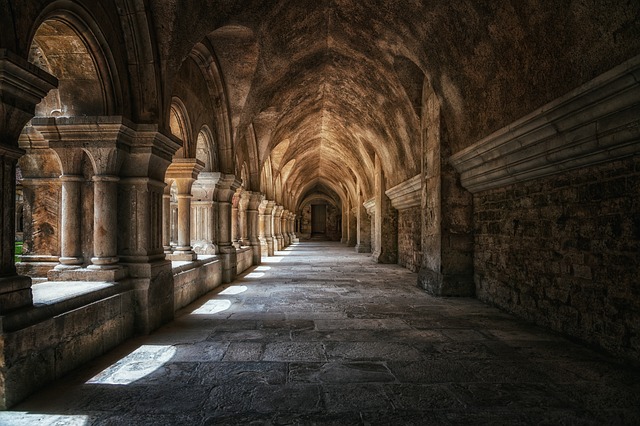
Erdene Zuu Monastery
Erdene Zuu: Mongolia’s Oldest Monastery, Built on the Rubble of an Empire In 1586, a Mongolian noble named Abtai Sain Khan built a monastery on the site of Karakorum, the 13th-century capital of the Mongol Empire. The old capital had already been destroyed and rebuilt multiple times; its stones were recycled as building material for the monastery walls. This repurposing of imperial rubble...
read more
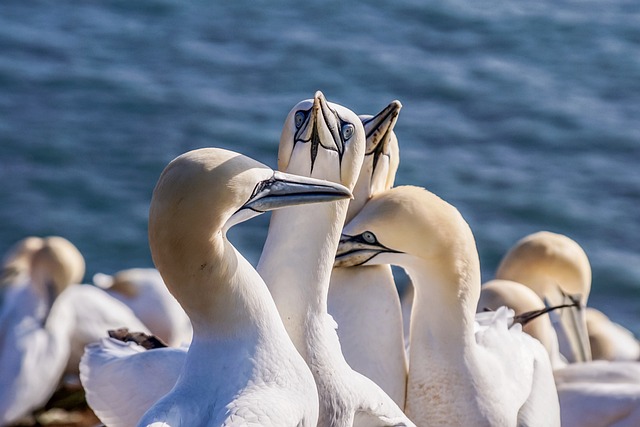
Northern Lights
The aurora borealis photographed by a modern phone camera and the aurora borealis seen with your own eyes are not the same experience. Cameras pick up colour that dark-adapted human eyes often cannot register at lower activity levels; at high activity levels, the green and occasionally red curtains moving across the sky are something the camera undersells. Either way, you need dark skies, at least...
read more
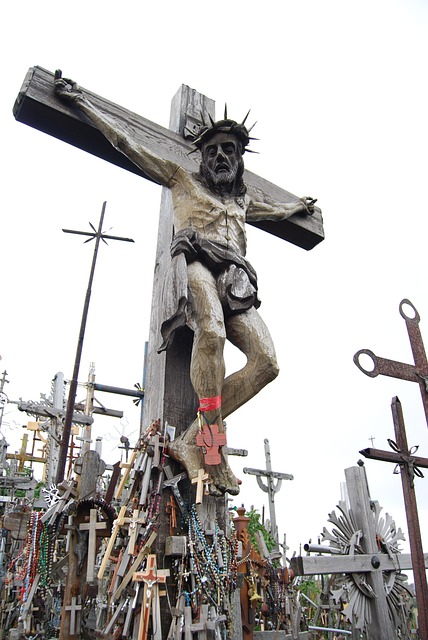
Hill of Crosses Lithuania
Hill of Crosses, Lithuania: Soviet Bulldozers Flattened It Three Times. Lithuanians Rebuilt It Each Time. The Soviet authorities demolished the Hill of Crosses in 1961, 1973, and 1975. Each time, Lithuanians came back and rebuilt it. The third demolition happened after the site had already been rebuilt twice; the defiance by then had its own momentum, and the crosses that replaced the bulldozed...
read more
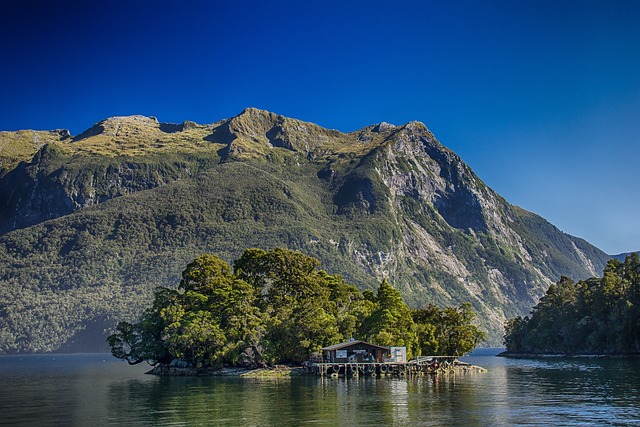
Doubtful Sound
Doubtful Sound, Fiordland Captain Cook named it Doubtful Harbour in 1770 because he doubted his ability to sail in against the prevailing winds and get back out. He never entered it. The name stuck after later surveyors refined it to Doubtful Sound – technically a misnomer, since it is a fiord (formed by glacial erosion and flooded by seawater) rather than a sound, but no one has moved to...
read more
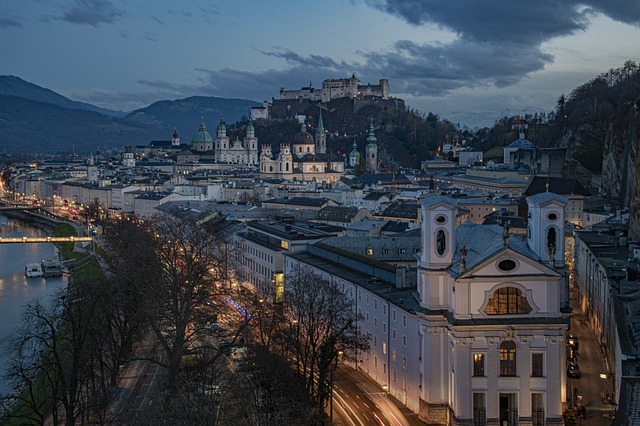
Festung Hohensalzburg
Festung Hohensalzburg: The Fortress That Never Fell Hohensalzburg is one of the largest and best-preserved medieval fortresses in Europe, and almost uniquely among large Central European castles, it was never conquered by siege. Construction began in 1077 by Archbishop Gebhard von Helffenstein during the Investiture Controversy between the Pope and the Holy Roman Emperor. Subsequent archbishops...
read more
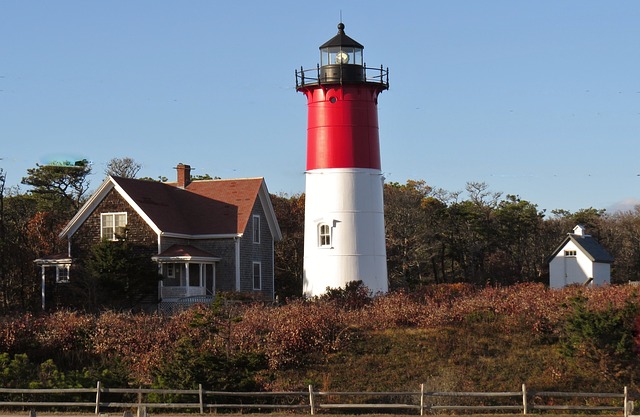
Cape Cod
Cape Cod Cape Cod is a 65-mile peninsula curling into the Atlantic off southeastern Massachusetts – the arm-shaped hook visible on any map of New England. It draws nearly five million visitors in summer and very few in winter, which means the shoulder seasons (late May, early June, and September through October) are when the Cape is worth visiting: the water is warm enough, the crowds are...
read more
Skara Brae
Skara Brae, Orkney Skara Brae is older than Stonehenge. Older than the Egyptian pyramids. This stone-built Neolithic village on Orkney’s west coast was occupied from around 3100 BCE to 2500 BCE and was concealed under a sand dune until a severe storm revealed it in 1850. A second storm in 1925 prompted the first serious excavation and led to the protective seawall visible today.
Standing at...
read more