Recent Mad Traveller
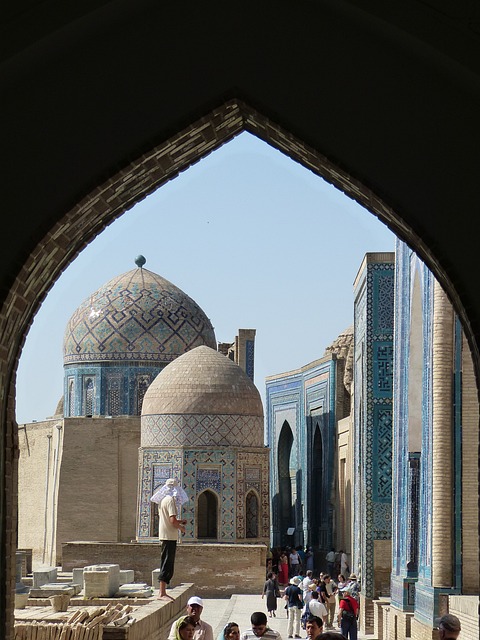
An Evening Itinerary for Samarkand Couples
Samarkand’s romantic side shows up after the tour buses leave: floodlit domes against a dark desert sky, a 19th-century wine cellar, and a dinner table set under plane trees planted generations ago. None of it needs a reservation made months out.
Registan and Gur-e-Amir by floodlight
Once the daytime crowds clear, Registan Square and the ribbed dome of Gur-e-Amir are lit amber, gold, and...
read more
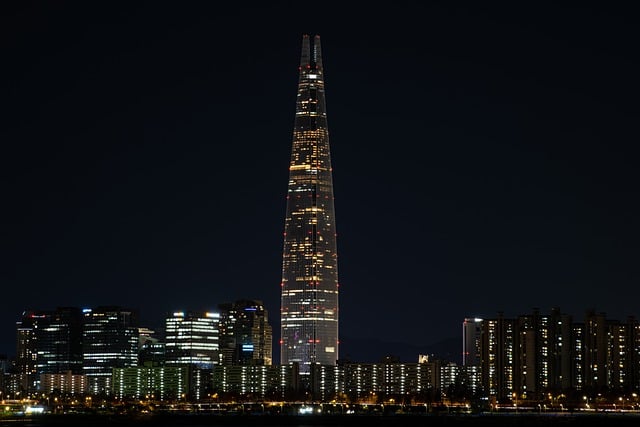
Romantic Evenings in Seoul
Seoul’s most romantic hours happen after dark, on two towers and one bridge, with a neighborhood of warehouse cafes to fill the afternoon before either.
N Seoul Tower and the love locks Namsan Cable Car departs from Sopa-ro near Myeongdong Station Exit 3, a short walk to the Namsan Ormi outdoor elevator; round-trip fare runs around 17,000 won, though it’s worth confirming the exact...
read more
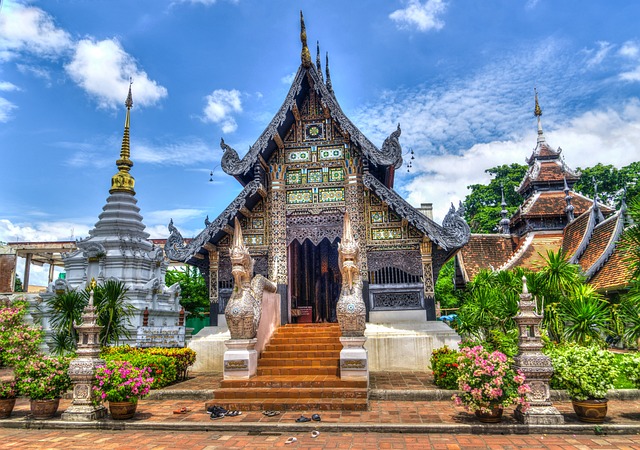
Chiang Mai Sightseeing: Temples and Views
Six temples cover most of what a first Chiang Mai sightseeing day needs, four inside the 1.6 km moated Old City and two on the mountain 15 km west, and every one of them is worth knowing its actual fee and hours before arriving.
Inside the Old City moat Wat Phra Singh, founded 1345, houses the revered Phra Buddha Sihing image inside the gilded Wiharn Lai Kham hall (50 THB foreign admission,...
read more
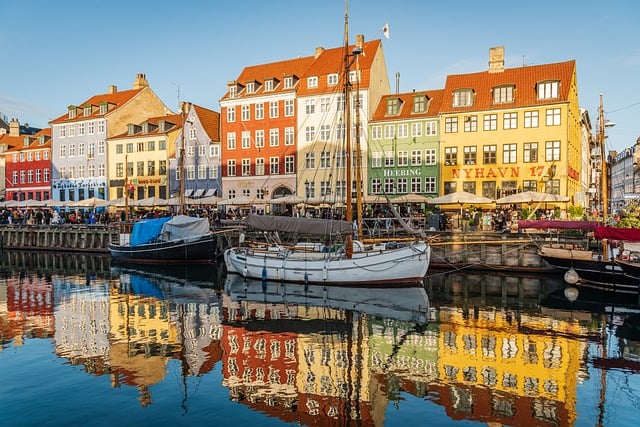
Copenhagen Sights That Earn a Ticket
Copenhagen’s royal sights cluster tightly enough to walk between most of them, which means the real decision is not where to go but which tickets to buy. Two of the best views in the city cost nothing at all, and one of the most photographed ones is smaller than photos suggest.
Rosenborg Castle and the Crown Jewels Øster Voldgade 4A, built 1606-1624 as Christian IV’s summer retreat....
read more
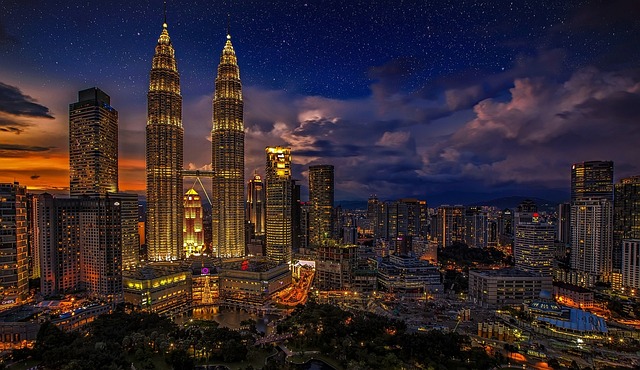
Kuala Lumpur's Skyline and Colonial Core
Kuala Lumpur’s sightseeing runs on a vertical axis, from 19th-century Moorish domes on Merdeka Square to a 451.9-meter tower complex nine minutes away by LRT.
Petronas Twin Towers César Pelli’s 88-storey towers use an Islamic eight-pointed star floor plan, and the visit covers two separate levels: the double-deck Skybridge on levels 41-42 (170m) and the Observation Deck on level 86...
read more
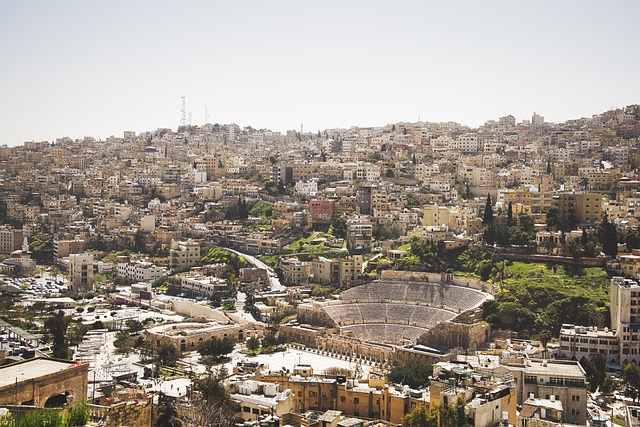
A Quiet Romantic Evening in Amman
Amman’s romantic side is built on stone and steam rather than sand: a sunset over an ancient hilltop, a candlelit courtyard dinner, a shared hammam ritual, and a Dead Sea weekend with a five-star spa attached.
Sunset Adhan at the Citadel Sit on the marble foundations of the Temple of Hercules as the sun drops behind Amman’s hills. The evening Call to Prayer starts from hundreds of...
read more
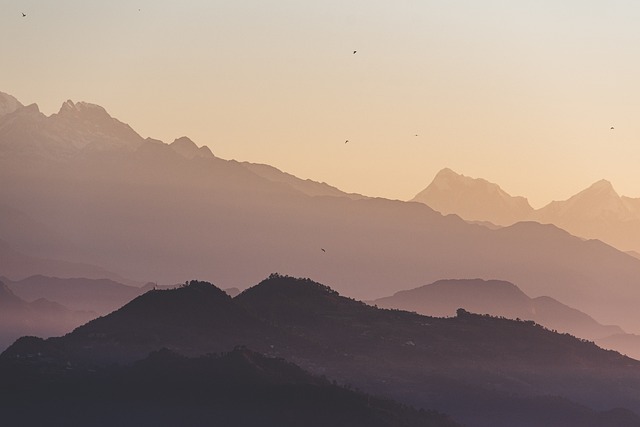
Pokhara Sightseeing, Sunrise to Sunset
Pokhara’s sights cluster into two kinds: what you climb toward before dawn, and what you find in the streets and caves of the valley floor. Both are worth building a full day around.
Sarangkot at sunrise Leave Lakeside by 05:00 in summer or 05:45 in winter to reach the Sarangkot viewing towers at 1,600m, or ride the Annapurna Cable Car up instead; paragliding launch windows from the same...
read more
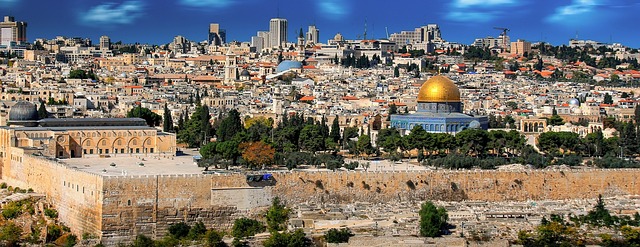
Romantic Jerusalem: Where to Go
Travel advisory: the security situation in Israel and the West Bank can change with little warning, and different governments word their advice differently. Check your own government’s current advisory, such as the US State Department or UK FCDO , before booking, and note advice differs for the West Bank and areas near Gaza.
Jerusalem’s romance isn’t in its holy sites - the...
read more
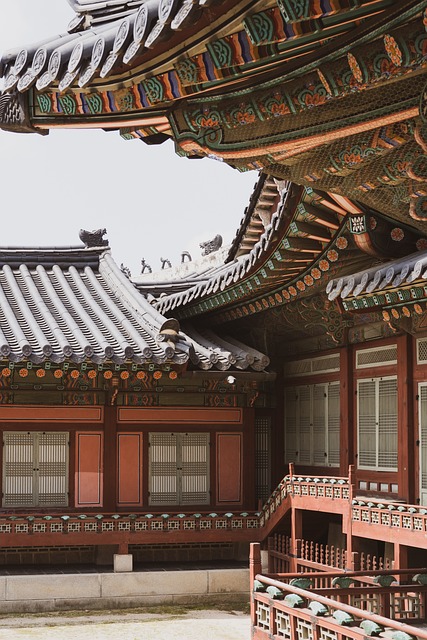
Korea's Romantic Getaways for Couples
South Korea’s romantic side favors slow rituals over grand gestures: a sunset over the Han River from a private deck, a padlock clipped to a fence 480 meters up a mountain, and a quiet stone courtyard behind a hanok door.
N Seoul Tower, sunset and love locks Namsan Mountain sits 480 meters above the city, reached by the Namsan Cable Car from Hoehyeon (round trip 15,000 won) or an electric...
read more

Panama for Two, Beyond the City
Panama’s romantic side splits cleanly between two paces: an evening in Casco Viejo’s cobblestone streets and rooftop bars, and a slower few days on the water in Bocas del Toro or aboard a sunset sail. Neither needs a packed itinerary to work.
Casco Viejo at sunset The old town’s plazas and boutique hotel rooftops, Tantalo, CasaCasco, Salvaje, look across the bay to the glowing...
read more

Romantic Nice for Two
The romantic version of Nice runs on timing more than venue: the same viewpoints and coves that pack out at midday empty out by evening, and the best of them cost nothing at all.
Sunset at Pointe Rauba Capeù Where the Promenade des Anglais curves around the base of Castle Hill into Quai des États-Unis, the rocky point catches the full sweep of the Baie des Anges and the Belle Époque facades behind...
read more
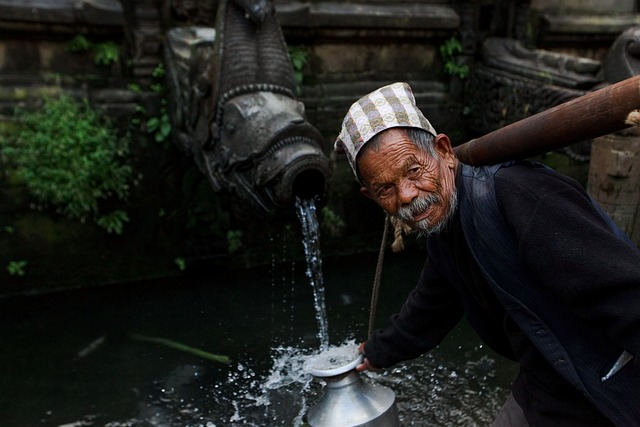
Walking the Old Kathmandu Bazaars
The medieval layout of Kathmandu, Patan and Bhaktapur still functions as a working street plan, not a preserved museum piece, so walking it is closer to moving through a living neighborhood than touring a site. No sidewalks outside the pedestrianized cores, though: expect to share the road with motorbikes and the occasional cow.
Thamel to Durbar Square, through the bazaars Starting at southern...
read more
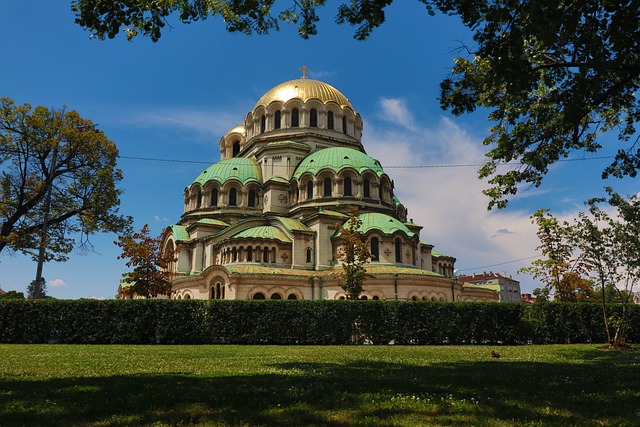
Walking Tours of Sofia
Sofia’s historic center is compact enough that a single free tour covers most of it, and a second, food-focused one fills in the rest over a couple of hours.
The Free Sofia Tour Run daily, 365 days a year, by the 365 Association, this tour meets on the steps of the Palace of Justice at bul. Vitosha 2 at 11:00 and 18:00, with an added 14:00 slot in peak summer. It runs 2 to 2.
read more
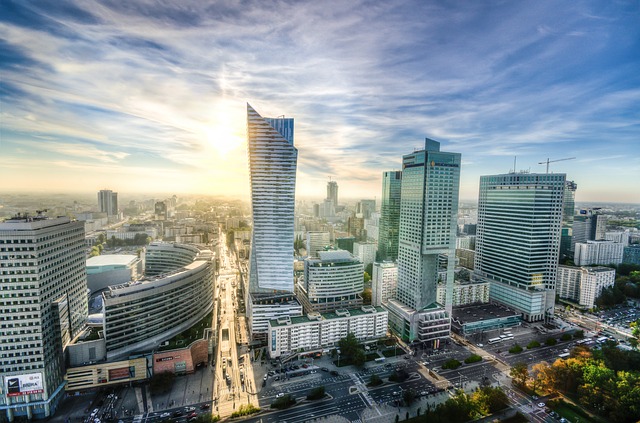
Walking Warsaw's Old Town and Ghetto Trail
Warsaw is flat and compact enough that its history reads best on foot, block by block, rather than through a bus window. Four routes cover most of what matters.
Royal Route and the reconstructed core, 2.5-3 km Start at Castle Square, ring the wishing bell at Kanonia Square, cross the Old Town Market Square and the Barbican into New Town, where Marie Curie was born at ul. Freta 16. Head back south...
read more
Brussels Sightseeing Essentials
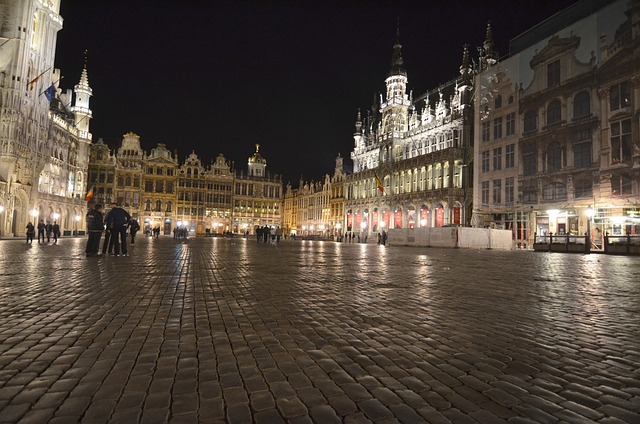
The landmarks everyone photographs in Brussels come with real gates behind them: timed tickets, seasonal closures, and one very specific summer window worth knowing about before you build a schedule around it.
Grand-Place and the Town Hall Free to enter any hour of the day, the guildhalls around the square are best seen lit at night. The Hôtel de Ville interior is a separate €15 guided tour, 55...
read more
Four Walking Routes Through Luang Prabang
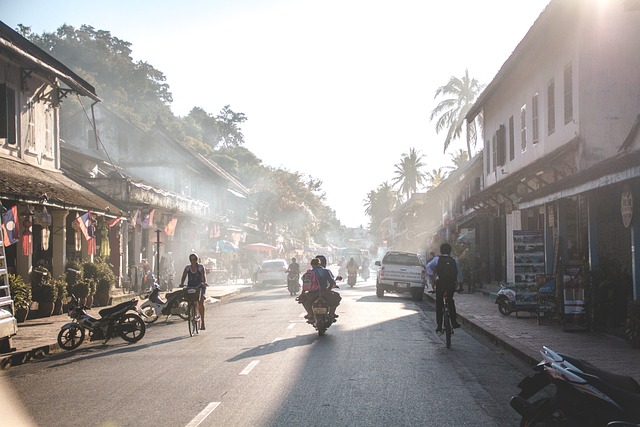
Luang Prabang’s peninsula is flat, traffic-calmed, and about 1 kilometer end to end, which makes it one of the easiest old towns in Southeast Asia to cover entirely on foot. Four routes cover it without repeating the same street twice.
The UNESCO peninsula heritage spine Start at Haw Kham, the Royal Palace, on Sisavangvong Road, then head northeast past colonial villas and cafes, past Wat...
read more
A Penang Spine: 3 Days, or 5
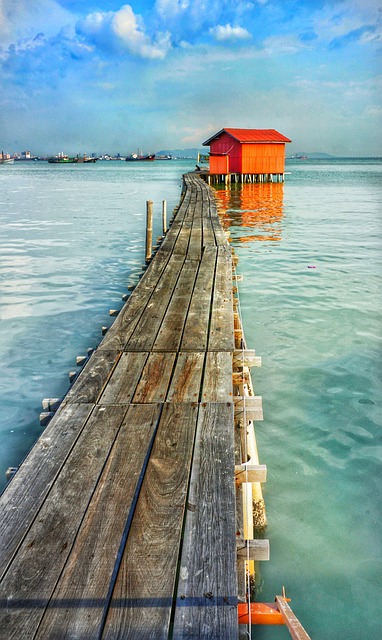
Three to four days covers Penang properly; two days of George Town heritage and food, one day for Penang Hill and Kek Lok Si, and one day for the coast or the countryside. A fifth day pushes onto the mainland.
Day 1: George Town’s UNESCO core Start with an 08:00 street art walk along Armenian Street and Ah Quee Street before the heat sets in, then tour Khoo Kongsi’s carved clan house.
read more
Kazakhstan Multi-Day Routes
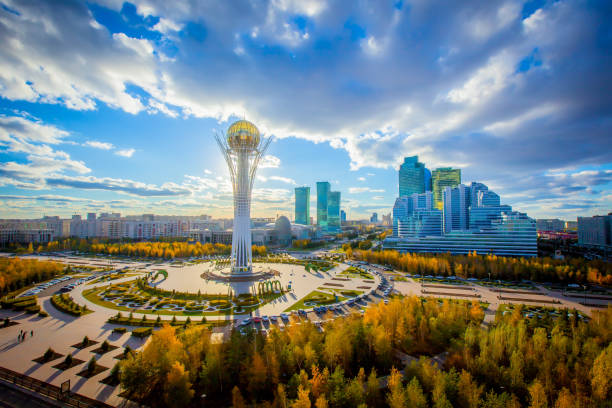
Kazakhstan’s real distances mean the country’s best material sits outside day-trip range. Three routes cover the ground worth the extra nights.
The Zhetysu lakes circuit (3 days, 2 nights, from Almaty) Day 1: drive to Charyn Canyon for the Valley of Castles hike, then continue roughly 100 kilometers east to Saty village for a homestay or yurt camp dinner of beshbarmak. Day 2: a 4WD UAZ...
read more
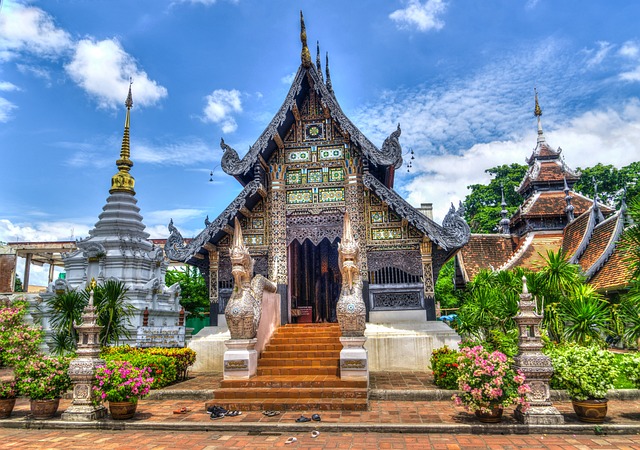
Multi Day Trips From Chiang Mai
Chiang Mai Province rewards more than a long weekend. Two multi-day structures cover most of what the province offers: a compact 3-day loop through the city and its two flanking mountains, and the full 5-day Mae Hong Son circuit for travelers with a rental car or driver and no rush.
3-day heritage and highlands Day one stays in the city: a morning walking the Old City temples, Wat Chedi Luang and...
read more
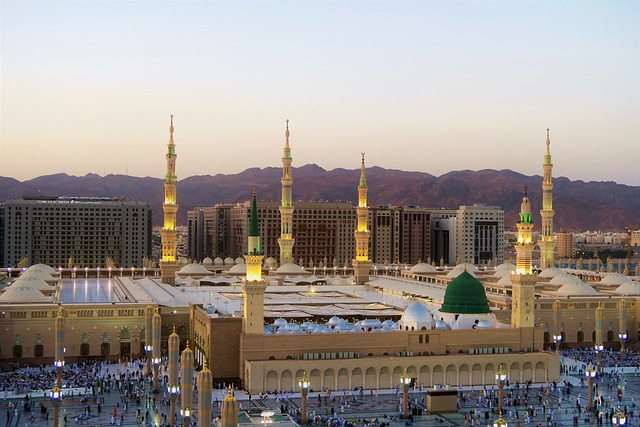
Multi-Day Itineraries Anchored in Medina
What kind of traveler is going determines which multi-day route out of Medina actually fits, since the three real options here pull in different directions entirely.
Pilgrims: the Twin Holy Cities corridor This is the route the majority of arrivals are on: 2 to 3 days in Medina, then the Haramain High-Speed Railway south to Makkah for Umrah, 3 to 7 days total depending on how long each city gets....
read more
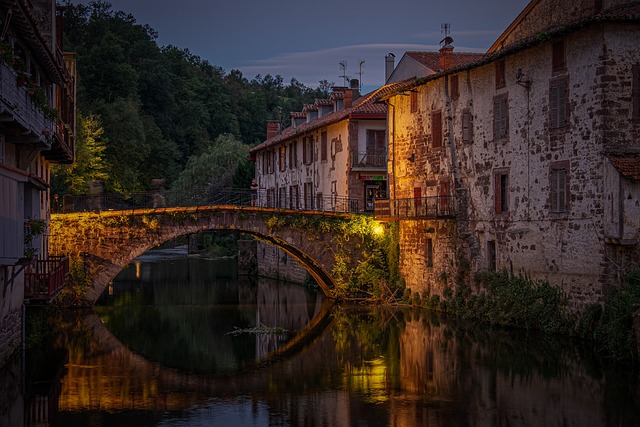
Multi-Day Trips From Santiago
Santiago is Chile’s hub, not its destination for a second week, and the country’s best-known landscapes all sit a flight or a long bus ride out from here.
San Pedro de Atacama, the northern desert A 2-hour flight from SCL to Calama (CJC) on LATAM, SKY, or JetSMART, from USD 40 to 120 one way, connects to a 75-minute shuttle into San Pedro de Atacama at 2,400 meters. Three to five days...
read more
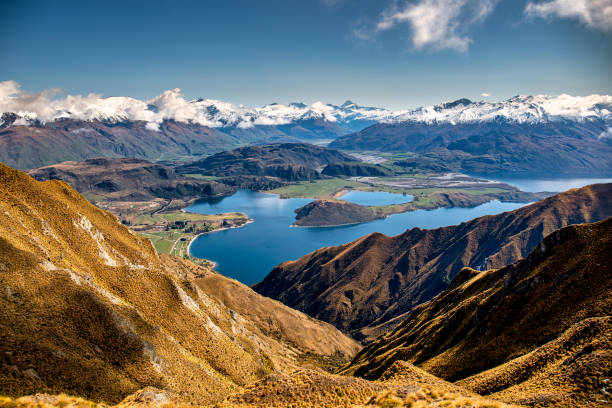
New Zealand Multi-Day Great Walks Guide
New Zealand’s best multi-day trips are structured around DOC’s 10 Great Walks, booked months ahead, or a road-trip circuit strung across one island.
The Great Walks system Bookings open annually in May or July on DOC’s booking portal , and popular walks sell out within 15-45 minutes. International hut fees run well above the New Zealand resident rate, and DOC has raised them...
read more
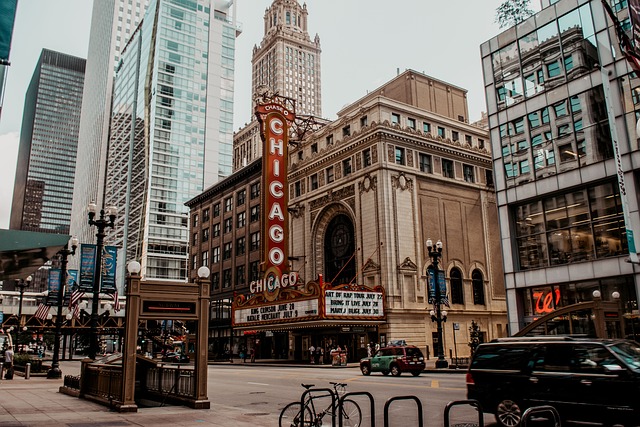
Planning a Multi-Day Chicago Trip
Chicago does not have a single ring of multi-day excursions the way some cities do. What works is either a place too far to squeeze into a single day, or two or three of the shorter day trips strung together into a long weekend. Here is the honest version of both.
Galena, a genuine overnight Galena sits about 160 miles west of Chicago, roughly 3.5 hours of driving each way, which puts it well...
read more
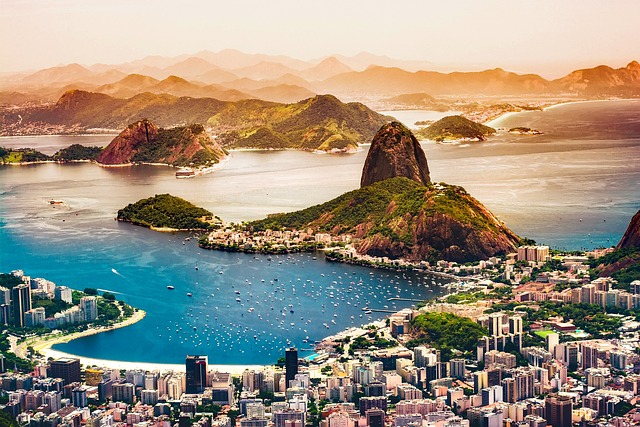
Rio de Janeiro's Essential Sights
Two granite landmarks anchor Rio’s skyline, and both sell tickets in tiers rather than a single flat price. Get the pricing right before you book and the rest of the city’s viewpoints fall into place around them.
Christ the Redeemer and Corcovado The 38-metre Art Deco statue, completed in 1931, crowns the 710-metre granite peak inside Tijuca National Park. The historic cog train from...
read more
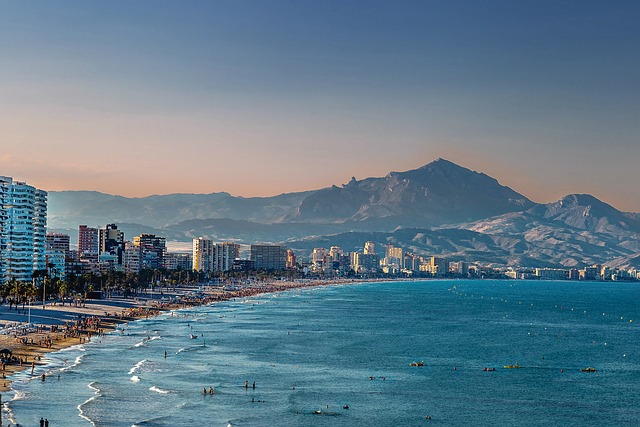
Walking Alicante: Ramparts to Refugios
Alicante’s compact center makes it a genuinely good walking city, and its topography means the routes vary far more than “old town, then the seafront”: one climbs a mountain, another goes underground.
The fortress ramparts and Santa Cruz climb Start at Plaza Puerta del Mar and take the winding pine paths through Parque de la Ereta, then thread the cobbled alleys of Barrio de...
read more
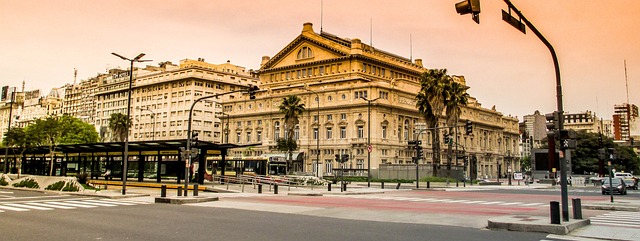
Buenos Aires Sightseeing, Block by Block
Buenos Aires reads its own history in its architecture, from the pink executive palace to the necropolis where the city buries its icons.
Plaza de Mayo and the Casa Rosada The political heart of Argentina since 1580, Plaza de Mayo is flanked by the pink Casa Rosada, the colonial Cabildo, and the neoclassical Catedral Metropolitana, which holds the mausoleum of General San Martín. Since 30 April...
read more
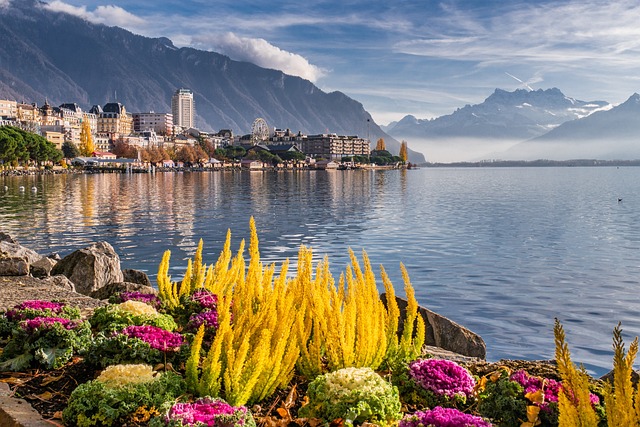
A Multi-Day Geneva Itinerary
Three days covers Geneva itself comfortably; a fourth day only pays off if you add a Chamonix overnight rather than another museum in the city.
Day one: the city on foot Start in the Vieille Ville at Place du Bourg-de-Four, Geneva’s oldest square, and climb to St. Pierre Cathedral: the nave is free, the towers CHF 7, the archaeological crypt CHF 8, or CHF 12 combined. Spend the afternoon at...
read more
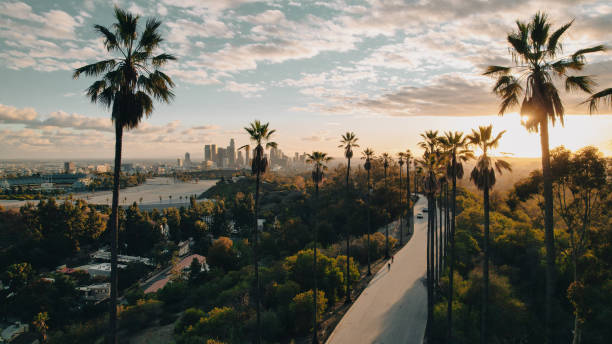
A Slower, Romantic Side of Los Angeles
Los Angeles rewards a slower pace better than a rushed one: a picnic dinner under the stars at the Hollywood Bowl, a lantern-lit walk along the Venice Canals, a gondola for two in Long Beach. None of it needs a car rental beyond what gets you to Malibu.
The Hollywood Bowl, picnic included The Hollywood Bowl’s 17,500-seat hillside amphitheater hosts the LA Philharmonic under Gustavo Dudamel...
read more
Luang Prabang Sights: Temples to Phou Si
By 5:45pm, the 328 stone steps up Mount Phousi are a slow-moving line of tour groups all chasing the same photo. Climb it at 6am instead and you get the summit, the mist over the Mekong, and the same 360-degree view to yourself, inside a town UNESCO inscribed as a World Heritage Site in 1995 for exactly this kind of skyline.
Mount Phousi, at the right hour The climb to That Chomsi stupa at the top...
read more
A Romantic Night Out in Kuala Lumpur
Kuala Lumpur’s romantic side lives above street level, in rooftop bars and sky-high dining rooms that turn the Petronas towers into scenery rather than a destination to queue for.
A helicopter pad at sunset Heli Lounge Bar sits atop Menara KH on a fully functional helicopter landing pad that converts into an open-air rooftop bar at 17:00, with zero barriers or glass between you and the...
read more
Copenhagen for Couples, Slowly
Copenhagen’s romantic side is quiet and slow-moving: a silent electric boat on the canals, a wood-fired sauna at the harbor’s edge, a garden lit after dark. None of it needs a car, a booking three months out, or a table at a restaurant that requires a reservation.
An electric picnic boat, at your own pace GoBoat, based at Islands Brygge 10, rents silent, solar-powered boats with a...
read more
Kathmandu's Best Viewpoints and Sights
Mount Everest sits over 160km east-northeast of Kathmandu, hidden behind the Langtang, Jugal and Rolwaling ranges, so no street-level view of the valley floor shows it. Three routes actually get you a Himalayan skyline, and they trade time, altitude and cost against each other.
Nagarkot, the classic ridge view At 2,195m on the valley’s eastern rim, Nagarkot delivers the most complete...
read more
Romantic Chiang Mai: Spas, Cruises, Balloons
Chiang Mai’s romance runs quieter than Bangkok’s: mountain mist, garden spas, and a slow river rather than rooftop bars. A handful of experiences are built for two.
Sunrise over the rice fields A hot air balloon flight lifts silently over paddy fields and misty ridgelines at dawn, typically with a champagne breakfast and hotel transfer included. Balloon Adventure Thailand runs the...
read more
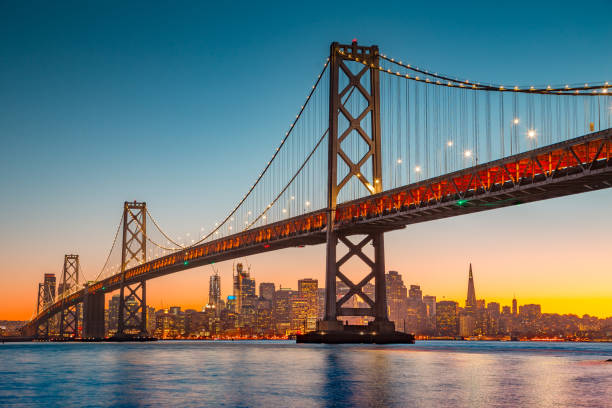
San Francisco on Foot: Walking Routes
San Francisco rewards walking more than almost any American city its size, and four routes cover most of what a car would only get stuck trying to park near.
Chinatown Enter through the Dragon Gate at Grant Avenue and Bush Street, then work north through Waverly Place, the “Street of Painted Balconies,” home to the Tianhou Temple founded in 1852. Ross Alley holds the Golden Gate...
read more
Sofia Sightseeing, Church by Church
Sofia’s sightseeing core fits inside a walkable half-mile, and most of the pricing decisions come down to one question: is the nave free but the crypt or museum behind it ticketed.
St. Alexander Nevsky Cathedral Open daily 07:00-19:00, the cathedral nave is free to enter, though a strict dress code applies: shoulders and knees covered, hats off for men. Compare hotels near the cathedral on...
read more
Warsaw Sightseeing: Old Town and Beyond
Warsaw was roughly 85-90 percent destroyed by the end of World War II, and almost everything historic-looking downtown is a reconstruction, built from 18th-century paintings and pre-war surveys rather than surviving stone. That fact changes how the sights read, and it’s worth carrying into the Old Town.
Old Town and the Royal Route The Old Town Market Square, rebuilt between 1948 and 1953...
read more
A Romantic Weekend in Brussels
Brussels is a working political capital first, so it will never have the canal-ringed hush of Bruges built in. What it does have is a handful of genuinely quiet, specific places: a private Art Deco mansion, a walled Renaissance garden, and a greenhouse that opens for three weeks a year.
Villa Empain, an hour out of the crowds Avenue Franklin Roosevelt 67, reached by tram 8 or 25 to Solbosch. Built...
read more
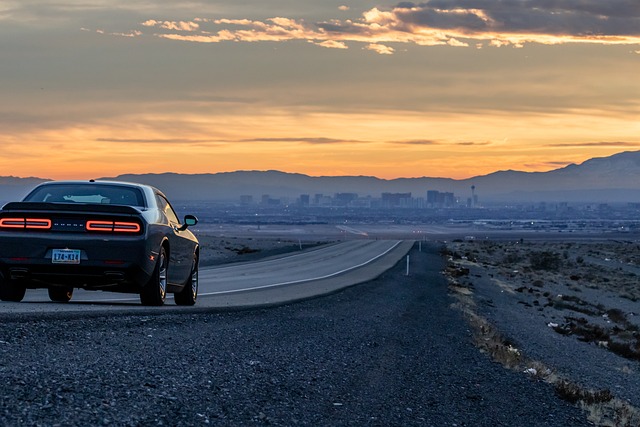
Multi-Day Trips From Las Vegas
Two destinations near Las Vegas genuinely need more than a day, and both fail badly if a visitor tries to compress them into one: the Grand Canyon’s South Rim and Death Valley in summer. Building a multi-day trip around either, rather than rushing them, is the safer plan.
Grand Canyon South Rim: the trip that needs the night Grand Canyon National Park’s South Rim is 280 miles from Las...
read more
Multi-Day Trips From Seoul by KTX
Seoul Station is the hub, not the destination, for four trips that turn a day out into an overnight: Gyeongju, Busan, Jeonju, and the Gangneung-Sokcho coast.
Gyeongju, two days and one night KTX from Seoul Station to Singyeongju Station takes about two hours and five minutes, roughly 49,300 won one way, with local buses 50, 51, or 700 covering the last stretch into town. Gyeongju was the capital...
read more
Samarkand in Three Days, or Five
Two full days covers the monumental core of Samarkand thoroughly. A third day for Shakhrisabz, or two more for a run to Bukhara, is what turns a stopover into a proper trip.
Day 1: The Timurid spine Start at 08:30 at Gur-e-Amir, when the light on its 64-fluted turquoise dome is softest, then walk to Registan Square for the three madrasahs; budget 90 minutes minimum. Lunch at Osh Markazi for...
read more
The Amman to Petra and Wadi Rum Circuit
Petra is 235 km south of Amman, 3 to 3.5 hours each way on the highway, which rules out a casual day trip: a round trip alone eats 6 to 7 hours before any time at the site. Every route below is built around at least one overnight instead.
The Golden Triangle, 3 to 4 days Day one runs Amman to Wadi Musa (Petra town) via Mount Nebo and Madaba on the King’s Highway, arriving in time for Petra...
read more
A Multi-Day Plan for Nice
Three days covers Nice itself plus one rail excursion; four lets Monaco and Cannes each get their own day instead of a rushed half. The coastal TER line makes every extension a train ticket, not a rental car.
Day one: the city on foot Start along the Promenade des Anglais toward Castle Hill, a 93m limestone rise reached by a free lift (10:00-17:25) or the 213 steps of Montée Lesage; the fortress...
read more
Alicante Sightseeing: Castle to Cota Cero
Every topographic height printed on a Spanish map traces back to a brass plaque on the floor of Alicante’s City Hall, which is a strange thing to learn standing in a municipal foyer that most visitors walk straight past.
Castillo de Santa Bárbara The fortress crowning Mount Benacantil at 166 meters is free to enter, walls, ramparts and exhibition rooms included; only the tunnel elevator from...
read more
Family Activities in Indonesia
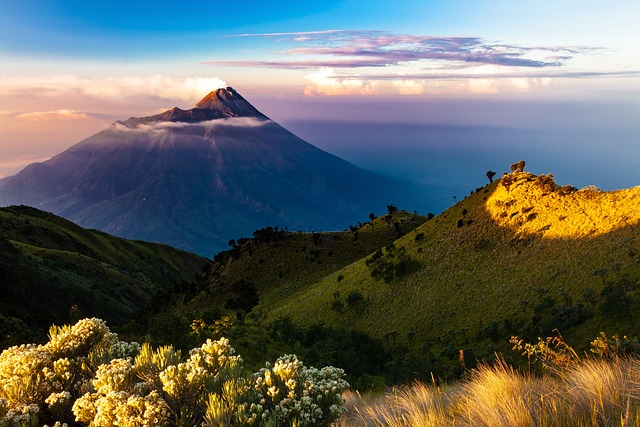
Indonesia’s best family stops are the ones built with children’s attention spans in mind rather than adapted for them: a waterpark ranked first in Asia, a conservation-minded safari, and a culture park designed to be walked, not lectured through.
Waterbom Bali Ranked the top waterpark in Asia by Tripadvisor, Waterbom spans 3.8 hectares in central Kuta with 22 slides, from the gentle...
read more
Multi-Day Treks Starting From Pokhara
Pokhara is the staging point for nearly every major Annapurna-region trek, and the rules around who can walk them changed in April 2023: the Nepal Tourism Board now requires every foreign trekker to hire a licensed guide, ending independent solo trekking inside the Annapurna Conservation Area. Every route below needs a registered agency and a licensed Nepali guide, on top of the permits.
Permits,...
read more
Multi-Day Trips Across South Korea
South Korea’s multi-day routes run on the KTX network, which turns Seoul, Gyeongju and Busan into a single loop, and on domestic flights, which are the only sane way to reach Jeju’s volcanic interior. Three routes cover most of what a first multi-day trip needs.
The KTX Golden Triangle: Seoul to Gyeongju to Busan, 5 to 7 days Spend the first three days in Seoul: Gyeongbokgung in a...
read more
Multi-Day Trips from Jerusalem
Travel advisory: conditions in Israel and the West Bank can shift with little notice, and governments word their guidance differently. Check your own government’s current advisory, such as the US State Department or UK FCDO , before booking several days here, and check again close to departure.
Jerusalem doesn’t hand you a packaged multi-day itinerary the way some destinations do -...
read more
Panama Multi-Day Trips by Region
Panama’s real regional destinations sit far enough from the capital that a single day never covers them properly. Three hubs are worth the extra nights: Guna Yala, Bocas del Toro, and the Chiriquí highlands around Boquete.
Guna Yala (San Blas Islands), 2 to 3 days A shared 4x4 picks up from Panama City lodging around 05:00 and crosses the cordillera to Puerto Cartí in about 2.5 hours, $50-60...
read more
A Romantic Weekend in Rio de Janeiro
Rio’s romance runs on views rather than venues: a sunset over Guanabara Bay from a sailboat deck, a rock shared with a hundred strangers watching the same sky, a hillside table lit by garden lanterns. visit.rio lists current hours for the viewpoints and gardens along the way.
Sunset sailing on Guanabara Bay Small-group and private sailboats leave Marina da Glória for a three-hour afternoon...
read more
A Romantic Weekend in Buenos Aires
Buenos Aires runs on close contact, unhurried dinners, and a dance built for two, which makes it one of the easier cities in South America to slow down in as a couple.
A tango salon, not a stadium show El Querandí, in an intimate 1920s salon at Perú 302, San Telmo, traces tango from 1860 to Piazzolla with a live six-piece orchestra, running roughly US$60-75 show-only or US$95-125 with a...
read more